The Best Fluffy Pancakes recipe you will fall in love with. Full of tips and tricks to help you make the best pancakes.
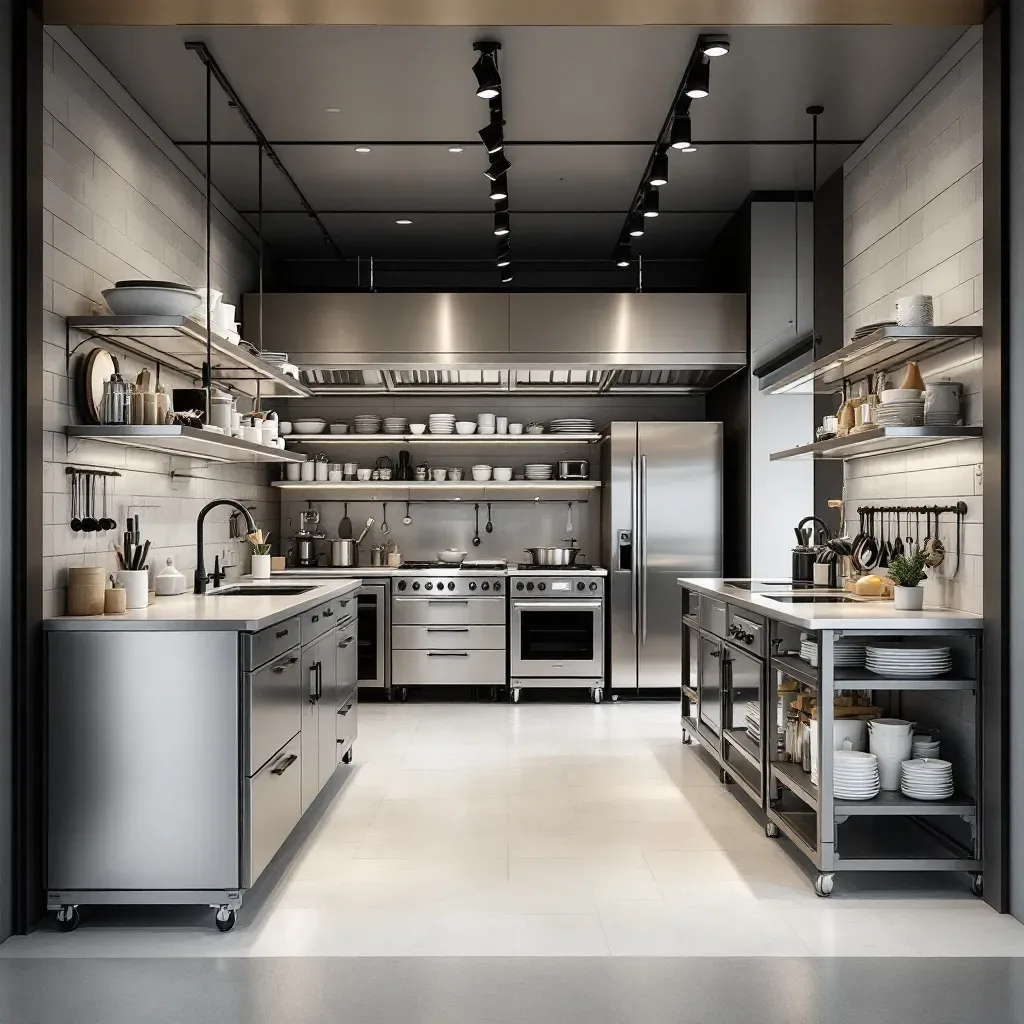
Small Commercial Kitchen Storage Solutions for Restaurants: When Every Inch Counts (And You’re Sick of Tetris-ing Your Ingredients)
Let me set the scene: It’s 2026, and you’ve just signed the lease on what you *thought* was a charming, cozy space for your dream restaurant. The exposed brick? Gorgeous. The open kitchen concept? Perfect for Instagram. The fact that your walk-in fridge is the size of a broom closet? Less than ideal. If you’re nodding along right now, welcome to the club, where “small commercial kitchen storage solutions for restaurants” isn’t just a buzzword, it’s a survival tactic.
I’ve been there. Not just as a food-obsessed writer who’s spent way too much time in restaurant kitchens, but as someone who’s watched friends and colleagues turn what should be a culinary playground into a logistical nightmare. There was this one bistro in East Nashville, let’s call it *The Squeeze*-where the chef had to store dry goods in the bathroom because, well, there was nowhere else. (Don’t worry, they were in sealed containers. Mostly.) The point is, small kitchens don’t have to mean small dreams. But they *do* mean you’ve got to get creative, strategic, and maybe a little ruthless about what deserves real estate in your space.
In this guide, we’re diving deep into small commercial kitchen storage solutions for restaurants-not just the obvious stuff like shelving and racks, but the *unexpected* hacks, the psychological tricks, and the hard-won lessons from chefs who’ve turned shoebox kitchens into Michelin-star-worthy operations. You’ll learn how to:
- Assess your kitchen’s true storage potential (spoiler: it’s probably more than you think).
- Choose storage solutions that actually *work* for your workflow, not just what looks good in a catalog.
- Implement vertical and modular storage without turning your kitchen into a Jenga tower.
- Keep everything safe, compliant, and accessible (because nothing kills efficiency like a health inspector’s side-eye).
- Make peace with the fact that you’ll never have enough space, but you *can* have enough *smart* space.
So grab a coffee (or something stronger, no judgment), and let’s talk about how to stop fighting your kitchen and start making it work for you.
The Brutal Truth: Why Small Kitchens Are a Blessing and a Curse
Before we dive into solutions, let’s get one thing straight: small kitchens are not the enemy. In fact, they can be a secret weapon. Think about it, when every square foot has to earn its keep, you’re forced to streamline, prioritize, and eliminate waste. That’s a good thing. But let’s not romanticize it either. Small kitchens are also:
- Stress amplifiers: One misplaced pot or missing ingredient, and suddenly your prep line looks like a crime scene.
- Workflow killers: When your sous chef has to climb over a stack of sheet pans to get to the walk-in, something’s gotta give.
- Budget black holes: You’ll spend more on storage solutions than you ever imagined, and half of them won’t work the way you hoped.
I remember talking to the owner of a tiny ramen shop in San Francisco, let’s call him *Ken*-who told me, “I spent $10,000 on custom shelving, and it still didn’t solve the problem. The problem wasn’t the shelves. It was that I was trying to fit a big-kitchen mentality into a small-kitchen space.” That’s the kicker: small kitchens require a completely different mindset. You can’t just shrink a big kitchen and call it a day. You’ve got to rethink how you store, prep, and move.
So where do you start? With a hard look at what you *actually* need to store. Not what you *want* to store, not what you *might* need someday, but what’s absolutely essential to your daily operations. This is where most people go wrong. They hold onto that giant stockpot “just in case” or keep a year’s supply of takeout containers “because it was a good deal.” Newsflash: if it’s not being used weekly, it’s clutter. And clutter is the enemy of small-kitchen efficiency.
Is this the best approach? Let’s consider: What if you treated your kitchen like a minimalist’s closet? If you haven’t used it in a month, it goes. Harsh? Maybe. Effective? Absolutely. The goal isn’t to strip your kitchen down to the bare bones, it’s to create a system where everything has a home, and that home is *easy to access*. Because here’s the thing: storage isn’t just about space. It’s about time. Every second your staff spends searching for a whisk or digging through a mountain of dry goods is a second they’re not cooking, plating, or serving. And in a small kitchen, those seconds add up fast.
Step 1: The Storage Audit, Or, How to Face Your Kitchen’s Dirty Little Secrets
You can’t fix what you don’t measure. That’s why the first step in any small commercial kitchen storage solution overhaul is a storage audit. This isn’t just about taking inventory, it’s about diagnosing the *why* behind your storage struggles. Here’s how to do it:
1. Map Your Kitchen Like a Crime Scene
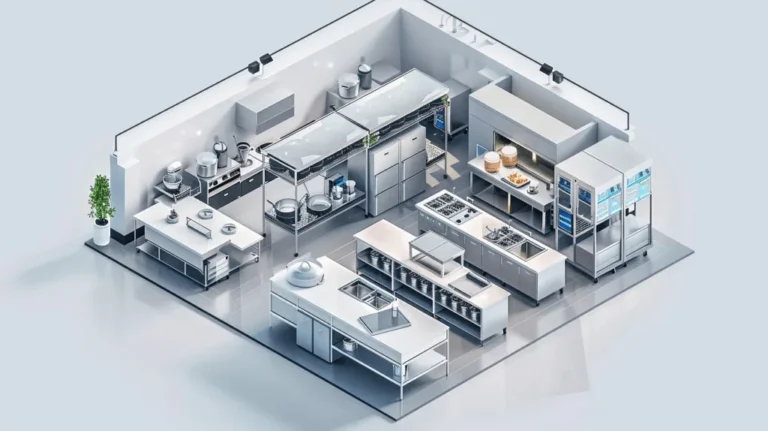
Grab a notebook (or a whiteboard, if you’re feeling fancy) and sketch out your kitchen. Not just the walls and equipment, but the *flow* of your staff. Where do they stand when they prep? Where do they move when they’re plating? Where do they *collide*? Because here’s the thing: storage isn’t just about where things live. It’s about where they’re used. If your line cooks are constantly walking across the kitchen to grab spices, that’s a problem. If your prep station is on the opposite side of the kitchen from your walk-in, that’s a bigger problem.
I once worked with a food truck owner, let’s call her *Maria*-who was convinced she needed more storage. After mapping her kitchen, we realized the issue wasn’t space. It was that her most-used ingredients were stored in the *least* accessible spots. She moved her most frequently used spices to a wall-mounted rack right above her prep station, and suddenly, she gained 20 minutes of prep time per shift. That’s the power of a good audit.
2. Categorize Your Chaos
Now, take inventory of *everything* in your kitchen. And I mean *everything*. Group items into categories like:
- Daily essentials: Things you use multiple times a day (spices, oils, utensils, prep containers).
- Weekly staples: Ingredients or tools you use a few times a week (bulk dry goods, backup utensils, specialty equipment).
- Occasional items: Things you use monthly or seasonally (holiday decor, backup serving platters, that weird spiralizer you bought on a whim).
- Dead weight: Stuff you haven’t touched in 6+ months (be honest).
This is where things get painful. Because let’s be real, we all have that one drawer (or shelf, or corner) where we shove things “just in case.” But in a small kitchen, “just in case” is a luxury you can’t afford. If you’re not using it, lose it. Sell it, donate it, or, if you’re feeling sentimental, store it off-site. But it can’t stay in your kitchen.
3. Measure Your Space (And Your Sanity)
Now, grab a measuring tape and get to work. Measure:
- Wall space (from floor to ceiling, and between obstacles like vents or outlets).
- Under-counter space (including the height of your counters, some storage solutions need more clearance than others).
- Ceiling height (because if you’re not using vertical space, you’re leaving money on the table).
- Walk-in dimensions (including the height of shelves and the depth of your racks).
Pro tip: Measure twice, buy once. Nothing’s worse than ordering a custom shelving unit only to realize it doesn’t fit because you forgot about the baseboard trim. And while you’re at it, measure your *staff*. If your tallest line cook can’t reach the top shelf without a step stool, that’s a problem. If your shortest prep cook can’t see into the back of your walk-in, that’s another problem. Storage solutions should work for *everyone*, not just the people who fit a certain height.
4. Identify Your Pain Points
This is where the audit gets personal. Ask yourself (and your staff):
- What’s the most frustrating part of your current storage setup?
- Where do you waste the most time looking for things?
- What’s always in the way?
- What’s always *missing* when you need it?
- What’s taking up space but not adding value?
Write it all down. No judgment. This isn’t about blame, it’s about identifying patterns. Maybe your walk-in is a disaster because you don’t have a labeling system. Maybe your prep station is always cluttered because you don’t have enough counter space. Maybe your dry goods are a mess because you’re using flimsy plastic bins that collapse under the weight. Whatever it is, name it. Because you can’t fix what you don’t acknowledge.
Step 2: The Psychology of Small-Kitchen Storage, Or, Why Your Brain Is Working Against You
Here’s something no one tells you about small commercial kitchen storage solutions for restaurants: the biggest obstacle isn’t space. It’s your brain. We’re wired to think in terms of “more is better,” but in a small kitchen, “more” just means “more clutter.” So before we talk about shelves and racks, let’s talk about the mental shifts you’ll need to make.
The “Out of Sight, Out of Mind” Trap
Humans are visual creatures. If we don’t see something, we forget it exists. That’s why so many small kitchens end up with a “miscellaneous” drawer (or shelf, or corner) where things go to die. The solution? Visibility is key. If you can’t see it, you won’t use it. That means:
- Clear containers for dry goods: No more guessing what’s in that opaque bin. If you can see it, you’ll use it.
- Open shelving for daily essentials: Spices, oils, and utensils should be within arm’s reach, not buried in a cabinet.
- Labels, labels, labels: Even if you *think* you’ll remember what’s in that container, label it. Future you will thank present you.
I’m torn between open shelving and closed cabinets. On one hand, open shelving is great for visibility and accessibility. On the other hand, it can look cluttered if you’re not careful. But ultimately, I think the benefits outweigh the risks. Just keep it organized, no one wants to see your backup whisk collection.
The “Just in Case” Hoarder Mentality
We’ve all been there: “I might need this someday.” But in a small kitchen, “someday” is a luxury you can’t afford. The rule of thumb? If you haven’t used it in 3 months, it’s not essential. That doesn’t mean you have to throw it away, just store it off-site. Rent a small storage unit, use a spare room in your home, or ask a friend with extra space. But it can’t stay in your kitchen.
This is where I struggle the most. I’m a “just in case” hoarder by nature. I once kept a giant paella pan in my tiny apartment kitchen for *two years* before I finally admitted I wasn’t going to use it. Don’t be like me. Be ruthless.
The “One Size Fits All” Fallacy
Not all storage solutions are created equal. What works for a bakery won’t work for a sushi bar. What works for a food truck won’t work for a fine-dining restaurant. The key is to match your storage to your workflow. Ask yourself:
- Do you need quick access to ingredients (like a fast-casual spot), or long-term storage (like a catering kitchen)?
- Do you have frequent menu changes, or is your menu static?
- Do you batch prep, or do you cook to order?
- Do you have high turnover (like a brunch spot), or slow, steady service (like a dinner-only restaurant)?
Your answers will dictate your storage needs. For example, if you batch prep, you’ll need bulk storage solutions for ingredients. If you cook to order, you’ll need easily accessible, small-batch storage for mise en place. If you have a static menu, you can optimize for specific ingredients. If your menu changes frequently, you’ll need flexible storage that can adapt.
Step 3: The Holy Grail, Vertical Storage Solutions for Small Kitchens
If you’re not using your vertical space, you’re wasting 50% of your kitchen’s potential. That’s not an exaggeration. In a small kitchen, walls and ceilings are your best friends. Here’s how to make the most of them:
Wall-Mounted Shelving and Racks
Wall-mounted shelving is the easiest way to add storage without taking up floor space. But not all shelving is created equal. Here’s what to look for:
- Adjustable shelves: Because your needs will change, and you don’t want to be stuck with fixed heights.
- Heavy-duty materials: Stainless steel or solid wood. No flimsy particleboard that’ll collapse under the weight of your dry goods.
- Easy to clean: Because grease and grime will accumulate, and you don’t want to spend hours scrubbing.
- Modular designs: So you can add or remove shelves as needed.
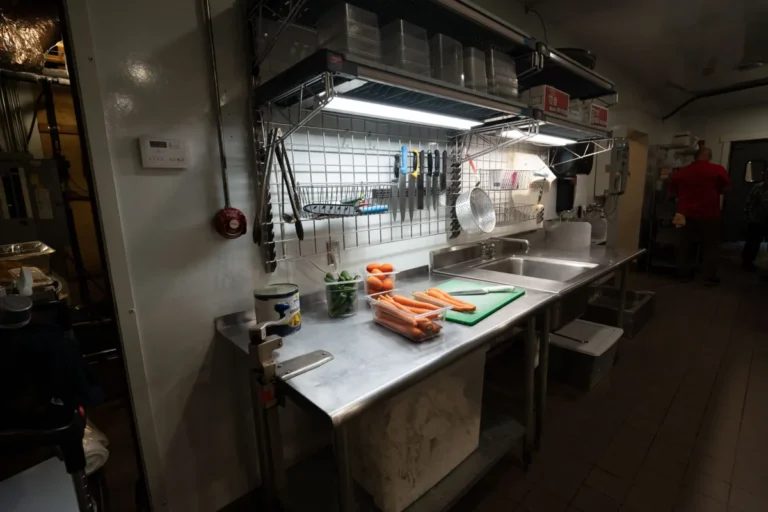
Pro tip: Use the space above your prep stations. Mount shelves or racks above your counters to store spices, oils, and utensils. Just make sure they’re within easy reach, no one wants to climb a ladder mid-service.
Pegboards: The Unsung Hero of Small Kitchens
Pegboards aren’t just for garages. They’re one of the most versatile, customizable storage solutions for small kitchens. Here’s why:
- Endless configurations: Hooks, shelves, bins, you can rearrange them however you want.
- Easy to install: Just mount it to the wall and start hanging things.
- Visually organized: Everything’s in plain sight, so you can see what you have at a glance.
- Affordable: A large pegboard costs less than a single custom shelf.
I’ve seen pegboards used in all sorts of creative ways: hanging utensils, storing cutting boards, even organizing spices. The key is to group like items together and keep frequently used tools within easy reach. And don’t be afraid to get creative, pegboards can hold everything from pots and pans to small appliances.
Ceiling-Mounted Storage
If you’ve got high ceilings, you’ve got untapped storage potential. Ceiling-mounted storage is perfect for:
- Pots and pans: Hang them from a rack to free up cabinet space.
- Bulk ingredients: Store large containers of flour, sugar, or rice in hanging baskets.
- Small appliances: Blenders, mixers, and food processors can take up a lot of counter space. Hang them from the ceiling when not in use.
Just make sure your ceiling-mounted storage is secure and stable. The last thing you want is a pot of boiling water crashing down mid-service. And be mindful of height, if your tallest staff member can’t reach it, it’s not practical.
Under-Counter Storage
Don’t overlook the space under your counters. This is prime real estate for:
- Pull-out shelves: Perfect for storing heavy items like mixers or bulk ingredients.
- Rolling carts: Great for mobile storage that can be moved out of the way when not in use.
- Bins and baskets: Ideal for organizing small items like utensils or spices.
The key to under-counter storage is accessibility. If you have to crouch down and dig through a mess every time you need something, it’s not saving you time. Look for pull-out or sliding solutions that make it easy to see and reach what you need.
Step 4: Modular and Mobile Storage, Because Flexibility Is Everything
In a small kitchen, static storage is the enemy. You need solutions that can adapt to your changing needs. That’s where modular and mobile storage comes in.
Rolling Carts: The Swiss Army Knife of Storage
Rolling carts are one of the most versatile storage solutions for small kitchens. Here’s why:
- Mobile: You can move them wherever you need them, whether it’s extra prep space or a mobile station for plating.
- Modular: Many rolling carts come with adjustable shelves or removable bins, so you can customize them to your needs.
- Space-saving: When not in use, they can be tucked into a corner or even rolled into a closet.
- Multi-functional: Use them for storage, prep, or even as a serving station.
I’ve seen rolling carts used in all sorts of creative ways: as a mobile spice station, a portable prep table, or even a wine storage solution. The key is to choose a cart that’s sturdy, easy to clean, and the right size for your space. And don’t forget about locking wheels-the last thing you want is your cart rolling away mid-service.
Stackable Bins and Containers
Stackable bins and containers are a game-changer for small kitchens. They allow you to:
- Maximize vertical space: Stack them high to make the most of your shelves.
- Organize by category: Group like items together (e.g., all your baking supplies in one stack, all your spices in another).
- Keep things visible: Clear bins let you see what’s inside at a glance.
- Save money: Stackable bins are often cheaper than custom shelving.
Pro tip: Label everything. Even if you *think* you’ll remember what’s in that bin, label it. Future you will thank present you. And while you’re at it, standardize your containers. Use the same size and shape for all your dry goods, spices, and small ingredients. It’ll make your shelves look neater and your life easier.
Foldable and Collapsible Solutions
In a small kitchen, every inch counts. That’s why foldable and collapsible storage solutions are a lifesaver. Here are a few ideas:
- Foldable tables: Perfect for extra prep space that can be tucked away when not in use.
- Collapsible bins: Great for storing bulk ingredients or dry goods. When empty, they can be flattened and stored out of the way.
- Foldable racks: Ideal for hanging pots, pans, or utensils. When not in use, they can be folded against the wall.
The key to foldable and collapsible storage is durability. You don’t want something that’ll collapse under the weight of your ingredients or break after a few uses. Look for sturdy materials like stainless steel or heavy-duty plastic, and test them out before committing.
Step 5: Walk-In Fridge Storage, Because Cold Chaos Is Still Chaos
Walk-in fridges are the black hole of small kitchens. They’re essential, but they’re also a magnet for clutter, disorganization, and wasted space. Here’s how to tame the beast:
Shelving That Actually Works
Most walk-in fridges come with basic wire shelving, but that’s not always the best solution. Here’s what to look for:
- Adjustable shelves: Because your needs will change, and you don’t want to be stuck with fixed heights.
- Heavy-duty materials: Stainless steel or coated wire. No flimsy plastic that’ll crack under the weight of your ingredients.
- Easy to clean: Because spills and leaks are inevitable, and you don’t want to spend hours scrubbing.
- Modular designs: So you can add or remove shelves as needed.
Pro tip: Use the space above your shelves. Install additional racks or hooks to store lightweight items like herbs, small containers, or even hanging bags of produce. Just make sure they’re secure and stable-the last thing you want is a bag of lettuce falling on your head.
Labeling Like a Pro
If your walk-in fridge looks like a bomb went off, it’s time to implement a labeling system. Here’s how:
- Label everything: Containers, shelves, even the fridge itself. No exceptions.
- Use a consistent format: Whether it’s color-coded labels, date stamps, or simple text, stick to one system.
- Include dates: Especially for perishable items. This’ll help you rotate stock and reduce waste.
- Make it visible: Labels should be easy to read at a glance. No tiny print or faded ink.
I can’t stress this enough: a good labeling system will save you time, money, and sanity. It’ll help you find what you need quickly, reduce waste, and keep your fridge organized. And if you’re feeling fancy, you can even use digital labels that track inventory and expiration dates.
FIFO: The Golden Rule of Walk-In Fridges
FIFO stands for First In, First Out, and it’s the golden rule of walk-in fridge storage. Here’s how it works:
- When you receive a new shipment of ingredients, store it behind the older stock.
- When you use ingredients, always take from the front.
- This ensures that older stock gets used first, reducing waste and spoilage.
Sounds simple, right? But you’d be surprised how many kitchens ignore this rule. I’ve seen walk-in fridges where the oldest stock is buried in the back, forgotten and spoiled. Don’t let that be you. Implement FIFO, and your fridge (and your bottom line) will thank you.
Maximizing Vertical Space
Walk-in fridges are tall, but most people only use the bottom half of the space. Here’s how to make the most of your vertical real estate:
- Install additional shelves: If your fridge has high ceilings, add extra shelves to store lightweight items like herbs, small containers, or backup ingredients.
- Use hanging racks: Perfect for storing bags of produce, herbs, or even hanging meats.
- Stack containers: If you’re using clear, stackable bins, you can store them high without worrying about what’s inside.
Just make sure you’re not overloading your shelves. Walk-in fridges have weight limits, and you don’t want to risk a collapse. Check your fridge’s manual or consult with a professional to make sure you’re within the safe range.
Step 6: Dry Goods Storage, Because Your Pantry Shouldn’t Look Like a Hoarder’s Paradise
Dry goods storage is where most small kitchens go off the rails. It’s easy to let your pantry become a dumping ground for bulk ingredients, backup supplies, and that random bag of rice you bought on sale. But a well-organized pantry can save you time, money, and headaches. Here’s how to do it right:
Clear, Airtight Containers Are Your Best Friend
If you’re still storing dry goods in flimsy plastic bags or cardboard boxes, it’s time to upgrade. Here’s why clear, airtight containers are a game-changer:
- Visibility: You can see what’s inside at a glance, so you’re not digging through a mountain of bags to find the flour.
- Freshness: Airtight seals keep your ingredients fresh longer, reducing waste and spoilage.
- Pest-proof: No more weevils, ants, or other critters getting into your dry goods.
- Space-saving: Stackable containers maximize vertical space and keep your shelves neat.
Pro tip: Standardize your containers. Use the same size and shape for all your dry goods. It’ll make your shelves look neater and your life easier. And while you’re at it, label everything. Even if you *think* you’ll remember what’s in that container, label it. Future you will thank present you.
Shelving That Doesn’t Suck
Your pantry shelves should be adjustable, sturdy, and easy to clean. Here’s what to look for:
- Adjustable shelves: Because your needs will change, and you don’t want to be stuck with fixed heights.
- Heavy-duty materials: Stainless steel or solid wood. No flimsy particleboard that’ll collapse under the weight of your dry goods.
- Easy to clean: Because spills and leaks are inevitable, and you don’t want to spend hours scrubbing.
- Modular designs: So you can add or remove shelves as needed.
And don’t forget about vertical space. If your pantry has high ceilings, install additional shelves to store lightweight items like spices, small containers, or backup supplies. Just make sure they’re within easy reach-no one wants to climb a ladder mid-service.
Organizing by Category (And Why It Matters)
One of the biggest mistakes people make with dry goods storage is not grouping like items together. Here’s how to organize your pantry for maximum efficiency:
- Baking supplies: Flour, sugar, baking powder, etc. Keep them together so you can grab what you need quickly.
- Spices and seasonings: Store them in a dedicated spice rack or on a wall-mounted shelf for easy access.
- Grains and pasta: Rice, quinoa, pasta, etc. Keep them in clear, airtight containers for visibility and freshness.
- Canned goods: Store them on dedicated shelves or in bins to keep them organized and easy to find.
- Backup supplies: Extra takeout containers, napkins, or cleaning supplies. Keep them in labeled bins out of the way.
The key is to keep frequently used items within easy reach and store backup supplies out of the way. And don’t forget to rotate your stock-use the FIFO method (First In, First Out) to ensure that older items get used first.
Step 7: Utensil and Smallware Storage, Because No One Has Time for a Treasure Hunt
Utensils and smallware are the unsung heroes of the kitchen, but they’re also the easiest to lose, misplace, or bury under a mountain of clutter. Here’s how to keep them organized and accessible:
Wall-Mounted Racks and Pegboards
Wall-mounted racks and pegboards are perfect for utensil storage. Here’s why:
- Visibility: Everything’s in plain sight, so you can see what you have at a glance.
- Accessibility: No more digging through drawers to find the right tool.
- Space-saving: They don’t take up counter or cabinet space.
- Customizable: You can rearrange hooks, shelves, and bins to fit your needs.
Pro tip: Group like utensils together. Hang all your spoons in one spot, all your tongs in another, and so on. This’ll make it easier to find what you need quickly. And don’t forget to label your pegboard-it’ll help your staff (and you) keep things organized.
Magnetic Strips for Knives and Tools
Magnetic strips are a game-changer for knife and tool storage. Here’s why:
- Space-saving: They don’t take up counter or drawer space.
- Easy to clean: No more digging through a knife block to find the right blade.
- Safe: Knives are stored securely, reducing the risk of accidents.
- Visible: You can see all your knives at a glance, so you’re not searching for the right one.
Just make sure your magnetic strip is strong enough to hold your knives securely. And while you’re at it, keep your knives sharp-a dull knife is more dangerous than a sharp one.
Drawer Organizers for Small Items
Not all utensils can be hung on a wall. For small items like whisks, peelers, or measuring spoons, drawer organizers are a lifesaver. Here’s what to look for:
- Adjustable dividers: So you can customize the compartments to fit your needs.
- Easy to clean: Because spills and crumbs are inevitable.
- Sturdy materials: No flimsy plastic that’ll crack under the weight of your utensils.
- Non-slip surfaces: To keep your utensils from sliding around.
Pro tip: Label your drawers. It’ll help your staff (and you) keep things organized. And while you’re at it, group like items together. Keep all your baking tools in one drawer, all your prep tools in another, and so on.
Step 8: Safety and Compliance, Because No One Wants a Health Inspector’s Side-Eye
Storage isn’t just about organization-it’s also about safety and compliance. If your kitchen isn’t up to code, you’re not just risking fines, you’re risking your reputation (and maybe even your business). Here’s how to keep your storage solutions safe, legal, and inspector-approved:
Food Safety Basics
First things first: food safety is non-negotiable. Here are the basics:
- Store raw meats below ready-to-eat foods: This prevents cross-contamination from drips or spills.
- Keep perishable items at the right temperature: Your walk-in fridge should be at 41°F (5°C) or below, and your freezer should be at 0°F (-18°C) or below.
- Label and date everything: Especially perishable items. This’ll help you rotate stock and reduce waste.
- Use FIFO (First In, First Out): Always use older stock first to prevent spoilage.
- Store food off the floor: At least 6 inches (15 cm) off the ground to prevent contamination.
Pro tip: Invest in a good thermometer. It’s the easiest way to ensure your fridge and freezer are at the right temperature. And while you’re at it, check your temperatures daily-it’s a small habit that can prevent big problems.
Fire Safety and Storage
Storage solutions can also impact fire safety. Here’s what to keep in mind:
- Keep flammable items away from heat sources: This includes oils, paper products, and cleaning supplies.
- Don’t block exits or fire extinguishers: In case of an emergency, every second counts.
- Use fire-resistant materials: If you’re installing shelves or racks, choose metal or fire-resistant wood.
- Keep electrical cords tidy: No tripping hazards or frayed wires.
And don’t forget about ventilation. If your kitchen gets hot and steamy, make sure your storage solutions aren’t blocking airflow. This’ll help keep your kitchen cool, comfortable, and safe.
ADA Compliance and Accessibility
If your restaurant is open to the public, you’ll need to comply with the Americans with Disabilities Act (ADA). Here’s what that means for storage:
- Keep frequently used items within reach: No higher than 48 inches (122 cm) and no lower than 15 inches (38 cm) from the floor.
- Ensure aisles are wide enough: At least 36 inches (91 cm) for wheelchair access.
- Use easy-to-grip handles: For drawers, cabinets, and doors.
- Keep floors clear: No tripping hazards or obstacles.
Pro tip: Test your storage solutions. Can someone in a wheelchair reach the most frequently used items? Can someone with limited mobility open your cabinets and drawers? If not, it’s time to rethink your setup.
Health Inspector Red Flags
Health inspectors are trained to spot storage violations. Here are some red flags to avoid:
- Food stored on the floor: Even if it’s in a sealed container, this is a big no-no.
- Unlabeled or undated containers: Inspectors want to see that you’re rotating stock and preventing spoilage.
- Cross-contamination risks: Raw meats stored above ready-to-eat foods, or utensils stored in dirty containers.
- Cluttered or inaccessible storage: If your shelves are packed so tightly that you can’t see what’s in the back, that’s a problem.
- Improper temperature control: If your fridge or freezer isn’t at the right temperature, you’re risking foodborne illness.
The key to passing a health inspection is organization and consistency. If your storage solutions are neat, labeled, and compliant, you’ll have nothing to worry about.
Step 9: The Human Element, Because Storage Solutions Are Only as Good as the People Using Them
Here’s the thing about small commercial kitchen storage solutions for restaurants: they’re only as good as the people using them. You can have the most high-tech, space-saving, inspector-approved storage system in the world, but if your staff doesn’t use it correctly, it’s useless. Here’s how to train your team and keep your storage solutions running smoothly:
Training Your Staff (Without Losing Your Mind)
Training your staff on your storage system is just as important as the system itself. Here’s how to do it right:
- Start with the basics: Teach your staff the FIFO method, how to label and date items, and where everything belongs.
- Make it visual: Use color-coded labels, signs, or diagrams to show where things go.
- Lead by example: If you’re not following the system, your staff won’t either.
- Be patient: It takes time for new habits to stick. Don’t expect perfection overnight.
- Encourage feedback: Ask your staff what’s working and what’s not. They’re the ones using the system every day, so their input is invaluable.
Pro tip: Hold a storage “boot camp.” Gather your staff for a hands-on training session where they can practice labeling, organizing, and using the storage system. Make it fun, offer prizes for the most organized station or the fastest labeler. The goal is to make storage a habit, not a chore.
Keeping the System Running Smoothly
Even the best storage system won’t stay organized on its own. Here’s how to maintain your system over time:
- Assign storage captains: Designate one or two staff members to oversee the storage system and keep things organized.
- Schedule regular audits: Set aside time once a month to audit your storage system. Check for expired items, misplaced tools, and clutter.
- Encourage accountability: If someone misplaces an item or leaves a mess, address it immediately. Don’t let bad habits fester.
- Celebrate wins: When your storage system is running smoothly, acknowledge it. A little praise can go a long way.
- Be flexible: If something isn’t working, don’t be afraid to change it. Your storage system should evolve with your needs.
Maybe I should clarify: storage isn’t a one-and-done task. It’s an ongoing process that requires consistent effort. But the payoff is worth it. A well-organized kitchen saves time, reduces stress, and improves efficiency. And that’s something everyone can get behind.
Dealing with Resistance (Because Change Is Hard)
Let’s be real: not everyone will love your new storage system. Some staff members will resist change, others will forget the rules, and a few might even sabotage the system. Here’s how to handle it:
- Listen to concerns: If someone has a problem with the system, hear them out. Maybe there’s a valid reason, or maybe they just need more training.
- Address issues quickly: If someone is consistently breaking the rules, have a conversation. Don’t let bad habits spread.
- Lead by example: If you’re not following the system, your staff won’t either.
- Make it easy: The easier the system is to use, the more likely your staff will stick with it.
- Be patient: Change takes time. Don’t expect everyone to adapt overnight.
The key is to make storage a team effort. If everyone’s on board, the system will run smoothly. If not, it’ll fall apart. So communicate, train, and encourage-and don’t be afraid to adjust as needed.
Step 10: The Future of Small-Kitchen Storage, Because Technology Is Changing the Game
We’re living in the future of small commercial kitchen storage solutions for restaurants, and it’s exciting. From smart shelves to AI-powered inventory systems, technology is making it easier than ever to maximize space, reduce waste, and improve efficiency. Here’s a look at what’s coming (and what’s already here):
Smart Shelves and Sensors
Smart shelves are revolutionizing storage by tracking inventory in real time. Here’s how they work:
- Weight sensors: These shelves can detect when an item is running low and send an alert to your phone or POS system.
- Temperature sensors: They can monitor the temperature of your fridge or freezer and alert you if it’s too high or too low.
- Expiration tracking: Some smart shelves can track expiration dates and alert you when an item is about to spoil.
- Automated ordering: When an item runs low, some systems can automatically reorder it for you.
I’m torn between excitement and skepticism. On one hand, smart shelves sound amazing-no more running out of ingredients mid-service, no more spoiled food, no more manual inventory counts. On the other hand, they’re expensive, and I’m not sure how reliable they are. But if you’ve got the budget, they’re definitely worth considering.
AI-Powered Inventory Management
AI is changing the game when it comes to inventory management. Here’s how:
- Predictive ordering: AI can analyze your sales data and predict how much of each ingredient you’ll need, so you’re never overstocked or understocked.
- Waste reduction: By tracking expiration dates and usage patterns, AI can help you reduce waste and save money.
- Automated reporting: AI can generate reports on your inventory levels, usage patterns, and waste, so you can make data-driven decisions.
Pro tip: Start small. You don’t need to invest in a full-blown AI system right away. Try a simple inventory app first, and see how it works for your kitchen. If it saves you time and money, then consider upgrading.
Modular and Customizable Storage
The future of storage is modular and customizable. Here’s what that means:
- Adjustable shelves and racks: No more fixed heights, you can rearrange your shelves to fit your changing needs.
- Interchangeable components: Swap out hooks, bins, and shelves to customize your storage for different tasks.
- 3D-printed solutions: Need a custom shelf or rack? 3D printing makes it possible to create one-of-a-kind storage solutions tailored to your kitchen.
The key is flexibility. Your storage needs will change over time, so you need solutions that can adapt with you. Look for modular, customizable systems that can grow and evolve with your kitchen.
Sustainable Storage Solutions
Sustainability is no longer optional-it’s a must. Here’s how to make your storage solutions eco-friendly:
- Reusable containers: Ditch the single-use plastic and opt for reusable, airtight containers for dry goods and ingredients.
- Recycled materials: Choose storage solutions made from recycled or sustainable materials, like bamboo or reclaimed wood.
- Energy-efficient appliances: If you’re upgrading your fridge or freezer, look for Energy Star-certified models that use less energy.
- Compostable packaging: If you’re using disposable containers, opt for compostable or biodegradable options.
The future of storage is sustainable, smart, and customizable. And the best part? You don’t have to wait for the future to get started. Many of these solutions are available now, so you can start upgrading your kitchen today.
The Bottom Line: Small Kitchens Don’t Have to Mean Small Dreams
Let’s be real: small commercial kitchen storage solutions for restaurants aren’t just about shelves and racks. They’re about mindset, strategy, and creativity. They’re about making the most of what you’ve got, even when what you’ve got isn’t much. And most importantly, they’re about not letting your space limit your dreams.
I’ve seen tiny kitchens do big things. I’ve seen food trucks serve Michelin-star-worthy meals out of a space the size of a closet. I’ve seen pop-up restaurants pack more flavor into a single counter than some brick-and-mortar spots do with a full kitchen. The difference? They didn’t fight their space, they made it work for them.
So here’s my challenge to you: Stop thinking about what your kitchen lacks, and start thinking about what it can do. Maybe it’s not the size of your walk-in that’s the problem, maybe it’s how you’re using it. Maybe it’s not the lack of counter space that’s holding you back, maybe it’s the clutter on your existing counters. Maybe, just maybe, the solution isn’t more space. It’s smarter space.
And if all else fails, remember this: Every great restaurant started somewhere. Some of the most iconic spots in the world began in tiny, cramped kitchens. The key isn’t the space, it’s what you do with it. So roll up your sleeves, grab a measuring tape, and get to work. Your dream kitchen is closer than you think.
FAQ: Small Commercial Kitchen Storage Solutions for Restaurants
Q: What’s the biggest mistake restaurants make with small-kitchen storage?
A: The biggest mistake is not thinking vertically. Most small kitchens focus on floor and counter space, but the real goldmine is wall and ceiling space. Install shelves, racks, and pegboards to maximize every inch. And don’t forget about under-counter storage-it’s prime real estate that often gets overlooked.
Q: How do I keep my walk-in fridge organized in a small kitchen?
A: Start with adjustable shelving so you can customize the space to fit your needs. Use clear, airtight containers for visibility and freshness, and label everything with dates and contents. Implement the FIFO method (First In, First Out) to ensure older stock gets used first, and audit your fridge regularly to keep it clutter-free. If you’ve got high ceilings, install additional racks to store lightweight items like herbs or small containers.
Q: What’s the best way to store utensils in a small kitchen?
A: Wall-mounted racks and pegboards are your best friends. They keep utensils visible, accessible, and off your counters. Group like items together (e.g., all spoons in one spot, all tongs in another) and label your pegboard to make it easy for staff to find what they need. For small items like whisks or peelers, use drawer organizers with adjustable dividers. And don’t forget about magnetic strips for knives, they’re space-saving and safe.
Q: How can I make my dry goods storage more efficient?
A: Start with clear, airtight containers-they keep ingredients fresh, visible, and pest-free. Standardize your containers so they stack neatly and maximize vertical space. Organize by category (e.g., baking supplies, spices, grains) and keep frequently used items within easy reach. Use adjustable shelving to customize your pantry, and label everything with contents and dates. And don’t forget to rotate your stock using the FIFO method to reduce waste.
@article{small-commercial-kitchen-storage-solutions-for-restaurants-maximizing-every-inch-without-losing-your-mind,
    title   = {Small Commercial Kitchen Storage Solutions for Restaurants: Maximizing Every Inch Without Losing Your Mind},
    author  = {Chef's icon},
    year    = {2026},
    journal = {Chef's Icon},
    url     = {https://chefsicon.com/small-commercial-kitchen-storage-solutions-for-restaurants/}
}