The Best Fluffy Pancakes recipe you will fall in love with. Full of tips and tricks to help you make the best pancakes.
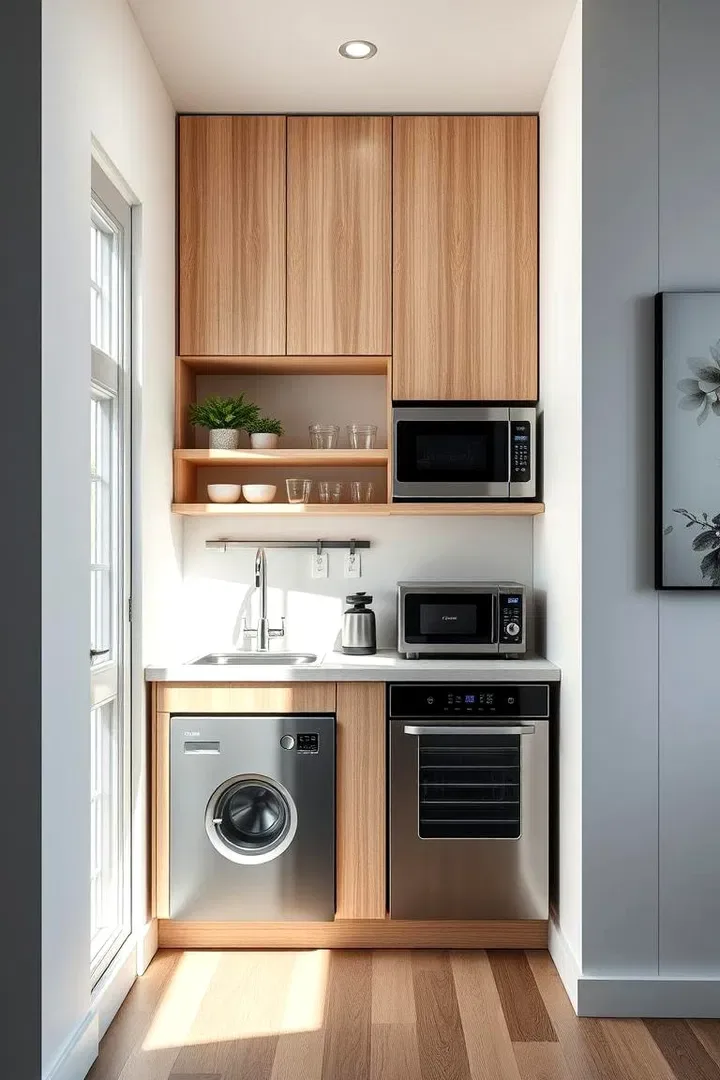
Small Space Kitchen Layout Design Tips for Efficiency: When Less Really Can Feel Like More
I’ll admit it, I once tried to cram a full-sized stand mixer, a waffle iron, and my prized cast-iron skillet collection into a kitchen that was barely larger than a walk-in closet. The result? A chaotic dance of elbows, spilled coffee, and the occasional bruised shin from the open dishwasher door. It wasn’t until I moved to Nashville and downsized into a cozy bungalow with a kitchen that could generously be described as “quaint” that I realized something: small kitchens don’t have to feel cramped. They just need to be smart.
If you’re staring at your own pint-sized kitchen right now, wondering how you’re supposed to chop, sauté, and plate without turning into a human Tetris piece, you’re not alone. The truth is, small-space kitchen design isn’t just about making things fit, it’s about making them work. It’s about creating a flow that feels natural, even when the square footage doesn’t. And here’s the kicker: sometimes, less really does feel like more. When everything has a place and every movement is intentional, cooking in a tiny kitchen can actually be faster and more enjoyable than slogging through a sprawling, poorly organized space.
In this guide, I’m going to walk you through the small space kitchen layout design tips for efficiency that have saved my sanity (and my toes). We’ll cover everything from the golden rules of kitchen ergonomics to the sneaky storage hacks that’ll make you wonder why you ever needed a bigger space in the first place. And don’t worry, I’ll keep it real. There will be no unrealistic Pinterest-perfect fantasies here. Just practical, tested advice from someone who’s burned more than a few dishes while learning the hard way.
By the end of this, you’ll have a clear roadmap for transforming your small kitchen into a space that’s not just functional, but delightful to work in. Ready? Let’s dive in.
1. The Golden Triangle: Why Your Kitchen’s Workflow Starts with Three Points
If you’ve ever read a single article about kitchen design, you’ve probably heard of the work triangle. It’s the holy grail of kitchen efficiency, and for good reason. The concept is simple: your sink, stove, and refrigerator should form a triangle, with each side measuring between 4 and 9 feet. This layout minimizes unnecessary steps and keeps your workflow smooth. But here’s the thing, when you’re working with a small space, the triangle can feel more like a squeeze play than a helpful guideline.
So, is the work triangle still relevant in a tiny kitchen? Absolutely. But you might need to get creative with how you apply it. For example, in my kitchen, the fridge, sink, and stove are all within a 6-foot radius, but they’re not arranged in a perfect triangle. Instead, they form more of a compact L-shape, with the sink and stove on one wall and the fridge tucked into a corner perpendicular to them. It’s not textbook, but it works because the distances are short enough that I’m not wasting steps. The key is to keep the three main work zones close, ideally within a few steps of each other, without forcing a layout that doesn’t fit your space.
Now, I know what you’re thinking: “What if my kitchen is so small that a triangle isn’t even possible?” That’s a fair question. In ultra-tight spaces, like galley kitchens or studio apartments, you might need to think of the work triangle as more of a work line. For instance, if your kitchen is a straight shot from the fridge to the sink to the stove, that’s okay! The goal isn’t to force a triangle, it’s to minimize the distance between your most-used areas. If you can reach your fridge, sink, and stove without taking more than a few steps, you’re golden.
One last thing: don’t forget about the landing zones. These are the counter spaces next to your sink, stove, and fridge where you can set down ingredients, tools, or hot pans. In a small kitchen, landing zones are non-negotiable. If you don’t have enough counter space, you’ll end up juggling hot pots or balancing cutting boards on your lap (trust me, I’ve been there). Aim for at least 15 inches of counter space on either side of your stove and sink. If you’re really tight on space, even 12 inches will do in a pinch.
2. Vertical Storage: The Secret Weapon of Small Kitchens
When counter space is at a premium, the only way to go is up. Vertical storage is the unsung hero of small-space kitchen design, and if you’re not using it, you’re leaving a ton of potential storage (and sanity) on the table. The beauty of vertical storage is that it doesn’t just save space, it creates it. By moving items off your counters and onto your walls, you free up valuable real estate for actual cooking.
Let’s start with the basics: wall-mounted shelves. These are a game-changer, especially if you’re working with open shelving. Not only do they provide extra storage, but they also add a touch of personality to your kitchen. I’ve got a set of floating shelves above my stove where I keep my most-used spices, oils, and cooking utensils. It’s convenient, looks great, and keeps everything within arm’s reach. If you’re worried about dust or grease, opt for shelves with a lip or use small bins to corral items. And if you’re renting or don’t want to commit to permanent shelves, there are plenty of freestanding or tension-mounted options that won’t damage your walls.
Next up: pegboards. If you haven’t jumped on the pegboard bandwagon yet, now’s the time. Pegboards are like the Swiss Army knife of kitchen storage, they’re endlessly customizable, easy to install, and can hold just about anything. You can hang pots, pans, utensils, cutting boards, and even small appliances like your blender or food processor. The best part? You can rearrange everything in minutes if your needs change. I installed a pegboard on the wall next to my fridge, and it’s become the most functional spot in my kitchen. It’s like having a giant, interactive tool organizer that also doubles as wall art.
Don’t overlook the space above your cabinets, either. If your kitchen has a gap between the top of your cabinets and the ceiling, you’ve got prime real estate for baskets or bins. This is where I stash my less-frequently used appliances, like my slow cooker and rice cooker, as well as seasonal items like my holiday cookie cutters. It’s not the most convenient spot, but it keeps things out of the way while still being accessible when I need them. If you’re worried about dust, opt for lidded bins or baskets with covers.
Finally, let’s talk about magnetic strips. These are a lifesaver for keeping knives, spice jars, and even small metal utensils organized and within reach. I’ve got a magnetic strip above my prep area where I keep my chef’s knife, paring knife, and a few other essentials. It’s safer than a knife block (no more fumbling for the right slot) and frees up counter space. Plus, it looks sleek and modern. Just make sure to mount it securely, you don’t want a heavy knife falling off and landing on your toe.
3. Multi-Functional Furniture: When One Piece Does the Work of Three
In a small kitchen, every piece of furniture needs to earn its keep. That means no single-purpose items allowed. If it’s not pulling double (or triple) duty, it’s got to go. Multi-functional furniture is the key to making a tiny kitchen feel spacious and efficient, and luckily, there are tons of options out there that are both stylish and practical.
Let’s start with the kitchen island. In a small kitchen, an island can be a game-changer, but only if it’s the right size and design. A bulky, stationary island will just eat up precious floor space and make your kitchen feel cramped. Instead, look for an island that’s arrow and mobile. I’ve got a rolling cart with a butcher block top that I use as my island. It’s got storage underneath for pots and pans, a towel bar on the side, and a built-in cutting board. When I need extra counter space, I roll it out. When I need to move around, I tuck it into a corner. It’s the perfect compromise between functionality and flexibility.
If you don’t have room for an island, consider a drop-leaf table. These tables have leaves that fold down when not in use, making them ideal for small spaces. You can use them as a dining table, a prep station, or even a makeshift desk. When the leaves are down, they take up minimal space, but when you need extra surface area, you can fold them up in seconds. I’ve seen some drop-leaf tables that even come with built-in storage, like shelves or drawers, which is a huge bonus in a small kitchen.
Another great option is a banquette with storage. If your kitchen doubles as a dining area, a banquette can be a great way to maximize seating while also providing hidden storage. I’ve got a built-in banquette in my kitchen with drawers underneath the seats. It’s where I stash my table linens, extra napkins, and even some of my less-used serving dishes. Plus, it’s a cozy spot for my cat, Luna, to curl up while I cook. Win-win.
Don’t forget about wall-mounted tables or fold-down counters. These are perfect for tiny kitchens where every inch counts. A wall-mounted table can fold down when not in use, giving you extra counter space when you need it and freeing up floor space when you don’t. I’ve seen some really clever designs that include built-in cutting boards, knife blocks, or even spice racks. If you’re handy, you can even DIY one using a sturdy shelf and some hinges.
4. The Art of Decluttering: Why Less Really Is More
Here’s a hard truth: no amount of clever storage solutions will save a kitchen that’s overstuffed. If you’ve got drawers bursting with gadgets you never use, cabinets crammed with mismatched Tupperware, and counters cluttered with appliances you only pull out once a year, no layout in the world is going to make your kitchen feel efficient. The first step to designing a small-space kitchen that works is editing your stuff.
I’ll be the first to admit that decluttering is easier said than done. I’m the kind of person who holds onto kitchen gadgets “just in case,” even if that “just in case” hasn’t happened in five years. But when I moved into my current kitchen, I had to face the music: I simply didn’t have room for all the stuff I’d accumulated. So, I did what any self-respecting food lover would do, I Marie Kondo’d my kitchen. And let me tell you, it was painful. But it was also liberating.
Here’s how to tackle it: start by pulling everything out. Yes, everything. Empty your cabinets, drawers, and pantry onto your counters and floor. It’ll look like a disaster, but trust me, this is the only way to see what you’re really working with. Then, sort everything into three piles: keep, donate/sell, and toss. Be ruthless. If you haven’t used it in the past year, it’s probably safe to let it go. And if you’re holding onto something because it was expensive or sentimental, ask yourself: Is it worth the space it’s taking up? If the answer is no, it’s time to say goodbye.
Once you’ve pared down your belongings, it’s time to organize what’s left. The key here is to group like items together and store them where you’ll actually use them. For example, keep your baking supplies near your oven, your cooking utensils near your stove, and your coffee supplies near your coffee maker. This might seem like a no-brainer, but you’d be surprised how many people store their spices in a cabinet across the room from their stove. The less you have to move around, the more efficient your kitchen will be.
And here’s a pro tip: use clear containers. If you can’t see it, you’ll forget you have it, and then you’ll end up buying duplicates. I store my dry goods (like pasta, rice, and grains) in clear glass jars, which not only keeps them fresh but also makes it easy to see when I’m running low. The same goes for my fridge. I’ve got a set of clear bins that I use to corral my condiments, snacks, and leftovers. It’s amazing how much more organized (and spacious) my fridge feels now that I can actually see what’s inside.
5. Lighting: Why Your Kitchen Needs More Than Just Overhead Lights
Lighting is one of those things that can make or break a kitchen, especially a small one. Poor lighting doesn’t just make it harder to see what you’re doing; it can also make your kitchen feel claustrophobic and uninviting. On the flip side, good lighting can make a tiny kitchen feel open, airy, and even a little bit luxurious. The key is to layer your lighting so that you’ve got options for every task and mood.
Let’s start with ambient lighting. This is your general, overall lighting, the kind that illuminates the entire space. In most kitchens, this comes from an overhead fixture, like a flush-mount ceiling light or a pendant. If your kitchen is small, you’ll want to avoid anything too bulky or ornate, as it can make the space feel crowded. Instead, opt for something sleek and simple, like a semi-flush mount fixture or a small pendant with a minimalist design. I’ve got a simple drum pendant in my kitchen that provides just enough light without overwhelming the space.
Next up: task lighting. This is the lighting that helps you see what you’re doing when you’re chopping, sautéing, or plating. In a small kitchen, task lighting is non-negotiable. The best place for task lighting is under your cabinets, where it can illuminate your countertops without casting shadows. Under-cabinet LED strips are a great option because they’re energy-efficient, easy to install, and provide even, glare-free light. If you don’t have cabinets, consider a wall-mounted swing arm lamp or a small pendant light that you can position over your work area.
Don’t forget about accent lighting. This is the lighting that adds warmth and personality to your kitchen. It’s not essential, but it can make a big difference in how your space feels. Accent lighting can come from a variety of sources, like strip lights under your shelves, a small plug-in sconce on the wall, or even a string of fairy lights draped along a window or cabinet. I’ve got a set of battery-powered puck lights inside my glass-front cabinets that cast a soft glow on my dishes. It’s a small detail, but it makes my kitchen feel cozy and inviting.
Finally, let’s talk about atural light. If your kitchen has a window, make the most of it! Natural light is the best kind of light, it’s free, it’s flattering, and it makes your space feel bigger. If your window is small or poorly placed, consider adding a mirror across from it to reflect the light and brighten up the room. And if you’re really lucky, you might be able to add a skylight or a light tube to bring in even more natural light. I’ve got a small window above my sink, and it’s one of my favorite features in my kitchen. It lets in just enough light to make the space feel open and airy, even on cloudy days.
6. The Power of Open Shelving: When Less Really Does Look Like More
Open shelving is one of those design trends that people either love or hate. Some see it as a stylish, modern way to display their favorite dishes and glassware. Others see it as a dust magnet and a recipe for clutter. I’ll admit, I was in the latter camp for a long time. But after living with open shelving in my small kitchen for the past year, I’ve come to appreciate its practical and aesthetic benefits.
The biggest advantage of open shelving is that it creates the illusion of more space. By removing the visual barrier of upper cabinets, your kitchen instantly feels larger and more open. This is especially true in small kitchens, where every inch of wall space counts. Open shelving also makes it easier to access your dishes and glassware, no more digging through dark cabinets to find that one bowl you need. And let’s be honest, there’s something satisfying about being able to see (and show off) your favorite pieces.
But open shelving isn’t without its challenges. The biggest one? Keeping it tidy. When everything is on display, clutter becomes painfully obvious. If you’re someone who struggles with organization, open shelving might not be the best choice for you. That said, there are ways to make it work. The key is to edit your collection and keep only the items you love and use regularly. I’ve got a rule: if I haven’t used it in the past three months, it doesn’t belong on my open shelves. This keeps my shelves looking intentional and uncluttered.
Another challenge is dust and grease. Open shelves are more exposed to the elements, which means they’ll need to be cleaned more often. I wipe down my shelves once a week with a damp cloth, and I deep clean them every few months. It’s a small price to pay for the extra storage and visual appeal, but it’s something to keep in mind if you’re considering open shelving.
If you’re on the fence about open shelving, there are a few compromise options to consider. One is to mix open shelves with closed cabinets. This gives you the best of both worlds, display space for your favorite items and hidden storage for the things you’d rather not show off. Another option is to use glass-front cabinets. These provide some of the visual benefits of open shelving while still offering the protection of closed storage. I’ve got a set of glass-front cabinets in my kitchen, and they’re a great middle ground.
Finally, let’s talk about styling your open shelves. The key here is to create a cohesive, intentional look. Start by grouping like items together, stack your plates, line up your glasses, and arrange your bowls by size. Then, add a few decorative elements, like a small plant, a piece of art, or a stack of cookbooks. The goal is to create a look that’s functional and beautiful. And don’t be afraid to play around with the arrangement. I’m constantly tweaking my shelves to keep things interesting.
7. The Magic of Mirrors: How to Make Your Kitchen Feel Twice as Big
Mirrors aren’t just for bathrooms and entryways. In a small kitchen, a well-placed mirror can work wonders-it can make the space feel larger, brighter, and more open. The best part? Mirrors are an affordable, easy-to-install solution that can have a big impact. If you’re not using mirrors in your small kitchen, you’re missing out.
The science behind mirrors is simple: they reflect light and create the illusion of depth. In a small kitchen, this can make a huge difference. A mirror can make a cramped space feel more open and airy, and it can also help to distribute light more evenly. This is especially useful in kitchens with limited natural light. I’ve got a large mirror on one wall of my kitchen, and it’s one of the first things people notice when they walk in. It makes the space feel twice as big, and it reflects the light from my window, brightening up the entire room.
So, where should you put a mirror in your kitchen? The best spot is opposite a window or light source. This will maximize the amount of light the mirror reflects, making your kitchen feel brighter and more open. If you don’t have a window, you can still use a mirror to reflect light from your overhead fixtures or under-cabinet lighting. Another great spot for a mirror is above your sink or stove. This can help to visually expand the space and make it feel less cramped.
When it comes to choosing a mirror, size matters. In a small kitchen, a large mirror will have the biggest impact. Don’t be afraid to go big, even if it feels a little intimidating at first. A large mirror will make your kitchen feel more spacious and luxurious. If you’re worried about the mirror overwhelming the space, opt for a frameless or minimalist design. This will keep the focus on the reflection, not the mirror itself.
If you’re renting or don’t want to commit to a permanent mirror, there are plenty of removable options to choose from. Peel-and-stick mirrors are a great choice because they’re easy to install and won’t damage your walls. You can also find mirrors with adhesive strips or hooks that can be removed without leaving a trace. And if you’re feeling crafty, you can even create your own DIY mirror using a sheet of mirrored acrylic and some double-sided tape.
Finally, let’s talk about creative mirror ideas. If you want to take your mirror game to the next level, consider these options:
- Mirrored backsplash: A mirrored backsplash can make your kitchen feel larger and more open. It’s also a great way to reflect light and add a touch of glamour to your space. If you’re not ready to commit to a full backsplash, you can start with a small section, like behind your stove or sink.
- Mirrored cabinet doors: If you’ve got upper cabinets in your kitchen, consider replacing the doors with mirrored ones. This will create the illusion of more space and make your kitchen feel brighter. Plus, it’s a great way to hide clutter, just make sure to keep the inside of your cabinets tidy!
- Mirrored furniture: A mirrored sideboard or island can add a touch of elegance to your kitchen while also making the space feel larger. If you’re on a budget, you can find mirrored furniture at thrift stores or online marketplaces. Just make sure to measure your space before you buy, you don’t want to end up with a piece that’s too big or too small.
8. The Importance of Color: How to Use Paint to Make Your Kitchen Feel Bigger
Color is one of the most powerful tools in your small-space design arsenal. The right color palette can make your kitchen feel larger, brighter, and more open, while the wrong one can make it feel cramped and claustrophobic. The good news? You don’t have to stick to white or beige to make your kitchen feel spacious. With a few clever tricks, you can use color to create a space that’s both stylish and functional.
Let’s start with the basics: light colors. Light colors reflect more light than dark colors, which makes them ideal for small spaces. White, cream, and light gray are all great choices for small kitchens because they make the space feel open and airy. But don’t be afraid to experiment with other light colors, like pale blue, soft green, or even a light blush pink. These colors can add a touch of personality to your kitchen while still keeping the space feeling bright and open.
If you’re not a fan of light colors, there are still ways to use color in your small kitchen. One trick is to paint your upper cabinets a lighter color than your lower cabinets. This creates a sense of balance and makes the space feel more open. For example, you could paint your upper cabinets white and your lower cabinets a deep navy or charcoal gray. This contrast will draw the eye upward, making your kitchen feel taller and more spacious.
Another trick is to use color to create a focal point. In a small kitchen, it’s easy for the space to feel cluttered and chaotic. By creating a focal point, you can draw the eye to one area and make the rest of the space feel more cohesive. For example, you could paint your backsplash a bold color or add a colorful rug to your floor. This will give your kitchen a sense of purpose and make it feel more intentional.
Don’t forget about the power of glossy finishes. Glossy paints and finishes reflect more light than matte ones, which can make your kitchen feel brighter and more open. If you’re painting your cabinets or walls, consider using a glossy or semi-gloss finish. This will not only make the space feel larger, but it will also make it easier to clean. Just be aware that glossy finishes can show imperfections, so make sure to prep your surfaces properly before you paint.
Finally, let’s talk about color psychology. Different colors can evoke different emotions and moods, so it’s important to choose a palette that reflects the vibe you want to create in your kitchen. For example, blue is often associated with calm and tranquility, while yellow is associated with energy and happiness. Green is a great choice for kitchens because it’s associated with nature and freshness. And if you want to create a cozy, intimate feel, consider using warm colors like red, orange, or brown.
Here’s a quick cheat sheet for using color in your small kitchen:
- Ceiling: Paint your ceiling a lighter color than your walls to make the space feel taller.
- Walls: Stick to light, neutral colors to make the space feel open and airy.
- Cabinets: Use a mix of light and dark colors to create contrast and balance.
- Backsplash: Add a pop of color or pattern to create a focal point.
- Floor: Keep your floor a neutral color to ground the space and make it feel larger.
- Accents: Use colorful accessories, like dish towels, rugs, or artwork, to add personality to your kitchen.
9. The Role of Appliances: How to Choose the Right Ones for Your Small Kitchen
Appliances are the workhorses of your kitchen, but in a small space, they can also be the biggest space hogs. The key to choosing the right appliances for your small kitchen is to prioritize functionality and size. You want appliances that are compact enough to fit your space but powerful enough to get the job done. It’s a delicate balance, but with a little research, you can find appliances that are both efficient and stylish.
Let’s start with the refrigerator. In a small kitchen, a full-sized fridge can take up a lot of valuable real estate. If you’re tight on space, consider a compact or apartment-sized refrigerator. These fridges are smaller than standard models, but they still offer plenty of storage for a single person or a small family. If you need more space, look for a fridge with a bottom freezer or a French door design. These models are more efficient with their space and make it easier to access your food.
Next up: the stove. If you’re short on counter space, a slide-in or drop-in range can be a great option. These ranges are designed to fit seamlessly into your countertop, creating a built-in look that saves space. If you’re really tight on space, consider a two-burner cooktop or a portable induction burner. These options are compact and easy to store when not in use, but they still pack a punch when it comes to cooking power.
Don’t forget about the dishwasher. In a small kitchen, a full-sized dishwasher can be a luxury you can’t afford. If you’re tight on space, consider a compact or drawer-style dishwasher. These models are smaller than standard dishwashers, but they still offer plenty of cleaning power. If you’re really short on space, you can even find countertop dishwashers that sit on your counter and connect to your sink. They’re not as spacious as a full-sized dishwasher, but they’re a great option for small kitchens.
Finally, let’s talk about small appliances. In a small kitchen, every inch of counter space counts, so it’s important to choose your small appliances wisely. Look for appliances that are multi-functional, like a toaster oven that also works as an air fryer or a blender that doubles as a food processor. This will help you save space and reduce clutter. And if you’re really tight on space, consider storing your small appliances in a pull-out cabinet or a rolling cart. This will keep them out of the way when not in use but still within easy reach when you need them.
Here’s a quick guide to choosing the right appliances for your small kitchen:
- Refrigerator: Look for a compact or apartment-sized model with a bottom freezer or French door design.
- Stove: Consider a slide-in or drop-in range, a two-burner cooktop, or a portable induction burner.
- Dishwasher: Opt for a compact or drawer-style model, or a countertop dishwasher if space is really tight.
- Small Appliances: Choose multi-functional appliances and store them in pull-out cabinets or rolling carts.
10. The Finishing Touches: How to Add Personality to Your Small Kitchen
Just because your kitchen is small doesn’t mean it has to be boring. In fact, the best small kitchens are the ones that reflect the personality and style of the people who use them. The key is to add thoughtful, intentional touches that make the space feel like yours. Whether it’s a bold backsplash, a colorful rug, or a collection of vintage dishes, these finishing touches can take your kitchen from functional to fabulous.
Let’s start with artwork. Artwork is a great way to add personality to your kitchen, and it doesn’t have to be expensive or elaborate. A simple print, a framed recipe card, or even a collection of postcards can add a touch of color and interest to your walls. If you’re not sure what to hang, consider a gallery wall. This is a great way to display a collection of small pieces, like family photos, vintage advertisements, or even your kids’ artwork. Just make sure to keep the arrangement cohesive, stick to a consistent color palette or frame style to tie everything together.
Next up: textiles. Textiles are an easy and affordable way to add warmth and personality to your kitchen. A colorful rug can define your space and make it feel more cozy, while a set of dish towels can add a pop of color and pattern. Don’t be afraid to mix and match, just stick to a consistent color palette to keep things looking intentional. And if you’re worried about spills and stains, opt for machine-washable fabrics that can stand up to the wear and tear of daily life.
Don’t forget about plants. Plants are a great way to bring life and color into your kitchen, and they don’t take up much space. A small herb garden on your windowsill can add a touch of greenery while also providing fresh herbs for your cooking. If you don’t have a green thumb, consider a low-maintenance plant, like a snake plant or a pothos. These plants are hard to kill and can thrive in a variety of lighting conditions. And if you’re really short on space, a hanging plant can add a touch of greenery without taking up any counter space.
Finally, let’s talk about accessories. Accessories are the little details that make your kitchen feel like home. A vintage coffee canister, a colorful utensil holder, or a set of quirky mugs can add a touch of personality to your space. Don’t be afraid to mix and match, just stick to a consistent color palette or theme to keep things looking cohesive. And if you’re not sure what to choose, start with a few key pieces and build from there. The goal is to create a space that feels uniquely yours.
Here’s a quick checklist for adding personality to your small kitchen:
- Artwork: Hang a print, a framed recipe card, or a gallery wall to add color and interest to your walls.
- Textiles: Add a colorful rug, a set of dish towels, or a cozy throw blanket to bring warmth and texture to your space.
- Plants: Bring in a small herb garden, a low-maintenance plant, or a hanging plant to add life and color to your kitchen.
- Accessories: Add a vintage coffee canister, a colorful utensil holder, or a set of quirky mugs to make your kitchen feel like home.
Putting It All Together: Your Small Kitchen, Transformed
So, there you have it, my hard-earned small space kitchen layout design tips for efficiency. If you’ve made it this far, you’re probably feeling a mix of excitement and overwhelm. That’s normal. Redesigning a small kitchen is a big project, and it’s easy to feel like you’re drowning in options. But here’s the thing: you don’t have to do it all at once. Start with the basics, the work triangle, vertical storage, and decluttering, and build from there. Small changes can make a big difference, and before you know it, your kitchen will feel like a completely different space.
I’ll be honest: my kitchen isn’t perfect. There are still days when I wish I had more counter space or a bigger fridge. But what I’ve learned is that a small kitchen doesn’t have to be a limitation-it can be an opportunity. An opportunity to get creative, to edit your belongings, and to design a space that’s uniquely yours. When everything has a place and every movement is intentional, cooking in a tiny kitchen can actually be a joy. And who knows? You might even find that you prefer it to a bigger, more sprawling space.
So, what’s the first step you’re going to take to transform your small kitchen? Will you start with decluttering, or maybe you’ll tackle the work triangle first? Whatever you choose, remember that the goal isn’t perfection, it’s functionality and happiness. Because at the end of the day, the best kitchen is the one that works for you.
FAQ
Q: What’s the best layout for a small kitchen?
A: The best layout for a small kitchen depends on your space and your needs, but the galley layout and the L-shaped layout are two of the most efficient options. A galley kitchen features two parallel counters with a walkway in between, while an L-shaped kitchen has counters on two adjacent walls. Both layouts minimize unnecessary steps and make the most of limited space. If you’re really tight on space, consider a single-wall layout, where all your appliances and counters are on one wall.
Q: How can I make my small kitchen look bigger?
A: There are several tricks you can use to make your small kitchen look bigger. First, use light colors on your walls and cabinets to reflect more light and create the illusion of space. Second, add mirrors to reflect light and create depth. Third, use open shelving to remove visual barriers and make the space feel more open. Finally, keep your counters clutter-free to create a sense of order and spaciousness.
Q: What’s the most important thing to consider when designing a small kitchen?
A: The most important thing to consider when designing a small kitchen is workflow. You want to create a layout that minimizes unnecessary steps and makes it easy to move between your sink, stove, and refrigerator. This is where the work triangle comes in. Keep your three main work zones close together, and make sure you’ve got enough counter space for prep and plating. If you can nail the workflow, everything else will fall into place.
Q: How can I add storage to my small kitchen without taking up more space?
A: The key to adding storage to a small kitchen is to think vertically. Use your walls to create extra storage with wall-mounted shelves, pegboards, or magnetic strips. You can also add storage above your cabinets or inside your cabinets with pull-out shelves or organizers. Another great option is to use multi-functional furniture, like a rolling cart or a banquette with storage underneath. The goal is to make the most of every inch of space, without adding clutter.
@article{small-space-kitchen-layout-design-tips-for-efficiency-maximizing-every-inch-without-sacrificing-style,
    title   = {Small Space Kitchen Layout Design Tips for Efficiency: Maximizing Every Inch Without Sacrificing Style},
    author  = {Chef's icon},
    year    = {2026},
    journal = {Chef's Icon},
    url     = {https://chefsicon.com/small-space-kitchen-layout-design-tips-for-efficiency/}
}