The Best Fluffy Pancakes recipe you will fall in love with. Full of tips and tricks to help you make the best pancakes.
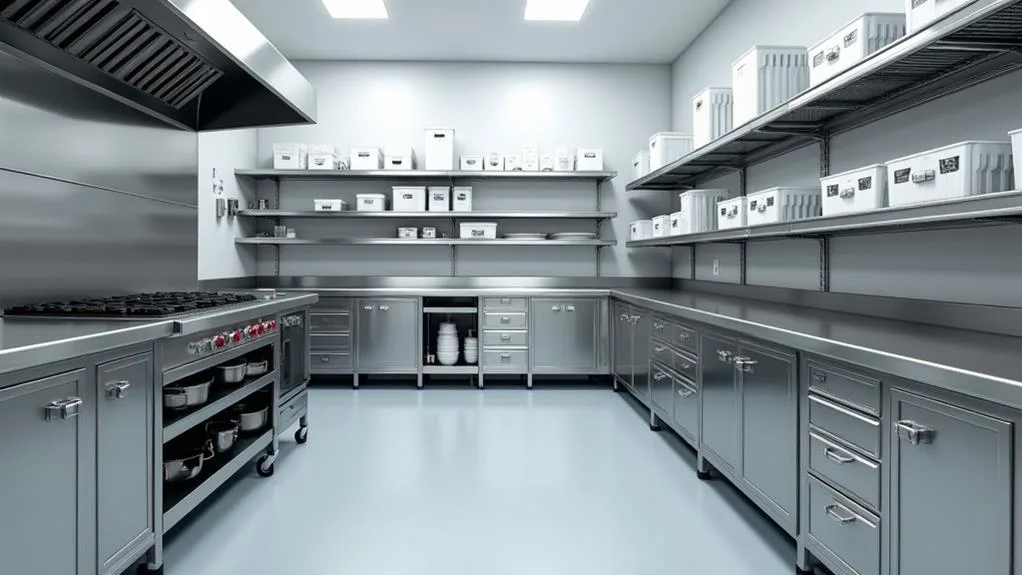
The Ultimate Guide to Maximizing Storage in Small Commercial Kitchens
Let me tell you something, I’ve seen my fair share of cramped commercial kitchens. There was this tiny bistro in Nashville where I consulted last year, a place so tight that the line cooks had to do a little dance every time someone needed to grab a sheet pan. The owner, a friend of mine, was at his wit’s end. “Sammy,” he said, “I swear, if I have to hear one more person tell me to ‘just organize better,’ I’m gonna lose it.” And honestly? I don’t blame him. Maximizing storage in a small commercial kitchen isn’t just about slapping on a few shelves and calling it a day. It’s about rethinking space, workflow, and even the way you think about storage itself.
So, why should you care about this guide? Because if you’re running a small commercial kitchen, whether it’s a food truck, a cozy café, or a pop-up restaurant, you know that every square inch counts. Wasted space isn’t just an annoyance; it’s lost revenue, inefficiency, and, let’s be real, a whole lot of frustration. In this guide, I’m going to walk you through practical, battle-tested strategies for squeezing every last bit of storage out of your kitchen. We’ll talk about vertical space, multi-functional equipment, smart shelving, and even psychological tricks to make your kitchen feel (and function) like it’s twice the size. And don’t worry, I’m not here to preach some one-size-fits-all solution. This is about finding what works for your space, your team, and your menu.
By the end of this, you’ll have a toolkit of ideas to transform your kitchen from a cluttered nightmare into a well-oiled machine. And who knows? Maybe you’ll even start to see your small space as an advantage. (Yes, really. Stick with me.)
Why Small Kitchens Are a Big Challenge (and Opportunity)
First, let’s acknowledge the elephant in the room: small commercial kitchens are tough. Like, really tough. You’re juggling health codes, workflow efficiency, and the sheer volume of stuff that needs to fit into a space that wasn’t designed for it. But here’s the thing, I’ve come to believe that small kitchens aren’t just a challenge; they’re an opportunity to get creative in ways bigger kitchens never have to. Think about it: when you’re forced to think outside the box, you end up with solutions that are often smarter, leaner, and more efficient than what you’d find in a sprawling kitchen.
Take, for example, the food truck scene. These kitchens are the ultimate test of space optimization. Every piece of equipment has to earn its keep, and there’s no room for “maybe we’ll use this someday.” It’s all about multi-functionality and modularity. A griddle that doubles as a prep surface? A fridge that fits under the counter? A storage system that collapses when not in use? That’s the kind of thinking we need to bring into brick-and-mortar kitchens, too.
But before we dive into solutions, let’s talk about the biggest mistakes I see in small kitchens. The first? Overcrowding. It’s tempting to cram as much as possible into a small space, but that’s a recipe for disaster. A cluttered kitchen isn’t just hard to work in; it’s a safety hazard. The second mistake? Ignoring vertical space. Most kitchens focus on floor space, but the real estate above your head is just as valuable, if not more so. And finally, the third mistake: ot planning for workflow. Storage isn’t just about where you put things; it’s about how you access them. If your prep station is on the opposite side of the kitchen from your ingredients, you’re wasting time and energy with every trip.
So, how do we fix this? Let’s start with the foundation: rethinking your kitchen layout.
1. Start with a Layout Audit: The First Step to Smarter Storage
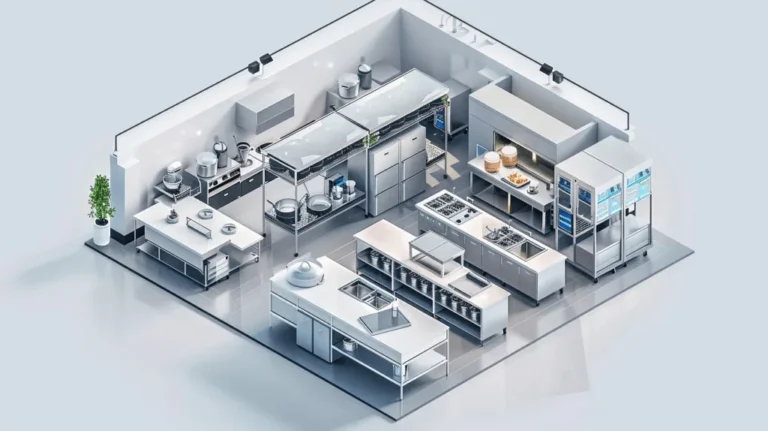
I’ll be honest, this isn’t the most exciting part of the process, but it’s the most important. Before you buy a single shelf or reorganize a single cabinet, you need to take a hard look at your current layout. And I mean really look at it. Grab a notebook (or your phone) and sketch out your kitchen. Where are the bottlenecks? What areas feel cramped? Which stations are constantly in each other’s way? This isn’t about aesthetics; it’s about functionality.
Here’s what you should be asking yourself:
- Where do my staff spend the most time? If your prep station is the heart of your kitchen, it should be the most accessible. Don’t bury it in the back behind a maze of equipment.
- What’s within arm’s reach of each station? The less your team has to move, the faster (and safer) they’ll work. Think about the “golden triangle” of cooking, fridge, sink, stove, but adapt it for your specific needs.
- What’s taking up unnecessary space? Be ruthless here. That giant mixer you use once a month? Maybe it’s time to find it a new home (or get rid of it).
- Where are the dead zones? Those awkward corners or spaces behind doors? They’re prime real estate for storage if you know how to use them.
Once you’ve audited your space, it’s time to think about zoning. Divide your kitchen into distinct areas based on function: prep, cooking, plating, storage, and cleaning. The goal is to create a flow where each zone has everything it needs within a few steps. For example, your prep zone should have easy access to knives, cutting boards, and ingredients. Your cooking zone should have spices, utensils, and pans within reach. And your storage? Well, that’s what we’re here to figure out.
Is this the best approach? I’m torn, honestly. Some kitchens thrive with a more fluid layout, where stations overlap and equipment is shared. But for small spaces, I’ve found that clear zoning is usually the way to go. It reduces clutter and makes it easier to find what you need when you need it. That said, don’t be afraid to experiment. If something isn’t working, tweak it. Your kitchen should evolve with your needs.
2. Vertical Storage: The Secret Weapon of Small Kitchens
Okay, let’s talk about vertical space. If you’re not using the walls and ceilings in your kitchen, you’re missing out on one of the easiest ways to maximize storage. Think about it: most commercial kitchens are designed with floor space in mind, but the walls? They’re often an afterthought. That’s a mistake. Your walls are prime real estate, and they’re just waiting to be put to work.
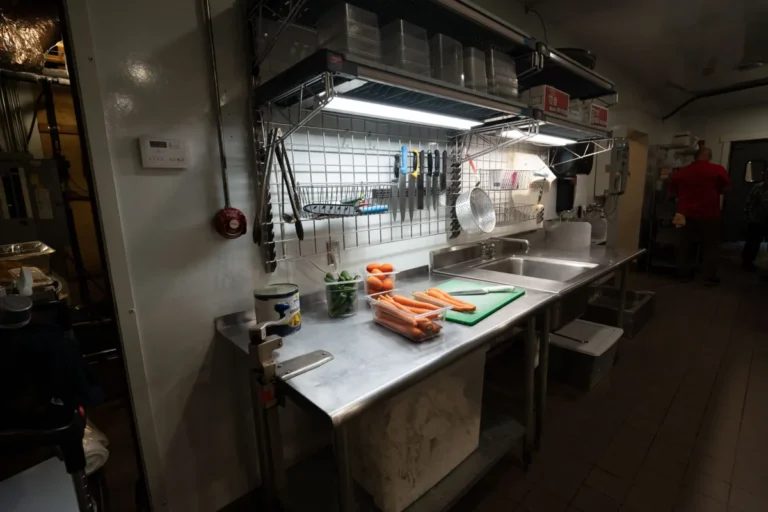
So, how do you take advantage of vertical space? Let’s start with the basics: wall-mounted shelves. These are a game-changer for small kitchens. You can use them to store everything from spices to small appliances to backup supplies. But here’s the key: don’t just slap shelves on the wall and call it a day. You need to think about what goes where. Heavy items should be on lower shelves, while lighter items (like spices or dry goods) can go higher. And if you’re worried about aesthetics, opt for sleek, stainless steel shelves. They’re durable, easy to clean, and they won’t clash with your kitchen’s vibe.
But shelves are just the beginning. Have you ever considered pegboards? I know, I know, they’re not the most glamorous solution, but they’re incredibly practical. A pegboard gives you the flexibility to rearrange hooks, shelves, and bins as your needs change. You can hang utensils, pots, pans, and even small appliances. And the best part? You can customize it to fit your exact workflow. Need a place to hang your most-used ladles? Done. Want to keep your tongs within arm’s reach of the stove? Easy. Pegboards are like the Swiss Army knife of kitchen storage.
Now, let’s talk about the ceiling. I know what you’re thinking: “Sammy, are you seriously suggesting I hang stuff from the ceiling?” Yes, I am. But hear me out. Overhead racks are a fantastic way to store pots, pans, and even sheet trays. They keep your cookware out of the way but still accessible. And if you’re worried about them looking industrial, opt for a stylish design that blends with your kitchen’s aesthetic. Some racks even come with built-in lighting, which is a nice bonus.
But vertical storage isn’t just about shelves and racks. It’s also about thinking outside the box. For example, have you ever considered magnetic strips for your knives? They’re a great way to free up counter space and keep your knives within reach. Or what about hanging baskets for produce or dry goods? They’re perfect for items you use frequently but don’t want taking up precious shelf space.
One word of caution, though: don’t go overboard. Vertical storage is great, but you don’t want your kitchen to feel like a cluttered warehouse. Be strategic about what you hang and where. And always, always make sure everything is securely mounted. The last thing you want is a pot falling on someone’s head during the dinner rush.
3. Multi-Functional Equipment: The Art of Doing More with Less
If there’s one thing I’ve learned from working with small kitchens, it’s this: every piece of equipment needs to earn its keep. And I mean really earn its keep. In a small kitchen, there’s no room for single-purpose tools that sit idle 90% of the time. You need equipment that can multitask like a pro.
Let’s start with the obvious: combination ovens. These bad boys can bake, steam, roast, and even sous vide. They’re like the Swiss Army knife of ovens, and they’re a godsend for small kitchens. Sure, they’re an investment upfront, but they’ll save you space (and money) in the long run. Plus, they’re incredibly versatile. Need to bake a batch of cookies and steam some veggies at the same time? No problem. Want to roast a chicken while you’re prepping for the dinner rush? Easy.
But combination ovens are just the tip of the iceberg. What about countertop induction burners? These portable burners are perfect for small kitchens because they don’t take up much space, but they can handle everything from sautéing to simmering. And since they’re induction, they’re energy-efficient and easy to clean. Plus, you can move them around as needed, which is a huge advantage in a tight space.
Now, let’s talk about prep tables with built-in storage. These are a game-changer for small kitchens. Instead of having a separate prep station and storage area, you can combine them into one. Look for tables with drawers, shelves, or even refrigerated compartments. That way, you can keep your ingredients, tools, and prep surfaces all in one place. It’s a small change, but it can make a big difference in your workflow.
And what about your sinks? If you’re not using a three-compartment sink with a built-in drainboard, you’re missing out. These sinks are designed for efficiency, with separate compartments for washing, rinsing, and sanitizing. Plus, the built-in drainboard gives you extra space for drying dishes or prepping ingredients. It’s a small detail, but it can make a big difference in a small kitchen.
But here’s the thing: multi-functional equipment isn’t just about saving space. It’s also about saving time and energy. When your equipment can do more than one thing, you spend less time moving between stations and more time actually cooking. And in a small kitchen, that’s a huge advantage.
Of course, not every piece of equipment needs to be multi-functional. Some tools are worth having even if they only do one thing. But in a small kitchen, you need to be ruthless about what stays and what goes. If a piece of equipment isn’t pulling its weight, it’s time to find a replacement, or get rid of it altogether.
4. Smart Shelving: The Unsung Hero of Kitchen Storage
Alright, let’s talk about shelving. I know, it’s not the most exciting topic, but trust me-smart shelving can make or break a small kitchen. The right shelves can double your storage space, while the wrong ones can turn your kitchen into a cluttered mess. So, how do you choose the right shelving for your space?
First, let’s talk about materials. In a commercial kitchen, you need shelves that are durable, easy to clean, and resistant to moisture and heat. Stainless steel is the gold standard here. It’s strong, it’s hygienic, and it won’t warp or rust over time. Plus, it looks sleek and professional. But if you’re on a budget, wire shelving is a great alternative. It’s affordable, lightweight, and easy to install. Just make sure it’s coated with a rust-resistant finish.
Now, let’s talk about adjustability. One of the biggest mistakes I see in small kitchens is fixed shelving. You know, the kind that’s bolted to the wall and can’t be moved. That’s a recipe for wasted space. Instead, opt for adjustable shelving. That way, you can customize the height of each shelf to fit your needs. Need more space for tall items? No problem. Want to squeeze in an extra shelf for small items? Easy. Adjustable shelving gives you the flexibility to adapt as your needs change.
But shelving isn’t just about the shelves themselves. It’s also about how you organize them. And that’s where things get interesting. Let’s talk about modular shelving systems. These are shelving units that can be customized with bins, dividers, and other accessories. They’re perfect for small kitchens because they allow you to create a storage system that’s tailored to your exact needs. For example, you can use bins to corral small items like spices or utensils, or dividers to keep plates and trays organized. And the best part? You can rearrange everything as your needs change.
Another pro tip: use the back of your shelves. That’s right, the back. You can hang hooks, racks, or even small bins on the back of your shelves to maximize storage. For example, you could hang a rack for pot lids or a bin for small tools. It’s a small detail, but it can make a big difference in a tight space.
And what about under-shelf storage? This is one of my favorite tricks for small kitchens. Under-shelf baskets or bins are perfect for storing small items like spices, utensils, or even produce. They keep everything within reach but off the counter, which is a huge advantage in a small kitchen. Plus, they’re easy to install and remove, so you can change them up as needed.
But here’s the thing: shelving isn’t just about storage. It’s also about visibility. In a small kitchen, you need to be able to see what you have at a glance. That’s why I love open shelving. It keeps everything visible and accessible, so you’re not wasting time digging through cabinets. Of course, open shelving isn’t for everyone. If you’re worried about dust or aesthetics, you can opt for glass-front cabinets instead. They give you the best of both worlds: visibility and protection.
5. The Magic of Mobile Storage: Wheels Are Your Friend
If there’s one thing I wish more small kitchen owners knew, it’s this: wheels are your best friend. Mobile storage is a game-changer for small kitchens because it gives you the flexibility to move things around as needed. Need to create more space for a big prep session? Roll a cart out of the way. Want to bring ingredients closer to your prep station? Easy. Mobile storage is all about adaptability, and in a small kitchen, that’s everything.
Let’s start with the basics: utility carts. These are the workhorses of mobile storage. They’re perfect for storing everything from ingredients to small appliances to cleaning supplies. And since they’re on wheels, you can move them around as needed. Look for carts with shelves, drawers, or even built-in power strips. That way, you can customize them to fit your exact needs. And if you’re worried about them taking up too much space, opt for a collapsible cart. These can be folded up and stored away when not in use, which is a huge advantage in a tight space.
But utility carts are just the beginning. What about mobile prep stations? These are prep tables on wheels, and they’re perfect for small kitchens. You can use them to prep ingredients, plate dishes, or even serve as a temporary workstation during busy shifts. And since they’re mobile, you can move them around as needed. Need to create more space for the dinner rush? Roll it out of the way. Want to bring it closer to the stove? Easy. Mobile prep stations are all about flexibility, and in a small kitchen, that’s a game-changer.
Now, let’s talk about rolling racks. These are perfect for storing everything from sheet pans to pots and pans. And since they’re on wheels, you can move them around as needed. Need to bring a rack of sheet pans closer to the oven? No problem. Want to store them out of the way when not in use? Easy. Rolling racks are a great way to maximize storage without sacrificing flexibility.
But mobile storage isn’t just about carts and racks. It’s also about thinking outside the box. For example, have you ever considered a rolling island? These are kitchen islands on wheels, and they’re perfect for small kitchens. You can use them for prep, storage, or even as a temporary dining area. And since they’re mobile, you can move them around as needed. Need to create more space for a big event? Roll it out of the way. Want to bring it closer to the stove? Easy. Rolling islands are all about adaptability, and in a small kitchen, that’s everything.
One word of caution, though: don’t go overboard with mobile storage. It’s easy to get carried away and end up with a kitchen full of carts and racks. But if you’re not careful, you’ll end up with a cluttered mess. Be strategic about what you make mobile, and always make sure everything has a designated home. That way, you can keep your kitchen organized and efficient.
6. Underutilized Spaces: The Hidden Gems of Small Kitchens
Alright, let’s talk about the spaces in your kitchen that you’re probably not using to their full potential. I’m talking about the underutilized nooks and crannies that most people overlook. These are the hidden gems of small kitchens, and if you know how to use them, they can add a surprising amount of storage.
First up: under-counter space. This is one of the most overlooked areas in a small kitchen, but it’s also one of the most valuable. Think about it: the space under your counters is prime real estate for storage. You can use it to store everything from small appliances to backup supplies to cleaning supplies. And the best part? It’s out of the way, so it won’t clutter up your workspace.
But how do you make the most of under-counter space? Let’s start with pull-out shelves. These are shelves that slide out from under the counter, giving you easy access to everything stored inside. They’re perfect for small kitchens because they maximize storage without taking up extra space. Plus, they’re easy to install and remove, so you can customize them to fit your needs.
Another great option: under-counter cabinets. These are cabinets that fit under your counters, and they’re perfect for storing everything from pots and pans to small appliances. Look for cabinets with adjustable shelves, so you can customize the height to fit your needs. And if you’re worried about aesthetics, opt for cabinets with sleek, modern designs. They’ll blend right in with your kitchen’s vibe.
But under-counter space isn’t just about cabinets and shelves. It’s also about thinking outside the box. For example, have you ever considered under-counter refrigeration? These are refrigerators that fit under your counters, and they’re perfect for small kitchens. They keep your ingredients cold and within reach, without taking up valuable floor space. Plus, they’re energy-efficient, so they won’t drive up your utility bills.
Now, let’s talk about the space above your cabinets. This is another underutilized area in most kitchens, but it’s a great place to store items you don’t use every day. For example, you could use it to store backup supplies, seasonal items, or even decorative pieces. Just make sure everything is securely stored, so it doesn’t fall and cause a safety hazard.
And what about the space behind your doors? This is one of my favorite tricks for small kitchens. You can hang hooks, racks, or even small shelves on the back of your doors to maximize storage. For example, you could hang a rack for pot lids or a bin for small tools. It’s a small detail, but it can make a big difference in a tight space.
But here’s the thing: underutilized spaces aren’t just about storage. They’re also about workflow. For example, have you ever considered a pull-out cutting board? These are cutting boards that slide out from under the counter, giving you extra prep space when you need it. They’re perfect for small kitchens because they maximize workspace without taking up extra room. Plus, they’re easy to clean and store away when not in use.
One last tip: don’t forget about the space under your sink. This is a great place to store cleaning supplies, trash bags, or even extra dish towels. Just make sure everything is organized and easy to access. You don’t want to be digging through a cluttered cabinet when you’re in the middle of a busy shift.
7. The Psychology of Storage: How to Make Your Kitchen Feel Bigger
Okay, let’s take a step back for a second. We’ve talked a lot about physical storage solutions, but what about the psychological side of things? Because here’s the truth: a small kitchen doesn’t just feel cramped because of the lack of space. It feels cramped because of the way we perceive that space. And if you can change that perception, you can make your kitchen feel bigger, even if it’s still the same size.
So, how do you do that? Let’s start with lighting. Lighting is one of the most powerful tools you have for making a space feel bigger. Bright, even lighting can make a small kitchen feel open and airy, while dim, uneven lighting can make it feel cramped and claustrophobic. So, if your kitchen feels small, start by upgrading your lighting. Opt for bright, energy-efficient LEDs, and make sure they’re evenly distributed throughout the space. And if you’re worried about glare, opt for diffused lighting or dimmer switches.
But lighting isn’t just about brightness. It’s also about color temperature. Warm lighting (around 2700K-3000K) can make a space feel cozy, while cool lighting (around 4000K-5000K) can make it feel more open and spacious. For small kitchens, I usually recommend cool lighting. It’s brighter and more energizing, which is perfect for a busy kitchen. Plus, it can make your space feel bigger and more inviting.
Now, let’s talk about color. Color is another powerful tool for making a space feel bigger. Light colors (like white, beige, or light gray) can make a small kitchen feel open and airy, while dark colors (like black or navy) can make it feel smaller and more enclosed. So, if your kitchen feels cramped, consider repainting the walls in a light, neutral color. It’s a small change, but it can make a big difference in how your space feels.
But color isn’t just about the walls. It’s also about contrast. High-contrast color schemes (like black and white) can make a space feel smaller, while low-contrast schemes (like light gray and white) can make it feel bigger. So, if you’re trying to make your kitchen feel more spacious, opt for a low-contrast color palette. It’s a subtle change, but it can make a big difference in how your space feels.
And what about mirrors? Mirrors are a great way to make a small space feel bigger. They reflect light and create the illusion of depth, which can make your kitchen feel more open and spacious. So, if your kitchen feels cramped, consider adding a mirror or two. You can hang them on the walls, or even opt for mirrored backsplashes or cabinet doors. Just make sure they’re securely mounted, so they don’t become a safety hazard.
But the psychology of storage isn’t just about aesthetics. It’s also about organization. A cluttered kitchen doesn’t just look small; it feels small. So, if you want to make your kitchen feel bigger, start by decluttering. Get rid of anything you don’t use, and find a designated home for everything else. It’s a small change, but it can make a big difference in how your space feels.
One last tip: keep things visible. In a small kitchen, it’s easy for things to get lost in the shuffle. But if you keep everything visible and accessible, your space will feel more open and organized. So, opt for open shelving, glass-front cabinets, or even clear storage bins. That way, you can see what you have at a glance, and your kitchen will feel bigger and more efficient.
8. The Role of Technology in Small Kitchen Storage
Alright, let’s talk about technology. I know, it’s not the first thing that comes to mind when you think about kitchen storage, but trust me-smart technology can be a game-changer for small kitchens. From inventory management systems to automated storage solutions, technology can help you maximize space, reduce waste, and even save money. So, if you’re not already using tech in your kitchen, now’s the time to start.
First up: inventory management systems. These are software programs that help you track your inventory in real-time. They can tell you what you have, what you’re running low on, and even what you’re wasting. And the best part? They can help you reduce waste and save money. For example, if you’re constantly throwing out expired ingredients, an inventory management system can help you track expiration dates and use up ingredients before they go bad. It’s a small change, but it can make a big difference in your bottom line.
But inventory management systems aren’t just about tracking ingredients. They’re also about optimizing storage. For example, some systems can tell you the best way to organize your shelves based on how often you use certain items. That way, you can keep your most-used ingredients within reach and store the rest out of the way. It’s a small detail, but it can make a big difference in your workflow.
Now, let’s talk about automated storage solutions. These are systems that use technology to maximize storage and efficiency. For example, have you ever heard of a vertical lift module (VLM)? These are automated storage systems that use a series of trays to store and retrieve items. They’re perfect for small kitchens because they maximize vertical space and reduce the need for manual labor. Plus, they’re incredibly efficient. You can store everything from ingredients to small appliances to cleaning supplies, and the system will retrieve them for you at the touch of a button.
But VLMs aren’t the only automated storage solution out there. What about automated shelving systems? These are shelving units that can be raised or lowered at the touch of a button. They’re perfect for small kitchens because they maximize vertical space and make it easy to access items stored on high shelves. Plus, they’re incredibly versatile. You can use them to store everything from pots and pans to small appliances to backup supplies.
And what about smart refrigeration? These are refrigerators that use technology to maximize storage and efficiency. For example, some smart fridges come with built-in inventory management systems that track what you have and what you’re running low on. Others come with adjustable shelves and drawers, so you can customize the space to fit your needs. And some even come with built-in cameras, so you can see what’s inside without opening the door. It’s a small change, but it can make a big difference in your workflow.
But technology isn’t just about storage. It’s also about efficiency. For example, have you ever considered smart kitchen scales? These are scales that connect to your inventory management system and track how much of each ingredient you’re using. That way, you can reduce waste and save money. Plus, they’re incredibly accurate, so you can ensure consistent portion sizes.
One last tip: don’t forget about smart lighting. These are lighting systems that use technology to maximize efficiency and reduce energy costs. For example, some smart lights come with motion sensors, so they turn on and off automatically when someone enters or leaves the room. Others come with dimmer switches, so you can adjust the brightness as needed. And some even come with color-changing capabilities, so you can customize the lighting to fit your mood or the time of day. It’s a small change, but it can make a big difference in your energy bills.
9. The Importance of Regular Maintenance and Organization
Alright, let’s talk about something that’s often overlooked but absolutely crucial: regular maintenance and organization. Because here’s the truth: no matter how well you design your kitchen, it won’t stay organized on its own. You need to put in the work to keep it that way. And that means regular maintenance, deep cleaning, and constant vigilance.
First, let’s talk about deep cleaning. This is something that should be done at least once a month, if not more often. Deep cleaning isn’t just about wiping down surfaces; it’s about getting into all the nooks and crannies of your kitchen. That means cleaning behind and under equipment, scrubbing down shelves, and even degreasing your vents. It’s a lot of work, but it’s absolutely essential for keeping your kitchen running smoothly.
But deep cleaning isn’t just about hygiene. It’s also about organization. When you deep clean, you’re forced to take everything out of its place and put it back. And that’s a great opportunity to reassess your storage solutions. Is everything in the right place? Are there any items that you no longer need? Are there any areas that could be better organized? Deep cleaning gives you a chance to answer these questions and make adjustments as needed.
Now, let’s talk about regular maintenance. This is something that should be done on a daily or weekly basis, depending on your needs. Regular maintenance isn’t just about cleaning; it’s about keeping your kitchen running smoothly. That means checking equipment for wear and tear, making sure everything is in working order, and addressing any issues before they become bigger problems.
For example, have you ever noticed that your shelves are starting to sag under the weight of your pots and pans? That’s a sign that they need to be reinforced or replaced. Or what about your refrigeration units? Are they running efficiently, or are they struggling to keep up? Regular maintenance can help you catch these issues early and address them before they become bigger problems.
But regular maintenance isn’t just about equipment. It’s also about organization. That means making sure everything has a designated home and that your staff knows where to find it. It means keeping your shelves and cabinets organized and clutter-free. And it means constantly reassessing your storage solutions to make sure they’re still working for you.
One last tip: involve your staff. Your kitchen is a team effort, and everyone should be on board with keeping it organized and efficient. That means training your staff on your storage systems, encouraging them to keep things tidy, and even soliciting their feedback on what’s working and what’s not. Because at the end of the day, your kitchen is only as good as the people who work in it.
10. Case Studies: Real-World Examples of Small Kitchens Done Right
Alright, let’s take a break from theory and look at some real-world examples. Because sometimes, the best way to learn is to see what others have done. So, let’s dive into a few case studies of small commercial kitchens that have nailed their storage solutions.
Case Study 1: The Food Truck That Does It All
First up, let’s talk about Big Al’s BBQ, a food truck in Austin, Texas. This truck is a masterclass in small kitchen storage. The owner, Al, started with a standard food truck layout, but he quickly realized that he needed more storage. So, he got creative. He installed wall-mounted shelves for spices and dry goods, under-counter cabinets for backup supplies, and even a rolling prep station that could be moved around as needed. And the best part? He didn’t sacrifice functionality for storage. His kitchen is still efficient, easy to clean, and, most importantly, profitable.
But here’s the thing: Al didn’t stop there. He also invested in multi-functional equipment, like a combination oven that could bake, steam, and roast. And he used modular shelving systems to maximize his vertical space. The result? A kitchen that’s tight but efficient, and a food truck that’s consistently one of the most popular in Austin.
Case Study 2: The Café That Maximized Every Inch
Next, let’s talk about The Daily Grind, a café in Portland, Oregon. This place is tiny, just 600 square feet, but it’s packed with smart storage solutions. The owner, Sarah, started by auditing her layout and realizing that she was wasting a ton of space. So, she got to work. She installed pull-out shelves under her counters, overhead racks for pots and pans, and even a pegboard for utensils and small tools. And she didn’t stop there. She also invested in mobile storage, like a rolling cart for backup supplies and a mobile prep station that could be moved around as needed.
But here’s the kicker: Sarah didn’t just focus on storage. She also focused on workflow. She rearranged her kitchen so that her prep station was within arm’s reach of her ingredients, and she made sure her most-used tools were always within reach. The result? A kitchen that’s tight but efficient, and a café that’s consistently busy from open to close.
Case Study 3: The Pop-Up That Thought Outside the Box
Finally, let’s talk about Nomad Eats, a pop-up restaurant in Los Angeles. This place is unique because it doesn’t have a permanent home. Instead, it moves from location to location, setting up shop in different spaces each week. That means the owner, Marco, had to get creative with his storage solutions. He started with a modular shelving system that could be easily assembled and disassembled, and he invested in collapsible storage bins that could be packed away when not in use. But he didn’t stop there. He also used underutilized spaces, like the area above his cabinets and the back of his doors, to maximize storage.
And here’s the thing: Marco didn’t just focus on storage. He also focused on efficiency. He designed his kitchen so that everything was within reach, and he made sure his staff knew exactly where to find what they needed. The result? A pop-up that’s tight but efficient, and a menu that’s consistently fresh and exciting.
So, what can we learn from these case studies? A few things:
- Think outside the box. Don’t be afraid to get creative with your storage solutions. The best kitchens are the ones that aren’t afraid to break the rules.
- Focus on workflow. Storage isn’t just about where you put things; it’s about how you access them. Make sure your most-used items are always within reach.
- Invest in multi-functional equipment. In a small kitchen, every piece of equipment needs to earn its keep. Don’t be afraid to spend a little extra on equipment that can do more than one thing.
- Don’t forget about vertical space. The walls and ceilings in your kitchen are prime real estate. Use them to your advantage.
- Involve your staff. Your kitchen is a team effort. Make sure everyone is on board with your storage solutions and knows how to use them.
Putting It All Together: Your Action Plan for a More Organized Kitchen
Alright, let’s wrap this up. We’ve covered a lot of ground, from vertical storage to multi-functional equipment to the psychology of space. But now it’s time to put it all together. Here’s your action plan for maximizing storage in your small commercial kitchen.
Step 1: Audit Your Space
Start by taking a hard look at your current layout. Where are the bottlenecks? What’s taking up unnecessary space? What’s within arm’s reach of each station? Grab a notebook and sketch out your kitchen. This isn’t about aesthetics; it’s about functionality.
Step 2: Rethink Your Zones
Divide your kitchen into distinct areas based on function: prep, cooking, plating, storage, and cleaning. The goal is to create a flow where each zone has everything it needs within a few steps. Don’t be afraid to experiment. If something isn’t working, tweak it.
Step 3: Maximize Vertical Space
Install wall-mounted shelves, pegboards, and overhead racks. Use the walls and ceilings to your advantage. But don’t go overboard. Be strategic about what you hang and where. And always make sure everything is securely mounted.
Step 4: Invest in Multi-Functional Equipment
Every piece of equipment needs to earn its keep. Opt for combination ovens, countertop induction burners, and prep tables with built-in storage. And don’t be afraid to spend a little extra on equipment that can do more than one thing.
Step 5: Get Smart with Shelving
Opt for adjustable, modular shelving systems. Use the back of your shelves, under-shelf storage, and even the space behind your doors. And don’t forget about visibility. Open shelving and glass-front cabinets can make your kitchen feel bigger and more efficient.
Step 6: Embrace Mobile Storage
Wheels are your friend. Invest in utility carts, mobile prep stations, and rolling racks. But don’t go overboard. Be strategic about what you make mobile, and always make sure everything has a designated home.
Step 7: Use Underutilized Spaces
Think about the nooks and crannies in your kitchen. The space under your counters, above your cabinets, and behind your doors are all prime real estate for storage. Get creative with pull-out shelves, under-counter cabinets, and even under-counter refrigeration.
Step 8: Change the Psychology of Your Space
Lighting, color, and mirrors can all make your kitchen feel bigger. Opt for bright, even lighting, light colors, and low-contrast color schemes. And don’t forget about organization. A cluttered kitchen doesn’t just look small; it feels small.
Step 9: Leverage Technology
Invest in inventory management systems, automated storage solutions, and smart refrigeration. Technology can help you maximize space, reduce waste, and even save money. Don’t be afraid to embrace the future.
Step 10: Maintain and Organize
No matter how well you design your kitchen, it won’t stay organized on its own. You need to put in the work to keep it that way. That means regular maintenance, deep cleaning, and constant vigilance. Involve your staff, and make sure everyone is on board with your storage solutions.
So, there you have it, your action plan for maximizing storage in your small commercial kitchen. It’s a lot of work, but it’s worth it. Because at the end of the day, a well-organized kitchen isn’t just about storage. It’s about efficiency, profitability, and peace of mind. And that’s something every kitchen, big or small, can benefit from.
Now, I’ll be honest: this isn’t a one-and-done process. Your kitchen will evolve, your menu will change, and your needs will shift. But if you stay flexible and keep experimenting, you’ll find the solutions that work best for you. And who knows? Maybe one day, you’ll look back at your small kitchen and realize that it was the best thing that ever happened to your business.
FAQ: Your Burning Questions About Small Kitchen Storage
Q: What’s the biggest mistake people make when trying to maximize storage in a small commercial kitchen?
A: The biggest mistake is overcrowding. It’s tempting to cram as much as possible into a small space, but that’s a recipe for disaster. A cluttered kitchen isn’t just hard to work in; it’s a safety hazard. Instead, focus on smart storage solutions that maximize space without sacrificing functionality. And don’t forget about workflow, storage isn’t just about where you put things; it’s about how you access them.
Q: How do I decide what to keep and what to get rid of in my kitchen?
A: Start by asking yourself a few questions: How often do I use this? Does it serve a specific purpose, or is it just taking up space? Could I replace it with something more multi-functional? If you haven’t used something in the past six months, it’s probably time to let it go. And if you’re still unsure, consider storing it off-site or selling it to free up space.
Q: What’s the best way to organize a small kitchen for maximum efficiency?
A: The key is to create distinct zones based on function: prep, cooking, plating, storage, and cleaning. Each zone should have everything it needs within arm’s reach. For example, your prep zone should have easy access to knives, cutting boards, and ingredients. Your cooking zone should have spices, utensils, and pans within reach. And your storage? That’s where smart shelving, vertical storage, and multi-functional equipment come into play. Don’t be afraid to experiment, your kitchen should evolve with your needs.
Q: Are there any specific storage solutions you’d recommend for a food truck?
A: Absolutely. Food trucks are the ultimate test of space optimization, so you need to think about multi-functionality and modularity. Start with wall-mounted shelves for spices and dry goods, and invest in under-counter cabinets for backup supplies. A rolling prep station is a game-changer, and don’t forget about overhead racks for pots and pans. And since space is at a premium, opt for collapsible storage bins and modular shelving systems that can be easily assembled and disassembled. The goal is to maximize storage without sacrificing mobility.
Q: How often should I deep clean and reorganize my kitchen?
A: Deep cleaning should be done at least once a month, if not more often. This isn’t just about hygiene; it’s about reassessing your storage solutions and making adjustments as needed. Regular maintenance, like checking equipment for wear and tear and keeping shelves organized, should be done on a daily or weekly basis. And don’t forget to involve your staff. Your kitchen is a team effort, and everyone should be on board with keeping it organized and efficient.
@article{the-ultimate-guide-to-maximizing-storage-in-small-commercial-kitchens-creative-solutions-for-tight-spaces,
    title   = {The Ultimate Guide to Maximizing Storage in Small Commercial Kitchens: Creative Solutions for Tight Spaces},
    author  = {Chef's icon},
    year    = {2026},
    journal = {Chef's Icon},
    url     = {https://chefsicon.com/maximizing-storage-small-commercial-kitchens-guide/}
}