The Best Fluffy Pancakes recipe you will fall in love with. Full of tips and tricks to help you make the best pancakes.
I’ll admit it, I was skeptical when I first heard the phrase “kitchen tech preserving intuition.” It sounded like one of those buzzword salads you hear at trade shows, where someone in a too-tight blazer promises that AI will replace your grandma’s secret sauce recipe. But here’s the thing: after spending the last few years embedded in Nashville’s restaurant scene, talking to chefs who’ve been in the trenches for decades, and even testing some of this tech myself, I’ve started to see the cracks in my own cynicism. Maybe, just maybe, there’s a way for technology to protect the magic of cooking instead of erasing it.
Let me back up. About six months ago, I was sitting in a dimly lit corner of Prince’s Hot Chicken (yes, the OG spot), watching Andre Prince Jeffries, the third-generation owner, work the fryer. She didn’t glance at a timer. Didn’t poke the chicken with a thermometer. Just knew-knew-when it was done. That kind of intuition isn’t just skill; it’s a living archive of taste, texture, and timing. And it got me thinking: if a chef’s intuition is built on decades of repetition, memory, and sensory feedback, could technology actually help preserve that instead of replacing it? Could it be the difference between a dish that’s good and one that feels like it’s been passed down through generations?
This isn’t about turning kitchens into labs or chefs into data entry clerks. It’s about asking a harder question: How do we use tech to keep the human element of cooking alive, even as the industry changes? Because let’s be real, kitchens are changing. Staff turnover is brutal, supply chains are unpredictable, and the pressure to deliver consistency without sacrificing creativity has never been higher. If we don’t find a way to bridge the gap between tradition and innovation, we risk losing something irreplaceable. So, let’s dig into how kitchen tech, when used thoughtfully, might actually be the key to keeping a chef’s intuition sharp, not obsolete.
By the end of this, you’ll have a framework for thinking about tech in your kitchen, real-world examples of tools that work (and ones that don’t), and a few hard-won lessons from chefs who’ve been down this road. Whether you’re a line cook, a restaurant owner, or just someone who cares about the future of food, this is about making sure the soul of cooking doesn’t get lost in the sauce.
The Paradox of Progress: When Tech Threatens What It Should Protect
Here’s the uncomfortable truth: kitchen tech wasn’t designed with intuition in mind. It was designed to solve problems, efficiency, consistency, cost control, and somewhere along the way, we started treating those problems as the only things that mattered. I’ve seen kitchens where the sous vide circulators run like clockwork, but the food tastes like it was cooked by an algorithm. I’ve talked to chefs who can recite the exact temperature of their combi ovens but can’t remember the last time they tasted a dish before it went out. That’s not progress; that’s a slow-motion erasure of what makes cooking special.
But here’s where it gets interesting. The same tech that threatens intuition can also amplify it, if we use it the right way. Think of it like a musician using a metronome. The metronome doesn’t replace rhythm; it sharpens it. It doesn’t tell the musician what to play; it helps them play it better. The problem isn’t the tool; it’s how we’re using it. And in kitchens, we’ve been using tech like a sledgehammer when we need a scalpel.
So, what does that look like in practice? Let’s start with a story. A few years back, I spent a week shadowing Chef Mashama Bailey at The Grey in Savannah. She’s the kind of chef who can walk into a walk-in, smell the air, and know if the fish is a day past its prime. But she also uses a smart scale that logs the weight of every ingredient that goes into a dish. Not because she doesn’t trust her team, but because she knows that over time, those tiny variations add up. The scale doesn’t replace her palate; it gives her data to defend her palate. When a dish comes back to the pass because it’s “too salty,” she can pull up the logs and say, “No, the brine was consistent. Maybe the issue is the plating.” That’s intuition reinforced by tech, not replaced by it.
But here’s the catch: not all tech is created equal. Some tools do replace intuition. A fully automated fryer that dumps chicken at exactly 350°F for exactly 12 minutes might give you consistency, but it won’t give you Andre Prince Jeffries’ touch. The key is finding tech that records intuition without replacing it. That’s the paradox we’re trying to solve. And it’s not easy.
Where Most Kitchens Get It Wrong
If you’ve ever worked in a kitchen, you know the drill: a shiny new piece of equipment shows up, management gets excited, and within a week, it’s either gathering dust or being used in ways it was never intended. Why? Because most kitchens make one of three mistakes when adopting tech:
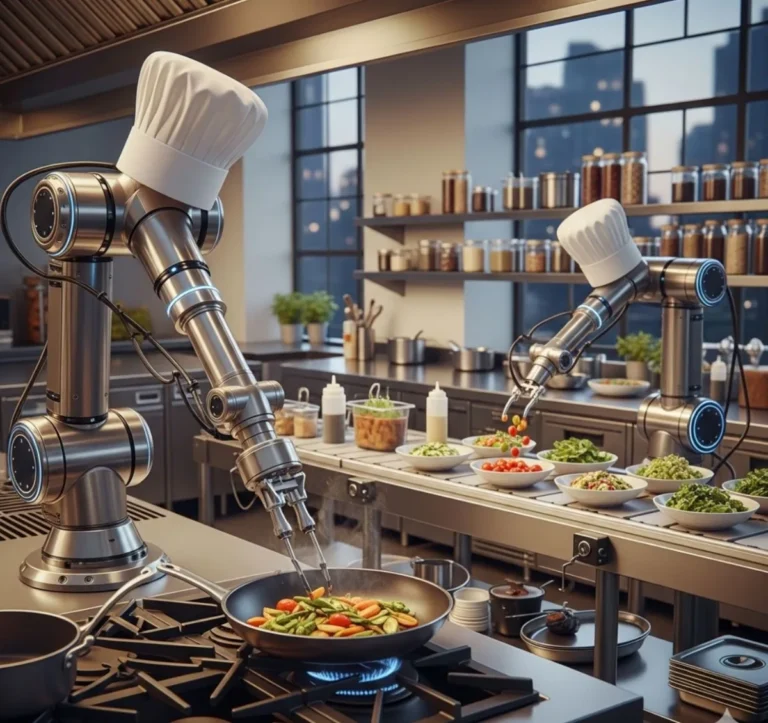
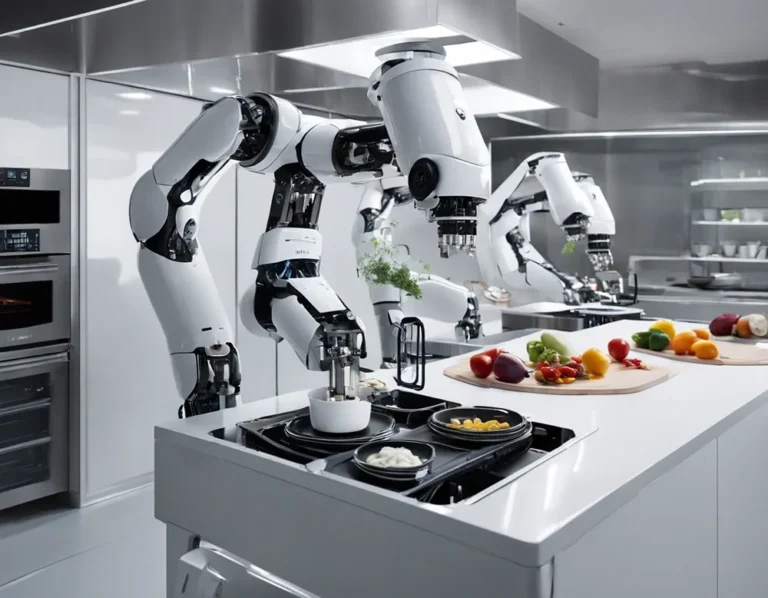
- They treat tech as a replacement, not a tool. Example: Installing a robotic arm to plate desserts because “it’s more consistent.” But consistency isn’t the same as soul. A machine can pipe a perfect rosette, but it can’t feel the weight of the cream or adjust for humidity the way a pastry chef can.
- They ignore the human factor. Example: Rolling out a digital inventory system without training the team on why it matters. If the line cooks don’t understand that the system is there to help them catch mistakes before service, they’ll treat it like another chore.
- They prioritize data over context. Example: A smart thermometer that tells you the internal temp of a steak but doesn’t log the sear time, the cut, or the chef’s notes. Data without context is just noise.
I’ve seen all three play out in real kitchens, and the results are never pretty. The worst part? The chefs who resist tech the most aren’t the Luddites, they’re the ones who’ve been burned by it before. They’ve watched tools that were supposed to make their lives easier turn into another layer of bureaucracy. So, how do we fix this? How do we design (or choose) tech that actually helps intuition instead of undermining it?
Let’s start with the most basic question: What is intuition, really? Is it just muscle memory? Is it pattern recognition? Or is it something deeper, something that can’t be quantified? I think it’s all three, and that’s why preserving it is so tricky. But it’s also why it’s worth the effort.
Deconstructing Intuition: What Are We Even Trying to Preserve?
Before we can talk about preserving intuition, we need to break it down. What is a chef’s intuition, anyway? Is it just experience? Instinct? Or is it something more elusive, like the way a painter knows when a brushstroke is right without being able to explain why?
I asked Chef Sean Brock about this over a beer at Husk Nashville. (Yes, I took notes on a napkin. No, I didn’t spill the beer.) He put it like this: “Intuition is the sum of every meal you’ve ever cooked, every bite you’ve ever tasted, and every mistake you’ve ever made. It’s not just knowing when the fish is done; it’s knowing when it’s done for this table, at this moment.“
That last part stuck with me. Intuition isn’t just about consistency; it’s about adaptation. It’s the difference between following a recipe and knowing when to break it. And that’s where tech gets it wrong. Most kitchen tech is designed to eliminate variability, but intuition thrives on it. The challenge, then, is to build tools that capture the variability without constraining it.
So, let’s break intuition down into its core components. I think there are four:
- Sensory Memory: The ability to recognize patterns in taste, texture, and smell. This is why a chef can walk into a kitchen and know if the stock is off just by smelling it.
- Contextual Awareness: Understanding how external factors, humidity, altitude, the mood of the dining room, affect a dish. This is why a sauce that works in Miami might taste flat in Denver.
- Muscle Memory: The physical skills built through repetition, like knowing how much pressure to apply when searing a steak or how to flip a pancake without looking.
- Emotional Intelligence: The ability to read a room, adjust plating based on the vibe, or know when a dish needs a little extra love. This is why some meals feel special even if they’re technically perfect.
Now, here’s the kicker: tech can help with all four, but only if it’s designed to. Most kitchen tools only address one or two. A smart thermometer helps with sensory memory (by logging temps), but it doesn’t do much for emotional intelligence. A digital recipe system might help with muscle memory (by providing step-by-step guides), but it won’t teach you how to adjust for humidity. The goal, then, is to find (or build) tools that address all four components without overwhelming the chef.
Easier said than done, right? Let’s look at how some kitchens are doing it.
Case Study: The Kitchen That Got It Right
Last year, I visited Atelier Crenn in San Francisco, where Chef Dominique Crenn has been experimenting with tech in a way that actually enhances intuition. Her kitchen uses a custom-built digital recipe and plating guide that does something most systems don’t: it logs variations.
Here’s how it works: Every time a chef plates a dish, they can add notes-”sauce was a little thin,” “guest requested extra lemon,” “fish was slightly overcooked but salvaged with a squeeze of citrus.” The system doesn’t just store the recipe; it stores the story of the dish. Over time, those notes create a living document of how the kitchen adapts. New cooks don’t just learn the recipe; they learn the why behind the adjustments. That’s intuition, preserved and passed down.
But here’s the part that really blew me away: the system also tracks environmental data. Humidity, temperature, even the noise level in the kitchen (measured by decibel sensors). Why? Because Chef Crenn knows that a dish that works on a quiet Tuesday might need tweaking on a rowdy Saturday. The tech doesn’t make the decisions; it gives the chefs the context to make better ones.
Is this the perfect system? Probably not. It’s expensive, it requires buy-in from the whole team, and it’s not something most kitchens could replicate overnight. But it’s a proof of concept: tech can preserve intuition if it’s designed to capture the human element, not erase it.
The Tools That Work (And the Ones That Don’t)
Not all kitchen tech is created equal. Some tools are like training wheels, they help you learn, then you outgrow them. Others are like a GPS: they give you directions, but you still have to steer. And then there are the tools that feel like they’re driving the car for you. Those are the ones to avoid.
Let’s start with the tools that don’t work-the ones that replace intuition instead of preserving it. I’ve seen these in kitchens, and they always leave a bad taste in my mouth (pun intended).
Tech That Fails Intuition
- Fully Automated Cooking Systems: These are the robots that promise to cook your food “perfectly” every time. The problem? They don’t know when “perfect” needs to be “a little underdone for the guest who likes it that way.” They can’t taste, adjust, or adapt. They’re great for fast-casual chains where consistency is the only goal, but they’re a nightmare for chefs who care about nuance.
- Overly Prescriptive Recipe Software: Some digital recipe systems are so rigid that they don’t allow for adjustments. If the system says “add 1 tsp salt,” but the chef knows the batch of tomatoes is sweeter than usual, they’re stuck. The best recipe systems are flexible-they log the recipe but also allow for notes and variations.
- Data-Only Inventory Systems: A system that tracks inventory levels is useful, but one that doesn’t account for why ingredients are being used (or wasted) is missing the point. The best inventory tools let chefs add notes like “used extra basil for a special” or “trash can lid was left open, check for pests.”
- AI-Driven Menu Planning: Some companies are selling AI that designs menus based on data. Sounds cool, right? Except it doesn’t account for things like seasonality, local culture, or the chef’s creative vision. A menu should tell a story, not just optimize for sales.
Now, let’s talk about the tools that work-the ones that actually help preserve intuition. These are the tools I’ve seen chefs get excited about, because they feel like an extension of their skills, not a replacement for them.
Tech That Preserves Intuition
- Smart Scales with Memory: These scales don’t just weigh ingredients; they log them over time. If a chef notices that a dish is consistently too salty, they can pull up the data and see if the issue is with the recipe or the execution. It’s like having a photographic memory for your kitchen.
- Environmental Sensors: These track things like humidity, temperature, and even air quality. Why does this matter? Because a sauce that reduces perfectly on a dry day might break on a humid one. Sensors give chefs the context they need to adjust on the fly.
- Digital Plating Guides with Notes: These are like recipe systems, but with a twist: they let chefs add notes about variations. Did the guest request extra lemon? Was the fish a little overcooked? These notes create a living document of how the kitchen adapts, which is invaluable for training new staff.
- Voice-Activated Recipe Assistants: These are hands-free systems that let chefs call up recipes or log notes without stopping what they’re doing. They’re especially useful for line cooks who don’t have time to stop and type. The best ones also allow for voice notes, so chefs can record quick thoughts like “this batch of tomatoes is sweeter, reduce sugar.”
- Waste Tracking with Context: These systems don’t just track what’s being wasted; they track why. Did the fish go bad because of a supplier issue? Was the bread overproofed because of humidity? This kind of data helps chefs address the root cause, not just the symptom.
- Augmented Reality (AR) Training: AR glasses can overlay instructions onto a chef’s field of vision, guiding them through complex techniques. But the best systems also allow for real-time feedback. If a trainee is holding a knife wrong, the system can correct them. If they’re searing a steak too long, it can alert them. It’s like having a mentor in your ear, but without the yelling.
So, how do you choose the right tools for your kitchen? It’s not about picking the fanciest tech; it’s about picking the tech that aligns with your goals. If your goal is consistency, a smart thermometer might be enough. If your goal is creativity, a flexible recipe system with notes might be better. And if your goal is training, AR could be a game-changer.
But here’s the thing: o tool will work if the team doesn’t buy into it. And that’s where most kitchens drop the ball.
The Human Factor: Why Tech Fails Without Buy-In
I’ll never forget the time I watched a high-end steakhouse in Nashville install a state-of-the-art digital ordering system. The owners were excited. The chefs? Not so much. Within a week, the system was being ignored. Orders were still being scribbled on tickets. The chefs said it slowed them down. The owners said it was more efficient. Who was right?
Turns out, both were. The system was more efficient, if you used it the way it was designed. But the chefs had been trained to trust their instincts, not a screen. They didn’t see the system as a tool; they saw it as a replacement for their skills. And when people feel like tech is replacing them, they resist it.
This is the biggest mistake kitchens make when adopting tech: they forget the human factor. Tech doesn’t exist in a vacuum. It’s used by people, and people have egos, habits, and fears. If you roll out a new tool without considering how it affects the team’s workflow, morale, or sense of ownership, it’s doomed to fail.
So, how do you get buy-in? It starts with involving the team in the process. Here’s how some kitchens do it right:
How to Get Your Team on Board
- Start with the “why.” Don’t just say, “We’re installing a new inventory system.” Say, “This system will help us reduce waste, which means we can afford better ingredients.” People are more likely to adopt tech if they understand how it benefits them.
- Let the team test it first. Before rolling out a new tool, let a small group of chefs and cooks try it out. Ask for feedback. What’s working? What’s not? What would make it better? This not only improves the tool but also gives the team a sense of ownership.
- Make it optional (at first). Forcing tech on a team is a recipe for disaster. Instead, introduce it as an option. Let the chefs who are excited about it use it first. Once they start seeing results, others will follow.
- Celebrate the wins. Did the new waste-tracking system help you save money on seafood? Did the smart scale help you catch a mistake before service? Share those wins with the team. People are more likely to adopt tech if they see it working.
- Be patient. Change takes time. Don’t expect the team to embrace a new tool overnight. Give them space to adjust, and be open to tweaking the system based on their feedback.
But here’s the thing: even with buy-in, tech can still fail if it’s not integrated into the workflow. A tool that’s clunky, slow, or hard to use will get ignored, no matter how much the team wants to use it. That’s why it’s so important to choose tools that feel like a natural extension of the kitchen, not an interruption.
Let’s talk about how to do that.
Designing Tech for the Kitchen (Not the Other Way Around)
Here’s a hard truth: most kitchen tech is designed by people who’ve never worked in a kitchen. They see a problem, waste, inefficiency, inconsistency, and they build a tool to solve it. But they don’t consider the context of the kitchen. They don’t think about the heat, the noise, the pressure, or the fact that chefs don’t have time to stop and type on a tablet.
I learned this the hard way when I helped a friend design a digital recipe system for his food truck. We built something sleek, with all the bells and whistles, voice commands, AR plating guides, the works. But when we tested it in the truck, it was a disaster. The voice commands didn’t work over the noise of the fryer. The AR glasses were too bulky. The chefs ended up scribbling notes on paper because it was faster. We had to go back to the drawing board.
That experience taught me something important: kitchen tech needs to be designed for the kitchen, not the other way around. It needs to be fast, intuitive, and hands-free. It needs to work in the heat, the noise, and the chaos. And most importantly, it needs to disappear when it’s not needed. The best kitchen tech is like a good sous chef, it’s there when you need it, but it doesn’t get in the way.
So, what does that look like in practice? Here are some principles to keep in mind when choosing or designing kitchen tech:
Principles for Kitchen-Friendly Tech
- Speed is everything. If a tool slows down the workflow, it’s useless. Chefs don’t have time to stop and type. Look for tools with voice commands, quick-access buttons, or hands-free operation.
- It should be intuitive. A chef shouldn’t need a manual to use a tool. If it’s not immediately obvious how it works, it’s not kitchen-friendly.
- It should work offline. Kitchens are notoriously bad for Wi-Fi. A tool that relies on a constant internet connection is a liability.
- It should integrate with existing workflows. Don’t force chefs to change how they work. Instead, design tools that fit into their existing processes.
- It should be durable. Kitchens are messy. Tools need to be waterproof, heat-resistant, and easy to clean.
- It should provide value immediately. If a chef doesn’t see the benefit of a tool within the first few uses, they’ll stop using it. Make sure the value is obvious.
Let’s look at an example of a tool that gets this right: the Thermapen. It’s a simple digital thermometer, but it’s become a staple in kitchens around the world. Why? Because it’s fast, accurate, and easy to use. It doesn’t require any training. It doesn’t slow down the workflow. And it provides immediate value, chefs can check the temp of a steak in seconds. That’s kitchen-friendly tech.
Now, let’s talk about something more complex: voice-activated recipe assistants. These tools let chefs call up recipes, log notes, and even set timers using voice commands. They’re hands-free, which is a huge advantage in a busy kitchen. But they only work if they’re accurate and fast. If the voice recognition is slow or glitchy, chefs will stop using it. The best systems are designed specifically for kitchens, with noise-canceling microphones and simple commands.
But here’s the thing: even the best-designed tech won’t work if it’s not aligned with the kitchen’s goals. And that’s where things get tricky.
The Big Question: What Are You Really Trying to Achieve?
Before you invest in any kitchen tech, you need to ask yourself a hard question: What are you really trying to achieve? Are you trying to improve consistency? Reduce waste? Train new staff? Preserve the chef’s intuition? Or all of the above?
Because here’s the thing: ot all goals are compatible. A tool that improves consistency might stifle creativity. A tool that reduces waste might slow down the workflow. And a tool that helps train new staff might feel like a crutch to experienced chefs.
I’ve seen kitchens waste thousands of dollars on tech because they didn’t ask this question first. They bought a robotic arm to plate desserts because it was “innovative,” but it didn’t align with their goal of creating a personal dining experience. They installed a digital inventory system to reduce waste, but it slowed down the chefs so much that they stopped using it.
So, how do you avoid this? Start by defining your goals. Here’s a simple framework I use with kitchens I consult for:
Defining Your Kitchen’s Goals
- What’s your primary goal? (e.g., consistency, creativity, efficiency, training, waste reduction)
- If consistency is the goal, look for tools that log data and provide feedback, like smart scales or thermometers.
- If creativity is the goal, look for tools that encourage experimentation, like flexible recipe systems or AR plating guides.
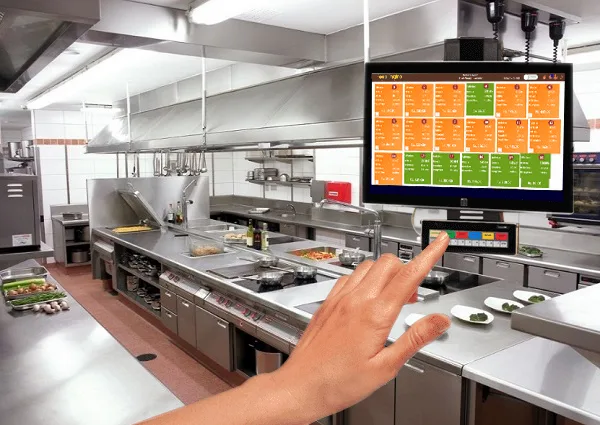
- If efficiency is the goal, look for tools that streamline workflows, like voice-activated assistants or digital ordering systems.
- If training is the goal, look for tools that provide real-time feedback, like AR glasses or smart knives.
- If waste reduction is the goal, look for tools that track usage and provide context, like smart inventory systems or waste-tracking apps.
- What’s your secondary goal? (e.g., preserving intuition, improving morale, reducing costs)
- If preserving intuition is a goal, look for tools that log variations and provide context, like digital recipe systems with notes or environmental sensors.
- If improving morale is a goal, look for tools that make the team’s lives easier, like hands-free assistants or durable, easy-to-clean equipment.
- If reducing costs is a goal, look for tools that provide long-term savings, like waste-tracking systems or energy-efficient appliances.
- What’s your non-negotiable? (e.g., speed, flexibility, durability)
- If speed is non-negotiable, avoid tools that slow down the workflow, like overly complex recipe systems or tools that require constant internet access.
- If flexibility is non-negotiable, avoid tools that are too prescriptive, like rigid recipe software or fully automated cooking systems.
- If durability is non-negotiable, avoid tools that aren’t built for the kitchen, like tablets without waterproof cases or equipment that can’t handle high heat.
Once you’ve defined your goals, you can start looking for tools that align with them. But here’s the catch: you might not find a single tool that does everything. And that’s okay. The best kitchens use a combination of tools, each serving a specific purpose. The key is to choose tools that work together, not against each other.
Let’s look at an example. Imagine a kitchen with the following goals:
- Primary goal: Consistency
- Secondary goal: Preserving intuition
- Non-negotiable: Speed
For this kitchen, a smart scale (to log ingredient weights) and a voice-activated recipe assistant (to call up recipes hands-free) would be a great combination. The scale helps with consistency, the assistant helps with speed, and both allow the chef to add notes and variations, which preserves intuition. A fully automated cooking system, on the other hand, would be a bad fit, it might improve consistency, but it would stifle intuition and slow down the workflow.
But here’s the thing: even with the right tools, tech can still fail if it’s not used thoughtfully. And that’s where the real work begins.
The Art of Using Tech Thoughtfully (Without Losing Your Soul)
Let’s be honest: tech is a tool, not a savior. It can help you achieve your goals, but it can’t replace the human element of cooking. The best chefs use tech to enhance their skills, not replace them. They use it to preserve their intuition, not erase it. And they use it to share their knowledge, not hoard it.
But how do you do that? How do you use tech thoughtfully without losing the soul of cooking? It’s not easy, but it’s possible. Here are some lessons I’ve learned from chefs who’ve done it right:
Lessons from Chefs Who Get It Right
- Use tech to capture, not replace.
Chef David Chang once told me that the best use of tech in the kitchen is to record what’s happening, not to dictate it. At Momofuku, they use a digital recipe system that logs every variation of a dish. But the chefs are still encouraged to experiment. The system doesn’t replace their creativity; it captures it. That way, when a chef leaves, their knowledge doesn’t leave with them.
- Let the chef override the system.
At Eleven Madison Park, they use a smart plating guide that shows chefs how to plate each dish. But the system also allows chefs to override the guide if they want to try something new. The goal isn’t to enforce consistency; it’s to provide a starting point. The best kitchens use tech as a guide, not a rulebook.
- Use tech to train, not just to execute.
At Atelier Crenn, they use AR glasses to train new chefs. The glasses overlay instructions onto the chef’s field of vision, guiding them through complex techniques. But the system also allows for real-time feedback. If a trainee is holding a knife wrong, the system can correct them. If they’re searing a steak too long, it can alert them. The goal isn’t to replace the mentor; it’s to augment them.
- Use tech to share knowledge, not hoard it.
Chef Massimo Bottura uses a digital recipe system at Osteria Francescana that logs every variation of a dish. But he also shares those logs with his team. The goal isn’t to keep the recipes secret; it’s to preserve them. When a chef leaves, their knowledge stays behind.
- Use tech to adapt, not just to repeat.
At The Grey, they use environmental sensors to track things like humidity and temperature. But they don’t use the data to enforce consistency. Instead, they use it to adapt. If the humidity is high, they might reduce the cooking time for a sauce. If the temperature is low, they might increase it. The goal isn’t to eliminate variability; it’s to understand it.
But here’s the thing: even with these lessons, using tech thoughtfully is an ongoing process. It’s not something you set and forget. It’s something you have to revisit and adjust over time. And that’s where the real work begins.
Let’s talk about how to do that.
The Long Game: How to Keep Tech Working for You (Not Against You)
Here’s the hard truth: kitchen tech is not a one-time fix. It’s not something you install and forget about. It’s something you have to urture and adjust over time. The best kitchens treat tech like a living organism, something that grows and evolves with the team.
But how do you do that? How do you keep tech working for you, not against you? It starts with regular check-ins. Here’s how some kitchens do it:
How to Keep Tech Working for You
- Schedule regular feedback sessions.
Every few months, sit down with the team and ask: What’s working? What’s not? What would make this tool better? Don’t wait for problems to arise. Be proactive.
- Track the data (but don’t worship it).
If you’re using a tool that logs data (like a smart scale or an inventory system), review the data regularly. But don’t treat it as gospel. Use it as a guide, not a rulebook. If the data says one thing but your intuition says another, trust your gut, but also dig deeper to understand why.
- Encourage experimentation.
Don’t let tech become a crutch. Encourage the team to experiment, to try new things, to push the boundaries. If a tool is stifling creativity, it’s not doing its job.
- Be open to change.
Tech evolves quickly. What works today might not work tomorrow. Be open to upgrading, tweaking, or even replacing tools if they’re no longer serving your goals.
- Keep the human element alive.
No matter how much tech you use, never forget that cooking is a human endeavor. It’s about taste, texture, emotion, and connection. Tech can help with the logistics, but it can’t replace the soul. Keep the human element at the center of everything you do.
But here’s the thing: even with the best intentions, tech can still fail if it’s not aligned with the bigger picture. And that’s where things get really interesting.
The Bigger Picture: Why Preserving Intuition Matters for the Future of Food
Let’s zoom out for a second. Why does any of this matter? Why should we care about preserving a chef’s intuition? Isn’t the future of food about efficiency, consistency, and scalability?
Here’s my take: intuition is what makes food human. It’s what turns a meal into a memory. It’s what makes a dish feel like it was cooked with love, not just precision. And in a world where so much of our lives are mediated by algorithms and automation, that human touch is more important than ever.
I’ve eaten at Michelin-starred restaurants where the food was technically perfect but soulless. I’ve eaten at food trucks where the food was messy but unforgettable. The difference? Intuition. The chefs who cooked with intuition didn’t just follow a recipe; they felt the food. They adapted, experimented, and poured their hearts into every dish. And that’s what made it special.
But here’s the catch: intuition is under threat. Staff turnover is high. Supply chains are unpredictable. And the pressure to deliver consistency at scale has never been greater. If we don’t find a way to preserve intuition, we risk losing something irreplaceable. We risk turning food into a commodity, not an experience.
That’s where tech comes in. Not as a replacement for intuition, but as a guardian of it. Tech can help us capture the knowledge of experienced chefs and pass it down to the next generation. It can help us adapt to changing conditions without losing our way. And it can help us scale without sacrificing the human touch.
But it’s not a silver bullet. Tech is just a tool. The real work is up to us, to use it thoughtfully, to keep the human element alive, and to never forget that cooking is about more than just efficiency. It’s about connection, creativity, and love.
So, where do we go from here? How do we build a future where tech and intuition coexist? I don’t have all the answers, but I know this: it starts with asking the right questions.
Conclusion: The Future of Cooking Is Human (And That’s a Good Thing)
Let’s circle back to where we started. I was skeptical about the idea of kitchen tech preserving intuition, and to be honest, I’m still a little wary. Tech has a way of promising the world and delivering a spreadsheet. But after digging into this, I’ve come to believe that it’s not about the tech itself, it’s about how we use it. The right tools, used the right way, can actually protect the things we love about cooking: the creativity, the adaptability, the human touch.
But here’s the thing: it’s not going to happen by accident. If we want tech to preserve intuition, we have to design it that way. We have to choose tools that capture the human element, not erase it. We have to involve the team in the process, not force it on them. And we have to keep the bigger picture in mind, not just efficiency, but the soul of cooking.
So, here’s my challenge to you: the next time you’re considering a new piece of kitchen tech, ask yourself this: Is this tool replacing intuition, or is it preserving it? If the answer is the former, walk away. If the answer is the latter, dig deeper. How does it work? How does it fit into your workflow? And most importantly, how does it help your team cook better, not just faster?
Because at the end of the day, that’s what this is all about. It’s not about tech for tech’s sake. It’s about using the tools at our disposal to keep the human element of cooking alive. It’s about making sure that the next generation of chefs doesn’t just know how to follow a recipe, they know how to feel the food. And that’s a future worth fighting for.
FAQ
Q: Isn’t kitchen tech just for big restaurants with huge budgets?
A: Not at all! While some high-end tools can be expensive, there are plenty of affordable options that can help preserve intuition. For example, a smart thermometer like the Thermapen is under $100 and can help chefs log temperatures for consistency. A voice-activated recipe assistant like the Amazon Echo Show can be used to call up recipes hands-free. And a simple digital scale can help track ingredient weights over time. The key is to start small and choose tools that align with your goals.
Q: How do I know if a piece of kitchen tech is right for my kitchen?
A: Start by defining your goals. What are you trying to achieve? Consistency? Creativity? Efficiency? Once you know your goals, look for tools that align with them. Then, involve your team in the process. Let them test the tool and provide feedback. If it’s not making their lives easier, it’s not the right tool. And finally, be patient. Change takes time, and it’s okay to start small.
Q: Won’t kitchen tech make cooking less personal?
A: It depends on how you use it. If you treat tech as a replacement for human skills, then yes, it can make cooking feel less personal. But if you use it as a tool to enhance those skills, it can actually make cooking more personal. For example, a digital recipe system that logs variations can help chefs share their knowledge and adapt to different situations. A smart scale can help chefs track ingredient weights over time, which can lead to more consistent (and personal) results. The key is to use tech to preserve the human element, not replace it.
Q: What’s the biggest mistake kitchens make when adopting new tech?
A: The biggest mistake is treating tech as a one-time fix. Kitchen tech is not something you install and forget about. It’s something you have to urture and adjust over time. The best kitchens treat tech like a living organism, something that grows and evolves with the team. They schedule regular feedback sessions, track the data, and encourage experimentation. They’re not afraid to upgrade, tweak, or even replace tools if they’re no longer serving their goals. The key is to stay proactive and keep the human element at the center of everything you do.
@article{how-kitchen-tech-can-preserve-a-chefs-intuition-over-time-without-losing-the-soul-of-cooking,
    title   = {How Kitchen Tech Can Preserve a Chef’s Intuition Over Time (Without Losing the Soul of Cooking)},
    author  = {Chef's icon},
    year    = {2026},
    journal = {Chef's Icon},
    url     = {https://chefsicon.com/how-kitchen-tech-can-preserve-a-chefs-intuition-over-time/}
}