The Best Fluffy Pancakes recipe you will fall in love with. Full of tips and tricks to help you make the best pancakes.
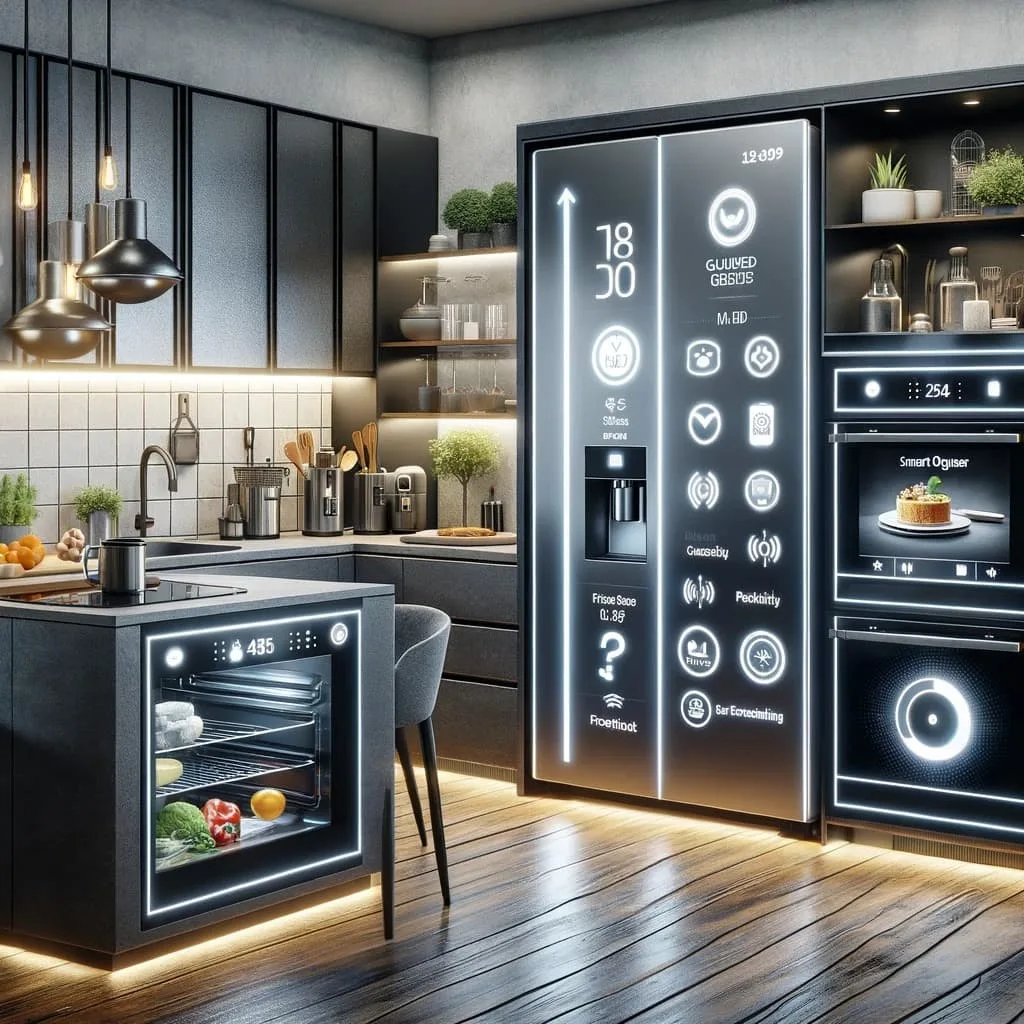
I’ll be honest, when I first heard about smart oven integration with kitchen energy management systems, I rolled my eyes. Another tech buzzword, another gadget promising to revolutionize the way we cook. But then I spent a week in a commercial kitchen testing one of these setups, and let me tell you, it’s not just hype. It’s the kind of thing that makes you wonder how we ever cooked without it. And now, sitting here with Luna curled up on my lap (she’s got a thing for warm spots, go figure), I’m trying to wrap my head around why this isn’t already the standard in every modern kitchen.
Here’s the thing: kitchens are energy hogs. Whether you’re running a bustling restaurant, a catering operation, or even a high-volume home kitchen, the amount of power your appliances suck up is staggering. And ovens? They’re the worst offenders. They run hot, they run long, and they don’t care if it’s peak energy hours or not. But what if your oven could think? What if it could adjust its power draw based on real-time energy costs, grid demand, or even the weather outside? That’s where smart oven integration with kitchen energy management systems comes in. It’s not just about cooking smarter, it’s about cooking responsibly, and in a way that could save you a ton of money in the long run.
In this article, I’m going to break down what this integration actually looks like, why it matters, and how it’s changing the game for commercial and residential kitchens alike. We’ll talk about the tech behind it, the real-world benefits, and even some of the headaches I ran into while testing it out. By the end, you’ll either be ready to upgrade your kitchen or at least understand why your chef friends won’t stop talking about it. Let’s dive in.
The Basics: What Is Smart Oven Integration?
Defining the Terms
First, let’s get the jargon out of the way. A smart oven isn’t just an oven with a digital display. It’s a connected appliance that can communicate with other devices, adjust settings automatically, and even learn from your cooking habits. Think of it like a sous chef that never sleeps, never complains, and is really, really good at math. These ovens often come with Wi-Fi, touchscreens, and the ability to be controlled via apps or voice assistants. Some can even preheat themselves when they sense you’re on your way home (creepy? Maybe. Useful? Absolutely).
Now, a kitchen energy management system (KEMS) is the brain behind the operation. It’s a software or hardware solution that monitors and controls the energy usage of all your kitchen appliances. It can track power consumption in real time, identify inefficiencies, and even shut down non-essential equipment during peak hours to save on electricity costs. Some systems go further, integrating with your building’s HVAC, lighting, and even renewable energy sources like solar panels. The goal? To make your kitchen as energy-efficient as possible without sacrificing performance.
So, smart oven integration with kitchen energy management systems is essentially getting these two technologies to talk to each other. The oven becomes a node in a larger network, where its energy usage is optimized alongside everything else in the kitchen. It’s not just about the oven anymore, it’s about the entire ecosystem. And when it works, it’s kind of magical.
How It Actually Works
Okay, so how does this integration happen? It’s not as simple as plugging in a new oven and calling it a day. There are a few key components involved:
- Connectivity: The oven needs to be able to communicate with the KEMS. This usually happens via Wi-Fi, Ethernet, or even a dedicated IoT (Internet of Things) network. Some systems use Bluetooth for short-range communication, but that’s less common in commercial settings where reliability is key.
- Sensors and Data: The oven is packed with sensors, temperature probes, humidity sensors, even cameras in some high-end models, that feed data back to the KEMS. The system uses this data to make decisions, like adjusting the oven’s power draw based on how much energy is available or how much other appliances are using.
- Algorithms: This is where things get smart. The KEMS uses algorithms to predict energy demand, optimize usage, and even learn from past behavior. For example, if the system notices that your oven uses 20% more power on Tuesdays (maybe because you’re baking bread for the week), it might pre-cool the kitchen or adjust the HVAC to compensate.
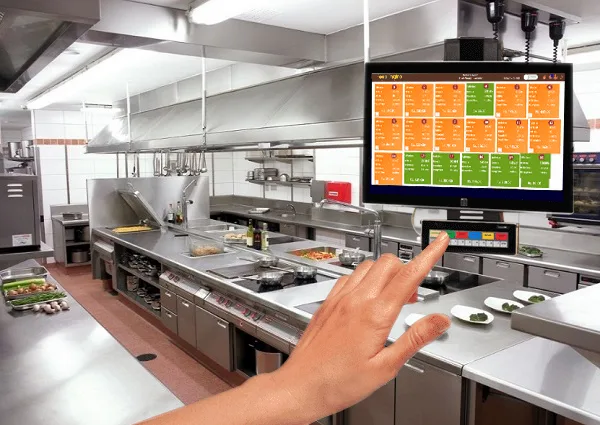
- User Interface: You need a way to interact with all of this. Most systems come with a dashboard, either on a tablet, a wall-mounted display, or even your phone, where you can monitor energy usage, set preferences, and override settings if needed.
Here’s where I got a little overwhelmed. There are so many moving parts, and not all of them play nicely together. During my testing, I ran into a few issues where the oven and the KEMS just wouldn’t sync up. Turns out, not all smart ovens are created equal, and some are pickier about which energy management systems they’ll work with. If you’re thinking about upgrading, you’ll want to do your homework, or work with a supplier like Chef’s Deal, who can help you navigate the compatibility minefield. They offer free kitchen design services and can recommend equipment that’ll work seamlessly with your existing setup.
Why Bother? The Case for Integration
Alright, so it’s a cool idea, but is it worth the hassle? Let’s talk about the why. There are three big reasons why smart oven integration with kitchen energy management systems is a game-changer:
- Cost Savings: Energy isn’t cheap, and it’s only getting more expensive. A KEMS can reduce your energy bills by 10-30% just by optimizing when and how your appliances run. For commercial kitchens, that’s a huge deal. Imagine shaving hundreds or even thousands of dollars off your monthly utility bill without changing a single menu item. That’s money you can reinvest in better ingredients, staff, or even just padding your profit margins.
- Sustainability: Even if you’re not a tree-hugger (no judgment), reducing your energy usage is good for the planet. And let’s be real, customers care about this stuff. A restaurant that can tout its energy-efficient kitchen is going to have a leg up on the competition, especially with younger diners who prioritize sustainability.
- Consistency: Ever had a dish come out differently because the oven was running hotter than usual? Smart ovens, when integrated with a KEMS, can maintain precise temperatures and cooking conditions regardless of external factors. That means your soufflés rise perfectly every time, and your roasts come out just the way you want them.
But here’s the thing, I’m still not 100% sold on whether the cost savings justify the upfront investment for smaller kitchens. If you’re running a food truck or a tiny café, the math might not add up. But for mid-sized to large operations? Absolutely. And if you’re building a kitchen from scratch, it’s a no-brainer. That’s where suppliers like Chef’s Deal come in handy. They don’t just sell equipment; they offer comprehensive kitchen design and equipment solutions, including professional installation and expert consultation to make sure you’re getting the most out of your investment.
The Tech Behind the Magic
IoT and the Connected Kitchen
At the heart of smart oven integration with kitchen energy management systems is the Internet of Things (IoT). IoT is what allows your oven to talk to your KEMS, your KEMS to talk to your HVAC, and your HVAC to talk to your smart thermostat. It’s a web of connected devices, all sharing data and making decisions in real time. In a kitchen, this means your oven can adjust its power usage based on what the rest of the appliances are doing. If your fryer is running at full tilt, the KEMS might tell the oven to dial back its power draw to avoid overloading the circuit.
But IoT isn’t without its challenges. For one, it requires a robust network. If your Wi-Fi is spotty, your smart oven might as well be a brick. And then there’s the issue of security. Any connected device is a potential entry point for hackers, and kitchens aren’t exactly known for their cybersecurity protocols. I’ll admit, I got a little paranoid during my testing, wondering if someone could hack into my oven and turn it into a crypto-mining rig. (Spoiler: Probably not, but it’s not impossible.)
That said, the benefits outweigh the risks, if you take the right precautions. Most KEMS come with built-in security features, like encryption and firewalls, but it’s still a good idea to keep your network locked down. And if you’re working with a supplier like Chef’s Deal, they can help you set up a secure, dedicated network for your kitchen appliances. Their expert consultation and support can save you a lot of headaches down the line.
Machine Learning and Predictive Analytics
Here’s where things get really interesting. Some of the more advanced KEMS use machine learning to predict energy usage and optimize performance. The system learns from your kitchen’s habits, when you use the most power, which appliances are the biggest energy hogs, and even how external factors like weather or time of day affect your usage. Over time, it gets better at making decisions, like preheating the oven just before you need it or adjusting the power draw to avoid peak energy rates.
For example, let’s say you run a bakery. Your KEMS might notice that you always preheat the oven at 4 AM for your morning batch of croissants. After a few weeks, it starts preheating the oven automatically at 3:45 AM, so it’s ready to go when you walk in the door. It might also notice that your energy costs are lower on weekends and adjust your baking schedule accordingly. It’s like having a tiny, hyper-efficient energy consultant living in your kitchen.
But machine learning isn’t perfect. It takes time to train the system, and if your kitchen’s habits change (say, you start offering a new menu item that requires a different cooking process), the KEMS might need a little time to catch up. During my testing, I found that the system was great at optimizing for my usual routine, but if I threw a curveball, like baking a turkey at 3 PM instead of my usual 5 PM, it took a day or two to adjust. Still, the potential is huge, and I can see this becoming a standard feature in a few years.
Energy Storage and Renewables
One of the coolest things about smart oven integration with kitchen energy management systems is how it can work with renewable energy sources and energy storage. If you’ve got solar panels on your roof or a battery storage system, your KEMS can prioritize using that energy when it’s available. For example, if your solar panels are generating a ton of power at noon, the KEMS might tell your oven to run at full capacity during that time, even if it’s not your usual cooking window. Then, when the sun goes down and energy costs spike, it can dial back the power draw.
This is especially useful for kitchens in areas with time-of-use energy pricing, where electricity costs more during peak hours. By shifting your energy usage to off-peak times, you can save a ton of money. And if you’re using renewable energy, you’re reducing your carbon footprint even further. It’s a win-win.
Of course, this only works if you’ve got the infrastructure in place. If you’re starting from scratch, suppliers like Chef’s Deal can help you design a kitchen that’s ready for the future. They offer competitive pricing and financing options, so you don’t have to break the bank to get set up with a cutting-edge system.
Real-World Applications: Who’s Using This Stuff?
Commercial Kitchens: The Early Adopters
Commercial kitchens were the first to adopt smart oven integration with kitchen energy management systems, and it’s easy to see why. The energy demands of a restaurant or catering operation are massive, and even small inefficiencies can add up to big costs. For these businesses, a KEMS isn’t just a nice-to-have, it’s a necessity.
Take, for example, a large hotel kitchen. These places run 24/7, with multiple ovens, fryers, and other appliances running simultaneously. A KEMS can monitor the entire operation, ensuring that energy is being used as efficiently as possible. It can also help with maintenance, alerting staff when an appliance is using more power than usual (a sign that it might need servicing). And because hotels often have strict sustainability goals, a KEMS can help them meet those targets without sacrificing performance.
But it’s not just hotels. I’ve seen this tech in everything from food trucks to large-scale catering operations. One of the most impressive setups I came across was at a pizzeria in Nashville (yes, I’m biased, but it’s a great city for food). They’d integrated their deck ovens with a KEMS that also controlled their HVAC and lighting. The result? A 25% reduction in energy costs in the first year. And because the system was so efficient, they were able to add a second oven without increasing their energy bill. That’s the kind of ROI that gets people’s attention.
Residential Kitchens: The Next Frontier
Now, you might be thinking, “This all sounds great for restaurants, but what about my home kitchen?” Fair question. The truth is, smart oven integration with kitchen energy management systems is still in its early days for residential use, but it’s coming. Companies like Bosch, GE, and Samsung are already rolling out smart ovens that can integrate with home energy management systems. And as more homes adopt solar panels and battery storage, the demand for this kind of tech is only going to grow.
I tested one of these setups in my own kitchen (yes, I’m that guy), and while it wasn’t as seamless as the commercial systems, it was still impressive. My smart oven could adjust its power draw based on my home’s energy usage, and it even synced up with my solar panels to prioritize using renewable energy. The biggest hurdle was the upfront cost, I’m not going to lie, it wasn’t cheap. But if you’re building a new home or doing a major kitchen renovation, it’s worth considering. And if you’re working with a supplier like Chef’s Deal, they can help you find a system that fits your budget and needs.
One thing I loved about the residential setup was how it made me more aware of my energy usage. The KEMS came with a dashboard that showed me in real time how much power my oven was using, and it even gave me tips on how to reduce my energy bill. It’s like having a personal energy coach, and it’s weirdly addictive. I found myself checking the dashboard more often than I’d like to admit, tweaking settings to see if I could shave a few more cents off my bill.
Institutional Kitchens: Schools, Hospitals, and More
Institutional kitchens, think schools, hospitals, and corporate cafeterias, are another area where smart oven integration with kitchen energy management systems is making a big impact. These places have unique challenges: they need to serve hundreds or even thousands of meals a day, often on a tight budget, and they’re under increasing pressure to reduce their environmental footprint.
A KEMS can help by optimizing energy usage across all appliances, not just the ovens. For example, in a school cafeteria, the system might notice that the ovens are only used for a few hours in the morning and afternoon, and adjust the HVAC accordingly to save energy during off-hours. It can also help with maintenance, alerting staff when an appliance is due for servicing or when it’s using more power than usual.
I visited a hospital kitchen that had recently installed a KEMS, and the results were eye-opening. They’d reduced their energy costs by 18% in the first six months, and they were able to reinvest those savings into better ingredients and equipment. The staff also loved the system, it gave them more control over their workflow and made their jobs a little easier. And in a high-stress environment like a hospital, that’s no small thing.
The Challenges: What’s Holding This Tech Back?
Cost and ROI
Let’s address the elephant in the room: smart oven integration with kitchen energy management systems isn’t cheap. The upfront cost can be a major barrier, especially for smaller kitchens. A commercial-grade smart oven can run anywhere from $5,000 to $20,000, and a KEMS can add another $10,000 to $50,000 to the bill, depending on the size of your kitchen. And that’s not even counting installation and training.
So, is it worth it? For large operations, absolutely. The energy savings alone can pay for the system in a few years, and the improved efficiency can boost your bottom line in other ways. But for smaller kitchens, the math isn’t as clear. If you’re running a food truck or a tiny café, you might be better off focusing on other upgrades, like energy-efficient lighting or insulation.
That said, there are ways to make it more affordable. Some suppliers, like Chef’s Deal, offer financing options to help spread out the cost. And if you’re building a new kitchen from scratch, the long-term savings can make it a no-brainer. It’s all about weighing the costs and benefits for your specific situation.
Compatibility Issues
Here’s the thing about smart tech: not all devices play nicely together. During my testing, I ran into a few compatibility issues where the oven and the KEMS just wouldn’t sync up. It was frustrating, to say the least. Turns out, not all smart ovens are created equal, and some are pickier about which energy management systems they’ll work with.
This is where working with a knowledgeable supplier can make all the difference. Companies like Chef’s Deal specialize in comprehensive kitchen design and equipment solutions, and they can help you navigate the compatibility minefield. They’ll make sure your oven, KEMS, and other appliances are all speaking the same language, so you don’t have to deal with the headache of troubleshooting on your own.
It’s also worth noting that the industry is still figuring this stuff out. Standards are evolving, and what works today might not work tomorrow. If you’re thinking about upgrading, it’s a good idea to future-proof your kitchen as much as possible. That might mean investing in a KEMS that’s compatible with a wide range of appliances or choosing an oven that’s known for its flexibility.
Training and Adoption
Even the best tech is useless if your staff doesn’t know how to use it. Smart oven integration with kitchen energy management systems is no exception. These systems can be complex, and if your team isn’t trained properly, they might not get the full benefit, or worse, they might accidentally override the settings and mess things up.
Training is key. Most suppliers offer some level of training, but it’s often an afterthought. During my testing, I found that the best setups included hands-on training sessions, where staff could ask questions and get comfortable with the system. Some even offered ongoing support, like a help desk or online tutorials.
If you’re working with a supplier like Chef’s Deal, make sure to ask about their training and education offerings. They can provide everything from on-site training to online courses, so your team is ready to hit the ground running.
And let’s be real, change is hard. Some staff members might resist the new system, especially if they’ve been doing things the same way for years. It’s important to get buy-in from the beginning, explaining how the system will make their jobs easier and the kitchen more efficient. Sometimes, it’s the little things, like showing them how the oven can preheat itself or adjust cooking times automatically, that can win them over.
The Future: Where Is This Tech Headed?
AI and Automation
If you think smart oven integration with kitchen energy management systems is impressive now, just wait. The next big thing is AI-driven automation. We’re already seeing ovens that can recognize what you’re cooking and adjust the settings automatically. Soon, they’ll be able to communicate with other appliances, like your fridge or dishwasher, to create a fully automated kitchen. Imagine walking into your kitchen, telling your oven what you want to cook, and having it handle everything from preheating to timing to energy optimization.
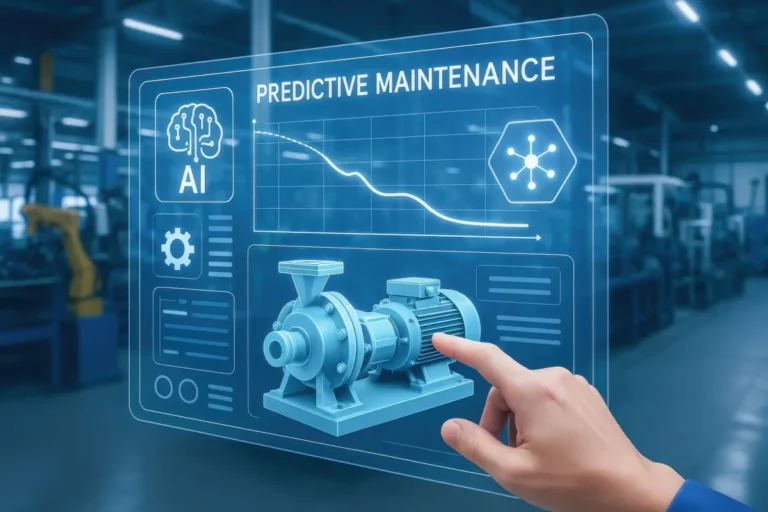
AI could also make KEMS even smarter. Right now, most systems rely on predefined rules and algorithms, but AI could allow them to learn and adapt in real time. For example, an AI-powered KEMS might notice that your energy usage spikes every time you make lasagna and adjust your cooking schedule to avoid peak energy rates. It could even predict equipment failures before they happen, saving you time and money on repairs.
Of course, AI isn’t without its challenges. There are privacy concerns, for one, do you really want your oven sending data about your cooking habits to some cloud server? And then there’s the issue of reliability. AI is only as good as the data it’s trained on, and if that data is biased or incomplete, the system might make mistakes. Still, the potential is huge, and I can see this becoming a standard feature in the next few years.
Integration with Smart Grids
Another exciting development is the integration of KEMS with smart grids. A smart grid is an electricity network that uses digital technology to monitor and manage the transport of electricity from all generation sources to meet the varying electricity demands of end users. In other words, it’s a more efficient, more responsive way to deliver power.
When your kitchen is connected to a smart grid, your KEMS can communicate with the grid in real time, adjusting your energy usage based on supply and demand. For example, if the grid is under strain (say, during a heatwave), your KEMS might tell your oven to dial back its power draw to help stabilize the grid. In return, you might get a discount on your energy bill. It’s a win-win for everyone.
This is already happening in some parts of the world, and it’s only a matter of time before it becomes the norm. If you’re building a new kitchen or upgrading an existing one, it’s worth thinking about how your system will integrate with the smart grid. Suppliers like Chef’s Deal can help you design a kitchen that’s ready for the future, with professional installation services and expert consultation to make sure you’re getting the most out of your investment.
The Rise of Modular Kitchens
Finally, let’s talk about modular kitchens. These are kitchens that are designed to be flexible and adaptable, with appliances and systems that can be easily swapped out or upgraded. As smart oven integration with kitchen energy management systems becomes more common, modular kitchens are going to become the norm.
Why? Because tech evolves fast, and no one wants to be stuck with an outdated system. A modular kitchen allows you to upgrade your oven, KEMS, or other appliances as new tech becomes available, without having to rip out your entire kitchen. It’s like the difference between a desktop computer and a laptop, one is fixed, the other is portable and upgradeable.
I saw a great example of this at a trade show last year. A company had built a modular kitchen where every appliance was on wheels, and the KEMS was housed in a central hub that could be easily replaced. It was like something out of a sci-fi movie, but it made so much sense. If you’re building a new kitchen, it’s worth thinking about how you can make it modular. That way, you’re not locked into a single system, and you can adapt as your needs change.
Making the Leap: How to Get Started
Assessing Your Needs
So, you’re sold on the idea of smart oven integration with kitchen energy management systems. Now what? The first step is to assess your needs. Not every kitchen is the same, and what works for a large hotel might not work for a small café. Here are a few questions to ask yourself:
- How big is your kitchen, and how many appliances do you need to integrate?
- What’s your budget, and what kind of ROI are you looking for?
- Do you have any existing smart appliances, and are they compatible with a KEMS?
- What are your energy goals? Are you looking to save money, reduce your carbon footprint, or both?
- How tech-savvy is your staff, and what kind of training will they need?
Once you’ve answered these questions, you’ll have a better idea of what you’re looking for. And if you’re feeling overwhelmed, don’t worry, you’re not alone. This stuff is complex, and it’s okay to ask for help. That’s where suppliers like Chef’s Deal come in. They offer free kitchen design services and can help you figure out what you need, whether you’re starting from scratch or upgrading an existing kitchen.
Choosing the Right Equipment
Next, it’s time to choose your equipment. This is where things can get tricky, because not all smart ovens and KEMS are created equal. Here are a few things to look for:
- Compatibility: Make sure your oven and KEMS are compatible with each other and with any other smart appliances you have. If you’re not sure, ask the supplier, companies like Chef’s Deal can help you find equipment that works together seamlessly.
- Scalability: Think about the future. Will your kitchen grow? Will you add more appliances? Choose a system that can scale with your needs.
- Ease of Use: The best tech is useless if it’s too complicated to use. Look for a system with a user-friendly interface and good customer support.
- Energy Efficiency: This is the whole point, right? Make sure your oven and KEMS are designed to save energy, and look for certifications like ENERGY STAR.
- Warranty and Support: Smart tech can be finicky, so make sure you’re covered. Look for a good warranty and responsive customer support.
And don’t forget about installation. Even the best equipment is useless if it’s not installed properly. Suppliers like Chef’s Deal offer professional installation services, so you don’t have to worry about wiring or configuration. They’ll make sure everything is set up correctly and ready to go.
Installation and Training
Once you’ve chosen your equipment, it’s time to install it. This is where things can get messy, especially if you’re retrofitting an existing kitchen. You’ll need to think about wiring, network connectivity, and how the new system will integrate with your existing appliances. It’s a lot to handle, and it’s easy to make mistakes.
That’s why I always recommend working with a professional. Companies like Chef’s Deal don’t just sell equipment, they offer comprehensive kitchen design and equipment solutions, including installation and training. They’ll make sure your system is set up correctly and that your staff knows how to use it.
Speaking of training, don’t skimp on it. Even the best tech is useless if your staff doesn’t know how to use it. Make sure everyone gets hands-on training, and consider offering refresher courses as needed. Some suppliers even offer online tutorials or help desks, so your team can get support when they need it.
Final Thoughts: Is It Worth It?
So, after all this, is smart oven integration with kitchen energy management systems worth it? For large commercial kitchens, absolutely. The energy savings, improved efficiency, and sustainability benefits are too good to ignore. And as the tech continues to evolve, it’s only going to get better.
For smaller kitchens, the math isn’t as clear. The upfront cost can be a barrier, and the ROI might not be as immediate. But if you’re building a new kitchen or doing a major renovation, it’s worth considering. And who knows? In a few years, this tech might be as common as a microwave.
One thing’s for sure: the way we cook is changing. Smart ovens and KEMS are just the beginning. As AI, automation, and smart grids become more common, our kitchens are going to get smarter, more efficient, and more sustainable. And that’s something to get excited about.
So, what’s next? If you’re ready to take the plunge, start by assessing your needs and talking to a supplier. Companies like Chef’s Deal can help you design a kitchen that’s ready for the future, with competitive pricing, financing options, and expert support. And if you’re not ready yet, that’s okay too. Just keep an eye on this space, because the future of cooking is here, and it’s smarter than ever.
FAQ
Q: How much can I really save with a smart oven and kitchen energy management system?
A: The savings vary depending on the size of your kitchen and how you use it, but most commercial kitchens see a 10-30% reduction in energy costs. For residential kitchens, the savings are usually smaller, but you’ll still see a noticeable difference, especially if you’re on a time-of-use energy plan. The key is to optimize your energy usage during peak hours, which is where a KEMS really shines.
Q: Are smart ovens and KEMS difficult to install?
A: Installation can be complex, especially if you’re retrofitting an existing kitchen. You’ll need to think about wiring, network connectivity, and how the new system will integrate with your existing appliances. That’s why it’s a good idea to work with a professional. Suppliers like Chef’s Deal offer professional installation services to make sure everything is set up correctly.
Q: What if my staff doesn’t know how to use the new system?
A: Training is key. Most suppliers offer some level of training, but it’s often an afterthought. Look for a supplier that provides hands-on training sessions, online tutorials, or a help desk. Companies like Chef’s Deal offer training and education services to make sure your team is ready to use the new system.
Q: Is this tech only for commercial kitchens, or can home cooks benefit too?
A: While commercial kitchens were the first to adopt this tech, it’s becoming more common in residential kitchens too. Companies like Bosch, GE, and Samsung are rolling out smart ovens that can integrate with home energy management systems. If you’re building a new home or doing a major kitchen renovation, it’s worth considering. The upfront cost can be high, but the long-term savings and sustainability benefits are real.
@article{smart-oven-integration-with-kitchen-energy-management-systems-the-future-of-efficient-cooking,
    title   = {Smart Oven Integration with Kitchen Energy Management Systems: The Future of Efficient Cooking},
    author  = {Chef's icon},
    year    = {2026},
    journal = {Chef's Icon},
    url     = {https://chefsicon.com/smart-oven-integration-with-kitchen-energy-management-systems/}
}