The Best Fluffy Pancakes recipe you will fall in love with. Full of tips and tricks to help you make the best pancakes.
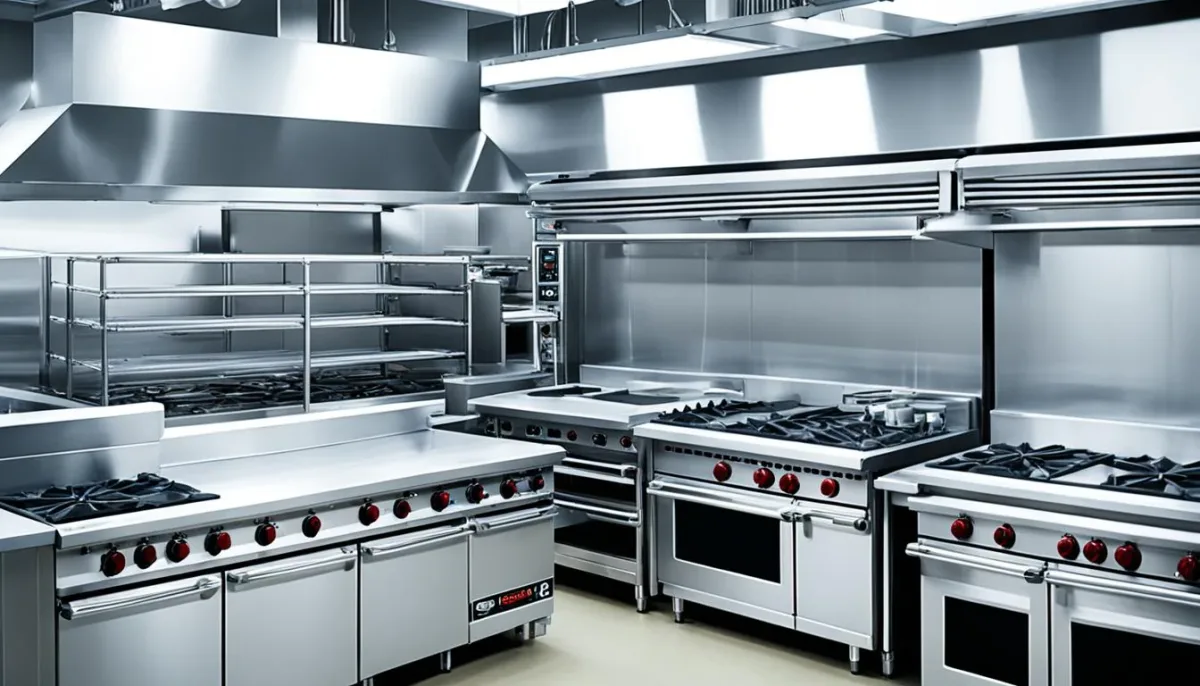
There’s this moment in every home cook’s journey, you know the one. You’re standing in your kitchen at 2 AM, elbow-deep in dough, your countertop littered with mixing bowls, your stand mixer whirring like a jet engine, and your oven beeping for the third time because you’ve overloaded it with trays of cookies. Again. The recipe that once felt manageable now feels like a logistical nightmare, and you’re left wondering: Is this really how I want to spend my weekends?
I remember the first time I hit this wall. It was during a particularly ambitious holiday cookie exchange, yes, I said *ambitious*, because I’d somehow convinced myself that making *eight* different types of cookies for 30 people was a good idea. My tiny apartment kitchen in the Bay Area wasn’t built for this. My hand mixer gave up halfway through the gingerbread dough, my oven’s temperature fluctuated like a mood ring, and I ended up with a batch of burnt snickerdoodles that could’ve doubled as hockey pucks. That’s when it clicked: my passion for cooking had officially outgrown my kitchen’s capabilities. And if I wanted to keep doing this-*really* doing this, I needed to think bigger. Not restaurant-bigger, necessarily, but *smarter*.
That’s what this guide is about. It’s for the home cooks who’ve moved past the “occasional dinner party” phase and into the “I’m basically running a small catering operation out of my garage” territory. Maybe you’re selling baked goods at the local farmers’ market, or you’ve started a meal-prep side hustle, or you’re just the friend who always gets roped into making the desserts for weddings. Whatever your reason, you’re ready to scale up-but you’re not sure where to start. Should you invest in a commercial-grade mixer? Is a double oven really worth it? And how the hell do you even *store* all this stuff when your kitchen is already bursting at the seams?
Here’s the thing: scaling up isn’t just about buying bigger or more expensive equipment. It’s about understanding where your current setup is holding you back and making strategic upgrades that actually *work* for your space, your budget, and your goals. It’s about efficiency, consistency, and, let’s be real, sanity. So let’s dive in. By the end of this, you’ll have a clear roadmap for turning your home kitchen into a lean, mean, cookie-baking (or pasta-rolling, or sauce-simmering) machine-without turning your living room into a storage unit for restaurant equipment.
The Mindset Shift: From Home Cook to Small-Scale Pro
Before we talk gear, let’s talk about the mental shift that comes with scaling up. Because here’s the truth: commercial equipment isn’t just a bigger version of what you already have. It’s designed for a different kind of cooking, one that prioritizes speed, volume, and consistency over the cozy, “I’ll just wing it” approach of home cooking. And that can be a tough adjustment.
I’ll admit, I resisted this shift at first. There’s something romantic about the idea of a home cook using nothing but a wooden spoon and a cast-iron skillet, right? But when you’re making 50 dozen cookies a week, that wooden spoon becomes a liability. Your hands start to ache, your wrists get sore, and suddenly, you’re spending more time mixing than actually *creating*. That’s when I realized: commercial equipment isn’t cheating, it’s enabling. It’s giving you the tools to do what you love *better*, *faster*, and *without burning out*.
But here’s the catch: you don’t need to turn your kitchen into a Michelin-starred restaurant to see the benefits. The key is to identify the *bottlenecks* in your current process, those moments where you’re wasting time, energy, or ingredients, and address them one at a time. Maybe it’s your oven’s inconsistent heat, or your lack of counter space, or the fact that you’re hand-washing dishes between batches. Whatever it is, start there. Because scaling up isn’t about having the fanciest gear; it’s about having the *right* gear for *your* needs.
So ask yourself: What’s the one thing that drives you crazy every time you cook? Is it the time it takes to chop vegetables? The fact that your mixer can’t handle thick dough? The way your kitchen turns into a sauna when you’re simmering sauces for hours? Write it down. We’ll come back to it.
When to Make the Leap (And When to Wait)
Not every home cook needs commercial equipment. In fact, if you’re still in the “I make dinner for my family a few times a week” phase, you’re probably fine with what you’ve got. But if you’re nodding along to any of these, it might be time to consider an upgrade:
- You’re selling food regularly-whether it’s at markets, to friends, or through a small online business.
- You’re spending more time prepping than cooking because your tools can’t keep up.
- You’ve burned out on a recipe because it’s too labor-intensive to make at scale.
- You’re wasting ingredients because your equipment isn’t precise enough (looking at you, home ovens with hot spots).
- You’re limited by space and need tools that can do more with less.
If any of these sound familiar, keep reading. If not, bookmark this for later, you might need it sooner than you think.
The Core Equipment: Where to Invest First
Alright, let’s get into the good stuff. When you’re scaling up, ot all equipment is created equal. Some upgrades will transform your workflow overnight; others are nice-to-haves that can wait. Here’s my breakdown of the commercial equipment essentials for home cooks, ranked by priority.
1. The Workhorse: A Commercial-Grade Stand Mixer
If you bake at all, this is where I’d start. A good stand mixer is the backbone of any scaled-up kitchen. But not all mixers are created equal. Your trusty KitchenAid might be great for a batch of muffins, but when you’re making 10 pounds of bread dough or whipping 20 egg whites for macarons, it’s going to struggle. And that’s where commercial-grade mixers come in.
I made the jump to a 60-quart planetary mixer last year, and honestly? I wish I’d done it sooner. The difference is night and day. My old mixer would overheat if I tried to mix more than two loaves of bread dough at a time. My new one? It laughs in the face of 10 pounds of pizza dough. The motor is stronger, the bowl is deeper, and the attachments are sturdier. Plus, it’s built to last, no more worrying about burning out the motor after a few hours of use.
But here’s the thing: you don’t need to go straight to a 60-quart beast. If you’re baking in smaller batches, a 20-quart mixer might be plenty. Look for models with a direct-drive motor (they’re more powerful and durable) and stainless steel bowls (easier to clean and more sanitary). And if you’re on a budget, keep an eye out for used equipment, just make sure to test it before buying.
Is this the best approach? Let’s consider the alternatives. You *could* stick with your home mixer and just work in smaller batches, but that’s going to cost you time, and time is money when you’re scaling up. You *could* also hand-mix everything, but let’s be real: your arms will give out before your ambition does. So yeah, a commercial mixer is worth it.
2. The Heat Master: A Commercial Oven (Or Two)
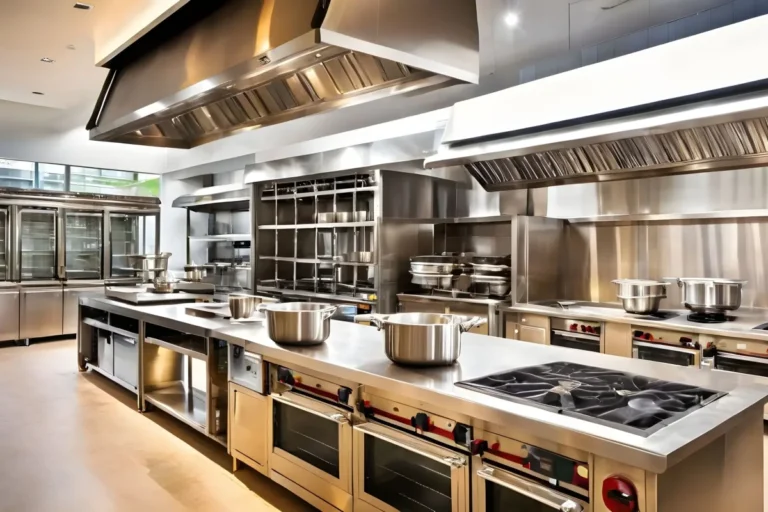
Home ovens are great for roasting a chicken or baking a cake. But when you’re cooking in volume? They’re painfully inconsistent. Hot spots, uneven heating, and limited capacity can turn a simple batch of cookies into a game of roulette. That’s why a commercial oven is a game-changer.
Now, I’m not saying you need a full-on deck oven like the ones you see in pizzerias (though if you’re making a *lot* of pizza, it’s worth considering). For most home cooks scaling up, a convection oven is the sweet spot. They’re more energy-efficient, they cook faster, and, most importantly, they cook *evenly*. No more rotating trays halfway through baking. No more burnt edges and raw centers. Just consistent, reliable heat every time.
If you’re really serious, you might even consider a double-stack oven. I did, and it’s been a lifesaver. Being able to bake two different things at two different temperatures at the same time? That’s not just convenient, it’s a productivity hack. But if space is tight, a single convection oven is still a massive upgrade from a home model.
One thing to keep in mind: commercial ovens are big. Like, *really* big. Before you buy, measure your space (and your doorways, nothing’s worse than getting a new oven home and realizing it won’t fit through the front door). And if you’re renting, make sure your landlord is cool with the installation. Trust me, it’s not a conversation you want to have *after* the oven arrives.
3. The Space Saver: A Commercial Prep Table
Counter space is the unsung hero of any kitchen. When you’re cooking at home, you can get away with a tiny prep area, maybe even just a cutting board balanced on the edge of the sink. But when you’re scaling up? You need room to work. And that’s where a commercial prep table comes in.
These tables are sturdy, spacious, and designed for heavy use. Most come with a stainless steel top (easy to clean, hard to damage) and shelves or drawers underneath for storage. Some even have built-in refrigeration, which is *incredibly* handy if you’re working with perishable ingredients. I opted for a 6-foot table with a refrigerated base, and it’s been a game-changer. No more running back and forth to the fridge. No more cluttered counters. Just one dedicated space for all my prep work.
If you’re tight on space, look for a mobile prep table with wheels. That way, you can move it out of the way when you’re not using it. And if you’re *really* tight on space, consider a wall-mounted fold-down table. It’s not as sturdy as a freestanding model, but it’s better than nothing.
Pro tip: Don’t skimp on the size. It’s tempting to get the smallest table that will fit in your kitchen, but trust me, you’ll regret it. Give yourself room to spread out. Your future self will thank you.
4. The Unsung Hero: A Commercial Food Processor
I’ll admit, I underestimated the power of a commercial food processor at first. I thought, “How different can it really be from my home model?” Oh, how wrong I was. The first time I used mine to shred 10 pounds of cheese in *seconds*, I nearly cried. No more sore hands from grating. No more uneven slices. Just fast, consistent results every time.
If you’re doing a lot of chopping, slicing, or shredding, this is a must-have. Look for a model with a large-capacity bowl (at least 3.5 quarts) and a powerful motor (1 horsepower or more). And if you’re working with dough, make sure it has a dough blade attachment. It’ll save you *so* much time.
One thing to keep in mind: commercial food processors are loud. Like, *really* loud. If you’re working in a small space, consider getting a pair of noise-canceling headphones. Or just embrace the chaos, it’s all part of the process, right?
5. The Game-Changer: A Commercial Refrigerator
If you’re cooking in volume, you’re going to need more cold storage. And not just any cold storage, a commercial refrigerator that can handle the demands of a small-scale operation. Home fridges are great for keeping your milk cold, but they’re not built for storing large quantities of food. They’re not as energy-efficient, they’re not as durable, and they’re *definitely* not as spacious.
I made the mistake of trying to make my home fridge work for my meal-prep business. Big mistake. It was constantly overloaded, the temperature fluctuated like crazy, and I ended up wasting more food than I saved. That’s when I bit the bullet and invested in a commercial reach-in refrigerator. The difference? Night and day. More space, more consistent temperatures, and, most importantly-less food waste.
If you’re tight on space, consider a under-counter model. They’re compact but still offer plenty of storage. And if you’re *really* tight on space, a commercial freezer might be a better investment. Just make sure it’s energy-efficient-those things can drive up your electricity bill if you’re not careful.
Pro tip: Look for a refrigerator with a digital temperature display. It’ll help you keep an eye on things and catch any issues before they become problems.
The Nice-to-Haves: Upgrades That Can Wait (But Won’t)
Okay, so we’ve covered the essentials. But what about the *other* stuff? The things that aren’t strictly necessary but can make your life *so* much easier? Here’s my take on the ice-to-have upgrades-the ones that can wait, but won’t.
1. A Commercial Dishwasher
If you’re washing dishes by hand, you’re wasting time. Full stop. A commercial dishwasher can clean a load in *minutes*, freeing you up to focus on the stuff that actually matters. And let’s be real: when you’re scaling up, dishes pile up *fast*.
Now, I’ll admit, a commercial dishwasher is a big investment. And it’s not exactly a small appliance, you’ll need space for it, and you’ll need to make sure your plumbing can handle it. But if you’re doing a *lot* of cooking, it’s worth considering. Look for a model with a high-temperature sanitizing cycle-it’ll kill more bacteria and dry your dishes faster.
If a full-on commercial dishwasher isn’t in the cards, consider a high-capacity home model. They’re not as powerful, but they’re better than nothing.
2. A Commercial Range
A commercial range is a step up from a home stove, but it’s not *essential* unless you’re doing a lot of stovetop cooking. The main differences? More burners, higher BTUs, and a sturdier build. If you’re simmering sauces for hours or searing large quantities of meat, it’s worth considering. But if you’re mostly baking, you can probably skip it.
One thing to keep in mind: commercial ranges are *hot*. Like, *really* hot. Make sure you’ve got proper ventilation (more on that later) and that your kitchen can handle the heat.
3. A Commercial Ice Machine
If you’re serving drinks, whether it’s at a farmers’ market, a pop-up event, or just for your family, an ice machine is a game-changer. Commercial models produce ice faster and in larger quantities than home machines, and they’re built to last. Plus, they come in a variety of shapes and sizes, so you can find one that fits your space.
That said, unless you’re *really* going through ice, this is probably a “nice-to-have” rather than a “must-have.” But if you’re hosting events regularly, it’s worth considering.
4. A Commercial Ventilation System
If you’re cooking in volume, you’re going to generate *a lot* of heat, steam, and smoke. And that’s where a commercial ventilation system comes in. It’ll keep your kitchen cooler, your air cleaner, and your smoke alarms from going off every five minutes.
Now, I’ll be honest: this is a *big* upgrade. It’s expensive, it’s complicated to install, and it’s not exactly a DIY project. But if you’re serious about scaling up, it’s worth looking into. Just make sure to hire a professional, this is not the time to cut corners.
The Logistics: Space, Budget, and Other Realities
Alright, let’s pump the brakes for a second. Because as exciting as all this equipment is, it’s not just about what you *want*-it’s about what you can *realistically* handle. Before you start filling your Amazon cart, let’s talk logistics.
1. Space: The Final Frontier
Commercial equipment is *big*. Like, *really* big. And if you’re working out of a home kitchen, space is probably already at a premium. So before you buy anything, measure your space. And I don’t just mean the floor space, measure your doorways, your hallways, even your ceiling height. The last thing you want is to order a shiny new oven only to realize it won’t fit through your front door.
If space is tight, look for compact or multi-functional equipment. A combination oven (one that can bake, steam, and convection-cook) might be a better fit than a separate oven and steamer. A mobile prep table can be moved out of the way when you’re not using it. And a wall-mounted shelf can free up counter space without taking up floor space.
And if you’re *really* tight on space? Consider renting a shared commercial kitchen. A lot of cities have them, and they’re a great way to access high-quality equipment without turning your home into a restaurant.
2. Budget: The Elephant in the Room
Let’s be real: commercial equipment is expensive. Like, *really* expensive. A new commercial mixer can cost thousands of dollars. A commercial oven? Even more. And that’s before you factor in installation, maintenance, and the inevitable “oops, I forgot about this” expenses.
So how do you make it work? Here are a few strategies:
- Start small. You don’t need to buy everything at once. Focus on the one or two pieces of equipment that will make the biggest difference in your workflow, and go from there.
- Buy used. A lot of restaurants and bakeries sell their old equipment when they upgrade. Check local classifieds, Facebook Marketplace, or restaurant supply stores for deals. Just make sure to test everything before you buy-used equipment can be a gamble.
- Lease instead of buy. Some companies offer leasing programs for commercial equipment. It’s not cheap, but it can be a good way to get high-quality gear without a huge upfront cost.
- Prioritize. Ask yourself: What’s the one thing that’s holding me back the most? Is it your mixer? Your oven? Your lack of counter space? Focus on that first, and save the rest for later.
And remember: you don’t need to buy everything at once. Scaling up is a process, not a race. Take your time, do your research, and make smart investments.
3. Safety and Compliance: The Boring (But Important) Stuff
Here’s the thing about commercial equipment: it’s not just about performance, it’s about safety. And if you’re selling food, it’s also about compliance. Different states (and countries) have different rules about what kind of equipment you can use in a home kitchen, so before you buy anything, check your local regulations.
For example, some places require NSF-certified equipment (that’s a certification for food safety and sanitation). Others have rules about ventilation or fire suppression systems. And if you’re selling food, you might need to get a cottage food license or a home-based food business permit.
I know, I know, it’s not the most exciting part of scaling up. But trust me, it’s better to do your research now than to get hit with a fine (or worse, a shutdown) later. So before you buy anything, check your local laws. And if you’re not sure, talk to a professional. It’s worth the peace of mind.
The Human Element: Avoiding Burnout When You’re Scaling Up
Okay, let’s take a step back for a second. Because as exciting as all this equipment is, scaling up isn’t just about the gear, it’s about *you*. And if you’re not careful, it’s easy to burn out.
I’ve been there. There was a time when I was so focused on growing my side hustle that I forgot to take care of myself. I was working 12-hour days, skipping meals, and barely sleeping. And you know what happened? My food started to suffer. My creativity dried up. And worst of all, I stopped enjoying cooking.
That’s when I realized: scaling up isn’t just about doing more, it’s about doing *better*. And that means taking care of yourself, too. So here are a few things to keep in mind as you grow:
1. Set Boundaries
When you’re passionate about something, it’s easy to let it take over your life. But if you’re not careful, you’ll end up resenting the thing you love. So set boundaries. Decide how many hours a week you’re willing to work, and stick to it. And for the love of all things holy, take a day off.
2. Automate What You Can
The whole point of scaling up is to make your life easier, not harder. So look for ways to automate the stuff that’s eating up your time. Can you set up a pre-order system for your baked goods? Can you use a meal-planning app to streamline your prep work? Can you hire someone to help with the dishes? Whatever it is, find a way to work smarter, not harder.
3. Don’t Lose Sight of Why You Started
It’s easy to get caught up in the logistics of scaling up, the equipment, the permits, the sales. But don’t forget why you started in the first place. Was it to share your love of food with others? To express your creativity? To build a community? Whatever it was, hold onto that. Because at the end of the day, that’s what matters.
Putting It All Together: Your Scaling-Up Roadmap
Alright, let’s recap. Because if you’ve made it this far, you’re probably feeling a little overwhelmed. And that’s okay! Scaling up is a big step, and it’s normal to have doubts. But remember: you don’t have to do everything at once. Start small, focus on the stuff that will make the biggest difference, and go from there.
Here’s a quick roadmap to help you get started:
- Identify your bottlenecks. What’s the one thing that’s holding you back the most? Is it your mixer? Your oven? Your lack of counter space? Start there.
- Do your research. Not all equipment is created equal. Read reviews, talk to other home cooks, and, if possible, test things out before you buy.
- Set a budget. Commercial equipment is expensive, so decide how much you’re willing to spend. And remember: you don’t have to buy everything at once.
- Check your space. Measure your kitchen, your doorways, even your ceiling height. Make sure everything will fit *before* you buy it.
- Check your local laws. Different places have different rules about home-based food businesses. Make sure you’re in compliance before you start selling.
- Start small. Focus on the one or two pieces of equipment that will make the biggest difference in your workflow. You can always add more later.
- Take care of yourself. Scaling up is exciting, but it’s also a lot of work. Don’t forget to set boundaries, take breaks, and enjoy the process.
And remember: there’s no “right” way to scale up. What works for one person might not work for another. So trust your gut, do what feels right for *you*, and don’t be afraid to pivot if something isn’t working.
Final Thoughts: The Joy of Cooking (At Scale)
When I first started scaling up, I was terrified. I worried that I’d lose the joy of cooking, that it would turn into a chore, a business, something I *had* to do rather than something I *loved* to do. But you know what? The opposite happened. Cooking at scale has made me a better cook. It’s forced me to be more organized, more efficient, and more creative. And it’s given me the tools to share my food with more people, which, at the end of the day, is what it’s all about.
So if you’re on the fence about scaling up, I get it. It’s a big step. But if you’re ready-*really* ready, to take your cooking to the next level, I promise you: it’s worth it. Start small, stay smart, and don’t forget to enjoy the ride. Because at the end of the day, that’s what cooking is all about.
Now, if you’ll excuse me, I’ve got a batch of dough that’s been resting for exactly 47 minutes, and if I don’t get it into the oven soon, it’s going to overproof. Wish me luck!
FAQ: Commercial Equipment Essentials for Home Cooks Scaling Up
Q: Do I *really* need commercial equipment, or can I just make do with what I have?
A: It depends on your goals. If you’re cooking for your family a few times a week, you’re probably fine with home equipment. But if you’re selling food, cooking in volume, or just tired of your tools holding you back, commercial equipment can be a game-changer. It’s all about identifying your bottlenecks and addressing them one at a time.
Q: What’s the first piece of commercial equipment I should buy?
A: For most home cooks, I’d recommend starting with a commercial-grade stand mixer or a convection oven. Both are versatile, relatively affordable (compared to other commercial gear), and can make a *huge* difference in your workflow. But if you’re doing a lot of prep work, a commercial food processor might be a better fit.
Q: How do I know if my kitchen can handle commercial equipment?
A: Start by measuring your space. Commercial equipment is big, so you’ll need to make sure it fits through your doorways and in your kitchen. You’ll also need to check your electrical and plumbing systems-some commercial equipment requires more power or water than a home kitchen can provide. And if you’re renting, make sure to check with your landlord before making any big changes.
Q: Is it worth buying used commercial equipment?
A: Absolutely, if you do it right. Used equipment can save you a ton of money, but it’s not without risks. Always test things before you buy, and if possible, get a professional to inspect it. Look for reputable sellers (like restaurant supply stores or trusted online marketplaces), and don’t be afraid to walk away if something doesn’t feel right. And remember: if a deal seems too good to be true, it probably is.
@article{commercial-equipment-essentials-for-home-cooks-scaling-up-when-your-passion-outgrows-your-kitchen,
    title   = {Commercial Equipment Essentials for Home Cooks Scaling Up: When Your Passion Outgrows Your Kitchen},
    author  = {Chef's icon},
    year    = {2026},
    journal = {Chef's Icon},
    url     = {https://chefsicon.com/commercial-equipment-essentials-for-home-cooks-scaling-up/}
}