The Best Fluffy Pancakes recipe you will fall in love with. Full of tips and tricks to help you make the best pancakes.
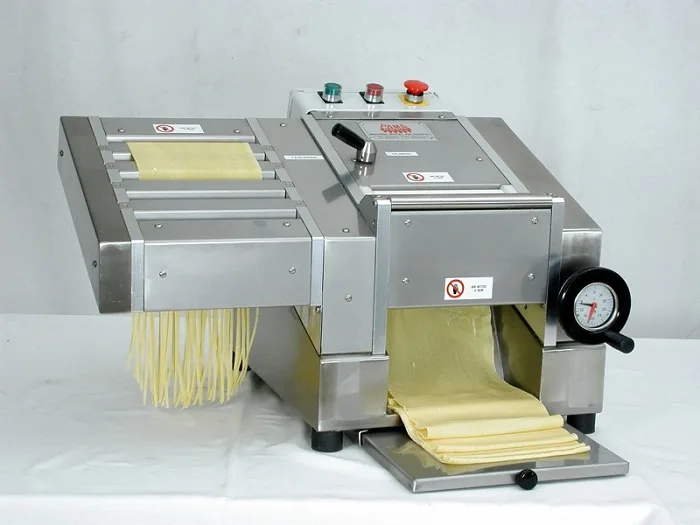
Let me tell you, the first time I tried making butternut squash tagliatelle in my commercial kitchen, I thought I was prepared. I had my trusty stand mixer with the pasta attachment, a recipe that had rave reviews online, and a whole lot of enthusiasm. What I didn’t have? A clue about how different vegetable-based pastas behave compared to traditional semolina dough. The result? A sticky, gummy mess that clung to the rollers like it was auditioning for a horror movie. That’s when I realized: if you’re serious about making butternut squash tagliatelle at scale, you need the right commercial pasta maker-one that can handle the unique challenges of vegetable purees, moisture content, and texture.
Now, I’ve spent the last few years testing, tweaking, and occasionally cursing my way through every commercial pasta maker on the market. I’ve talked to chefs who swear by their extrusion pasta machines, others who wouldn’t dream of using anything but a sheeter with adjustable thickness, and a few who’ve gone full mad scientist with custom attachments. And here’s the thing: there’s no one-size-fits-all answer. But there are key features, workarounds, and supplier insights that can save you time, money, and a whole lot of frustration. So, if you’re ready to move beyond the trial-and-error phase (or avoid it altogether), let’s dive into what you reallyeed to know about commercial pasta makers for butternut squash tagliatelle.
By the end of this guide, you’ll understand:
- Why butternut squash dough is a beast of its own, and how to tame it
- The non-negotiable features to look for in a commercial pasta maker
- How to adjust your workflow for vegetable-based pastas (spoiler: it’s not just about the machine)
- Where to find the best equipment without breaking the bank (or your sanity)
- Real-world tips from chefs who’ve been there, done that, and lived to tell the tale
Sound good? Let’s get started. And hey, if you’re already rolling your eyes thinking, “I’ve made pasta before, how hard can this be?”-trust me, I’ve been there. Butternut squash tagliatelle is a whole different ballgame. So grab a coffee (or a stiff drink, no judgment), and let’s talk pasta.
Why Butternut Squash Tagliatelle Is a Game-Changer (and a Headache)
The Allure of Vegetable-Based Pasta
First, let’s talk about why you’d even want to make butternut squash tagliatelle in the first place. It’s not just about jumping on the gluten-free or vegan bandwagon (though, let’s be real, those trends aren’t going anywhere). There’s something inherently magical about vegetable-based pastas. They’re vibrant, nutrient-dense, and, when done right, pack a flavor punch that traditional semolina just can’t match. Butternut squash, in particular, brings a natural sweetness and a silky texture that pairs beautifully with everything from brown butter sage to spicy arrabbiata. Plus, it’s a fantastic way to sneak more veggies into dishes without your diners feeling like they’re being lectured about their health.
But here’s the catch: that same sweetness and silkiness? It’s also what makes butternut squash dough a nightmare to work with if you’re not prepared. Unlike semolina or even whole wheat flour, which have a predictable gluten structure, vegetable purees introduce moisture, sugar, and fiber that can turn your dough into a sticky, uncooperative blob. I learned this the hard way when my first batch of squash tagliatelle turned into what I can only describe as a culinary lava lamp-beautiful to look at, but impossible to roll out. So, before we even talk about machines, let’s break down what makes butternut squash dough so tricky.
The Science (and Frustration) Behind the Dough
At its core, butternut squash tagliatelle dough is a balancing act. You’re dealing with three main variables: moisture content, starch structure, and binding agents. Let’s tackle them one by one.
First up, moisture content. Butternut squash is about 86% water, which means when you puree it, you’re starting with a base that’s already a slurry. Compare that to semolina, which is roughly 12-14% moisture, and you can see the problem. Too much water, and your dough will be too soft to handle; too little, and it’ll crack and crumble like a bad shortbread cookie. I once tried to compensate by adding more flour, only to end up with a dough that was closer to Play-Doh than pasta. Not ideal.
Then there’s the starch structure. Butternut squash contains a mix of starches, but they don’t behave like wheat starch. Wheat starch gelatinizes when cooked, giving pasta its chewy, al dente texture. Squash starches, on the other hand, break down more easily, which can lead to a mushy final product if you’re not careful. This is why you’ll often see recipes call for a mix of flours, like rice flour or tapioca starch, to help stabilize the dough. But even then, it’s a delicate dance. I’ve had batches where the dough seemed perfect going into the machine, only to emerge as a sad, gummy ribbon that stuck to everything in sight.
Finally, binding agents. Traditional pasta relies on gluten to hold everything together. Butternut squash dough? Not so much. You’re working with little to no gluten, which means you need to get creative with binders. Eggs are the usual go-to (they add structure and richness), but if you’re catering to vegan diets, you might be using flax eggs, aquafaba, or even psyllium husk. Each of these has its own quirks. Flax eggs, for example, can make the dough too dense if you’re not careful, while aquafaba can introduce too much moisture. It’s enough to make you want to throw in the towel and just order a box of Barilla.
So, why bother? Because when it’s done right, butternut squash tagliatelle is worth it. It’s a showstopper on the plate, it’s versatile, and it’s a fantastic way to stand out in a crowded market. But to get there, you need the right tools, and that starts with understanding what your commercial pasta maker needs to handle.
What to Look for in a Commercial Pasta Maker for Butternut Squash Tagliatelle
1. Adjustable Roller Thickness: The Non-Negotiable Feature
If there’s one thing I’ve learned from my pasta-making misadventures, it’s that adjustable roller thickness isn’t just a nice-to-have, it’s a lifesaver. Butternut squash dough is finicky, and its ideal thickness can vary depending on the batch, the humidity in your kitchen, and whether or not the moon is in retrograde (okay, maybe not that last one, but you get the idea). A machine with precise, incremental adjustments will let you dial in the perfect thickness for your dough, whether you’re going for delicate, paper-thin ribbons or a heartier, rustic tagliatelle.
I remember testing a mid-range pasta sheeter that only had three thickness settings: thin, thinner, and why is this even an option?. It was a disaster. The dough kept tearing because I couldn’t find the sweet spot between too thick and too thin. On the other hand, the high-end sheeters I’ve used, like the ones from brands such as Imperia or Marcato-offer micro-adjustments that make all the difference. Some even come with digital displays, which, while not strictly necessary, can be a godsend when you’re trying to replicate a specific texture across multiple batches.
If you’re shopping for a commercial pasta maker, look for one with at least 8-10 thickness settings, ideally with the ability to go as thin as 0.5mm. Trust me, you’ll thank yourself later when you’re not wrestling with a dough that’s either too thick to cook evenly or too thin to hold its shape.
2. Motor Power: Because Nobody Wants a Machine That Gives Up Mid-Batch
Here’s a hard truth: butternut squash dough is heavy. Not in the way a dumbbell is heavy, but in the way that it can put serious strain on your pasta maker’s motor. If your machine isn’t up to the task, you’ll end up with a motor that overheats, a dough that gets stuck, or, worst of all, a machine that just gives up and dies mid-roll. I learned this the hard way when my first commercial pasta maker, a well-reviewed but underpowered model, conked out halfway through a dinner service. Not my finest moment.
So, what’s the magic number for motor power? For a commercial-grade pasta maker, you’ll want at least 1/2 horsepower (HP) for light to medium use, and 1 HP or more if you’re running a high-volume operation. This isn’t the place to skimp. A stronger motor will handle thicker doughs, longer roll times, and the occasional (okay, frequent) sticky batch without breaking a sweat. It’ll also last longer, which means you won’t be shelling out for a replacement in six months.
Pro tip: If you’re buying from a supplier like Chef’s Deal, ask about their motor warranty and whether they offer financing options for higher-end models. A good supplier will walk you through the specs and help you find a machine that matches your volume needs. And if they don’t? Walk away. There’s nothing worse than investing in a machine that can’t keep up with your kitchen.
3. Material Matters: Stainless Steel vs. Everything Else
When it comes to commercial pasta makers, material is everything. You want something durable, easy to clean, and, most importantly, non-reactive. Butternut squash dough is acidic (thanks to the natural sugars), and if your machine’s rollers or cutters are made of a reactive material like aluminum, you could end up with a metallic aftertaste in your pasta. Not exactly the gourmet experience you’re going for.
Stainless steel is the gold standard here. It’s non-reactive, resistant to corrosion, and easy to sanitize, all critical factors in a commercial kitchen. But not all stainless steel is created equal. Look for food-grade 304 or 316 stainless steel, which are the most durable and resistant to the wear and tear of daily use. Some machines also come with chrome-plated rollers, which can be a good middle ground if you’re on a budget, but keep in mind that they may not last as long as solid stainless steel.
I once made the mistake of buying a pasta maker with plastic components, thinking it would be lighter and easier to move around. Big mistake. The plastic warped under the heat of the dough, and the rollers started to crack after just a few months. Lesson learned: when it comes to commercial equipment, stainless steel is non-negotiable.
4. Ease of Cleaning: Because Nobody Has Time for a 3-Hour Scrub Session
Let’s be real: cleaning a commercial pasta maker is nobody’s idea of a good time. But if you’re making butternut squash tagliatelle, cleaning becomes even more critical. The dough is sticky, it gets everywhere, and if you don’t clean it properly, you’ll end up with a machine that’s caked in dried squash puree. Trust me, I’ve been there, and it’s not pretty.
When evaluating a pasta maker, look for removable parts-rollers, cutters, and trays that can be taken apart and cleaned separately. Some machines even come with dishwasher-safe components, which can be a huge time-saver. But be warned: not all parts are dishwasher-safe, so check the manufacturer’s guidelines before you toss everything in. You don’t want to end up with warped rollers or a motor that’s seen better days.
Another feature to look for is smooth surfaces with minimal crevices. The fewer nooks and crannies your machine has, the easier it’ll be to clean. I’ve seen some models with intricate designs that look fancy but are a nightmare to scrub. Stick with something simple and functional, your future self will thank you.
Oh, and one more thing: oil your machine regularly. Even the best pasta makers can develop rust or sticky residue if they’re not properly maintained. A quick wipe-down with food-grade mineral oil after each use can extend the life of your machine and keep it running smoothly. It’s a small step, but it makes a big difference.
5. Attachments and Accessories: The Extras That Make a Difference
Not all pasta makers are created equal, and the same goes for their attachments. If you’re serious about making butternut squash tagliatelle, you’ll want a machine that comes with (or is compatible with) a few key accessories:
- Tagliatelle cutters: Sounds obvious, right? But not all cutters are created equal. Look for ones with adjustable widths so you can customize the thickness of your noodles. Some machines even come with multiple cutter attachments, which can be a game-changer if you’re experimenting with different shapes.
- Dough mixers: Some commercial pasta makers come with built-in mixers, which can be a huge time-saver. Butternut squash dough needs to be mixed thoroughly to distribute the moisture evenly, and a good mixer will do this without overworking the dough (which can lead to toughness). If your machine doesn’t have a mixer, you’ll need to rely on a stand mixer or good old-fashioned elbow grease.
- Extrusion dies: If you’re feeling adventurous, an extrusion pasta maker can open up a world of possibilities. These machines push the dough through a die to create shapes like penne, rigatoni, or even stuffed pastas. But be warned: extrusion is a whole different beast, and it requires a dough with a very specific consistency. It’s not for the faint of heart, but if you’re up for the challenge, it can be a lot of fun.
- Drying racks: Fresh pasta needs to dry slightly before cooking, and a good drying rack can make this process a lot easier. Some machines come with built-in racks, while others require you to purchase them separately. Either way, don’t skip this step, it’s crucial for getting the right texture.
I’ll be honest: I was skeptical about attachments at first. Do I reallyeed all this stuff? But after testing a few different setups, I realized that the right accessories can make your life a whole lot easier. For example, a motorized tagliatelle cutter saved me hours of hand-cutting, and a dough mixer attachment eliminated the need for a separate appliance. If you’re on the fence, start with the basics and add on as you go. But if you’re serious about making butternut squash tagliatelle at scale, these extras are worth the investment.
How to Adjust Your Workflow for Butternut Squash Dough
The Prep Work: It’s All About the Base
Alright, let’s talk about the dough itself. Because here’s the thing: even the best commercial pasta maker in the world won’t save you if your dough isn’t right. Butternut squash tagliatelle starts with a solid foundation, and that means getting your puree, flours, and binders just right. So, let’s break it down step by step.
First, roast your squash. I know, I know, it’s tempting to just grab a can of pumpkin puree and call it a day. But trust me, roasting your own squash makes a world of difference. It caramelizes the natural sugars, deepens the flavor, and gives you more control over the moisture content. Plus, it’s a great way to use up any imperfect squashes you might have lying around. Just halve the squash, scoop out the seeds, and roast it cut-side down at 400°F (200°C) until it’s tender. Let it cool, then scoop out the flesh and puree it until smooth. You want a consistency that’s thick but still pourable, think hummus, not soup.
Next, choose your flours. This is where things get a little tricky. Butternut squash puree is wet, so you’ll need a flour that can absorb moisture without turning your dough into a brick. All-purpose flour works in a pinch, but it can make the dough too dense. I’ve had better luck with a mix of rice flour and tapioca starch-the rice flour adds structure, while the tapioca starch gives the dough a nice chew. Some chefs swear by chickpea flour for its high protein content, but it can have a strong flavor, so use it sparingly. Experiment with different combinations until you find one that works for you.
Now, binders. If you’re using eggs, go for room-temperature ones, they’ll incorporate more easily into the dough. For vegan options, flax eggs or aquafaba are your best bets. Just remember that these binders can add moisture, so you may need to adjust your flour ratios accordingly. I once made a batch with aquafaba that turned out so wet, I had to add an extra cup of flour to salvage it. Not my finest moment, but hey, live and learn.
Finally, rest your dough. This is a step that’s easy to skip, but it’s crucial for getting the right texture. Wrap your dough in plastic wrap and let it rest in the fridge for at least 30 minutes (or up to 24 hours). This gives the flours time to hydrate fully and the gluten (if you’re using wheat flour) time to relax. I’ve found that doughs with a longer rest time are easier to roll out and less likely to tear. Plus, it’s a great way to prep ahead for a busy service.
Rolling and Cutting: The Moment of Truth
Alright, you’ve got your dough prepped and rested. Now comes the fun part: rolling and cutting. But before you dive in, there are a few things to keep in mind to make the process as smooth as possible.
First, dust your dough and your machine. Butternut squash dough is sticky, and if you don’t dust it with flour, it’ll cling to the rollers like a koala to a eucalyptus tree. Use a light hand, too much flour, and your dough will be dry and crumbly; too little, and you’ll end up with a mess. I like to use a mix of rice flour and tapioca starch for dusting, as it absorbs moisture without adding too much bulk.
Next, start with a thicker setting. When you’re first rolling out your dough, set your pasta maker to its thickest setting. This will help you get a feel for the dough’s consistency and make it easier to feed into the machine. Once the dough is through, fold it in half and run it through again. Repeat this process a few times to ensure the dough is evenly rolled and the moisture is distributed. Then, gradually decrease the thickness setting with each pass until you reach your desired thickness. For tagliatelle, I usually aim for around 1.5mm to 2mm-thin enough to cook quickly but thick enough to hold its shape.
Now, cutting. If your machine has a tagliatelle cutter attachment, great! Just feed the rolled dough through the cutter, and you’re good to go. If not, you’ll need to cut the dough by hand. Use a sharp knife or a pasta cutter to slice the dough into even strips. Be careful not to press too hard, you want clean cuts, not squished noodles. And if your dough starts to stick together, dust it lightly with flour to keep the strands separate.
One thing I’ve learned the hard way: don’t rush the cutting process. I once tried to speed things up by cranking the machine faster, only to end up with uneven, torn noodles. Pasta making is a labor of love, and sometimes you just have to slow down and let the machine do its thing. It’s worth the extra time, I promise.
Drying and Cooking: The Final Hurdles
You’ve rolled and cut your butternut squash tagliatelle. Now what? Well, if you’re serving it fresh, you can cook it right away. But if you’re prepping ahead (or just want to give your noodles a little more structure), you’ll need to dry them slightly.
For drying, I like to use a pasta drying rack. Lay the noodles out in a single layer, making sure they’re not touching, and let them air-dry for about 15-30 minutes. This will help them hold their shape when you cook them. If you don’t have a drying rack, you can use a clean, floured surface or even hang the noodles over the back of a chair (just make sure it’s clean!).
When it comes to cooking, butternut squash tagliatelle behaves a little differently than traditional pasta. Because it’s made with vegetable puree, it cooks faster, usually in 2-3 minutes instead of the 8-10 minutes you’d expect from semolina pasta. Keep an eye on it, and taste frequently to avoid overcooking. And because it’s more delicate, be gentle when stirring. I like to use a pasta fork or tongs to avoid breaking the noodles.
Finally, sauce pairing. Butternut squash tagliatelle is versatile, but it shines with sauces that complement its natural sweetness. Think brown butter and sage, creamy gorgonzola, or even a simple olive oil and garlic. Avoid heavy, tomato-based sauces, they can overpower the delicate flavor of the squash. And if you’re feeling fancy, a sprinkle of toasted walnuts or crispy pancetta can take your dish to the next level.
Where to Buy: Finding the Right Commercial Pasta Maker Without the Headache
New vs. Used: The Eternal Debate
So, you’re ready to invest in a commercial pasta maker. Now comes the big question: should you buy new or used? Both options have their pros and cons, and the right choice depends on your budget, your volume, and how much risk you’re willing to take.
Let’s start with new. The biggest advantage of buying new is, well, that it’s new. You get a machine that’s in perfect working order, with a full warranty and the peace of mind that comes with knowing it hasn’t been abused by a previous owner. Plus, you’ll have access to the latest features and technologies, like digital thickness controls or self-cleaning functions. But new machines come with a hefty price tag, we’re talking $2,000 to $10,000 or more, depending on the model and features. If you’re just starting out or have a limited budget, this might not be feasible.
Then there’s used. Buying used can save you a ton of money, sometimes up to 50% off the retail price. But it’s not without risks. You don’t know how the machine was treated by its previous owner, and there’s always the chance that it’s on its last legs. I once bought a used pasta maker from an online auction, only to discover that the motor was on its way out. It lasted three months before it gave up the ghost. Not ideal.
If you’re considering a used machine, here are a few tips to minimize the risk:
- Buy from a reputable seller. Look for sellers with good reviews and a track record of selling commercial kitchen equipment. Avoid random listings on Craigslist or Facebook Marketplace unless you can inspect the machine in person.
- Ask for maintenance records. A well-maintained machine is more likely to last. If the seller can’t provide records, that’s a red flag.
- Test it before you buy. If possible, arrange to see the machine in action before you commit. Run a batch of dough through it to make sure everything is working properly.
- Check for warranties or return policies. Some used equipment dealers offer limited warranties or return windows. It’s not as good as a full warranty, but it’s better than nothing.
Personally, I’m torn on this one. I’ve had great experiences with used equipment, but I’ve also been burned. If you’re on a tight budget, used can be a good option, just do your homework first. And if you’re buying new, consider financing options to spread out the cost.
Suppliers to Know: Where to Find the Good Stuff
Alright, let’s talk suppliers. Because here’s the thing: not all commercial kitchen equipment suppliers are created equal. Some specialize in pasta makers, while others treat them as an afterthought. Some offer free kitchen design services and professional installation, while others leave you to figure it out on your own. And some, well, some are just out to make a quick buck.
One supplier that’s consistently stood out to me is Chef’s Deal. I’ve worked with them a few times over the years, and they’ve always been knowledgeable, transparent, and, most importantly, helpful. They offer a wide range of commercial pasta makers, from entry-level models to high-end machines, and their team is great at helping you find the right fit for your kitchen. Plus, they provide free kitchen design services, which can be a game-changer if you’re setting up a new space or renovating an existing one. I once used their design team to reconfigure my prep area, and it made a huge difference in my workflow. They even offer financing options, which can be a lifesaver if you’re not ready to drop a ton of cash upfront.
But Chef’s Deal isn’t the only game in town. Here are a few other suppliers worth checking out:
- WebstaurantStore: A one-stop shop for all things commercial kitchen, WebstaurantStore offers a solid selection of pasta makers at competitive prices. They also have a great customer service team that can help you troubleshoot any issues.
- KaTom Restaurant Supply: KaTom is known for its high-quality equipment and excellent customer support. They carry a range of pasta makers, from manual to fully automatic, and their website is a great resource for learning about different features and options.
- Restaurant Equippers: If you’re looking for a mix of new and used equipment, Restaurant Equippers is a good place to start. They specialize in refurbished commercial kitchen equipment, which can save you a ton of money if you’re on a budget.
- Local dealers: Don’t overlook local dealers! They often have great relationships with manufacturers and can offer personalized service and support. Plus, you can inspect the equipment in person before you buy.
When you’re shopping around, don’t be afraid to ask questions. A good supplier will take the time to understand your needs and recommend the right equipment for your kitchen. And if they’re pushing a machine that’s way outside your budget or doesn’t fit your workflow? That’s a sign to walk away.
What to Ask Before You Buy
Before you pull the trigger on a commercial pasta maker, there are a few key questions you should ask. Trust me, I’ve learned this the hard way, there’s nothing worse than realizing after the fact that your shiny new machine doesn’t actually do what you need it to do.
Here’s what to ask:
- What’s the motor power? As we talked about earlier, motor power is crucial for handling butternut squash dough. Make sure the machine you’re considering has enough horsepower to handle your volume.
- What’s the thickness range? You want a machine with a wide range of thickness settings, ideally from 0.5mm to 5mm or more. This will give you the flexibility to make everything from delicate angel hair to hearty pappardelle.
- What materials are the rollers and cutters made of? Stainless steel is the gold standard, but some machines use chrome-plated or even plastic components. Ask about the materials and make sure they’re durable and non-reactive.
- Is the machine easy to clean? Look for removable parts and smooth surfaces with minimal crevices. The easier the machine is to clean, the more likely you are to actually clean it.
- What attachments are included? Some machines come with a full suite of attachments, while others require you to purchase them separately. Make sure you know what’s included and what you’ll need to buy extra.
- What’s the warranty? A good warranty can save you a ton of money (and headaches) down the line. Look for at least a 1-year warranty on parts and labor, and ask about extended warranty options.
- Do you offer financing or payment plans? Commercial pasta makers aren’t cheap, and financing can make them more accessible. Ask about payment options and interest rates before you commit.
- Can I see a demo? If possible, ask the supplier to demonstrate the machine in action. This will give you a sense of how it handles and whether it’s a good fit for your kitchen.
And here’s a pro tip: ask about training and support. Some suppliers, like Chef’s Deal, offer training sessions or on-site support to help you get the most out of your machine. This can be a huge help, especially if you’re new to making vegetable-based pastas. I once had a supplier send a technician to my kitchen to walk me through the setup and troubleshooting process. It was a game-changer.
Real-World Tips from Chefs Who’ve Been There
Chef Maria’s Moisture Control Hack
Maria runs a small but bustling Italian restaurant in Brooklyn, and she’s been making butternut squash tagliatelle for years. Her biggest challenge? Moisture control. “I used to have so much trouble with sticky dough,” she told me. “It would cling to the rollers, tear, and just generally make my life miserable.” But then she discovered a simple hack: dehydrating the squash puree.
Here’s how she does it: after roasting and pureeing the squash, she spreads the puree in a thin layer on a parchment-lined baking sheet and dehydrates it at 135°F (57°C) for 4-6 hours. This removes excess moisture without cooking the puree further. The result? A thicker, more concentrated puree that’s easier to work with. “It’s a game-changer,” Maria says. “My dough is more consistent, and I don’t have to fight with the machine as much.”
I tried this method myself, and while it does add an extra step to the process, it’s worth it. The dough is easier to roll out, and the final product has a better texture. If you’re struggling with sticky dough, give it a shot.
Chef Javier’s Flour Blend Secret
Javier is the executive chef at a high-end vegan restaurant in Portland, and he’s known for his creative pasta dishes. His butternut squash tagliatelle is a customer favorite, and he swears by his custom flour blend. “I’ve tried all kinds of flours,” he told me. “All-purpose, rice, tapioca, chickpea, you name it. But nothing worked quite right until I started mixing them.”
Javier’s go-to blend is 50% rice flour, 30% tapioca starch, and 20% chickpea flour. The rice flour provides structure, the tapioca starch adds chew, and the chickpea flour brings a subtle nuttiness that pairs beautifully with the squash. “It’s not an exact science,” he admits. “I adjust the ratios based on the batch, the humidity, even the time of year. But this blend is my starting point, and it’s never let me down.”
I’ve experimented with Javier’s blend, and it’s definitely a step up from using a single flour. The dough is more stable, and the final product has a better texture. If you’re looking to up your flour game, give it a try.
Chef Priya’s Dough Resting Trick
Priya runs a catering company in Austin, and she’s all about efficiency. When she first started making butternut squash tagliatelle, she struggled with dough that was too tough or too sticky. Then she discovered the power of resting the dough in stages.
Here’s her method: after mixing the dough, she lets it rest at room temperature for 30 minutes. This gives the flours time to hydrate and the gluten (if using wheat flour) time to relax. Then, she wraps the dough in plastic wrap and refrigerates it for at least 2 hours, or up to 24 hours. “The longer it rests, the easier it is to roll out,” she says. “I’ve had batches that rested overnight, and they were like silk, smooth, pliable, and a dream to work with.”
Priya also recommends bringing the dough back to room temperature before rolling it out. “If it’s too cold, it’ll crack,” she explains. “If it’s too warm, it’ll stick. You want it to be just right, cool to the touch but still pliable.”
I’ve adopted Priya’s resting method, and it’s made a huge difference in my workflow. If you’re short on time, even a 30-minute rest can help. But if you can plan ahead, a longer rest is definitely worth it.
Chef Antonio’s Machine Maintenance Routine
Antonio is the owner of a bustling trattoria in Chicago, and he’s been using the same commercial pasta maker for over a decade. His secret? Rigorous maintenance. “A lot of chefs treat their machines like they’re indestructible,” he told me. “But if you want your equipment to last, you have to take care of it.”
Antonio’s maintenance routine is simple but effective. After each use, he wipes down the rollers and cutters with a damp cloth to remove any dough residue. Then, he dries them thoroughly to prevent rust. Once a week, he disassembles the machine and cleans all the parts with warm, soapy water. And once a month, he oils the rollers and cutters with food-grade mineral oil to keep them running smoothly.
“It takes five minutes,” he says. “But it makes a world of difference. My machine is still going strong after ten years, and I’ve never had to replace a part.”
I’ll admit, I was lazy about maintenance at first. But after seeing how well Antonio’s machine holds up, I’ve started following his routine. It’s a small investment of time that pays off in the long run.
The Bottom Line: Is It Worth the Investment?
Alright, let’s take a step back. We’ve covered a lot of ground here, from the science of butternut squash dough to the nitty-gritty of machine features, workflow adjustments, and real-world tips. But the big question remains: is investing in a commercial pasta maker for butternut squash tagliatelle worth it?
For me, the answer is a resounding yes-but with a few caveats. If you’re running a high-volume operation, a commercial pasta maker isn’t just a luxury; it’s a necessity. It’ll save you time, improve consistency, and allow you to offer a unique, high-margin product that sets you apart from the competition. But if you’re a small operation or just dabbling in vegetable-based pastas, you might not need to go all-in right away. A high-quality manual pasta maker or even a stand mixer with a pasta attachment can get the job done, at least until you’re ready to scale up.
That said, if you’re serious about making butternut squash tagliatelle a staple on your menu, here’s my advice:
- Start with the right machine. Look for one with adjustable roller thickness, a powerful motor, and stainless steel components. Don’t skimp on quality, it’ll cost you more in the long run.
- Master the dough. Butternut squash tagliatelle starts with a solid foundation. Experiment with flour blends, binders, and moisture control until you find a recipe that works for you.
- Adjust your workflow. Vegetable-based pastas require a different approach than traditional semolina. Be patient, take your time, and don’t be afraid to tweak your process as you go.
- Maintain your machine. A little maintenance goes a long way. Clean your machine after each use, oil the rollers regularly, and don’t ignore small issues, they’ll only get worse over time.
- Learn from others. Talk to chefs who’ve been there, read reviews, and don’t be afraid to ask for help. The culinary community is full of people who’ve made the same mistakes and can offer valuable insights.
And if you’re still on the fence, consider this: butternut squash tagliatelle isn’t just a trend. It’s a versatile, crowd-pleasing dish that appeals to a wide range of diners, from vegans to gluten-free eaters to anyone looking for something a little different. In a world where everyone and their mother is serving spaghetti and meatballs, offering a unique, high-quality pasta dish can be a game-changer for your business.
So, is it worth the investment? I think so. But don’t just take my word for it. Talk to your suppliers, test out a few machines, and see what works for your kitchen. And if you’re still not sure, start small. Make a batch by hand, see how it goes, and go from there. The most important thing is to keep learning, keep experimenting, and, most of all, keep cooking.
FAQ: Your Burning Questions About Commercial Pasta Makers for Butternut Squash Tagliatelle
Q: Can I use a regular commercial pasta maker for butternut squash tagliatelle, or do I need a special machine?
A: You can use a regular commercial pasta maker, but you’ll need to make a few adjustments. Butternut squash dough is stickier and more delicate than traditional semolina dough, so look for a machine with adjustable roller thickness, a powerful motor, and stainless steel components. You’ll also need to experiment with your dough recipe to find the right balance of moisture and binders. Some chefs prefer extrusion pasta makers for vegetable-based pastas, as they can handle wetter doughs more easily. But a good sheeter can work just as well if you’re willing to put in the time to dial in your process.
Q: What’s the best flour blend for butternut squash tagliatelle?
A: There’s no one-size-fits-all answer, but a common blend is 50% rice flour, 30% tapioca starch, and 20% chickpea flour. The rice flour provides structure, the tapioca starch adds chew, and the chickpea flour brings a subtle nuttiness. Some chefs also use all-purpose flour or a mix of semolina and 00 flour, but these can make the dough too dense if you’re not careful. The key is to experiment with different blends until you find one that works for your recipe and your machine. And don’t forget to adjust for moisture, vegetable purees can vary in water content, so you may need to tweak your flour ratios from batch to batch.
Q: How do I prevent my butternut squash tagliatelle from sticking to the rollers?
A: Sticking is one of the biggest challenges when making vegetable-based pastas. Here are a few tips to keep your dough from clinging to the rollers:
– Dust your dough and your machine. Use a light hand with flour, too much, and your dough will be dry and crumbly; too little, and it’ll stick. A mix of rice flour and tapioca starch works well for dusting.
– Start with a thicker setting. When you’re first rolling out your dough, set your pasta maker to its thickest setting. This will help you get a feel for the dough’s consistency and make it easier to feed into the machine.
– Dehydrate your squash puree. Spread the puree in a thin layer on a parchment-lined baking sheet and dehydrate it at 135°F (57°C) for 4-6 hours. This removes excess moisture and makes the dough easier to work with.
– Rest your dough. Wrap your dough in plastic wrap and let it rest in the fridge for at least 30 minutes (or up to 24 hours). This gives the flours time to hydrate fully and the gluten (if using wheat flour) time to relax.
– Clean your machine regularly. Sticky residue can build up on the rollers, making the problem worse. Wipe down the rollers after each use and oil them regularly to keep them running smoothly.
Q: Where can I buy a commercial pasta maker, and what should I look for in a supplier?
A: You can buy commercial pasta makers from a variety of suppliers, both online and in-person. Here are a few things to look for when choosing a supplier:
– Reputation: Look for suppliers with good reviews and a track record of selling high-quality equipment. Avoid random listings on Craigslist or Facebook Marketplace unless you can inspect the machine in person.
– Selection: A good supplier will offer a range of pasta makers, from entry-level models to high-end machines. They should also carry attachments and accessories, like cutters, mixers, and drying racks.
– Support: Look for suppliers that offer customer support, training, and maintenance services. Some, like Chef’s Deal, even provide free kitchen design services to help you optimize your space.
– Financing options: Commercial pasta makers aren’t cheap, so look for suppliers that offer financing or payment plans. This can make the investment more manageable, especially if you’re just starting out.
– Warranties and return policies: A good warranty can save you a ton of money (and headaches) down the line. Look for at least a 1-year warranty on parts and labor, and ask about extended warranty options.
Some reputable suppliers include Chef’s Deal, WebstaurantStore, KaTom Restaurant Supply, and Restaurant Equippers. Don’t be afraid to ask questions and compare options before you buy. And if possible, ask for a demo or a trial period to make sure the machine is a good fit for your kitchen.
@article{the-ultimate-guide-to-commercial-pasta-makers-for-butternut-squash-tagliatelle-what-every-chef-should-know,
    title   = {The Ultimate Guide to Commercial Pasta Makers for Butternut Squash Tagliatelle: What Every Chef Should Know},
    author  = {Chef's icon},
    year    = {2026},
    journal = {Chef's Icon},
    url     = {https://chefsicon.com/commercial-pasta-makers-for-butternut-squash-tagliatelle-guide/}
}