The Best Fluffy Pancakes recipe you will fall in love with. Full of tips and tricks to help you make the best pancakes.
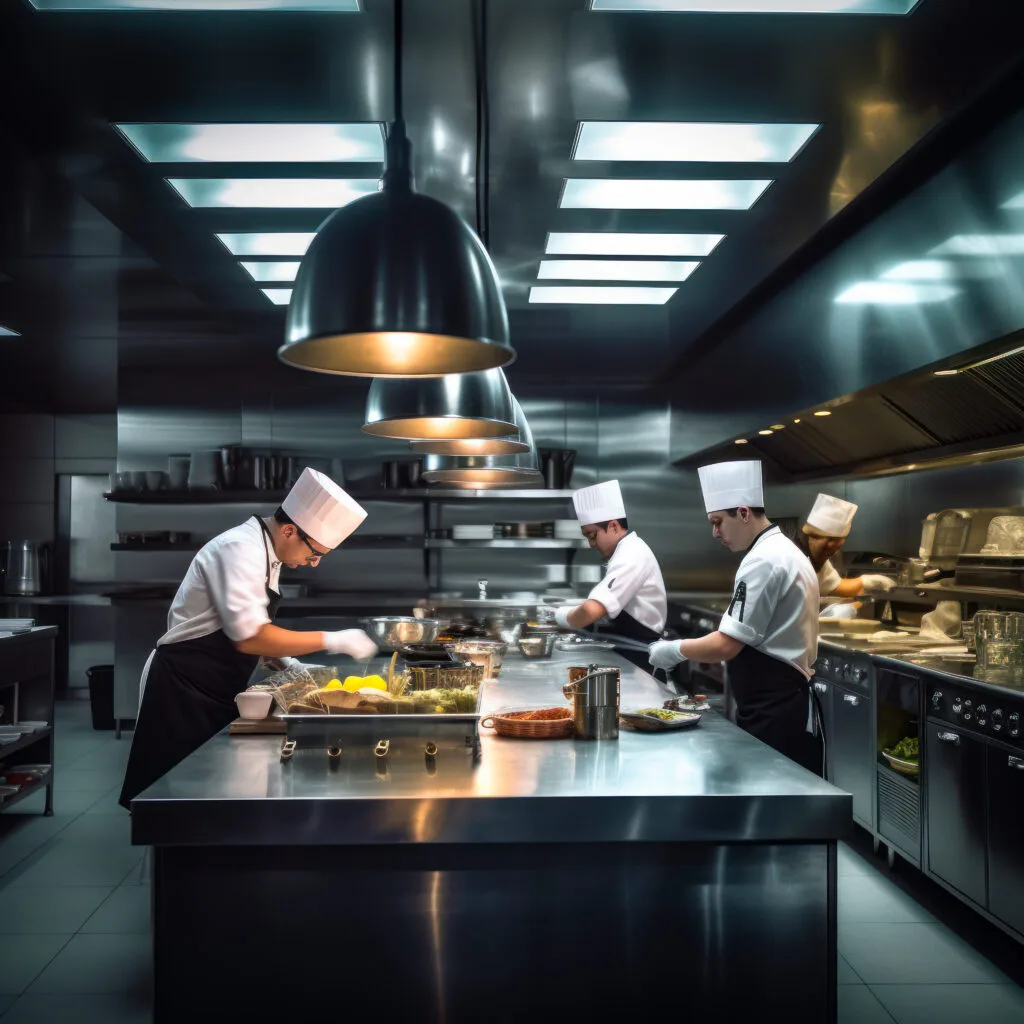
I remember the first time I walked into a restaurant where the kitchen wasn’t just a place where food was prepared, it was the heart of the entire experience. It was a small, bustling spot in Nashville, tucked away on a side street where the neon sign flickered just enough to make you feel like you were stepping into something special. The hostess didn’t just seat us; she walked us past the open kitchen, where the chef was searing scallops with a torch, the flames dancing under the stainless steel hood. The sizzle, the smell of browned butter, the way the line cooks moved in what looked like controlled chaos, it was all part of the show. And that’s when it hit me: a commercial kitchen isn’t just about cooking food. It’s about crafting memories.
But here’s the thing, I’m not entirely sure if I’m overromanticizing this. Is it really the kitchen that makes the experience, or is it the people, the ambiance, the little details that add up? Maybe it’s all of it. Or maybe I’m just hungry and prone to overanalyzing. Either way, I’ve spent the last few years digging into how commercial kitchens, those behind-the-scenes powerhouses, actually shape the way we remember a meal. And what I’ve found is that it’s not just about the food. It’s about the systems, the design, the flow, and the intentionality behind every decision, from the layout of the prep station to the way the dishwasher is positioned. So, let’s break it down. How do commercial kitchens create those unforgettable dining experiences? And more importantly, how can you apply some of these principles to your own space, whether you’re running a food truck or a full-service restaurant?
By the end of this, you’ll have a deeper appreciation for what goes on behind those swinging doors, and maybe even a few ideas to steal for your own kitchen. Because here’s the truth: great food is just the starting point. The real magic happens when the kitchen becomes an extension of the dining experience itself.
The Invisible Architecture: How Kitchen Design Shapes the Dining Experience
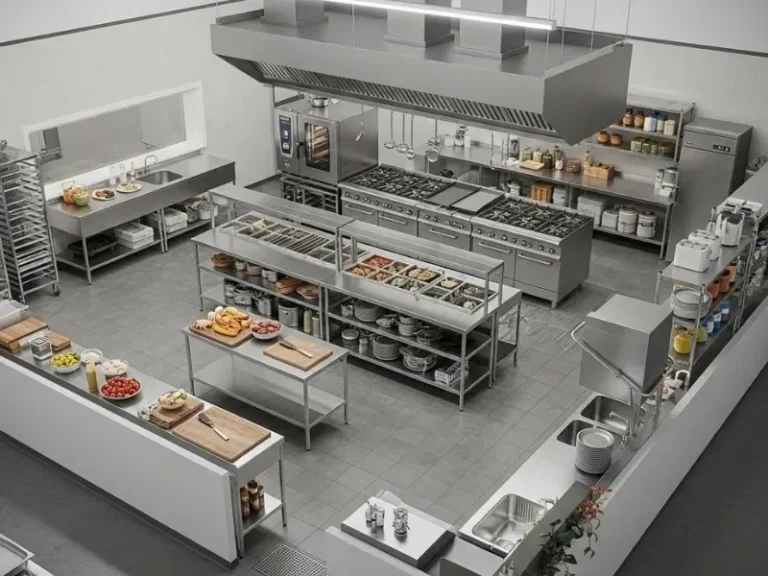
Let’s start with something that most diners never see but feel in every bite: the design of the kitchen. I’ve toured enough commercial kitchens to know that the best ones don’t just function, they perform. And that performance starts with layout. Think about it: if a kitchen is poorly designed, the food suffers. Orders get delayed, dishes come out lukewarm, and the whole operation feels like it’s running on fumes. But when it’s done right? It’s like watching a well-rehearsed orchestra, where every section knows its part and the conductor (in this case, the chef) keeps everything in harmony.
One of the most fascinating examples I’ve seen was at a high-end sushi bar in San Francisco. The kitchen was tiny, just a long counter where the chefs worked, but every inch was optimized. The rice cooker was within arm’s reach of the sushi chef, the fish was stored in a refrigerated drawer directly below the cutting board, and the wasabi and soy sauce were prepped in a way that didn’t clutter the workspace. The result? The chefs could focus entirely on the artistry of the food, and the diners got to watch the whole process unfold like a live performance. It wasn’t just about the sushi; it was about the experience of watching it being made. And that’s the power of good kitchen design, it turns the act of cooking into something you can feel, not just taste.
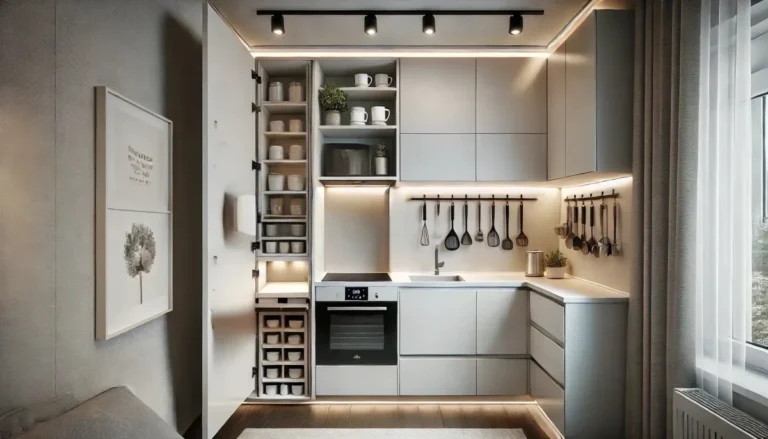
But here’s where it gets tricky. Not every restaurant has the luxury of starting from scratch. Maybe you’re working with a tight space, or an old building with weird quirks, or a budget that doesn’t allow for a full renovation. That’s where suppliers like Chef’s Deal come in. They don’t just sell equipment; they offer free kitchen design services to help you make the most of what you’ve got. I’ve seen kitchens transformed from cluttered nightmares to streamlined operations just by rethinking the flow, moving the fryer closer to the expediter, adding a second prep station, or even just reorganizing the walk-in. It’s amazing what a little strategic planning can do. Is this the best approach for every kitchen? Maybe not. But if you’re struggling with efficiency, it’s worth considering.
So, what makes a kitchen design truly great? It’s not just about aesthetics (though those open kitchens with sleek stainless steel and warm lighting sure do help). It’s about functionality, flow, and flexibility. A well-designed kitchen should:
- Minimize movement: The less your staff has to walk, the faster and more efficiently they can work. This is why you’ll often see the hot line (where the stoves and grills are) positioned near the expediter (the person who plates and sends out the food). Every step saved is time saved.
- Prioritize visibility: If your kitchen has an open layout, diners should be able to see the action without feeling like they’re intruding. This is why many restaurants use glass partitions or half-walls to create a sense of openness while still maintaining a barrier.
- Balance hot and cold zones: You don’t want your freezers next to your ovens, or your walk-in next to the fryer. Heat and cold don’t mix, and poor placement can lead to equipment failure or food safety issues. This is where zoning comes into play, grouping similar equipment together to create a more efficient workflow.
- Plan for peak times: A kitchen that works beautifully during a slow Tuesday lunch might fall apart on a Saturday night. The best designs account for rush periods, with extra prep space, backup equipment, and even duplicate stations for high-volume items.
I’m torn between two schools of thought here. On one hand, you have the minimalist approach, where every piece of equipment has a purpose and nothing is wasted. On the other, there’s the maximalist approach, where the kitchen is almost a character in the dining experience, think of those over-the-top open kitchens in steakhouses, where the grill is the centerpiece and the chefs are part of the show. Which one is better? It depends on the vibe you’re going for. But one thing’s for sure: if your kitchen design isn’t serving your food (and your diners), it’s time to rethink it.
The Psychology of Open Kitchens: Why We Love Watching Food Being Made
There’s something primal about watching food being cooked. Maybe it’s the theater of it all-the flames, the sizzle, the way a chef’s hands move with precision and speed. Or maybe it’s the transparency-seeing the ingredients, the process, the care that goes into each dish. Whatever it is, open kitchens have become a staple in modern dining, and for good reason. They turn a meal into an experience, not just a transaction.
But here’s the thing: open kitchens aren’t just about putting on a show. They’re about building trust. When diners can see the kitchen, they can see the cleanliness, the organization, the professionalism of the staff. It’s a silent reassurance that says, “We have nothing to hide.” And in an era where food safety scandals and hidden kitchen practices make headlines, that transparency is more valuable than ever.
I remember eating at a ramen shop in Tokyo where the kitchen was completely open, not just to the diners, but to the street. Passersby could watch the chefs hand-pulling noodles, ladling broth into bowls, and garnishing each dish with precision. It was mesmerizing. And it got me thinking: why don’t more restaurants do this? The answer, I think, is fear. Fear of messiness, fear of chaos, fear of diners seeing the real work that goes into a meal. But here’s the secret: people love seeing the real work. It makes the food feel more authentic, more human.
Of course, not every restaurant can (or should) have an open kitchen. There are logistical challenges-ventilation, oise, safety-that can make it impractical. And let’s be honest, not every chef wants to perform for an audience. But if you’re considering it, here are a few things to keep in mind:
- Control the narrative: An open kitchen isn’t just about showing off, it’s about telling a story. What do you want diners to see? The artistry of plating? The speed of service? The sourcing of ingredients? Think about what makes your kitchen unique and design the experience around that.
- Manage the mess: Open kitchens can get chaotic, especially during peak times. Make sure your staff is trained to keep the space clean and organized, even when things get hectic. This might mean investing in better storage solutions or waste management systems.
- Consider the acoustics: A loud kitchen can be overwhelming for diners. If your kitchen is open, think about ways to dampen the noise, whether it’s through sound-absorbing materials, strategic layout, or even background music to mask the clatter.
- Make it interactive: Some restaurants take the open kitchen concept a step further by letting diners interact with the chefs, whether it’s choosing their own ingredients, watching a live demo, or even cooking alongside the staff. This isn’t for everyone, but it can be a great way to create a memorable experience.
Maybe I’m biased because I love the drama of a good open kitchen. But I also recognize that it’s not the right fit for every restaurant. What do you think? Is an open kitchen a gimmick, or is it a genuine way to enhance the dining experience? Let’s consider the counterargument: some chefs argue that open kitchens put too much pressure on the staff, turning cooking into a performance rather than a craft. And they’re not wrong. There’s a fine line between theater and authenticity, and it’s easy to cross it. But when it’s done right, an open kitchen can be a game-changer.
The Unsung Heroes: How Kitchen Equipment Elevates the Dining Experience
Let’s talk about the workhorses of the kitchen, the equipment that most diners never notice but would miss if it weren’t there. I’m talking about the combi ovens that cook food to perfection every time, the blast chillers that keep ingredients fresh, the induction burners that heat up in seconds. These aren’t just tools; they’re the backbone of a consistent, efficient, and high-quality dining experience.
Take, for example, the humble sous vide machine. A few years ago, sous vide was a niche technique used mostly in high-end restaurants. Today, it’s everywhere, from food trucks to fast-casual chains. Why? Because it guarantees consistency. When you cook a steak sous vide, you know it’s going to come out perfectly medium-rare every time, no matter who’s manning the station. And consistency is key to creating a memorable experience. Diners don’t just want good food; they want food that’s reliably good, visit after visit.
But here’s where it gets complicated. Not every kitchen has the budget for top-of-the-line equipment. And even if you do, not every piece of equipment is right for every kitchen. That’s why it’s so important to work with suppliers who understand the unique needs of your operation. Chef’s Deal, for example, doesn’t just sell equipment, they offer expert consultation to help you choose the right tools for your space, your menu, and your budget. Whether you need a high-speed oven for a busy pizzeria or a low-temperature cooker for a fine-dining restaurant, they can help you find the sweet spot between performance and affordability.
So, what equipment should you prioritize if you want to create a memorable dining experience? It depends on your menu, but here are a few game-changers to consider:
- Combi ovens: These versatile machines can steam, bake, roast, and even smoke food, all in one unit. They’re a favorite in high-volume kitchens because they save space and improve efficiency.
- Blast chillers: If you’re serving fresh, high-quality ingredients, a blast chiller is a must. It rapidly cools food to safe temperatures, preserving texture and flavor while reducing the risk of bacterial growth.
- Induction burners: These energy-efficient burners heat up instantly and cool down just as fast, giving chefs precise control over temperature. They’re also safer and more environmentally friendly than traditional gas burners.
- Vacuum sealers: Whether you’re prepping ingredients for sous vide or storing leftovers, a good vacuum sealer can extend the shelf life of food and improve its quality.
- High-speed ovens: If you’re running a pizzeria or a bakery, a high-speed oven can cut cooking times in half, allowing you to serve more customers without sacrificing quality.
I’m not saying you need to outfit your kitchen with every gadget under the sun. In fact, sometimes less is more. The key is to invest in equipment that aligns with your menu and enhances your workflow. For example, if you’re running a seafood restaurant, a steam kettle might be more valuable than a deep fryer. If you’re a bakery, a deck oven could be a game-changer. The point is, the right equipment can make your kitchen more efficient, your food more consistent, and your diners more satisfied.
The Role of Ventilation: Why the Air You Breathe Matters
Here’s something most diners never think about: the air quality in a restaurant. But if you’ve ever walked into a place where the smell of grease and smoke hits you like a wall, you know how much it can ruin an experience. Good ventilation isn’t just about comfort, it’s about health, safety, and even flavor.
Think about it: if your kitchen is poorly ventilated, the smoke, steam, and odors can seep into the dining area, making the air feel heavy and unpleasant. Worse, it can affect the taste of the food. Ever noticed how a dish can taste different in a well-ventilated kitchen versus a stuffy one? That’s not just in your head. Poor ventilation can lead to cross-contamination of flavors, where the smell of fried food overpowers the delicate notes of a seared scallop, or the aroma of garlic seeps into everything else on the menu.
But ventilation isn’t just about removing bad smells. It’s also about temperature control. A kitchen that’s too hot or too cold can make it difficult for staff to work efficiently, leading to mistakes, delays, and even safety hazards. And let’s not forget about grease buildup-a poorly ventilated kitchen can become a fire hazard, not to mention a breeding ground for bacteria.
So, what’s the solution? It starts with a high-quality ventilation system. This isn’t just a matter of slapping a hood over the stove and calling it a day. A good system should:
- Remove smoke, steam, and odors efficiently, without creating a draft that disrupts the kitchen’s workflow.
- Control temperature to keep the kitchen comfortable for staff and diners alike.
- Filter out grease and other particles to prevent buildup and reduce fire risk.
- Comply with local health and safety regulations, which can vary widely depending on where you’re located.
I’ve seen kitchens where the ventilation system was an afterthought, and it showed. The air was thick with smoke, the staff was sweating through their uniforms, and the food just didn’t taste as good. On the flip side, I’ve been in kitchens where the ventilation was so well-designed that you could barely tell you were in a restaurant kitchen at all. The air was clean, the temperature was comfortable, and the food? It tasted like it was meant to.
If you’re in the market for a new ventilation system, it’s worth working with a supplier who can help you design a solution that fits your space and your needs. Chef’s Deal, for example, offers professional installation services to ensure your system is set up correctly and efficiently. Because let’s be honest: a ventilation system isn’t something you want to DIY. It’s a complex piece of engineering that requires expertise and precision.
The Rhythm of the Kitchen: How Workflow Creates Consistency
If there’s one thing I’ve learned from spending time in commercial kitchens, it’s that rhythm is everything. A kitchen without rhythm is like a band without a drummer, chaotic, disjointed, and ultimately unsatisfying. But when the rhythm is right? It’s like magic. The orders flow smoothly, the food comes out hot and perfectly plated, and the diners leave happy. So, how do you create that rhythm? It starts with workflow.
Workflow isn’t just about speed, it’s about efficiency, organization, and communication. It’s about making sure that every station, every piece of equipment, and every member of the staff is working in harmony. And it’s not something you can just wing. A well-designed workflow requires planning, training, and a deep understanding of how your kitchen operates.
Let’s break it down. A typical commercial kitchen workflow might look something like this:
- Receiving and storage: Ingredients arrive, are inspected for quality, and are stored in the appropriate areas (dry storage, walk-in, freezer, etc.).
- Prep: Ingredients are washed, chopped, portioned, and prepped for cooking. This is where mise en place comes into play, everything in its place.
- Cooking: The hot line springs into action, with chefs working in sync to cook each dish to order.
- Plating: The expediter (or chef) plates the food, ensuring each dish meets the restaurant’s standards for presentation.
- Expediting: The expediter coordinates with the front of house to ensure orders go out to the right tables at the right time.
- Cleaning: The kitchen is cleaned and sanitized, ready for the next service.
Sounds simple, right? But in reality, it’s anything but. A single hiccup in this workflow, an ingredient that’s not prepped on time, a stove that’s not hot enough, a miscommunication between the kitchen and the front of house, can throw the whole operation off balance. And that’s where the rhythm comes in. A well-oiled kitchen has a predictable cadence, where each step flows seamlessly into the next. It’s like a dance, where every movement is choreographed and every participant knows their role.
But how do you create that rhythm? It starts with training. Your staff needs to know not just what to do, but how to do it efficiently. This means practicing the workflow until it becomes second nature, drilling the steps until they’re automatic. It also means fostering a culture of communication and teamwork, where everyone is on the same page and working toward the same goal.
I’ve seen kitchens where the workflow was so tight that you could set your watch by it. Orders came in, food went out, and the whole operation ran like clockwork. And then I’ve seen kitchens where the workflow was so disjointed that it felt like a free-for-all. The difference? Planning, practice, and a willingness to adapt. Because here’s the thing: workflow isn’t static. It evolves as your menu changes, as your staff turns over, as your restaurant grows. The best kitchens are always tweaking, refining, and improving their workflow to keep up with the demands of the business.
The Role of Technology in Workflow
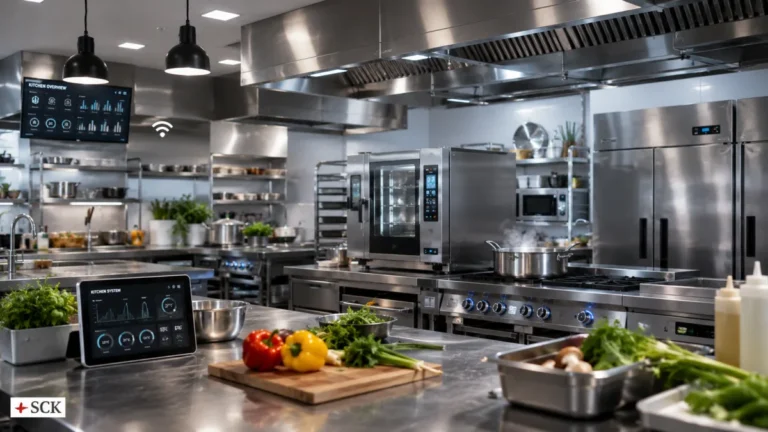
Technology has changed the way commercial kitchens operate, and nowhere is that more evident than in the realm of workflow. From kitchen display systems (KDS) to inventory management software, technology can streamline operations, reduce errors, and improve efficiency. But it’s not a magic bullet. The best kitchens use technology as a tool, not a crutch.
Take, for example, a KDS. Instead of relying on paper tickets, a KDS displays orders on a screen, allowing chefs to see what needs to be cooked and in what order. This can reduce errors, speed up service, and improve communication between the front and back of house. But it’s not foolproof. If the system goes down, or if the staff isn’t trained to use it properly, it can create more problems than it solves. That’s why it’s so important to choose technology that fits your kitchen and to train your staff thoroughly.
Another game-changer is inventory management software. These systems track ingredients in real-time, alerting you when stock is low and even generating purchase orders automatically. This can save time, reduce waste, and ensure you never run out of a key ingredient mid-service. But again, it’s not a substitute for good old-fashioned organization and planning. The best kitchens use technology to enhance their workflow, not replace it.
I’m torn between two perspectives here. On one hand, technology can be a lifesaver in a busy kitchen, automating tedious tasks and reducing the risk of human error. On the other hand, it can also be a distraction, pulling focus away from the food and the diners. The key is to strike a balance, using technology where it makes sense, but not letting it take over the human element of cooking. Because at the end of the day, a meal isn’t just about efficiency. It’s about connection, creativity, and care.
The Power of Small Details: How Little Things Create Big Memories
Here’s a secret: the most memorable dining experiences aren’t always about the big gestures. They’re about the small details-the things that diners might not even notice consciously, but that stick with them long after the meal is over. A perfectly folded napkin. A handwritten note on the receipt. A complimentary amuse-bouche that arrives just as the conversation lags. These are the things that turn a good meal into a great one.
But here’s the catch: small details are easy to overlook. In the chaos of a busy service, it’s all too easy to focus on the big picture, the orders, the timing, the plating, and let the little things slip through the cracks. But that’s a mistake. Because those little things? They’re the difference-makers. They’re what separate a forgettable meal from one that diners will rave about for years.
Take, for example, the presentation of a dish. It’s not just about making the food look pretty (though that certainly helps). It’s about telling a story. A well-plated dish should guide the diner’s eye, highlighting the key ingredients and creating a sense of balance and harmony. It should make the diner excited to take that first bite. And it’s not just about the food itself, it’s about the vessel it’s served on. A rustic wooden board for a charcuterie platter. A sleek, modern plate for a fine-dining entree. A quirky, mismatched bowl for a comfort-food dish. The right presentation can elevate a meal from ordinary to extraordinary.
But presentation is just one piece of the puzzle. Here are a few other small details that can make a big impact:
- Temperature control: A dish that’s served at the wrong temperature, too cold, too hot, or just lukewarm, can ruin an otherwise perfect meal. This is where equipment like hot holding cabinets and chafing dishes come into play, keeping food at the ideal temperature until it’s ready to be served.
- Timing: The difference between a good meal and a great one often comes down to timing. Dishes should arrive at the table hot, fresh, and coordinated-not all at once, and not with long gaps in between. This requires communication between the kitchen and the front of house, as well as a well-designed workflow that keeps everything on track.
- Personalization: Diners love feeling like their meal was made just for them. This could be as simple as remembering a regular’s favorite dish or as elaborate as customizing a menu for a special occasion. The key is to make the diner feel seen and valued.
- Surprise and delight: A little something extra, a complimentary dessert, a chef’s special that’s not on the menu, a handwritten thank-you note, can turn a good meal into a memorable one. These gestures don’t have to be expensive or elaborate; they just have to be thoughtful.
I’m not saying you need to go overboard with the small details. In fact, sometimes less is more. The key is to focus on what matters-the things that align with your restaurant’s brand, values, and menu. For example, if you’re running a casual diner, a handwritten note on the receipt might feel out of place. But a free refill on coffee? That’s a small detail that diners will appreciate.
The Role of Staff in Small Details
Here’s something I’ve learned: the best small details aren’t just about the food or the decor. They’re about the people. A warm smile, a genuine compliment, a server who remembers your name, these are the things that make a dining experience feel personal and memorable. And they all start in the kitchen.
Think about it: the kitchen is where the culture of the restaurant is born. If the chefs and line cooks are stressed, overworked, or unhappy, that energy will seep into the dining room. But if the kitchen is a place of collaboration, creativity, and joy, that energy will shine through in every dish. And it’s not just about the chefs, it’s about the entire team, from the dishwasher to the expediter to the front-of-house staff. When everyone is working together, the small details fall into place naturally.
So, how do you create that culture? It starts with leadership. The chef (or kitchen manager) sets the tone for the entire team. If they’re organized, supportive, and passionate, the staff will follow suit. It also requires training-not just in the technical skills of cooking, but in the soft skills of communication, teamwork, and customer service. And it requires recognition-acknowledging the hard work and dedication of the staff, and making them feel valued.
I’ve seen kitchens where the staff was so in sync that it felt like they were reading each other’s minds. Orders came in, food went out, and the whole operation ran like a well-oiled machine. And then I’ve seen kitchens where the staff was so disconnected that it felt like they were working against each other. The difference? Culture. A strong kitchen culture doesn’t just improve efficiency, it improves the dining experience, from the first bite to the last.
The Menu as a Story: How Commercial Kitchens Craft Narratives Through Food
A menu isn’t just a list of dishes, it’s a story. And the best commercial kitchens know how to tell that story in a way that resonates with diners. Whether it’s a seasonal menu that highlights local ingredients, a themed menu that transports diners to another place and time, or a tasting menu that takes them on a culinary journey, the menu is the blueprint for the dining experience.
But here’s the thing: a great menu doesn’t just happen. It’s the result of planning, creativity, and a deep understanding of what diners want. And it starts in the kitchen. The chefs are the ones who develop the dishes, source the ingredients, and perfect the recipes. They’re the ones who turn a concept into a reality. And they’re the ones who ensure that every dish on the menu is consistent, delicious, and memorable.
Let’s take a closer look at how commercial kitchens craft narratives through their menus. One of the most effective ways to do this is through seasonality. A seasonal menu isn’t just about using fresh ingredients, it’s about connecting diners to the rhythms of nature. It’s about celebrating the first strawberries of spring, the heirloom tomatoes of summer, the root vegetables of fall, and the hearty stews of winter. And it’s not just about the food, it’s about the story behind it. Where were the ingredients sourced? How were they grown? What makes them special? A well-crafted seasonal menu answers these questions, turning a meal into a journey.
Another way to tell a story through the menu is through theming. A themed menu can transport diners to another place and time, whether it’s a 1920s speakeasy, a rustic Italian trattoria, or a futuristic sushi bar. The key is to make the theme cohesive-every dish, every drink, every detail should fit together like pieces of a puzzle. And it’s not just about the food, it’s about the ambiance, the decor, the music, and even the service style. A themed menu should be an immersive experience, where every element works together to create a sense of place.
But here’s where it gets tricky. A themed menu can be a double-edged sword. Done well, it can create a memorable and unique dining experience. Done poorly, it can feel gimmicky and forced. The key is to strike a balance, creating a theme that feels authentic and thoughtful, without being over-the-top or cliché.
One of my favorite examples of a well-executed themed menu is a pop-up restaurant I visited in Nashville a few years ago. The theme was “Midnight in Paris,” and the menu featured classic French dishes with a modern twist. But it wasn’t just the food that made the experience special, it was the attention to detail. The decor was inspired by 1920s Paris, with vintage posters, soft lighting, and jazz music playing in the background. The servers were dressed in period-appropriate attire, and even the cocktails were named after famous Parisian landmarks. It was a complete experience, where every element worked together to create a sense of place.
The Role of the Chef in Menu Development
The chef is the storyteller of the menu. They’re the ones who develop the dishes, source the ingredients, and perfect the recipes. And they’re the ones who ensure that every dish on the menu is consistent, delicious, and memorable. But menu development isn’t just about creativity, it’s also about practicality. A great menu has to be executable, profitable, and appealing to diners.
So, how do chefs develop a menu that ticks all these boxes? It starts with research. What are the trends in the industry? What are diners craving? What are the seasonal ingredients available? The best chefs are always observing, experimenting, and innovating, looking for new ways to surprise and delight their diners.
But research is just the first step. The real work happens in the kitchen, where chefs test recipes, refine techniques, and perfect presentations. This is where the magic happens-where a simple idea becomes a signature dish. And it’s not just about the food, it’s about the story behind it. Where did the inspiration come from? What makes this dish unique? How does it fit into the overall menu? A well-crafted dish should answer these questions, turning a meal into a arrative.
I’m not sure if I’m doing this justice. Maybe I should clarify: menu development isn’t just about coming up with cool ideas. It’s about balancing creativity with practicality. A dish might sound amazing on paper, but if it’s too complicated to execute during a busy service, it’s not going to work. Similarly, a dish might be delicious, but if it’s not profitable, it’s not going to last on the menu. The best chefs know how to strike this balance, creating dishes that are innovative, executable, and profitable.
The Role of Training: How Commercial Kitchens Ensure Consistency
Consistency is the holy grail of the restaurant industry. Diners don’t just want good food, they want food that’s reliably good, visit after visit. And that’s where training comes in. A well-trained kitchen staff is the backbone of a consistent, efficient, and high-quality dining experience.
But here’s the thing: training isn’t just about teaching staff how to cook. It’s about instilling a culture of excellence, professionalism, and attention to detail. It’s about making sure that every member of the team, from the dishwasher to the head chef, understands their role and how it contributes to the overall experience. And it’s not a one-time event. Training is an ongoing process, a continuous cycle of learning, feedback</
Wait, let me backtrack. I think I got ahead of myself. Training starts with onboarding. When a new employee joins the team, they need to be oriented to the kitchen’s workflow, standards, and expectations. This isn’t just about showing them where the knives are kept or how to use the POS system. It’s about immersing them in the culture of the kitchen, making them feel like they’re part of something bigger than themselves.
But onboarding is just the beginning. The real training happens on the job, where new employees shadow experienced staff, practice their skills, and receive feedback on their performance. This is where the magic happens-where raw talent is shaped into professional skill. And it’s not just about the technical aspects of cooking. It’s about communication, teamwork, and problem-solving. A well-trained kitchen staff doesn’t just know how to cook, they know how to work together, how to adapt to challenges, and how to deliver a consistent experience to diners.
I’ve seen kitchens where the training was so thorough that it felt like a military operation. Every movement was choreographed, every task was standardized, and every employee knew exactly what was expected of them. And then I’ve seen kitchens where the training was so lax that it felt like a free-for-all. The difference? Structure. A well-trained kitchen has a clear hierarchy, a defined workflow, and a culture of accountability. And it shows in the food, the service, and the overall dining experience.
The Role of Standard Operating Procedures (SOPs)
One of the most effective tools for training (and maintaining consistency) is the Standard Operating Procedure (SOP). An SOP is a step-by-step guide that outlines how a task should be performed. It’s like a recipe for the kitchen, ensuring that every dish is prepared the same way, every time. But SOPs aren’t just for cooking, they can be used for everything from cleaning to inventory management to customer service.
Here’s the thing about SOPs: they’re not just about control. They’re about empowerment. When employees have clear, written instructions for how to perform their tasks, they’re more confident, more efficient, and more consistent. And when everyone is following the same procedures, the whole operation runs more smoothly. But SOPs aren’t set in stone. They should be reviewed and updated regularly to reflect changes in the menu, the equipment, or the workflow. The best kitchens are always tweaking their SOPs to improve efficiency and quality.
I’m torn between two perspectives on SOPs. On one hand, they can feel restrictive, like they’re stifling creativity and spontaneity. On the other hand, they can be liberating, freeing up mental space so that chefs can focus on the artistry of cooking rather than the logistics. The key is to strike a balance, creating SOPs that are detailed enough to ensure consistency, but flexible enough to allow for creativity and innovation.
The Importance of Feedback: How Commercial Kitchens Improve Over Time
Here’s a hard truth: no kitchen is perfect. Even the best restaurants have off nights, mistakes, and areas for improvement. But the difference between a good kitchen and a great one? The great ones learn from their mistakes. They seek out feedback, analyze their performance, and make changes to improve. And it’s not just about the food, it’s about the entire experience, from the moment a diner walks in the door to the moment they leave.
Feedback can come from a variety of sources. There’s customer feedback-reviews, comment cards, social media posts. There’s staff feedback-observations from the front of house, suggestions from the kitchen team. And there’s data-sales numbers, waste reports, customer retention rates. The best kitchens use all of these sources to identify trends, spot problems, and make improvements.
But here’s the catch: feedback is only useful if you act on it. It’s not enough to collect reviews or listen to complaints, you have to do something with that information. This might mean changing a dish that’s consistently getting negative feedback, retraining staff on a particular task, or reorganizing the workflow to improve efficiency. The key is to approach feedback with an open mind and a willingness to change.
I remember visiting a restaurant in Nashville where the chef made it a point to personally greet every table and ask for feedback. Not just a generic “How was everything?” but a specific, detailed question: “What did you think of the sauce on the scallops? Was the steak cooked to your liking?” It was a small gesture, but it made a big impact. Diners felt heard, valued, and connected to the kitchen. And the chef? He got real-time feedback that he could use to improve the menu and the service.
The Role of Data in Feedback
Feedback isn’t just about anecdotes and opinions. It’s also about data. The best kitchens use sales reports, waste logs, and customer retention rates to identify trends and make informed decisions. For example, if a particular dish is consistently selling poorly, it might be time to rethink the recipe or remove it from the menu. If waste reports show that a lot of food is being thrown away, it might be time to adjust portion sizes or improve inventory management.
But data can be overwhelming. It’s easy to get lost in the numbers, to focus on the quantitative at the expense of the qualitative. That’s why it’s so important to approach data with a critical eye. What does it mean? What story is it telling? And how can you use it to improve the dining experience? The best kitchens don’t just collect data, they analyze it, interpret it, and act on it.
I’m not sure if I’m doing this justice. Maybe I should clarify: feedback isn’t just about fixing problems. It’s also about celebrating successes. If a dish is getting rave reviews, why not highlight it on the menu or feature it as a special? If a particular server is getting compliments for their friendliness or knowledge, why not recognize their hard work and reward their performance? Feedback is a two-way street-it’s about learning and growing, but it’s also about acknowledging and celebrating what’s working.
The Future of Commercial Kitchens: Trends to Watch
Commercial kitchens are evolving. New technologies, changing consumer preferences, and shifting industry trends are reshaping the way restaurants operate. And if you want to stay ahead of the curve, it’s important to keep an eye on what’s coming next. So, what are the biggest trends in commercial kitchens right now? And how can you use them to create a memorable dining experience?
One of the biggest trends is the rise of smart kitchens. These are kitchens that use technology to automate tasks, improve efficiency, and enhance the dining experience. Think AI-powered inventory management, automated cooking equipment, and real-time data analytics. Smart kitchens aren’t just about saving time-they’re about improving quality, reducing waste, and creating a more consistent experience for diners.
Another trend is the growing emphasis on sustainability. Diners are increasingly concerned about the environmental impact of their food choices, and restaurants are responding by adopting eco-friendly practices. This might mean sourcing local ingredients, reducing food waste, or switching to energy-efficient equipment. Sustainability isn’t just good for the planet, it’s also good for business. Diners are more likely to support restaurants that share their values, and sustainable practices can reduce costs and improve efficiency.
Then there’s the rise of ghost kitchens. These are kitchens that operate without a dining room, focusing solely on delivery and takeout. Ghost kitchens are a response to the growing demand for convenience and speed, and they’re changing the way restaurants think about space and service. But they also present unique challenges, from branding to customer engagement. How do you create a memorable experience when diners never set foot in your kitchen?
I’m not sure where all of this is headed. Maybe I should clarify: the future of commercial kitchens isn’t just about technology or trends. It’s about people. It’s about the chefs who are pushing the boundaries of what’s possible, the diners who are demanding more from their dining experiences, and the staff who are working tirelessly behind the scenes to make it all happen. The tools and techniques may change, but the core principles of a great kitchen-efficiency, quality, consistency, and passion-will always remain the same.
How to Stay Ahead of the Curve
So, how can you stay ahead of the curve in the ever-changing world of commercial kitchens? It starts with education. Stay up-to-date on the latest trends, technologies, and best practices. Attend industry events, read trade publications, and network with other professionals. The more you know, the better equipped you’ll be to adapt and innovate.
But education isn’t enough. You also need to be willing to experiment. Don’t be afraid to try new things, whether it’s a ew piece of equipment, a ew cooking technique, or a ew menu concept. Some experiments will fail, but others will succeed, and those successes can set you apart from the competition.
Finally, don’t forget about the basics. No matter how much the industry changes, the fundamentals of a great kitchen-efficiency, quality, consistency, and passion-will always be important. Focus on these, and you’ll be well on your way to creating a memorable dining experience.
Putting It All Together: How to Create a Memorable Dining Experience in Your Kitchen
So, what does all of this mean for you? Whether you’re running a food truck, a fine-dining restaurant, or anything in between, the principles of creating a memorable dining experience are the same. It’s about design, workflow, equipment, training, and feedback. It’s about paying attention to the small details and the big picture. And it’s about passion-the kind of passion that turns a meal into a memory.
Here’s the thing: you don’t need a Michelin-starred kitchen or a celebrity chef to create a memorable dining experience. You just need to care. Care about the food, care about the diners, and care about the experience. Because at the end of the day, that’s what it’s all about, creating a connection between the kitchen and the diner, a connection that lingers long after the last bite is eaten.
So, what’s your next step? Maybe it’s reorganizing your kitchen layout to improve efficiency. Maybe it’s investing in new equipment to enhance quality. Maybe it’s retraining your staff to improve consistency. Or maybe it’s something as simple as adding a personal touch to your service. Whatever it is, don’t wait. Start small, but start today. Because the best dining experiences aren’t created overnight, they’re built, one detail at a time.
And who knows? Maybe one day, a diner will walk into your restaurant, take one look at your kitchen, and think, “This is going to be something special.” And they’ll be right.
FAQ
Q: What’s the most important factor in creating a memorable dining experience?
A: There’s no single “most important” factor, it’s a combination of many elements, including kitchen design, workflow, equipment, training, and attention to detail. However, consistency is often the foundation of a great experience. Diners want to know that they can expect the same high quality every time they visit, whether it’s the taste of the food, the speed of service, or the overall ambiance.
Q: How can I improve my kitchen’s workflow without a major renovation?
A: Start by observing your current workflow and identifying bottlenecks. Are there stations that are constantly backed up? Is there equipment that’s not being used efficiently? Small changes, like reorganizing prep stations, adding a second expediter, or retraining staff on specific tasks, can make a big difference. Suppliers like Chef’s Deal offer free kitchen design consultations to help you optimize your space without a full renovation.
Q: What’s the best way to train kitchen staff for consistency?
A: Consistency starts with clear expectations and standardized procedures. Develop Standard Operating Procedures (SOPs) for every task, from cooking to cleaning, and train your staff to follow them. Regular practice and feedback are also key, hold daily or weekly training sessions to reinforce skills and address any issues. Finally, foster a culture of accountability, where staff feel empowered to speak up if something isn’t working.
Q: How can I make my kitchen more sustainable without breaking the bank?
A: Sustainability doesn’t have to be expensive. Start with small, low-cost changes, like reducing food waste by tracking inventory more closely, composting scraps, or switching to energy-efficient lighting. You can also source ingredients locally to reduce your carbon footprint and support your community. If you’re ready to invest in bigger changes, consider energy-efficient equipment or water-saving technologies, which can pay for themselves over time through reduced utility bills.
@article{how-commercial-kitchens-create-memorable-dining-experiences-and-why-it-matters-more-than-you-think,
    title   = {How Commercial Kitchens Create Memorable Dining Experiences (And Why It Matters More Than You Think)},
    author  = {Chef's icon},
    year    = {2026},
    journal = {Chef's Icon},
    url     = {https://chefsicon.com/how-commercial-kitchens-create-memorable-dining-experiences/}
}