The Best Fluffy Pancakes recipe you will fall in love with. Full of tips and tricks to help you make the best pancakes.
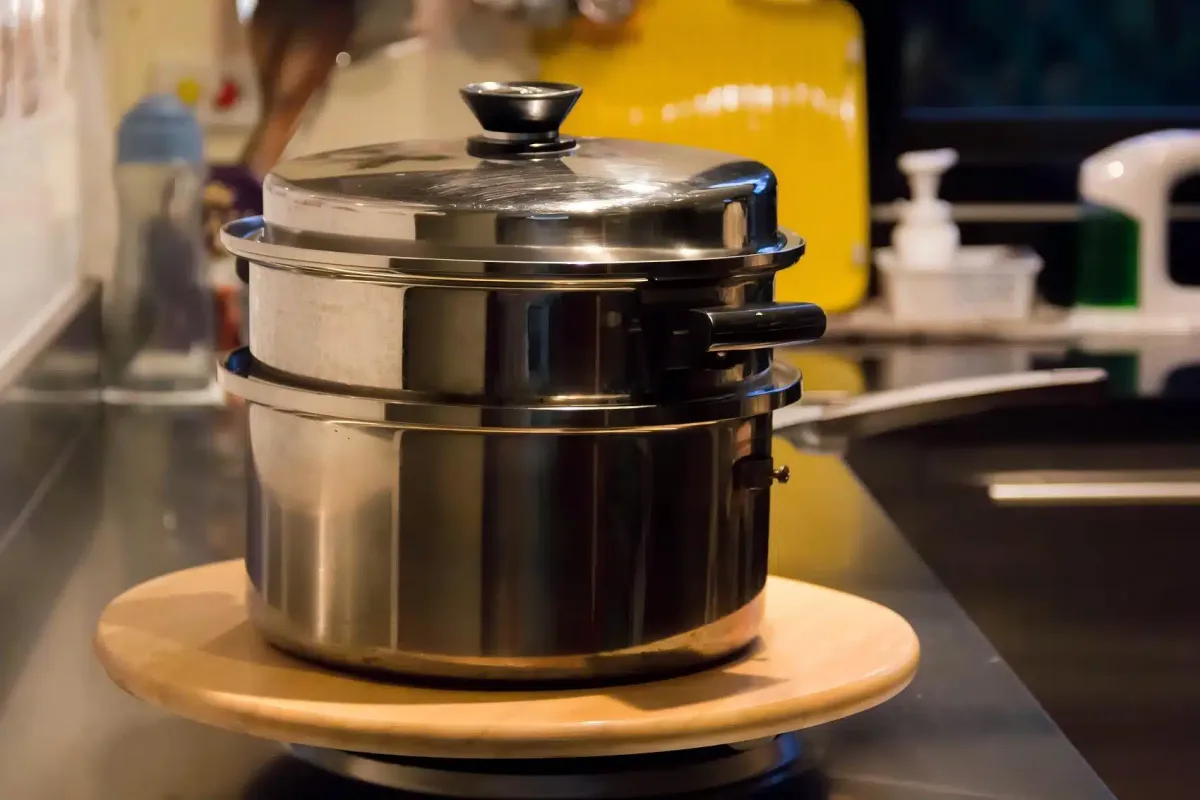
I’ll admit it, I used to think chickpeas were just a humble pantry staple, the kind of thing you’d toss into a salad or mash into hummus without much thought. That was before I moved to Nashville and started working with chefs who treated them like culinary gold. One evening, over a glass of bourbon (because of course), a line cook at a downtown hot chicken joint casually mentioned that he steams his chickpeas before cooking them. “It’s the secret to getting them creamy without turning to mush,” he said, like it was the most obvious thing in the world. I nodded along, pretending I knew what he was talking about, but inside, I was thinking: Wait, you can steam chickpeas?
Turns out, you can. And if you’re working in a commercial kitchen, or even just trying to up your home-cooking game, using a commercial steamer for chickpea prep is a game-changer. It’s faster than soaking, more consistent than boiling, and it preserves that perfect, slightly firm texture that makes chickpeas so versatile. But here’s the thing: not all steamers are created equal, and not all chickpeas are, either. Over the past few years, I’ve tested this method with everything from bulk-dried chickpeas to those sad, dusty ones lingering in the back of my pantry. Some batches turned out flawless. Others? Well, let’s just say Luna, my rescue cat, got a few extra treats that week.
So, if you’re tired of chickpeas that are either undercooked and chalky or overcooked and mealy, stick around. In this guide, I’ll walk you through everything I’ve learned about using commercial steamers for chickpea prep, from choosing the right equipment to troubleshooting common mistakes. By the end, you’ll know how to get chickpeas so good, you’ll start looking for excuses to use them in everything, breakfast hash, anyone?
Why Steam Chickpeas? The Case for Ditching the Soak
Before we dive into the how, let’s talk about the why. Traditional chickpea prep usually involves soaking them overnight (or at least 8 hours) to soften them up before cooking. It’s a fine method, but it’s also slow, and if you’re running a busy kitchen, time is money. Plus, soaking can be inconsistent. Ever pulled a pot of chickpeas off the stove, only to find some are still rock-hard while others have turned to mush? Yeah, me too. It’s frustrating, especially when you’re trying to nail a recipe that depends on uniform texture, like crispy roasted chickpeas or silky hummus.
Enter the commercial steamer. Steaming chickpeas offers a few key advantages:
- Speed: You can go from dry chickpeas to perfectly tender in about 45 minutes to an hour, depending on the steamer. No overnight soak required.
- Consistency: Steam penetrates the chickpeas evenly, so you’re less likely to end up with a mix of undercooked and overcooked beans.
- Nutrient retention: Steaming preserves more of the chickpeas’ natural nutrients compared to boiling, where some vitamins and minerals leach into the water.
- Texture: Steamed chickpeas hold their shape better, making them ideal for dishes where you want a little bite, like salads or grain bowls.
But here’s the catch: steaming isn’t a magic bullet. If you don’t do it right, you can still end up with chickpeas that are either too firm or too soft. And not all steamers are suited for the job. So, let’s start with the basics, choosing the right equipment.
Choosing the Right Commercial Steamer for Chickpea Prep
Not all steamers are created equal, and if you’re serious about using one for chickpea prep, you’ll need to consider a few key factors. I’ve worked with everything from countertop models to large, floor-standing units, and trust me, the differences matter. Here’s what to look for:
1. Capacity: How Much Do You Need to Steam?
First, think about volume. If you’re running a small café or food truck, a countertop steamer with a capacity of 5-10 quarts might be plenty. These are great for batches of chickpeas that’ll feed a crowd of 20-30 people. But if you’re in a high-volume kitchen, say, a catering operation or a large restaurant, you’ll want something bigger, like a floor-standing compartment steamer with multiple trays. These can handle 20+ quarts at a time, which is a lifesaver when you’re prepping for a big event.
I learned this the hard way when I tried to steam a 10-pound bag of chickpeas in a countertop model. Let’s just say it involved a lot of babysitting, multiple batches, and a very annoyed sous chef. Lesson? Match your steamer to your needs.
2. Pressure vs. Convection: Which Is Better for Chickpeas?
Commercial steamers generally come in two flavors: pressure steamers and convection steamers. Pressure steamers cook food faster by using high-pressure steam, while convection steamers rely on a continuous flow of steam at atmospheric pressure. So, which is better for chickpeas?
Here’s the thing: pressure steamers are fast. Like, 20-30 minutes fast. But they’re also less forgiving. If you overcook chickpeas in a pressure steamer, they can turn mushy in the blink of an eye. Convection steamers, on the other hand, take a bit longer (usually 45-60 minutes), but they give you more control over the texture. I’ve found that convection steamers are the safer bet for chickpeas, especially if you’re new to the method. That said, if you’re in a rush and willing to keep a close eye on things, a pressure steamer can work, just don’t walk away from it.
3. Ease of Use: Don’t Underestimate the Little Things
This might sound obvious, but if a steamer is a pain to use, you’re not going to use it. Look for features like:
- Adjustable timers and temperature controls: You’ll want the ability to fine-tune the cooking process, especially as you’re dialing in your technique.
- Easy-to-clean interiors: Chickpeas can leave behind a starchy residue, so non-porous, stainless steel interiors are a must.
- Multiple compartments or trays: This lets you steam different batches simultaneously, which is handy if you’re prepping other ingredients at the same time.
- Safety features: Things like automatic shut-off and pressure release valves are non-negotiable in a busy kitchen.
I once worked with a steamer that had a timer that was nearly impossible to read. It was one of those things where you’d squint at it, adjust the knob, and hope for the best. Spoiler: it did not end well. Moral of the story? Don’t overlook the user experience.
4. Budget: How Much Should You Spend?
Commercial steamers aren’t cheap, but they’re an investment. Countertop models can run anywhere from $500 to $2,000, while floor-standing units can cost $3,000 or more. If you’re just starting out or working with a tight budget, a mid-range countertop steamer ($1,000-$1,500) is a good place to start. It’ll give you the capacity and features you need without breaking the bank.
That said, if you’re running a high-volume operation, it’s worth splurging on a larger, more durable model. Think of it this way: the time and labor you’ll save by having a reliable steamer will pay for itself in the long run. Plus, you’ll avoid the headache of dealing with a finicky, underpowered machine.
Prepping Chickpeas for the Steamer: What You Need to Know
Okay, so you’ve got your steamer. Now what? Before you toss those chickpeas in, there are a few prep steps you’ll want to take to ensure the best results. I’ve made the mistake of skipping these steps before, and let me tell you, it’s not pretty. Here’s what you need to do:
1. Sort and Rinse: The Unsung Heroes of Chickpea Prep
I know, I know, sorting and rinsing chickpeas is about as exciting as watching paint dry. But trust me, it’s worth it. Dried chickpeas can sometimes contain small stones, debris, or even the occasional shriveled bean that didn’t make the cut. Running them through a colander and picking out any offenders will save you from a lot of frustration later. Plus, rinsing removes dust and any residual preservatives that might affect the flavor.
Pro tip: If you’re working with a large batch, spread the chickpeas out on a sheet pan and sort them that way. It’s faster and easier on your eyes than picking through them in a colander.
2. To Soak or Not to Soak?
Here’s where things get a little controversial. Some chefs swear by soaking chickpeas before steaming, arguing that it reduces cooking time and makes them easier to digest. Others (like me) prefer to skip the soak and let the steamer do the work. So, which is the right approach?
I’m torn on this one. On the one hand, soaking can shave 10-15 minutes off your steaming time, which is nice if you’re in a hurry. On the other hand, I’ve found that steaming unsoaked chickpeas gives me more control over the texture. Soaked chickpeas can absorb too much water, making them more prone to splitting or turning mushy. Unsoaked chickpeas, on the other hand, steam more evenly and hold their shape better.
If you do decide to soak, keep it short, about 2-4 hours max. Any longer, and you risk over-hydrating the chickpeas, which defeats the purpose. And whatever you do, don’t soak them overnight. That’s a recipe for disaster (or at least a very sad hummus).
3. Seasoning: Should You Add Salt or Spices Before Steaming?
This is another one of those questions that divides the culinary world. Some chefs insist on seasoning chickpeas before steaming, arguing that it infuses them with flavor. Others (again, like me) prefer to keep things simple and season them after cooking. Here’s why:
Salt can actually inhibit the softening process, making it harder for the steam to penetrate the chickpeas. If you’re steaming them for a specific dish, say, a spiced chickpea salad, you’re better off adding the seasoning after they’re cooked. That way, you can adjust the flavor to taste, and you won’t risk ending up with chickpeas that are either bland or overly salty.
That said, if you’re steaming chickpeas for hummus or another dish where you want the flavor to be deeply integrated, you can add a pinch of salt or a bay leaf to the water. Just don’t go overboard. Remember, you can always add more seasoning later, but you can’t take it out.
Steaming Chickpeas: Step-by-Step Instructions
Alright, now that your chickpeas are prepped and your steamer is ready to go, it’s time to get cooking. Here’s a step-by-step guide to steaming chickpeas like a pro:
1. Fill the Steamer with Water
First things first: fill the steamer’s water reservoir. Most commercial steamers have a fill line, don’t exceed it. Overfilling can cause the steamer to malfunction or, worse, create a mess. If your steamer doesn’t have a fill line, check the manual for guidance. As a general rule, you’ll want enough water to generate steam for the entire cooking time, but not so much that it touches the chickpeas.
Pro tip: Use hot water to fill the reservoir. It’ll bring the steamer up to temperature faster, which means your chickpeas will start cooking sooner. Just be careful, hot water can be a hazard if you’re not paying attention.
2. Load the Chickpeas into the Steamer
Next, load your chickpeas into the steamer. If you’re using a compartment steamer, spread them out in a single layer on the trays. Crowding the chickpeas can lead to uneven cooking, so give them some space. If you’re working with a large batch, you may need to steam them in multiple layers. Just make sure the steam can circulate freely around each tray.
If you’re using a pressure steamer, you’ll want to place the chickpeas in the steamer basket or compartment. Again, don’t overfill it, leave some room for the steam to do its thing.
3. Set the Timer and Temperature
Now, set the timer and temperature. For convection steamers, aim for 212°F (100°C), which is the boiling point of water. Set the timer for 45-60 minutes, depending on the size and age of your chickpeas. Older chickpeas (the ones that have been sitting in your pantry for a year) will take longer to cook, so plan accordingly.
For pressure steamers, set the pressure to 15 psi (pounds per square inch) and the timer for 20-30 minutes. Pressure steamers cook faster, so keep a close eye on them to avoid overcooking.
Is this the best approach? Let’s consider: I’ve found that convection steamers give me more consistent results, but pressure steamers are great if you’re in a hurry. Ultimately, it depends on your kitchen’s needs and your comfort level with the equipment.
4. Monitor the Cooking Process
This is where things can get a little nerve-wracking, especially if you’re new to steaming chickpeas. Unlike boiling, where you can peek into the pot and give the chickpeas a stir, steaming requires a bit more patience. You can’t really check on them mid-cook without releasing the steam, which can disrupt the process.
That said, there are a few things you can do to monitor the progress:
- Listen to the steamer: A well-functioning steamer should emit a steady, rhythmic sound. If it starts making strange noises (like hissing or sputtering), something might be wrong.
- Check the water level: If your steamer has a sight glass, keep an eye on the water level. If it gets too low, the steamer might shut off or, worse, overheat.
- Test for doneness: After the timer goes off, carefully open the steamer and test a few chickpeas. They should be tender but still slightly firm, think al dente pasta. If they’re not quite done, close the steamer and cook them for another 5-10 minutes.
5. Cool and Drain the Chickpeas
Once your chickpeas are done, it’s time to cool them down. Spread them out on a sheet pan or transfer them to a colander and rinse them under cold water. This stops the cooking process and prevents them from turning mushy. If you’re not using them right away, you can store them in the fridge for up to 3 days or freeze them for longer storage.
Pro tip: Save the cooking liquid! It’s called aquafaba, and it’s a magical ingredient that can be used as a vegan egg substitute in baking or to add creaminess to soups and sauces. Just strain it through a fine-mesh sieve to remove any debris, and store it in an airtight container in the fridge for up to a week.
Troubleshooting Common Chickpea Steaming Mistakes
Even with the best intentions, things can go wrong. Here are some of the most common chickpea steaming mistakes and how to fix them:
1. Chickpeas Are Still Hard After Steaming
If your chickpeas are still hard after steaming, it’s usually one of two things: either they’re old, or they didn’t cook long enough. Older chickpeas take longer to soften, so if you’re working with a batch that’s been sitting in your pantry for a while, you may need to extend the cooking time by 10-15 minutes.
If the chickpeas are fresh but still hard, it could be a steamer issue. Check the water level, if it’s too low, the steamer won’t generate enough steam to cook the chickpeas properly. Also, make sure the steamer is reaching the correct temperature. If it’s not, you may need to have it serviced.
2. Chickpeas Are Mushy or Split
Mushy or split chickpeas are usually a sign of overcooking. This can happen if you steam them for too long or if you overcrowd the steamer, which prevents the steam from circulating evenly. To fix this, reduce the cooking time by 5-10 minutes and make sure the chickpeas are spread out in a single layer.
Another possible culprit? Soaking. If you soaked the chickpeas before steaming, they may have absorbed too much water, making them more prone to splitting. Next time, try steaming them without soaking.
3. Chickpeas Have an Off Flavor
If your chickpeas taste bland or have an off flavor, it could be due to a few things. First, check the water you used to fill the steamer. If it’s hard or has a high mineral content, it can affect the taste of the chickpeas. Using filtered water can help.
Second, make sure you’re not overcrowding the steamer. If the chickpeas are packed too tightly, they won’t cook evenly, and some may end up undercooked or overcooked, which can affect the flavor.
Finally, consider the age of your chickpeas. Older chickpeas can develop a stale or bitter flavor, so if you’re working with an old batch, you may want to toss them and start fresh.
Creative Ways to Use Steamed Chickpeas in Your Kitchen
Now that you’ve mastered the art of steaming chickpeas, it’s time to put them to use. Here are a few of my favorite ways to incorporate steamed chickpeas into dishes:
1. Creamy Hummus (Without the Blender Burnout)
Hummus is the obvious choice, but steamed chickpeas take it to the next level. Because they’re already tender, they blend more easily, which means you can skip the high-speed blender and use a food processor instead. The result? Smoother, creamier hummus with less effort.
Here’s my go-to recipe:
- 2 cups steamed chickpeas (reserve ¼ cup of the cooking liquid)
- ¼ cup tahini
- 2 tablespoons lemon juice
- 1 clove garlic
- 1 teaspoon cumin
- Salt to taste
- Reserved cooking liquid (as needed for consistency)
Blend everything together until smooth, adding the reserved cooking liquid as needed to reach your desired consistency. Drizzle with olive oil and a sprinkle of paprika, and you’ve got hummus that’ll put store-bought to shame.
2. Crispy Roasted Chickpeas (The Ultimate Snack)
If you’ve ever made roasted chickpeas, you know the struggle: getting them crispy without burning them. Steamed chickpeas are the secret. Because they’re already tender, they crisp up faster and more evenly in the oven.
Here’s how to do it:
- Toss steamed chickpeas with olive oil, salt, and your favorite spices (I like smoked paprika and garlic powder).
- Spread them out on a baking sheet in a single layer.
- Roast at 400°F (200°C) for 20-30 minutes, shaking the pan halfway through, until crispy and golden.
Let them cool completely before serving, they’ll crisp up even more as they cool. These make a great snack or salad topper.
3. Chickpea Salad (A Lighter Take on Tuna Salad)
I’ll admit it: I used to be a tuna salad purist. But then I tried a chickpea salad, and now I’m a convert. Steamed chickpeas have the perfect texture for this, firm enough to hold their shape but tender enough to mash slightly with a fork.
Here’s my recipe:
- 2 cups steamed chickpeas, lightly mashed
- ¼ cup mayonnaise (or Greek yogurt for a lighter option)
- 1 tablespoon Dijon mustard
- 1 celery stalk, finely diced
- ¼ red onion, finely diced
- 1 tablespoon capers (optional, but highly recommended)
- Salt and pepper to taste
Mix everything together and serve on toast or with crackers. It’s creamy, crunchy, and packed with flavor, no fish required.
4. Chickpea Curry (A Weeknight Winner)
Steamed chickpeas are a game-changer in curries. Because they’re already tender, they absorb flavors more easily, which means you can get a rich, flavorful dish on the table in less time.
Here’s a simple recipe to try:
- 2 cups steamed chickpeas
- 1 can coconut milk
- 1 onion, diced
- 2 cloves garlic, minced
- 1 tablespoon ginger, grated
- 1 tablespoon curry powder
- 1 teaspoon turmeric
- 1 teaspoon cumin
- Salt to taste
Sauté the onion, garlic, and ginger in a little oil until soft. Add the spices and cook for another minute. Pour in the coconut milk and steamed chickpeas, and simmer for 10-15 minutes. Serve with rice or naan, and you’ve got a weeknight dinner that feels like a special occasion.
The Environmental and Economic Benefits of Steaming Chickpeas
Before we wrap up, let’s talk about something that doesn’t get enough attention: the environmental and economic benefits of steaming chickpeas. In a world where sustainability is becoming increasingly important, every little bit counts. Here’s why steaming chickpeas is a win for both your wallet and the planet:
1. Energy Efficiency
Steaming is one of the most energy-efficient cooking methods out there. Because steam transfers heat so effectively, it cooks food faster and uses less energy than boiling or baking. This is especially true for commercial steamers, which are designed to maximize efficiency. Over time, the energy savings can add up, which is good for both your utility bills and the environment.
2. Water Conservation
Compared to boiling, steaming uses significantly less water. When you boil chickpeas, you typically use enough water to cover them by a few inches, which can add up to several gallons per batch. Steaming, on the other hand, uses just enough water to generate steam, which is usually a fraction of the amount. This is a big deal in commercial kitchens, where water usage can be a major expense.
3. Reduced Food Waste
Steaming chickpeas reduces the risk of overcooking or undercooking, which means less food waste. When chickpeas are cooked unevenly, you often end up with a mix of perfect, mushy, and hard beans. With steaming, you get consistent results every time, so you’re less likely to toss out a batch that didn’t turn out right.
4. Lower Carbon Footprint
Because steaming is faster and more efficient than other cooking methods, it has a lower carbon footprint. This is especially true if you’re using a commercial steamer that’s designed for energy efficiency. Over time, the cumulative effect of using less energy and water can make a real difference in your kitchen’s environmental impact.
Final Thoughts: Is Steaming Chickpeas Worth the Effort?
After all this, you might be wondering: is steaming chickpeas really worth the effort? I’ll be honest, it’s not a magic solution. There’s a learning curve, and it takes a bit of trial and error to get it right. But once you do, it’s a game-changer. The speed, consistency, and texture you get from steaming are hard to beat, especially in a busy kitchen.
That said, I’m torn between recommending this method to everyone and cautioning that it’s not for the faint of heart. If you’re new to commercial steamers, it might take a few tries to dial in your technique. But if you’re willing to put in the time, the payoff is worth it. Steamed chickpeas are more versatile, more flavorful, and more reliable than their boiled counterparts. Plus, they open up a world of culinary possibilities, from crispy snacks to creamy dips.
So, here’s my challenge to you: next time you’re prepping chickpeas, skip the soak and give steaming a try. Start with a small batch, keep an eye on the timer, and don’t be afraid to experiment. And if it doesn’t turn out perfectly the first time? Well, that’s what Luna is for.
FAQ
Q: Can I steam chickpeas in a home steamer, or do I need a commercial one?
A: You can absolutely steam chickpeas in a home steamer! The principles are the same, though you may need to adjust the cooking time slightly. Home steamers typically have less power than commercial ones, so you might need to steam the chickpeas for an extra 10-15 minutes. Just keep an eye on them and test for doneness as you go.
Q: How do I know when steamed chickpeas are done?
A: The best way to test for doneness is to taste a few chickpeas. They should be tender but still slightly firm, think al dente pasta. If they’re still hard, steam them for another 5-10 minutes and check again. If they’re mushy or split, you’ve overcooked them. Another trick is to press a chickpea between your fingers, it should yield slightly but not fall apart.
Q: Can I freeze steamed chickpeas?
A: Yes! Steamed chickpeas freeze beautifully. Spread them out on a sheet pan and freeze them in a single layer first. Once they’re frozen, transfer them to an airtight container or freezer bag. They’ll keep for up to 3 months. When you’re ready to use them, thaw them in the fridge overnight or add them directly to soups, stews, or curries, they’ll heat through as the dish cooks.
Q: What’s the best way to store steamed chickpeas?
A: Steamed chickpeas will keep in the fridge for up to 3 days. Store them in an airtight container with a little of their cooking liquid to keep them moist. If you’re not using them right away, you can also freeze them (see the previous answer). Just make sure to label the container with the date so you don’t forget about them!
@article{how-to-use-commercial-steamers-for-perfect-chickpea-prep-a-chefs-guide-to-faster-fluffier-legumes,
    title   = {How to Use Commercial Steamers for Perfect Chickpea Prep: A Chef’s Guide to Faster, Fluffier Legumes},
    author  = {Chef's icon},
    year    = {2026},
    journal = {Chef's Icon},
    url     = {https://chefsicon.com/how-to-use-commercial-steamers-for-perfect-chickpea-prep/}
}