
The Best Fluffy Pancakes recipe you will fall in love with. Full of tips and tricks to help you make the best pancakes.
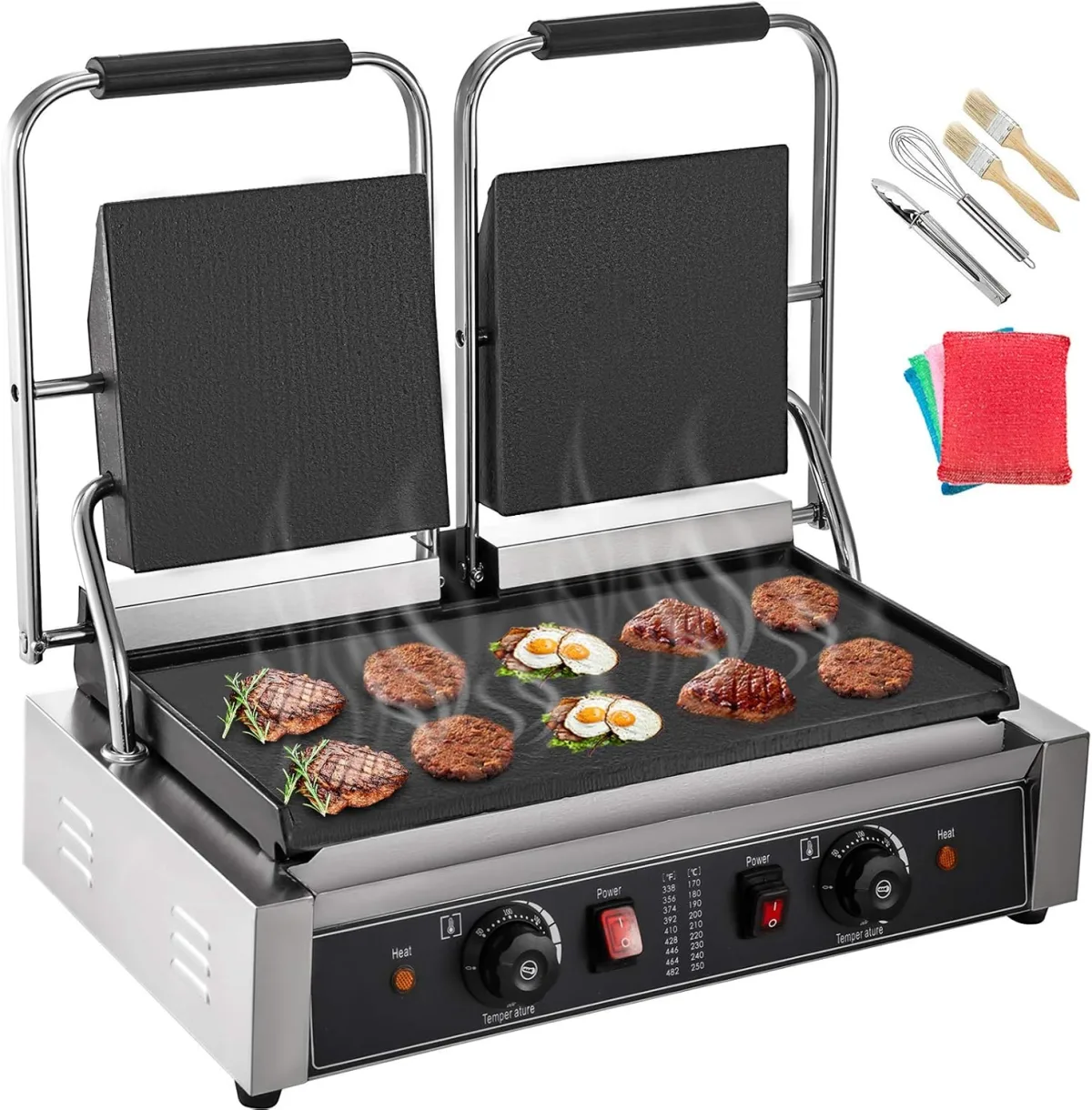
Why Your Panini Press Deserves More Love (And How to Give It)
Let me tell you something that might sound crazy: I once cried over a broken panini press. Not because I’m some kind of culinary drama queen (okay, maybe a little), but because that thing had been my lunch-saving sidekick for three years straight. It was there for me during deadline crunches, lazy Sundays, and those nights when I just needed something warm and crispy to remind me that life wasn’t all spreadsheets and cat litter. So when it finally gave up the ghost, smoke curling from the edges like a bad horror movie, I felt like I’d lost a friend. And that’s when it hit me: I’d taken that press for granted. I’d wiped it down occasionally, sure, but I’d never really maintained it. Not the way it deserved.
If you’re reading this, chances are you’ve got a panini press in your life, maybe in your home kitchen, maybe in a bustling café, or maybe tucked away in the back of a food truck where it’s working harder than a line cook on a Saturday night. And if you’re anything like me, you’ve probably wondered: How do I keep this thing from dying on me? Is it even possible to prolong its lifespan without turning into some kind of equipment-obsessed maniac? (Spoiler: It is, and you don’t have to lose your soul in the process.)
Here’s the thing about panini presses: they’re not just slabs of metal with heating elements. They’re workhorses. They turn soggy sandwiches into golden, melty masterpieces. They rescue sad leftovers from the fridge and make them feel loved again. And if you treat them right, they’ll return the favor. But here’s the catch, most of us don’t. We plug them in, crank up the heat, and assume they’ll just… keep going. Forever. Until they don’t. And then we’re left staring at a $300 piece of equipment that’s now as useful as a paperweight, wondering where we went wrong.
So today, I’m sharing everything I’ve learned, through trial, error, and a few expensive mistakes, about panini press maintenance. We’re going to talk about the stuff no one tells you, like why your press smells like burning plastic (hint: it’s not supposed to) and how to clean it without accidentally electrocuting yourself. We’ll cover the basics, the not-so-basics, and the “wait, I have to do that?” moments. By the end, you’ll know how to keep your press running smoothly for years, whether it’s a humble home model or a commercial beast that’s seen more action than a short-order cook at a diner. Sound good? Let’s dive in.
The Unsexy Truth About Panini Press Longevity
Why Maintenance Feels Like a Chore (And Why It’s Not)
Let’s be real: maintenance isn’t fun. It’s not glamorous. It’s not the part of cooking that gets you Instagram likes or makes your friends say, “Wow, you’re so talented.” It’s the equivalent of flossing, you know you should do it, but it’s easy to put off until something goes wrong. And by then, it’s usually too late.
But here’s the thing I’ve learned the hard way: maintenance isn’t just about preventing breakdowns. It’s about consistency. A well-maintained panini press doesn’t just last longer, it performs better. Every. Single. Time. No more uneven heating. No more sticking. No more mysterious smells that make you wonder if you’re accidentally cooking your sandwich in toxic fumes. When you take care of your press, it takes care of you. And isn’t that what we all want from our kitchen equipment? A little mutual respect?
I get it, though. When you’re in the middle of a dinner rush or just trying to get a quick lunch together, the last thing you want to do is stop and scrub down your press. But here’s the kicker: maintenance doesn’t have to be time-consuming. In fact, most of the tips I’m about to share take less than five minutes. It’s about building habits, not adding chores. Think of it like brushing your teeth, you don’t spend an hour on it, but you do it regularly because you know the alternative is a lot worse.
So before we get into the nitty-gritty, let’s reframe this. Maintenance isn’t a chore. It’s an investment. An investment in your food, your sanity, and your wallet. Because let’s face it: replacing a panini press isn’t cheap. And if you’re running a business, downtime isn’t just annoying, it’s expensive. So if you can spend a few minutes now to save hours (and dollars) later, why wouldn’t you?
The Three Enemies of Your Panini Press (And How to Fight Them)
Every panini press, no matter how fancy or basic, has three arch-nemeses: grease, crumbs, and neglect. These three things will destroy your press faster than you can say “why is my sandwich sticking?” Let’s break them down.
1. Grease: This is the silent killer. It sneaks in during every use, coating the plates, seeping into the crevices, and slowly turning your press into a sticky, smelly mess. Over time, built-up grease can cause uneven heating, smoke, and even electrical issues. And if you’ve ever tried to clean a press that’s been neglected for months, you know it’s not pretty. We’re talking scrubbing, scraping, and possibly questioning all your life choices.
2. Crumbs: These little guys are the cockroaches of the panini press world. No matter how careful you are, they always find a way in. And once they’re in, they burn. Then they smoke. Then they make your press smell like a campfire that’s been doused in old cheese. Crumbs also attract pests, which is a whole other nightmare we don’t need to get into.
3. Neglect: This is the big one. Neglect is what happens when you assume your press will just keep going forever. It’s when you wipe it down “most of the time” but not always. It’s when you ignore that weird noise because, hey, it’s still working, right? Neglect is the reason presses die young. And it’s the easiest enemy to fight, if you’re willing to put in the effort.
So how do you fight these enemies? It’s not rocket science, but it does require consistency. You’ve got to clean your press after every use (yes, even when you’re tired). You’ve got to check for wear and tear regularly. And you’ve got to be proactive, not reactive. Because once grease hardens or crumbs burn into the plates, cleaning becomes a Herculean task. Trust me, I’ve been there. And it’s not fun.
The Daily Grind: How to Clean Your Panini Press Without Losing Your Will to Live
Step 1: The Post-Use Wipe-Down (Your New Best Friend)
I’ll admit it: I used to be the kind of person who’d use a panini press, unplug it, and walk away. “I’ll clean it later,” I’d tell myself. Spoiler: “later” never came. And then I’d end up with a press that looked like it had been through a war zone, with dried cheese clinging to the plates like barnacles on a ship. Not a good look.
Here’s the golden rule of panini press maintenance: clean it while it’s still warm. Not hot, not cold, warm. Why? Because warm grease and food debris are easier to wipe away. If you wait until the press cools completely, that stuff hardens into a cement-like substance that requires elbow grease, harsh chemicals, and possibly a chisel to remove. And nobody has time for that.
So after you’ve made your sandwich (or grilled cheese, or quesadilla, or whatever deliciousness you’ve created), unplug the press and let it cool for about 5-10 minutes. Then grab a damp cloth or sponge, no soap needed at this stage, and wipe down the plates. Get into all the nooks and crannies, especially around the edges where crumbs love to hide. If there’s stuck-on food, use a plastic spatula or a non-abrasive scrubber to gently scrape it off. Never use metal utensils-they can scratch the non-stick coating, and once that’s damaged, your press is basically doomed.
Pro tip: Keep a small bowl of warm, soapy water nearby for quick cleanups. Dip your cloth or sponge in it, wring it out well (you don’t want water dripping into the press’s electrical components), and wipe down the plates. Then follow up with a dry cloth to remove any excess moisture. This should take all of two minutes. Two minutes that will save you hours of scrubbing later.
Step 2: The Deep Clean (Or, How to Avoid the “What Is That Smell?” Moment)
Even if you’re diligent about the post-use wipe-down, your panini press will still need a deep clean every now and then. How often? It depends on how much you use it. If you’re a home cook making a sandwich once a week, a deep clean every month or two should do the trick. If you’re running a café where the press is in near-constant use, you’ll want to do this at least once a week. Maybe more if you’re grilling particularly greasy or cheesy items.
Here’s how to do it right:
- Unplug and cool: Always, always unplug the press before cleaning. And let it cool completely. This isn’t just about safety, it’s about effectiveness. Cleaning a hot press is like trying to wash a car while it’s still moving. It’s messy, dangerous, and not very effective.
- Remove the plates (if possible): Some panini presses have removable plates, which makes deep cleaning a breeze. If yours does, take them out and wash them separately in warm, soapy water. Use a soft sponge or cloth, nothing abrasive. If the plates are non-stick, avoid using steel wool or harsh scrubbers. They’ll ruin the coating, and then you’ll be back to square one with the sticking and burning.
- Scrub the interior: If your plates aren’t removable, you’ll need to clean them in place. Use a damp cloth or sponge with a mild dish soap. For stuck-on food, try a paste of baking soda and water. Apply it to the problem areas, let it sit for a few minutes, then gently scrub. Baking soda is abrasive enough to lift grime but gentle enough not to damage the plates. Just don’t let it sit too long, it can dry out and become harder to remove.
- Clean the exterior: Don’t forget the outside of the press! Grease and food splatters can build up here too, and they’re just as gross as the stuff on the plates. Use a damp cloth with a little dish soap to wipe down the exterior. For stubborn grime, a bit of vinegar or a degreaser can help. Just make sure to rinse well and dry thoroughly afterward.
- Dry everything: This is crucial. Moisture is the enemy of electrical appliances. After cleaning, use a dry cloth to wipe down every part of the press, plates, exterior, even the little crevices where crumbs love to hide. Then let it air-dry for at least 15 minutes before plugging it back in. This prevents rust, mold, and electrical issues. And yes, I’ve learned this the hard way.
Is this the most exciting part of owning a panini press? No. But is it necessary? Absolutely. Think of it like changing the oil in your car. It’s not fun, but it keeps everything running smoothly. And the alternative is a lot worse.
The Weekly (Or Monthly) Check-Up: What to Look for Before It’s Too Late
Why Preventative Maintenance Beats Emergency Repairs
I’ll never forget the day my old panini press started smoking. It was a Tuesday, because of course it was a Tuesday, the most unremarkable day of the week. I was making a simple grilled cheese, minding my own business, when suddenly, the kitchen filled with the acrid smell of burning plastic. My first thought was, “Did I leave something on the stove?” My second thought was, “Oh no. It’s the press.”
Turns out, I’d ignored a few warning signs. The press had been making a weird clicking noise for weeks. The heat distribution wasn’t as even as it used to be. And there was a faint, but unmistakable, smell of something burning every time I used it. But I’d brushed it off. “It’s fine,” I told myself. “It’s still working.” Famous last words.
Here’s the thing about panini presses (and most kitchen equipment, for that matter): they don’t just die suddenly. They give you warning signs. Little hints that something’s not right. And if you ignore those hints, you’ll end up with a press that’s either broken or, worse, a fire hazard. So let’s talk about what to look for during your weekly (or monthly) check-up. Because catching problems early is the difference between a quick fix and a costly replacement.
The 5 Warning Signs Your Panini Press Is Begging for Help
1. Uneven heating: If your sandwiches are coming out with one side perfectly golden and the other side still cold, that’s a red flag. Uneven heating can be caused by a few things, built-up grease, a faulty heating element, or even a misaligned plate. If it’s just grease, a good cleaning might fix it. If it’s something more serious, you’ll want to address it before it gets worse.
2. Strange noises: Panini presses aren’t silent, but they shouldn’t sound like a dying robot. If you hear clicking, buzzing, or grinding noises, something’s up. It could be a loose part, a buildup of crumbs, or an electrical issue. Don’t ignore it, unplug the press and investigate.
3. Smoke or burning smells: This one’s a no-brainer. If your press is smoking or smells like it’s burning, unplug it immediately. Smoke or burning smells can indicate a serious electrical issue, and you don’t want to mess around with that. Once it’s cooled, inspect it for damage. If you can’t figure out the problem, it’s time to call a professional.
4. Sticking or burning food: A little sticking is normal, especially if you’re grilling something particularly cheesy or greasy. But if your press is suddenly sticking to everything, it could mean the non-stick coating is wearing out. This is a sign that it’s time to be extra gentle with your press and maybe start thinking about a replacement.
5. Slow heating or inconsistent temperatures: If your press is taking longer than usual to heat up, or if the temperature seems to fluctuate, there could be an issue with the thermostat or heating element. This is another one that’s best addressed sooner rather than later.
If you notice any of these warning signs, don’t panic. But don’t ignore them either. Take the time to investigate. Clean the press thoroughly. Check for loose parts or damage. And if you’re not sure what’s wrong, consult the manual or call a professional. It’s better to be safe than sorry.
The Non-Stick Dilemma: How to Protect Your Plates Without Ruining Them
Why Non-Stick Coatings Are Both a Blessing and a Curse
Non-stick coatings are one of those things that seem like a miracle, until they’re not. On one hand, they make cooking and cleaning a breeze. No more scrubbing stuck-on cheese off the plates. No more sacrificing half your sandwich to the press. Just smooth, easy grilling every time. But on the other hand, non-stick coatings are delicate. One wrong move, and you’ve got a press that sticks worse than a toddler’s hands after eating a lollipop.
Here’s the thing: on-stick coatings aren’t invincible. They’re made of materials like PTFE (polytetrafluoroethylene, if you want to get technical), which is great for repelling food but not so great at standing up to abuse. Scrub them with steel wool, and you’ll scratch the coating. Use metal utensils, and you’ll gouge it. Even cooking sprays can cause problems over time, leaving a sticky residue that’s hard to remove. And once the coating is damaged, your press is basically useless. Food will stick, burn, and generally make your life miserable.
So how do you protect your non-stick plates without turning into a neurotic mess? It’s all about being gentle and using the right tools. Here’s what you need to know.
Dos and Don’ts for Non-Stick Plates
Do:
- Use plastic or silicone utensils: Metal utensils are the enemy of non-stick coatings. They scratch, gouge, and generally wreak havoc. Stick to plastic or silicone spatulas and tongs. They’re gentler on the plates and just as effective.
- Clean with soft sponges or cloths: Abrasive scrubbers might seem like a good idea when you’re dealing with stuck-on food, but they’ll ruin your non-stick coating. Instead, use a soft sponge or cloth with a little dish soap. For tougher stains, try a paste of baking soda and water, it’s gentle but effective.
- Season your plates occasionally: Just like a cast-iron skillet, non-stick plates can benefit from a little seasoning. After cleaning, rub a tiny bit of cooking oil onto the plates with a paper towel. This helps maintain the non-stick surface and keeps it in good condition. Just don’t overdo it, too much oil can make the plates sticky.
- Store your press properly: If you’re not using your press for a while, make sure it’s clean and dry before storing it. If possible, store it with the plates slightly open to prevent moisture buildup. And if you’re stacking other items on top of it, be gentle. Non-stick coatings can scratch easily, even when they’re not in use.
Don’t:
- Use cooking sprays: I know, I know, cooking sprays are convenient. But they leave a residue that builds up over time, making your non-stick plates… well, sticky. If you need to grease your press, use a tiny bit of oil on a paper towel instead.
- Use harsh chemicals: Bleach, oven cleaner, and other harsh chemicals can damage non-stick coatings. Stick to mild dish soap and baking soda for cleaning. If you need something stronger, check the manufacturer’s recommendations first.
- Overheat the press: Non-stick coatings can start to break down at high temperatures. Most panini presses have a maximum temperature setting, don’t exceed it. And if you’re grilling something that requires high heat, consider using a different appliance.
- Scrub too hard: If food is stuck to the plates, don’t go at it like you’re trying to remove graffiti from a subway car. Be gentle. Let the press cool slightly, then use a plastic spatula or a soft sponge to loosen the food. If it’s really stuck, try soaking the plates in warm, soapy water for a few minutes before cleaning.
Is this a lot to remember? Maybe. But trust me, it’s worth it. A little care goes a long way when it comes to non-stick coatings. Treat your plates right, and they’ll treat you right, with perfectly grilled sandwiches every time.
The Grease Trap: How to Deal With the Inevitable Buildup
Why Grease Is the Silent Killer of Panini Presses
Let’s talk about grease. Not the fun, musical kind, the kind that coats your panini press, seeps into every crevice, and slowly turns your once-pristine appliance into a sticky, smelly mess. Grease is the silent killer of panini presses. It’s always there, lurking, waiting for you to let your guard down. And once it’s built up, it’s a nightmare to remove.
Here’s the thing about grease: it doesn’t just make your press gross. It also affects performance. Built-up grease can cause uneven heating, smoke, and even electrical issues. It can make your press smell like a fast-food kitchen, even if you’re just grilling a simple sandwich. And if you’re not careful, it can become a fire hazard. So yeah, grease is a big deal. And if you’re not actively fighting it, it’s winning.
But here’s the good news: grease is manageable. You just have to be proactive. You’ve got to clean your press regularly, use the right tools, and know how to tackle buildup when it happens. And trust me, it will happen. No matter how careful you are, grease will find a way in. The key is to not let it get out of control.
How to Remove Grease Buildup Without Losing Your Sanity
So you’ve let things go a little. Maybe you’ve been busy. Maybe you’ve been lazy. Maybe you just didn’t realize how bad it was until you opened your press and saw a thick, yellowish layer of grease coating the plates. Don’t panic. It’s not the end of the world. But it is time to roll up your sleeves and get to work.
Here’s how to tackle grease buildup, step by step:
- Unplug and cool: Always start by unplugging the press and letting it cool completely. You don’t want to be dealing with hot grease, it’s messy, dangerous, and just plain gross.
- Scrape off excess grease: Use a plastic spatula or a non-abrasive scrubber to scrape off as much grease as you can. Don’t use metal, it’ll scratch the plates. And don’t worry about getting it all. The goal here is just to remove the bulk of it.
- Apply a degreaser: You’ve got a few options here. You can use a commercial degreaser (just make sure it’s safe for non-stick surfaces), or you can make your own. A mixture of baking soda and water works well, as does a solution of vinegar and water. Apply the degreaser to the greasy areas and let it sit for 10-15 minutes. This gives it time to break down the grease so it’s easier to remove.
- Scrub gently: After the degreaser has had time to work, use a soft sponge or cloth to scrub the plates. Be gentle, you don’t want to damage the non-stick coating. If the grease is particularly stubborn, you can use a soft-bristled brush or a non-abrasive scrubber. Just don’t go at it like you’re trying to remove rust from a car.
- Wipe clean: Once you’ve removed the grease, wipe down the plates with a damp cloth to remove any residue. Then follow up with a dry cloth to make sure everything’s completely dry. Moisture is the enemy of electrical appliances, so don’t skip this step.
- Clean the exterior: Don’t forget the outside of the press! Grease can build up here too, especially around the edges and the handle. Use a degreaser or a mixture of vinegar and water to clean the exterior, then wipe it down with a damp cloth and dry it thoroughly.
- Inspect for damage: While you’re cleaning, take a moment to inspect the press for any signs of damage. Look for scratches, cracks, or areas where the non-stick coating might be wearing thin. If you find any, it’s a sign that you need to be extra gentle with your press going forward.
Is this a fun process? No. But is it necessary? Absolutely. And the more often you do it, the easier it gets. Think of it like going to the gym, it’s not always enjoyable, but you’ll feel better afterward. And your press will thank you.
The Crumb Conundrum: How to Keep Your Press Crumb-Free (Or At Least Crumb-Lite)
Why Crumbs Are More Than Just a Nuisance
Crumbs. They’re the bane of every panini press owner’s existence. No matter how careful you are, they always find a way in. You make one sandwich, and suddenly, your press looks like it’s been through a breadcrumb apocalypse. And it’s not just about the mess, crumbs are a bigger problem than you might think.
Here’s why crumbs are such a big deal:
- They burn: Crumbs that fall into the crevices of your press don’t just sit there. They burn. And when they burn, they smoke. And when they smoke, your kitchen smells like a campfire that’s been doused in old cheese. Not exactly the ambiance you’re going for.
- They attract pests: Crumbs are like a dinner bell for pests. Ants, roaches, mice, you name it, they’ll come running. And once they’re in your press, they’re in your kitchen. And that’s a problem no one wants to deal with.
- They cause uneven heating: Crumbs that build up on the plates or in the crevices can interfere with the press’s ability to heat evenly. This means your sandwiches might come out with one side perfectly golden and the other side still cold. And nobody wants a half-cooked panini.
- They’re hard to remove: Crumbs love to hide. They get into every nook and cranny, and once they’re in, they’re a pain to get out. If you don’t clean them regularly, they’ll build up over time, making your press harder to clean and more prone to problems.
So how do you keep crumbs under control? It’s not about being perfect, it’s about being consistent. Here’s what you need to know.
How to Minimize Crumbs and Keep Them From Taking Over
1. Use a crumb tray: If your panini press has a removable crumb tray, use it. It’s there for a reason. After every use, empty the tray and wipe it down with a damp cloth. This will catch most of the crumbs before they have a chance to burn or build up in the press.
2. Shake out the press: After you’ve made your sandwich, give the press a gentle shake to dislodge any loose crumbs. You can do this over the sink or a trash can to make cleanup easier. Just be careful not to shake it too hard, you don’t want to damage the plates or the heating elements.
3. Brush it out: For crumbs that are stuck in the crevices, use a soft-bristled brush or a pastry brush to gently sweep them out. You can also use a can of compressed air to blow them out, but be careful not to damage the press’s electrical components.
4. Wipe it down: After shaking and brushing out the crumbs, wipe down the plates and the interior of the press with a damp cloth. This will catch any remaining crumbs and prevent them from burning the next time you use the press.
5. Clean the exterior: Don’t forget the outside of the press! Crumbs can build up here too, especially around the edges and the handle. Use a damp cloth to wipe down the exterior, then dry it thoroughly.
6. Store it properly: If you’re not using your press for a while, make sure it’s clean and dry before storing it. If possible, store it with the plates slightly open to prevent moisture buildup. And if you’re stacking other items on top of it, be gentle. Crumbs can scratch the plates, even when they’re not in use.
Is this a foolproof system? No. Crumbs are sneaky, and they’ll always find a way in. But if you’re consistent with these steps, you can keep them under control. And that means fewer burnt crumbs, fewer pests, and fewer headaches down the road.
The Temperature Tango: How to Avoid Overheating Your Press
Why Temperature Control Is More Important Than You Think
Let’s talk about temperature. Specifically, let’s talk about why cranking your panini press up to the max isn’t always the best idea. I get it, when you’re hungry, you want your sandwich ow. And when you’re in the middle of a dinner rush, you want everything to cook as quickly as possible. So it’s tempting to turn the heat up to 11 and let it rip. But here’s the thing: overheating your press is a one-way ticket to equipment failure.
Why? Because panini presses aren’t designed to run at maximum temperature all the time. The heating elements, the non-stick coating, even the plastic parts, everything has a limit. And when you push those limits, things start to break down. The non-stick coating can degrade. The heating elements can burn out. The plastic can warp or melt. And before you know it, you’ve got a press that’s either broken or a fire hazard. Neither of which is ideal.
But it’s not just about the press. Overheating can also affect your food. Too much heat can burn the outside of your sandwich while leaving the inside cold. It can turn cheese into a rubbery mess and bread into a charred brick. And nobody wants to eat that. So temperature control isn’t just about prolonging the life of your press, it’s about making sure your food turns out the way it’s supposed to.
How to Find the Sweet Spot for Your Press
So how do you find the right temperature for your panini press? It’s not an exact science, but here are a few guidelines to follow:
- Start low and go slow: If you’re not sure what temperature to use, start on the lower end and work your way up. You can always cook something longer, but you can’t un-burn it. Most panini presses have a temperature range of 300°F to 450°F. For most sandwiches, 350°F to 400°F is a good starting point.
- Adjust for different foods: Not all foods cook the same. A grilled cheese might need a lower temperature to melt the cheese without burning the bread. A panini with thick, crusty bread might need a higher temperature to get a good sear. Experiment to find what works best for what you’re cooking.
- Preheat properly: Always preheat your press before using it. This ensures that the plates are evenly heated and ready to go. Most presses take about 5-10 minutes to preheat, depending on the temperature. Don’t rush it, if you put food on a cold press, it’ll stick and cook unevenly.
- Don’t leave it on: If you’re not using your press, turn it off. Leaving it on for long periods, especially at high temperatures, can cause overheating and damage. Plus, it’s a waste of energy. If you’re in the middle of cooking and need to step away, turn the heat down or unplug it.
- Watch for warning signs: If your press starts smoking, smelling like it’s burning, or making strange noises, it’s a sign that something’s wrong. Unplug it immediately and let it cool. Then inspect it for damage. If you can’t figure out the problem, consult the manual or call a professional.
Is this a lot to keep in mind? Maybe. But trust me, it’s worth it. Finding the right temperature for your press isn’t just about prolonging its life, it’s about making sure your food turns out the way it’s supposed to. And isn’t that the whole point?
The Storage Struggle: How to Keep Your Press Safe When It’s Not in Use
Why Storage Matters More Than You Think
Let’s talk about storage. Specifically, let’s talk about why throwing your panini press in a cabinet and forgetting about it until the next time you’re hungry is a terrible idea. I’ll admit it, I used to be guilty of this. I’d use my press, wipe it down (maybe), and then shove it into the cabinet with all my other kitchen gadgets. And then I’d wonder why it was always covered in dust, or why the plates were scratched, or why it smelled like old grease the next time I used it.
Here’s the thing: how you store your panini press matters. A lot. Proper storage can prevent damage, keep your press clean, and even prolong its lifespan. Improper storage, on the other hand, can lead to scratches, warping, moisture buildup, and a whole host of other problems. And once those problems start, they’re hard to reverse.
So how do you store your press properly? It’s not rocket science, but it does require a little thought. Here’s what you need to know.
How to Store Your Panini Press Like a Pro
1. Clean it first: This should go without saying, but I’ll say it anyway: never store your panini press without cleaning it first. Even if you’re in a hurry, take the time to wipe down the plates and the exterior. Storing a dirty press is a recipe for disaster, grease and food debris will harden, crumbs will attract pests, and your press will be a mess the next time you use it.
2. Let it cool completely: Before you store your press, make sure it’s completely cool. Storing a hot press can cause warping, melting, and other damage. Plus, it’s a fire hazard. So be patient, let it cool down before you put it away.
3. Store it with the plates slightly open: If possible, store your press with the plates slightly open. This prevents moisture buildup, which can lead to rust, mold, and electrical issues. It also makes it easier to clean the next time you use it. If your press doesn’t stay open on its own, you can prop it open with a wooden spoon or a small piece of cardboard.
4. Use the original packaging: If you still have the original box and packaging for your press, use it. The box is designed to protect the press during shipping, which means it’s also great for storage. If you don’t have the original packaging, wrap the press in a soft cloth or a towel to protect it from scratches and dust.
5. Store it in a dry place: Moisture is the enemy of electrical appliances. Store your press in a dry place, away from sinks, dishwashers, and other sources of water. If you live in a humid climate, consider using a dehumidifier in your storage area to prevent moisture buildup.
6. Don’t stack heavy items on top of it: Panini presses are sturdy, but they’re not indestructible. Don’t stack heavy pots, pans, or other kitchen gadgets on top of your press. This can cause warping, scratching, and other damage. If you’re short on space, store the press on a shelf by itself or in a cabinet where it won’t get crushed.
7. Check on it occasionally: Even if you’re not using your press, check on it every now and then. Make sure it’s clean, dry, and free of pests. If you notice any issues, address them before they become bigger problems.
Is this a lot to keep in mind? Maybe. But trust me, it’s worth it. Proper storage can prevent damage, keep your press clean, and prolong its lifespan. And that means fewer headaches down the road.
The Long Game: How to Extend the Lifespan of Your Panini Press for Years
Why Longevity Is About More Than Just Maintenance
Let’s be honest: no matter how well you maintain your panini press, it’s not going to last forever. Everything breaks down eventually. But that doesn’t mean you can’t extend its lifespan, sometimes by years. The key is to think long-term. It’s not just about cleaning and storing your press properly (though those things are important). It’s about understanding how your press works, what it needs, and how to give it the best possible care.
Here’s the thing: longevity is about more than just maintenance. It’s about how you use your press, how you treat it, and how you respond when things go wrong. It’s about being proactive, not reactive. It’s about catching problems early and addressing them before they become bigger issues. And it’s about knowing when to call in the professionals.
So how do you extend the lifespan of your panini press? It’s not about one big thing, it’s about a lot of little things. Here’s what you need to know.
How to Make Your Panini Press Last (Almost) Forever
1. Follow the manufacturer’s instructions: This might seem obvious, but it’s worth saying: always follow the manufacturer’s instructions for your panini press. They know their product better than anyone, and they’ve included guidelines for a reason. If you’re not sure how to clean it, how to use it, or how to store it, check the manual. It’s your best friend when it comes to prolonging the life of your press.
2. Clean it regularly: I’ve said it before, and I’ll say it again: clean your press after every use. Wipe it down, remove crumbs, and check for grease buildup. The more often you clean it, the easier it is to keep it in good condition. And the easier it is to keep it in good condition, the longer it will last.
3. Inspect it often: Don’t wait until something goes wrong to inspect your press. Check it regularly for signs of wear and tear. Look for scratches, cracks, or areas where the non-stick coating might be wearing thin. If you find any issues, address them before they become bigger problems.
4. Use it properly: Don’t use your panini press for things it’s not designed for. Don’t crank the heat up to the max every time. Don’t leave it on for hours. And don’t use metal utensils or abrasive scrubbers. Treat your press with care, and it will treat you with years of reliable service.
5. Store it properly: We’ve already talked about storage, but it’s worth repeating: store your press in a clean, dry place. Keep it away from moisture, heat, and heavy items. And if possible, store it with the plates slightly open to prevent moisture buildup.
6. Address problems early: If you notice something wrong with your press, a strange noise, uneven heating, smoke, don’t ignore it. Address it early, before it becomes a bigger problem. Consult the manual, do some research, or call a professional. The sooner you address the issue, the easier it will be to fix.
7. Know when to call a professional: Some problems are beyond the scope of DIY maintenance. If your press is smoking, sparking, or not heating up at all, it’s time to call a professional. Don’t try to fix it yourself, you could make the problem worse or even injure yourself. A professional can diagnose the issue and recommend the best course of action.
8. Invest in quality: If you’re in the market for a new panini press, invest in a quality model. Cheap presses might save you money upfront, but they’re more likely to break down and need replacing. A good press, on the other hand, will last for years with proper care. It’s an investment, but it’s one that will pay off in the long run.
Is this a lot to keep in mind? Maybe. But trust me, it’s worth it. Extending the lifespan of your panini press isn’t about one big thing, it’s about a lot of little things. It’s about being consistent, being proactive, and treating your press with the care it deserves. Do that, and your press will reward you with years of delicious sandwiches.
Final Thoughts: Why Your Panini Press Is Worth the Effort
Let’s be real: maintaining a panini press isn’t the most exciting part of cooking. It’s not the part that gets you compliments or makes your friends say, “Wow, you’re so talented.” It’s the behind-the-scenes work. The unglamorous, often overlooked stuff that keeps everything running smoothly. But here’s the thing: it’s worth it.
Think about it. Your panini press is more than just a kitchen gadget. It’s a tool that turns simple ingredients into something delicious. It’s a way to rescue leftovers from the fridge and make them feel loved again. It’s a quick, easy way to feed yourself (or your customers) when you’re short on time. And if you treat it right, it will be there for you, day after day, year after year. That’s not nothing.
So yes, maintenance takes effort. It takes time. It takes consistency. But it also takes less time than replacing a broken press. It takes less effort than scrubbing off years of built-up grease. And it’s a whole lot cheaper than buying a new press every time something goes wrong. So do yourself a favor: take care of your panini press. Clean it regularly. Inspect it often. Store it properly. And when something goes wrong, address it early. Your press will thank you. And so will your sandwiches.
Now, if you’ll excuse me, I’m going to go give my current panini press a little extra love. Because after writing this, I realize I’ve been taking it for granted. And that’s not fair to either of us.
FAQ: Your Panini Press Maintenance Questions, Answered
Q: How often should I deep clean my panini press?
A: It depends on how often you use it. If you’re a home cook making a sandwich once a week, a deep clean every month or two should be fine. If you’re running a café where the press is in near-constant use, aim for at least once a week. And if you’re grilling particularly greasy or cheesy items, you might need to clean it more often. The key is to be proactive, don’t wait until the press is a mess to clean it.
Q: Can I use cooking spray on my panini press?
A: It’s best to avoid cooking sprays. They leave a residue that builds up over time, making your non-stick plates sticky. If you need to grease your press, use a tiny bit of oil on a paper towel instead. It’s a little more effort, but it’s worth it in the long run.
Q: My panini press is smoking. What should I do?
A: Unplug it immediately and let it cool. Smoking can indicate a serious electrical issue, and you don’t want to mess around with that. Once it’s cooled, inspect it for damage. If you can’t figure out the problem, consult the manual or call a professional. Don’t use the press again until you’ve addressed the issue.
Q: How do I know when it’s time to replace my panini press?
A: There are a few signs that it might be time for a new press. If the non-stick coating is peeling or scratched, if the press is no longer heating evenly, or if it’s making strange noises or smoking, it might be time to start shopping for a replacement. Also, if you’ve had your press for several years and it’s starting to show its age, it might be more cost-effective to replace it than to keep repairing it. But if you’ve been maintaining it properly, it should last for years before you need to think about replacing it.
@article{panini-press-maintenance-tips-how-to-prolong-the-lifespan-of-your-equipment-without-losing-your-mind,
    title   = {Panini Press Maintenance Tips: How to Prolong the Lifespan of Your Equipment Without Losing Your Mind},
    author  = {Chef's icon},
    year    = {2026},
    journal = {Chef's Icon},
    url     = {https://chefsicon.com/panini-press-maintenance-tips-prolong-lifespan-equipment/}
}