The Best Fluffy Pancakes recipe you will fall in love with. Full of tips and tricks to help you make the best pancakes.
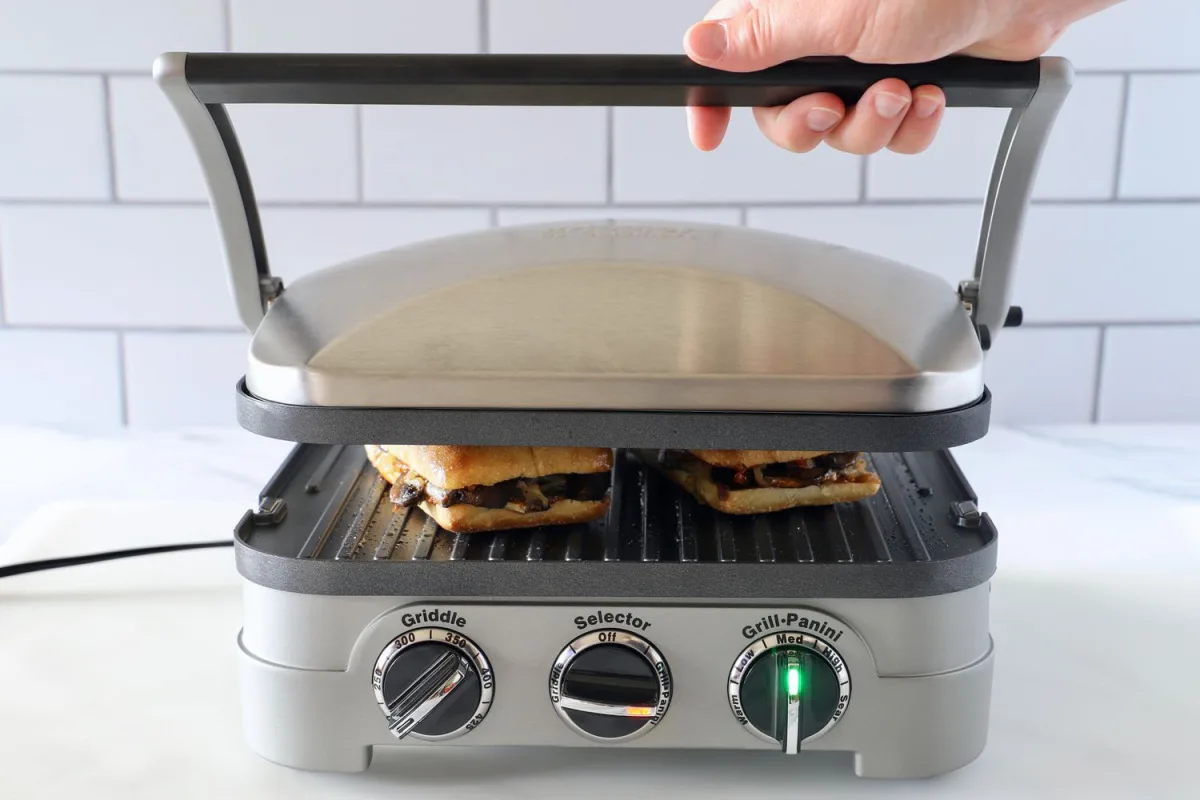
Let me set the scene: It’s a Tuesday morning, the café is packed, and your panini press, your trusty, grease-splattered workhorse, suddenly decides to rebel. The plates aren’t heating evenly, the non-stick coating is flaking like old paint, and the hinge creaks like a haunted house door. You’re standing there, spatula in hand, wondering if this is the universe’s way of telling you to switch to cold sandwiches. Sound familiar?
I’ve been there. More times than I’d like to admit, actually. When I first moved to Nashville and started working with local cafés and food trucks, I thought I knew my way around a kitchen. But panini presses? They humbled me. Fast. These machines aren’t just appliances; they’re the backbone of your sandwich game, and if you don’t treat them right, they’ll let you know, usually at the worst possible moment. Over the years, I’ve learned (often the hard way) that panini press maintenance isn’t just about wiping down the plates after use. It’s about understanding the machine’s quirks, respecting its limits, and giving it the TLC it deserves so it doesn’t quit on you mid-rush.
In this guide, I’m going to walk you through everything I’ve picked up about keeping your panini press in top shape. We’ll cover the basics, like cleaning and seasoning, but also dive into the nitty-gritty stuff, like how to troubleshoot uneven heating, when to replace parts, and why your press might be making that weird clicking noise (spoiler: it’s probably not ghosts). By the end, you’ll have a panini press maintenance routine that’s so solid, your machine will outlast your caffeine addiction. And who knows? Maybe you’ll even start to like the process. Or at least tolerate it less.
So, grab a coffee (or a beer, if it’s one of those days), and let’s get into it. Because the last thing you want is for your panini press to become the diva of your kitchen.
The Unsexy Truth About Panini Press Maintenance
Let’s be real: panini press maintenance isn’t the most glamorous part of running a kitchen. It’s not like crafting the perfect ciabatta or nailing the ratio of pesto to mozzarella. No, it’s more like flossing, you know you should do it, but it’s easy to skip when you’re tired or busy. And just like skipping flossing, skipping maintenance on your panini press will come back to bite you. Hard.
I remember the first time I ignored the warning signs. It was at a pop-up I was running in East Nashville, and the press I was using had seen better days. The non-stick coating was patchy, the plates weren’t heating evenly, and I was too stubborn (or lazy) to do anything about it. Then, one busy Saturday, the press just… gave up. The heating element died mid-service, and I was left scrambling to salvage sandwiches in a toaster oven. It was a disaster. And it was entirely preventable.
Here’s the thing: panini presses are built to last, but they’re not invincible. They’re like cars, if you ignore the oil changes and tire rotations, eventually, something’s going to break. And when it does, it’s going to cost you. Not just in repairs, but in downtime, wasted ingredients, and the sheer frustration of watching your lunch service grind to a halt. So, let’s talk about why maintenance matters and what happens when you don’t keep up with it.
Why Bother with Maintenance?
I get it. You’ve got a million things to do, and cleaning a panini press probably ranks somewhere between “organize the walk-in” and “alphabetize the spice rack” on your priority list. But here’s the deal: a well-maintained panini press is a happy panini press, and a happy panini press means:
- Consistent results. No more guessing if the sandwich is going to be perfectly crispy or tragically soggy. A clean, well-maintained press heats evenly and cooks predictably, so you can focus on the fun stuff, like experimenting with new fillings or perfecting your ciabatta recipe.
- Longer lifespan. Panini presses aren’t cheap. A commercial-grade model can set you back anywhere from $200 to $1,000, depending on the size and features. If you take care of it, it’ll take care of you for years. If you don’t? You’ll be shelling out for a replacement sooner than you’d like.
- Fewer repairs. Small issues, like a loose hinge or a buildup of grease, can turn into big problems if you ignore them. A little maintenance now can save you from a costly repair (or replacement) later.
- Better food safety. Let’s not sugarcoat it: a dirty panini press is a breeding ground for bacteria. Grease, food particles, and moisture can all create the perfect environment for mold and other nasties. Regular cleaning isn’t just about performance; it’s about keeping your customers (and your reputation) safe.
- Less stress. There’s nothing worse than a machine failing during a rush. When your press is in good shape, you can focus on serving customers, not troubleshooting equipment. And let’s be honest, less stress in the kitchen is always a win.
So, now that we’ve established why maintenance is worth your time, let’s talk about what happens when you don’t keep up with it. Spoiler: it’s not pretty.
The Consequences of Neglect
I’ve seen it all, presses that look like they’ve been through a war, plates so caked with grease they could double as modern art, and hinges so stiff they might as well be welded shut. And while it’s tempting to think, “Eh, it’ll be fine,” trust me: neglecting your panini press is a one-way ticket to Frustrationville. Here’s what you can expect if you let maintenance slide:
- Uneven heating. This is the most common issue I see. If your press isn’t heating evenly, you’ll end up with sandwiches that are burnt on one side and raw on the other. Not exactly the gourmet experience you’re going for. Uneven heating is usually caused by a buildup of grease or food particles on the plates, which acts as an insulator. It can also be a sign that the heating element is failing, especially if the problem persists after cleaning.
- Sticking and flaking. A non-stick surface is only as good as the care you give it. If you’re using metal utensils, scrubbing too hard, or not seasoning the plates properly, the coating will start to flake off. Not only does this make your sandwiches stick (and look unappetizing), but it can also be a health hazard if the flakes end up in your food.
- Slow heating. If your press is taking forever to heat up, it’s usually a sign that the heating element is struggling. This could be due to a buildup of grease or debris, or it could mean the element itself is wearing out. Either way, slow heating = slower service, and slower service = unhappy customers.
- Noisy operation. Panini presses aren’t exactly quiet, but they shouldn’t sound like a construction site. If your press is making weird noises, clicking, grinding, or squeaking, it’s a sign that something’s wrong. Usually, it’s the hinge or the pressure mechanism, but it could also be a loose part or a buildup of debris. Ignore it, and you might end up with a press that refuses to close (or open) altogether.
- Complete failure. This is the worst-case scenario, but it happens. If you ignore all the warning signs, eventually, your press will give up the ghost. Maybe the heating element will burn out, or the hinge will snap, or the non-stick coating will peel off entirely. Whatever the cause, a dead press means downtime, repairs (or replacement), and a whole lot of stress.
Look, I’m not trying to scare you. Okay, maybe a little. But the point is, panini press maintenance isn’t optional if you want your machine to last. The good news? It’s not as complicated as it seems. With a little know-how and a consistent routine, you can keep your press in top shape without losing your mind. Let’s start with the basics: cleaning.
The Foundation: How to Clean Your Panini Press Like a Pro
If there’s one thing I’ve learned about panini press maintenance, it’s that cleaning is the foundation of everything. A clean press is a happy press, and a happy press means delicious, evenly cooked sandwiches. But cleaning a panini press isn’t as simple as wiping it down with a damp cloth and calling it a day. There’s an art to it, one that involves the right tools, the right techniques, and a healthy dose of patience.
I’ll admit, I used to be terrible at this. When I first started working in kitchens, I’d clean the press the same way I cleaned everything else: with a sponge, some soap, and a whole lot of elbow grease. But panini presses are different. They’re delicate (well, as delicate as a hunk of metal can be), and if you’re not careful, you can do more harm than good. Over time, I’ve learned what works, and what doesn’t, when it comes to keeping your press clean without damaging it.
So, let’s break it down. Here’s everything you need to know about cleaning your panini press, from the tools you’ll need to the step-by-step process.
Gather Your Cleaning Arsenal
Before you start scrubbing, you’ll need to gather the right tools. Using the wrong materials can scratch the non-stick surface, damage the heating elements, or just make the job harder than it needs to be. Here’s what you’ll want to have on hand:
- Soft cloths or sponges. Avoid anything abrasive, like steel wool or rough scrubbers. You want something gentle that won’t scratch the non-stick coating. Microfiber cloths or soft sponges work best.
- Mild dish soap. Harsh chemicals can damage the non-stick surface and leave behind residues that affect the taste of your food. Stick to a mild, pH-neutral dish soap.
- Plastic or wooden utensils. If you need to scrape off stuck-on food, use a plastic or wooden spatula. Metal utensils will scratch the non-stick coating, so keep them far away from your press.
- Baking soda or a non-abrasive cleaner. For tougher stains or grease buildup, a paste made from baking soda and water can work wonders. Just be gentle when applying it.
- Paper towels or clean rags. You’ll need these for wiping down the plates and absorbing excess grease or moisture.
- Food-grade degreaser (optional). If your press is particularly greasy, a food-safe degreaser can help cut through the buildup. Just make sure it’s safe for non-stick surfaces and rinse it off thoroughly.
- White vinegar (optional). Vinegar is great for removing odors and disinfecting. Mix it with water (1:1 ratio) and use it to wipe down the plates after cleaning.
Now that you’ve got your tools ready, let’s talk about the cleaning process. There are two types of cleaning you’ll need to do: daily cleaning and deep cleaning. Daily cleaning is quick and easy, it’s what you’ll do after every use to keep your press in good shape. Deep cleaning is more thorough and should be done at least once a week (or more often if you use your press heavily).
Daily Cleaning: The Quick and Easy Routine
Daily cleaning is all about preventing buildup. It’s the equivalent of brushing your teeth, you do it every day to avoid bigger problems down the line. The good news? It only takes a few minutes, and it’s not complicated. Here’s how to do it:
- Unplug the press. Safety first! Always unplug your panini press before cleaning it. This might seem obvious, but you’d be surprised how many people forget this step. Don’t be one of them.
- Let it cool (but not too much). You want the press to be cool enough to handle safely, but not so cold that the grease and food particles harden. A few minutes of cooling time is usually enough. If you wait too long, the grease will solidify, and it’ll be harder to clean.
- Wipe down the plates. Using a soft cloth or sponge dampened with warm water and a small amount of dish soap, wipe down the plates to remove any food particles, grease, or residue. Be gentle, don’t scrub too hard, or you’ll risk damaging the non-stick coating. If there’s stuck-on food, use a plastic or wooden spatula to gently scrape it off.
- Clean the exterior. Don’t forget about the outside of the press! Wipe down the exterior with a damp cloth to remove any grease or grime. Pay special attention to the hinge and pressure mechanism, as these areas can collect a lot of debris.
- Dry thoroughly. Use a clean, dry cloth or paper towel to dry the plates and exterior. Moisture can lead to rust or mold, so make sure everything is completely dry before storing the press or using it again.
- Plug it back in. Once everything is clean and dry, plug the press back in and let it heat up for a few minutes to burn off any remaining moisture. This step is especially important if you’re storing the press for an extended period.
That’s it! Daily cleaning should take no more than 5-10 minutes, and it’ll make a huge difference in the longevity of your press. But don’t stop there, deep cleaning is just as important, if not more so.
Deep Cleaning: The Weekly (or Bi-Weekly) Ritual
Deep cleaning is where the real magic happens. This is when you tackle the tougher buildup, disinfect the press, and give it a little extra love. How often you need to deep clean depends on how much you use your press. If you’re using it daily, aim for at least once a week. If you’re using it less frequently, every two weeks should be fine. Here’s how to do it:
- Unplug and cool. Just like with daily cleaning, start by unplugging the press and letting it cool slightly. You want it to be cool enough to handle, but not so cold that the grease hardens.
- Remove the plates (if possible). Some panini presses have removable plates, which makes deep cleaning a lot easier. If your press has this feature, carefully remove the plates and set them aside. If the plates aren’t removable, don’t worry, you can still clean them in place.
- Scrape off stuck-on food. Use a plastic or wooden spatula to gently scrape off any stuck-on food or grease. Be careful not to scratch the non-stick surface. If the food is really stubborn, you can use a bit of baking soda paste (baking soda mixed with water) to help loosen it. Apply the paste, let it sit for a few minutes, then gently scrub with a soft sponge.
- Wipe down the plates. Using a soft cloth or sponge dampened with warm water and dish soap, wipe down the plates to remove any remaining grease or residue. For tougher stains, you can use a food-grade degreaser or a mixture of vinegar and water (1:1 ratio). Just make sure to rinse thoroughly afterward to remove any residue.
- Clean the exterior and crevices. Don’t forget about the nooks and crannies! Use a damp cloth to wipe down the exterior of the press, paying special attention to the hinge, pressure mechanism, and any other areas where grease or debris might collect. A toothbrush or small brush can be helpful for getting into tight spaces.
- Disinfect. To kill any bacteria or mold, wipe down the plates and exterior with a mixture of vinegar and water or a food-safe disinfectant. Again, make sure to rinse thoroughly afterward to remove any residue.
- Dry thoroughly. Use a clean, dry cloth or paper towel to dry the plates and exterior. Make sure everything is completely dry before reassembling the press or storing it.
- Reassemble and heat. If you removed the plates, carefully reattach them. Plug the press back in and let it heat up for a few minutes to burn off any remaining moisture. This step is crucial for preventing rust and mold.
Deep cleaning might take a little more time and effort, but it’s worth it. Not only will your press last longer, but your sandwiches will taste better, too. And let’s be honest, there’s something satisfying about seeing your press sparkle after a good deep clean. It’s like giving your car a wash, but with less wax and more grease.
Now that we’ve covered cleaning, let’s talk about another crucial aspect of panini press maintenance: seasoning.
Seasoning Your Panini Press: The Secret to Non-Stick Perfection
If you’ve ever cooked with cast iron, you know that seasoning is the key to a non-stick surface. Well, guess what? The same principle applies to your panini press. Seasoning-the process of coating the plates with a thin layer of oil and heating it to create a natural non-stick surface, is one of the most important (and most overlooked) parts of panini press maintenance. It’s what keeps your sandwiches from sticking, your press from rusting, and your sanity intact.
I’ll admit, I didn’t know much about seasoning when I first started using panini presses. I thought the non-stick coating was enough to keep food from sticking, and for a while, it was. But over time, I noticed that my sandwiches were sticking more and more, and the non-stick surface was starting to wear off. It wasn’t until I talked to a seasoned (pun intended) chef that I learned about the importance of seasoning. Once I started doing it regularly, the difference was night and day. My sandwiches slid off the press effortlessly, the non-stick coating lasted longer, and I spent less time scrubbing stuck-on food.
So, let’s dive into the world of seasoning. Here’s everything you need to know, from why it’s important to how to do it right.
Why Seasoning Matters
Seasoning isn’t just about making your press non-stick (though that’s a big part of it). It’s also about protecting the plates from rust, extending the life of the non-stick coating, and improving the overall performance of your press. Here’s why it’s so important:
- Prevents sticking. The primary reason to season your press is to create a natural non-stick surface. When you heat oil on the plates, it polymerizes (fancy word for “bonds with the metal”), creating a smooth, slick layer that food won’t stick to. This is especially important if your press’s non-stick coating is starting to wear off.
- Protects against rust. Moisture is the enemy of metal, and panini presses are no exception. If your press isn’t properly seasoned, the plates can rust over time, especially if you’re not drying them thoroughly after cleaning. Seasoning creates a protective barrier that keeps moisture out and prevents rust from forming.
- Extends the life of the non-stick coating. Even the best non-stick coatings wear out over time. Seasoning helps protect the coating by reducing friction and preventing food from sticking directly to the metal. This means your non-stick surface will last longer, saving you money in the long run.
- Improves heat distribution. A well-seasoned press heats more evenly and retains heat better than a press with a worn-out non-stick coating. This means your sandwiches will cook more consistently, with fewer hot spots or cold patches.
- Makes cleaning easier. Let’s face it: cleaning a panini press is never going to be fun. But seasoning can make it a little less painful. When your press is properly seasoned, food is less likely to stick, which means less scrubbing and scraping. And who doesn’t want that?
So, now that you know why seasoning is important, let’s talk about how to do it. The process is simple, but there are a few key things to keep in mind to get it right.
How to Season Your Panini Press
Seasoning your panini press is a lot like seasoning a cast-iron skillet. You’ll need a few basic supplies, a little patience, and a willingness to get a little messy. Here’s how to do it:
- Gather your supplies. You’ll need:
- A high-smoke-point oil (like canola, vegetable, or grapeseed oil). Avoid olive oil or butter, as they have low smoke points and can leave a sticky residue.
- A soft cloth or paper towel.
- A plastic or wooden spatula (optional, for spreading the oil).
- Clean the press. Before you season your press, make sure it’s clean. Wipe down the plates with a damp cloth to remove any food particles, grease, or residue. If the plates are particularly dirty, give them a quick wash with dish soap and water, then dry them thoroughly.
- Apply a thin layer of oil. Pour a small amount of oil onto a soft cloth or paper towel. You don’t need much, just enough to lightly coat the plates. Using the cloth, rub the oil onto the plates in a thin, even layer. Make sure to cover the entire surface, including the edges. If you’re using a spatula, you can use it to spread the oil more evenly.
- Heat the press. Plug in the press and set it to medium-high heat. Let it heat up for about 10-15 minutes, or until the oil starts to smoke slightly. This is when the magic happens, the heat causes the oil to polymerize, creating that smooth, non-stick layer.
- Let it cool. Once the oil has smoked, turn off the press and let it cool completely. This can take anywhere from 30 minutes to an hour, depending on the size of your press. Don’t rush this step, the cooling process is what allows the oil to bond to the metal.
- Wipe off excess oil. Once the press is cool, use a clean cloth or paper towel to wipe off any excess oil. You want the plates to be dry to the touch, with just a thin, shiny layer of oil remaining.
- Repeat if necessary. For the first seasoning, you might want to repeat the process 2-3 times to build up a strong non-stick layer. After that, you can season your press as needed, usually every few weeks or whenever you notice food starting to stick.
And that’s it! Seasoning your panini press is a simple process, but it makes a huge difference in performance and longevity. The key is to be patient and consistent. Don’t rush the heating or cooling process, and make sure to use a high-smoke-point oil. If you do it right, your press will reward you with years of non-stick perfection.
Now, let’s talk about another important aspect of panini press maintenance: troubleshooting common issues.
Troubleshooting Common Panini Press Problems (Without Losing Your Cool)
No matter how well you maintain your panini press, eventually, something’s going to go wrong. Maybe the plates won’t heat evenly, or the hinge starts squeaking like a mouse in a horror movie. Maybe the non-stick coating is flaking off, or the press just won’t turn on at all. Whatever the issue, it’s frustrating, especially when you’re in the middle of a lunch rush and don’t have time to deal with it.
I’ve been there more times than I’d like to admit. There was the time my press decided to stop heating halfway through service, leaving me with a line of customers and a pile of half-cooked sandwiches. Or the time the hinge snapped, and I had to MacGyver a solution with a bungee cord (spoiler: it didn’t work). Over the years, I’ve learned that most panini press problems aren’t as dire as they seem. With a little troubleshooting, you can often fix the issue yourself, without calling in a repair technician or shelling out for a new press.
So, let’s dive into some of the most common panini press problems and how to fix them. I’ll walk you through the steps, share some of my own horror stories (and how I fixed them), and give you the confidence to tackle these issues head-on. Because let’s face it: in the kitchen, problems don’t wait for a convenient time to pop up. You’ve got to be ready for anything.
Problem 1: Uneven Heating
Uneven heating is one of the most common issues I see with panini presses. You’ll notice it when your sandwiches come out burnt on one side and raw on the other, or when one part of the press is scorching hot while another feels lukewarm. It’s frustrating, and it can ruin an otherwise perfect sandwich. But before you throw your press out the window, let’s figure out what’s causing it and how to fix it.
First, let’s talk about the possible causes. Uneven heating can be caused by a few different things:
- Grease or food buildup. This is the most common cause. If there’s a buildup of grease or food particles on the plates, it can act as an insulator, preventing heat from distributing evenly. This is especially common if you’re not cleaning your press regularly or if you’re using too much oil when cooking.
- Worn-out heating element. If your press is old or heavily used, the heating element might be wearing out. Over time, the element can develop hot spots or cold spots, leading to uneven heating. This is more common in lower-end presses, but even high-quality models can develop this issue over time.
- Damaged or warped plates. If the plates are warped or damaged, they won’t make even contact with the heating element, which can lead to uneven heating. This is more likely to happen if you’ve dropped the press or if it’s been exposed to extreme temperature changes (like leaving it outside in the cold).
- Electrical issues. If the press isn’t getting consistent power, it can lead to uneven heating. This could be due to a faulty power cord, a loose connection, or an issue with the outlet.
Now that we know the possible causes, let’s talk about how to fix them. Here’s what you can do:
- Clean the plates thoroughly. Start by giving your press a good deep clean. Remove any grease or food buildup from the plates, and make sure the heating element is free of debris. If the issue is caused by buildup, this should solve it.
- Check the heating element. If cleaning doesn’t help, the issue might be with the heating element. Inspect the element for any signs of damage, like discoloration or warping. If you notice any issues, you might need to replace the element. This is a job for a professional, so don’t try to do it yourself unless you’re confident in your electrical skills.
- Inspect the plates. Check the plates for any signs of warping or damage. If the plates are warped, they might need to be replaced. Some presses have removable plates, which makes this easier. If the plates aren’t removable, you might need to contact the manufacturer for a replacement.
- Test the power source. Plug the press into a different outlet to see if the issue persists. If it does, the problem is likely with the press itself. If the press works fine in a different outlet, the issue might be with the original outlet or the power cord.
- Call a professional. If none of the above steps work, it’s time to call in a repair technician. Uneven heating can be a sign of a more serious issue, like a faulty thermostat or a damaged control board. A professional can diagnose the problem and recommend the best course of action.
I remember the first time I dealt with uneven heating. It was at a café I was consulting for, and the press was brand new. At first, I thought it was just a fluke, but after a few days, it became clear that something was wrong. The sandwiches were coming out uneven, and the staff was getting frustrated. I tried cleaning the plates, but that didn’t help. Then, I noticed that the heating element was slightly discolored in one spot. Turns out, the press had been shipped with a faulty element. We contacted the manufacturer, and they sent a replacement. Problem solved, but not before I’d wasted a lot of time and sandwiches trying to figure it out.
Problem 2: Sticking and Flaking Non-Stick Coating
If your sandwiches are sticking to the press or the non-stick coating is flaking off, it’s a sign that something’s wrong. Not only is this frustrating (nobody wants to scrape half their sandwich off the press), but it’s also a health hazard. Flakes of non-stick coating in your food? No, thank you. So, let’s figure out what’s causing the issue and how to fix it.
First, let’s talk about the possible causes:
- Worn-out non-stick coating. Over time, the non-stick coating on your press will wear out, especially if you’re using metal utensils or scrubbing too hard. Once the coating starts to wear, food will stick more easily, and the coating will start to flake off.
- Improper cleaning. If you’re using abrasive cleaners or scrubbers, you’re going to damage the non-stick coating. The same goes for using metal utensils to scrape off stuck-on food. Harsh chemicals can also break down the coating over time.
- Lack of seasoning. If you’re not seasoning your press regularly, the non-stick coating will wear out faster. Seasoning creates a protective layer that helps preserve the coating and prevents food from sticking.
- High heat. Cooking at too high a temperature can damage the non-stick coating, especially if you’re using a press with a lower-quality coating. High heat can cause the coating to break down and flake off.
- Manufacturing defects. In some cases, the non-stick coating might be defective from the factory. This is more common with lower-end presses, but it can happen with any model.
Now, let’s talk about how to fix the issue:
- Season the press. If the non-stick coating is starting to wear out, seasoning can help. Follow the steps I outlined earlier to create a natural non-stick layer that will protect the remaining coating and prevent food from sticking.
- Adjust your cooking temperature. If you’re cooking at too high a temperature, try lowering the heat. Most sandwiches cook just fine at medium-high heat, and lower temperatures are less likely to damage the non-stick coating.
- Use the right utensils. Avoid metal utensils, which can scratch the non-stick coating. Instead, use plastic or wooden spatulas to flip your sandwiches and scrape off stuck-on food.
- Clean gently. Use soft cloths or sponges to clean the plates, and avoid abrasive cleaners or scrubbers. If you need to remove stuck-on food, use a plastic or wooden spatula and a bit of baking soda paste.
- Replace the plates. If the non-stick coating is severely damaged, you might need to replace the plates. Some presses have removable plates, which makes this easier. If the plates aren’t removable, you might need to contact the manufacturer for a replacement.
- Contact the manufacturer. If the non-stick coating is flaking off and the press is still under warranty, contact the manufacturer. They might replace the press or the plates for free.
I’ve dealt with sticking and flaking more times than I’d like to admit. There was the time I used a metal spatula to scrape off a stuck sandwich, only to realize I’d scratched the non-stick coating. Or the time I left the press on high heat for too long, and the coating started to flake off. Lesson learned: treat your press with care, and it’ll treat you right.
Problem 3: Noisy Operation (Squeaking, Clicking, Grinding)
Panini presses aren’t exactly quiet machines, but they shouldn’t sound like a haunted house. If your press is making weird noises, squeaking, clicking, grinding, or anything else that doesn’t sound right, it’s a sign that something’s wrong. Ignoring these noises can lead to bigger problems down the line, so let’s figure out what’s causing them and how to fix them.
First, let’s talk about the possible causes:
- Loose or worn hinge. The hinge is one of the most common sources of noise. Over time, the hinge can become loose or worn, leading to squeaking or grinding noises. This is especially common if you’re opening and closing the press frequently or if the hinge isn’t lubricated properly.
- Debris in the hinge or pressure mechanism. If there’s food, grease, or other debris in the hinge or pressure mechanism, it can cause the press to make noise. This is more likely to happen if you’re not cleaning the press regularly or if you’re using too much oil when cooking.
- Worn-out pressure mechanism. If the pressure mechanism is worn out, it can cause the press to make clicking or grinding noises. This is more common in older presses or presses that are used heavily.
- Loose parts. If there are loose screws, bolts, or other parts, they can rattle or vibrate, causing noise. This is more likely to happen if the press has been dropped or if it’s not assembled properly.
- Electrical issues. In some cases, electrical issues can cause the press to make noise. This could be due to a faulty heating element, a loose connection, or an issue with the control board.
Now, let’s talk about how to fix the issue:
- Lubricate the hinge. If the hinge is squeaking, it might just need a little lubrication. Use a food-safe lubricant (like mineral oil or a silicone-based lubricant) to grease the hinge. Avoid using WD-40 or other non-food-safe lubricants, as they can leave behind residues that affect the taste of your food.
- Clean the hinge and pressure mechanism. If there’s debris in the hinge or pressure mechanism, clean it out with a damp cloth or a small brush. Make sure to dry the area thoroughly afterward to prevent rust.
- Tighten loose parts. Check the press for any loose screws, bolts, or other parts. Use a screwdriver or wrench to tighten them, but be careful not to overtighten, as this can strip the threads or damage the press.
- Inspect the pressure mechanism. If the pressure mechanism is worn out, it might need to be replaced. This is a job for a professional, so don’t try to do it yourself unless you’re confident in your mechanical skills.
- Check the electrical components. If the noise is coming from the electrical components, unplug the press and inspect the heating element, power cord, and control board for any signs of damage. If you notice any issues, contact a repair technician.
- Contact the manufacturer. If the noise persists and the press is still under warranty, contact the manufacturer. They might replace the press or the problematic parts for free.
I remember the first time my press started making noise. It was a quiet morning, and I was the only one in the kitchen. Suddenly, the press started squeaking like a mouse in a trap. I ignored it at first, but the noise got louder and louder. Eventually, I had to stop what I was doing and figure out what was wrong. Turns out, the hinge was dry and needed a little lubrication. A quick application of mineral oil, and the noise was gone. Crisis averted, but not before I’d jumped out of my skin a few times.
Problem 4: Press Won’t Turn On
There’s nothing worse than plugging in your panini press and realizing it won’t turn on. No lights, no heat, no nothing. Just a cold, lifeless hunk of metal. If this happens to you, don’t panic. There are a few things you can check before you start shopping for a new press.
First, let’s talk about the possible causes:
- Faulty power cord. This is the most common cause. Over time, the power cord can become damaged or frayed, especially if it’s been bent or twisted frequently. If the cord is damaged, the press won’t receive power, and it won’t turn on.
- Loose connection. If the power cord isn’t plugged in properly or if there’s a loose connection inside the press, it won’t turn on. This is more likely to happen if the press has been moved around or if it’s not sitting on a stable surface.
- Blown fuse or tripped circuit breaker. If the press is drawing too much power, it can blow a fuse or trip a circuit breaker. This is more common in older presses or presses that are used heavily.
- Faulty heating element. If the heating element is damaged or worn out, the press might not turn on. This is more likely to happen if the press has been used heavily or if it’s been exposed to extreme temperatures.
- Issues with the control board. If the control board is damaged or malfunctioning, the press might not turn on. This is more common in newer presses with digital controls, but it can happen with any model.
Now, let’s talk about how to fix the issue:
- Check the power cord. Start by inspecting the power cord for any signs of damage, like fraying or exposed wires. If the cord is damaged, you’ll need to replace it. This is a job for a professional, so don’t try to do it yourself unless you’re confident in your electrical skills.
- Test the outlet. Plug the press into a different outlet to see if it turns on. If it does, the issue is with the original outlet or the power cord. If it doesn’t, the problem is likely with the press itself.
- Check the fuse or circuit breaker. If the press is plugged in but still won’t turn on, check the fuse or circuit breaker. If the fuse is blown or the circuit breaker is tripped, replace the fuse or reset the breaker. If the fuse blows again or the breaker trips, the issue might be with the press itself.
- Inspect the heating element. If the power cord and outlet are fine, the issue might be with the heating element. Unplug the press and inspect the element for any signs of damage, like discoloration or warping. If you notice any issues, contact a repair technician.
- Check the control board. If the press has digital controls, the issue might be with the control board. Unplug the press and inspect the board for any signs of damage, like burnt components or loose connections. If you notice any issues, contact a repair technician.
- Contact the manufacturer. If none of the above steps work and the press is still under warranty, contact the manufacturer. They might replace the press or the problematic parts for free.
I’ve had my fair share of “press won’t turn on” moments. There was the time I plugged in my press, and nothing happened. I checked the outlet, the power cord, the fuse, everything seemed fine. Turns out, the heating element had burned out. I had to call in a repair technician, and it cost me a pretty penny. Lesson learned: don’t ignore the warning signs, and always have a backup plan.
When to Call in the Pros: Knowing Your Limits
Let’s be honest: as much as we’d like to think we can fix everything ourselves, sometimes you’ve just got to call in the professionals. Panini presses are no exception. While a lot of issues can be fixed with a little troubleshooting and elbow grease, some problems are beyond the scope of a DIY fix. And that’s okay! Knowing when to call in a repair technician can save you time, money, and a whole lot of frustration.
I’ll admit, I used to be one of those people who thought I could fix anything. If the press wasn’t heating evenly, I’d take it apart and try to diagnose the problem myself. If the hinge was squeaking, I’d douse it in WD-40 and call it a day. But after a few disasters (including one memorable incident where I short-circuited an entire café’s electrical system), I’ve learned to recognize my limits. Some things are better left to the pros.
So, how do you know when it’s time to call in a professional? Here are a few signs that your panini press needs expert attention:
Sign 1: Electrical Issues
If your press isn’t turning on, or if it’s tripping circuit breakers, it’s a sign that something’s wrong with the electrical components. This could be anything from a faulty power cord to a damaged heating element. While you can check the power cord and outlet yourself, anything beyond that should be handled by a professional. Messing with electrical components is dangerous, and it’s not worth the risk of electrocution or fire.
I learned this the hard way. There was a time when my press stopped turning on, and I decided to take it apart to see what was wrong. I’m not an electrician, but I figured, “How hard could it be?” Spoiler: it was hard. I ended up short-circuiting the press and blowing a fuse in the café. The repair technician had a good laugh when he saw what I’d done. Needless to say, I don’t mess with electrical components anymore.
Sign 2: Worn-Out or Damaged Heating Elements
The heating element is the heart of your panini press. If it’s not working properly, your press won’t heat up, or it’ll heat unevenly. While you can inspect the element for signs of damage, replacing it is a job for a professional. Heating elements are delicate, and installing them incorrectly can lead to uneven heating, electrical issues, or even fire hazards.
I once tried to replace a heating element myself. I watched a few YouTube videos, ordered the part, and got to work. It seemed simple enough, just unscrew the old element and screw in the new one. But I didn’t realize that the element needed to be calibrated to the press’s thermostat. The result? A press that heated up way too fast and burned every sandwich I put in it. I had to call in a professional to fix my mess, and it cost me twice as much as it would have if I’d just called them in the first place.
Sign 3: Broken or Malfunctioning Pressure Mechanism
The pressure mechanism is what gives your panini press its signature squeeze. If it’s not working properly, your sandwiches won’t cook evenly, and the press might not close (or open) properly. While you can lubricate the hinge and clean the mechanism yourself, repairing or replacing it is a job for a professional. The pressure mechanism is a complex part, and installing it incorrectly can lead to uneven pressure, noisy operation, or even damage to the press.
I’ve had my fair share of pressure mechanism issues. There was the time the hinge snapped, and I tried to MacGyver a solution with a bungee cord. It worked for about five minutes before the cord snapped and sent a sandwich flying across the kitchen. Another time, the pressure mechanism stopped working altogether, and I had to call in a professional to replace it. Lesson learned: don’t mess with the pressure mechanism unless you know what you’re doing.
Sign 4: Warranty Coverage
If your panini press is still under warranty, it’s almost always better to contact the manufacturer for repairs. Most warranties cover parts and labor, so you won’t have to pay a dime. Plus, the manufacturer’s technicians are trained to work on their specific models, so they’re more likely to get the job done right the first time.
I once tried to fix a press that was still under warranty. I figured, “Why wait for a technician when I can do it myself?” Big mistake. I ended up voiding the warranty, and the manufacturer refused to cover the cost of the repairs. I had to pay out of pocket, and it cost me more than it would have if I’d just waited for the technician. Lesson learned: always check the warranty before attempting DIY repairs.
Sign 5: You’re Not Sure What’s Wrong
If you’ve tried troubleshooting the issue and you’re still not sure what’s wrong, it’s time to call in a professional. Panini presses are complex machines, and sometimes the problem isn’t obvious. A repair technician can diagnose the issue and recommend the best course of action. And let’s be honest: sometimes it’s just nice to have someone else take care of the problem for you.
I’ve been there more times than I’d like to admit. There was the time my press was making a weird clicking noise, and I couldn’t figure out what was causing it. I tried lubricating the hinge, cleaning the pressure mechanism, and even tightening all the screws. Nothing worked. Eventually, I had to call in a professional, who diagnosed the issue in about five minutes. Turns out, there was a loose wire in the control board. A quick fix, but not something I could’ve diagnosed on my own.
Preventative Maintenance: The Key to a Long and Happy Life for Your Panini Press
By now, you’ve probably realized that panini press maintenance is a lot like going to the dentist: it’s not always fun, but it’s necessary if you want to avoid bigger problems down the line. And just like with dental hygiene, the key to keeping your press in top shape is preventative maintenance. A little effort now can save you a lot of time, money, and frustration later.
I’ll admit, I used to be terrible at preventative maintenance. I’d clean the press when it was visibly dirty, and I’d season it when food started sticking. But I’d often forget about the little things, like lubricating the hinge or checking the power cord, until it was too late. Over time, I’ve learned that preventative maintenance isn’t just about fixing problems; it’s about preventing them from happening in the first place. And trust me, it’s worth the effort.
So, let’s talk about how to create a preventative maintenance routine for your panini press. We’ll cover everything from daily tasks to long-term care, so you can keep your press in top shape for years to come.
Daily Tasks: The Little Things That Make a Big Difference
Daily maintenance is all about the little things, the quick, easy tasks that keep your press running smoothly. These tasks might seem insignificant, but they add up over time. Here’s what you should be doing every day:
- Wipe down the plates. After every use, wipe down the plates with a soft cloth or sponge to remove any food particles, grease, or residue. This prevents buildup and keeps your press cooking evenly.
- Clean the exterior. Don’t forget about the outside of the press! Wipe down the exterior with a damp cloth to remove any grease or grime. Pay special attention to the hinge and pressure mechanism, as these areas can collect a lot of debris.
- Check the power cord. Before you plug in the press, inspect the power cord for any signs of damage, like fraying or exposed wires. If the cord is damaged, don’t use the press, replace the cord or call in a professional.
- Dry thoroughly. After cleaning, make sure the press is completely dry before storing it or using it again. Moisture can lead to rust or mold, so don’t skip this step.
- Inspect for damage. Take a quick look at the press for any signs of damage, like scratches, dents, or loose parts. If you notice anything unusual, address it before it becomes a bigger problem.
These tasks should take no more than 5-10 minutes, and they’ll make a huge difference in the longevity of your press. Trust me, it’s worth the effort.
Weekly Tasks: The Deep Clean
Weekly maintenance is all about the deep clean, the thorough, no-stone-unturned scrub that keeps your press in top shape. This is when you tackle the tougher buildup, disinfect the press, and give it a little extra love. Here’s what you should be doing every week:
- Deep clean the plates. Follow the steps I outlined earlier to give the plates a thorough cleaning. Remove any stuck-on food, grease, or residue, and make sure the plates are completely clean and dry.
- Clean the hinge and pressure mechanism. Use a damp cloth or a small brush to clean the hinge and pressure mechanism. Make sure to remove any debris or grease that might be causing noise or stiffness.
- Lubricate the hinge. If the hinge is squeaking or stiff, apply a food-safe lubricant to keep it moving smoothly. Avoid using WD-40 or other non-food-safe lubricants, as they can leave behind residues that affect the taste of your food.
- Inspect the non-stick coating. Take a close look at the non-stick coating for any signs of wear or damage. If the coating is starting to flake off, season the press to create a natural non-stick layer.
- Check the heating element. Inspect the heating element for any signs of damage, like discoloration or warping. If you notice any issues, contact a repair technician.
- Test the press. Plug in the press and let it heat up for a few minutes. Check for even heating, proper pressure, and any unusual noises. If you notice any issues, address them before they become bigger problems.
Weekly maintenance might take a little more time and effort, but it’s worth it. Not only will your press last longer, but your sandwiches will taste better, too.
Monthly Tasks: The Long-Term Care
Monthly maintenance is all about the long-term care, the tasks that keep your press running smoothly for years to come. These tasks might not be as urgent as daily or weekly maintenance, but they’re just as important. Here’s what you should be doing every month:
- Season the press. Follow the steps I outlined earlier to season the press. This creates a natural non-stick layer that protects the non-stick coating and prevents food from sticking.
- Inspect the power cord and plug. Check the power cord and plug for any signs of damage, like fraying or exposed wires. If the cord is damaged, replace it or call in a professional.
- Check the pressure mechanism. Test the pressure mechanism to make sure it’s working properly. If the press isn’t applying enough pressure, or if it’s too stiff, lubricate the mechanism or contact a repair technician.
- Inspect the control board. If your press has digital controls, inspect the control board for any signs of damage, like burnt components or loose connections. If you notice any issues, contact a repair technician.
- Test the thermostat. Use an infrared thermometer to test the temperature of the plates. If the press isn’t heating to the correct temperature, or if the temperature is fluctuating, the thermostat might need to be recalibrated or replaced.
- Check for rust. Inspect the press for any signs of rust, especially on the plates and hinge. If you notice rust, clean it off with a soft cloth and a bit of vinegar, then season the press to prevent it from coming back.
Monthly maintenance might take a little more time, but it’s an investment in the longevity of your press. By staying on top of these tasks, you can catch small issues before they become big problems.
Long-Term Care: The Big Picture
Long-term care is all about the big picture, the things you can do to extend the life of your press and keep it running smoothly for years to come. Here’s what you should be thinking about in the long term:
- Store the press properly. If you’re not using the press for an extended period, store it in a dry, cool place. Make sure it’s completely clean and dry before storing it, and cover it with a cloth or plastic bag to protect it from dust and moisture.
- Use the right utensils. Avoid metal utensils, which can scratch the non-stick coating. Instead, use plastic or wooden spatulas to flip your sandwiches and scrape off stuck-on food.
- Don’t overload the press. Overloading the press can put unnecessary strain on the hinge and pressure mechanism, leading to premature wear and tear. Stick to the recommended capacity, and don’t try to cook too many sandwiches at once.
- Follow the manufacturer’s guidelines. Every panini press is different, so make sure to follow the manufacturer’s guidelines for cleaning, seasoning, and maintenance. This will help you get the most out of your press and avoid voiding the warranty.
- Keep a maintenance log. Keeping track of your maintenance tasks can help you stay on top of things and catch small issues before they become big problems. Use a notebook or a digital app to log your daily, weekly, and monthly tasks, as well as any issues you notice.
- Plan for replacements. No matter how well you maintain your press, eventually, it’ll need to be replaced. Start planning for a replacement a few years into the press’s life, so you’re not caught off guard when the time comes.
Long-term care is all about thinking ahead. By taking a proactive approach to maintenance, you can extend the life of your press and avoid costly repairs or replacements.
Wrapping It Up: Your Panini Press’s Lifespan Is in Your Hands
Let’s be real: panini press maintenance isn’t the most exciting part of running a kitchen. It’s not like crafting the perfect sandwich or experimenting with new fillings. But it’s necessary. And if you do it right, it can make a huge difference in the longevity of your press, the quality of your food, and the smoothness of your service.
I’ve learned this the hard way. There have been times when I’ve ignored the warning signs, skipped the maintenance, and paid the price. Burnt sandwiches, broken presses, and frustrated customers, it’s not a fun place to be. But over the years, I’ve also learned that maintenance doesn’t have to be a chore. It can be a ritual, a way to show your press (and yourself) a little love. And when you see your press running smoothly, your sandwiches coming out perfectly crispy, and your customers leaving happy, it’s all worth it.
So, here’s my challenge to you: take what you’ve learned in this guide and put it into action. Start with the daily tasks, wipe down the plates, clean the exterior, check the power cord. Then, move on to the weekly and monthly tasks. Season the press, lubricate the hinge, inspect the heating element. And don’t forget the long-term care, store the press properly, use the right utensils, follow the manufacturer’s guidelines.
I know it might seem like a lot, but trust me: it’s worth it. A well-maintained panini press is a happy panini press, and a happy panini press means delicious, evenly cooked sandwiches, fewer repairs, and less stress. And who doesn’t want that?
So, go ahead. Give your press the love it deserves. And the next time you’re in the middle of a lunch rush, you’ll be glad you did.
FAQ: Your Panini Press Maintenance Questions, Answered
Q: How often should I clean my panini press?
A: You should wipe down your panini press after every use to remove food particles and grease. This is your daily cleaning routine. For a deeper clean, aim to do a thorough scrub at least once a week, or more often if you use the press heavily. Think of it like brushing your teeth, daily maintenance keeps the big problems at bay, while a weekly deep clean ensures everything stays in top shape.
Q: Can I use olive oil to season my panini press?
A: While olive oil is great for cooking, it’s not the best choice for seasoning your panini press. Olive oil has a low smoke point, which means it can burn and leave a sticky residue on the plates. Instead, use a high-smoke-point oil like canola, vegetable, or grapeseed oil. These oils can withstand the high heat needed for seasoning without breaking down or leaving behind unwanted flavors.
Q: My panini press is making a squeaking noise. What should I do?
A: A squeaking noise is usually a sign that the hinge or pressure mechanism needs a little love. Start by cleaning the hinge and pressure mechanism to remove any debris or grease that might be causing the noise. Then, apply a food-safe lubricant (like mineral oil or a silicone-based lubricant) to the hinge. Avoid using WD-40 or other non-food-safe lubricants, as they can leave behind residues that affect the taste of your food. If the noise persists, it might be a sign that the hinge or pressure mechanism is worn out and needs to be replaced.p>
Q: How do I know when it’s time to replace my panini press?
A: Knowing when to replace your panini press can be tricky. Here are a few signs that it might be time to start shopping for a new one:
- The heating element is failing. If your press isn’t heating up, or if it’s heating unevenly, it might be a sign that the heating element is worn out. While you can replace the element, it’s often more cost-effective to invest in a new press, especially if the press is old or heavily used.
- The non-stick coating is severely damaged. If the non-stick coating is flaking off or worn out, it’s a sign that the press is past its prime. While you can season the press to create a natural non-stick layer, it’s not a long-term solution. Eventually, you’ll need to replace the press or the plates.
- The press is constantly breaking down. If you’re spending more time repairing your press than using it, it’s a sign that it’s time for a replacement. Constant breakdowns are a hassle, and they can cost you more in the long run than investing in a new press.
- The press is no longer meeting your needs. Maybe you’ve outgrown your current press, or maybe your menu has changed. Whatever the reason, if your press is no longer meeting your needs, it’s time to start looking for a new one.
When in doubt, trust your gut. If your press is causing more problems than it’s worth, it’s probably time for an upgrade.
@article{panini-press-maintenance-tips-how-to-prolong-its-lifespan-without-losing-your-mind-or-your-lunch,
    title   = {Panini Press Maintenance Tips: How to Prolong Its Lifespan Without Losing Your Mind (or Your Lunch)},
    author  = {Chef's icon},
    year    = {2026},
    journal = {Chef's Icon},
    url     = {https://chefsicon.com/panini-press-maintenance-tips-prolong-lifespan/}
}