The Best Fluffy Pancakes recipe you will fall in love with. Full of tips and tricks to help you make the best pancakes.
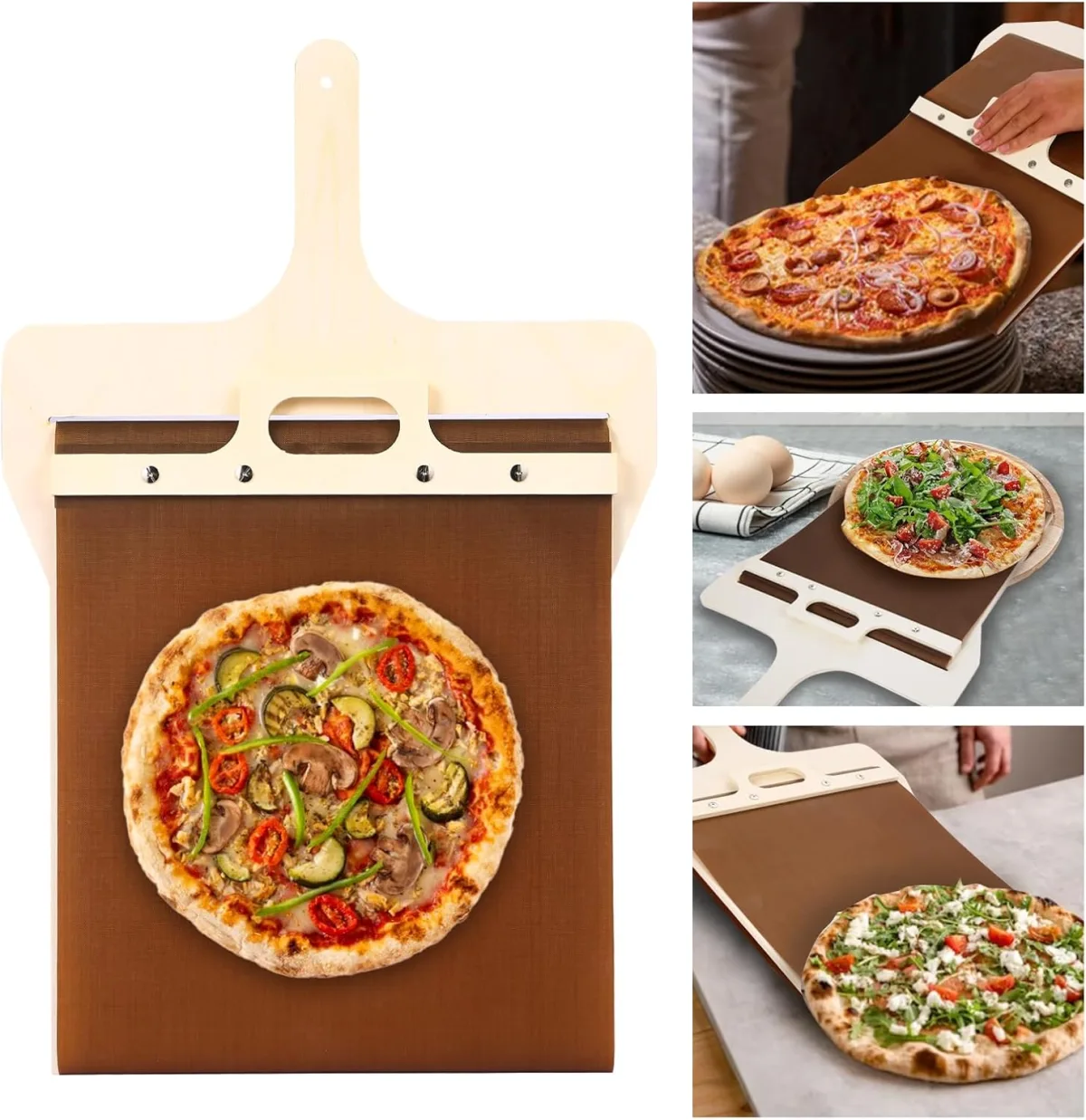
How to Choose Pizza Peels for Consistent Slice Transfer: Because Dropping a Slice Is Not an Option
Let me set the scene: It’s a Friday night at my place, the kind where the kitchen smells like garlic, oregano, and the faint metallic tang of a well-seasoned cast-iron skillet. I’ve got a 14-inch Neapolitan-style pizza, sauce on the light side, mozzarella di bufala, fresh basil, sitting on my trusty wooden peel, ready to slide into the oven. I give it a confident jerk, and… nothing. The pizza sticks like it’s glued to the peel. Another shake, a little more force, and suddenly, the whole thing folds in half like a sad taco. The basil flutters to the floor like confetti at a failed parade. Luna, my rescue cat, gives me that look, the one that says, You had one job.
That was the night I realized that not all pizza peels are created equal. Sure, I’d read the reviews, compared prices, even watched a few YouTube tutorials where some guy in a chef’s coat made it look effortless. But when it came down to it, I was missing the finer points, the kind of details that separate a peel that works from one that betrays you at the worst possible moment. If you’ve ever had a pizza stick, slide unevenly, or, heaven forbid, end up on the floor, you know what I’m talking about. Choosing the right pizza peel isn’t just about getting the pizza into the oven; it’s about getting it out in one piece, every single time. And if you’re running a pizzeria, it’s about consistency, speed, and keeping your sanity during the dinner rush.
So, let’s talk about how to choose a pizza peel for consistent slice transfer. Not just any peel, but the kind that becomes an extension of your arm, the kind that lets you move pizzas with the confidence of a seasoned pro. By the end of this, you’ll know what to look for, what to avoid, and maybe, just maybe, how to avoid the humiliation of a pizza fail in front of your dinner guests (or worse, your customers).
The Anatomy of a Pizza Peel: What You’re Really Buying
Before we dive into the nitty-gritty, let’s break down what a pizza peel actually is. At its core, it’s a flat, shovel-like tool designed to transfer pizzas in and out of ovens. But not all peels are built the same, and the differences can make or break your pizza game. Here’s what you’re really looking at when you’re holding one:
- The Blade (or Head): This is the flat part that holds the pizza. It can be made of wood, metal, or composite materials, and its shape, round, square, or perforated, plays a huge role in how well it performs.
- The Handle: Long, short, ergonomic, or straight, the handle determines how much control you have and how comfortable the peel is to use. A poorly designed handle can turn a simple transfer into a wrist-aching ordeal.
- The Edge: Some peels have a tapered or beveled edge to make sliding under pizzas easier. Others are flat, which can be a blessing or a curse depending on your technique.
- The Surface: This is where the magic (or disaster) happens. A smooth surface reduces friction, while a rough one can grip the dough just enough to cause sticking.
Now, you might be thinking, It’s just a flat board with a handle, how complicated can it be? Oh, my friend. If only it were that simple. The truth is, the right peel for you depends on a dozen little factors, your oven type, your dough recipe, your personal strength, even the humidity in your kitchen. Let’s start with the most basic question: wood or metal?
Wood vs. Metal: The Great Debate
If you’ve spent any time in a pizzeria, you’ve probably seen both wooden and metal peels in action. Each has its loyalists, and each has its place. But which one is right for consistent slice transfer? Let’s break it down.
Wooden Peels: These are the classic choice, the kind you’ll find in most traditional pizzerias. They’re usually made from hardwoods like maple, birch, or beech, and they have a few key advantages. First, wood is naturally non-stick, especially when it’s well-seasoned. That means less flour or cornmeal is needed to prevent sticking, which can be a game-changer if you’re working with a delicate dough. Second, wood is a poor conductor of heat, so the handle stays cooler for longer, even when you’re working with a screaming-hot oven. And third, wooden peels tend to be lighter than their metal counterparts, which can reduce fatigue during long shifts.
But wooden peels aren’t perfect. They require more maintenance, you’ve got to keep them clean, dry, and occasionally oiled to prevent warping or cracking. They’re also thicker than metal peels, which can make sliding under a pizza a little trickier, especially if you’re working with a low-clearance oven. And if you’re not careful, they can absorb moisture and odors over time, which isn’t exactly appetizing.
Metal Peels: Aluminum is the most common material here, though you’ll also find stainless steel and even titanium options for the high-end crowd. Metal peels are durable, easy to clean, and thin enough to slide under a pizza with minimal effort. They’re also heat-resistant, so you don’t have to worry about warping or cracking. If you’re working in a fast-paced environment where speed and consistency are key, a metal peel can be a lifesaver.
That said, metal peels have their downsides. They’re not naturally non-stick, so you’ll need to use more flour or cornmeal to prevent sticking. They can also get hot, really hot, if you leave them in the oven for too long, which is a safety hazard. And while they’re thin, that thinness can also make them less forgiving if your dough is a little wet or sticky. I’ve seen more than one pizza get mangled because the dough clung to a metal peel like it was auditioning for a horror movie.
So, which should you choose? If you’re baking at home or in a small pizzeria where you’ve got time to baby your peel, wood might be the way to go. It’s forgiving, traditional, and just feels right in your hands. But if you’re running a busy kitchen where every second counts, a metal peel could be your best friend. Or, and this is where things get interesting, you could use both. Many pros keep a wooden peel for launching pizzas and a metal peel for retrieving them. More on that later.
Shape Matters: Round, Square, or Perforated?
Here’s where things get a little more nuanced. The shape of your peel’s blade can have a big impact on how well it performs, especially when it comes to consistent slice transfer. Let’s look at the options:
- Round Peels: These are the traditional choice, especially for Neapolitan-style pizzas. The round shape mimics the pizza itself, which can make it easier to maneuver in and out of the oven. But here’s the catch: round peels can be trickier to use if you’re working with square or rectangular pizzas (like Sicilian or Detroit-style). If you’re only making round pizzas, this might not be an issue, but if you’re experimenting with different styles, a round peel could limit your flexibility.
- Square Peels: These are the workhorses of the pizza world. A square peel gives you more surface area to work with, which can be a lifesaver if you’re making larger pizzas or dealing with sticky dough. They’re also better suited for square or rectangular pizzas, so if you’re a fan of Sicilian or grandma-style pies, a square peel is probably your best bet. The downside? They can be a little bulkier, which might take some getting used to if you’re accustomed to a round peel.
- Perforated Peels: These are a relatively new innovation, and they’re designed to reduce sticking by allowing excess flour or cornmeal to fall through the holes. They’re especially popular in commercial kitchens where speed and consistency are critical. The perforations can also help with airflow, which might make your pizza slide more smoothly. But, and this is a big but, they’re not for everyone. If your dough is particularly wet or sticky, the holes can actually make things worse by giving the dough more places to cling. And if you’re not careful, the perforations can weaken the peel over time, especially if it’s made of a softer metal like aluminum.
So, which shape should you choose? If you’re only making one style of pizza, go with a peel that matches its shape. But if you’re like me and you enjoy experimenting, a square peel is probably the most versatile option. As for perforated peels, they’re worth a try if you’re struggling with sticking, but don’t expect them to be a magic bullet. And if you’re really unsure, there’s no rule saying you can’t have a few different peels on hand for different tasks.
The Handle: More Important Than You Think
Let’s talk about the handle. It’s easy to overlook, after all, it’s just the part you hold, right? Wrong. The handle is where the magic happens (or where things go horribly wrong). A poorly designed handle can turn a simple pizza transfer into a wrist-aching, back-straining ordeal. And if you’re working in a busy kitchen, that’s a recipe for disaster.
First, let’s talk about length. A longer handle gives you more reach, which is great if you’re working with a deep or high-heat oven. But it can also be unwieldy, especially if you’re working in a tight space. A shorter handle, on the other hand, is easier to maneuver but might not give you the reach you need. Most home cooks will do fine with a handle that’s 12 to 18 inches long, while commercial kitchens might need something longer-24 inches or more, depending on the oven.
Next, consider the material. Wooden handles are classic and comfortable, but they can get hot if you’re not careful. Metal handles are durable and heat-resistant, but they can be slippery, especially if your hands are greasy or floury. Some peels come with rubber or silicone grips, which can be a game-changer if you’re working long hours. And then there are composite handles, which are designed to be lightweight and heat-resistant. They’re a good middle ground, but they can be more expensive.
Finally, think about the shape. A straight handle is simple and straightforward, but it might not be the most ergonomic option. Some peels come with angled or contoured handles, which can reduce strain on your wrist and make the peel easier to control. If you’re spending a lot of time transferring pizzas, an ergonomic handle can make a big difference in your comfort and efficiency.
Here’s the thing: you won’t know what works best for you until you try it. If you’re buying online, read the reviews and look for feedback on the handle. If you’re shopping in person, pick up a few different peels and see how they feel in your hands. And if you’re really serious about it, consider investing in a peel with an adjustable handle. Some high-end models let you change the angle or length, which can be a lifesaver if you’re working with different ovens or styles of pizza.
Thickness: The Goldilocks Principle
When it comes to pizza peels, thickness is everything. Too thick, and your peel will be heavy and unwieldy. Too thin, and it’ll bend or warp under the weight of a pizza. You need something that’s just right, light enough to maneuver easily but sturdy enough to handle the job.
Most wooden peels are between 1/4 and 1/2 inch thick. Thinner peels are lighter and easier to slide under a pizza, but they can also be less durable, especially if you’re working with a heavy dough. Thicker peels are sturdier, but they can be harder to maneuver, especially if you’re working with a low-clearance oven. If you’re baking at home, a 1/4-inch peel is probably fine. But if you’re running a pizzeria, you might want something a little thicker, say, 3/8 to 1/2 inch, to handle the wear and tear of daily use.
Metal peels are a different story. They’re usually much thinner, often between 1/16 and 1/8 inch. That thinness is what makes them so easy to slide under a pizza, but it can also make them more prone to bending or warping, especially if you’re working with a heavy dough. If you’re going with a metal peel, look for one that’s made from a sturdy material like aluminum or stainless steel. And if you’re working with a particularly heavy pizza (like a deep-dish or Sicilian), you might want to opt for a thicker peel, say, 3/16 inch, to prevent bending.
Here’s a pro tip: if you’re unsure about thickness, go with something in the middle. A 3/8-inch wooden peel or a 1/8-inch metal peel is a good starting point for most home cooks and small pizzerias. And if you’re really serious about it, consider investing in a few different peels for different tasks. A thin metal peel for retrieving pizzas, a thicker wooden peel for launching them, it’s all about having the right tool for the job.
Surface Texture: The Secret to Non-Stick Success
This is where things get really interesting. The surface of your peel is what determines whether your pizza slides smoothly into the oven or sticks like it’s auditioning for a role in a glue commercial. And while it’s easy to assume that smoother is always better, the reality is a little more complicated.
Let’s start with wooden peels. A well-seasoned wooden peel is naturally non-stick, especially if it’s made from a hardwood like maple or birch. The key here is the seasoning, over time, the wood absorbs oils from the dough and flour, creating a smooth, slick surface that repels sticking. But if your peel is new or hasn’t been properly seasoned, it can be just as sticky as a metal peel. The good news is that you can speed up the seasoning process by rubbing the surface with food-grade mineral oil or beeswax. Just be sure to reapply it regularly to keep the peel in top condition.
Metal peels, on the other hand, are a different beast. They’re not naturally non-stick, so you’ll need to rely on flour, cornmeal, or semolina to create a barrier between the dough and the peel. The problem is that too much flour can burn in the oven, creating a bitter taste and a messy cleanup. Too little, and your pizza will stick. It’s a delicate balance, and it can take some trial and error to get it right.
Here’s where surface texture comes into play. Some metal peels are polished to a mirror-like finish, which can reduce sticking by minimizing friction. Others have a slightly rougher texture, which can help grip the dough just enough to prevent sticking without causing it to cling. And then there are perforated peels, which we’ve already talked about. They’re designed to reduce sticking by allowing excess flour to fall through the holes, but they’re not a perfect solution.
So, what’s the best approach? If you’re using a wooden peel, season it regularly and keep it clean. If you’re using a metal peel, experiment with different flours and techniques to find what works best for your dough. And if you’re really struggling with sticking, consider investing in a peel with a non-stick coating. Some high-end models come with a ceramic or Teflon-like coating that can make transferring pizzas a breeze. Just be sure to follow the manufacturer’s instructions for care and maintenance, those coatings can wear off over time.
Weight: The Unsung Hero of Pizza Peels
Weight might not be the first thing you think about when choosing a pizza peel, but it’s one of the most important factors. A peel that’s too heavy will wear you out, especially if you’re working long hours. A peel that’s too light might not be sturdy enough to handle the job. You need something that’s just right, light enough to maneuver easily but heavy enough to feel substantial in your hands.
Wooden peels are generally lighter than metal peels, which can be a blessing or a curse depending on your needs. A lightweight wooden peel is easy to maneuver, but it might not be sturdy enough to handle a heavy dough. A heavier wooden peel is more durable, but it can be tiring to use, especially if you’re making multiple pizzas in a row. Most wooden peels weigh between 1 and 3 pounds, which is a good range for most home cooks and small pizzerias.
Metal peels, on the other hand, can vary widely in weight. A thin aluminum peel might weigh less than a pound, while a thick stainless steel peel could weigh 5 pounds or more. The lighter peels are easier to maneuver, but they might not be sturdy enough for heavy-duty use. The heavier peels are more durable, but they can be tiring to use, especially if you’re working long hours. If you’re running a busy kitchen, you might want to opt for a mid-weight peel, say, 2 to 3 pounds, to strike the right balance between durability and ease of use.
Here’s the thing: weight is subjective. What feels light to one person might feel heavy to another. If you’re buying online, read the reviews and look for feedback on the weight. If you’re shopping in person, pick up a few different peels and see how they feel in your hands. And if you’re really serious about it, consider investing in a peel with an adjustable weight. Some high-end models let you add or remove weights to customize the feel, which can be a lifesaver if you’re working with different ovens or styles of pizza.
Edge Design: The Difference Between Smooth and Sticky
This is one of those details that separates the pros from the amateurs. The edge of your peel might seem like a small thing, but it can make a huge difference in how well your pizza transfers. A well-designed edge can make the difference between a smooth slide and a sticky disaster.
Let’s start with the basics. Most peels have one of two edge designs: flat or beveled. A flat edge is exactly what it sounds like, it’s flat and even, with no taper or angle. This is the most common design, and it’s fine for most home cooks. But if you’re working with a sticky dough or a low-clearance oven, a flat edge can make it harder to slide the peel under the pizza.
A beveled edge, on the other hand, is tapered or angled, which can make it easier to slide the peel under the pizza. This is especially useful if you’re working with a sticky dough or a low-clearance oven. The taper reduces the amount of surface area that comes into contact with the dough, which can make it easier to get the peel under the pizza without disturbing the toppings. Some peels even have a double-beveled edge, which tapers on both sides for even smoother transfers.
But here’s the catch: a beveled edge isn’t always better. If your dough is particularly wet or sticky, a beveled edge can actually make things worse by giving the dough more places to cling. And if you’re not careful, a beveled edge can make it easier to accidentally cut into the dough, which is the last thing you want. So, what’s the best approach? If you’re working with a sticky dough or a low-clearance oven, a beveled edge can be a lifesaver. But if you’re working with a drier dough or a high-clearance oven, a flat edge might be just fine.
Here’s a pro tip: if you’re unsure about edge design, go with a peel that has a slightly beveled edge. It’s the most versatile option, and it can make a big difference in how well your pizza transfers. And if you’re really serious about it, consider investing in a peel with an adjustable edge. Some high-end models let you change the angle of the bevel, which can be a lifesaver if you’re working with different doughs or ovens.
Oven Compatibility: Don’t Overlook This
This is one of those things that’s easy to overlook, but it can make a huge difference in how well your peel performs. Not all ovens are created equal, and the type of oven you’re using can have a big impact on which peel is right for you.
Let’s start with home ovens. If you’re baking in a standard home oven, you’ve got a few options. A wooden peel is a classic choice, especially if you’re working with a delicate dough. The natural non-stick properties of wood can make it easier to transfer pizzas, and the thicker blade can help prevent warping. But if you’re working with a high-heat oven (like a pizza steel or stone), a metal peel might be a better choice. The thin blade can make it easier to slide the pizza onto the hot surface, and the heat-resistant material can handle the high temperatures.
Commercial ovens are a different story. If you’re running a pizzeria, you’re probably working with a deck oven, a conveyor oven, or a wood-fired oven. Each of these has its own quirks, and the right peel for one might not be the right peel for another. For example, a deck oven typically has a low clearance, which can make it harder to slide a thick wooden peel under the pizza. In this case, a thin metal peel might be a better choice. On the other hand, a wood-fired oven can get incredibly hot, which can make a metal peel too hot to handle. In this case, a wooden peel might be the better option.
Here’s the thing: oven compatibility isn’t just about the type of oven you’re using. It’s also about the size of the oven, the height of the opening, and the type of surface you’re baking on. If you’re working with a small oven, you might need a shorter peel to maneuver easily. If you’re working with a large oven, you might need a longer peel to reach the back. And if you’re baking on a pizza stone or steel, you’ll want a peel that’s thin enough to slide under the pizza without disturbing the toppings.
So, what’s the best approach? If you’re baking at home, a wooden peel is probably your best bet. It’s versatile, forgiving, and easy to use. But if you’re running a pizzeria, you might need a few different peels for different tasks. A thin metal peel for launching pizzas, a thicker wooden peel for retrieving them, it’s all about having the right tool for the job.
Price vs. Performance: Where to Splurge and Where to Save
Let’s talk about money. Pizza peels aren’t cheap, and if you’re running a pizzeria, the costs can add up quickly. But here’s the thing: a good peel is an investment. A cheap peel might save you a few bucks upfront, but it could cost you in the long run in terms of durability, performance, and even your sanity. On the other hand, a high-end peel might be overkill if you’re only baking occasionally.
So, where should you splurge, and where can you save? Let’s break it down.
Where to Splurge:
- Material: If you’re going with a wooden peel, invest in a high-quality hardwood like maple or birch. Cheap softwoods can warp, crack, or absorb odors over time. If you’re going with a metal peel, look for a sturdy material like aluminum or stainless steel. Cheap metals can bend, warp, or even rust over time.
- Handle: A good handle can make a big difference in your comfort and efficiency. If you’re working long hours, invest in a peel with an ergonomic handle or a heat-resistant grip. It’s worth the extra cost.
- Edge Design: A well-designed edge can make a huge difference in how well your pizza transfers. If you’re serious about consistency, invest in a peel with a beveled or double-beveled edge. It’s a small detail, but it can make a big difference.
Where to Save:
- Brand Name: Don’t get me wrong, brand names matter. But you don’t need to break the bank to get a good peel. Some lesser-known brands offer high-quality peels at a fraction of the cost of the big names. Do your research, read the reviews, and don’t be afraid to try something new.
- Extras: Some peels come with fancy features like adjustable handles, non-stick coatings, or built-in scales. These can be nice, but they’re not always necessary. If you’re on a budget, focus on the basics, material, handle, and edge design, and skip the extras.
- Size: Bigger isn’t always better. If you’re only making small pizzas, you don’t need a giant peel. A smaller peel is lighter, easier to maneuver, and often cheaper. Save the big peels for when you really need them.
Here’s the bottom line: if you’re baking at home, you can probably get away with a mid-range peel. Look for something that’s well-made but doesn’t break the bank. But if you’re running a pizzeria, it’s worth investing in a high-quality peel. A good peel can make a big difference in your efficiency, consistency, and even your bottom line. And if you’re really serious about it, consider investing in a few different peels for different tasks. A thin metal peel for launching pizzas, a thicker wooden peel for retrieving them, it’s all about having the right tool for the job.
Pro Tips for Consistent Slice Transfer
Alright, let’s get practical. You’ve got your peel, you’ve got your dough, and you’re ready to make some pizza. But before you get started, here are a few pro tips to help you achieve consistent slice transfer every time.
1. Use the Right Flour: This might seem obvious, but it’s worth repeating. The type of flour you use can make a big difference in how well your pizza transfers. All-purpose flour is fine for most home cooks, but if you’re working with a sticky dough, you might want to try semolina or cornmeal. These coarser flours create a better barrier between the dough and the peel, which can reduce sticking. Just be sure not to overdo it, too much flour can burn in the oven, creating a bitter taste and a messy cleanup.
2. Shake, Don’t Force: This is one of those things that’s easier said than done. When you’re transferring a pizza, it’s tempting to give it a good shove to get it moving. But that’s a recipe for disaster. Instead, give the peel a quick, confident shake. The pizza should slide smoothly onto the oven surface. If it doesn’t, don’t force it. Pull the peel back, add a little more flour, and try again. And if you’re really struggling, consider using a turning peel (more on that later).
3. Work Quickly: The longer your pizza sits on the peel, the more likely it is to stick. So, work quickly. Have everything ready before you start, your toppings, your oven, your peel, and don’t dawdle. If you’re working with a particularly sticky dough, you might want to launch the pizza as soon as it’s topped. And if you’re making multiple pizzas, consider using a second peel to keep things moving.
4. Use a Turning Peel: This is one of those tools that can make a huge difference in your pizza game. A turning peel is a smaller, round peel that’s designed to help you rotate pizzas in the oven. But it’s also great for transferring pizzas, especially if you’re working with a sticky dough. The smaller size makes it easier to maneuver, and the round shape can help you get under the pizza more easily. If you’re serious about consistency, a turning peel is a must-have.
5. Practice, Practice, Practice: This might be the most important tip of all. Transferring a pizza is a skill, and like any skill, it takes practice to master. Don’t get discouraged if your first few attempts don’t go as planned. Keep at it, and you’ll get the hang of it. And if you’re really struggling, consider taking a class or watching a few tutorials. There’s no substitute for hands-on experience.
Here’s the thing: even the best peel in the world won’t save you if you don’t know how to use it. So, take the time to practice, experiment with different techniques, and find what works best for you. And remember, every pizza is a learning experience. Even the pros drop a slice now and then.
Final Thoughts: The Peel Makes the Pizza
Let’s be real: choosing the right pizza peel isn’t going to make or break your pizza. You can make a great pizza with a cheap peel, and you can make a terrible pizza with an expensive one. But here’s the thing: a good peel can make your life easier. It can help you achieve consistent slice transfer every time, which means fewer dropped pizzas, less stress, and more time to focus on what really matters, making great food.
So, what’s the takeaway? If you’re baking at home, start with a mid-range wooden peel. It’s versatile, forgiving, and easy to use. If you’re running a pizzeria, invest in a few different peels for different tasks. A thin metal peel for launching pizzas, a thicker wooden peel for retrieving them, and maybe even a turning peel for those tricky transfers. And if you’re really serious about it, consider investing in a high-end peel with an ergonomic handle and a beveled edge. It’s a small detail, but it can make a big difference.
But here’s the real secret: the best peel is the one that works for you. Don’t get too hung up on the details. Experiment, practice, and find what feels right in your hands. And remember, even the pros drop a slice now and then. The important thing is to keep learning, keep improving, and, most of all, keep making pizza.
Now, if you’ll excuse me, I’ve got a date with a 14-inch Margherita and a well-seasoned peel. Luna’s watching, and this time, I’m not going to let her down.
FAQ
Q: Can I use a regular cutting board as a pizza peel?
A: Technically, yes, but I wouldn’t recommend it. A cutting board isn’t designed for the high heat of a pizza oven, and it might not be thin enough to slide under a pizza easily. Plus, most cutting boards don’t have a handle, which can make transferring pizzas a real challenge. If you’re in a pinch, a cutting board might work for a single pizza, but if you’re serious about baking, invest in a proper peel.
Q: How do I clean and maintain my pizza peel?
A: It depends on the material. For wooden peels, avoid soaking them in water, as this can cause warping or cracking. Instead, wipe them down with a damp cloth and let them air dry. You can also use a little food-grade mineral oil or beeswax to keep the wood seasoned and non-stick. For metal peels, you can wash them with warm, soapy water and dry them thoroughly to prevent rust. And if your peel has a non-stick coating, be sure to follow the manufacturer’s instructions for care and maintenance.
Q: What’s the best way to prevent my pizza from sticking to the peel?
A: There are a few tricks to prevent sticking. First, use the right flour, semolina or cornmeal works best for most doughs. Second, work quickly. The longer your pizza sits on the peel, the more likely it is to stick. Third, use a light touch. Don’t press down on the dough, as this can cause it to stick. And fourth, consider using a perforated peel or a non-stick coating if you’re really struggling. But remember, even the best techniques won’t save you if your dough is too wet or sticky. If you’re having consistent issues, you might need to adjust your dough recipe.
Q: Do I need more than one pizza peel?
A: It depends on how serious you are about pizza. If you’re baking at home occasionally, one peel is probably fine. But if you’re running a pizzeria or baking multiple pizzas in a row, you might want to invest in a few different peels. A thin metal peel for launching pizzas, a thicker wooden peel for retrieving them, and a turning peel for those tricky transfers can make a big difference in your efficiency and consistency. And if you’re working with different styles of pizza, you might want a few different shapes and sizes on hand.
@article{how-to-choose-pizza-peels-for-consistent-slice-transfer-a-chefs-hard-won-guide,
    title   = {How to Choose Pizza Peels for Consistent Slice Transfer: A Chef’s Hard-Won Guide},
    author  = {Chef's icon},
    year    = {2026},
    journal = {Chef's Icon},
    url     = {https://chefsicon.com/how-to-choose-pizza-peels-for-consistent-slice-transfer/}
}