The Best Fluffy Pancakes recipe you will fall in love with. Full of tips and tricks to help you make the best pancakes.
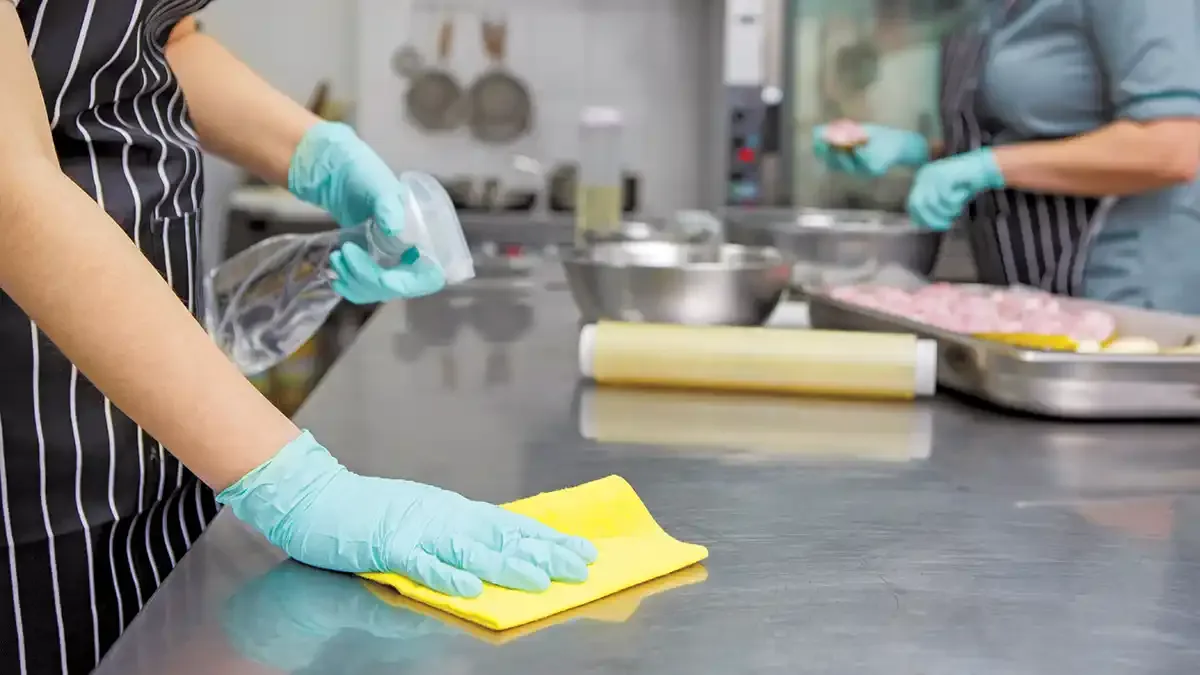
How to Sanitize Kitchen Tools and Prevent Cross-Contamination Without Losing Your Mind
Let me tell you about the time I almost ruined Thanksgiving. Not with dry turkey or lumpy gravy, though, let’s be honest, those are crimes in their own right, but with something far worse: cross-contamination. I was prepping the bird, then absentmindedly wiped my hands on a towel before grabbing the cutting board for the salad. My sister, a microbiology grad student (yes, the kind who *loves* pointing out your kitchen fails), gave me that look. You know the one. The “I can’t believe you’re related to me” look. That’s when it hit me: sanitizing kitchen tools isn’t just about scrubbing until your hands are raw. It’s about systems. Habits. And, okay, maybe a little paranoia.
But here’s the thing, cross-contamination isn’t just a holiday-ruiner. It’s a silent kitchen invader, lurking on your cutting boards, knives, and even that “clean” sponge you’ve been using for weeks. The CDC estimates that 1 in 6 Americans get sick from foodborne illnesses every year, and a big chunk of those cases? Yep, kitchen tools that weren’t sanitized properly. So if you’re here because you’ve had one too many close calls (or just want to avoid becoming a cautionary tale), you’re in the right place. By the end of this, you’ll know:
- Why sanitizing isn’t the same as cleaning, and why you’re probably doing it wrong
- The step-by-step process for sanitizing *every* type of kitchen tool, from knives to colanders
- How to create a cross-contamination-proof workflow in your kitchen (even if you’re short on time)
- The sneaky tools and habits that are sabotaging your efforts
- And yes, how to keep your sister (or your inner food-safety critic) off your back
Sound good? Let’s dive in. And if you’re already reaching for the bleach, hold up, we’ll get to that. But first, let’s talk about why this matters more than you think.
The Dirty Truth: Why Sanitizing Kitchen Tools Is Non-Negotiable
I’ll admit it: for years, I treated sanitizing like a suggestion. You know, something you do when you *remember* or when you’re prepping raw chicken. But here’s the thing, bacteria like Salmonella, E. coli, and Listeria don’t care about your good intentions. They don’t need an invitation. They’ll hitch a ride on your knife, your cutting board, or even your hands, and before you know it, you’ve turned your kitchen into a Petri dish.
And it’s not just about raw meat. Think about it: how many times have you used the same knife to chop onions, then garlic, then herbs, without washing it in between? Or used a sponge to wipe down the counter *after* it touched raw chicken juices? (If you’re cringing right now, same.) Cross-contamination is like a game of kitchen telephone, except instead of a funny miscommunication, you end up with food poisoning.
But here’s where it gets tricky: sanitizing isn’t just about killing germs. It’s about breaking the chain. Every time you prep food, you’re either preventing or enabling the spread of bacteria. And while it might feel like overkill to wash your hands *again* or soak your cutting board in hot water, trust me, your future self (and your stomach) will thank you.
So, where do we start? Let’s break it down.
Cleaning vs. Sanitizing: What’s the Difference?
This is where most people mess up. Cleaning and sanitizing are *not* the same thing. Cleaning removes visible dirt, grime, and food particles. Sanitizing? That’s the step where you kill the bacteria, viruses, and other microscopic nasties that cleaning alone won’t touch. Think of it like this:
- Cleaning = Washing your hands with soap and water. It gets rid of the gunk, but it doesn’t necessarily kill all the germs.
- Sanitizing = Using hand sanitizer *after* washing. It’s the extra step that knocks out the stuff you can’t see.
In the kitchen, you need *both*. Skipping sanitizing is like locking your front door but leaving the windows wide open. Sure, you’ve done *something*, but you’re not actually safe. And if you’re prepping food for kids, the elderly, or anyone with a weakened immune system, this isn’t just good practice, it’s a responsibility.
So, how do you sanitize properly? It depends on the tool. Let’s start with the basics.
The Ultimate Guide to Sanitizing Every Kitchen Tool
1. Cutting Boards: The Cross-Contamination Hotspot
If there’s one kitchen tool that’s a magnet for bacteria, it’s your cutting board. And I get it, no one wants to scrub a cutting board after *every* use. But here’s the hard truth: wooden and plastic cutting boards can harbor bacteria for days, even if they look clean. So, what’s the best way to sanitize them?
First, let’s talk materials. Wooden cutting boards are beautiful, but they’re porous, which means bacteria can seep into the grain. Plastic boards? They’re non-porous, but they can develop deep grooves over time, which become bacteria hideouts. Neither is perfect, but both can be sanitized effectively if you do it right.
For plastic cutting boards:
- Scrub first: Use hot, soapy water and a brush to get rid of food particles. Don’t just wipe, scrub like you’re trying to remove a stain.
- Sanitize: You’ve got options here. You can soak the board in a solution of 1 tablespoon of unscented bleach per gallon of water for 2 minutes. Or, if you’re not a bleach fan, use white vinegar (full strength) or hydrogen peroxide (3%). Let it sit for 5-10 minutes, then rinse.
- Dry properly: Air-dry the board upright or on a rack. Don’t lay it flat, trapped moisture is a breeding ground for bacteria.
For wooden cutting boards:
- Scrub first: Same as plastic, hot, soapy water and a brush. But avoid soaking wooden boards in water. They can warp or crack.
- Sanitize: Wood is trickier because bleach can damage it. Instead, use white vinegar or hydrogen peroxide. Spray or wipe it on, let it sit for 5 minutes, then rinse with hot water.
- Oil it: After sanitizing, rub the board with food-grade mineral oil to keep it from drying out. This isn’t just for looks, it helps seal the wood and makes it harder for bacteria to penetrate.
Pro tip: If your cutting board has deep grooves or cracks, it’s time to replace it. No amount of sanitizing can save a board that’s become a bacteria hotel.
2. Knives: The Silent Germ Spreaders
Knives are the worst. Not because they’re hard to clean (though, let’s be real, they can be), but because we use them for *everything*. One minute you’re slicing raw chicken, the next you’re dicing tomatoes for a salad. And if you’re not sanitizing in between? Congratulations, you’ve just turned your salad into a bacterial buffet.
Here’s how to sanitize knives the right way:
- Wash immediately: Don’t let knives sit in the sink with other dishes. The longer they sit, the more time bacteria have to multiply. Rinse them under hot water right after use to remove food particles.
- Scrub with soap: Use a sponge or brush to clean the blade, handle, and any crevices. Pay extra attention to the area where the blade meets the handle, this is a prime spot for bacteria to hide.
- Sanitize: You can use the same bleach solution as cutting boards (1 tablespoon per gallon of water), or opt for boiling water. For stainless steel knives, boiling them for 1-2 minutes is a great way to kill bacteria. Just be careful, hot knives are, well, hot.
- Dry thoroughly: Water spots can lead to rust, and rust is another place bacteria love to hide. Use a clean towel to dry knives immediately after washing.
And here’s a hard rule: ever use the same knife for raw meat and ready-to-eat foods without sanitizing in between. I don’t care if you’re in a rush. I don’t care if it’s “just a quick chop.” Do it right, or risk making someone sick.
3. Sponges and Dishcloths: The Bacteria Factories
I hate to break it to you, but your kitchen sponge is probably the dirtiest thing in your house. Studies have found that sponges can harbor more bacteria than a toilet seat. And dishcloths? They’re not much better. These tools are supposed to *clean* your kitchen, but if you’re not sanitizing them regularly, they’re just spreading germs around.
So, how do you sanitize sponges and dishcloths? Here’s the deal:
For sponges:
- Microwave method: Wet the sponge, then microwave it on high for 1-2 minutes. This kills most bacteria and viruses. Just be careful, it’ll be hot when you take it out.
- Dishwasher method: Toss your sponge in the dishwasher with your dishes. Use the heated dry setting to kill bacteria.
- Bleach soak: Soak the sponge in a solution of 1 tablespoon bleach per gallon of water for 5 minutes. Rinse thoroughly afterward.
For dishcloths:
- Wash in hot water: Toss dishcloths in the washing machine with hot water and detergent. Add a cup of white vinegar to the rinse cycle to help kill bacteria.
- Bleach soak: Soak dishcloths in the same bleach solution as sponges (1 tablespoon per gallon of water) for 5 minutes, then wash as usual.
- Replace regularly: No matter how well you sanitize them, sponges and dishcloths have a shelf life. Replace sponges every 1-2 weeks and dishcloths every few days.
And here’s a pro tip: use separate sponges and cloths for different tasks. Have one for dishes, one for counters, and one for cleaning up raw meat spills. Color-code them if it helps. It’s a small step, but it makes a big difference.
4. Colanders and Sieves: The Overlooked Culprits
Colanders and sieves are the unsung heroes of the kitchen. They drain pasta, rinse veggies, and strain stocks. But because they’re full of holes, they’re also bacteria traps. Think about it: every time you drain pasta or rinse veggies, food particles get stuck in those tiny crevices. And if you’re not sanitizing properly, those particles can rot and become a breeding ground for bacteria.
Here’s how to sanitize them:
- Rinse immediately: After use, rinse the colander or sieve under hot water to remove food particles. Don’t let them sit in the sink, this just gives bacteria more time to multiply.
- Scrub with a brush: Use a bottle brush or small scrub brush to get into all those nooks and crannies. A toothbrush works great for sieves with fine mesh.
- Soak in hot water: Fill a basin or your sink with hot water and a bit of dish soap. Let the colander or sieve soak for 10-15 minutes to loosen any stuck-on food.
- Sanitize: Use the same bleach solution (1 tablespoon per gallon of water) or boil the colander or sieve for 1-2 minutes. If you’re boiling, make sure the tool is fully submerged.
- Air-dry: Let the colander or sieve dry completely before storing it. Trapped moisture = bacteria party.
And here’s a bonus tip: if your colander or sieve is dishwasher-safe, use the sanitize setting. It’s the easiest way to kill bacteria without extra effort.
5. Wooden Spoons and Utensils: The Porous Problem
Wooden spoons are a kitchen staple. They’re gentle on non-stick pans, they don’t conduct heat, and they look rustic and charming. But they’re also porous, which means they absorb liquids, and bacteria, like a sponge. And unlike plastic or metal utensils, you can’t just toss them in the dishwasher or soak them in bleach.
So, how do you sanitize wooden utensils without ruining them? Here’s the process:
- Wash immediately: Don’t let wooden utensils sit in the sink or on the counter. The longer they sit, the more time bacteria have to seep into the wood.
- Scrub with hot, soapy water: Use a sponge or brush to clean the utensil, paying extra attention to any grooves or cracks. Avoid soaking wooden utensils, this can cause them to warp or crack.
- Sanitize: Use white vinegar or hydrogen peroxide to sanitize. Spray or wipe the utensil with the solution, let it sit for 5 minutes, then rinse with hot water.
- Dry thoroughly: Air-dry the utensil upright or on a rack. Don’t lay it flat, trapped moisture can lead to mold.
- Oil it: Once a month, rub the utensil with food-grade mineral oil to keep it from drying out. This helps seal the wood and makes it harder for bacteria to penetrate.
And here’s a hard rule: replace wooden utensils if they develop cracks or deep grooves. These are prime spots for bacteria to hide, and no amount of sanitizing can fix that.
6. Countertops and Surfaces: The Invisible Battlefield
Your countertops see a lot of action. They’re where you chop veggies, roll out dough, and sometimes (let’s be honest) set down raw meat packages. And if you’re not sanitizing them properly, they’re a cross-contamination nightmare.
Here’s how to sanitize countertops the right way:
- Clear the surface: Remove everything from the countertop, dishes, appliances, the random pile of mail. You can’t sanitize what you can’t reach.
- Clean first: Use hot, soapy water and a sponge or cloth to wipe down the surface. This removes food particles, grease, and grime.
- Sanitize: You’ve got options here. You can use a commercial kitchen sanitizer, a bleach solution (1 tablespoon per gallon of water), or white vinegar. Spray or wipe the solution onto the surface, let it sit for 2-5 minutes, then wipe it off with a clean cloth.
- Rinse (if needed): Some sanitizers (like bleach) need to be rinsed off. Check the label to be sure.
- Air-dry: Let the countertop air-dry completely before putting anything back on it.
And here’s a pro tip: sanitize your countertops before *and* after prepping food. It’s a small step, but it makes a big difference in preventing cross-contamination.
7. Can Openers: The Forgotten Tool
Can openers are one of those tools we use all the time but rarely think about. And that’s a problem, because they’re bacteria magnets. Every time you open a can, tiny bits of food get stuck in the blade and gears. And if you’re not sanitizing the can opener, those food particles can rot and become a breeding ground for bacteria.
Here’s how to sanitize a can opener:
- Wash the blade: Use hot, soapy water and a brush to clean the blade. Pay extra attention to the gears and any crevices.
- Sanitize: Soak the can opener in a bleach solution (1 tablespoon per gallon of water) for 2 minutes. Or, if it’s dishwasher-safe, run it through the dishwasher on the sanitize setting.
- Dry thoroughly: Use a clean towel to dry the can opener completely. Trapped moisture can lead to rust and bacteria growth.
And here’s a bonus tip: wash your can opener *immediately* after use. The longer you wait, the harder it is to remove food particles, and the more time bacteria have to multiply.
8. Refrigerator Handles and Knobs: The Touchpoints You Ignore
Think about how many times you touch your refrigerator handle in a day. Now think about how many times you *sanitize* it. If you’re like most people, the answer is “never.” And that’s a problem, because refrigerator handles are one of the most touched surfaces in your kitchen. They’re a hotspot for bacteria, and if you’re not sanitizing them regularly, you’re spreading germs every time you grab a snack.
Here’s how to sanitize refrigerator handles and knobs:
- Clean first: Use hot, soapy water and a cloth to wipe down the handle or knob. This removes dirt, grease, and food particles.
- Sanitize: Use a commercial kitchen sanitizer, a bleach solution (1 tablespoon per gallon of water), or white vinegar. Spray or wipe the solution onto the handle, let it sit for 2-5 minutes, then wipe it off with a clean cloth.
- Rinse (if needed): Some sanitizers (like bleach) need to be rinsed off. Check the label to be sure.
- Dry thoroughly: Use a clean towel to dry the handle or knob completely.
And here’s a pro tip: sanitize your refrigerator handle at least once a week. It’s a small step, but it makes a big difference in keeping your kitchen clean.
Creating a Cross-Contamination-Proof Workflow
Okay, so now you know how to sanitize your kitchen tools. But here’s the thing: sanitizing is only half the battle. The other half? Preventing cross-contamination in the first place. And that’s all about workflow. How you move through your kitchen, how you organize your tools, and how you prep food can make or break your efforts.
So, let’s talk about how to create a cross-contamination-proof workflow. And yes, it’s easier than you think.
1. The Zone System: Divide and Conquer
One of the best ways to prevent cross-contamination is to divide your kitchen into zones. Each zone is dedicated to a specific task, and you don’t mix them up. Here’s how it works:
- Prep zone: This is where you chop veggies, measure ingredients, and do all your non-meat prep. Keep cutting boards, knives, and utensils for this zone separate from the others.
- Meat zone: This is where you handle raw meat, poultry, and seafood. Use a separate cutting board, knife, and utensils for this zone, and sanitize them immediately after use.
- Cooking zone: This is where you cook food. Keep utensils, pots, and pans for this zone separate from the others.
- Cleaning zone: This is where you wash dishes, sanitize tools, and clean up. Keep sponges, cloths, and cleaning supplies here.
And here’s the key: don’t cross the streams. If you’re prepping veggies in the prep zone, don’t use the same knife or cutting board you used in the meat zone. It’s all about keeping things separate.
2. The Color-Coding Hack
If the zone system feels too complicated, try color-coding. Assign a color to each type of food (e.g., red for raw meat, green for veggies, blue for seafood), and use cutting boards, knives, and utensils in those colors. This way, you’ll always know which tool is for which task, and you’ll never accidentally use the wrong one.
Here’s a simple color-coding system you can use:
- Red: Raw meat (beef, pork, lamb)
- Yellow: Raw poultry (chicken, turkey)
- Blue: Raw seafood (fish, shellfish)
- Green: Fruits and veggies
- White: Ready-to-eat foods (bread, cheese, cooked foods)
And here’s a bonus tip: use colored tape or labels to mark your tools. It’s a cheap and easy way to keep things organized.
3. The One-Way Workflow
Another way to prevent cross-contamination is to create a one-way workflow. This means you move through your kitchen in a specific order, and you don’t backtrack. Here’s how it works:
- Start with clean tools: Before you begin prepping, make sure all your tools are clean and sanitized.
- Prep non-meat foods first: Chop veggies, measure ingredients, and do all your non-meat prep first. This way, you won’t have to worry about cross-contaminating them with raw meat.
- Prep raw meat: Use separate tools for raw meat, and sanitize them immediately after use.
- Cook food: Use clean utensils and pots to cook food. Don’t reuse tools that touched raw meat.
- Clean as you go: Wash and sanitize tools as you finish with them. Don’t let dirty tools pile up.
And here’s the key: don’t backtrack. If you’re prepping veggies, don’t go back to the meat zone. If you’re cooking, don’t go back to the prep zone. It’s all about keeping things moving in one direction.
4. The Handwashing Rule
I know, I know, handwashing is basic. But it’s also the most important step in preventing cross-contamination. And yet, most people don’t do it right. Here’s how to wash your hands like a pro:
- Wet your hands: Use warm water to wet your hands and wrists.
- Apply soap: Use enough soap to cover all surfaces of your hands.
- Scrub for 20 seconds: Scrub your palms, the backs of your hands, between your fingers, and under your nails. Don’t forget your wrists!
- Rinse: Rinse your hands under warm water to remove all the soap.
- Dry thoroughly: Use a clean towel to dry your hands completely. Wet hands can spread bacteria more easily.
And here’s the hard rule: wash your hands *every* time you switch tasks. If you’re prepping veggies and then switch to raw meat, wash your hands. If you’re cooking and then switch to setting the table, wash your hands. It’s a small step, but it makes a big difference.
The Sneaky Saboteurs: Tools and Habits That Undermine Your Efforts
You’re sanitizing your tools, you’re washing your hands, and you’re following the zone system. But if you’re still making these mistakes, you’re undoing all your hard work. Let’s talk about the sneaky saboteurs that are undermining your efforts.
1. The “Clean Enough” Trap
Here’s the thing: “clean enough” isn’t clean enough. If you’re just wiping down your cutting board with a damp cloth or rinsing your knife under water, you’re not sanitizing. You’re just moving bacteria around. And if you’re prepping food for others, that’s not just lazy, it’s dangerous.
So, how do you avoid the “clean enough” trap? Here’s the deal:
- Scrub, don’t just wipe: Use a brush or sponge to scrub tools, not just a cloth. You need to physically remove food particles and bacteria.
- Use hot water: Hot water helps loosen food particles and kills some bacteria. Don’t just use cold water, it’s not enough.
- Sanitize, don’t just clean: Remember, cleaning removes dirt, but sanitizing kills bacteria. You need both.
And here’s a pro tip: if you’re not sure if something is clean, assume it’s not. It’s better to over-sanitize than under-sanitize.
2. The Sponge Dilemma
I’ve already talked about how gross sponges are, but let’s dive a little deeper. Sponges are the perfect storm of bacteria. They’re wet, they’re porous, and they’re used to clean up all kinds of messes. And if you’re not sanitizing them regularly, they’re just spreading bacteria around your kitchen.
So, what’s the solution? Here are a few options:
- Replace sponges frequently: Sponges should be replaced every 1-2 weeks, no matter how clean they look.
- Use dishcloths instead: Dishcloths are easier to sanitize (just toss them in the washing machine), and they dry out faster, which means less bacteria growth.
- Try silicone scrubbers: Silicone scrubbers are non-porous, so they don’t harbor bacteria like sponges do. Plus, they’re dishwasher-safe.
And here’s a hard rule: ever use a sponge to clean up raw meat juices. Use a paper towel or a disposable cloth, then sanitize the surface.
3. The Towel Temptation
Kitchen towels are another sneaky saboteur. We use them to dry our hands, wipe down counters, and even clean up spills. But if you’re not washing them regularly, they’re just bacteria delivery systems.
So, how do you avoid the towel temptation? Here’s the deal:
- Use separate towels: Have one towel for drying hands, one for wiping counters, and one for cleaning up spills. Don’t mix them up.
- Wash towels frequently: Kitchen towels should be washed every 1-2 days, especially if they’ve been used to clean up raw meat or other messy spills.
- Use paper towels for raw meat: If you’re cleaning up raw meat juices, use a paper towel, then sanitize the surface. Don’t use a kitchen towel, it’s not worth the risk.
And here’s a pro tip: hang towels to dry. Don’t leave them bunched up on the counter, this traps moisture and creates a perfect environment for bacteria.
4. The “I’ll Do It Later” Habit
We’ve all been there. You’re in the middle of cooking, and you’ve got a pile of dirty tools in the sink. You tell yourself, “I’ll wash them later.” But later turns into tomorrow, and tomorrow turns into never. And before you know it, you’ve got a sink full of bacteria.
So, how do you break the “I’ll do it later” habit? Here’s the deal:
- Clean as you go: Wash and sanitize tools as you finish with them. Don’t let them pile up in the sink.
- Set a timer: If you’re in the middle of cooking and can’t stop to wash tools, set a timer for 10 minutes. When it goes off, take a break to clean up.
- Make it a habit: The more you clean as you go, the easier it becomes. Eventually, it’ll feel weird *not* to wash tools immediately.
And here’s a hard rule: ever let raw meat tools sit in the sink. Wash and sanitize them immediately after use. It’s the only way to prevent cross-contamination.
Putting It All Together: A Sanitizing Checklist
Okay, so now you know how to sanitize your kitchen tools and prevent cross-contamination. But how do you make sure you’re doing it *every* time? Here’s a sanitizing checklist you can use to keep your kitchen safe:
- Before prepping food:
- Wash your hands with soap and warm water for 20 seconds.
- Sanitize your countertops and prep surfaces.
- Make sure all tools are clean and sanitized.
- While prepping food:
- Use separate tools for raw meat and ready-to-eat foods.
- Wash your hands every time you switch tasks.
- Clean and sanitize tools as you finish with them.
- After prepping food:
- Wash and sanitize all tools, cutting boards, and utensils.
- Sanitize countertops and prep surfaces.
- Wash your hands with soap and warm water for 20 seconds.
- Daily maintenance:
- Sanitize sponges, dishcloths, and towels.
- Wash and sanitize refrigerator handles and knobs.
- Replace sponges and dishcloths as needed.
And here’s a bonus tip: keep a sanitizing spray bottle on your counter. Fill it with a bleach solution (1 tablespoon per gallon of water) or white vinegar, and use it to sanitize tools and surfaces throughout the day. It’s a quick and easy way to keep your kitchen safe.
Final Thoughts: Why This Matters More Than You Think
I’ll be honest, when I first started writing about kitchen sanitation, I thought it was going to be boring. I mean, how exciting can bleach and sponges really be? But the more I dug into it, the more I realized how deeply personal this topic is. It’s not just about following rules or checking boxes. It’s about protecting the people you love.
Think about it: every time you prep a meal, you’re making a choice. You’re choosing whether to prioritize speed over safety, convenience over care. And those choices add up. They determine whether your kitchen is a place of nourishment or a place of risk.
So, here’s my challenge to you: don’t just sanitize your kitchen tools, sanitize your habits. Make it a point to wash your hands *every* time. To sanitize your cutting board *after* every use. To replace your sponge *before* it becomes a bacteria factory. Because at the end of the day, this isn’t just about food safety. It’s about respect. Respect for the food you’re preparing, respect for the people you’re cooking for, and respect for the kitchen that feeds you.
And if you’re still not convinced, ask yourself this: what’s the worst that could happen if you don’t sanitize properly? A little food poisoning? A trip to the ER? A ruined holiday? It’s not worth the risk. So, do it right. Every time. Because your kitchen, and your stomach, will thank you.
FAQ: Your Sanitizing Questions, Answered
Q: How often should I sanitize my kitchen tools?
A: It depends on the tool. Cutting boards, knives, and utensils should be sanitized after every use, especially if they’ve touched raw meat. Sponges and dishcloths should be sanitized daily, and replaced every 1-2 weeks. Countertops and refrigerator handles should be sanitized at least once a day.
Q: Is vinegar as effective as bleach for sanitizing?
A: Vinegar is a great natural sanitizer, but it’s not as strong as bleach. Bleach kills a wider range of bacteria and viruses, but vinegar is a good option if you’re looking for a non-toxic alternative. For best results, use white vinegar (5% acidity) and let it sit on the surface for 5-10 minutes before rinsing.
Q: Can I sanitize kitchen tools in the dishwasher?
A: Yes! If your dishwasher has a sanitize setting, it’s a great way to kill bacteria. Just make sure the tools are dishwasher-safe (wooden utensils and cutting boards are not). For best results, use the heated dry setting to ensure all bacteria are killed.
Q: What’s the best way to sanitize wooden cutting boards?
A: Wooden cutting boards are tricky because they’re porous and can warp or crack if not cared for properly. To sanitize them, scrub with hot, soapy water, then use white vinegar or hydrogen peroxide to kill bacteria. Let it sit for 5 minutes, then rinse with hot water. After sanitizing, rub the board with food-grade mineral oil to keep it from drying out.
@article{how-to-sanitize-kitchen-tools-and-prevent-cross-contamination-like-a-pro,
    title   = {How to Sanitize Kitchen Tools and Prevent Cross-Contamination Like a Pro},
    author  = {Chef's icon},
    year    = {2026},
    journal = {Chef's Icon},
    url     = {https://chefsicon.com/how-to-sanitize-kitchen-tools-prevent-cross-contamination/}
}