The Best Fluffy Pancakes recipe you will fall in love with. Full of tips and tricks to help you make the best pancakes.
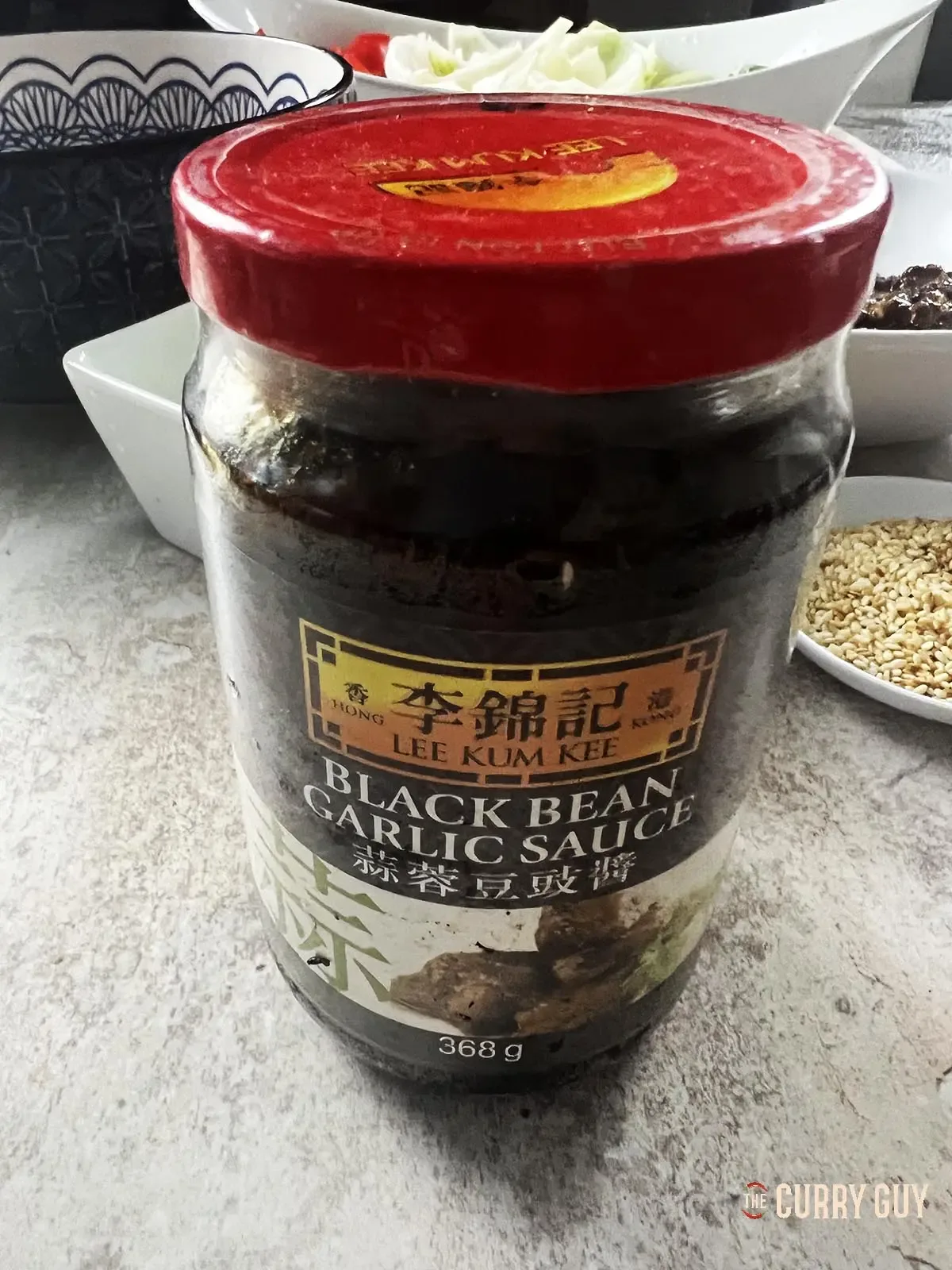
How to Store Black Bean Sauce for Maximum Shelf Life in Commercial Kitchens
Let me tell you about the first time I messed up storing black bean sauce in a commercial kitchen. It was my third week at a bustling Nashville hotspot, and I was still figuring out the rhythm of the place. The chef had just demoed a new Sichuan-inspired dish that called for a generous slather of fermented black bean sauce, rich, salty, umami-packed. I remember thinking, How hard can storing this stuff be? Famous last words.
I left an open container of the sauce on the prep counter overnight. Not my finest moment. By morning, the top layer had oxidized into this weird, dull crust, and the aroma, once so vibrant, had mellowed into something closer to wet cardboard. The chef didn’t yell (he rarely did), but the look of disappointment in his eyes was worse than any lecture. That’s when I realized: storing black bean sauce isn’t just about tossing it in the fridge and hoping for the best. It’s about understanding the science behind fermentation, oxidation, and microbial growth, and then outsmarting all three.
In this guide, I’m going to walk you through everything I’ve learned since that humbling experience. We’ll cover the best storage methods for commercial kitchens, how to extend shelf life without sacrificing flavor, and the common mistakes even seasoned pros make (spoiler: I’ve made most of them). Whether you’re running a high-volume restaurant, a meal-prep service, or a catering operation, this is your playbook for keeping black bean sauce at its peak, so you’re never stuck serving a dish that tastes like regret.
Why Black Bean Sauce Deserves Your Attention
Before we dive into storage, let’s talk about why black bean sauce is worth the effort. This isn’t just another condiment, it’s a flavor powerhouse with roots stretching back over 2,000 years in Chinese cuisine. Made from fermented black soybeans, garlic, ginger, and often chili, it’s the backbone of dishes like mapo tofu, clams in black bean sauce, and stir-fried greens. The fermentation process breaks down proteins into amino acids, creating that signature umami bomb that can elevate even the simplest ingredients.
But here’s the catch: fermentation doesn’t stop once the sauce is bottled. Those microbes are still active, which means the sauce is alive in a way that, say, ketchup isn’t. Left unchecked, it can spoil, separate, or lose its punch. And in a commercial kitchen, where consistency is king, that’s a recipe for disaster. So how do you harness that power without letting it work against you? That’s what we’re here to figure out.
I’ll admit, when I first started researching this, I assumed the rules for storing black bean sauce would be similar to other sauces, keep it cold, keep it sealed, and don’t cross-contaminate. But the more I dug into it, the more I realized it’s its own beast. For example, did you know that black bean sauce can actually benefit from being stored at slightly warmer temperatures for short periods? Or that freezing it can alter its texture in ways that might not be noticeable until it’s too late? These are the kinds of nuances we’ll explore.
The Science Behind Shelf Life: What’s Really Happening in That Jar?
Fermentation vs. Spoilage: The Thin Line
Here’s where things get interesting. Black bean sauce is a fermented product, which means it’s already undergone controlled microbial activity to develop its flavor. But that same process makes it vulnerable to uncontrolled spoilage if not stored properly. The key players here are:
- Lactic acid bacteria (LAB): These are the good guys, responsible for the tangy, complex flavors we love. They thrive in salty, anaerobic environments (which is why traditional black bean sauce is packed with salt and often sealed tightly).
- Yeasts and molds: These can be neutral or harmful, depending on the strain. Some yeasts contribute to flavor, but others can turn your sauce into a fizzy, off-smelling mess.
- Oxidation: Exposure to air causes the fats and pigments in the sauce to break down, leading to rancidity and discoloration. This is why that crusty top layer formed on my sauce that fateful night.
The challenge is that all three of these processes can happen simultaneously, and they’re influenced by factors like temperature, light, and even the material of your storage container. For example, storing black bean sauce in a metal container might accelerate oxidation, while a plastic one could leach chemicals over time. It’s enough to make your head spin, right?
I’m torn between recommending a one-size-fits-all approach and acknowledging that every kitchen’s needs are different. Maybe I should clarify: there’s no universal “best” method, but there are best practices tailored to your volume, menu, and workflow. Let’s break those down.
Temperature’s Role: The Goldilocks Zone
Temperature is the most critical factor in storing black bean sauce, but it’s also the most misunderstood. Most commercial kitchens default to refrigeration, and while that’s generally safe, it’s not always ideal. Here’s why:
- Below 40°F (4°C): Refrigeration slows microbial activity, which is good for preventing spoilage. However, it can also dull the flavors over time, making the sauce taste flat or overly salty as the aromatics dissipate. This is especially true for sauces with added garlic or ginger, which lose their punch in the cold.
- Between 50°F and 70°F (10°C to 21°C): This is the sweet spot for short-term storage (think a few days to a week). The sauce stays vibrant, and the fermentation process continues at a controlled pace. The catch? You’re walking a tightrope, too warm, and spoilage accelerates; too cold, and you lose flavor.
- Above 70°F (21°C): At this point, you’re basically inviting yeasts and molds to a party. The sauce can develop off-flavors, separate, or even start to ferment aggressively, leading to carbonation (yes, your sauce can turn fizzy).
So what’s the takeaway? If you’re using the sauce within a week, room-temperature storage in a cool, dark place (like a pantry or walk-in) can work, provided you’re vigilant about sealing the container and monitoring for spoilage. For longer storage, refrigeration is non-negotiable, but you’ll need to account for flavor loss by adjusting your recipes or using fresher batches more frequently.
Is this the best approach? Let’s consider the alternatives. Some kitchens swear by vacuum-sealing the sauce before refrigerating it, which can extend shelf life by reducing oxidation. Others portion the sauce into smaller containers to minimize exposure to air each time it’s opened. Both are solid strategies, but they come with their own logistical hurdles. We’ll dive deeper into these methods later.
Choosing the Right Storage Containers: More Than Just a Jar
Not all containers are created equal when it comes to black bean sauce. The wrong choice can lead to flavor contamination, chemical leaching, or even physical degradation of the sauce. Here’s what to look for:
Material Matters
- Glass: The gold standard for storage. Glass is non-reactive, meaning it won’t absorb odors or leach chemicals into your sauce. It’s also easy to clean and sanitize, which is critical in a commercial setting. The downside? It’s heavy and breakable, so it’s not ideal for high-traffic areas where it might get knocked around.
- Stainless steel: Another great option, especially for larger batches. Stainless steel is durable, non-reactive, and resistant to corrosion. However, it’s not transparent, so you can’t easily monitor the sauce’s condition without opening it. Also, if your sauce has a high acid content (from added vinegar or citrus), prolonged contact with stainless steel can cause pitting over time.
- Food-grade plastic: Lightweight and shatterproof, plastic is a practical choice for many kitchens. Look for containers labeled BPA-free and made from HDPE (High-Density Polyethylene) or PP (Polypropylene). Avoid low-quality plastics, which can warp, crack, or absorb odors. One caveat: plastic is porous, so it can retain flavors and bacteria if not cleaned thoroughly between uses.
- Ceramic: Less common in commercial kitchens, but some chefs prefer ceramic crocks for their aesthetic appeal and insulation properties. They’re great for short-term storage but can be heavy and difficult to sanitize properly.
I’ll be honest: I used to think the container didn’t matter much as long as it was clean. Then I saw what happened when a coworker stored black bean sauce in a reused yogurt tub (not food-grade plastic). The sauce took on this weird, plasticky aftertaste, and the texture turned grainy. Lesson learned: never cut corners on storage containers.
Size and Shape: The Overlooked Factors
Here’s something I didn’t consider until recently: the size and shape of your container can impact shelf life. It’s not just about how much sauce fits inside, it’s about how much air is in there with it. Here’s why it matters:
- Air exposure: The more air in the container, the faster oxidation occurs. This is why small, shallow containers are better for short-term storage, while larger, deeper containers work for bulk storage (as long as you’re using the sauce quickly).
- Ease of access: In a busy kitchen, you want to minimize the time the container is open. Wide-mouthed jars or containers with flip-top lids are ideal because they allow quick access without exposing the entire surface of the sauce to air.
- Stackability: Space is at a premium in most commercial kitchens, so choose containers that stack neatly. This also helps with organization, you don’t want to be digging through a pile of mismatched containers to find the black bean sauce during dinner service.
I’m still figuring out the best system for my own kitchen. Right now, I use a combination of 1-quart glass jars for daily use and 5-gallon stainless steel containers for bulk storage. It’s a work in progress, but it’s better than the chaos of mismatched containers I started with.
Step-by-Step Storage Methods for Maximum Shelf Life
Now that we’ve covered the basics, let’s get into the nitty-gritty of how to store black bean sauce in a commercial kitchen. I’ll walk you through four methods, each with its own pros, cons, and best-use scenarios. Spoiler: there’s no one “right” way, but there are definitely wrong ways.
Method 1: Refrigeration (The Safe Bet)
Refrigeration is the most common method for storing black bean sauce, and for good reason: it’s simple, effective, and minimizes the risk of spoilage. Here’s how to do it right:
- Transfer to an airtight container: If your sauce came in a can or plastic pouch, transfer it to a glass or stainless steel container with a tight-sealing lid. This prevents oxidation and contamination from other foods in the fridge.
- Leave headspace: Fill the container to about 90% capacity, leaving a little room at the top. This accounts for expansion if the sauce freezes slightly (which can happen in some commercial fridges).
- Label and date: Use a waterproof label to note the contents and the date it was opened. Black bean sauce typically lasts 3 to 6 months in the fridge, but this can vary based on ingredients and storage conditions.
- Store in the coldest part of the fridge: The back of the fridge is usually the coldest, so it’s the best spot for long-term storage. Avoid the door, where temperatures fluctuate more.
- Check for spoilage regularly: Even in the fridge, black bean sauce can go bad. Look for signs like mold, off-odors, or a fizzy texture. If in doubt, throw it out, no dish is worth a foodborne illness.
Pros of refrigeration:
- Extends shelf life significantly compared to room-temperature storage.
- Slows down microbial activity, reducing the risk of spoilage.
- Easy to implement in most commercial kitchens.
Cons of refrigeration:
- Can dull the flavors over time, especially if the sauce contains fresh garlic or ginger.
- Takes up valuable fridge space, which can be a problem in high-volume kitchens.
- Requires consistent temperature monitoring to ensure the fridge is functioning properly.
Is this the best method for everyone? Probably not. If you’re using black bean sauce daily, refrigeration is a no-brainer. But if you’re only using it occasionally, you might want to explore other options.
Method 2: Room-Temperature Storage (The High-Risk, High-Reward Play)
Storing black bean sauce at room temperature is controversial, but it’s not without merit. Traditional Chinese kitchens have been doing it for centuries, and there’s a reason: the flavors stay vibrant, and the texture remains smooth. But, and this is a big but, it requires strict adherence to safety protocols. Here’s how to pull it off:
- Use a sterile container: Before transferring the sauce, sanitize the container with boiling water or a food-safe sanitizer. This kills any lingering bacteria that could accelerate spoilage.
- Add a preservative layer: Pour a thin layer of neutral oil (like vegetable or peanut oil) on top of the sauce. This creates a barrier against air and contaminants. Some chefs also use a splash of rice wine or Shaoxing wine for added preservation.
- Store in a cool, dark place: A pantry or walk-in cooler is ideal. Avoid areas near ovens, dishwashers, or other heat sources. The ideal temperature range is 50°F to 70°F (10°C to 21°C).
- Monitor closely: Room-temperature storage is a short-term solution. Check the sauce daily for signs of spoilage, and use it within 1 to 2 weeks at most. If you notice any mold, off-smells, or changes in texture, discard it immediately.
- Portion control: Instead of storing a large batch, divide the sauce into smaller containers. This reduces the risk of contamination each time you open it.
Pros of room-temperature storage:
- Preserves the sauce’s vibrant flavor and aroma better than refrigeration.
- No need to take up fridge space.
- Traditional method with a long history of success.
Cons of room-temperature storage:
- High risk of spoilage if not monitored closely.
- Not suitable for kitchens with inconsistent temperature control.
- Requires more frequent rotation and attention.
I’ll admit, I was skeptical about this method at first. But after seeing it in action at a few high-volume dim sum spots in San Francisco, I’m convinced it can work-if you’re willing to put in the effort. For most commercial kitchens, though, it’s probably not worth the risk.
Method 3: Freezing (The Long-Term Solution)
Freezing black bean sauce is a great way to extend its shelf life by 6 to 12 months, but it’s not without its challenges. The biggest issue? Texture changes. Freezing can cause the sauce to separate or become grainy, which might not be noticeable in cooked dishes but can be a problem in applications where texture matters (like dipping sauces or marinades). Here’s how to freeze it effectively:
- Portion the sauce: Divide the sauce into small, usable portions (e.g., 1-cup or 1-quart containers). This allows you to thaw only what you need, reducing waste and minimizing refreezing.
- Use freezer-safe containers: Glass jars can crack in the freezer, so opt for plastic or stainless steel containers designed for freezing. Leave about 1 inch of headspace to account for expansion.
- Label and date: Use a freezer-safe label to note the contents and the date it was frozen. Black bean sauce can last up to a year in the freezer, but its quality will degrade over time.
- Thaw properly: When you’re ready to use the sauce, thaw it in the fridge overnight. Avoid microwaving or thawing at room temperature, as this can cause uneven heating and texture issues. Once thawed, stir the sauce well to recombine any separated ingredients.
- Use quickly after thawing: Thawed black bean sauce should be used within 3 to 5 days and never refrozen.
Pros of freezing:
- Extends shelf life significantly compared to refrigeration or room-temperature storage.
- Ideal for bulk purchases or seasonal menu planning.
- Minimizes waste by allowing you to use only what you need.
Cons of freezing:
- Can alter the texture of the sauce, making it grainy or separated.
- Requires advance planning to thaw the sauce in time for use.
- Not all freezers are created equal, fluctuating temperatures can degrade quality.
I’ve had mixed results with freezing black bean sauce. Some batches come out tasting almost as good as fresh, while others are noticeably off. If you’re going to freeze it, test a small batch first to see how it holds up in your recipes.
Method 4: Vacuum-Sealing (The Pro Move)
Vacuum-sealing is the gold standard for long-term storage of black bean sauce. By removing all the air from the container, you eliminate oxidation and significantly slow down microbial growth. Here’s how to do it right:
- Choose the right vacuum sealer: For commercial kitchens, a chamber vacuum sealer is ideal because it can handle liquids without making a mess. If you don’t have a chamber sealer, a stainless steel vacuum container with a handheld sealer can work.
- Portion the sauce: Divide the sauce into small, usable portions (e.g., 1-cup bags or containers). This makes it easy to thaw and use only what you need.
- Seal and label: Vacuum-seal the portions and label them with the date. Vacuum-sealed black bean sauce can last 6 to 12 months in the fridge or up to 2 years in the freezer.
- Store properly: Keep vacuum-sealed portions in the fridge or freezer, depending on how quickly you plan to use them. If freezing, use freezer-safe bags or containers to prevent freezer burn.
- Thaw and use: When you’re ready to use the sauce, thaw it in the fridge overnight. Once opened, use the sauce within 3 to 5 days.
Pros of vacuum-sealing:
- Extends shelf life dramatically by eliminating oxygen.
- Preserves flavor and texture better than other methods.
- Reduces waste by allowing you to use only what you need.
- Ideal for bulk storage and meal prep.
Cons of vacuum-sealing:
- Requires an upfront investment in equipment.
- Not all vacuum sealers are suitable for liquids.
- Can be time-consuming for large batches.
I’m a huge fan of vacuum-sealing, but it’s not without its challenges. The biggest hurdle is finding the right equipment. Chamber vacuum sealers are expensive, and handheld sealers can be messy with liquids. If you’re serious about long-term storage, though, it’s worth the investment.
Common Mistakes and How to Avoid Them
Even with the best intentions, it’s easy to mess up storing black bean sauce. Here are the most common mistakes I’ve seen (and made) in commercial kitchens, along with tips for avoiding them:
Mistake 1: Cross-Contamination
This is the big one. Black bean sauce is a high-risk food for cross-contamination because it’s often used in small amounts and stored for long periods. Here’s how it happens:
- Using the same utensil to scoop sauce and then touch other ingredients (e.g., raw meat, vegetables).
- Storing the sauce in a container that previously held allergens (e.g., nuts, dairy).
- Leaving the container open near other foods, allowing airborne contaminants to settle on the surface.
How to avoid it:
- Use dedicated utensils (e.g., spoons, ladles) for black bean sauce and clean them thoroughly between uses.
- Store the sauce in a separate container from other ingredients, especially allergens.
- Keep the container sealed tightly when not in use, and avoid leaving it open for extended periods.
Mistake 2: Ignoring Temperature Fluctuations
Temperature control is critical for black bean sauce, but it’s easy to overlook in a busy kitchen. Common culprits include:
- Leaving the sauce out on the counter during prep.
- Storing it near heat sources (e.g., ovens, dishwashers).
- Opening the fridge frequently, causing temperature spikes.
How to avoid it:
- Designate a specific spot in the fridge for black bean sauce, away from the door and heat sources.
- Use a thermometer to monitor the fridge’s temperature regularly (it should stay below 40°F/4°C).
- Limit the time the sauce spends at room temperature. If you’re prepping a large batch, work in small portions and return the rest to the fridge as soon as possible.
Mistake 3: Overlooking Container Hygiene
Even the best storage methods won’t help if your containers are dirty. Common hygiene issues include:
- Reusing containers without proper cleaning.
- Using containers with scratches or cracks, which can harbor bacteria.
- Not sanitizing containers between uses.
How to avoid it:
- Clean containers with hot, soapy water after each use, and sanitize them with a food-safe sanitizer (e.g., bleach solution or quaternary ammonium).
- Inspect containers regularly for scratches, cracks, or stains, and replace them as needed.
- Use dedicated containers for black bean sauce to avoid cross-contamination with other ingredients.
Mistake 4: Not Rotating Stock
It’s easy to forget about black bean sauce when it’s tucked away in the back of the fridge. But old sauce = wasted money and subpar dishes. Common rotation mistakes include:
- Not labeling containers with the date they were opened.
- Using the oldest sauce first (FIFO, First In, First Out, is key).
- Ignoring signs of spoilage until it’s too late.
How to avoid it:
- Label every container with the date it was opened and the expiration date (if known).
- Implement a FIFO system to ensure older sauce is used first.
- Check the sauce regularly for signs of spoilage (e.g., mold, off-odors, texture changes).
Advanced Tips for High-Volume Kitchens
If you’re running a high-volume kitchen, you need storage solutions that are efficient, scalable, and foolproof. Here are some advanced tips to keep your black bean sauce in top shape:
Tip 1: Batch Prep and Portioning
Instead of storing one large container of sauce, divide it into smaller portions that can be used within a few days. This reduces waste and minimizes the risk of contamination. Here’s how to do it:
- Use a portion scoop or ladle to measure out consistent amounts (e.g., 1-cup or 1-quart portions).
- Transfer the portions to small, airtight containers or vacuum-sealed bags.
- Label each portion with the date and contents, and store them in the fridge or freezer.
This method is especially useful for meal prep services or catering operations, where you need to use the sauce quickly and efficiently.
Tip 2: Sous Vide for Long-Term Storage
Sous vide isn’t just for cooking, it’s also a great way to store black bean sauce long-term. By vacuum-sealing the sauce and storing it in a temperature-controlled water bath, you can extend its shelf life while preserving its flavor and texture. Here’s how to do it:
- Portion the sauce into vacuum-sealed bags.
- Set your sous vide circulator to 38°F (3°C), which is just above freezing but cold enough to slow microbial growth.
- Submerge the bags in the water bath and store them for up to 3 months.
- When you’re ready to use the sauce, thaw it in the fridge overnight or reheat it directly in the sous vide bath.
Pros of sous vide storage:
- Extends shelf life without freezing.
- Preserves flavor and texture better than traditional refrigeration.
- Ideal for high-volume kitchens with sous vide equipment.
Cons of sous vide storage:
- Requires a sous vide circulator and vacuum sealer.
- Not practical for small kitchens or low-volume operations.
I’ve experimented with sous vide storage for black bean sauce, and the results are impressive. The sauce stays fresh and vibrant for months, and the texture remains smooth. If you have the equipment, it’s definitely worth trying.
Tip 3: pH Monitoring for Quality Control
The pH of black bean sauce is a key indicator of its quality and safety. Most commercial black bean sauces have a pH between 4.5 and 5.5, which is acidic enough to inhibit the growth of harmful bacteria like Clostridium botulinum. However, if the pH rises above 5.5, the sauce becomes more susceptible to spoilage. Here’s how to monitor it:
- Use a pH meter or pH strips to test the sauce regularly. Aim for a pH of 4.5 to 5.0 for optimal safety and flavor.
- If the pH rises above 5.5, discard the sauce or use it immediately in cooked dishes (heat can kill some bacteria).
- Add a small amount of vinegar or citrus juice to lower the pH if needed. This can help extend the sauce’s shelf life.
This might seem like overkill, but in a high-volume kitchen, pH monitoring can save you from costly mistakes. It’s especially important if you’re making your own black bean sauce from scratch.
Making Your Own Black Bean Sauce: Storage Considerations
If you’re making black bean sauce in-house, storage becomes even more critical. Homemade sauce lacks the preservatives found in commercial products, so it’s more susceptible to spoilage. Here’s what you need to know:
Ingredients and Their Impact on Shelf Life
The ingredients you use can dramatically affect the sauce’s shelf life. Here’s how:
- Fermented black soybeans: The base of the sauce, these are already preserved through fermentation. However, they can still spoil if not stored properly.
- Garlic and ginger: These add flavor but also introduce moisture and bacteria, which can shorten shelf life. Fresh garlic and ginger are best for flavor, but powdered or paste forms can extend shelf life.
- Chili peppers: Fresh chilies add heat and flavor but can also introduce mold. Dried chilies or chili flakes are more shelf-stable.
- Salt: A natural preservative, salt helps inhibit microbial growth. Most black bean sauces contain 10% to 15% salt by weight, which is enough to preserve the sauce for months.
- Oil: Used to sauté aromatics, oil can go rancid over time. Use neutral oils with a high smoke point (e.g., vegetable, peanut) for longer shelf life.
Storage Tips for Homemade Sauce
If you’re making black bean sauce from scratch, follow these storage tips to maximize shelf life:
- Sanitize everything: Before you start, sanitize all equipment (e.g., pots, utensils, containers) with boiling water or a food-safe sanitizer. This kills any lingering bacteria that could spoil the sauce.
- Use a sterile container: Transfer the sauce to a glass or stainless steel container that has been sanitized. Avoid plastic unless it’s food-grade and BPA-free.
- Add a preservative layer: Pour a thin layer of neutral oil on top of the sauce to create a barrier against air and contaminants. You can also add a splash of rice wine or Shaoxing wine for added preservation.
- Store in the fridge: Homemade black bean sauce should always be refrigerated. It will last 1 to 2 months in the fridge, depending on the ingredients and storage conditions.
- Freeze for long-term storage: If you’re making a large batch, portion the sauce into small, freezer-safe containers and freeze it for up to 6 months. Thaw in the fridge overnight before use.
I’ve made my fair share of homemade black bean sauce, and I’ll admit, it’s a labor of love. The flavor is unbeatable, but the storage challenges are real. If you’re going to make it in-house, start with small batches and test different storage methods to see what works best for your kitchen.
Final Thoughts: Finding Your Rhythm
Storing black bean sauce in a commercial kitchen is part science, part art, and a whole lot of trial and error. There’s no one-size-fits-all solution, but by understanding the principles of fermentation, oxidation, and microbial growth, you can tailor a storage method that works for your kitchen’s volume, menu, and workflow.
Here’s my challenge to you: Pick one storage method from this guide and test it for a month. Keep notes on how the sauce holds up, flavor, texture, and safety. If it works, great! If not, tweak it and try again. The goal isn’t perfection; it’s consistency and confidence in your process.
And remember, even the best-laid plans can go awry. That’s the beauty (and frustration) of working with fermented foods. But when you nail it, when a dish comes together with that perfect balance of salty, funky, umami goodness, it’s worth every ounce of effort. So go forth, store wisely, and may your black bean sauce always be at its peak.
FAQ
Q: How can I tell if black bean sauce has gone bad?
A: Look for signs like mold, off-odors (e.g., sour, rancid, or ammonia-like smells), or a fizzy texture. If the sauce has separated or developed an unusual color, it’s best to discard it. When in doubt, throw it out, food safety is not the place to take risks.
Q: Can I store black bean sauce at room temperature if it’s in a sealed can?
A: Unopened cans of black bean sauce can be stored at room temperature in a cool, dark place (e.g., a pantry) for up to 1 to 2 years. However, once opened, the sauce should be transferred to an airtight container and refrigerated. Never store opened cans in the fridge, the metal can leach into the sauce and affect its flavor.
Q: What’s the best way to revive black bean sauce that’s lost its flavor?
A: If your sauce has dulled in the fridge, try these tricks to revive it:
- Gently reheat the sauce in a pan with a splash of rice wine, Shaoxing wine, or chicken stock to restore its aroma.
- Add a pinch of MSG or a dash of soy sauce to boost umami.
- Stir in fresh garlic, ginger, or chili to brighten the flavors.
Q: Is it safe to freeze black bean sauce in its original packaging?
A: It’s not recommended. Most original packaging (e.g., plastic pouches, cans) isn’t designed for freezing and can crack or degrade in the freezer. Instead, transfer the sauce to a freezer-safe container with a tight-sealing lid, leaving some headspace for expansion. Label the container with the date and use it within 6 to 12 months for best quality.
@article{how-to-store-black-bean-sauce-for-maximum-shelf-life-in-commercial-kitchens-a-chefs-guide-to-flavor-and-safety,
    title   = {How to Store Black Bean Sauce for Maximum Shelf Life in Commercial Kitchens: A Chef’s Guide to Flavor and Safety},
    author  = {Chef's icon},
    year    = {2026},
    journal = {Chef's Icon},
    url     = {https://chefsicon.com/how-to-store-black-bean-sauce-for-maximum-shelf-life-in-commercial-kitchens/}
}