The Best Fluffy Pancakes recipe you will fall in love with. Full of tips and tricks to help you make the best pancakes.
Let me tell you, I never thought I’d become obsessed with sweet potatoes. Not like this, anyway. It started last fall when I was helping a friend cater a farm-to-table event in East Nashville. The menu? Roasted sweet potato wedges with smoked paprika aioli, mashed sweet potatoes with brown butter, and, my personal favorite, sweet potato gnocchi that melted in your mouth. The problem? We were prepping for 200 people, and my friend’s kitchen was equipped with nothing more than a couple of dull knives and a lot of hope. By the third hour of peeling, my hands felt like they’d been through a cheese grater, and I swore I’d never take industrial prep equipment for granted again.
Fast forward to today, and I’ve spent the last few months diving deep into the world of commercial kitchen sweet potato prep equipment. It’s not just about saving time (though, let’s be real, that’s a huge part of it). It’s about consistency, safety, and unlocking flavors and textures that are nearly impossible to achieve with manual prep. Whether you’re running a high-volume restaurant, a meal-prep service, or a catering operation, the right tools can turn sweet potatoes from a labor-intensive side dish into a star player on your menu. In this guide, I’ll walk you through everything you need to know, from the essentials to the game-changing upgrades, so you can prep like a pro without losing your mind (or your fingertips).
Here’s what we’ll cover:
- Why sweet potatoes are a commercial kitchen’s secret weapon (and why they’re trickier than they seem)
- The must-have equipment for every stage of prep, from washing to plating
- How to choose between manual, semi-automatic, and fully automatic tools
- The hidden costs and maintenance quirks you need to know about
- Real-world case studies from kitchens that transformed their workflow with the right gear
- And, of course, the mistakes I’ve made so you don’t have to
Is this the most glamorous topic in the culinary world? Probably not. But if you’ve ever spent a Saturday night peeling 50 pounds of sweet potatoes while your line cooks side-eye you for slowing down service, you’ll know it’s one of the most practical. Let’s get into it.
Why Sweet Potatoes Deserve Their Own Prep Strategy
The Sweet Potato Paradox
Sweet potatoes are a commercial kitchen’s dream ingredient. They’re versatile, nutrient-dense, and beloved by customers across demographics. You can roast them, mash them, fry them, puree them, or even spiralize them into trendy “swoodles.” They’re a blank canvas for global flavors, think Korean gochujang-glazed fries, Jamaican jerk-spiced mash, or Mexican street corn-inspired sweet potato salads. And let’s not forget their shelf life: unlike delicate greens or berries, sweet potatoes can hang out in your dry storage for weeks without throwing a fit.
But here’s the catch: sweet potatoes are also a pain in the ass to prep. Their irregular shapes, tough skins, and dense flesh make them resistant to the kind of quick, uniform processing that works for potatoes or carrots. I learned this the hard way when I tried to use a standard commercial vegetable peeler on a batch of Beauregards. The machine chewed through half of them, turning the rest into lumpy, uneven blobs that looked like they’d been attacked by a very angry toddler. The issue? Sweet potatoes have thicker skins and more moisture than regular potatoes, which means they require equipment that’s up to the task.
So why bother? Because when you get it right, sweet potatoes can be a profit driver. They’re cheap, they’re filling, and they pair well with high-margin proteins and sauces. But to make them work in a commercial setting, you need a dedicated prep strategy, and that starts with the right equipment.
The Science of Sweet Potato Prep
Before we dive into the gear, let’s talk about what makes sweet potatoes different. Their high starch content and low moisture (compared to, say, russet potatoes) mean they behave differently during cooking. Over-process them, and you’ll end up with a gummy, unappetizing mess. Under-process them, and you’re left with uneven cooking times and unhappy customers. The key is consistency, and that’s where equipment comes in.
Here’s what you’re up against:
- Irregular shapes: Sweet potatoes aren’t uniform like russets or Yukon Golds. They’re lumpy, knobby, and often curved, which makes them tricky to peel and slice evenly.
- Tough skins: The skin of a sweet potato is thicker and more fibrous than that of a regular potato, which means you need more power (or sharper blades) to remove it cleanly.
- Moisture content: Sweet potatoes have less moisture than regular potatoes, which makes them more prone to drying out during prep. This is why you’ll often see them parboiled before further processing.
- Oxidation: Once peeled or cut, sweet potatoes oxidize quickly, turning an unappetizing grayish-brown. This means you need to work fast or use anti-browning agents like lemon juice or vinegar.
All of this adds up to one thing: if you’re treating sweet potatoes like any other vegetable in your prep line, you’re doing it wrong. They need their own workflow, and that workflow starts with the right tools.
The Essential Equipment for Sweet Potato Prep
1. Washing and Sorting: The Foundation of Good Prep
I’ll admit, I used to skip this step. “They’re root vegetables,” I’d think. “How dirty can they be?” Famous last words. The first time I ran a batch of sweet potatoes through a commercial vegetable washer and saw the amount of dirt, sand, and occasional small rocks that came out, I nearly cried. Not only was I wasting time scrubbing them by hand, but I was also risking damage to my equipment (and my customers’ teeth) by not cleaning them properly.
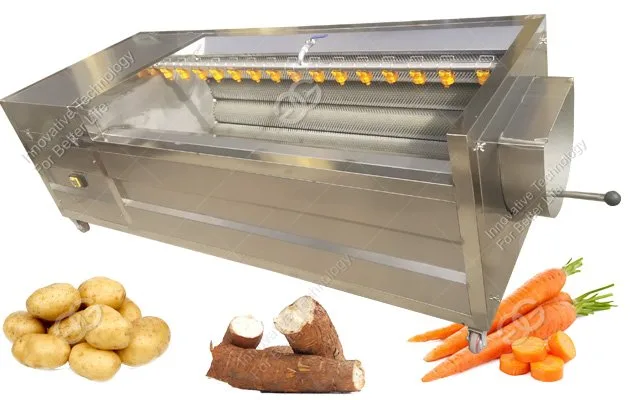
For small operations, a rotary drum washer is a great option. These machines use water and gentle agitation to remove dirt and debris without damaging the potatoes. They’re compact, affordable, and easy to use, just load them up, let them run for a few minutes, and you’re good to go. For larger kitchens, a conveyor-style vegetable washer might be worth the investment. These machines can handle high volumes and often include sorting features to remove damaged or undersized potatoes.
Pro tip: If you’re buying sweet potatoes in bulk, look for suppliers that pre-wash their produce. It’ll save you time and water, and it’s one less step to worry about. But even if they’re pre-washed, I’d still recommend giving them a quick rinse in your own equipment, you never know what might have happened during transit.
2. Peeling: The Make-or-Break Step
Peeling is where most kitchens struggle with sweet potatoes. Hand peeling is time-consuming and inconsistent, and using the wrong equipment can leave you with a mountain of waste. There are three main options for peeling sweet potatoes in a commercial kitchen:
- Manual peelers: These are the handheld tools you’re probably familiar with. They’re cheap and easy to use, but they’re not practical for high-volume prep. If you’re only peeling a few sweet potatoes a day, they might work, but for anything more, you’ll want to upgrade.
- Semi-automatic peelers: These are the workhorses of the sweet potato world. A commercial potato peeler (like the ones from Hobart or Robot Coupe) can handle sweet potatoes, but you’ll need to adjust the settings. Sweet potatoes require a longer peeling time and more abrasion than regular potatoes, so look for a machine with adjustable timers and pressure settings. I’ve found that running them for 1-2 minutes longer than the recommended time for russets usually does the trick.
- Fully automatic peelers: For large-scale operations, a fully automatic peeler can be a game-changer. These machines use a combination of abrasive drums and water jets to peel potatoes quickly and efficiently. They’re expensive, but if you’re processing more than 50 pounds of sweet potatoes a day, they’ll pay for themselves in labor savings. Just make sure the model you choose is designed to handle sweet potatoes, some are optimized for regular potatoes and won’t perform as well.
One thing to keep in mind: sweet potatoes have more “eyes” and imperfections than regular potatoes, which means you’ll likely need to do some touch-up peeling by hand, even with the best equipment. I keep a few sharp paring knives on hand for this purpose, and I’ve trained my staff to do the same. It’s not ideal, but it’s better than serving customers a dish with bits of skin still attached.
3. Cutting and Slicing: Where Consistency Matters Most
Once your sweet potatoes are peeled, the next step is cutting them into the shapes you need for your menu. This is where things can get tricky. Sweet potatoes are denser and more brittle than regular potatoes, which means they’re more likely to crack or break during cutting. The key is to use sharp blades and the right equipment for the job.
Here are the most common cutting tools for sweet potatoes:
- Mandolines: A good commercial mandoline is a must-have for any kitchen that preps sweet potatoes regularly. Look for one with adjustable thickness settings and a sturdy base. I prefer mandolines with a hand guard, sweet potatoes can be slippery, and the last thing you want is a trip to the ER because someone lost a fingertip. Pro tip: Soak your sweet potatoes in cold water for 10-15 minutes before slicing to reduce brittleness.
- Food processors: A commercial food processor with a slicing or shredding attachment can save you a ton of time, especially if you’re prepping large batches. The downside? Food processors can be inconsistent, especially with irregularly shaped sweet potatoes. I’ve found that they work best for shredding or julienning, where uniformity isn’t as critical. For fries or wedges, a dedicated cutter is usually a better bet.
- Specialty cutters: If you’re making sweet potato fries, wedges, or cubes on a regular basis, a dedicated fry cutter or wedge cutter is worth the investment. These machines are designed to handle the density of sweet potatoes and produce consistent cuts every time. Some models even allow you to adjust the thickness and shape, which is great if you’re experimenting with different menu items.
- Spiralizers: Sweet potato noodles (or “swoodles”) are a trend that’s here to stay. A commercial spiralizer can turn sweet potatoes into long, spaghetti-like strands in seconds. Look for a model with multiple blade options so you can create different thicknesses and shapes. Just be aware that spiralized sweet potatoes oxidize quickly, so you’ll need to work fast or toss them in lemon water to keep them from turning brown.
One thing I’ve learned the hard way: not all sweet potatoes are created equal. Some varieties, like Beauregards, are softer and easier to cut, while others, like Jewels, are denser and more prone to cracking. If you’re prepping a large batch, it’s worth doing a test run with a few potatoes to see how they behave in your equipment. And always, always use sharp blades, dull blades will crush the flesh and leave you with mushy, unappetizing results.
4. Parboiling and Blanching: The Secret to Perfect Texture
If you’ve ever eaten a sweet potato fry that was raw in the middle or a mash that was gluey, you know how important proper cooking is. Parboiling and blanching are two techniques that can help you achieve the perfect texture, and the right equipment can make them a breeze.
Parboiling is the process of partially cooking sweet potatoes in boiling water before finishing them in the oven or fryer. This is especially important for fries and wedges, as it ensures they cook evenly all the way through. For small batches, a large stockpot and a commercial range will do the trick. But if you’re prepping sweet potatoes in bulk, a commercial steam kettle or blancher can save you a ton of time and effort.
Blanching is similar to parboiling, but it involves cooking the sweet potatoes for a shorter period of time and then shocking them in ice water to stop the cooking process. This is a great technique for prepping sweet potatoes ahead of time, as it helps preserve their color and texture. A commercial blancher with a built-in cooling system is ideal for this, but you can also use a large pot of boiling water and a separate ice bath.
Pro tip: If you’re blanching sweet potatoes for later use, make sure to drain them thoroughly and pat them dry before storing them. Excess moisture can lead to soggy fries or uneven cooking, and nobody wants that.
Advanced Equipment for High-Volume Kitchens
5. Automated Peeling and Cutting Lines: The Future of Sweet Potato Prep
If you’re running a large-scale operation, think cafeterias, catering companies, or meal-prep services, an automated peeling and cutting line might be worth the investment. These systems are designed to handle high volumes of sweet potatoes with minimal human intervention. Here’s how they typically work:
- Washing: The potatoes are loaded into a hopper and washed to remove dirt and debris.
- Peeling: They’re fed into a peeling machine that removes the skin using abrasive drums or water jets.
- Inspection: The potatoes pass through a sorting station where damaged or undersized pieces are removed.
- Cutting: They’re cut into the desired shape using specialized blades or water jets.
- Blanching: The cut pieces are blanched or parboiled to prepare them for cooking.
- Drying: They’re dried to remove excess moisture before packaging or cooking.
These systems are expensive, we’re talking tens of thousands of dollars, but they can process hundreds of pounds of sweet potatoes per hour with minimal labor. If you’re prepping sweet potatoes on a daily basis, they can pay for themselves in a matter of months. Just make sure to do your research and choose a system that’s designed to handle sweet potatoes. Some models are optimized for regular potatoes and won’t perform as well with the denser, more irregular sweet potato.
6. Vacuum Sealers and Modified Atmosphere Packaging: Extending Shelf Life
One of the biggest challenges of prepping sweet potatoes in advance is keeping them fresh. Once peeled or cut, they start to oxidize and lose their texture. Vacuum sealers and modified atmosphere packaging (MAP) can help extend their shelf life by removing oxygen and slowing down the spoilage process.
A good commercial vacuum sealer is a must-have for any kitchen that preps sweet potatoes ahead of time. Look for a model with a strong suction power and a durable seal. Some vacuum sealers even come with built-in gas flush systems, which allow you to replace the oxygen in the bag with nitrogen or another inert gas. This can help preserve the color and texture of your sweet potatoes for even longer.
For larger operations, a modified atmosphere packaging machine might be worth the investment. These machines are designed to package food in a controlled atmosphere, which can extend its shelf life by days or even weeks. They’re expensive, but if you’re prepping sweet potatoes in bulk, they can save you a ton of money in the long run by reducing waste.
Pro tip: If you’re vacuum sealing sweet potatoes, make sure to blanch them first. This will help preserve their color and texture, and it’ll also kill any bacteria that might be lurking on the surface. And always label your packages with the date and contents, trust me, you don’t want to be digging through your freezer trying to figure out what’s in that mystery bag.
Choosing the Right Equipment for Your Kitchen
7. Manual vs. Semi-Automatic vs. Fully Automatic: What’s Right for You?
When it comes to sweet potato prep equipment, there’s no one-size-fits-all solution. The right choice for your kitchen depends on a few key factors:
- Volume: How many sweet potatoes are you prepping on a daily or weekly basis? If you’re only using a few pounds a week, manual tools might be sufficient. But if you’re prepping 50 pounds or more, you’ll want to invest in semi-automatic or fully automatic equipment.
- Menu: What are you using sweet potatoes for? If you’re making fries, wedges, or cubes, you’ll need different equipment than if you’re making mash or puree. Think about the shapes and textures you need, and choose your tools accordingly.
- Space: How much room do you have in your kitchen? Some equipment, like automated peeling and cutting lines, takes up a lot of space. If you’re working with a small kitchen, you might need to get creative with your layout or opt for more compact tools.
- Budget: How much are you willing to spend? Manual tools are cheap, but they’re also time-consuming and labor-intensive. Semi-automatic and fully automatic equipment is more expensive, but it can save you money in the long run by reducing labor costs and waste.
Here’s a quick breakdown of the pros and cons of each option:
| Type | Pros | Cons |
|---|---|---|
| Manual |
|
|
| Semi-Automatic |
|
|
| Fully Automatic |
|
|
I’m torn between recommending semi-automatic and fully automatic equipment for most kitchens. Semi-automatic tools offer a good balance of speed and cost, and they’re a great option for kitchens that are prepping sweet potatoes on a regular basis but don’t have the volume to justify a fully automatic system. But if you’re prepping 100 pounds or more of sweet potatoes a day, a fully automatic system might be worth the investment. Ultimately, it comes down to your specific needs and budget.
8. New vs. Used: Weighing the Pros and Cons
Let’s talk about money. Commercial kitchen equipment is expensive, and sweet potato prep gear is no exception. A new commercial potato peeler can set you back $2,000 or more, and a fully automatic peeling and cutting line can cost upwards of $50,000. If you’re on a tight budget, buying used equipment might be tempting. But is it worth the risk?
Here’s what I’ve learned from buying (and regretting buying) used equipment:
- Pros of buying used:
- Lower cost: Used equipment is significantly cheaper than new. You can often find high-quality used gear for 30-50% off the retail price.
- Immediate availability: Used equipment is usually available for immediate delivery, whereas new equipment might have a lead time of several weeks or months.
- Less depreciation: New equipment loses a significant portion of its value as soon as you take it out of the box. Used equipment has already taken that hit, so you won’t lose as much money if you decide to sell it later.
- Cons of buying used:
- Unknown history: You don’t know how the equipment was used or maintained. A poorly maintained machine might break down sooner, costing you more in the long run.
- No warranty: Most used equipment is sold “as is,” which means you’re on your own if something goes wrong.
- Outdated technology: Older equipment might not be as efficient or user-friendly as newer models. This can lead to higher energy costs, more waste, and more labor.
- Hidden costs: Used equipment might require repairs or upgrades before it’s ready to use. These costs can add up quickly, making the “cheap” used equipment more expensive than new.
If you do decide to buy used, here are a few tips to minimize your risk:
- Buy from a reputable dealer: Look for dealers that specialize in used commercial kitchen equipment. They’ll often have a better selection and more knowledge about the equipment than general auction sites.
- Inspect the equipment in person: If possible, see the equipment in action before you buy it. Check for signs of wear and tear, and make sure all the parts are in good working order.
- Ask for maintenance records: A well-maintained machine is less likely to break down. Ask the seller for records of any repairs or maintenance that have been done.
- Get a warranty or return policy: Some dealers offer limited warranties or return policies on used equipment. This can give you some peace of mind if something goes wrong.
- Consider refurbished equipment: Some dealers sell refurbished equipment that’s been restored to like-new condition. This can be a good compromise between new and used.
I’ve had mixed experiences with used equipment. Some of my best purchases have been used, but I’ve also been burned by machines that broke down within a few months. If you’re considering buying used, do your research and weigh the risks carefully. And if you’re not comfortable with the idea of buying used, there are other ways to save money on equipment, like leasing or financing.
Maintenance and Safety: Keeping Your Equipment (and Your Staff) in Top Shape
9. Cleaning and Maintenance: The Key to Longevity
Let’s be real: nobody likes cleaning equipment. It’s time-consuming, it’s messy, and it’s not nearly as fun as cooking. But if you want your sweet potato prep equipment to last, you need to take care of it. Neglecting maintenance can lead to breakdowns, inconsistent results, and even safety hazards.
Here’s a quick maintenance checklist for your sweet potato prep equipment:
- Daily:
- Clean all surfaces with warm, soapy water to remove food debris and grease.
- Rinse and dry thoroughly to prevent rust and corrosion.
- Check for signs of wear and tear, like dull blades or loose parts.
- Weekly:
- Disassemble removable parts (like blades or peeling drums) and clean them thoroughly.
- Lubricate moving parts with food-grade lubricant to keep them running smoothly.
- Check for any unusual noises or vibrations, which could indicate a problem.
- Monthly:
- Inspect electrical components for signs of damage or wear.
- Test safety features, like emergency stop buttons or guards, to make sure they’re working properly.
- Sharpen blades or replace them if they’re dull or damaged.
- Annually:
- Schedule a professional inspection to check for any hidden issues.
- Replace any worn or damaged parts to keep the equipment running smoothly.
- Review your maintenance records to identify any recurring problems.
Pro tip: Keep a maintenance log for each piece of equipment. This will help you track when maintenance was last performed and identify any recurring issues. It’s also a good idea to train your staff on basic maintenance tasks, like cleaning and lubricating, so they can help keep the equipment in top shape.
One thing I’ve learned the hard way: sweet potatoes are messy. Their high starch content means they leave a lot of residue behind, which can build up over time and cause problems. Make sure to clean your equipment thoroughly after each use, and don’t forget to check hard-to-reach areas, like the inside of peeling drums or the blades of food processors.
10. Safety First: Protecting Your Staff and Your Customers
Sweet potato prep equipment is powerful, and that power comes with risks. Sharp blades, high-speed motors, and heavy machinery can all cause injuries if they’re not used properly. And let’s not forget about food safety, improperly prepped sweet potatoes can harbor bacteria or other contaminants, which can make your customers sick.
Here are a few safety tips to keep in mind:
- Train your staff: Make sure everyone who uses the equipment knows how to operate it safely. This includes reading the manual, understanding the controls, and knowing what to do in case of an emergency.
- Use guards and safety features: Most commercial kitchen equipment comes with guards or other safety features to protect users. Make sure these are in place and working properly before using the equipment.
- Wear protective gear: Gloves, aprons, and safety glasses can help protect your staff from injuries. Make sure they’re wearing the right gear for the job.
- Keep the area clean: A cluttered workspace is a dangerous workspace. Make sure the area around your sweet potato prep equipment is clean and free of tripping hazards.
- Follow food safety guidelines: Sweet potatoes, like all produce, can harbor bacteria or other contaminants. Make sure to wash them thoroughly before prep, and store them at the proper temperature to prevent spoilage.
- Inspect equipment regularly: Check for signs of wear and tear, like dull blades or loose parts, which could cause injuries. Replace any damaged or worn parts immediately.
I can’t stress this enough: safety should always be your top priority. It’s not worth risking an injury or a foodborne illness to save a few minutes of prep time. Take the time to train your staff, maintain your equipment, and follow best practices for food safety. Your customers, and your insurance company, will thank you.
Real-World Case Studies: How Kitchens Transformed Their Workflow
Case Study 1: The Meal-Prep Service That Cut Labor Costs in Half
When Sarah launched her meal-prep service in Nashville, she knew she wanted to include sweet potatoes as a staple. They’re healthy, they’re versatile, and they’re a hit with her customers. But she quickly realized that prepping them manually was eating up too much of her time and budget. “I was spending hours every week just peeling and cutting sweet potatoes,” she told me. “It was unsustainable.”
Sarah decided to invest in a semi-automatic potato peeler and a commercial food processor with a slicing attachment. The results were immediate. “The peeler cut my peeling time in half, and the food processor made quick work of slicing and shredding,” she said. “I was able to reassign one of my prep cooks to other tasks, which saved me money on labor.”
But the real game-changer was a vacuum sealer. “Before, I was losing a lot of sweet potatoes to spoilage,” Sarah explained. “They’d oxidize or dry out before I could use them. The vacuum sealer helped me extend their shelf life by days, which reduced my waste and saved me even more money.”
Today, Sarah’s meal-prep service is thriving, and sweet potatoes are one of her best-selling items. “Investing in the right equipment was one of the best decisions I’ve made,” she said. “It’s paid for itself a hundred times over.”
Case Study 2: The Restaurant That Turned Sweet Potatoes into a Signature Dish
When Chef Marcus took over the kitchen at a popular farm-to-table restaurant in East Nashville, he wanted to put his own spin on the menu. One of his first moves? Adding a sweet potato gnocchi dish that quickly became a customer favorite. But prepping the gnocchi by hand was a nightmare. “It was taking us hours every week, and the results were inconsistent,” he told me. “We needed a better way.”
Chef Marcus decided to invest in a commercial spiralizer and a dedicated gnocchi board. The spiralizer allowed him to quickly turn sweet potatoes into long, spaghetti-like strands, which he then mixed with flour and eggs to make the gnocchi. The gnocchi board helped him shape the dough into uniform, restaurant-quality pieces. “The difference was night and day,” he said. “We were able to prep the gnocchi in a fraction of the time, and the results were much more consistent.”
But the real breakthrough came when Chef Marcus started using a commercial steam kettle to parboil the sweet potatoes before spiralizing them. “Parboiling made the sweet potatoes softer and easier to work with,” he explained. “It also helped preserve their color and texture, which made the gnocchi look and taste even better.”
Today, sweet potato gnocchi is one of the restaurant’s signature dishes, and it’s a big hit with customers. “The right equipment made all the difference,” Chef Marcus said. “It allowed us to turn a labor-intensive dish into something we could prep quickly and consistently. And that’s the key to making it work in a commercial kitchen.”
Putting It All Together: Your Sweet Potato Prep Workflow
So, you’ve got the equipment, you’ve trained your staff, and you’re ready to start prepping sweet potatoes like a pro. But how do you put it all together? Here’s a step-by-step workflow to help you streamline your sweet potato prep:
- Washing and sorting: Start by washing your sweet potatoes to remove dirt and debris. Use a commercial vegetable washer for best results. Sort them by size and quality, removing any damaged or undersized potatoes.
- Peeling: Peel your sweet potatoes using a commercial potato peeler or a fully automatic peeling machine. Adjust the settings as needed to account for the thickness of the skins. Touch up any missed spots with a paring knife.
- Cutting: Cut your sweet potatoes into the desired shape using a mandoline, food processor, or specialty cutter. For fries or wedges, consider parboiling them first to ensure even cooking.
- Blanching or parboiling: If you’re prepping sweet potatoes ahead of time, blanch or parboil them to preserve their color and texture. Use a commercial steam kettle or blancher for best results.
- Drying: Drain your sweet potatoes thoroughly and pat them dry to remove excess moisture. This is especially important if you’re frying them or storing them for later use.
- Packaging: If you’re storing your sweet potatoes for later use, package them in vacuum-sealed bags or modified atmosphere packaging to extend their shelf life. Label the packages with the date and contents.
- Cooking: Cook your sweet potatoes using your preferred method, roasting, frying, mashing, or pureeing. Use a commercial oven, fryer, or steam kettle for best results.
- Plating: Plate your sweet potatoes and serve them to your customers. Garnish with herbs, sauces, or other toppings to make them look as good as they taste.
I know this seems like a lot of steps, but trust me, it’s worth it. The right workflow can save you time, reduce waste, and ensure consistent results every time. And once you get the hang of it, it’ll become second nature.
One thing I’ve learned: don’t be afraid to experiment. Sweet potatoes are incredibly versatile, and there’s no one “right” way to prep them. Try different shapes, textures, and cooking methods to see what works best for your menu. And don’t forget to ask your staff for feedback, they’re the ones using the equipment every day, so they’ll have valuable insights into what’s working and what’s not.
Conclusion: Sweet Potatoes, Sweet Success
Let’s be honest: sweet potatoes aren’t the easiest ingredient to work with. They’re lumpy, they’re dense, and they don’t always behave the way you want them to. But when you get them right, they’re a game-changer. They’re versatile, they’re nutritious, and they’re a hit with customers. And with the right equipment, they’re not nearly as difficult to prep as they seem.
So, where do you go from here? If you’re just starting out, I’d recommend investing in a few key pieces of equipment: a commercial potato peeler, a mandoline, and a food processor. These tools will cover the basics and help you get a feel for what works best in your kitchen. As you grow, you can add more specialized equipment, like a spiralizer or a vacuum sealer, to streamline your workflow even further.
And if you’re already prepping sweet potatoes on a regular basis, take a hard look at your workflow. Are you using the right equipment for the job? Are you wasting time or money on manual prep? Could you benefit from a semi-automatic or fully automatic system? The answers to these questions could help you save time, reduce waste, and improve the quality of your dishes.
At the end of the day, the goal is to make sweet potatoes work for you, not the other way around. With the right equipment and a little bit of know-how, you can turn them from a labor-intensive chore into a menu staple that your customers will love. And who knows? Maybe you’ll even start to see them as the culinary superstars they truly are.
Now, if you’ll excuse me, I’ve got a date with a bag of sweet potatoes and a mandoline. Wish me luck, I’ve got a feeling I’m going to need it.
FAQ: Your Sweet Potato Prep Questions, Answered
Q: What’s the best way to peel sweet potatoes in a commercial kitchen?
A: For small batches, a handheld peeler works, but for larger volumes, a semi-automatic or fully automatic commercial potato peeler is the way to go. Sweet potatoes have thicker skins than regular potatoes, so you’ll need to adjust the settings (usually 1-2 minutes longer) for best results. And don’t forget to touch up any missed spots with a paring knife, sweet potatoes have more imperfections than regular potatoes, so some manual peeling is usually necessary.
Q: How do I keep sweet potatoes from turning brown after peeling or cutting?
A: Sweet potatoes oxidize quickly once they’re peeled or cut, which can turn them an unappetizing grayish-brown. To prevent this, soak them in cold water with a splash of lemon juice or vinegar. You can also vacuum seal them or use modified atmosphere packaging (MAP) to extend their shelf life. If you’re prepping them ahead of time, blanching them in boiling water for a few minutes and then shocking them in ice water can also help preserve their color and texture.
Q: What’s the best equipment for making sweet potato fries?
A: Consistency is key when it comes to sweet potato fries, so a dedicated fry cutter is your best bet. These machines are designed to handle the density of sweet potatoes and produce uniform cuts every time. If you’re prepping a large batch, consider parboiling the fries before cutting them to ensure even cooking. And don’t forget to dry them thoroughly before frying, excess moisture can cause the oil to splatter and lead to soggy fries.
Q: How do I choose between a food processor and a mandoline for slicing sweet potatoes?
A: It depends on what you’re using them for. A mandoline is great for making thin, uniform slices, like for chips or gratins. It’s also more precise than a food processor, which can be inconsistent with irregularly shaped sweet potatoes. On the other hand, a food processor with a slicing or shredding attachment is faster and more versatile, making it a better choice for large batches or more complex cuts, like julienne or shredding. If you’re prepping sweet potatoes regularly, I’d recommend having both on hand, you’ll use them more than you think.
@article{the-ultimate-guide-to-commercial-kitchen-sweet-potato-prep-equipment-from-peeling-to-plating,
    title   = {The Ultimate Guide to Commercial Kitchen Sweet Potato Prep Equipment: From Peeling to Plating},
    author  = {Chef's icon},
    year    = {2026},
    journal = {Chef's Icon},
    url     = {https://chefsicon.com/commercial-kitchen-sweet-potato-prep-equipment-guide/}
}