The Best Fluffy Pancakes recipe you will fall in love with. Full of tips and tricks to help you make the best pancakes.
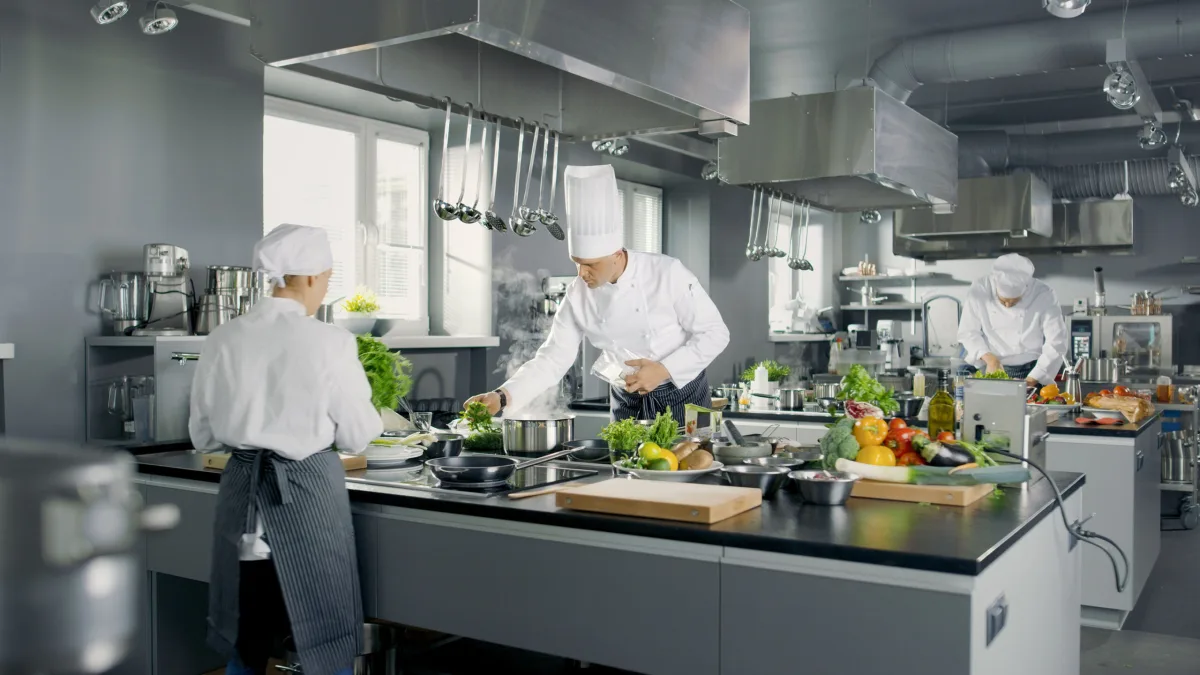
Commercial Kitchen Hacks for Restaurant-Quality Dishes at Home: Why Your Home Cooking Might Be Missing That *Chef’s Kiss*
Let me set the scene: It’s a Tuesday night, and you’ve just spent an hour meticulously following a recipe for what was supposed to be a restaurant-quality risotto. The ingredients were top-notch, freshly grated Parmesan, Arborio rice, a splash of white wine, even a pinch of saffron. But when you take that first bite, something’s… off. The texture’s a little gluey, the flavors don’t quite sing, and you’re left wondering: Why does this taste like it’s missing something?
I’ve been there. More times than I’d like to admit, actually. After moving from the Bay Area to Nashville, I dove headfirst into the city’s food scene, eating at everything from hole-in-the-wall taquerias to James Beard-nominated kitchens. And let me tell you, the difference between home cooking and restaurant food isn’t just about skill, it’s about systems. Chefs don’t have some magical third hand or a secret spice blend (well, most don’t). What they do have are commercial kitchen hacks-tricks, tools, and techniques that turn good food into great food. And here’s the kicker: you can steal these hacks for your home kitchen.
Now, I’m not talking about buying a $10,000 combi oven or installing a walk-in freezer in your garage (though if you’ve got the space and budget, hey, no judgment). These are practical, affordable tweaks that mimic the way professional kitchens operate. Some of them are so simple, you’ll smack your forehead and wonder why you didn’t think of them sooner. Others might require a small investment in tools or ingredients, but trust me, they’re worth it. By the end of this, you’ll be cooking like you’ve got a Michelin-starred chef whispering in your ear. Or at least like you’ve got a really good sous chef who’s been around the block a few times.
So, what are we covering? Here’s the game plan:
- How to mimic professional heat control without a $5,000 range.
- The one tool every home cook should steal from commercial kitchens (hint: it’s not a mandoline).
- Why your mise en place might be sabotaging your dishes, and how to fix it.
- The secret to restaurant-level seasoning (it’s not just salt).
- How to hack your fridge and freezer for maximum efficiency.
- The pro technique for perfect sears that doesn’t involve a blowtorch.
- Why batch cooking is your new best friend (and how to do it right).
- The low-tech way to replicate sous vide without the fancy equipment.
- How to organize your kitchen like a line cook so you’re not scrambling during service.
- The flavor-boosting trick that takes 10 seconds and costs pennies.
Ready to dive in? Let’s start with the foundation of all great cooking: heat.
1. The Heat Is On: How to Fake a Commercial Range at Home
If there’s one thing that separates home cooks from pros, it’s heat control. Commercial kitchens run on BTUs, lots of them. A typical home stove might put out 10,000 to 15,000 BTUs per burner. A commercial range? Try 20,000 to 35,000 BTUs. That’s not just a little more heat; it’s a fundamentally different beast. High heat means faster sears, better caramelization, and the ability to cook large quantities without steaming your food. So how do you replicate that at home without installing a jet engine under your stove?
First, let’s talk about cast iron. If you don’t own a cast-iron skillet, stop reading this and go buy one. Right now. I’ll wait. Cast iron is the closest thing you’ll get to a commercial-grade cooking surface at home. It retains heat like a champ, distributes it evenly, and can take a beating. The key is preheating. In a restaurant, burners are left on high for hours. At home, you’ve got to give your cast iron time to soak up all that heat. Put it on the burner, turn it to medium-high, and let it sit for at least 10 minutes. You’ll know it’s ready when a drop of water sizzles and evaporates instantly. That’s the Leidenfrost effect in action, and it’s your ticket to a perfect sear.
But what if you’re cooking something delicate, like fish or eggs? High heat isn’t always the answer. This is where zone cooking comes in. In a commercial kitchen, chefs use different burners for different tasks, high heat for searing, medium for sautéing, low for simmering. At home, you can mimic this by managing your burners. Use one side of your stove for high-heat tasks and the other for gentler cooking. If you’ve got a griddle or a second skillet, even better. The goal is to control the heat, not just crank it up to 11.
Now, let’s talk about oven hacking. Home ovens are notoriously uneven. One corner might be a blast furnace, while another is barely warm. Commercial ovens, on the other hand, are designed for consistent heat distribution. To replicate this, you’ve got a few options. First, invest in an oven thermometer. Don’t trust the dial, it’s lying to you. Place the thermometer in the center of your oven and adjust the temperature accordingly. Second, rotate your pans. Halfway through cooking, swap the positions of your dishes to ensure even browning. And third, use the broiler. It’s the closest thing you’ll get to a salamander (a commercial broiler) at home. Just keep an eye on things, broilers work fast, and nobody likes a burnt dinner.
Is this the best approach? Let’s consider: Maybe you’re thinking, But Sammy, I don’t have time to preheat my skillet for 10 minutes every time I cook. Fair point. But here’s the thing, rushing leads to uneven cooking, and uneven cooking leads to mediocre food. If you’re serious about restaurant-quality dishes at home, you’ve got to respect the process. That said, there are shortcuts. A carbon steel wok heats up faster than cast iron and is just as effective for high-heat cooking. Or, if you’re really pressed for time, crank the heat to max and let your pan preheat while you chop your ingredients. Every little bit helps.
Pro Tip: The Water Test
Here’s a quick way to test if your pan is hot enough: Flick a few drops of water onto the surface. If they sizzle and evaporate immediately, you’re good to go. If they just sit there, keep heating. This is called the water droplet test, and it’s a game-changer for home cooks. It’s not foolproof, but it’s a hell of a lot better than guessing.
2. The One Tool You’re Probably Missing: The Bench Scraper
I’ll admit it: When I first heard about bench scrapers, I rolled my eyes. Another gadget? Really? But after spending a day in a professional kitchen, I was a convert. This unassuming little tool is a workhorse in commercial kitchens, and it’s about to become your new best friend. Here’s why.
A bench scraper is essentially a rectangular piece of stainless steel with a handle. It’s used for everything from dividing dough to scraping up chopped herbs to transferring ingredients from your cutting board to your pan. But its real superpower? Precision. In a restaurant, speed and accuracy are everything. A bench scraper lets you chop faster, cleaner, and with less waste. No more chasing garlic cloves around your cutting board or losing half your diced onions to the counter. With a bench scraper, you can gather, lift, and transfer ingredients in one smooth motion.
But wait, there’s more. Bench scrapers are also incredible for baking. If you’ve ever struggled to divide sticky dough or transfer delicate pastries to a baking sheet, this tool is a lifesaver. It’s like having an extra set of hands. And because it’s made of stainless steel, it’s dishwasher-safe and built to last. Unlike plastic bench scrapers, which can warp or crack, a good stainless steel scraper will outlive your kitchen.
Here’s how to use it:
- Chopping: After mincing garlic, herbs, or veggies, use the scraper to gather them into a neat pile. Then, flip the scraper over and use the flat edge to smash and chop even finer. It’s like a mini mezzaluna.
- Transferring: Slide the scraper under your chopped ingredients and lift them directly into your pan. No more spills, no more mess.
- Cleaning: Use the scraper to scrape down your cutting board or countertop. It’s way more effective than a sponge or cloth.
- Baking: Divide dough into equal portions, transfer cookies to a baking sheet, or scrape sticky dough off your hands (trust me, this is a game-changer).
I’m torn between recommending a plastic bench scraper for baking and a stainless steel one for general cooking. Ultimately, I’d say get both. They’re cheap, and each has its strengths. The plastic one is gentler on delicate doughs, while the stainless steel one is more versatile. If you’re only going to buy one, go with stainless steel. It’s the Swiss Army knife of kitchen tools.
Why You Don’t Need a $200 Knife Set
Let me let you in on a secret: Most home cooks don’t need a fancy knife set. Yeah, I said it. A $200 German knife might look impressive on your counter, but if you’re not using it correctly, it’s just a fancy paperweight. In commercial kitchens, chefs rely on a few key knives: a chef’s knife, a paring knife, and a serrated knife. That’s it. The rest is just gravy.
So what should you invest in? A good 8-inch chef’s knife. That’s your workhorse. Pair it with a bench scraper, and you’ve got 90% of what you need. The scraper handles the tasks that would otherwise require a dozen specialized tools. It’s the ultimate kitchen multitasker.
3. Mise en Place: The French Secret That’s Not as Fancy as It Sounds
If you’ve ever watched a cooking show, you’ve heard the term mise en place. It’s French for “everything in its place,” and it’s the backbone of professional cooking. But here’s the thing: Most home cooks do it wrong. Or at least, they don’t do it efficiently. In a restaurant, mise en place isn’t just about chopping your onions and measuring your spices. It’s about organizing your workflow so that when the tickets start flying, you’re not scrambling.
At home, this means prepping all your ingredients before you turn on the heat. Sounds simple, right? But how many times have you started cooking only to realize you forgot to chop the garlic or measure the soy sauce? Suddenly, you’re frantically mincing while your onions burn. Not ideal.
Here’s how to do mise en place like a pro:
- Read the recipe. Like, really read it. Not just the ingredients list, but the steps. Understand what’s happening before you start. This is your game plan.
- Gather your tools. Do you need a whisk? A fine-mesh strainer? A bench scraper? Get it all out before you start. Nothing kills momentum like realizing you need to dig through a drawer mid-cook.
- Prep your ingredients. Chop, measure, and organize everything into small bowls or ramekins. In a restaurant, chefs use stainless steel prep bowls for this. At home, any small bowl will do. The key is to have everything within arm’s reach.
- Organize your station. Think of your kitchen like a work triangle: stove, sink, prep area. Keep your ingredients and tools in the order you’ll use them. If the recipe calls for onions first, then garlic, then spices, arrange them in that order.
- Clean as you go. This is the part most home cooks skip, but it’s crucial. In a restaurant, there’s no time to clean at the end of service. You clean as you cook. At home, this means washing your cutting board while the onions sauté or wiping down the counter while the sauce simmers. It’s a mindset shift, but it makes cooking so much more enjoyable.
Now, I know what you’re thinking: This sounds like a lot of work. And you’re not wrong. But here’s the thing-mise en place actually saves you time. When everything’s prepped and organized, cooking becomes a smooth, stress-free process. No more frantic chopping, no more burnt garlic, no more realizing halfway through that you’re missing an ingredient. It’s the difference between cooking and performing.
Mise en Place for Lazy Cooks
Let’s be real: Some days, you don’t have the energy for a full mise en place. Maybe you’re cooking after a long day at work, or maybe you just don’t feel like washing a dozen bowls. That’s okay. Here’s how to hack mise en place for those days:
- Use one big bowl. Instead of small ramekins, dump all your prepped ingredients into one large bowl. It’s not as pretty, but it works.
- Prep as you go. If you’re making a stir-fry, chop the veggies first, then the protein, then the aromatics. It’s not as efficient, but it’s better than nothing.
- Clean while you wait. If you’re simmering a sauce or roasting veggies, use that time to wash your cutting board or wipe down the counter.
- Keep a trash bowl. Place a bowl or bag on your counter for scraps. It’s a small thing, but it keeps your workspace clean and organized.
Is this the best approach? Maybe not. But it’s better than winging it. And sometimes, that’s enough.
4. The Secret to Restaurant-Level Seasoning: It’s Not Just Salt
Here’s a hard truth: Most home-cooked food is underseasoned. And I’m not just talking about salt. Restaurants don’t just dump a bunch of salt on their food and call it a day. They layer flavors like a symphony. Salt is just the first note. The real magic happens in the balance.
Let’s start with salt. In a commercial kitchen, chefs use kosher salt almost exclusively. Why? Because it’s easier to control. The flakes are larger and more uniform than table salt, so you can see how much you’re using. Table salt, on the other hand, is fine and dense, which makes it easy to over-salt. If you’re still using table salt, switch to kosher. Your food will taste better instantly.
But salt is just the beginning. Here’s how restaurants build flavor:
- Acid: A squeeze of lemon, a splash of vinegar, a dash of wine. Acid brightens flavors and cuts through richness. It’s why a squeeze of lime makes tacos taste so good or why a splash of balsamic vinegar elevates a simple tomato salad.
- Umami: This is the fifth taste, and it’s what makes food taste savory. Think soy sauce, fish sauce, Parmesan cheese, mushrooms, or tomato paste. Umami is the secret weapon of restaurant chefs. A dash of fish sauce in your marinara or a sprinkle of MSG (yes, really) can take your food to the next level.
- Fat: Butter, olive oil, bacon fat, fat carries flavor. It’s why restaurant food tastes so rich. Don’t be afraid to use it. A pat of butter in your risotto or a drizzle of olive oil on your pasta makes all the difference.
- Heat: Not just spicy heat, but aromatic heat. Garlic, ginger, chili peppers, black pepper, these add depth and complexity to dishes. Toast your spices before using them to wake up their flavors.
- Sweetness: A pinch of sugar can balance acidity and enhance other flavors. It’s why ketchup tastes so good or why a touch of honey makes salad dressings pop.
Here’s the key: Season in layers. Don’t just dump all your salt in at the beginning. Taste as you go, and adjust accordingly. Start with a little salt, then add acid, then umami, then fat. It’s a dance, not a one-step process.
The Umami Bomb: A 10-Second Flavor Hack
Want to know one of my favorite restaurant tricks? It’s called an umami bomb. Here’s how it works: Take a spoonful of tomato paste, a splash of soy sauce, and a pinch of MSG (or nutritional yeast, if you’re MSG-averse). Mix them together and add a little water to make a paste. Then, stir this into your sauce, soup, or stew. It’s like a flavor explosion in your mouth. The tomato paste adds sweetness and depth, the soy sauce adds saltiness and umami, and the MSG (or nutritional yeast) amplifies everything. It’s a 10-second hack that makes your food taste like it’s been simmering for hours.
I’m torn between recommending MSG and not. On one hand, it’s a powerful flavor enhancer that’s been used in restaurants for decades. On the other hand, it’s got a bad rap thanks to some outdated science. The truth? It’s safe in moderation, and it can make your food taste amazing. But if you’re not comfortable using it, nutritional yeast is a great alternative. It’s got a cheesy, nutty flavor that adds umami without the controversy.
5. Fridge and Freezer Hacks: How to Store Food Like a Pro
Let’s talk about storage. In a commercial kitchen, food waste is the enemy. Every scrap of onion, every leftover herb, every drop of sauce is accounted for. At home, we’re a little more… lax. But here’s the thing: Proper storage doesn’t just reduce waste, it makes your food taste better.
First, let’s tackle the fridge. Most home fridges are set too cold, which can dry out food and kill flavors. The ideal temperature for a fridge is 37°F to 40°F. Any colder, and you’re risking freezer burn. Any warmer, and you’re inviting bacteria to the party. Invest in a fridge thermometer (they’re cheap) and adjust your settings accordingly.
Now, let’s talk about organization. In a restaurant, fridges are organized by temperature zones. The coldest part (usually the back of the bottom shelf) is for raw meats and seafood. The middle shelves are for dairy and cooked foods. The door is for condiments and drinks. At home, you can mimic this by designating zones in your fridge. Keep raw meats on the bottom shelf to prevent drips from contaminating other foods. Store dairy and cooked foods in the middle. And use the door for condiments and drinks. It’s a simple system, but it reduces waste and keeps your food safe.
Here’s a pro tip: Store herbs like flowers. Trim the ends of fresh herbs (like parsley, cilantro, or basil) and place them in a jar of water, like a bouquet. Cover them loosely with a plastic bag and store them in the fridge. They’ll stay fresh for weeks. No more wilted herbs in the back of your fridge.
Now, let’s talk about the freezer. Most home cooks use their freezers as a food graveyard-a place where leftovers go to die. But in a commercial kitchen, the freezer is a tool for efficiency. Here’s how to use it like a pro:
- Portion your food. Freeze soups, sauces, and stews in individual portions so you can thaw only what you need. Use muffin tins for small portions or silicone molds for larger ones.
- Label everything. Use a permanent marker to write the contents and date on every container. No more mystery meat.
- Freeze in layers. If you’re freezing something like lasagna or a casserole, freeze it in thin layers so it thaws faster. Use parchment paper between layers to prevent sticking.
- Blanch your veggies. If you’re freezing vegetables, blanch them first (boil for a minute, then shock in ice water). This preserves their color, texture, and flavor.
- Use the right containers. Freezer bags are great for liquids, but they’re not ideal for everything. Use airtight containers for foods that can get freezer burn, like meat or bread.
I’m not gonna lie, freezing food takes a little extra effort. But it’s worth it. Imagine coming home after a long day and having a homemade meal ready in minutes. That’s the power of the freezer.
The Ice Cube Tray Trick
Here’s a freezer hack that’s so simple, you’ll wonder why you didn’t think of it sooner. Use an ice cube tray to freeze small portions of sauces, herbs, or even wine. Once frozen, pop the cubes into a freezer bag. Now you’ve got instant flavor boosters at your fingertips. A cube of tomato sauce can be added to a quick pasta dish. A cube of pesto can elevate a simple sandwich. And a cube of wine? That’s for when you need to deglaze a pan or add depth to a sauce. It’s a game-changer.
6. The Perfect Sear: How to Get That Crispy, Caramelized Crust Without a Blowtorch
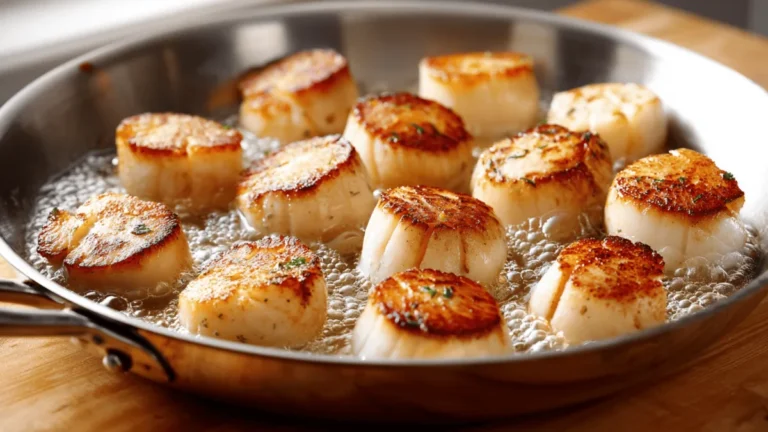
There’s nothing worse than a steak that’s gray and sad. You know the kind, overcooked on the inside, undercooked on the outside, with no crust to speak of. In a restaurant, chefs use high heat and the right technique to achieve that perfect sear. At home, you can do the same. Here’s how.
First, let’s talk about dryness. A wet steak won’t sear, it’ll steam. That’s why restaurants pat their meat dry before cooking. Use paper towels to blot your steak, chicken, or fish until it’s bone dry. This might seem like a small thing, but it makes a huge difference.
Next, season generously. Don’t be shy with the salt. A good rule of thumb is 1 teaspoon of kosher salt per pound of meat. And don’t forget the pepper. Freshly cracked black pepper adds a ice crust and a little heat.
Now, let’s talk about heat. You need a ripping hot pan. Cast iron is ideal, but stainless steel works too. Heat your pan over medium-high to high heat until it’s smoking hot. Add a high-smoke-point oil (like avocado or grapeseed) and let it shimmer. Then, add your meat. You should hear a loud sizzle. If you don’t, your pan isn’t hot enough.
Here’s the key: Don’t move the meat. Let it sear undisturbed for a few minutes. This is where the Maillard reaction happens, the chemical process that creates that beautiful brown crust. If you’re constantly flipping or poking your meat, you’re interrupting the process. Be patient. Let it do its thing.
Once you’ve got a good crust, flip the meat and sear the other side. Then, if you’re cooking a thick cut (like a steak or a chicken breast), transfer the pan to a 400°F oven to finish cooking. This ensures the inside cooks evenly without burning the outside. Use a meat thermometer to check for doneness. For steak, aim for 125°F to 130°F for medium-rare. For chicken, 165°F.
Finally, let it rest. This is the part most home cooks skip, but it’s crucial. When meat cooks, the juices are pushed to the center. If you cut into it right away, those juices will spill out onto your cutting board, leaving you with a dry, tough steak. Let it rest for 5 to 10 minutes (depending on the size) to allow the juices to redistribute. Trust me, it’s worth the wait.
The Reverse Sear: A Game-Changer for Thick Cuts
If you’re cooking a thick steak (like a ribeye or a tomahawk), try the reverse sear. Here’s how it works: Start by cooking the steak in a low oven (250°F) until it reaches 10°F below your desired doneness. Then, sear it in a hot pan to create a crust. This method ensures the steak cooks evenly from edge to edge, with no gray band. It’s a restaurant trick that’s easy to replicate at home.
7. Batch Cooking: The Pro’s Secret to Always Having a Meal Ready
Let’s be real: Most of us don’t have time to cook a fresh, restaurant-quality meal every night. That’s where batch cooking comes in. In a commercial kitchen, chefs prep large quantities of ingredients ahead of time so they can assemble dishes quickly during service. At home, you can do the same. Batch cooking isn’t just for meal preppers, it’s for anyone who wants to eat well without spending hours in the kitchen every day.
Here’s how to do it like a pro:
- Plan your meals. Before you start cooking, decide what you’re going to make for the week. Choose dishes that reheat well (like soups, stews, or casseroles) and ones that can be repurposed (like roasted veggies or cooked grains).
- Cook in bulk. Double or triple your recipes so you’ve got leftovers. If you’re making a pot of chili, make two. If you’re roasting a chicken, roast two. The extra effort is minimal, but the payoff is huge.
- Portion your food. Divide your cooked food into individual portions so you can grab and go. Use airtight containers or freezer bags to keep everything fresh.
- Label everything. Write the contents and date on every container. This might seem tedious, but it’s the only way to keep track of what’s in your fridge or freezer.
- Store properly. Keep your batch-cooked meals in the fridge for up to 4 days or in the freezer for up to 3 months. If you’re freezing, use freezer-safe containers to prevent freezer burn.
Now, I know what you’re thinking: But Sammy, batch cooking sounds boring. I don’t want to eat the same thing every day. Fair point. But here’s the thing-batch cooking doesn’t mean eating the same meal every day. It means having ingredients ready to go so you can mix and match. Cook a big pot of rice, roast a tray of veggies, and grill some chicken. Now you’ve got the building blocks for bowls, salads, stir-fries, or wraps. It’s like having your own personal sous chef.
Batch Cooking Hacks
Here are a few pro tips to make batch cooking even easier:
- Use your slow cooker. It’s the ultimate batch cooking tool. Throw in your ingredients in the morning, and come home to a hot meal.
- Cook grains in bulk. Rice, quinoa, and farro all reheat well. Cook a big batch and use it throughout the week.
- Roast veggies in advance. Toss your veggies in oil, salt, and pepper, then roast them at 400°F until tender. They’ll keep in the fridge for 4 to 5 days.
- Make sauces ahead of time. Pesto, marinara, and vinaigrettes all keep well in the fridge. Make a big batch and use them to elevate simple meals.
- Freeze in portions. Use muffin tins to freeze small portions of sauces or soups. Once frozen, pop them into a freezer bag for easy single-serving meals.
Batch cooking takes a little planning, but it’s a game-changer. Imagine coming home after a long day and having a delicious, homemade meal ready in minutes. That’s the power of batch cooking.
8. Sous Vide Without the Fancy Equipment: The Low-Tech Way
Sous vide is one of those restaurant techniques that sounds intimidating but is actually pretty simple. The idea is to cook food in a vacuum-sealed bag in a water bath at a precise temperature. This ensures the food cooks evenly and retains its moisture. The result? Perfectly cooked steak, tender chicken, and fish that flakes at the touch of a fork. But here’s the thing: You don’t need a $500 sous vide machine to get the same results at home.
First, let’s talk about temperature control. In a restaurant, chefs use a sous vide circulator to keep the water at a precise temperature. At home, you can mimic this with a pot of water on the stove. The key is to maintain a consistent temperature. Use a candy thermometer or a digital probe thermometer to monitor the water. Adjust the heat as needed to keep the temperature steady.
Next, let’s talk about vacuum sealing. In a commercial kitchen, chefs use a chamber vacuum sealer to remove all the air from the bag. At home, you can use a ziplock bag and the water displacement method. Here’s how it works: Place your food in the bag, seal it most of the way, then slowly lower it into the water. The pressure of the water will push the air out. Once the bag is submerged, seal it the rest of the way. It’s not as precise as a vacuum sealer, but it works.
Now, let’s talk about timing. Sous vide is all about low and slow. The temperature is low (usually between 130°F and 165°F), and the cooking time is long (anywhere from 30 minutes to 24 hours). The exact time depends on the food and the desired doneness. For example, a medium-rare steak might cook at 130°F for 1 to 4 hours, while a chicken breast might cook at 145°F for 1 to 4 hours. The longer you cook, the more tender the food becomes.
Here’s a pro tip: Use a beer cooler. If you don’t want to babysit a pot of water on the stove, fill a beer cooler with hot water and use it as your water bath. The insulation will keep the water at a consistent temperature for hours. Just make sure to check the temperature periodically and adjust as needed.
Once your food is cooked, it’s time to sear it. Sous vide food is perfectly cooked, but it lacks the brown crust that makes food look and taste delicious. To fix this, pat your food dry and sear it in a hot pan with a little oil. This will give you that restaurant-quality crust without overcooking the inside.
Sous Vide Without a Thermometer
What if you don’t have a thermometer? Can you still sous vide at home? The answer is yes, but it’s a little trickier. Here’s how:
- Use the finger test. For steak, press the center of the meat with your finger. If it feels like the fleshy part of your palm below your thumb, it’s medium-rare. If it feels firmer, it’s more well-done.
- Use a pot of simmering water. Bring a pot of water to a simmer (not a boil) and maintain it at that temperature. This is roughly 180°F to 200°F, which is too hot for most sous vide cooking, but it’s a good starting point if you’re just experimenting.
- Use a slow cooker. Set your slow cooker to low and use it as your water bath. The temperature will be around 190°F to 200°F, which is still too hot for most sous vide cooking, but it’s a good way to get started.
Is this the best approach? Maybe not. But it’s a low-tech way to experiment with sous vide without investing in expensive equipment. And who knows? You might discover a new favorite cooking method.
9. Organize Your Kitchen Like a Line Cook: The Secret to Stress-Free Cooking
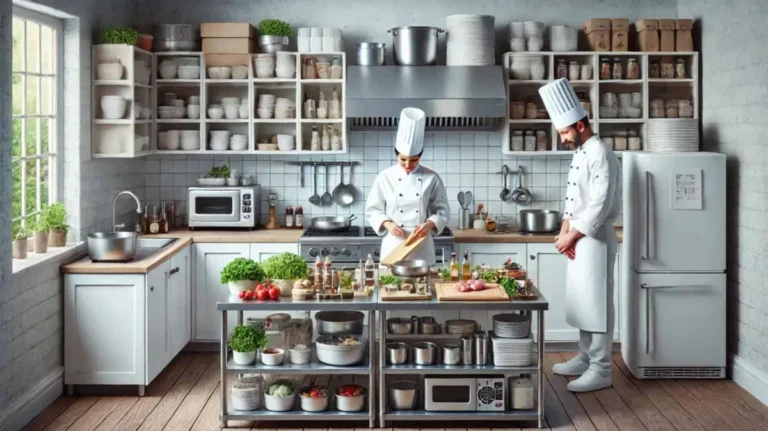
Ever notice how restaurant kitchens are immaculately organized? There’s a place for everything, and everything’s in its place. That’s not just for show, it’s a matter of efficiency. In a commercial kitchen, there’s no time to hunt for a whisk or dig through a drawer for a can opener. At home, we’re a little more… relaxed. But here’s the thing: An organized kitchen makes cooking faster, easier, and more enjoyable.
First, let’s talk about zones. In a restaurant, the kitchen is divided into work stations: prep, cooking, plating, and cleaning. At home, you can mimic this by organizing your kitchen into zones. Here’s how:
- Prep zone: This is where you chop, measure, and organize your ingredients. Keep your cutting board, knives, and prep bowls here.
- Cooking zone: This is where you cook. Keep your pots, pans, and utensils here.
- Plating zone: This is where you plate your food. Keep your serving dishes, garnishes, and sauces here.
- Cleaning zone: This is where you clean. Keep your sponge, dish soap, and trash can here.
Next, let’s talk about storage. In a restaurant, tools and ingredients are stored within arm’s reach of where they’re used. At home, you can do the same. Keep your spices near the stove, your knives near the cutting board, and your pots and pans near the oven. This might seem like a small thing, but it makes a huge difference in your workflow.
Here’s a pro tip: Use drawer dividers. They’re a game-changer for keeping your utensils and tools organized. No more digging through a junk drawer for a can opener or a pair of tongs. Everything has its place.
Now, let’s talk about labels. In a commercial kitchen, everything’s labeled, spice jars, storage containers, even the shelves. At home, you don’t need to go that far, but a little labeling can go a long way. Use a label maker or masking tape to label your spice jars, storage containers, and shelves. It’s a small thing, but it makes it easier to find what you need when you’re in the middle of cooking.
The One-Minute Rule
Here’s a kitchen organization hack that’s so simple, you’ll wonder why you didn’t think of it sooner. It’s called the one-minute rule: If a task takes less than a minute to complete, do it immediately. Put away the spices after you use them. Wipe down the counter after you chop your veggies. Hang up your apron after you take it off. These small tasks add up, and they keep your kitchen clean and organized.
10. The 10-Second Flavor Boost: How to Make Your Food Taste Like It’s From a Restaurant
Here’s a restaurant secret that’s so simple, you’ll smack your forehead when you hear it: Finish your dishes with a little love. In a commercial kitchen, chefs don’t just plate the food and call it a day. They finish it-a drizzle of oil, a sprinkle of flaky salt, a squeeze of lemon, a handful of fresh herbs. These small touches make all the difference. At home, you can do the same. Here are a few 10-second flavor boosts to take your dishes to the next level:
- Flaky salt: A sprinkle of flaky sea salt (like Maldon) adds a crunchy texture and a bright, salty flavor. It’s the perfect finishing touch for everything from roasted veggies to chocolate chip cookies.
- Fresh herbs: A handful of chopped fresh herbs (like parsley, cilantro, or basil) adds a bright, fresh flavor to any dish. Sprinkle them on top of soups, salads, or pasta.
- Citrus zest: The zest of a lemon, lime, or orange adds a bright, citrusy flavor without the acidity. Use a microplane to zest the fruit, then sprinkle it on top of your dish.
- Brown butter: Brown butter is utty, rich, and delicious. Melt a pat of butter in a pan, then cook it until it turns golden brown. Drizzle it over roasted veggies, pasta, or fish.
- Toasted nuts: Toasted nuts add a crunchy texture and a rich, nutty flavor. Toast them in a dry pan until they’re golden brown, then sprinkle them on top of salads, soups, or roasted veggies.
- Hot sauce: A dash of hot sauce adds a spicy kick to any dish. Drizzle it over eggs, tacos, or even pizza.
- Cheese: A sprinkle of grated cheese (like Parmesan, Pecorino, or feta) adds a salty, savory flavor to any dish. Sprinkle it on top of pasta, salads, or roasted veggies.
These small touches might seem insignificant, but they make a huge difference. They’re the difference between good food and great food. And the best part? They take 10 seconds or less.
The Power of a Garnish
Here’s another restaurant trick: Garnishes aren’t just for looks. They add texture, flavor, and freshness to a dish. A sprinkle of chopped herbs, a drizzle of sauce, or a handful of toasted nuts can take a dish from meh to amazing. Don’t skip the garnish. It’s the final touch that makes your food look and taste like it’s from a restaurant.
Putting It All Together: Your First Restaurant-Quality Meal at Home
Alright, let’s recap. You’ve got your heat control down, you’ve stolen the bench scraper from the pros, you’ve mastered mise en place, you’re seasoning like a chef, you’ve hacked your fridge and freezer, you’re searing like a pro, you’re batch cooking like a boss, you’ve sous vide without the fancy equipment, you’ve organized your kitchen like a line cook, and you’ve learned the 10-second flavor boosts that make all the difference. Now it’s time to put it all together.
Let’s say you’re making pan-seared steak with roasted potatoes and a simple salad. Here’s how you’d do it like a pro:
- Mise en place: Chop your potatoes, measure your spices, and prep your salad. Have everything within arm’s reach.
- Preheat your pan: Heat your cast-iron skillet over medium-high heat until it’s smoking hot. Add a little oil and let it shimmer.
- Sear the steak: Pat your steak dry, season it generously with salt and pepper, and sear it in the hot pan. Don’t move it, let it develop a beautiful crust.
- Roast the potatoes: Toss your potatoes in oil, salt, and pepper, then roast them in a 400°F oven until they’re golden brown and crispy.
- Assemble the salad: Toss your greens with a simple vinaigrette and a handful of toasted nuts for crunch.
- Finish the steak: Once your steak is cooked to your liking, let it rest for 5 to 10 minutes. Then, slice it against the grain and drizzle it with a little brown butter.
- Plate your food: Arrange your steak, potatoes, and salad on a plate. Garnish with a sprinkle of flaky salt and a handful of fresh herbs.
- Serve and enjoy: Take a bite and savor the restaurant-quality flavors. You did it!
See? It’s not rocket science. It’s just a series of small, intentional steps that add up to something amazing. And the best part? The more you practice, the easier it gets. Soon, you’ll be cooking like a pro without even thinking about it.
So, what’s next? I challenge you to pick one of these hacks and try it this week. Maybe it’s the bench scraper, or the umami bomb, or the one-minute rule. Whatever it is, give it a shot. And then, once you’ve mastered that, try another. Before you know it, you’ll be cooking restaurant-quality dishes at home like it’s no big deal.
And hey, if you mess up? That’s okay. Even the pros burn things sometimes. The important thing is to keep cooking, keep learning, and keep having fun. Because at the end of the day, that’s what it’s all about.
FAQ: Your Commercial Kitchen Hacks Questions, Answered
Q: I don’t have a cast-iron skillet. Can I still get a good sear with a regular pan?
A: Absolutely! While cast iron is ideal for searing, you can still get a good crust with a stainless steel pan. The key is to preheat the pan until it’s smoking hot and to pat your meat dry before adding it. Stainless steel doesn’t retain heat as well as cast iron, so you might need to adjust the heat as you cook to maintain a consistent temperature. But with a little practice, you can get a restaurant-quality sear with any pan.
Q: What’s the best way to store fresh herbs so they last longer?
A: The best way to store fresh herbs is to treat them like flowers. Trim the ends, place them in a jar of water (like a bouquet), and cover them loosely with a plastic bag. Store them in the fridge, and they’ll stay fresh for weeks. For hardy herbs like rosemary or thyme, you can also wrap them in a damp paper towel and store them in a ziplock bag in the fridge. And for delicate herbs like basil, store them at room temperature in a jar of water, like a bouquet.
Q: I’ve heard that MSG is bad for you. Is that true?
A: MSG (monosodium glutamate) has gotten a bad rap over the years, but the science doesn’t support the hype. MSG is a aturally occurring compound found in foods like tomatoes, cheese, and mushrooms. It’s been used in cooking for over a century, and it’s safe in moderation. The FDA classifies MSG as “generally recognized as safe” (GRAS), and studies have shown that it doesn’t cause adverse reactions in most people. That said, if you’re sensitive to MSG or just prefer to avoid it, there are plenty of atural umami boosters you can use instead, like soy sauce, fish sauce, or nutritional yeast.
Q: What’s the best way to reheat leftovers so they taste fresh?
A: The key to reheating leftovers is to add moisture and control the heat. For soups, stews, and sauces, reheat them in a pot on the stove over low to medium heat. Add a splash of water or broth to loosen the sauce, and stir occasionally to prevent sticking. For roasted veggies or meats, reheat them in a skillet on the stove with a little oil or butter. This will help them retain their texture and prevent them from drying out. And for pasta, reheat it in a pot of boiling water for a minute or two to refresh the noodles. Avoid the microwave if you can, it tends to steam food, which can make it soggy.
Q: I don’t have a lot of time to cook. What’s the best way to use these hacks for quick meals?
A: The great thing about these hacks is that they’re designed to save you time. Here are a few quick tips for busy cooks:
- Batch cook on the weekends. Spend a few hours on Sunday prepping ingredients (like roasted veggies, cooked grains, or grilled chicken) so you can assemble quick meals during the week.
- Use your freezer. Freeze sauces, soups, and stews in individual portions so you can thaw and reheat them in minutes.
- Master the one-pan meal. Dishes like stir-fries, sheet-pan dinners, and skillet meals are quick, easy, and delicious. Plus, they minimize cleanup.
- Keep a well-stocked pantry. Having a few staple ingredients on hand (like canned beans, pasta, rice, and spices) makes it easy to throw together a quick meal.
- Use your slow cooker. It’s the ultimate time-saving tool. Throw in your ingredients in the morning, and come home to a hot meal.
Even if you only have 15 minutes to cook, these hacks can help you make a delicious, restaurant-quality meal. It’s all about working smarter, not harder.
@article{commercial-kitchen-hacks-for-restaurant-quality-dishes-at-home-10-pro-secrets-to-elevate-your-cooking-game,
    title   = {Commercial Kitchen Hacks for Restaurant-Quality Dishes at Home: 10 Pro Secrets to Elevate Your Cooking Game},
    author  = {Chef's icon},
    year    = {2026},
    journal = {Chef's Icon},
    url     = {https://chefsicon.com/commercial-kitchen-hacks-for-restaurant-quality-dishes-at-home/}
}