The Best Fluffy Pancakes recipe you will fall in love with. Full of tips and tricks to help you make the best pancakes.
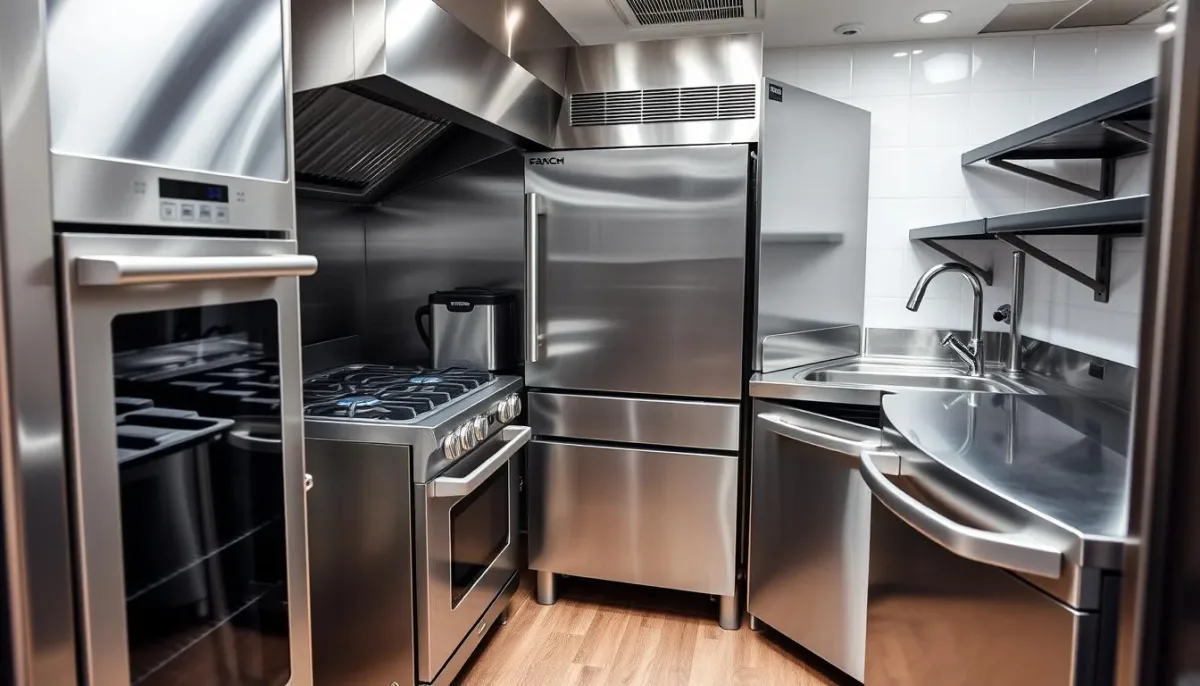
Maximizing Small Commercial Kitchens with Stackable Cookware Solutions: Why It’s a Game-Changer
Let me set the scene: It’s a Friday night, the dinner rush is in full swing, and your tiny commercial kitchen feels like it’s about to burst at the seams. You’ve got a line of tickets a mile long, your prep station is overflowing with ingredients, and your cookware is scattered everywhere, some on the stove, some in the sink, and a few precariously balanced on the edge of the counter. Sound familiar? If you’re running a small commercial kitchen, you know the struggle is real. Space is at a premium, and every square inch counts. That’s where stackable cookware solutions come in, and let me tell you, they’ve been a revelation for me, and they could be for you too.
I remember the first time I walked into a kitchen that had fully embraced stackable cookware. It was like stepping into a well-oiled machine. Pots, pans, lids, and even prep containers were neatly stacked, taking up half the space they normally would. There was room to move, room to breathe, and most importantly, room to cook efficiently. I was skeptical at first, wouldn’t stacking everything just make it harder to access what you need? But after seeing it in action, I realized I’d been looking at the problem all wrong. It’s not about cramming everything into a smaller space; it’s about reorganizing your workflow to make the most of what you’ve got. And that’s exactly what stackable cookware does.
In this article, I’m going to dive deep into how you can transform your small commercial kitchen with stackable cookware solutions. We’ll cover everything from the benefits of stackable design to the best materials for durability, how to organize your kitchen for maximum efficiency, and even some real-world case studies of kitchens that have made the switch. By the end, you’ll have a clear roadmap for making your kitchen work smarter, not harder. And who knows? Maybe you’ll finally stop tripping over that rogue saucepan that always seems to be in the way.
But before we get into the nitty-gritty, let me just say: I’m not here to sell you a one-size-fits-all solution. Every kitchen is different, and what works for a food truck might not work for a cozy bistro. That’s why I’ll be sharing a mix of general principles and specific tips, so you can adapt them to your unique space. And hey, if you’re still on the fence about whether stackable cookware is right for you, stick around. I’ll be honest about the potential drawbacks too, because no solution is perfect, and it’s important to weigh the pros and cons before making a change.
The Space-Saving Revolution: Why Stackable Cookware Matters
What Exactly Is Stackable Cookware?
First things first: What do we mean when we talk about stackable cookware? At its core, stackable cookware is designed to nest or fit inside itself, reducing the amount of space it takes up when not in use. This can include pots and pans that stack together, lids that fit snugly inside their corresponding pots, or even modular systems where different pieces interlock to create a compact storage solution. The key here is versatility and efficiency. Instead of having a jumble of cookware taking up valuable cabinet or shelf space, you can store everything in a neat, organized stack that’s easy to access and even easier to maintain.
But stackable cookware isn’t just about saving space, it’s about reimagining how your kitchen functions. Think about it: How much time do you waste digging through a pile of pots and pans to find the right one? Or worse, how often do you end up using the wrong pan because it’s the only one you can reach? With stackable cookware, you can say goodbye to those frustrations. Everything has its place, and everything is within reach. It’s like the Marie Kondo method, but for your commercial kitchen.
Now, I know what you’re thinking: “That sounds great, but does it really make that big of a difference?” Let me put it this way, when I first started researching this topic, I spoke to a chef who runs a small café in downtown Nashville. Before switching to stackable cookware, their kitchen was a disaster. They had a tiny storage closet that was overflowing with mismatched pots and pans, and their prep area was constantly cluttered. After making the switch, they told me they gained back 30% of their storage space. That’s not just a minor improvement; that’s a game-changer. And it’s not just about space, it’s about reducing stress, improving workflow, and ultimately, serving better food.
The Psychology of Space in a Commercial Kitchen
Here’s something I’ve been thinking about a lot lately: the psychology of space in a commercial kitchen. It’s not just about the physical dimensions of your kitchen; it’s about how those dimensions affect your mindset, your workflow, and even your creativity. When your kitchen is cluttered and chaotic, it’s hard to think clearly. You’re constantly distracted by the mess, and that distraction can lead to mistakes, burnt food, incorrect orders, or even safety hazards. On the other hand, when your kitchen is organized and streamlined, it’s like your brain has room to breathe. You can focus on what really matters: cooking great food.
I’m not just speculating here. There’s actually some fascinating research on how physical space impacts productivity and creativity. For example, a study from Princeton University found that clutter competes for your attention, making it harder to focus on the task at hand. In a commercial kitchen, where every second counts, that split-second distraction can be the difference between a smooth service and a chaotic one. Stackable cookware helps eliminate that clutter, giving you a cleaner, more organized workspace that allows you to perform at your best.
But it’s not just about productivity, it’s also about mental well-being. Let’s be honest: Working in a small commercial kitchen can be stressful. You’re juggling multiple tasks at once, dealing with high-pressure situations, and often working long hours in a confined space. When your environment is chaotic, that stress is amplified. But when your space is organized and efficient, it can actually reduce your stress levels. It’s like the difference between trying to work in a messy office versus a clean, well-organized one. Which one would you prefer?
Real-World Examples: Kitchens That Have Made the Switch
Okay, enough with the theory, let’s talk about real-world examples. I’ve had the chance to chat with a few chefs and kitchen managers who have made the switch to stackable cookware, and their stories are pretty inspiring. Take, for example, a food truck owner I spoke to in Austin. Before switching to stackable cookware, their kitchen was a nightmare. They had a tiny prep area, and their cookware was scattered across every available surface. After investing in a stackable system, they told me they doubled their storage capacity and cut their setup time in half. That’s a huge deal when you’re running a food truck, where every minute counts.
Then there’s the case of a small bistro in Portland. Their kitchen was so cramped that they were considering moving to a larger space, a move that would have cost them tens of thousands of dollars. Instead, they decided to give stackable cookware a try. The result? They freed up enough space to add a second prep station, which allowed them to expand their menu and increase their revenue. And the best part? They did it without spending a fortune on renovations.
I could go on and on with these examples, but the point is this: stackable cookware isn’t just a trend, it’s a practical solution for small commercial kitchens. Whether you’re running a food truck, a café, a bistro, or even a catering business, it can help you make the most of your space and improve your workflow. And the best part? It’s not as expensive or complicated as you might think. In fact, many stackable cookware systems are designed to be affordable and easy to implement, so you can start seeing results right away.
Choosing the Right Stackable Cookware for Your Kitchen
Materials Matter: What to Look For
Alright, let’s get into the nitty-gritty: How do you choose the right stackable cookware for your kitchen? The first thing you’ll want to consider is material. Not all cookware is created equal, and the material you choose can have a big impact on durability, heat distribution, and ease of cleaning. Here are a few of the most common materials you’ll encounter:
- Stainless Steel: This is a classic choice for commercial kitchens, and for good reason. Stainless steel is durable, resistant to rust and corrosion, and easy to clean. It’s also on-reactive, which means it won’t interact with acidic or alkaline foods. The downside? It’s not the best conductor of heat, so you’ll want to look for stainless steel cookware with an aluminum or copper core for better heat distribution.
- Aluminum: Aluminum is lightweight and an excellent conductor of heat, making it a great choice for even cooking. However, it’s not as durable as stainless steel and can react with acidic foods, which can affect the taste of your dishes. If you go with aluminum, look for anodized aluminum, which is more durable and non-reactive.
- Cast Iron: Cast iron is incredibly durable and retains heat well, but it’s also heavy and requires more maintenance than other materials. It’s not the best choice for stackable cookware, but if you’re a fan of cast iron, you can still find stackable options that incorporate it, like cast iron skillets with removable handles.
- Non-Stick: Non-stick cookware is great for easy cleaning and low-fat cooking, but it’s not as durable as other materials and can scratch easily. If you go with non-stick, look for high-quality brands that are designed for commercial use.
So, which material is right for you? It really depends on your needs. If you’re looking for durability and versatility, stainless steel is a great choice. If you need lightweight cookware that heats up quickly, aluminum might be the way to go. And if you’re a fan of cast iron’s heat retention, you can find stackable options that incorporate it. The key is to think about how you’ll be using your cookware and choose a material that fits your workflow.
I’ll be honest, I’m a little torn on this one. On the one hand, stainless steel is the gold standard for commercial kitchens. It’s durable, easy to clean, and built to last. But on the other hand, aluminum is so much lighter and heats up faster. Is one really better than the other, or does it just come down to personal preference? Maybe I should clarify: It’s not about which material is “better” overall, but which one is better for your specific needs. For example, if you’re running a food truck where weight is a major concern, aluminum might be the way to go. But if you’re running a high-volume restaurant where durability is key, stainless steel is probably the better choice.
Size and Shape: Finding the Perfect Fit
Once you’ve settled on a material, the next thing to consider is size and shape. Stackable cookware comes in all sorts of configurations, so it’s important to choose pieces that fit your kitchen’s needs. Here are a few things to keep in mind:
- Diameter: Think about the size of your burners and the types of dishes you’ll be cooking. If you’re working with a small stove, you’ll want to choose pots and pans that fit comfortably on your burners. On the other hand, if you’re cooking large batches of soup or sauce, you’ll need larger pots that can accommodate your volume.
- Depth: The depth of your cookware can affect everything from heat distribution to ease of stirring. Shallow pans are great for searing and sautéing, while deeper pots are better for soups, stews, and boiling. Think about the types of dishes you cook most often and choose your cookware accordingly.
- Shape: Stackable cookware isn’t just about round pots and pans. You can also find square, rectangular, and even oval-shaped pieces that can help you maximize your storage space. For example, square pans can fit more snugly into corners, while oval-shaped pots can be easier to stack in certain configurations.
But here’s the thing: size and shape aren’t just about functionality, they’re also about storage. The whole point of stackable cookware is to save space, so you’ll want to choose pieces that fit together neatly. Before you make a purchase, take some time to measure your storage area and think about how the pieces will stack. Will they fit in your cabinets? Can you store them vertically to save even more space? These are the kinds of questions you’ll want to ask yourself.
I’ll admit, I’ve made this mistake before. A few years ago, I bought a set of stackable cookware without really thinking about how it would fit in my kitchen. Turns out, the pieces were just a little too large for my cabinets, and I ended up having to store them on the counter, defeating the whole purpose of stackable cookware. Lesson learned: always measure before you buy. It’s a simple step, but it can save you a lot of headaches down the road.
Modular vs. Fixed Systems: Which Is Right for You?
When it comes to stackable cookware, you’ll generally find two types of systems: modular and fixed. Modular systems are made up of individual pieces that can be mixed and matched to create a custom setup. Fixed systems, on the other hand, come as a set and are designed to stack together in a specific way. Both have their pros and cons, so let’s break it down.
- Modular Systems:
- Pros: Modular systems are highly customizable, so you can choose the pieces that best fit your needs. They’re also easier to replace if a single piece gets damaged. Plus, you can add or remove pieces as your needs change.
- Cons: Modular systems can be more expensive upfront, and they require a bit more planning to ensure all the pieces fit together properly. You’ll also need to make sure you’re buying pieces from the same brand or line to ensure compatibility.
- Fixed Systems:
- Pros: Fixed systems are easier to set up because all the pieces are designed to work together. They’re also often more affordable than modular systems, making them a great choice for kitchens on a budget.
- Cons: Fixed systems are less customizable, so you might end up with pieces you don’t need. They’re also harder to replace if a single piece gets damaged, as you’ll need to buy a whole new set.
So, which one is right for you? It really depends on your needs and budget. If you’re looking for flexibility and customization, a modular system might be the way to go. But if you’re on a tight budget and want a simple, all-in-one solution, a fixed system could be the better choice. I’m torn between the two, to be honest. On the one hand, I love the idea of a modular system where I can pick and choose the pieces I need. But on the other hand, I can see the appeal of a fixed system, it’s just so much easier to set up and maintain. Maybe I should clarify: It’s not about which system is “better,” but which one is better for your specific kitchen.
Organizing Your Kitchen for Maximum Efficiency
The Art of Stacking: How to Do It Right
Alright, so you’ve chosen your stackable cookware, now what? The next step is organizing your kitchen to make the most of your new setup. Stacking cookware might seem straightforward, but there’s actually an art to it. Done right, it can save you space and make your workflow smoother. Done wrong, it can lead to a jumbled mess that’s just as frustrating as your old setup. So, let’s talk about how to do it right.
First things first: group similar items together. This might seem obvious, but it’s easy to overlook. For example, you’ll want to stack all your pots together, all your pans together, and all your lids together. This makes it easier to find what you need when you need it. It also helps prevent damage, stacking a heavy pot on top of a delicate non-stick pan is a recipe for disaster. I learned this the hard way when I accidentally stacked a cast iron skillet on top of a non-stick frying pan. Let’s just say the non-stick pan didn’t survive the experience.
Next, consider the weight of your cookware. Heavier items, like cast iron or stainless steel pots, should go at the bottom of the stack, while lighter items, like non-stick pans or lids, should go on top. This not only prevents damage but also makes it easier to lift and move the stack when you need to. Think of it like building a pyramid, you want the heaviest items at the base to keep everything stable.
Another pro tip: use dividers or separators to keep your stacks organized. This is especially important if you’re storing your cookware in a cabinet or on a shelf. Dividers can help prevent your stacks from toppling over, and they make it easier to access individual pieces without having to unstack everything. You can find dividers at most kitchen supply stores, or you can DIY them using cardboard or foam inserts. I’ve even seen some kitchens use bamboo cutting boards as dividers, it’s a great way to repurpose something you already have.
Finally, think about accessibility. The whole point of stackable cookware is to make your life easier, so you’ll want to make sure the pieces you use most often are easy to access. For example, if you use a certain pot every day, don’t bury it at the bottom of the stack. Instead, keep it at the top or in a separate, easily accessible location. This might seem like a small detail, but it can make a big difference in your workflow. Trust me, your future self will thank you when you’re not digging through a stack of cookware at the height of the dinner rush.
Vertical Storage: The Secret Weapon for Small Kitchens
If you’re really tight on space, vertical storage can be a game-changer. Instead of stacking your cookware horizontally, consider storing it vertically. This can free up a ton of space, especially in small kitchens where every inch counts. There are a few different ways to do this, so let’s break it down.
One option is to use wall-mounted racks or pegboards. These are great for hanging pots, pans, and even lids, and they can turn an empty wall into valuable storage space. The best part? They’re easy to install and customizable, so you can arrange them to fit your specific needs. I’ve seen some kitchens use pegboards to create a modular storage system where they can hang everything from cookware to utensils to spices. It’s like having a giant, customizable toolbox for your kitchen.
Another option is to use freestanding shelving units. These are great for kitchens with limited wall space, and they can be moved around as needed. You can find shelving units in all sorts of sizes and configurations, so you can choose one that fits your space. Some even come with built-in dividers or hooks for hanging pots and pans. The key here is to choose a shelving unit that’s sturdy and stable-the last thing you want is for it to tip over during a busy service.
If you’re really short on space, you might even consider ceiling-mounted racks. These are a bit more involved to install, but they can be a great way to free up floor and counter space. Just make sure you’re following safety guidelines-you don’t want your cookware falling on someone’s head during the lunch rush. I’ve seen this done in a few kitchens, and it’s always impressive how much space it saves. But I’ll admit, I’m a little nervous about the idea of hanging heavy pots and pans over my head. Maybe I’m just being paranoid, but it’s something to consider.
Finally, don’t forget about under-counter storage. If you have cabinets or shelves under your counter, you can use them to store stackable cookware vertically. This is a great option for kitchens with limited wall or floor space, and it keeps your cookware out of the way but still easily accessible. You can use pull-out shelves or lazy Susans to make it even easier to access your cookware. I’ve found that this is one of the most underrated storage solutions, it’s simple, effective, and doesn’t require any fancy installations.
Workflow Optimization: Designing Your Kitchen for Efficiency
Now that you’ve got your cookware organized, it’s time to think about workflow optimization. This is where things get really interesting. The way you arrange your kitchen can have a huge impact on efficiency, productivity, and even safety. So, let’s talk about how to design your kitchen for maximum efficiency.
First things first: map out your workflow. Think about the steps you take to prepare a dish, from start to finish. Where do you grab your ingredients? Where do you prep them? Where do you cook them? Where do you plate them? Once you’ve mapped out your workflow, you can start arranging your kitchen to support it. For example, if you’re constantly moving between your prep station and your stove, you’ll want to make sure those two areas are close together. The goal is to minimize unnecessary movement, so you can focus on cooking instead of running around the kitchen.
Next, group related tasks together. This is known as the “work triangle” principle, and it’s a cornerstone of kitchen design. The idea is to arrange your kitchen so that the three main work areas-prep, cooking, and cleaning-form a triangle. This minimizes the distance you have to travel between tasks, making your workflow more efficient. In a small commercial kitchen, you might not have the space for a perfect triangle, but you can still apply the principle by grouping related tasks together. For example, you might place your prep station next to your stove, and your sink next to your prep station.
Another key principle is “mise en place”, which is a French term that means “everything in its place.” The idea is to have all your ingredients and tools ready to go before you start cooking. This not only makes your workflow more efficient but also reduces the risk of mistakes. In a commercial kitchen, where every second counts, mise en place can be a lifesaver. To make it work, you’ll need to organize your ingredients and tools in a way that makes them easy to access. This might mean using clear containers for ingredients, hanging utensils within arm’s reach, or keeping frequently used tools in a designated spot.
Finally, think about ergonomics. This is something I don’t see talked about enough in commercial kitchens, but it’s so important. Ergonomics is all about designing your workspace to fit your body, so you can work more comfortably and efficiently. For example, if your prep station is too low, you’ll end up hunching over, which can lead to back pain. If your stove is too high, you’ll have to reach up to stir your pots, which can be tiring. The key is to adjust your workspace to fit your body, not the other way around. This might mean raising or lowering your prep station, using a stool for tasks that require a lot of standing, or even investing in adjustable-height countertops.
Beyond the Basics: Advanced Tips for Stackable Cookware
Multi-Functional Pieces: Doing More with Less
If you’re really looking to maximize your small commercial kitchen, multi-functional cookware is the way to go. These are pieces that can do double (or even triple) duty, so you can get more use out of them without taking up extra space. For example, a stackable sauté pan with a lid can be used for sautéing, braising, and even serving. A pot with a steamer insert can be used for boiling, steaming, and even making stock. The possibilities are endless, and the more multi-functional your cookware is, the less you’ll need to store.
One of my favorite multi-functional pieces is the Dutch oven. It’s a pot, a pan, a baking dish, and even a serving vessel all in one. You can use it to braise meats, bake bread, make soups, and so much more. And the best part? It’s stackable. I’ve seen some kitchens use Dutch ovens as the base of their stackable cookware system, with smaller pots and pans nesting inside. It’s a great way to save space and get more use out of a single piece.
Another great option is modular cookware sets. These are sets where the pieces can be used individually or combined to create larger vessels. For example, you might have a set of stackable pots that can be used separately or nested together to create a larger pot. This is a great option for kitchens that need to be flexible and adaptable, like food trucks or catering businesses. I’ve seen some really innovative modular sets on the market, and they’re definitely worth checking out if you’re looking to do more with less.
But here’s the thing: multi-functional cookware isn’t just about saving space, it’s also about saving money. The more uses you can get out of a single piece, the less you’ll need to spend on additional cookware. And in a small commercial kitchen, where every dollar counts, that’s a big deal. I’ll admit, I was skeptical about multi-functional cookware at first. I thought it would be a gimmick, something that sounds great in theory but doesn’t work in practice. But after trying it out, I was sold. It’s not just a space-saver; it’s a game-changer for efficiency and cost savings.
Lid Organization: The Often-Overlooked Detail
Let’s talk about lids. They’re one of those things that seem small and insignificant, but in reality, they can make or break your stackable cookware system. If your lids are disorganized, they can take up just as much space as your pots and pans. But if you organize them properly, they can actually help you save space and improve your workflow. So, let’s dive into the world of lid organization.
First things first: store your lids vertically. This is the easiest way to save space and keep your lids organized. You can use a lid rack, a pegboard, or even a simple tension rod to store your lids vertically. I’ve seen some kitchens use magnetic strips to hang their lids, which is a great option if you have a lot of metal lids. The key here is to find a solution that works for your space and your needs. Don’t be afraid to get creative, sometimes the best solutions are the ones you come up with yourself.
Another option is to store your lids inside your pots and pans. This is a great way to save space, but it only works if your lids are designed to fit inside your cookware. Some stackable cookware sets come with lids that are specifically designed to nest inside the pots and pans, which is a huge space-saver. If you’re buying a new set, look for one with esting lids. If you’re working with an existing set, you might need to get a little creative. For example, you can use lid organizers or dividers to keep your lids in place inside your cookware.
But here’s the thing: ot all lids are created equal. Some are made of glass, some are made of metal, and some are made of plastic. Each material has its pros and cons, and the type of lid you choose can affect everything from durability to heat retention. For example, glass lids are great for monitoring your food without lifting the lid, but they can be heavy and fragile. Metal lids are durable and lightweight, but they don’t allow you to see inside your pot. Plastic lids are lightweight and affordable, but they’re not as durable as other materials. So, which one is right for you? It really depends on your needs. If you’re looking for durability and heat retention, metal lids might be the way to go. If you want to monitor your food without lifting the lid, glass lids are a great choice. And if you’re on a budget, plastic lids can be a good option.
I’ll be honest, I’ve struggled with lid organization in the past. I used to just toss my lids into a drawer, and they’d always end up in a jumbled mess. It wasn’t until I started storing them vertically that I realized how much space I was wasting. Now, I can’t imagine going back to my old way of doing things. It’s one of those small changes that makes a big difference.
Stackable Prep Containers: The Unsung Heroes
When we talk about stackable cookware, we often focus on pots and pans, but stackable prep containers are just as important. These are the containers you use to store ingredients, leftovers, and even prepped dishes. And just like pots and pans, they can take up a ton of space if they’re not organized properly. So, let’s talk about how to make the most of your prep containers.
First things first: choose the right containers. Not all prep containers are created equal, and the type you choose can affect everything from storage space to food safety. Here are a few things to look for:
- Material: Prep containers come in a variety of materials, including plastic, glass, and stainless steel. Plastic is lightweight and affordable, but it’s not as durable as other materials and can absorb odors. Glass is durable and non-reactive, but it’s heavy and can break. Stainless steel is durable and lightweight, but it’s not transparent, so you can’t see what’s inside. Think about your needs and choose a material that fits your workflow.
- Size: Prep containers come in all sorts of sizes, from small ramekins to large stockpots. Think about the types of ingredients you’ll be storing and choose containers that fit your needs. For example, if you’re storing small amounts of spices, you’ll want small containers. If you’re storing large batches of soup, you’ll need larger containers.
- Shape: Prep containers come in a variety of shapes, including round, square, and rectangular. Square and rectangular containers are great for maximizing storage space, as they can fit more snugly into cabinets and shelves. Round containers are great for mixing and stirring, as they don’t have corners where food can get stuck.
Once you’ve chosen your containers, the next step is organizing them. The key here is to stack them efficiently, so you can make the most of your storage space. Here are a few tips:
- Stack by size: Start with the largest containers at the bottom and work your way up to the smallest. This not only saves space but also makes it easier to access the containers you use most often.
- Use dividers: Dividers can help keep your stacks organized and prevent them from toppling over. You can find dividers at most kitchen supply stores, or you can DIY them using cardboard or foam inserts.
- Label everything: Labeling your containers can save you a ton of time and frustration. It’s especially important in a commercial kitchen, where you might be working with multiple ingredients and dishes at once. You can use chalkboard labels, masking tape, or even a label maker to keep everything organized.
But here’s the thing: stackable prep containers aren’t just about saving space, they’re also about improving your workflow. When your ingredients are organized and easy to access, you can work more efficiently and reduce the risk of mistakes. For example, if you’re prepping a dish that requires multiple ingredients, you can pull out all the containers you need at once, instead of digging through a pile of mismatched containers. It’s a small change, but it can make a big difference in your workflow.
I’ll admit, I used to overlook prep containers. I thought they were just a minor detail, something that didn’t really matter in the grand scheme of things. But after seeing how much of a difference they can make in a commercial kitchen, I’ve changed my tune. They’re not just containers, they’re a key part of your kitchen’s efficiency and organization.
Making the Switch: How to Transition to Stackable Cookware
Assessing Your Current Setup: What’s Working and What’s Not
Alright, so you’re sold on the idea of stackable cookware. Now what? The first step is to assess your current setup. Take a good, hard look at your kitchen and ask yourself: What’s working? What’s not? What’s taking up too much space? What’s slowing you down? This might seem like a simple step, but it’s one that a lot of people skip. And trust me, it’s worth taking the time to do it right.
Start by mapping out your kitchen. Draw a simple floor plan and label all your major work areas, prep station, stove, sink, storage, etc. Then, take inventory of your cookware. What do you use most often? What do you rarely use? What’s taking up the most space? This will give you a clear picture of what you’re working with and help you identify areas for improvement. I’ll be honest, this step can be a little overwhelming. It’s easy to get attached to your current setup, even if it’s not working. But it’s important to be honest with yourself. If something isn’t working, it’s time to make a change.
Next, identify your pain points. What’s causing the most frustration in your kitchen? Is it the lack of storage space? The disorganized cookware? The inefficient workflow? Once you’ve identified your pain points, you can start thinking about how stackable cookware can help. For example, if your biggest issue is storage space, you’ll want to focus on compact, stackable sets. If your biggest issue is workflow, you’ll want to think about how to arrange your cookware for maximum efficiency.
Finally, set some goals. What do you hope to achieve by switching to stackable cookware? Do you want to free up storage space? Improve your workflow? Reduce clutter? Having clear goals will help you stay focused and make the transition smoother. And don’t be afraid to dream big. Stackable cookware can do a lot more than just save space, it can transform your entire kitchen.
Phasing In Your New System: A Step-by-Step Guide
Once you’ve assessed your current setup, the next step is to phase in your new system. This is where things get exciting. You’re not just making a change, you’re transforming your kitchen. But it’s important to take it slow. Trying to overhaul your entire kitchen at once can be overwhelming, and it’s easy to make mistakes. Instead, take a step-by-step approach. Here’s how to do it:
- Start small: Don’t try to replace all your cookware at once. Instead, start with a few key pieces, like a stackable pot and pan set, and see how it goes. This will give you a chance to test out the system and make sure it works for your kitchen. It’s also a lot easier on your budget. I’ll admit, I made this mistake when I first started. I went all-in on a new stackable cookware system, only to realize that some of the pieces didn’t fit my workflow. Lesson learned: start small and scale up.
- Declutter first: Before you bring in new cookware, take some time to declutter your kitchen. Get rid of anything you don’t use, anything that’s damaged, or anything that’s taking up too much space. This will make it easier to transition to your new system and ensure that you’re only keeping what you really need. I’ll be honest, this step can be tough. It’s hard to let go of cookware, especially if it has sentimental value. But it’s important to be ruthless. If you haven’t used it in the past year, it’s probably time to say goodbye.
- Organize your space: Once you’ve decluttered, it’s time to organize your space. Think about how you’ll store your new stackable cookware and make sure you have the right storage solutions in place. This might mean installing wall-mounted racks, shelving units, or dividers. The key here is to design your storage around your workflow, not the other way around.
- Phase in your new cookware: Now it’s time to start phasing in your new stackable cookware. Start with the pieces you use most often and gradually add more as you get comfortable with the system. This will give you a chance to adjust to the new setup and make sure it’s working for your kitchen. And don’t be afraid to make changes along the way. If something isn’t working, it’s okay to tweak the system until it does.
- Train your team: If you’re running a commercial kitchen, it’s important to train your team on the new system. Make sure everyone knows how to use the new cookware, how to store it properly, and how to maintain it. This will ensure that the transition goes smoothly and that everyone is on the same page. I’ve seen this step go wrong in a few kitchens, and it’s always a mess. If your team isn’t on board with the new system, it’s not going to work. So, take the time to train them properly.
- Evaluate and adjust: Finally, take some time to evaluate your new system. Is it working? Are you seeing the benefits you hoped for? If not, don’t be afraid to make adjustments. The goal is to create a system that works for your kitchen, so it’s okay to tweak things as you go. And remember, it’s a process. It might take some time to get everything just right, and that’s okay.
Maintenance and Care: Keeping Your Stackable Cookware in Top Shape
Alright, so you’ve made the switch to stackable cookware. Congratulations! But the work doesn’t stop there. To get the most out of your new system, you’ll need to maintain and care for your cookware properly. This might seem like a minor detail, but it’s one that can make a big difference in the longevity and performance of your cookware. So, let’s talk about how to keep your stackable cookware in top shape.
First things first: clean your cookware regularly. This might seem obvious, but it’s easy to let things slide, especially in a busy commercial kitchen. But regular cleaning is essential for preventing buildup, maintaining performance, and extending the life of your cookware. Make sure you’re following the manufacturer’s instructions for cleaning, and don’t be afraid to use a little elbow grease if needed. I’ll admit, I’ve been guilty of letting my cookware pile up in the sink. But after seeing how much of a difference regular cleaning makes, I’ve changed my ways. It’s not just about keeping your cookware looking good, it’s about keeping it performing at its best.
Next, store your cookware properly. This is especially important for stackable cookware, as improper storage can lead to scratches, dents, and other damage. Make sure you’re stacking your cookware carefully, with heavier items at the bottom and lighter items at the top. And don’t forget to use dividers or separators to keep your stacks organized. I’ve seen this go wrong in a few kitchens, and it’s always a mess. If your cookware isn’t stored properly, it’s not going to last as long as it should.
Another important step is seasoning your cookware. This is especially important for cast iron and carbon steel cookware, as seasoning helps prevent rust and maintain performance. But even stainless steel and non-stick cookware can benefit from a little TLC. Make sure you’re following the manufacturer’s instructions for seasoning, and don’t be afraid to re-season your cookware as needed. I’ll be honest, I used to skip this step. I thought it was just an extra hassle. But after seeing how much of a difference it makes, I’ve changed my tune. It’s not just about maintaining your cookware, it’s about getting the best performance out of it.
Finally, inspect your cookware regularly. This is something I don’t see talked about enough, but it’s so important. Regular inspections can help you catch problems early, before they become major issues. For example, if you notice a small scratch on your non-stick pan, you can address it before it becomes a bigger problem. Or if you notice a loose handle on your pot, you can tighten it before it falls off. The key here is to be proactive. Don’t wait for problems to arise, catch them early and address them before they become major headaches.
I’ll admit, I used to overlook maintenance. I thought it was just an extra step, something that wasn’t really necessary. But after seeing how much of a difference it makes, I’ve changed my mind. It’s not just about keeping your cookware in good shape, it’s about getting the most out of your investment. And in a commercial kitchen, where every dollar counts, that’s a big deal.
Conclusion: Is Stackable Cookware Right for You?
So, there you have it, everything you need to know about maximizing small commercial kitchens with stackable cookware solutions. We’ve covered a lot of ground, from the benefits of stackable design to the best materials for durability, how to organize your kitchen for maximum efficiency, and even some real-world case studies of kitchens that have made the switch. And hopefully, by now, you’re starting to see the potential of stackable cookware for your own kitchen.
But let’s be real: stackable cookware isn’t a magic bullet. It’s not going to solve all your problems overnight, and it’s not the right solution for every kitchen. There are drawbacks to consider, like the initial cost, the learning curve, and the fact that not all cookware is created equal. And let’s not forget that organization is an ongoing process. Just because you’ve switched to stackable cookware doesn’t mean your kitchen will stay organized forever. It takes effort, discipline, and a willingness to adapt.
That said, I truly believe that stackable cookware is a game-changer for small commercial kitchens. It’s not just about saving space, it’s about reimagining how your kitchen functions. It’s about creating a cleaner, more efficient workspace that allows you to focus on what really matters: cooking great food. And if you’re anything like me, you’ll find that the benefits far outweigh the drawbacks.
So, is stackable cookware right for you? Only you can answer that question. But if you’re running a small commercial kitchen and you’re struggling with space, efficiency, or organization, it’s definitely worth considering. Start small, take it slow, and don’t be afraid to make adjustments along the way. And remember, the goal isn’t to create a perfect kitchen, it’s to create a kitchen that works for you.
As for me, I’m a convert. I’ve seen the difference stackable cookware can make, and I’m never going back. It’s not just a tool, it’s a mindset shift. And once you make that shift, you’ll wonder how you ever lived without it. So, what are you waiting for? It’s time to reclaim your kitchen and start cooking smarter, not harder.
FAQ
Q: What are the main benefits of using stackable cookware in a small commercial kitchen?
A: The main benefits of stackable cookware include space savings, improved organization, and enhanced workflow efficiency. By nesting pots, pans, and lids together, you can free up valuable storage space, making it easier to keep your kitchen tidy and accessible. Stackable cookware also helps reduce clutter, which can minimize distractions and improve focus during busy service times. Additionally, having everything neatly organized can speed up your workflow, as you won’t waste time searching for the right pot or pan.
Q: How do I choose the right material for stackable cookware?
A: Choosing the right material depends on your specific needs and workflow. Stainless steel is durable, easy to clean, and non-reactive, making it a great all-around choice. Aluminum is lightweight and heats up quickly, but it’s not as durable as stainless steel. Cast iron is incredibly durable and retains heat well, but it’s heavy and requires more maintenance. Non-stick cookware is great for easy cleaning, but it’s not as durable as other materials. Consider how you’ll be using your cookware and choose a material that fits your needs.
Q: Can stackable cookware really save that much space?
A: Yes! Stackable cookware can significantly reduce the amount of space your cookware takes up. For example, nesting pots and pans can take up half the space they would if stored separately. Some kitchens have reported gaining back up to 30% of their storage space after switching to stackable cookware. The key is to choose pieces that fit together neatly and to organize them properly. Vertical storage solutions, like wall-mounted racks or pegboards, can also help maximize space savings.
Q: What’s the best way to organize stackable cookware in a small kitchen?
A: The best way to organize stackable cookware is to group similar items together, store heavier items at the bottom, and use dividers or separators to keep stacks stable. Vertical storage solutions, like wall-mounted racks or freestanding shelving units, can also help save space. Consider storing lids vertically or nesting them inside pots to maximize efficiency. The goal is to create a system that’s easy to access and maintain, so you can focus on cooking instead of searching for the right pot or pan.
@article{maximizing-small-commercial-kitchens-with-stackable-cookware-solutions-a-game-changer-for-efficiency-and-space,
    title   = {Maximizing Small Commercial Kitchens with Stackable Cookware Solutions: A Game-Changer for Efficiency and Space},
    author  = {Chef's icon},
    year    = {2026},
    journal = {Chef's Icon},
    url     = {https://chefsicon.com/maximizing-small-commercial-kitchens-with-stackable-cookware-solutions/}
}