The Best Fluffy Pancakes recipe you will fall in love with. Full of tips and tricks to help you make the best pancakes.
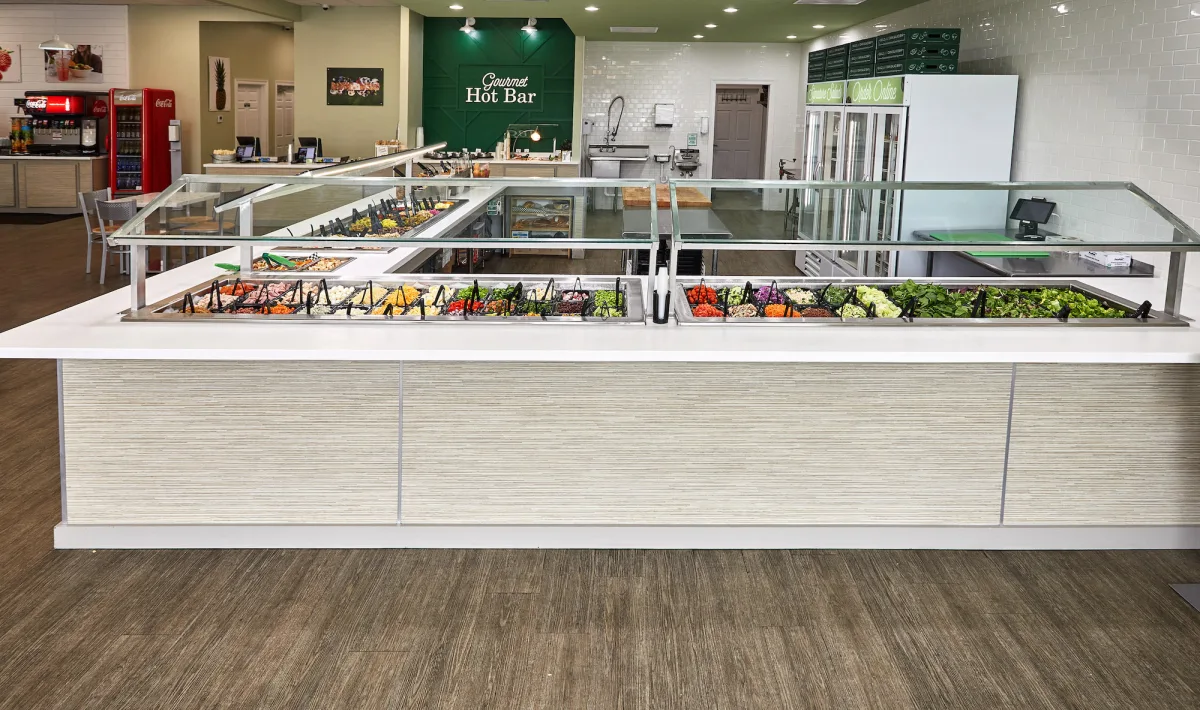
Let me set the scene: It’s a Friday night in Nashville, the kind where the humidity clings to your skin like a second shirt, and the line at the restaurant stretches out the door before we even flip the ‘Open’ sign. We’re running a rib special, slow-smoked, fall-off-the-bone, slathered in a bourbon glaze that’s been perfected over years of trial and error. The tickets are flying in, the expediter’s voice is starting to crack, and then it hits me: the salad station is a disaster.
Not because the greens are wilted or the dressings are off. No, it’s worse. The setup is all wrong. The tongs are buried under a pile of romaine, the croutons are in a container that’s impossible to scoop from without spilling half of them, and the guy on the line keeps having to reach across the station to grab a tomato, nearly knocking over a stack of plates in the process. It’s chaos, and chaos in a high-volume kitchen is the difference between a smooth service and a complete meltdown.
So, how do you build a salad station that can keep up with a rib special that’s pulling in crowds like a magnet? It’s not just about throwing together a few ingredients and hoping for the best. It’s about ergonomics, efficiency, waste reduction, and, let’s be real-sanity preservation. Over the years, I’ve seen setups that work like a dream and others that collapse under pressure. This guide is my attempt to distill everything I’ve learned (and screwed up) into a blueprint for a salad station that won’t buckle when the tickets start piling up. By the end of this, you’ll know how to design a station that’s fast, functional, and, dare I say, even a little elegant.
Why a Rib Special Demands a Special Salad Station
First, let’s talk about why a rib special is different. Ribs are a high-ticket, high-effort item that draws in crowds. People don’t just order ribs, they order the whole experience. That means sides, drinks, and, yes, salads. But here’s the thing: ribs are messy. They’re sticky, saucy, and often come with bones that need to be dealt with. The last thing you want is for your salad station to become a bottleneck because the person plating the ribs is waiting on a side that should’ve been ready five minutes ago.
In a high-volume setting, your salad station isn’t just a place to toss together some greens. It’s a production line. Every second counts, and every movement needs to be intentional. If your station is set up poorly, you’re not just slowing down service, you’re creating stress, increasing waste, and risking mistakes that can ruin a customer’s experience. And let’s be honest, no one remembers the perfectly plated rib if the salad that came with it was soggy or missing half the ingredients.
So, what makes a rib special different from, say, a regular dinner service? For starters, volume. Rib specials are designed to move product, which means you’re going to see a spike in orders. If your salad station isn’t built to handle that volume, you’re going to be scrambling. Second, consistency. When you’re serving 200 plates of ribs in a night, those salads need to look and taste the same every single time. No one wants to get a salad that’s drowning in dressing one night and barely touched the next. Finally, speed. Ribs take time to plate, you’re dealing with sauces, bones, and presentation. The salad can’t be the thing that holds everything up.
Is this starting to sound overwhelming? It shouldn’t. Because the good news is that with the right setup, your salad station can actually enhance your rib special, not hinder it. It’s all about planning, organization, and a little bit of creativity. Let’s break it down.
1. The Foundation: Choosing the Right Space
Before you even think about ingredients, you need to think about space. Where is your salad station going to live? This might seem like a no-brainer, but I’ve seen too many kitchens where the salad station is an afterthought, shoved into a corner or wedged between the fryer and the prep table. That’s a recipe for disaster.
Ideally, your salad station should be close to the pass but not in the way. You want it to be easily accessible for the person plating the salads, but you don’t want it to block traffic or create a bottleneck. In most kitchens, this means positioning it near the expo station or the line where the main dishes are being plated. If you’re working with a smaller space, you might need to get creative, maybe it’s a mobile station that can be rolled out during peak hours or a counter that doubles as prep space when it’s not in use.
But space isn’t just about location. It’s also about size. How big does your salad station need to be? That depends on how many salads you’re serving and how complex they are. For a rib special, I’d recommend a station that’s at least 4 feet wide. This gives you enough room to set up multiple ingredients without feeling cramped. If you’re serving a lot of salads with customizable options (like build-your-own bowls), you might need even more space.
And let’s not forget about height. A salad station that’s too low or too high is going to kill your back and slow you down. The ideal height is around 36 inches, which is comfortable for most people to work at without hunching over. If you’re working with a station that’s not adjustable, consider adding a raised platform or a cutting board with feet to bring the work surface up to a more ergonomic level.
Finally, think about storage. Where are you going to keep backup ingredients, utensils, and plates? You don’t want to be running to the walk-in every five minutes because you ran out of cherry tomatoes. Built-in shelves or drawers can be a lifesaver, but if you don’t have those, a rolling cart or a stack of clear bins can work just as well. The key is to keep everything within arm’s reach so you’re not wasting time searching for what you need.
2. The Workflow: Designing for Speed and Efficiency
Now that you’ve got your space sorted, it’s time to think about workflow. How are salads actually going to get made? This is where things can get tricky, because the way you set up your station can either streamline the process or create a logistical nightmare.
The first rule of workflow is keep it linear. You want the person making the salads to move in a straight line, not zigzagging across the station like they’re playing a game of kitchen Twister. This means arranging your ingredients in the order they’re used. For example, if your salads start with greens, then toppings, then dressing, your station should reflect that. Greens first, then toppings, then dressings, and finally plates or bowls at the end.
Let me give you an example. At one of the restaurants I worked at, we had a salad station that was set up like this: on the left, we had a large bin of mixed greens, followed by a container of cherry tomatoes, then a bowl of shredded cheese, a dispenser for croutons, and finally a rack of dressings. Plates were stacked at the far right. The person making the salads would start with the greens, move to the tomatoes, then cheese, croutons, and dressing, and finish by grabbing a plate. It was smooth, efficient, and, most importantly, fast.
But here’s the thing: not all salads are created equal. If you’re serving a Caesar salad, you might start with romaine, then croutons, then Parmesan, then dressing. If you’re serving a Cobb salad, you might start with greens, then bacon, then eggs, then avocado, and so on. The key is to tailor your workflow to the types of salads you’re serving. If you’re offering multiple salad options, you might need to set up parallel stations or use modular containers that can be swapped out depending on the order.
Another thing to consider is batch prep. If you’re serving a high volume of salads, you don’t want to be chopping tomatoes or shredding cheese to order. That’s a surefire way to slow things down. Instead, prep as much as you can ahead of time. Chop all your veggies, portion out your dressings, and have everything ready to go before service starts. This doesn’t just save time, it also ensures consistency. When you’re prepping to order, it’s easy to get sloppy, especially when the tickets are flying in. But when everything is pre-portioned, every salad looks the same, and that’s what you want.
Finally, think about utensils. What are you going to use to grab and portion your ingredients? Tongs, spoons, and ladles are your friends here. But not all utensils are created equal. For example, tongs with a scalloped edge are great for grabbing greens without bruising them, while a small ice cream scoop can be perfect for portioning out croutons or cheese. And don’t forget about dressing bottles. If you’re using squeeze bottles, make sure they’re easy to grip and dispense the right amount of dressing. If they’re too hard to squeeze or dispense too much, you’re going to end up with soggy salads and wasted product.
3. The Ingredients: Quality, Quantity, and Organization
Alright, let’s talk about the ingredients. This is where things can get really fun, or really messy. The key here is organization. You want your ingredients to be easily accessible, well-labeled, and properly stored. Let’s break it down.
Greens: The Foundation of Your Salad
First up, greens. This is the base of your salad, so you want to make sure you’re using fresh, high-quality greens that can hold up to a busy service. For a rib special, I’d recommend a mix of sturdy greens like romaine, kale, or spinach. These greens can stand up to dressing and toppings without wilting or turning to mush. Avoid delicate greens like butter lettuce or arugula, they’re great for a light lunch salad, but they won’t hold up to the demands of a high-volume service.
When it comes to storage, keep your greens cold and dry. Nothing kills a salad faster than wilted, soggy greens. Use perforated containers or vented bins to allow air to circulate and keep the greens fresh. And don’t pack them too tightly, overcrowding can cause bruising and spoilage. If you’re prepping your greens ahead of time, make sure to dry them thoroughly before storing them. Wet greens will wilt faster and can make your salads soggy.
Another pro tip: pre-portion your greens. If you’re serving a standard salad size, portion out the greens into individual containers or plastic bags ahead of time. This not only speeds up service but also ensures consistency. No one wants to get a salad that’s half the size of the one they ordered last time.
Toppings: The Flavor Boosters
Next up, toppings. This is where you can get creative and add some personality to your salads. But remember, the goal is speed and efficiency, so you want to choose toppings that are easy to portion and won’t slow you down.
For a rib special, I’d recommend classic toppings like cherry tomatoes, cucumbers, red onions, shredded cheese, croutons, and maybe some avocado or bacon if you’re feeling fancy. These toppings are versatile, easy to prep, and popular with customers. But don’t be afraid to get creative, just make sure your toppings are prepped and ready to go before service starts.
When it comes to storage, keep your toppings separate and well-labeled. Use clear containers with tight-fitting lids to keep everything fresh and visible. And don’t forget to rotate your stock. Nothing’s worse than reaching for a container of tomatoes only to find they’re moldy or slimy. Label everything with the date it was prepped, and use the first-in, first-out (FIFO) method to ensure you’re always using the freshest ingredients.
Another thing to consider is portion control. You don’t want to be eyeballing your toppings every time you make a salad. Instead, use portion scoops or measuring cups to ensure consistency. For example, a 1-ounce scoop is perfect for portioning out shredded cheese, while a small ice cream scoop can be great for croutons. And if you’re using toppings that are prone to clumping (like shredded cheese or bacon bits), consider fluffing them up before service to make them easier to portion.
Dressings: The Finishing Touch
Finally, dressings. This is the finishing touch that can make or break a salad. But dressings can also be a major source of waste if they’re not handled properly. The key here is portion control and storage.
First, let’s talk about portion control. You don’t want to be pouring dressing straight from a gallon jug onto a salad. Not only is it messy, but it’s also inconsistent. Instead, use portion cups or squeeze bottles to dispense the right amount of dressing every time. For most salads, 2 ounces of dressing is a good starting point, but you can adjust this based on your customers’ preferences.
When it comes to storage, keep your dressings cold and covered. Dressings can spoil quickly if they’re not stored properly, so make sure to refrigerate them when they’re not in use. And if you’re using squeeze bottles, make sure to clean them thoroughly at the end of each service to prevent bacteria buildup.
Another pro tip: offer a variety of dressings. This not only gives your customers options but also allows you to cater to different dietary preferences. For example, you might offer a creamy ranch, a vinaigrette, and a light Italian to cover all your bases. And don’t forget about house-made dressings-they can be a great way to add a unique touch to your salads and set your restaurant apart from the competition.
4. The Tools: What You Need to Get the Job Done
Now that we’ve covered the ingredients, let’s talk about the tools you’ll need to make your salad station run smoothly. The right tools can make all the difference when it comes to speed, efficiency, and consistency. Here’s what you’ll need:
- Tongs: A good pair of tongs is essential for grabbing and portioning greens. Look for tongs with a scalloped edge to prevent bruising and a comfortable grip to reduce hand fatigue.
- Portion scoops: These are great for portioning out toppings like cheese, croutons, and bacon bits. Look for scoops with a comfortable handle and a non-stick coating to make portioning easier.
- Measuring cups: If you’re not using portion scoops, measuring cups can be a great alternative for portioning out toppings and dressings. Look for cups with clear markings and a comfortable handle.
- Squeeze bottles: These are essential for dispensing dressings. Look for bottles with a comfortable grip and a precision tip to control the flow of dressing.
- Cutting boards: If you’re prepping toppings to order, you’ll need a good cutting board. Look for a board that’s large enough to accommodate your ingredients and easy to clean.
- Knives: A sharp knife is essential for prepping toppings. Look for a knife that’s comfortable to hold and easy to sharpen.
- Containers: You’ll need a variety of containers for storing your ingredients. Look for containers that are clear, stackable, and easy to clean.
- Labels: Labels are essential for keeping track of your ingredients and ensuring you’re using the freshest stock. Look for labels that are easy to write on and waterproof.
- Plates and bowls: Finally, you’ll need plates or bowls for serving your salads. Look for plates that are durable, easy to clean, and stackable.
But here’s the thing: tools are only as good as the person using them. It’s not enough to have the right tools, you also need to know how to use them. That means training your staff on how to portion ingredients, dispense dressings, and plate salads efficiently. It also means maintaining your tools-sharpening knives, cleaning containers, and replacing worn-out utensils.
And don’t forget about safety. A busy salad station can be a hazardous place if you’re not careful. Make sure your staff is trained on proper knife handling, food safety, and ergonomics to prevent injuries and accidents.
5. The Prep: Getting Ahead of the Rush
Alright, let’s talk about prep. This is where the magic happens, or where things go horribly wrong. The key to a successful salad station is getting ahead of the rush. That means prepping as much as you can before service starts, so you’re not scrambling when the tickets start flying in.
First, let’s talk about timing. When should you start prepping? That depends on how busy you expect to be. For a rib special, I’d recommend starting prep at least 4 hours before service. This gives you enough time to chop veggies, portion out toppings, and get everything organized without feeling rushed. If you’re expecting a particularly busy night, you might want to start even earlier.
Now, let’s break down what you should be prepping:
- Greens: Wash, dry, and portion out your greens. Store them in perforated containers or vented bins to keep them fresh.
- Toppings: Chop all your veggies, portion out your cheese and croutons, and prep any other toppings you’re using. Store them in clear containers with tight-fitting lids.
- Dressings: Portion out your dressings into squeeze bottles or portion cups. Make sure to label everything with the date it was prepped.
- Plates and bowls: Stack your plates or bowls near the salad station so they’re easy to grab when you need them.
- Utensils: Make sure all your tongs, scoops, and other utensils are clean and within reach.
But prep isn’t just about getting everything ready, it’s also about organization. You want your salad station to be clean, clutter-free, and easy to navigate. That means keeping your ingredients well-labeled, your utensils within reach, and your workspace clear of debris.
Another thing to consider is backup ingredients. What happens if you run out of cherry tomatoes halfway through service? Do you have a backup plan? For a high-volume rib special, I’d recommend prepping at least 20% more than you think you’ll need. This gives you a buffer in case you run out of something or if a batch of ingredients goes bad.
And don’t forget about waste. Prep can generate a lot of waste, peels, stems, trimmings, and so on. Make sure you have a compost bin or trash can nearby to keep your workspace clean and organized. And if you’re prepping a lot of veggies, consider investing in a vegetable peeler or mandoline to speed up the process and reduce waste.
6. The Execution: Making Salads Like a Pro
Alright, service has started, and the tickets are flying in. Now what? This is where the rubber meets the road. The key to executing a high-volume salad service is speed, consistency, and attention to detail. Here’s how to do it:
First, let’s talk about speed. In a high-volume kitchen, every second counts. That means you need to be efficient in your movements and minimize wasted time. Here are a few tips:
- Use both hands: If you’re right-handed, use your left hand to grab ingredients while your right hand portions them out. This can cut your prep time in half.
- Keep everything within reach: You shouldn’t have to take more than one step to grab anything you need. If something is out of reach, move it closer.
- Work in batches: If you have multiple salads to make, work on them in batches. For example, portion out all the greens first, then move on to the toppings, then the dressings, and so on. This can help you stay organized and avoid mistakes.
- Use the right tools: Make sure you’re using the right tools for the job. For example, use tongs for greens, scoops for toppings, and squeeze bottles for dressings.
Next, let’s talk about consistency. When you’re serving a high volume of salads, they all need to look and taste the same. That means portioning out your ingredients carefully and following the same steps every time. Here are a few tips:
- Use portion scoops: Portion scoops are essential for ensuring consistency. Make sure you’re using the same scoop for each ingredient every time.
- Follow a standard recipe: If you’re serving a specific type of salad (like a Caesar or a Cobb), make sure you’re following the same recipe every time. This means using the same ingredients, in the same amounts, and in the same order.
- Taste as you go: It’s easy to get sloppy when you’re in a rush, so make sure to taste your salads as you go to ensure they’re up to par.
- Train your staff: Make sure everyone on your team knows how to make each salad the same way. This means training them on the recipes, the portion sizes, and the plating techniques.
Finally, let’s talk about attention to detail. In a high-volume kitchen, it’s easy to get sloppy. But the little things, like plating, garnishes, and presentation-can make all the difference. Here are a few tips:
- Plate with care: Take the time to plate your salads neatly and attractively. This doesn’t mean you have to get fancy, just make sure the ingredients are evenly distributed and the dressing is drizzled (not dumped) on top.
- Use garnishes: A simple garnish, like a sprinkle of cheese, a few croutons, or a drizzle of dressing, can elevate a salad from good to great.
- Check for mistakes: Before you send a salad out, take a quick look to make sure everything is in order. Are all the ingredients there? Is the dressing evenly distributed? Is the plate clean?
- Keep your station clean: A messy station is a recipe for disaster. Make sure to wipe down your workspace regularly and dispose of waste promptly.
Is this starting to feel like a lot to keep track of? It is. But the good news is that with practice, it becomes second nature. The key is to stay organized, stay focused, and stay calm. And remember, it’s okay to make mistakes, just learn from them and move on.
7. The Cleanup: Keeping Your Station Running Smoothly
Alright, service is over, and the last ticket has been rung in. Time to relax, right? Not so fast. The cleanup is just as important as the prep and the execution. A messy station is a breeding ground for bacteria, and it can also slow you down the next time you need to use it. Here’s how to clean up like a pro:
First, let’s talk about immediate cleanup. As soon as service is over, you should:
- Dispose of waste: Throw away any leftover ingredients, trimmings, or debris. Make sure to separate compostable and non-compostable waste if your restaurant has a composting program.
- Wipe down surfaces: Use a sanitizing solution to wipe down your workspace, including your cutting boards, containers, and utensils. This helps prevent bacteria buildup and keeps your station clean.
- Store leftover ingredients: If you have any leftover ingredients that are still good, store them properly. Make sure to label everything with the date it was prepped and use the first-in, first-out (FIFO) method to ensure you’re always using the freshest stock.
- Clean utensils: Wash all your tongs, scoops, and other utensils with hot, soapy water and dry them thoroughly. This helps prevent bacteria buildup and keeps your tools in good condition.
Next, let’s talk about deep cleaning. This is something you should do at least once a week, but more often if your station gets a lot of use. Here’s what you should do:
- Empty and clean containers: Take all your containers out of the station and wash them with hot, soapy water. Make sure to dry them thoroughly before putting them back.
- Sanitize surfaces: Use a food-safe sanitizing solution to clean all the surfaces in your station, including the countertops, shelves, and drawers.
- Check for wear and tear: Look for any signs of wear and tear on your tools and containers. If something is cracked, chipped, or broken, replace it.
- Organize your station: Take this opportunity to reorganize your station if needed. Make sure everything is easily accessible and well-labeled.
Finally, let’s talk about maintenance. A well-maintained station is a happy station. Here are a few things you should do regularly to keep your station in top shape:
- Sharpen knives: A dull knife is a dangerous knife. Make sure to sharpen your knives regularly to keep them in good condition.
- Replace worn-out tools: If a tool is worn out or broken, replace it. It’s not worth risking a mistake or an injury to save a few bucks.
- Check for pests: Regularly check your station for signs of pests, like droppings or chew marks. If you find any, take action immediately to prevent an infestation.
- Train your staff: Make sure everyone on your team knows how to clean and maintain the station properly. This helps prevent mistakes and keeps your station running smoothly.
Cleanup might not be the most glamorous part of the job, but it’s essential. A clean station is a safe station, and it also helps ensure that your salads are consistent and high-quality every time.
8. The Training: Getting Your Team Up to Speed
Alright, you’ve got your station set up, your ingredients prepped, and your tools ready to go. But there’s one more thing you need to consider: your team. A salad station is only as good as the people running it. That means you need to train your staff properly to ensure they know how to use the station efficiently and effectively.
First, let’s talk about onboarding. When you’re bringing a new team member on board, you should:
- Show them the station: Walk them through the station and explain how everything is organized. Make sure they know where to find each ingredient and how to use each tool.
- Explain the workflow: Show them how to make each salad, step by step. Make sure they understand the order of operations and the portion sizes.
- Demonstrate proper technique: Show them how to use each tool properly, from tongs to squeeze bottles. Make sure they know how to portion ingredients and dispense dressings efficiently.
- Teach them about food safety: Make sure they know how to handle ingredients safely, how to store food properly, and how to prevent cross-contamination.
Next, let’s talk about ongoing training. Training isn’t a one-time thing, it’s an ongoing process. Here are a few things you should do to keep your team sharp:
- Hold regular training sessions: Schedule regular training sessions to review recipes, techniques, and food safety protocols. This helps keep everyone on the same page and ensures that your salads are consistent.
- Provide feedback: Give your team constructive feedback on their performance. If someone is struggling with a particular task, work with them to improve.
- Encourage questions: Make sure your team feels comfortable asking questions. If they’re unsure about something, they should feel free to ask for clarification.
- Lead by example: Show your team how it’s done. If you’re making salads quickly and efficiently, they’re more likely to follow suit.
Finally, let’s talk about cross-training. In a high-volume kitchen, it’s essential to have a flexible team. That means training your staff on multiple stations, so they can jump in wherever they’re needed. Here’s how to do it:
- Rotate stations: Have your team members rotate through different stations, so they can learn how each one works. This not only makes them more versatile but also helps them understand how the kitchen operates as a whole.
- Teach them the basics: Make sure everyone knows the basics of each station, even if they’re not experts. For example, everyone should know how to portion ingredients and dispense dressings at the salad station.
- Encourage teamwork: Foster a culture of teamwork in your kitchen. Make sure everyone knows that they’re part of a team and that they should be willing to help out wherever they’re needed.
Training might seem like a lot of work, but it’s worth it. A well-trained team is a happy team, and a happy team is a productive team. Plus, it helps ensure that your salads are consistent and high-quality every time.
9. The Challenges: What Can Go Wrong and How to Fix It
Alright, let’s be real for a second. Even the best-laid plans can go awry. In a high-volume kitchen, there are a million things that can go wrong, and the salad station is no exception. Here are a few common challenges and how to fix them:
Challenge 1: Running Out of Ingredients
You’re in the middle of service, and suddenly you realize you’re out of cherry tomatoes. Panic sets in. What do you do?
Solution: The key here is preparation. Always prep more than you think you’ll need, and keep a backup supply of ingredients on hand. If you do run out, have a plan B. Maybe you can substitute another veggie, or maybe you can send someone to the walk-in to grab more. The important thing is to stay calm and act quickly.
Challenge 2: Slow Service
The tickets are piling up, and the salad station is becoming a bottleneck. What’s going wrong?
Solution: First, take a step back and assess the situation. Are you using the right tools? Are your ingredients organized efficiently? Are you following the right workflow? If something isn’t working, don’t be afraid to make adjustments. Maybe you need to reorganize your station, or maybe you need to train your staff on a new technique. The key is to identify the problem and fix it quickly.
Challenge 3: Inconsistent Salads
Some salads are coming out perfect, while others are missing ingredients or have too much dressing. What’s the deal?
Solution: Inconsistency is usually a sign of poor training or lack of portion control. Make sure your team is following the same recipes and using the same portion sizes every time. If someone is struggling, work with them to improve their technique. And don’t forget to taste as you go-this can help you catch mistakes before they go out to the customer.
Challenge 4: Messy Station
The salad station is a disaster, ingredients are spilled everywhere, utensils are scattered, and the workspace is cluttered. What now?
Solution: A messy station is a safety hazard and a recipe for mistakes. Make sure to clean as you go, and encourage your team to do the same. If the station is already a mess, take a few minutes to wipe it down, organize your ingredients, and dispose of waste. The key is to keep your workspace clean and organized at all times.
Challenge 5: Staff Burnout
Your team is exhausted, and the salad station is suffering. How do you keep them motivated?
Solution: Burnout is a real problem in high-volume kitchens. The key is to keep your team engaged and motivated. Make sure they’re taking breaks, staying hydrated, and eating properly. Encourage them to rotate stations to keep things fresh, and don’t forget to recognize their hard work. A little positive reinforcement can go a long way.
Challenges are inevitable, but they’re not insurmountable. The key is to stay calm, assess the situation, and take action. And remember, every challenge is an opportunity to learn and improve.
10. The Future: Innovations and Trends in Salad Stations
Alright, let’s take a step back and look at the bigger picture. The world of food service is always evolving, and salad stations are no exception. Here are a few innovations and trends to keep an eye on:
Trend 1: Automation
Automation is making its way into kitchens of all sizes, and salad stations are no exception. From automated salad dispensers to robotic prep assistants, there are a lot of tools out there that can help speed up service and reduce waste. For example, some restaurants are using automated salad makers that can portion out greens, toppings, and dressings with the push of a button. Is this the future of salad stations? Maybe. But for now, it’s still a niche market, and most kitchens are sticking with manual prep.
Trend 2: Sustainability
Sustainability is a hot topic in the food service industry, and salad stations are a great place to start. From compostable containers to locally sourced ingredients, there are a lot of ways to make your salad station more eco-friendly. For example, you could switch to reusable containers for your ingredients, or you could start composting your food waste. The key is to think creatively and find solutions that work for your kitchen.
Trend 3: Customization
Customers are increasingly looking for customizable options, and salad stations are a great way to deliver. From build-your-own bowls to salad bars, there are a lot of ways to let customers personalize their salads. But customization can also be a logistical challenge. How do you keep track of all the different ingredients? How do you ensure consistency? The key is to keep it simple and offer a few well-chosen options that are easy to manage.
Trend 4: Health and Wellness
Health and wellness are top of mind for many customers, and salad stations are a great way to cater to this trend. From low-calorie dressings to superfood toppings, there are a lot of ways to make your salads healthier and more appealing. But don’t forget about taste-just because something is healthy doesn’t mean it has to be boring. The key is to find a balance between nutrition and flavor.
Trend 5: Technology
Technology is changing the way we think about food service, and salad stations are no exception. From digital ordering systems to inventory management software, there are a lot of tools out there that can help streamline service and reduce waste. For example, some restaurants are using tablet-based ordering systems that allow customers to customize their salads and place their orders directly from their table. Is this the future of salad stations? Maybe. But for now, it’s still a work in progress.
The future of salad stations is bright, but it’s also uncertain. The key is to stay informed, stay flexible, and stay open to new ideas. And remember, the best salad station is the one that works for you and your kitchen.
Putting It All Together: Your Salad Station Blueprint
Alright, let’s recap. We’ve covered a lot of ground here, from space planning to ingredient prep, from workflow design to training, and from challenges to future trends. But how do you put it all together? Here’s a step-by-step blueprint for setting up a salad station that can handle a high-volume rib special:
- Choose the right space: Find a spot that’s close to the pass but not in the way. Make sure it’s big enough to accommodate your ingredients and ergonomic for your staff.
- Design your workflow: Arrange your ingredients in the order they’re used, and keep everything within reach. Use portion scoops and squeeze bottles to ensure consistency.
- Prep your ingredients: Wash, dry, and portion out your greens. Chop your veggies, portion out your toppings, and prep your dressings. Store everything in clear containers with tight-fitting lids.
- Gather your tools: Make sure you have all the tongs, scoops, measuring cups, squeeze bottles, cutting boards, knives, containers, labels, and plates you need.
- Train your team: Show them how to use the station, make the salads, and clean up. Make sure they understand the recipes, the portion sizes, and the food safety protocols.
- Execute with precision: Stay organized, focused, and calm. Use both hands, work in batches, and check for mistakes before sending salads out.
- Clean up properly: Dispose of waste, wipe down surfaces, store leftover ingredients, and clean your utensils. Do a deep clean at least once a week.
- Stay ahead of challenges: Be prepared for running out of ingredients, slow service, inconsistent salads, messy stations, and staff burnout. Have a plan B for everything.
- Keep an eye on trends: Stay informed about automation, sustainability, customization, health and wellness, and technology. Be open to new ideas and innovations.
- Refine and improve: Continuously assess your station, gather feedback, and make adjustments. The best salad stations are the ones that evolve over time.
Is this the perfect salad station? Maybe not. But it’s a starting point, and it’s one that’s been tested in the trenches of high-volume kitchens. The key is to stay flexible, stay organized, and stay focused. And remember, the goal isn’t just to make salads, it’s to make great salads, quickly, consistently, and without losing your mind.
So, are you ready to build your own salad station? It’s not going to be easy, but it’s going to be worth it. And who knows? Maybe one day, your salad station will be the stuff of legend, the kind that chefs talk about in hushed tones, the kind that turns a good rib special into an unforgettable experience.
Now, if you’ll excuse me, I’ve got a date with a slow-smoker and a bottle of bourbon. Luna’s already curled up on the couch, and I’ve got a feeling it’s going to be a long night. But that’s a story for another time.
FAQ
Q: What’s the most common mistake restaurants make when setting up a salad station for high-volume service?
A: The biggest mistake is underestimating the importance of workflow. A lot of restaurants just throw ingredients into containers without thinking about the order in which they’re used. This leads to bottlenecks, wasted time, and inconsistent salads. The key is to arrange your ingredients in the order they’re used and keep everything within arm’s reach.
Q: How do you keep salad ingredients fresh during a long service?
A: The key is proper storage. Use perforated containers or vented bins for greens to allow air to circulate. Keep toppings in clear containers with tight-fitting lids, and store dressings in the refrigerator when they’re not in use. And don’t forget to rotate your stock using the first-in, first-out (FIFO) method to ensure you’re always using the freshest ingredients.
Q: What’s the best way to portion out salad dressings for consistency?
A: The best way is to use portion cups or squeeze bottles. For most salads, 2 ounces of dressing is a good starting point, but you can adjust this based on your customers’ preferences. If you’re using squeeze bottles, make sure they’re easy to grip and dispense the right amount of dressing. And don’t forget to clean them thoroughly at the end of each service to prevent bacteria buildup.
Q: How do you train staff to work efficiently at a high-volume salad station?
A: Training is all about repetition and feedback. Start by showing them the station and explaining how everything is organized. Then, demonstrate the workflow and have them practice making salads until they’re comfortable. Provide constructive feedback and encourage questions. And don’t forget to rotate stations to keep things fresh and foster a culture of teamwork.
@article{the-ultimate-salad-station-setup-for-high-volume-rib-specials-a-chefs-survival-guide,
    title   = {The Ultimate Salad Station Setup for High-Volume Rib Specials: A Chef’s Survival Guide},
    author  = {Chef's icon},
    year    = {2026},
    journal = {Chef's Icon},
    url     = {https://chefsicon.com/salad-station-setup-for-high-volume-rib-specials/}
}