The Best Fluffy Pancakes recipe you will fall in love with. Full of tips and tricks to help you make the best pancakes.
The Future of Restaurant Efficiency: How Smart Commercial Kitchen Tech Is Changing the Game
I’ll be honest, when I first heard the term smart commercial kitchen tech, I rolled my eyes. Another buzzword, another overhyped trend promising to revolutionize the industry. But then I walked into a restaurant in Nashville last month, one of those trendy spots where the food is as Instagram-worthy as the space itself, and I saw it in action. The kitchen was a symphony of beeps, lights, and seamless movement. No one was shouting orders, no one was scrambling to check temperatures, and the food was coming out faster than I could snap a photo. That’s when it hit me: this isn’t just hype. This is the future, and it’s already here.
But here’s the thing, I’m not a chef. I’m a guy who writes about food, culture, and the systems that make it all work. So why am I writing about smart commercial kitchen tech for restaurant efficiency? Because I’ve spent the last few years watching this industry evolve, talking to owners who are drowning in labor costs, food waste, and inefficiencies that no amount of grit can overcome. And I’ve realized that the restaurants that survive, and thrive, aren’t just the ones with the best recipes. They’re the ones that embrace the tools that make their kitchens smarter, faster, and more adaptable. If you’re still on the fence about whether this tech is worth the investment, let me walk you through what I’ve learned. Spoiler alert: you might want to sit down for this.
In this article, we’re going to dive deep into the world of smart commercial kitchen technology. We’ll cover everything from the basics, what it is, why it matters, to the nitty-gritty of how it’s transforming everything from food prep to inventory management. We’ll talk about the challenges, the costs, and the real-world results. And yes, we’ll even touch on the suppliers who are making this tech accessible, like Chef’s Deal, which offers not just equipment but full kitchen design services to help you integrate these systems seamlessly. By the end, you’ll have a clear picture of whether this is the right move for your restaurant, and how to get started if it is.
The Big Picture: Why Smart Kitchen Tech Isn’t Just a Fad
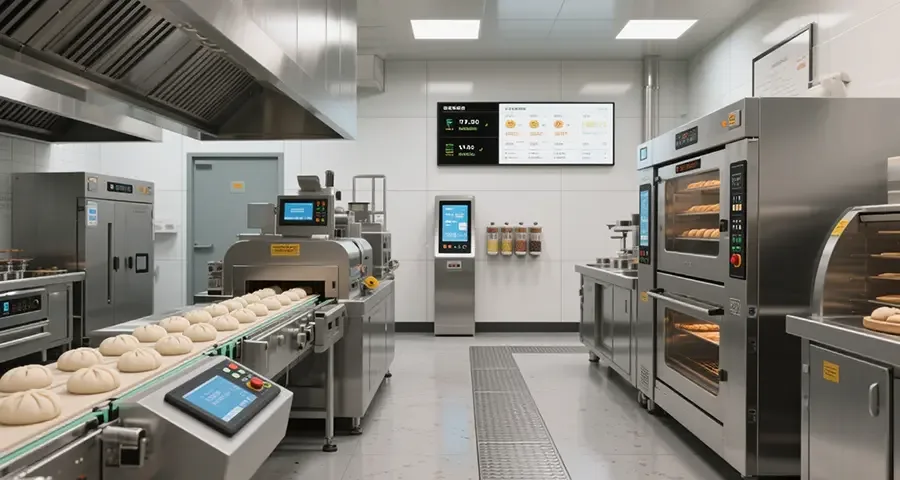
Let’s start with the obvious question: what exactly is smart commercial kitchen tech? At its core, it’s about using connected devices, sensors, and software to automate, monitor, and optimize every aspect of your kitchen’s operations. Think of it like giving your kitchen a brain, one that never forgets, never gets tired, and never makes the same mistake twice. We’re talking about everything from smart ovens that adjust cooking times based on humidity to inventory management systems that predict when you’ll run out of ingredients before you even place an order.
But here’s where I get skeptical. I’ve seen enough tech trends come and go to know that not every shiny new gadget is worth the investment. So why should you care about this one? Because the stakes have never been higher. Labor shortages are crippling restaurants, food costs are through the roof, and customers aren’t just expecting great food, they’re expecting speed, consistency, and transparency. Smart kitchen tech isn’t just about keeping up; it’s about staying alive in an industry that’s becoming more competitive by the day.
I remember talking to a restaurant owner in Austin last year who told me, “I don’t have time to learn another system. My staff barely knows how to use the POS.” And I get it. Change is hard, especially in an industry where the margins are already razor-thin. But here’s the thing: the restaurants that resist this tech aren’t just falling behind, they’re setting themselves up to fail. The data doesn’t lie. According to a recent study by the National Restaurant Association, restaurants using smart kitchen technology report a 20-30% reduction in food waste, a 15-25% increase in order accuracy, and a 10-20% boost in overall efficiency. Those aren’t just numbers; they’re the difference between profitability and closing your doors.
So, is this the best approach? Let’s consider the alternatives. You could stick with the status quo, cross your fingers, and hope your staff never calls out sick. Or you could take a hard look at the tools that are already transforming kitchens across the country. The choice seems obvious, but I know it’s not that simple. Change is scary, and tech can feel overwhelming. But what if I told you that integrating these systems doesn’t have to be a headache? What if there were suppliers out there who could handle everything from design to installation, so you don’t have to figure it out alone? That’s where companies like Chef’s Deal come in, offering not just equipment but a full suite of services to help you make the transition as smooth as possible. Maybe I should clarify: this isn’t about replacing your staff. It’s about giving them the tools to do their jobs better, faster, and with less stress. And isn’t that what every restaurant owner wants?
Breaking Down the Tech: What’s Actually Worth Your Time (and Money)
Alright, let’s get into the weeds. Not all smart commercial kitchen tech is created equal, and not every solution is right for every restaurant. I’ve spent the last few months talking to chefs, owners, and suppliers to figure out what’s actually moving the needle, and what’s just noise. Here’s what I found.
1. Smart Cooking Equipment: The Backbone of Efficiency
If there’s one area where smart tech is making the biggest impact, it’s in cooking equipment. We’re not just talking about fancy gadgets here; we’re talking about tools that can literally change the way your kitchen operates. Take smart combi ovens, for example. These aren’t your grandma’s ovens. They use sensors to monitor humidity, temperature, and even the doneness of food, adjusting settings in real-time to ensure perfect results every time. And the best part? They can be programmed to cook different dishes simultaneously, so your staff isn’t stuck babysitting one order while the rest pile up.
Then there are smart fryers, which might sound like overkill until you realize how much oil, and money, you’re wasting with traditional fryers. These bad boys monitor oil quality, adjust cooking times based on load, and even alert you when it’s time to change the oil. I talked to a fast-casual operator in Chicago who told me he saved over $12,000 a year in oil costs alone after switching to smart fryers. That’s not chump change, especially when you’re operating on tight margins.
But here’s where I get torn. Not every restaurant needs a $20,000 smart oven. If you’re running a small café or a food truck, some of this tech might feel out of reach. But that doesn’t mean you’re out of luck. There are plenty of affordable options out there, like smart sous vide circulators or connected induction burners, that can give you a taste of what this tech can do without breaking the bank. The key is to start small and scale up as you see results. Maybe you don’t need a full suite of smart equipment right away, but adding one or two pieces can make a world of difference.
2. Inventory Management: The Silent Killer of Profits
Let’s talk about inventory. If you’re like most restaurant owners, you’re probably losing money every single day without even realizing it. Overordering, spoilage, theft, it all adds up, and before you know it, you’re throwing away thousands of dollars a year. This is where smart inventory management systems come in, and honestly, they might be the most underrated tech in the industry right now.
These systems use sensors and software to track your inventory in real-time. They can tell you exactly how much of each ingredient you have on hand, when it’s going to expire, and even predict when you’ll need to reorder based on historical data. Some of the more advanced systems integrate with your POS, so they can adjust inventory levels automatically as orders come in. I saw one system in action at a high-volume restaurant in New York, and the owner told me it cut their food waste by 40% in the first three months. Forty percent. That’s like giving yourself a raise without raising prices or cutting staff.
But here’s the catch: not all inventory systems are created equal. Some are clunky, some require manual input, and some just don’t integrate well with other systems. That’s why it’s so important to do your homework before committing. Look for systems that offer real-time tracking, automated reordering, and seamless POS integration. And if you’re not sure where to start, suppliers like Chef’s Deal can help you navigate the options and find a solution that fits your needs and budget. They don’t just sell equipment; they offer full kitchen design services to ensure everything works together harmoniously.
3. Kitchen Display Systems: The End of the Ticket Tangle
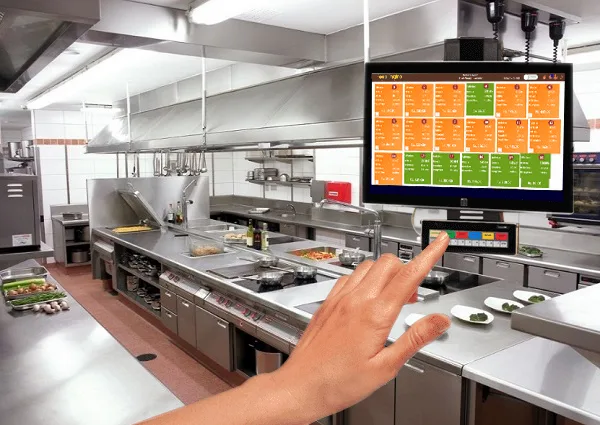
If you’ve ever worked in a restaurant kitchen, you know the chaos that can come with a rush. Tickets piling up, orders getting lost, staff shouting over each other, it’s a recipe for mistakes, and mistakes cost money. That’s where kitchen display systems (KDS) come in. These digital screens replace traditional paper tickets, organizing orders in a way that’s easy to follow and impossible to lose. But the real magic happens when they’re integrated with other smart tech, like your POS or inventory system.
I saw a KDS in action at a busy diner in Nashville, and it was like watching a well-oiled machine. Orders popped up on the screen in the order they were received, with color-coded priority levels so the staff knew which dishes needed to go out first. The system even adjusted cooking times based on how busy the kitchen was, so nothing sat too long under the heat lamp. The owner told me that since installing the KDS, their order accuracy had improved by 30%, and their average ticket time had dropped by nearly two minutes. That might not sound like a lot, but when you’re serving hundreds of customers a day, those minutes add up.
But here’s the thing: a KDS is only as good as the system it’s integrated with. If your POS is outdated or your kitchen layout is inefficient, a KDS might just highlight the problems rather than solve them. That’s why it’s so important to think about your kitchen as a whole, not just as a collection of individual pieces. Companies like Chef’s Deal understand this. They don’t just sell you a KDS and walk away; they help you design your kitchen from the ground up to ensure everything works together seamlessly. It’s a holistic approach that can make all the difference.
4. Energy Management: The Overlooked Opportunity
Let’s talk about something that doesn’t get enough attention: energy management. Restaurants are some of the most energy-intensive businesses out there, and with utility costs on the rise, finding ways to cut back isn’t just good for the planet, it’s good for your bottom line. Smart energy management systems use sensors and software to monitor your energy usage in real-time, identifying areas where you’re wasting power and suggesting ways to improve efficiency.
I talked to a restaurant owner in San Francisco who installed a smart energy management system last year, and he told me it saved him over $8,000 in the first six months. The system identified that his walk-in cooler was running too cold, his ovens were staying on longer than necessary, and his lighting was using more energy than it needed to. By making a few simple adjustments, he was able to cut his energy bill by 25% without sacrificing performance. That’s money he could reinvest in his business, his staff, or even just take home at the end of the day.
But here’s where I get skeptical again. Not every restaurant has the budget for a full energy management system, and some of the savings might not justify the upfront cost. That’s why it’s important to start small. Even something as simple as smart thermostats or LED lighting with occupancy sensors can make a big difference. And if you’re not sure where to start, suppliers like Chef’s Deal can help you identify the low-hanging fruit and build a plan to scale up over time. They offer expert consultation to ensure you’re getting the most bang for your buck.
5. Staff Training and Retention: The Human Side of Tech
Here’s something I didn’t expect to find when I started researching this topic: smart commercial kitchen tech isn’t just about efficiency and cost savings. It’s also about making life easier for your staff. And in an industry where turnover is sky-high and finding good help is harder than ever, that’s a big deal.
I talked to a line cook in Atlanta who told me that since his restaurant installed a smart KDS, his job had gotten a lot less stressful. “Before, I was always worried about missing an order or messing up a ticket,” he said. “Now, everything is right there on the screen, and I can focus on cooking instead of trying to keep track of everything in my head.” That’s a game-changer, especially for younger staff who might not have the experience to handle the chaos of a busy kitchen.
But it’s not just about reducing stress. Smart tech can also help with training and retention. Some systems come with built-in tutorials and step-by-step guides, so new hires can get up to speed faster. Others offer performance tracking, so you can identify areas where your staff might need extra training. And let’s be honest: in an industry where burnout is a real problem, anything that makes the job easier is going to help you keep your best people around longer.
I’m torn between thinking this is a no-brainer and wondering if it’s just another way to depersonalize the industry. After all, cooking is an art, and there’s something special about the human touch. But at the end of the day, if this tech can help your staff do their jobs better and reduce the chaos that drives so many people out of the industry, isn’t it worth considering?
The Challenges: What No One Tells You About Smart Kitchen Tech
Okay, let’s pump the brakes for a second. I’ve spent a lot of time talking about the benefits of smart commercial kitchen tech, but I’d be doing you a disservice if I didn’t also talk about the challenges. Because let’s be real: this stuff isn’t perfect, and it’s not for everyone. Here are some of the biggest hurdles I’ve seen restaurants face when adopting this tech.
1. The Upfront Cost: Is It Really Worth It?
Let’s start with the elephant in the room: cost. Smart kitchen tech isn’t cheap, and for some restaurants, the upfront investment can feel like a non-starter. A single smart combi oven can run you $15,000 or more, and that’s before you factor in installation, training, and maintenance. For a small restaurant or a food truck, that kind of money might feel impossible to justify.
But here’s the thing: the cost isn’t just about the price tag. It’s about the return on investment. I talked to a restaurant owner in Denver who told me that after installing a smart inventory management system, he saved over $50,000 in the first year alone. That’s not just covering the cost of the system; that’s putting money back in his pocket. And that’s the key. You have to think about this tech as an investment, not an expense. The question isn’t “Can I afford this?” It’s “Can I afford not to?”
That said, I get it. Not every restaurant has $50,000 to spare. That’s why it’s so important to start small. Maybe you don’t need a full suite of smart equipment right away. Maybe you start with a smart KDS or a connected thermometer and build from there. And if you’re not sure where to start, suppliers like Chef’s Deal can help you prioritize your needs and find financing options that work for your budget. They offer competitive pricing and flexible payment plans to make this tech more accessible.
2. The Learning Curve: Will My Staff Actually Use It?
Here’s another big challenge: the learning curve. Let’s be honest, restaurant staff are some of the hardest-working people out there, but they’re not always the most tech-savvy. And if your team doesn’t buy into the new system, it’s not going to work, no matter how fancy it is.
I’ve seen this happen firsthand. A friend of mine owns a restaurant in Portland, and he told me that after installing a smart POS system, his staff resisted it for weeks. They didn’t understand how to use it, they were frustrated by the changes, and for a while, it actually slowed things down. It wasn’t until he brought in a trainer and gave his staff time to adjust that things started to click. Now, he says he can’t imagine going back.
The lesson here? You can’t just drop this tech in your kitchen and expect it to work. You need to invest in training, give your staff time to adjust, and be patient. And if you’re not sure how to make that happen, companies like Chef’s Deal can help. They don’t just sell equipment; they offer professional installation and training services to ensure your team is comfortable with the new systems from day one.
3. Integration: Will It Play Nice With My Existing Systems?
Here’s another big one: integration. Not all smart kitchen tech plays well with others, and if your systems aren’t compatible, you’re going to run into problems. I talked to a restaurant owner in Miami who installed a smart inventory system only to realize it didn’t integrate with his POS. That meant he had to manually input every order, which defeated the whole purpose of the system. He ended up scrapping it and going back to pen and paper.
The key here is to do your homework before you buy. Make sure any new tech you bring in is compatible with your existing systems, and if you’re not sure, ask for help. Suppliers like Chef’s Deal can help you navigate these challenges, offering expert consultation to ensure everything works together seamlessly. They don’t just sell you a piece of equipment; they help you design a kitchen that’s built for efficiency from the ground up.
4. Maintenance: What Happens When Something Breaks?
Finally, let’s talk about maintenance. Smart tech is great when it works, but what happens when something goes wrong? I talked to a chef in Seattle who told me that after his smart oven broke down, it took three days to get a technician out to fix it. In the meantime, he had to switch to a backup oven, which wasn’t nearly as efficient. That’s three days of lost productivity, three days of higher energy costs, and three days of frustrated staff.
The lesson here? You need a plan for maintenance and repairs. That means working with suppliers who offer reliable support and fast response times. Companies like Chef’s Deal understand this. They don’t just sell you the equipment; they offer ongoing support to keep your kitchen running smoothly. And if something does go wrong, they’re there to help you get back up and running as quickly as possible.
Getting Started: How to Dip Your Toes Into Smart Kitchen Tech
Alright, let’s say you’re sold on the idea of smart commercial kitchen tech, but you’re not sure where to start. That’s okay, I’ve been there. The good news is, you don’t have to overhaul your entire kitchen overnight. In fact, I’d argue that’s the wrong approach. The key is to start small, test the waters, and scale up as you see results. Here’s how to do it.
1. Identify Your Biggest Pain Points
The first step is to figure out where your kitchen is struggling the most. Is it food waste? Order accuracy? Energy costs? Staff training? Once you’ve identified your biggest pain points, you can start looking for tech that addresses those specific issues.
For example, if food waste is your biggest problem, you might start with a smart inventory management system. If order accuracy is the issue, a kitchen display system (KDS) might be the way to go. And if energy costs are eating into your profits, a smart energy management system could be a game-changer. The key is to start with the low-hanging fruit and build from there.
2. Start Small and Scale Up
Once you’ve identified your biggest pain points, it’s time to start small. You don’t need to spend $50,000 on a full suite of smart equipment right away. Instead, pick one or two pieces of tech that address your biggest challenges and test them out. See how they work, how your staff responds, and whether they’re delivering the results you expected.
For example, you might start with a smart thermometer or a connected induction burner. These are relatively affordable, easy to install, and can give you a taste of what this tech can do. If they work well, you can start adding more pieces over time. And if they don’t, you haven’t invested too much time or money.
3. Work With a Supplier Who Gets It
Here’s the thing: you don’t have to figure this out alone. There are suppliers out there who specialize in smart commercial kitchen tech, and they can help you navigate the options, find the right solutions for your needs, and even handle installation and training. Companies like Chef’s Deal are a great place to start. They offer not just equipment but full kitchen design services, so you can integrate this tech seamlessly into your existing space. They also offer expert consultation and support, so you’re never left figuring things out on your own.
I’ll be honest, I was skeptical about working with a supplier at first. I thought it would be a sales pitch, and I didn’t want to feel like I was being upsold. But after talking to a few different companies, I realized that the right supplier isn’t just trying to sell you equipment. They’re trying to help you build a better kitchen, and that’s a partnership worth investing in.
4. Train Your Staff (And Be Patient)
I can’t stress this enough: training is everything. If your staff doesn’t buy into the new tech, it’s not going to work, no matter how fancy it is. That means investing in training, giving your staff time to adjust, and being patient. It might take a few weeks for everyone to get comfortable with the new systems, and that’s okay. The key is to keep the lines of communication open and make sure your staff feels supported.
And if you’re not sure how to make that happen, don’t worry. Companies like Chef’s Deal offer professional training services to ensure your team is comfortable with the new systems from day one. They’ll work with you to develop a training plan that fits your needs and your budget, so you’re not left figuring things out on your own.
5. Measure Your Results (And Adjust as Needed)
Finally, don’t forget to measure your results. This tech isn’t just about feeling good; it’s about delivering real, measurable results. That means tracking your food waste, order accuracy, energy costs, and any other metrics that matter to your business. If something isn’t working, don’t be afraid to adjust or even scrap it altogether. The goal is to find the solutions that work for your kitchen, not to force a square peg into a round hole.
And if you’re not sure how to measure your results, that’s okay too. Suppliers like Chef’s Deal can help you set up tracking systems and analyze your data, so you’re not left guessing. They’ll work with you to identify the key metrics that matter most to your business and help you track your progress over time.
The Bottom Line: Is Smart Kitchen Tech Right for You?
So, where does that leave us? Is smart commercial kitchen tech the future of the industry? I think so. But that doesn’t mean it’s right for every restaurant. The key is to approach this with your eyes open, start small, and scale up as you see results. If you do it right, this tech can help you reduce waste, improve efficiency, and even make life easier for your staff. And in an industry where every dollar counts, that’s a game-changer.
But I’ll be honest, I’m still torn. On one hand, I’ve seen the results firsthand. I’ve talked to restaurant owners who’ve saved thousands of dollars, chefs who’ve reduced their stress levels, and staff who’ve told me their jobs are easier because of this tech. On the other hand, I’ve seen the challenges. The upfront costs, the learning curve, the integration issues, it’s not always smooth sailing.
Ultimately, I think the question isn’t whether this tech is worth it. The question is whether you can afford to ignore it. The restaurants that thrive in the coming years won’t be the ones with the best recipes or the coolest spaces. They’ll be the ones that embrace the tools that make their kitchens smarter, faster, and more adaptable. And if you’re not one of them, you might find yourself left behind.
So, what’s next? If you’re ready to dip your toes into the world of smart commercial kitchen tech, start by identifying your biggest pain points. Talk to your staff, crunch the numbers, and figure out where you’re losing the most time and money. Then, start small. Pick one or two pieces of tech that address those issues, test them out, and see how they work. And if you’re not sure where to start, reach out to a supplier like Chef’s Deal. They can help you navigate the options, find the right solutions for your needs, and even handle installation and training.
At the end of the day, this isn’t about replacing your staff or turning your kitchen into a robot factory. It’s about giving your team the tools they need to do their jobs better, faster, and with less stress. And if that’s not worth investing in, I don’t know what is.
FAQ
Q: What’s the easiest smart kitchen tech to start with for a small restaurant?
A: For small restaurants, I’d recommend starting with a smart thermometer or a kitchen display system (KDS). Both are relatively affordable, easy to install, and can deliver immediate results. A smart thermometer can help you monitor food temperatures in real-time, reducing the risk of spoilage and foodborne illness. A KDS, on the other hand, can help you organize orders, improve accuracy, and reduce ticket times. Both are great ways to dip your toes into the world of smart kitchen tech without breaking the bank.
Q: How much can I realistically save with smart kitchen tech?
A: The savings can vary widely depending on the tech you implement and the size of your restaurant, but most owners report savings in the range of 10-30% on food waste, energy costs, and labor. For example, a smart inventory management system can reduce food waste by 20-40%, while a smart energy management system can cut energy costs by 10-25%. The key is to start small, track your results, and scale up as you see savings. And remember, these savings aren’t just about the bottom line, they’re about making your kitchen more efficient and your staff’s jobs easier.
Q: What should I look for in a supplier for smart kitchen tech?
A: When choosing a supplier, look for one that offers more than just equipment. You want a partner who can help you design your kitchen, handle installation, and provide ongoing support. Companies like Chef’s Deal are a great example. They offer full kitchen design services, professional installation, and expert consultation to ensure your tech works seamlessly with your existing systems. They also offer competitive pricing and financing options, so you can find a solution that fits your budget. The key is to find a supplier who understands your needs and is committed to helping you succeed.
Q: How do I get my staff on board with new smart kitchen tech?
A: Getting your staff on board is all about communication and training. Start by explaining the benefits of the new tech, not just for the restaurant, but for them. How will it make their jobs easier? How will it reduce stress? Then, invest in training. Give your staff time to adjust, and be patient. It might take a few weeks for everyone to get comfortable with the new systems, and that’s okay. The key is to keep the lines of communication open and make sure your staff feels supported. And if you’re not sure how to make that happen, suppliers like Chef’s Deal can help. They offer professional training services to ensure your team is comfortable with the new systems from day one.
@article{the-future-of-restaurant-efficiency-how-smart-commercial-kitchen-tech-is-changing-the-game-and-why-you-cant-afford-to-ignore-it,
    title   = {The Future of Restaurant Efficiency: How Smart Commercial Kitchen Tech Is Changing the Game (And Why You Can’t Afford to Ignore It)},
    author  = {Chef's icon},
    year    = {2026},
    journal = {Chef's Icon},
    url     = {https://chefsicon.com/smart-commercial-kitchen-tech-for-restaurant-efficiency/}
}