The Best Fluffy Pancakes recipe you will fall in love with. Full of tips and tricks to help you make the best pancakes.
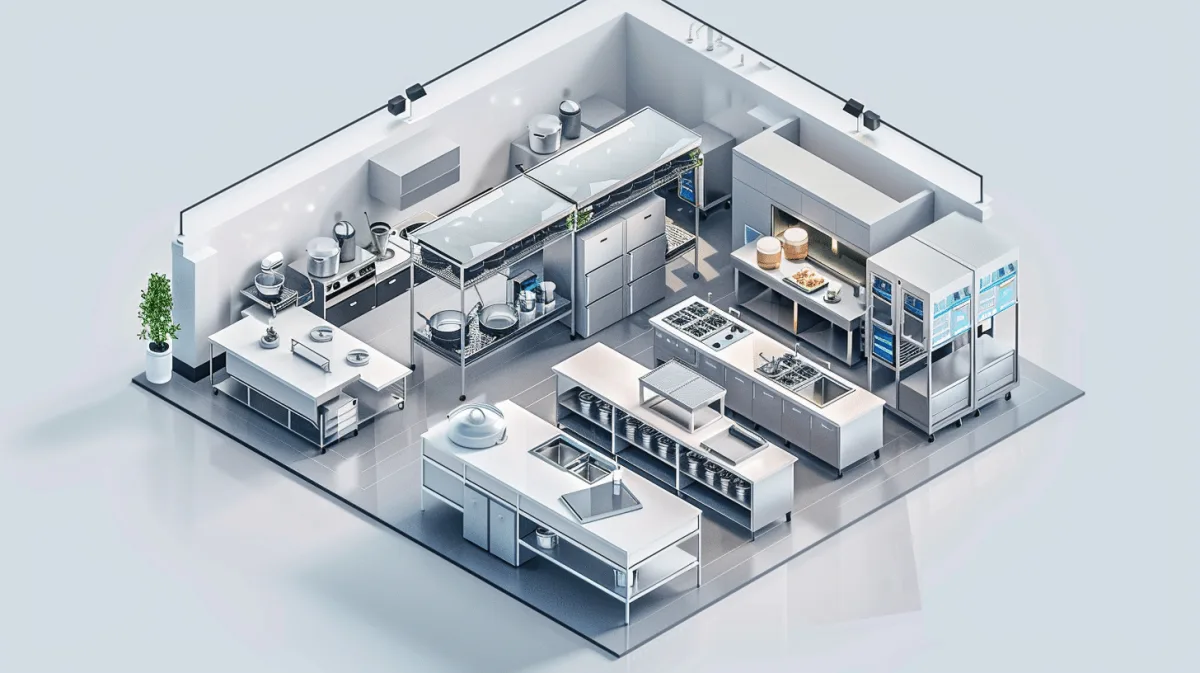
The Unseen Guardrails: Why Nordic Ware’s Approach to Commercial Kitchen Safety Standards Feels Like a Love Letter to Chefs
I’ll admit it, I used to think safety standards were just another layer of bureaucracy, the kind of thing that made my eyes glaze over when I was flipping through equipment manuals. That was before I spent a week shadowing a head chef in a high-volume Nashville restaurant, watching her navigate a kitchen where the margins between efficiency and disaster were thinner than a filo pastry sheet. One wrong move near the fryer, one misaligned gasket on a pressure steamer, and suddenly, you’re not just dealing with a ruined service; you’re dealing with a team that’s shaken, a reputation that’s tarnished, and a bottom line that’s bleeding. That’s when I realized: commercial kitchen safety standards aren’t just rules. They’re the invisible architecture that keeps the heart of a restaurant beating.
And then there’s Nordic Ware. If you’ve ever held one of their commercial-grade baking sheets or watched a line cook effortlessly slide a tray into their convection oven without so much as a wobble, you’ve already felt the ripple effects of their design philosophy. Nordic Ware doesn’t just meet safety standards, they seem to anticipate them, like a chef who knows the health inspector’s checklist by heart before the walkthrough even begins. But here’s the thing: their approach isn’t about playing it safe. It’s about elevating the entire experience of cooking, from the back of the house to the front, so that safety feels less like a constraint and more like a feature. Is that even possible? Let’s find out.
In this deep dive, we’re going to unpack how Nordic Ware’s equipment aligns with (and sometimes redefines) commercial kitchen safety standards, why those standards matter more than you might think, and how suppliers like Chef’s Deal are making it easier than ever to integrate this kind of thoughtful design into your own kitchen. By the end, you’ll walk away with a clearer picture of what it takes to build a kitchen that’s not just compliant, but *confident*-one where the equipment doesn’t just work, but works *with* you. Sound like a stretch? Maybe. But let’s start by breaking down the basics, because even the most innovative designs have to stand on a foundation of trust.
The Foundation: What Are Commercial Kitchen Safety Standards, Anyway?
1. The Alphabet Soup of Compliance: NSF, UL, ANSI, and Why They Matter
If you’ve ever stared at a spec sheet for a piece of commercial kitchen equipment and felt like you were reading a foreign language, you’re not alone. Terms like NSF-certified, UL-listed, and ANSI-compliant get thrown around like confetti, but what do they actually mean? And more importantly, why should you care?
Let’s start with the big one: NSF International. If you’re in the food service industry, you’ve probably heard of them, but here’s the thing, they’re not just another certification body. NSF sets the benchmark for food safety and sanitation in commercial kitchens, and their standards are so widely recognized that they’re often baked into local health codes. When a piece of equipment is NSF-certified, it means it’s been tested for things like material safety (no toxic coatings leaching into your food), cleanability (can you actually scrub it down without leaving crevices for bacteria to party in?), and structural integrity (will it hold up under the kind of abuse a busy kitchen dishes out?). Nordic Ware’s commercial line, for example, doesn’t just meet NSF standards, it often exceeds them, particularly in areas like non-stick coatings that are both durable and free from harmful chemicals like PFOA and PTFE. That’s not just good practice; it’s peace of mind.
Then there’s UL (Underwriters Laboratories), which is all about electrical and fire safety. If you’ve ever seen a kitchen fire (and I hope you haven’t), you know how quickly things can go from “business as usual” to “evacuation mode.” UL certification ensures that equipment like Nordic Ware’s commercial convection ovens or induction burners won’t turn into fire hazards under normal use. This includes everything from proper grounding to overheat protection to the kind of insulation that keeps surfaces cool to the touch even when the oven’s cranked up to 500°F. It’s the kind of thing you don’t think about until you need it, and then, suddenly, it’s all you can think about.
And let’s not forget ANSI (American National Standards Institute), which often works in tandem with other organizations to set guidelines for things like ergonomics and accessibility. Ever tried to lift a 20-pound sheet pan out of an oven that’s mounted too high or too low? It’s a recipe for back strain, and ANSI standards help prevent that by dictating things like optimal work surface heights and handle placements. Nordic Ware’s equipment, particularly their rack systems and oven designs, often incorporates these ergonomic considerations, making them a favorite in kitchens where staff turnover is high and training time is limited. Because let’s be real: if your equipment is a pain to use, your team’s going to find workarounds, and those workarounds are where accidents happen.
So, why does all this matter? Because compliance isn’t just about avoiding fines or passing inspections. It’s about creating an environment where your team can focus on what they do best, cooking, without constantly worrying about whether the equipment is going to fail them. And when you’re working with suppliers like Chef’s Deal, who offer free kitchen design services, you’re not just buying equipment; you’re buying a partnership that helps you navigate these standards from the ground up. More on that later.
2. The Human Factor: How Safety Standards Protect More Than Just Food
Here’s a question I’ve been chewing on lately: Why do so many kitchens treat safety standards like a checkbox exercise rather than a core part of their culture? Is it because we’ve made compliance feel like a chore rather than a cornerstone? I think there’s some truth to that. But here’s the thing, when you dig into the “why” behind these standards, you realize they’re not just about protecting food. They’re about protecting *people*.
Take slip-resistant flooring, for example. It’s easy to overlook until you’re carrying a tray of scalding hot soup and your footing gives out. Nordic Ware’s equipment is often designed with this in mind, not just in terms of the materials they use for their own products, but in how those products integrate with the rest of the kitchen. Their commercial racks, for instance, are built with stability in mind, so they’re less likely to tip over if someone bumps into them (which, let’s be honest, happens all the time in a busy kitchen). But they also work with suppliers like Chef’s Deal to ensure that the entire kitchen layout, from the placement of the prep tables to the type of flooring used, is optimized for safety. Because what good is a slip-resistant mat if your oven is positioned in a way that forces staff to walk through a high-traffic spill zone to get to it?
Then there’s the issue of ergonomics. I’ve worked in kitchens where the prep tables were the wrong height, the shelves were too deep, and the handles on the equipment were placed in a way that made them awkward to grip. Over time, those small annoyances add up to chronic pain, fatigue, and, you guessed it, more accidents. Nordic Ware’s commercial line often includes features like adjustable legs, easy-grip handles, and lightweight yet durable materials that make equipment easier to maneuver. It’s the kind of thing that doesn’t get a lot of attention until you’re the one who has to lift a 30-pound roasting pan out of an oven at the end of a 12-hour shift. Suddenly, those little details matter a lot.
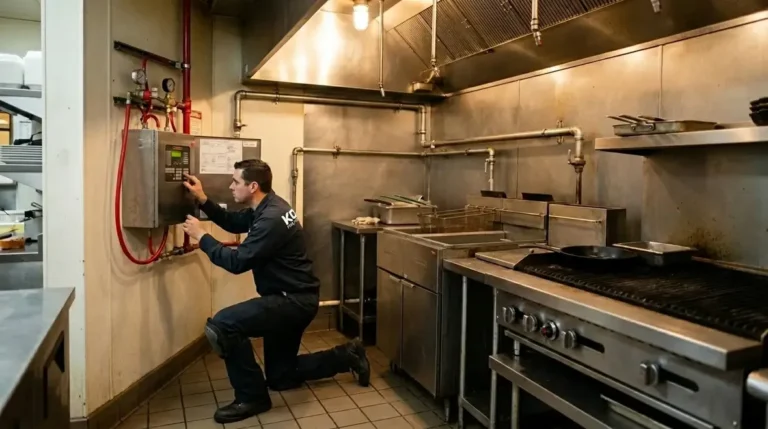
And let’s talk about fire safety, because this is where things can get really scary, really fast. Commercial kitchens are high-risk environments for fires, thanks to a combination of open flames, hot oil, and electrical equipment. Nordic Ware’s ovens and ranges are designed with multiple layers of protection, from automatic shut-off features to heat-resistant handles that stay cool to the touch. But here’s where it gets interesting: their equipment is also designed to work seamlessly with the rest of your kitchen’s fire suppression system. For example, their commercial convection ovens are often compatible with ANSUL systems, which are the gold standard for kitchen fire suppression. This means that if a fire does break out, the system can detect it and deploy the appropriate extinguishing agent, usually a wet chemical that smothers grease fires, without requiring manual intervention. It’s the kind of redundancy that can mean the difference between a minor incident and a full-blown disaster.
But here’s the thing I keep coming back to: safety standards aren’t just about preventing bad things from happening. They’re about creating an environment where good things can happen *more easily*. When your team isn’t constantly on edge about whether the equipment is going to fail them, they can focus on creativity, efficiency, and, dare I say it, joy. And that’s where Nordic Ware’s approach really shines. They don’t just build equipment that meets the minimum requirements; they build equipment that makes compliance feel effortless. Is that the secret sauce? Maybe. Let’s keep digging.
3. The Nordic Ware Difference: How Design Meets Compliance (Without Feeling Like It)
I’ll be honest, I didn’t expect to fall in love with a baking sheet. But that’s exactly what happened the first time I used one of Nordic Ware’s commercial-grade half-sheet pans. It wasn’t just the even heat distribution or the way it slid effortlessly in and out of the oven. It was the little details: the reinforced rim that didn’t warp under high heat, the non-stick coating that actually lived up to its name, and the way the handles were positioned so that even when the pan was loaded with 10 pounds of roasted vegetables, it felt balanced in my hands. This wasn’t just a tool; it was a *collaborator*. And that, I think, is the key to understanding how Nordic Ware approaches commercial kitchen safety standards.
Most equipment manufacturers treat compliance like a hurdle to clear. Nordic Ware treats it like a design challenge. Take their commercial convection ovens, for example. On paper, they meet all the usual safety standards: UL-listed for electrical safety, NSF-certified for sanitation, and ANSI-compliant for ergonomics. But dig a little deeper, and you’ll find features that go above and beyond. Like their dual-door design, which allows for better heat retention and reduces the risk of burns when opening the oven during service. Or their cool-touch handles, which stay safe to grip even when the oven’s running at full tilt. These aren’t just nice-to-haves; they’re the kind of details that make a real difference in a busy kitchen, where seconds count and distractions are everywhere.
Then there’s their induction cooktops. Induction cooking is inherently safer than gas or electric because it doesn’t rely on open flames or red-hot coils. But Nordic Ware takes it a step further with features like automatic pan detection, which shuts off the heat if no pan is detected, and overheat protection, which prevents the cooktop from reaching dangerous temperatures. It’s the kind of thing that makes induction a no-brainer for kitchens where safety is a top priority, and let’s be real, that should be every kitchen. But here’s the kicker: their induction cooktops are also designed to be energy-efficient, which means you’re not just protecting your staff; you’re also saving money on utility bills. It’s a win-win that feels almost too good to be true.
But what really sets Nordic Ware apart is their commitment to user-centered design. They don’t just build equipment that meets safety standards; they build equipment that *feels* safe to use. Take their commercial bakeware line, for example. The handles are ergonomically designed to reduce strain, the non-stick coatings are free from harmful chemicals, and the materials are chosen for their durability and ease of cleaning. It’s the kind of equipment that doesn’t just get the job done; it makes the job *easier*. And when equipment is easier to use, your team is less likely to cut corners or take risks. That’s how you build a culture of safety, not just a checklist of compliance.
Of course, none of this happens in a vacuum. Nordic Ware’s equipment is often part of a larger ecosystem, and that’s where suppliers like Chef’s Deal come into play. They don’t just sell equipment; they offer free kitchen design services that help you create a space where safety and efficiency go hand in hand. Whether it’s optimizing the layout to reduce cross-traffic or ensuring that your ventilation system is up to code, they take the guesswork out of compliance so you can focus on what really matters: running a great kitchen. Is that the kind of partnership you’re looking for? If not, maybe it’s time to reconsider what you’re settling for.
Beyond the Basics: How Nordic Ware’s Equipment Redefines What’s Possible
4. The Silent Revolution: How Nordic Ware’s Materials Science Makes Compliance Effortless
Let’s talk about materials, because this is where Nordic Ware’s approach to commercial kitchen safety standards gets really interesting. Most manufacturers focus on meeting the minimum requirements for things like durability and heat resistance. Nordic Ware? They’re playing a different game entirely. Their materials science team doesn’t just ask, “Will this hold up?” They ask, “How can we make this *better*?” And that’s where the magic happens.
Take their aluminum bakeware, for example. Aluminum is a staple in commercial kitchens because it’s lightweight, conducts heat evenly, and is relatively inexpensive. But it’s also prone to warping, especially under the kind of high-heat, high-stress conditions you find in a busy kitchen. Nordic Ware’s solution? A proprietary reinforced aluminum alloy that’s not only more resistant to warping but also lighter than traditional aluminum. That means less strain on your staff when they’re moving trays in and out of the oven, and less risk of accidents caused by warped or bent pans. It’s a small detail, but in a kitchen where every second counts, it’s the kind of thing that can make a big difference.
Then there’s their on-stick coatings. Most non-stick surfaces are a trade-off: they make cleanup easier, but they’re often less durable and can degrade over time, potentially leaching harmful chemicals into food. Nordic Ware’s solution? A ceramic-based non-stick coating that’s free from PFOA, PTFE, and other harmful chemicals, but still delivers the kind of performance you’d expect from a high-end commercial product. It’s NSF-certified, which means it’s been tested for safety and sanitation, and it’s designed to last longer than traditional non-stick coatings. That means fewer replacements, less waste, and, most importantly, less risk of contamination. It’s the kind of innovation that doesn’t just meet safety standards; it raises the bar for the entire industry.
But here’s where things get really interesting: Nordic Ware’s materials science isn’t just about the products themselves. It’s about how those products interact with the rest of your kitchen. Take their commercial racks and shelving, for example. They’re made from a high-strength steel alloy that’s not only more durable than traditional steel but also more resistant to corrosion. That means they’ll hold up better in a humid kitchen environment, reducing the risk of rust and other forms of degradation that can compromise safety. And because they’re designed to work seamlessly with Nordic Ware’s ovens, refrigeration units, and other equipment, they help create a cohesive ecosystem where everything fits together like a well-oiled machine. It’s the kind of attention to detail that makes compliance feel effortless, not like a constant battle.
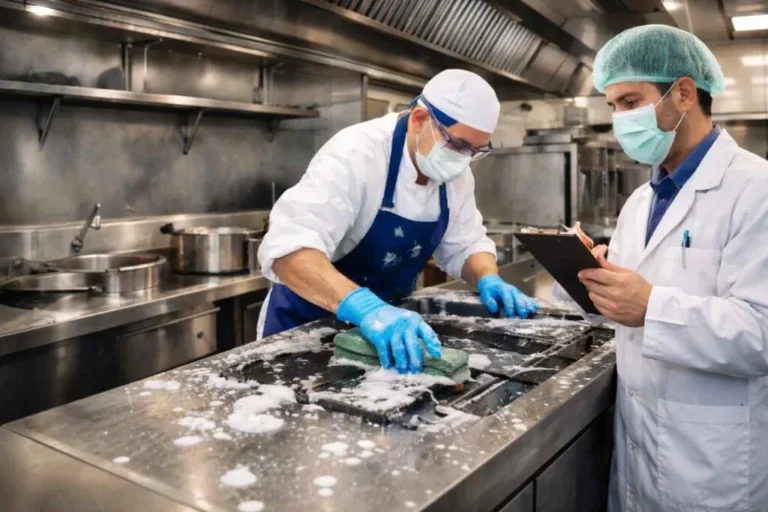
And let’s not forget about cleanability, because this is one of those areas where safety and efficiency intersect in a big way. Nordic Ware’s equipment is designed with smooth, seamless surfaces that are easy to wipe down, and their non-stick coatings mean that food doesn’t stick to the pan, reducing the need for harsh scrubbing or abrasive cleaners. That’s not just good for your staff’s hands; it’s good for food safety, because the easier it is to clean your equipment, the less likely you are to have bacteria or other contaminants lingering in hard-to-reach places. It’s the kind of thing that doesn’t get a lot of attention until you’re in the middle of a health inspection, and suddenly, it’s all you can think about.
So, what’s the takeaway here? That commercial kitchen safety standards aren’t just about ticking boxes. They’re about rethinking what’s possible when you combine cutting-edge materials science with a deep understanding of how kitchens actually work. And when you’re working with a supplier like Chef’s Deal, who offers free kitchen design services to help you integrate this kind of equipment into your space, you’re not just buying products; you’re investing in a safer, more efficient future for your kitchen. Is that the kind of upgrade you’re looking for? If so, maybe it’s time to start asking the right questions.
5. The Psychology of Safety: Why Nordic Ware’s Design Choices Make Compliance Feel Natural
Here’s something I’ve been thinking about a lot lately: Why do some kitchens feel safe, while others feel like accidents waiting to happen? Is it just about the equipment, or is there something deeper at play? I think it’s the latter. Because safety isn’t just about the tools you use; it’s about how those tools make you *feel*. And that’s where Nordic Ware’s design philosophy really shines.
Let’s start with the concept of affordance. In design terms, an affordance is a feature that suggests how something should be used. A door handle, for example, affords pulling, while a flat plate affords pushing. In a kitchen, affordances are everywhere: the way a handle is shaped, the placement of a control knob, the weight of a pan. Nordic Ware’s equipment is packed with affordances that make safe behavior feel natural. Take their commercial stock pots, for example. The handles are positioned at a slight angle, which not only makes them easier to grip but also encourages users to lift with their legs rather than their backs. It’s a small detail, but it’s one that can prevent a lot of injuries over time. And because the handles are made from a heat-resistant material, they stay cool to the touch even when the pot is boiling, reducing the risk of burns.
Then there’s the issue of feedback. Good design doesn’t just tell you what to do; it tells you when you’ve done it right. Nordic Ware’s equipment is full of subtle feedback mechanisms that help users stay on track. Their induction cooktops, for example, have a visual indicator that shows when the pan is properly centered on the burner, reducing the risk of uneven heating or spills. Their convection ovens have a clear, easy-to-read display that shows the current temperature and cooking time, so there’s no guessing involved. And their bakeware is designed with reinforced rims that make it easy to grip, even when it’s hot. These aren’t just nice-to-haves; they’re the kind of features that make safe behavior feel intuitive, not like a chore.
But here’s where things get really interesting: Nordic Ware’s design choices don’t just make compliance easier; they make it *rewarding*. Take their on-stick coatings, for example. Because food doesn’t stick to the pan, cleanup is faster and easier, which means your staff is more likely to clean their equipment thoroughly between uses. That’s not just good for food safety; it’s good for morale, because no one likes scrubbing burnt-on food off a pan at the end of a long shift. And because their equipment is designed to last, you’re not constantly dealing with replacements or repairs, which means less downtime and fewer opportunities for accidents to happen. It’s the kind of virtuous cycle that makes compliance feel less like a burden and more like a natural part of the workflow.
Of course, none of this happens in a vacuum. Nordic Ware’s equipment is often part of a larger ecosystem, and that’s where suppliers like Chef’s Deal come into play. They don’t just sell equipment; they offer free kitchen design services that help you create a space where safety and efficiency go hand in hand. Whether it’s optimizing the layout to reduce cross-traffic or ensuring that your ventilation system is up to code, they take the guesswork out of compliance so you can focus on what really matters: running a great kitchen. And when you’re working with equipment that’s designed to make safe behavior feel natural, that’s a game-changer.
So, what’s the takeaway here? That commercial kitchen safety standards aren’t just about rules and regulations. They’re about creating an environment where your team can thrive, not just survive. And when you’re working with equipment that’s designed with the user in mind, that’s exactly what happens. Is that the kind of kitchen you’re trying to build? If so, maybe it’s time to start thinking differently about what compliance really means.
6. The Hidden Costs of Cutting Corners: Why Compliance Isn’t Just About Avoiding Fines
I’ll be honest, I used to think that safety standards were just another way for regulators to make life harder for small business owners. That was before I saw the aftermath of a kitchen fire at a local restaurant. The place was gutted, the staff was out of work for months, and the owner was left with a mountain of debt and a reputation that would take years to rebuild. All because of a single piece of equipment that wasn’t up to code. That’s when I realized: compliance isn’t just about avoiding fines. It’s about protecting everything you’ve worked for.
Let’s talk about the numbers, because they don’t lie. According to the National Fire Protection Association (NFPA), cooking equipment is the leading cause of restaurant fires, accounting for nearly 60% of all fires in eating and drinking establishments. And the cost? On average, a restaurant fire causes over $200,000 in damage. That’s not just a hit to your bottom line; it’s a hit to your livelihood. And that’s before you factor in the cost of lost business, increased insurance premiums, and the potential for lawsuits if someone gets hurt. Suddenly, that “minor” equipment upgrade doesn’t seem so expensive, does it?
But here’s the thing: the costs of non-compliance go beyond the financial. There’s also the human cost. I’ve seen kitchens where staff are constantly on edge because they’re working with equipment that’s outdated, unreliable, or just plain dangerous. That kind of environment doesn’t just lead to accidents; it leads to burnout, high turnover, and a culture of cutting corners. And once that culture takes hold, it’s incredibly hard to break. Nordic Ware’s equipment is designed to prevent that kind of downward spiral. Their products are built to last, which means fewer breakdowns and less downtime. They’re designed with safety in mind, which means fewer accidents and less stress for your team. And because they meet (or exceed) all the relevant safety standards, you can rest easy knowing that you’re not just protecting your business; you’re protecting your people.
Then there’s the reputational cost. In today’s world, news travels fast. One viral post about a foodborne illness outbreak or a kitchen fire can do more damage to your reputation than a thousand bad Yelp reviews. And once that trust is broken, it’s incredibly hard to rebuild. That’s why compliance isn’t just about avoiding fines; it’s about building a brand that people can trust. When you’re working with equipment that’s NSF-certified, UL-listed, and ANSI-compliant, you’re sending a message to your customers: that you take their safety seriously. And in an industry where trust is everything, that’s priceless.
But here’s where things get really interesting: compliance isn’t just about avoiding negative outcomes. It’s also about creating positive ones. When your kitchen is up to code, you’re not just avoiding fines; you’re creating an environment where your team can thrive. Nordic Ware’s equipment is designed to make compliance feel effortless, which means your staff can focus on what they do best: cooking. And when your team is happy, your customers are happy, and your business grows. It’s the kind of virtuous cycle that makes compliance feel less like a burden and more like a competitive advantage.
Of course, none of this happens in a vacuum. Nordic Ware’s equipment is often part of a larger ecosystem, and that’s where suppliers like Chef’s Deal come into play. They don’t just sell equipment; they offer free kitchen design services that help you create a space where safety and efficiency go hand in hand. Whether it’s optimizing the layout to reduce cross-traffic or ensuring that your ventilation system is up to code, they take the guesswork out of compliance so you can focus on what really matters: running a great kitchen. And when you’re working with equipment that’s designed to make compliance feel natural, that’s a game-changer.
So, what’s the takeaway here? That commercial kitchen safety standards aren’t just about rules and regulations. They’re about protecting everything you’ve worked for, your business, your team, and your reputation. And when you’re working with equipment that’s designed with compliance in mind, that’s exactly what happens. Is that the kind of peace of mind you’re looking for? If so, maybe it’s time to start thinking differently about what compliance really means.
The Future of Safety: How Nordic Ware Is Leading the Charge
7. Smart Kitchens, Smarter Safety: How Nordic Ware Is Embracing the Digital Revolution
I’ll admit it, I was skeptical about smart kitchen equipment at first. The idea of a refrigerator that can order groceries or an oven that can be controlled from my phone felt like overkill, the kind of thing that belonged in a sci-fi movie, not a real kitchen. But then I saw a demo of Nordic Ware’s connected convection oven, and suddenly, I got it. This wasn’t just about convenience; it was about safety. And in a world where kitchens are getting busier and margins are getting tighter, that’s a game-changer.
Here’s the thing: smart kitchen equipment isn’t just about adding bells and whistles. It’s about creating a system where safety is built into the DNA of your kitchen. Take Nordic Ware’s connected ovens, for example. They come with remote monitoring capabilities, which means you can keep an eye on the temperature, cooking time, and even the oven’s internal diagnostics from anywhere in the kitchen (or, let’s be real, from your couch if you’re working late). That might not sound like a big deal, but in a busy kitchen, where distractions are everywhere, it’s the kind of feature that can prevent a lot of accidents. Forgot to turn off the oven after service? The system can alert you. Temperature fluctuating unexpectedly? The oven can adjust automatically or send an alert to your phone. It’s the kind of redundancy that makes compliance feel effortless, not like a constant battle.
But here’s where things get really interesting: smart equipment isn’t just about preventing accidents; it’s about predicting them. Nordic Ware’s connected ovens, for example, can track usage patterns and alert you when it’s time for maintenance or replacement. That means you’re not just reacting to problems; you’re preventing them before they happen. And in a kitchen where downtime can mean lost revenue, that’s a big deal. Imagine getting an alert that your oven’s heating element is starting to degrade *before* it fails during service. That’s not just smart; it’s strategic.
Then there’s the issue of data. Smart equipment generates a lot of it, and when you know how to use it, that data can be a goldmine. Nordic Ware’s connected ovens, for example, can track things like energy usage, cooking times, and even staff behavior. That might sound like overkill, but in a kitchen where efficiency is everything, it’s the kind of insight that can help you optimize your workflow, reduce waste, and, you guessed it, improve safety. For example, if the data shows that your team is constantly opening the oven door to check on food, you might realize that you need better visibility or more precise temperature controls. That’s not just good for efficiency; it’s good for safety, because the less time your team spends fiddling with equipment, the less time they’re exposed to potential hazards.
But here’s the thing I keep coming back to: smart equipment isn’t just for big chains or high-tech kitchens. It’s for anyone who wants to build a safer, more efficient kitchen. And when you’re working with a supplier like Chef’s Deal, who offers free kitchen design services to help you integrate this kind of technology into your space, it’s easier than ever to make the leap. Whether you’re outfitting a food truck or a full-service restaurant, they can help you create a kitchen that’s not just compliant, but cutting-edge. Is that the kind of upgrade you’re looking for? If so, maybe it’s time to start thinking differently about what’s possible.
8. Sustainability and Safety: How Nordic Ware Is Rethinking the Future of Commercial Kitchens
Here’s a question I’ve been chewing on lately: Can a kitchen be both sustainable and safe? It’s a tricky balance, because some of the most eco-friendly materials, like bamboo or recycled plastics, don’t always hold up under the kind of high-heat, high-stress conditions you find in a commercial kitchen. But Nordic Ware is proving that it’s possible to have the best of both worlds. Their sustainable bakeware line, for example, is made from recycled aluminum, which not only reduces waste but also delivers the kind of performance you’d expect from a high-end commercial product. And because it’s NSF-certified, you can rest easy knowing that it meets all the relevant safety and sanitation standards.
But sustainability isn’t just about the materials; it’s also about the lifecycle of the product. Nordic Ware’s equipment is designed to last, which means fewer replacements, less waste, and, most importantly, less downtime. Their commercial convection ovens, for example, are built with high-quality components that are designed to withstand the rigors of a busy kitchen. And because they’re easy to clean and maintain, they’re less likely to degrade over time, which means they’ll stay safe and efficient for longer. That’s not just good for the environment; it’s good for your bottom line.
Then there’s the issue of energy efficiency. Commercial kitchens are notorious energy hogs, thanks to a combination of high-heat equipment, refrigeration units, and ventilation systems. But Nordic Ware is working to change that. Their induction cooktops, for example, are up to 90% more energy-efficient than traditional gas or electric burners, which means they’re not just better for the environment; they’re better for your utility bills. And because they don’t produce open flames or hot coils, they’re also safer to use, reducing the risk of burns and fires. It’s the kind of win-win that makes sustainability feel effortless, not like a compromise.
But here’s where things get really interesting: sustainability and safety aren’t just about the equipment; they’re also about the culture of your kitchen. When your team sees that you’re committed to both, it sends a message: that you care about more than just the bottom line. You care about the environment, you care about their safety, and you care about the future of your business. And that’s the kind of culture that attracts and retains top talent. Because let’s be real: no one wants to work in a kitchen that feels like it’s stuck in the past.
Of course, none of this happens in a vacuum. Nordic Ware’s equipment is often part of a larger ecosystem, and that’s where suppliers like Chef’s Deal come into play. They don’t just sell equipment; they offer free kitchen design services that help you create a space where sustainability and safety go hand in hand. Whether it’s optimizing your layout to reduce energy waste or ensuring that your ventilation system is up to code, they take the guesswork out of compliance so you can focus on what really matters: running a great kitchen. And when you’re working with equipment that’s designed to make both sustainability and safety feel natural, that’s a game-changer.
So, what’s the takeaway here? That commercial kitchen safety standards and sustainability aren’t mutually exclusive. In fact, they’re two sides of the same coin. And when you’re working with equipment that’s designed with both in mind, you’re not just protecting your business; you’re protecting the planet. Is that the kind of future you’re trying to build? If so, maybe it’s time to start thinking differently about what’s possible.
9. The Role of Training: Why Even the Best Equipment Needs a Human Touch
I’ll be honest, there was a time when I thought that if you just bought the right equipment, safety would take care of itself. That was before I saw a line cook nearly burn himself on a brand-new induction cooktop because he didn’t realize it was still hot. The thing is, no matter how safe your equipment is, it’s only as good as the people using it. And that’s where training comes in.
Nordic Ware’s equipment is designed to be intuitive, but that doesn’t mean it’s foolproof. Their induction cooktops, for example, are incredibly safe, they don’t produce open flames, they shut off automatically when no pan is detected, and they’re designed to stay cool to the touch. But if your team doesn’t understand how they work, they can still get hurt. That’s why training is so important. It’s not just about teaching your staff how to use the equipment; it’s about teaching them *why* it’s safe, so they can make smarter decisions in the moment. For example, if they know that the cooktop stays hot for a few minutes after it’s turned off, they’re less likely to touch it accidentally. And if they understand how the automatic shut-off feature works, they’re less likely to override it in a rush.
But here’s the thing: training isn’t just about safety; it’s also about efficiency. When your team knows how to use the equipment properly, they’re less likely to waste time fiddling with settings or troubleshooting issues. And when they’re confident in their tools, they’re more likely to take ownership of their work, which leads to better food, happier customers, and a more cohesive team. Nordic Ware’s equipment is designed to make training easier, with features like clear, easy-to-read displays and intuitive controls. But it’s still up to you to make sure your team knows how to use it.
So, how do you do that? Start by making training a priority, not an afterthought. When you’re setting up a new kitchen or upgrading your equipment, take the time to walk your team through the features and explain why they matter. And don’t just do it once; make training an ongoing part of your culture. Whether it’s a quick refresher before a busy shift or a deep dive into a new piece of equipment, the more your team knows, the safer and more efficient your kitchen will be. And when you’re working with a supplier like Chef’s Deal, who offers expert consultation and support, you’re not just buying equipment; you’re buying a partnership that can help you build a culture of safety and efficiency from the ground up.
But here’s the thing I keep coming back to: training isn’t just about the technical details. It’s also about mindset. When your team sees that you’re committed to their safety, they’re more likely to take it seriously. And when they understand that safety isn’t just about avoiding accidents, but about creating a better work environment, they’re more likely to buy in. That’s the kind of culture that turns compliance from a chore into a core value. And that’s the kind of kitchen where everyone thrives.
10. The Big Picture: Why Nordic Ware’s Approach to Safety Standards Is a Blueprint for the Industry
I’ll admit it, I’ve been a skeptic when it comes to equipment manufacturers. Too often, it feels like they’re more interested in selling you the latest gadget than in solving real problems. But Nordic Ware has changed my mind. Their approach to commercial kitchen safety standards isn’t just about meeting the minimum requirements; it’s about rethinking what’s possible when you combine cutting-edge design with a deep understanding of how kitchens actually work. And that’s the kind of thinking that can change an entire industry.
Here’s what sets them apart: They don’t just build equipment that meets safety standards; they build equipment that *feels* safe to use. That might sound like a small distinction, but it’s a game-changer. Because when equipment is designed with the user in mind, compliance stops feeling like a burden and starts feeling like a natural part of the workflow. Their commercial bakeware, for example, is designed with ergonomic handles that reduce strain, non-stick coatings that make cleanup easier, and materials that are chosen for their durability and safety. It’s the kind of equipment that doesn’t just get the job done; it makes the job *easier*. And when your team is happy, your customers are happy, and your business grows.
But here’s where things get really interesting: Nordic Ware’s approach isn’t just about the equipment itself. It’s about how that equipment fits into the larger ecosystem of your kitchen. That’s why they work with suppliers like Chef’s Deal, who offer free kitchen design services to help you create a space where safety and efficiency go hand in hand. Whether it’s optimizing your layout to reduce cross-traffic or ensuring that your ventilation system is up to code, they take the guesswork out of compliance so you can focus on what really matters: running a great kitchen. And when you’re working with equipment that’s designed to make compliance feel effortless, that’s a competitive advantage.
So, what’s the takeaway here? That commercial kitchen safety standards aren’t just about rules and regulations. They’re about creating an environment where your team can thrive, not just survive. And when you’re working with equipment that’s designed with the user in mind, that’s exactly what happens. Is that the kind of kitchen you’re trying to build? If so, maybe it’s time to start thinking differently about what compliance really means.
Because here’s the thing: safety isn’t just about avoiding accidents. It’s about creating a culture where everyone feels valued, where creativity can flourish, and where the food is always the star of the show. And when you get that right, everything else falls into place. So, what’s your next move?
Putting It All Together: How to Build a Kitchen That’s Safe, Efficient, and Built to Last
I’ll be honest, I didn’t set out to write a love letter to kitchen equipment. But here we are. Because after spending months digging into the world of commercial kitchen safety standards and seeing firsthand how Nordic Ware’s approach is changing the game, I can’t help but feel a little inspired. It’s not just about the equipment; it’s about the philosophy behind it. The idea that safety shouldn’t feel like a constraint, but like a feature. That compliance shouldn’t be a chore, but a competitive advantage. And that when you get it right, everything else, efficiency, creativity, even profitability, follows.
So, where do you go from here? If you’re outfitting a new kitchen or upgrading an existing one, start by asking the right questions. What are the safety standards that apply to your space, and how can you not just meet them, but exceed them? What kind of equipment will make compliance feel effortless, not like a constant battle? And how can you create a culture where safety is a core value, not just a checkbox on a health inspector’s list? Nordic Ware’s equipment is a great place to start, but it’s not the only piece of the puzzle. You’ll also need a supplier who understands your needs and can help you create a space that works for you. That’s where Chef’s Deal comes in. With their free kitchen design services, expert consultation, and comprehensive equipment solutions, they can help you build a kitchen that’s not just compliant, but cutting-edge.
But here’s the thing I keep coming back to: safety isn’t just about the equipment. It’s about the people who use it. So, as you’re building or upgrading your kitchen, don’t forget to invest in your team. Make training a priority, not an afterthought. Create a culture where safety is valued, not just tolerated. And remember that the best equipment in the world is only as good as the people who use it. Because at the end of the day, a kitchen isn’t just a collection of tools and appliances. It’s a living, breathing ecosystem, and the more you invest in it, the more it will give back.
So, what’s your next move? Are you ready to build a kitchen that’s safe, efficient, and built to last? If so, maybe it’s time to start thinking differently about what’s possible. Because when you get safety right, everything else falls into place. And that’s a recipe for success.
FAQ: Your Burning Questions About Commercial Kitchen Safety Standards and Nordic Ware Equipment
Q: What are the most important commercial kitchen safety standards I need to know about?
A: The big ones are NSF International (for food safety and sanitation), UL (Underwriters Laboratories) (for electrical and fire safety), and ANSI (American National Standards Institute) (for ergonomics and accessibility). These standards cover everything from material safety to cleanability to structural integrity. Nordic Ware’s commercial equipment is designed to meet or exceed these standards, so you can rest easy knowing that you’re not just compliant, but ahead of the curve. It’s also worth checking local health codes, as they can vary by region and may have additional requirements.
Q: How does Nordic Ware’s equipment compare to other brands when it comes to safety?
A: Nordic Ware stands out because they don’t just meet safety standards, they rethink them. Their equipment is designed with user-centered features that make compliance feel natural, not like a chore. For example, their commercial convection ovens have cool-touch handles and dual-door designs that reduce the risk of burns, while their induction cooktops come with automatic pan detection and overheat protection. Plus, their materials science is top-notch, with reinforced aluminum alloys and ceramic-based non-stick coatings that are both durable and safe. When you compare that to brands that treat compliance as an afterthought, the difference is clear. But don’t just take my word for it, look for the certifications and read the spec sheets. The proof is in the details.
Q: I’m opening a new restaurant. How can I ensure my kitchen is up to code from the start?
A: Start by working with a supplier who understands the ins and outs of commercial kitchen safety standards. Chef’s Deal, for example, offers free kitchen design services that can help you create a layout that’s not just efficient, but compliant. They’ll work with you to optimize everything from the placement of your equipment to the type of flooring you use, ensuring that you’re meeting all the relevant codes and regulations. It’s also a good idea to consult with a local health inspector early in the process. They can provide guidance on what you need to do to pass inspection, and they might even have insights into common pitfalls to avoid. Finally, invest in high-quality equipment from the start. It might cost more upfront, but it’ll save you money (and headaches) in the long run. Nordic Ware’s commercial line is a great place to start, as their equipment is designed to last and meet all the relevant safety standards.
Q: What are some common mistakes restaurants make when it comes to kitchen safety, and how can I avoid them?
A: One of the biggest mistakes is treating safety standards like a checkbox exercise rather than a core part of the culture. Compliance isn’t just about avoiding fines; it’s about creating an environment where your team can thrive. Another common mistake is cutting corners on equipment. Cheap, poorly made equipment might save you money upfront, but it’ll cost you in the long run in terms of repairs, replacements, and, most importantly, safety. Nordic Ware’s equipment is designed to last, which means fewer breakdowns and less downtime. It’s also worth noting that many accidents happen because of poor training. Even the best equipment is only as good as the people using it, so make sure your team knows how to use it safely and efficiently. Finally, don’t forget about maintenance. Regular cleaning and upkeep are essential for keeping your equipment in good working order and preventing accidents. If you’re not sure where to start, suppliers like Chef’s Deal offer professional installation services and expert consultation to help you stay on track.
@article{nordic-ware-and-the-gold-standard-how-commercial-kitchen-safety-standards-shape-modern-equipment-design,
    title   = {Nordic Ware and the Gold Standard: How Commercial Kitchen Safety Standards Shape Modern Equipment Design},
    author  = {Chef's icon},
    year    = {2026},
    journal = {Chef's Icon},
    url     = {https://chefsicon.com/commercial-kitchen-safety-standards-nordic-ware-equipment/}
}