The Best Fluffy Pancakes recipe you will fall in love with. Full of tips and tricks to help you make the best pancakes.
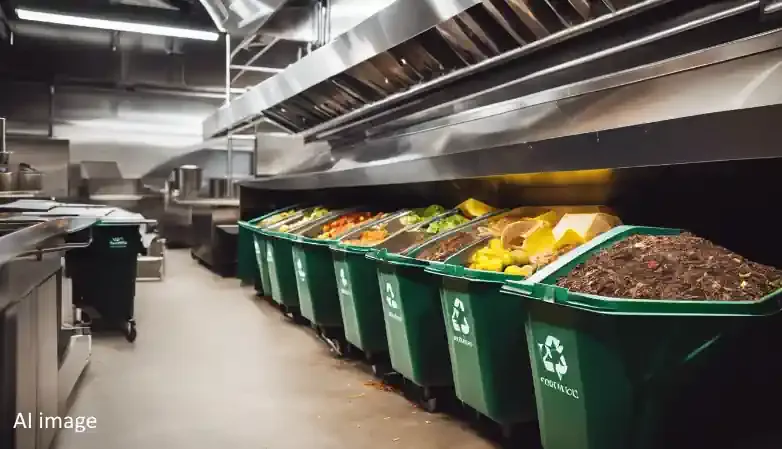
Composting Solutions for Restaurant Waste Management: Why Your Scraps Deserve a Second Life
I’ll admit it, I used to think composting was just for hippies with backyard gardens or farmers with acres of land. Then I moved to Nashville and started paying attention to how much food waste a single restaurant can produce in a day. We’re talking mountains of potato peels, coffee grounds, wilted herbs, and half-eaten plates that somehow always end up in the trash. And here’s the kicker: most of it doesn’t have to.
Last year, I spent a week shadowing the kitchen staff at a mid-sized restaurant downtown. By the end of my shift on Friday, I was staring at three full 55-gallon trash bins overflowing with organic waste. The chef, a guy named Marco who’s been in the business for twenty years, just shrugged and said, “That’s the cost of doing business.” But is it, though? That question stuck with me. What if there was a better way, one that didn’t involve sending all that potential back to the landfill, where it would just rot and release methane, a greenhouse gas way more potent than carbon dioxide?
That’s when I started digging into composting solutions for restaurant waste management. And let me tell you, what I found was equal parts inspiring and overwhelming. There’s no one-size-fits-all answer, but there *are* practical, scalable ways to turn your restaurant’s food scraps into something useful, whether that’s nutrient-rich soil for local farms, biogas for energy, or even just a smaller trash bill. In this guide, I’m going to break down everything I’ve learned: the why, the how, the costs, the challenges, and the real-world examples that prove this isn’t just some pipe dream. By the end, you’ll have a clear roadmap for implementing a composting system that works for your restaurant, no matter its size or budget.
Oh, and full disclosure: I’m not an expert. I’m just a guy with a notebook, a lot of questions, and a rescue cat named Luna who judges me every time I forget to compost my banana peels. But I’ve talked to chefs, waste management pros, and sustainability consultants, and I’ve sifted through enough data to know that this is doable. So let’s get into it.
The Ugly Truth About Restaurant Food Waste
Why Should You Even Care?
Before we dive into solutions, let’s talk about the problem. The numbers are staggering. According to the Food and Agriculture Organization (FAO), roughly one-third of all food produced globally goes to waste. In the U.S. alone, that translates to about 80 billion pounds of food waste every year. And restaurants? They’re a huge part of that. The average restaurant generates between 25,000 to 75,000 pounds of food waste annually. That’s not just a moral issue, it’s a financial one. Think about how much you’re spending on ingredients that never even make it to a customer’s plate.
But here’s where it gets really ugly. When food waste ends up in a landfill, it doesn’t just sit there innocently. It decomposes anaerobically (without oxygen), which produces methane, a greenhouse gas that’s up to 28 times more potent than carbon dioxide over a 100-year period. The EPA estimates that food waste accounts for nearly 6% of global greenhouse gas emissions. That’s more than the entire aviation industry. So if you’re running a restaurant and you’re not composting, you’re essentially contributing to climate change every time you toss a carrot top.
And it’s not just about the environment. There’s a growing consumer demand for sustainability. A 2025 survey by the National Restaurant Association found that 72% of diners are more likely to choose a restaurant that prioritizes eco-friendly practices. That’s not a niche market, that’s the majority. So if you’re not at least exploring composting, you’re missing out on a chance to attract customers, save money, and do something good for the planet. Is that enough motivation? I hope so, because we’ve got work to do.
The Hidden Costs of Throwing It All Away
Let’s talk money. Because let’s face it, most restaurant owners aren’t going to jump on the composting bandwagon just because it’s the “right thing to do.” They need to see the numbers. And here’s the thing: food waste is costing you more than you realize.
First, there’s the obvious cost: the food itself. If you’re throwing away 25,000 pounds of food a year, and the average cost of food waste per pound is about $1.50 (a conservative estimate), that’s $37,500 down the drain. Literally. But it doesn’t stop there. There’s also the cost of waste disposal. Depending on where you’re located, you could be paying anywhere from $50 to $150 per ton to haul your trash to the landfill. And if you’re in a city with strict waste regulations, those fees can skyrocket.
Then there’s the labor cost. Someone has to take out the trash, right? If your staff is spending 30 minutes a day hauling bags of food waste to the dumpster, that’s time they’re not spending on prep, service, or cleaning. Over a year, that adds up to hundreds of hours of lost productivity. And let’s not forget the opportunity cost. What else could you be doing with that time and money? Marketing? Staff training? Menu development? The list goes on.
But here’s the kicker: composting can actually save you money. How? By reducing the amount of waste you’re sending to the landfill, you can cut down on your trash hauling fees. Some cities even offer rebates or tax incentives for businesses that compost. And if you’re really savvy, you can turn your compost into a revenue stream, selling it to local farms, garden centers, or even back to your customers. More on that later.
Composting 101: The Basics You Need to Know
What Exactly Is Composting?
Okay, let’s start with the basics. Composting is the process of breaking down organic matter, like food scraps, yard waste, and even paper products, into a nutrient-rich soil amendment. It’s nature’s way of recycling. When done right, composting doesn’t stink (seriously, I’ll explain how to avoid the smell later), and it doesn’t attract pests. It’s just a controlled version of what happens on the forest floor, where leaves and twigs decompose over time and enrich the soil.
The key to successful composting is balance. You need a mix of greens (nitrogen-rich materials like fruit and vegetable scraps, coffee grounds, and fresh grass clippings) and browns (carbon-rich materials like dried leaves, straw, shredded paper, and cardboard). The ideal ratio is about 3 parts browns to 1 part greens. Too many greens, and your compost pile will turn into a slimy, smelly mess. Too many browns, and it’ll take forever to break down. Get the balance right, and you’ll have dark, crumbly, earthy-smelling compost in a few months.
But here’s where it gets tricky for restaurants. Most of your waste is going to be greens, food scraps, coffee grounds, that kind of thing. You’ll need to supplement with browns, which can be a challenge if you’re in an urban area without easy access to yard waste. Don’t worry, though. There are workarounds, and we’ll get into those later.
The Science Behind the Magic
Composting isn’t just throwing scraps in a pile and hoping for the best. There’s actual science behind it. When you mix greens and browns in the right proportions, you create the perfect environment for microorganisms, like bacteria, fungi, and actinomycetes, to thrive. These tiny critters break down the organic matter, releasing heat in the process. A well-managed compost pile can reach temperatures of 130°F to 160°F, which is hot enough to kill pathogens and weed seeds.
The process happens in stages:
- Mesophilic Phase: This is the initial stage, where bacteria start breaking down the easiest-to-decompose materials. Temperatures rise to about 104°F.
- Thermophilic Phase: This is where things get hot. Thermophilic bacteria take over, breaking down more complex materials like proteins and fats. This is also the phase where pathogens and weed seeds are killed off.
- Cooling and Maturation Phase: The pile starts to cool down as the bacteria run out of easy food. Fungi and actinomycetes move in to break down the tougher materials, like lignin and cellulose. This phase can take several months, but it’s crucial for producing high-quality compost.
If you’re composting at a restaurant, you probably won’t be managing the pile yourself. But understanding the science can help you troubleshoot issues and make sure your composting partner is doing things right. For example, if your compost pile smells like ammonia, it’s a sign that there’s too much nitrogen (greens) and not enough carbon (browns). If it’s not heating up, it might be too dry or lack oxygen. Knowing these basics can save you a lot of headaches down the road.
Composting Solutions: What Are Your Options?
1. On-Site Composting: Do It Yourself
If you’ve got the space and the manpower, on-site composting can be a great option. It gives you full control over the process, and you can use the finished compost in your own garden or sell it to customers. But it’s not as simple as tossing scraps in a bin and calling it a day. You’ll need to invest in the right equipment, train your staff, and be prepared to manage the pile regularly.
There are a few different methods for on-site composting:
- Windrow Composting: This is the most common method for large-scale composting. You pile your organic waste in long rows called windrows and turn them regularly to aerate the pile. It’s labor-intensive, but it’s also the most cost-effective for restaurants with a lot of space.
- In-Vessel Composting: This method uses enclosed containers to speed up the composting process. The containers control temperature, moisture, and oxygen levels, so you can compost year-round, even in cold climates. It’s more expensive than windrow composting, but it’s also faster and less labor-intensive.
- Vermicomposting: This is composting with worms. Red wigglers, to be exact. They eat your food scraps and turn them into nutrient-rich castings (worm poop). It’s a great option for small restaurants with limited space, but it’s not suitable for large volumes of waste.
On-site composting isn’t for everyone. It requires space, time, and a willingness to get your hands dirty. But if you’re up for the challenge, it can be a rewarding way to close the loop on your food waste. Just be prepared for a learning curve. I’ve seen restaurants try to compost on-site only to give up after a few months because they didn’t have the right system in place. Don’t let that be you.
2. Off-Site Composting: Let Someone Else Handle It
If on-site composting sounds like a nightmare, don’t worry. There’s another option: off-site composting. This is where you partner with a local composting facility that picks up your food scraps and turns them into compost for you. It’s the easiest way to get started with composting, and it’s a great option for restaurants that don’t have the space or resources to manage their own compost pile.
Here’s how it works: You collect your food scraps in a separate bin (usually provided by the composting facility) and store them in a designated area until pickup day. The facility will give you guidelines on what you can and can’t compost, most accept fruit and vegetable scraps, coffee grounds, eggshells, and even some paper products. They’ll also provide training for your staff to make sure everyone’s on the same page.
The biggest advantage of off-site composting is that it’s hands-off. Once you set up the system, it’s just a matter of collecting your scraps and putting them in the right bin. The downside? It can be more expensive than on-site composting, especially if the facility charges a pickup fee. But for many restaurants, the convenience is worth the cost.
When choosing a composting facility, there are a few things to keep in mind:
- Location: The closer the facility, the lower your transportation costs will be. Look for a facility within 50 miles of your restaurant.
- Certifications: Make sure the facility is certified by a reputable organization, like the US Composting Council. This ensures they’re following best practices for composting.
- Accepted Materials: Not all facilities accept the same materials. Some won’t take meat, dairy, or oily foods, while others will. Make sure the facility you choose can handle the types of waste your restaurant produces.
- Pickup Schedule: How often will they pick up your scraps? Daily? Weekly? Make sure their schedule aligns with your needs.
3. Anaerobic Digestion: Turning Waste Into Energy
If you’re looking for a high-tech solution, anaerobic digestion might be the answer. This process uses microorganisms to break down organic matter in an oxygen-free environment, producing biogas (a mix of methane and carbon dioxide) that can be used to generate electricity or heat. It’s a closed-loop system, meaning there’s no waste, just energy and a nutrient-rich byproduct called digestate, which can be used as fertilizer.
Anaerobic digestion is a great option for restaurants that produce a lot of food waste, especially those with on-site kitchens that could use the energy. It’s also a good choice for restaurants in urban areas where space is limited. But it’s not cheap. The upfront cost of an anaerobic digester can be prohibitive for small restaurants, and the technology requires specialized knowledge to operate.
That said, there are companies that offer anaerobic digestion as a service. They’ll install and maintain the digester for you, and you’ll pay a monthly fee for the service. It’s a good option if you want the benefits of anaerobic digestion without the hassle of managing the system yourself.
One thing to keep in mind: anaerobic digestion is best suited for large volumes of waste. If your restaurant only produces a few hundred pounds of food waste a week, it might not be worth the investment. But if you’re generating thousands of pounds, it’s definitely worth exploring.
Setting Up Your Restaurant’s Composting System
Step 1: Conduct a Waste Audit
Before you can start composting, you need to know what you’re dealing with. That means conducting a waste audit. Don’t worry, it’s not as complicated as it sounds. Basically, you’re just going to track what’s ending up in your trash for a week or two to get a sense of how much food waste you’re producing and what types of materials you’re dealing with.
Here’s how to do it:
- Gather Your Tools: You’ll need a scale, some gloves, a few large bins or bags, and a notebook or spreadsheet to record your findings.
- Sort Your Waste: For one week, have your staff separate their waste into different bins: one for food scraps, one for recyclables, and one for trash. Make sure everyone knows what goes where, you don’t want someone tossing a plastic fork in the food scraps bin.
- Weigh and Record: At the end of each day, weigh each bin and record the totals. Be sure to note what types of food scraps you’re seeing the most of. Are you throwing away a lot of vegetable peels? Coffee grounds? Meat and dairy?
- Analyze the Data: At the end of the week, add up the totals and calculate your average daily food waste. This will give you a baseline to work with. You might be surprised by how much you’re throwing away.
A waste audit isn’t just about composting. It’s also a great way to identify other areas where you can reduce waste, like switching to reusable containers or donating excess food to a local shelter. But for our purposes, the goal is to get a clear picture of how much food waste you’re producing so you can choose the right composting solution.
Step 2: Choose Your Composting Method
Now that you know what you’re working with, it’s time to choose a composting method. This is where things can get a little overwhelming, because there’s no one-size-fits-all answer. The best method for your restaurant depends on a few key factors:
- Volume of Waste: How much food waste are you producing? If you’re a small café generating a few hundred pounds a week, vermicomposting or a small in-vessel system might be enough. If you’re a large restaurant producing thousands of pounds, you’ll need something more robust, like windrow composting or anaerobic digestion.
- Space: How much space do you have? If you’ve got a big backyard, windrow composting could work. If you’re in a tight urban location, you might need to go with an in-vessel system or off-site composting.
- Budget: How much are you willing to spend? On-site composting can be cost-effective in the long run, but it requires an upfront investment. Off-site composting is easier, but it comes with ongoing fees.
- Staff Resources: Do you have the manpower to manage an on-site compost pile, or would you rather outsource the work to a composting facility?
- Local Regulations: Some cities have strict rules about composting, especially when it comes to meat and dairy. Make sure you’re in compliance with local laws before you get started.
If you’re not sure which method is right for you, don’t be afraid to reach out to a composting consultant or your local waste management authority. They can help you weigh the pros and cons and choose the best option for your restaurant.
Step 3: Train Your Staff
This is the step that most restaurants overlook, and it’s the one that can make or break your composting program. You can have the best system in the world, but if your staff isn’t on board, it’s not going to work. Composting requires a cultural shift in your kitchen, and that starts with education.
Here’s how to get your team on board:
- Start with the Why: People are more likely to buy into composting if they understand why it matters. Hold a staff meeting to explain the environmental and financial benefits of composting. Show them the results of your waste audit, seeing the numbers can be a powerful motivator.
- Make It Easy: The easier you make it for your staff to compost, the more likely they are to do it. Place compost bins in convenient locations, like next to the prep station and dishwashing area. Use clear signage to show what goes where, and make sure the bins are easy to access and empty.
- Assign a Champion: Designate one or two staff members as your composting champions. These are the people who will take ownership of the program, answer questions, and make sure everyone is following the rules. They don’t have to be experts, just enthusiastic and willing to learn.
- Provide Training: Hold a training session to teach your staff how to compost. Show them what can and can’t go in the compost bin, and explain how to avoid contamination. Make it interactive, have them practice sorting waste into the right bins.
- Offer Incentives: People respond to rewards. Consider offering incentives for staff who consistently compost correctly, like gift cards or extra paid time off. You could also make composting a part of your staff’s performance reviews.
- Lead by Example: If you’re the owner or manager, make sure you’re composting too. Your staff will follow your lead.
Training isn’t a one-and-done thing. You’ll need to reinforce the message regularly, especially when you have new staff members. Consider posting reminders in the kitchen, like signs above the compost bin or a quick daily huddle to go over composting best practices. The more you talk about it, the more it’ll become second nature.
The Challenges of Composting in Restaurants
1. Contamination: The Compost Killer
Contamination is the number one reason composting programs fail. It happens when non-compostable materials, like plastic, metal, or glass, end up in the compost bin. Even a small amount of contamination can ruin an entire batch of compost, making it unusable. And if you’re sending your scraps to an off-site facility, contamination can get you kicked out of the program.
So how do you avoid it? The key is education and vigilance. Make sure your staff knows what can and can’t go in the compost bin. Here’s a quick cheat sheet:
- Do Compost: Fruit and vegetable scraps, coffee grounds, tea bags, eggshells, bread, grains, pasta, paper towels, napkins, and unbleached paper products.
- Don’t Compost: Meat, fish, dairy, oily foods, plastic, metal, glass, styrofoam, and any materials treated with chemicals (like glossy paper or colored napkins).
Even with the best training, contamination can still happen. That’s why it’s important to inspect your compost bins regularly. If you notice a lot of non-compostable materials in the bin, it’s a sign that you need to retrain your staff or adjust your signage.
2. Odor and Pests: Keeping the Stink at Bay
Let’s be real: food scraps stink. And if you’re not careful, your compost bin can become a magnet for pests like rats, raccoons, and flies. This is especially true if you’re composting on-site. But even if you’re using an off-site facility, odor and pests can still be an issue if you’re not storing your scraps properly.
Here’s how to keep the stink and the critters under control:
- Use the Right Bin: Invest in a compost bin with a tight-fitting lid. If you’re composting on-site, consider a bin with a locking mechanism to keep pests out. For off-site composting, use the bins provided by your composting facility, they’re designed to minimize odor and pests.
- Store Scraps Properly: Keep your compost bin in a cool, dry place, away from direct sunlight. If you’re storing scraps for more than a day, consider keeping them in the fridge or freezer to slow down decomposition and reduce odor.
- Add Browns: Remember those carbon-rich materials we talked about earlier? They’re not just for balancing your compost pile, they also help absorb odors. Keep a supply of shredded paper, cardboard, or dried leaves on hand to add to your compost bin. A good rule of thumb is to add a layer of browns every time you add food scraps.
- Clean Regularly: Empty and clean your compost bin regularly to prevent buildup and odors. Use a mild soap and water, and avoid harsh chemicals that could kill the beneficial microorganisms in your compost.
- Monitor for Pests: Keep an eye out for signs of pests, like droppings, chew marks, or flies. If you notice a problem, take action immediately. This might mean moving your compost bin, adding more browns, or calling an exterminator.
Odor and pests are manageable, but they require vigilance. If you’re not willing to put in the effort to keep your compost bin clean and well-maintained, composting might not be the right solution for your restaurant.
3. Cost: Is It Really Worth It?
Let’s talk about the elephant in the room: cost. Composting isn’t free. Whether you’re doing it on-site or off-site, there are upfront and ongoing costs to consider. And for some restaurants, those costs might outweigh the benefits. So is composting really worth it?
The answer, as with most things in life, is: it depends. Here’s a breakdown of the costs and benefits to help you decide:
- Upfront Costs:
- On-Site Composting: You’ll need to invest in bins, equipment, and possibly a dedicated space. Costs can range from a few hundred dollars for a small vermicomposting system to tens of thousands for a large in-vessel system.
- Off-Site Composting: You’ll need to purchase or rent bins, and you might need to pay a setup fee to your composting facility. Costs vary, but expect to spend a few hundred to a few thousand dollars upfront.
- Anaerobic Digestion: This is the most expensive option, with upfront costs ranging from $50,000 to $500,000 or more, depending on the size of the system.
- Ongoing Costs:
- On-Site Composting: You’ll need to factor in the cost of labor (managing the pile, turning it, etc.), as well as any maintenance or repairs for your equipment.
- Off-Site Composting: You’ll pay a monthly fee for pickup and processing, which can range from $50 to $500 or more, depending on the volume of waste and the facility’s pricing structure.
- Anaerobic Digestion: You’ll pay for maintenance, repairs, and possibly a service fee if you’re using a third-party provider.
- Savings:
- Reduced Trash Hauling Fees: By diverting food waste from the landfill, you’ll reduce the amount of trash you’re sending to the dump, which can lower your hauling fees.
- Tax Incentives: Some cities and states offer tax breaks or rebates for businesses that compost. Check with your local government to see what’s available.
- Revenue from Compost: If you’re composting on-site, you can sell your finished compost to local farms, garden centers, or even back to your customers. This can offset some of your costs.
- Energy Savings: If you’re using anaerobic digestion, you can use the biogas to generate electricity or heat, which can lower your utility bills.
So is composting worth it? For most restaurants, the answer is yes, but it might take a few years to see a return on your investment. The key is to start small and scale up as you see results. For example, you might start with off-site composting to get a feel for the process, then invest in an on-site system once you’ve reduced your waste enough to justify the cost.
And remember: composting isn’t just about the money. It’s also about doing the right thing for the planet and your community. That’s something you can’t put a price on.
Real-World Examples: Restaurants That Are Doing It Right
1. The Perennial (San Francisco, CA)
The Perennial is a farm-to-table restaurant in San Francisco that’s taken sustainability to the next level. They compost all of their food scraps on-site using a Johnson-Su bioreactor, a low-tech composting system that produces high-quality compost in just a few months. The finished compost is used in their on-site garden, where they grow herbs and vegetables for the restaurant. They also partner with a local farm to donate excess compost, closing the loop on their food waste.
What’s impressive about The Perennial’s composting program is how integrated it is into their operations. Composting isn’t an afterthought, it’s a core part of their business model. They’ve even designed their menu around ingredients that are easy to compost, like root vegetables and leafy greens. And they’ve trained their staff to compost correctly, with clear signage and regular reminders.
The result? The Perennial diverts over 90% of its food waste from the landfill, and they’ve reduced their trash hauling fees by 30%. They’ve also built a loyal customer base of eco-conscious diners who appreciate their commitment to sustainability.
2. Sweetgreen (Multiple Locations)
Sweetgreen is a fast-casual salad chain with over 100 locations across the U.S. They’ve made composting a priority from day one, and they’ve developed a system that works for their high-volume, multi-location business. Here’s how they do it:
- Off-Site Composting: Sweetgreen partners with local composting facilities in each of their markets. The facilities pick up their food scraps weekly and turn them into compost, which is then used by local farms.
- Standardized Bins: Each Sweetgreen location uses the same compost bins, which are color-coded and clearly labeled to prevent contamination. They also use compostable packaging for their salads, which can go straight into the compost bin.
- Staff Training: Sweetgreen trains all of their staff on composting best practices, and they hold regular refresher courses to keep everyone on the same page. They also designate a sustainability lead at each location to oversee the composting program.
- Customer Education: Sweetgreen educates their customers about composting through in-store signage and their website. They even offer a discount to customers who bring their own reusable containers, further reducing waste.
The result? Sweetgreen diverts over 80% of its waste from the landfill, and they’ve saved thousands of dollars in trash hauling fees. They’ve also built a brand that’s synonymous with sustainability, attracting customers who share their values.
3. The Grey Plume (Omaha, NE)</h
I know, I know, another farm-to-table restaurant. But hear me out. The Grey Plume isn’t just composting their food scraps, they’re using their compost to grow the ingredients for their menu. It’s a closed-loop system that’s as sustainable as it gets.
Here’s how it works: The Grey Plume partners with a local farm to compost their food scraps. The farm uses the compost to grow vegetables, herbs, and even grains, which are then served at the restaurant. The cycle repeats, with the scraps from those ingredients going back to the farm to be composted again. It’s a beautiful example of how composting can create a circular economy.
But The Grey Plume’s composting program isn’t just about the farm. They also compost on-site using a small in-vessel system, which they use to grow herbs and microgreens for the restaurant. And they’ve trained their staff to compost correctly, with a focus on preventing contamination.
The result? The Grey Plume diverts over 95% of its food waste from the landfill, and they’ve reduced their trash hauling fees by 40%. They’ve also built a reputation as one of the most sustainable restaurants in the country, attracting customers from all over the world.
Taking the First Step: How to Get Started
Start Small, Think Big
If you’re feeling overwhelmed, don’t worry. You don’t have to overhaul your entire waste management system overnight. Start small, maybe with a single compost bin in the kitchen, and scale up as you get more comfortable. The key is to just get started. Even a small composting program can make a big difference.
Here’s a simple plan to get you started:
- Conduct a Waste Audit: Spend a week tracking your food waste to get a baseline. This will help you choose the right composting method and measure your progress.
- Choose a Method: Based on your waste audit, decide whether on-site or off-site composting is right for you. If you’re not sure, start with off-site, it’s the easiest way to get your feet wet.
- Set Up Your System: Purchase or rent the necessary bins, and set up a designated area for storing your food scraps. Make sure it’s convenient for your staff to access.
- Train Your Staff: Hold a training session to teach your staff how to compost. Make it interactive, and provide clear signage to prevent contamination.
- Start Composting: Begin collecting your food scraps and storing them in the compost bin. If you’re using an off-site facility, schedule your first pickup.
- Monitor and Adjust: Keep an eye on your compost bin to make sure everything’s running smoothly. If you notice issues like odor or contamination, adjust your process as needed.
- Scale Up: Once you’re comfortable with your composting program, look for ways to expand. Maybe you add more bins, or you start composting on-site. The goal is to keep improving.
Remember: composting is a journey, not a destination. There will be bumps along the way, and that’s okay. The important thing is to keep moving forward.
Find a Composting Partner
If you’re not ready to manage your own compost pile, don’t worry. There are plenty of composting facilities and service providers that can help. Here’s how to find the right partner:
- Search Online: A quick Google search for “composting facilities near me” should turn up some options. You can also check out the US Composting Council’s directory of certified facilities.
- Ask Around: Talk to other restaurant owners in your area to see if they’re composting. If they are, ask who they’re using and if they’re happy with the service.
- Contact Your Waste Hauler: Some waste haulers offer composting services, so it’s worth asking if they can help. Even if they don’t, they might be able to point you in the right direction.
- Check with Your Local Government: Many cities and counties have composting programs for businesses. They might offer rebates, tax incentives, or even free bins to get you started.
When you’re evaluating potential partners, ask the following questions:
- What materials do you accept?
- How often do you pick up?
- What’s your pricing structure?
- Do you provide bins and training?
- What happens to the finished compost?
- Can I visit your facility?
Don’t be afraid to shop around. You want a partner who’s reliable, affordable, and aligned with your values. And if you can’t find a good fit, consider starting your own composting program. It’s not as hard as it sounds.
Wrapping Up: The Future of Restaurant Waste Management
I’ll be honest: when I first started researching composting solutions for restaurant waste management, I was skeptical. I thought it was too complicated, too expensive, and too much work. But the more I learned, the more I realized that composting isn’t just a nice-to-have, it’s a must-have for any restaurant that wants to stay competitive and sustainable in the years ahead.
We’re living in a time when consumers are more eco-conscious than ever. They’re choosing restaurants that align with their values, and they’re willing to pay a premium for sustainability. Composting isn’t just a way to reduce waste, it’s a way to attract customers, save money, and future-proof your business. And let’s not forget the environmental impact. By composting, you’re keeping food waste out of landfills, reducing greenhouse gas emissions, and creating something valuable from what was once considered trash.
So where do we go from here? I think the future of restaurant waste management is circular. It’s about closing the loop, turning food scraps into compost, compost into soil, soil into food, and food back into scraps. It’s a system where nothing is wasted, and everything has value. And it’s not as far-fetched as it sounds. Restaurants like The Perennial, Sweetgreen, and The Grey Plume are already doing it, and they’re proving that it’s possible.
But here’s the thing: we can’t do it alone. We need more restaurants to get on board, more composting facilities to open up, and more cities to invest in infrastructure. We need policymakers to create incentives for businesses that compost, and we need consumers to demand sustainability from the restaurants they support. It’s a big ask, but it’s not impossible.
So here’s my challenge to you: start small. Maybe it’s a single compost bin in your kitchen, or maybe it’s a partnership with a local composting facility. Whatever it is, just get started. Because the truth is, we don’t have time to wait. The planet is warming, landfills are filling up, and food waste is a problem that’s only going to get worse if we don’t take action. But if we work together, we can turn the tide. We can turn scraps into sustainability, and waste into wealth. And who knows? Maybe one day, composting won’t just be an option, it’ll be the norm.
Now, if you’ll excuse me, I’ve got a banana peel to compost. Luna’s watching.
FAQ
Q: What can restaurants compost?
A: Most restaurants can compost fruit and vegetable scraps, coffee grounds, tea bags, eggshells, bread, grains, pasta, paper towels, napkins, and unbleached paper products. However, what you can compost depends on your local composting facility or your on-site system. Some facilities don’t accept meat, dairy, or oily foods, so it’s important to check their guidelines before you start. If you’re composting on-site, you’ll need to avoid these materials to prevent odor and pests.
Q: How much does it cost to compost restaurant waste?
A: The cost of composting varies depending on the method you choose. Off-site composting typically costs between $50 to $500 per month, depending on the volume of waste and the facility’s pricing structure. On-site composting can be more cost-effective in the long run, but it requires an upfront investment in bins, equipment, and possibly a dedicated space. Costs can range from a few hundred dollars for a small vermicomposting system to tens of thousands for a large in-vessel system. Anaerobic digestion is the most expensive option, with upfront costs ranging from $50,000 to $500,000 or more. However, it can also generate revenue through energy production and fertilizer sales.
Q: How do I prevent odor and pests in my compost bin?
A: Odor and pests are common challenges in restaurant composting, but they’re manageable with the right approach. To prevent odor, make sure your compost bin has a tight-fitting lid and store it in a cool, dry place. Add a layer of carbon-rich materials (like shredded paper or cardboard) every time you add food scraps to absorb moisture and odors. Clean your compost bin regularly with mild soap and water to prevent buildup. To keep pests away, avoid composting meat, dairy, and oily foods, as these can attract rodents and flies. If you notice pests, take action immediately, this might mean moving your compost bin, adding more browns, or calling an exterminator.
Q: Can I compost meat and dairy products?
A: It depends. Some composting facilities accept meat and dairy, while others don’t. If you’re composting on-site, it’s generally best to avoid these materials, as they can attract pests and create odor. However, if you’re using a high-temperature composting system (like an in-vessel system or anaerobic digester), you might be able to compost meat and dairy safely. The key is to check with your composting facility or do your research before you start. If you’re unsure, it’s better to err on the side of caution and avoid composting these materials.
@article{composting-solutions-for-restaurant-waste-management-turning-scraps-into-sustainability,
    title   = {Composting Solutions for Restaurant Waste Management: Turning Scraps Into Sustainability},
    author  = {Chef's icon},
    year    = {2026},
    journal = {Chef's Icon},
    url     = {https://chefsicon.com/composting-solutions-for-restaurant-waste-management/}
}