The Best Fluffy Pancakes recipe you will fall in love with. Full of tips and tricks to help you make the best pancakes.
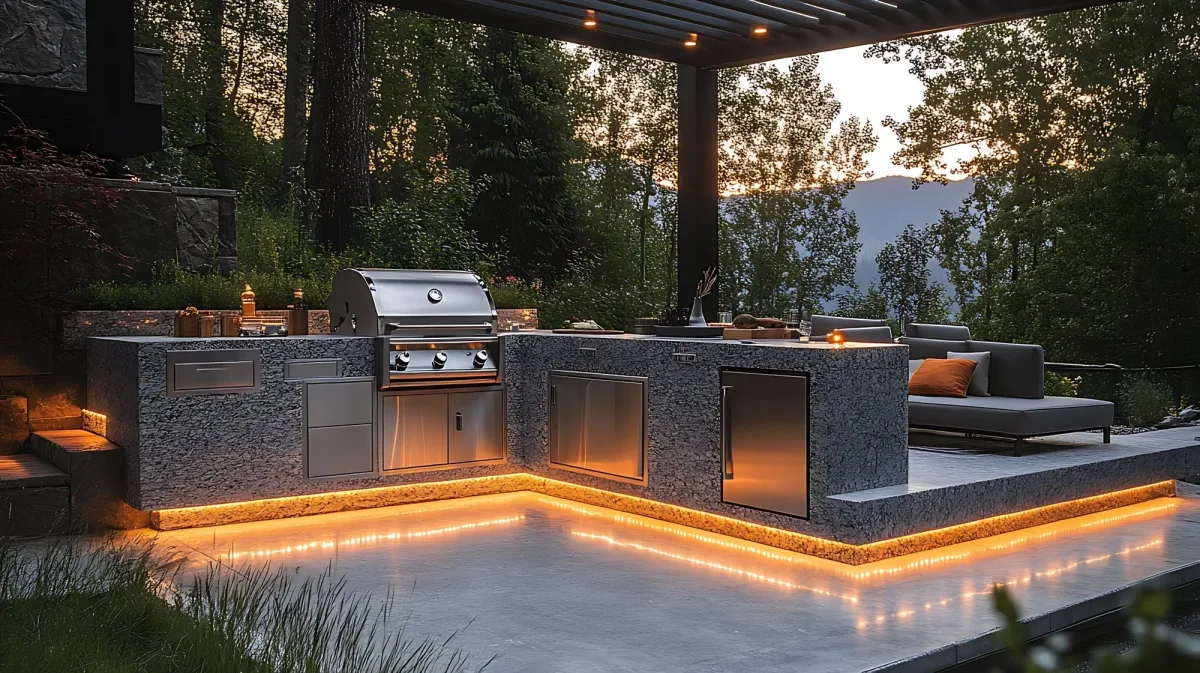
Last summer, I found myself standing in the middle of a sweltering Nashville parking lot, watching as a local brewery’s outdoor kitchen turned what should’ve been a breezy evening into a sauna. The grills were roaring, the deep fryers were bubbling, and the exhaust fans sounded like a fleet of helicopters trying to take off. It wasn’t just loud, it was wasteful. The amount of energy being burned (literally) to cook a single batch of wings could’ve powered my apartment for a week. And the worst part? The customers loved it. They didn’t care about the carbon footprint or the utility bill. They just wanted their food hot and their beers cold.
That’s when it hit me: eco-friendly commercial outdoor kitchens aren’t just a nice-to-have anymore. They’re a necessity. But here’s the catch, no one’s going to adopt them if they don’t work as well as the old, energy-guzzling models. If your grill takes twice as long to heat up or your refrigeration can’t keep up with a dinner rush, you’re sunk before you start. So how do you design an outdoor kitchen that’s kind to the planet and keeps your customers happy? That’s what we’re diving into today. By the end of this, you’ll know how to cut energy use, reduce waste, and still serve up a mean brisket, without the guilt (or the sky-high bills).
Is this even possible? I’ll admit, I had my doubts. But after talking to chefs, suppliers, and a few sustainability experts, I’m convinced it is. The key? Smart design, the right equipment, and a willingness to challenge the status quo. Let’s break it down.
Why Outdoor Kitchens Are the Perfect Place to Go Green
The Low-Hanging Fruit (Literally)
Outdoor kitchens have a built-in advantage when it comes to sustainability: they’re already outside. No need to worry about HVAC systems struggling to keep up with the heat of a pizza oven or the humidity from a steam table. The great outdoors handles ventilation for you, if you design it right. But that’s just the start. Here’s why outdoor spaces are ripe for eco-friendly innovation:
- Natural ventilation means you can ditch the energy-hungry exhaust hoods (or at least downsize them).
- Solar potential is off the charts. Rooftops, pergolas, even the sides of buildings, outdoor kitchens have more surface area to soak up the sun.
- Rainwater harvesting becomes an option. Why use potable water to clean your grills when you can collect rainwater instead?
- Local sourcing is easier. Outdoor kitchens often pair well with on-site gardens or partnerships with nearby farms. Less transport = lower emissions.
But here’s the thing: none of this matters if the food doesn’t taste good. You could have the greenest kitchen in the world, but if your burgers are dry or your veggies are soggy, customers won’t come back. So how do you balance sustainability with performance? Let’s start with the foundation, literally.
Location, Location, Location (But Make It Sustainable)
Where you put your outdoor kitchen isn’t just about foot traffic or views. It’s about harnessing natural resources and minimizing environmental impact. Here’s what to consider:
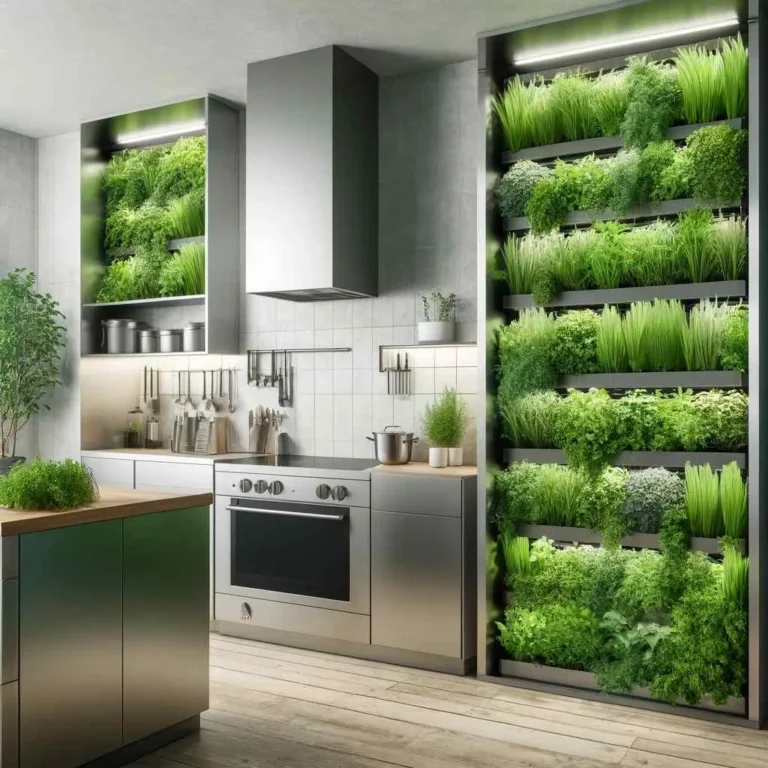
- Sun exposure: Too much direct sunlight can turn your kitchen into an oven, forcing refrigeration units to work overtime. Too little, and you’re relying on artificial lighting. Aim for a spot with dappled shade-think pergolas with climbing plants or strategically placed trees. Bonus: Plants improve air quality and can even provide herbs or garnishes for your dishes.
- Wind patterns: A constant breeze can help with ventilation, but too much wind can make cooking a nightmare (ever tried grilling in a hurricane?). Use windbreaks like lattice panels or tall plants to create a microclimate that works for you.
- Drainage: Outdoor kitchens deal with a lot of water, from rain to spills to cleaning. Poor drainage leads to standing water, which attracts pests and can damage equipment. Opt for permeable paving or gravel to let water seep into the ground naturally.
- Proximity to utilities: The closer your kitchen is to existing water, gas, and electrical lines, the less energy you’ll waste on long runs. But here’s the catch: if you’re going off-grid, you’ll need to plan for solar panels, composting toilets, or rainwater collection systems. It’s a trade-off, but one that can pay off in the long run.
I’ll be honest, this part feels a little overwhelming. There’s so much to think about, and it’s easy to get paralyzed by the options. Should you go all-in on solar? Is a composting toilet too extreme for a commercial space? Maybe I should just stick to a standard setup and call it a day. But then I remember that brewery’s kitchen, roaring like a jet engine, and I know we can do better. Let’s keep going.
The Heart of the Matter: Choosing Eco-Friendly Equipment
Grills and Smokers: Where the Magic (and Emissions) Happen
This is where things get tricky. Traditional charcoal and wood grills are beloved for their flavor, but they’re also major polluters. Charcoal briquettes, in particular, are often made from unsustainable sources and coated in chemicals. Propane is cleaner but still relies on fossil fuels. So what’s the alternative?
- Pellet grills: These use compressed wood pellets made from sawdust and other waste products. They’re efficient, produce less smoke, and can even be powered by renewable energy if you’re off-grid. The downside? They require electricity to run the auger and fan, so you’ll need a backup power source if you’re not connected to the grid.
- Infrared grills: These use radiant heat to cook food quickly and evenly, reducing energy use by up to 30% compared to traditional gas grills. They’re also great for searing, which means you can get that coveted crust without overcooking the inside. The catch? They’re not ideal for low-and-slow cooking.
- Electric grills: If you’re running on solar or another renewable source, electric grills can be a great option. They produce zero emissions on-site and are easy to clean. But let’s be real, electric grills don’t have the same smoky flavor as wood or charcoal. You’ll need to get creative with rubs, marinades, or even a smoke box to add that depth of flavor.
- Wood-fired ovens: These are a favorite for pizzerias and artisan bread bakers, and for good reason. They cook food quickly and evenly, and the wood adds a unique flavor. But not all wood is created equal. Look for sustainably sourced hardwoods like oak or maple, and avoid treated or painted wood, which can release toxic chemicals.
I’m torn between the pellet grill and the infrared grill. The pellet grill feels more versatile, you can smoke, grill, and even bake with it, but it’s dependent on electricity. The infrared grill is more efficient, but it’s not as flexible. Maybe the answer is a hybrid setup? Or maybe I’m overcomplicating this. Let’s move on to refrigeration, because that’s another big energy suck.
Keeping It Cool Without Warming the Planet
Refrigeration is one of the biggest energy consumers in any kitchen, indoor or out. But outdoor kitchens have an advantage: ambient temperature. If you’re in a cooler climate or can position your fridge in the shade, it won’t have to work as hard to maintain temperature. Here’s how to make your refrigeration as eco-friendly as possible:
- Energy-efficient models: Look for refrigerators and freezers with the ENERGY STAR certification. These units use about 15% less energy than standard models. Some even come with features like auto-defrost or variable-speed compressors to further reduce energy use.
- Solar-powered refrigeration: If you’re off-grid or want to reduce your reliance on the electrical grid, solar-powered fridges are an option. These units run on DC power and can be paired with a battery bank to keep things cool even when the sun isn’t shining. The downside? They’re expensive upfront, and you’ll need enough solar panels to power them.
- Passive cooling techniques: Before electricity, people used evaporative cooling and geothermal systems to keep food cold. You can incorporate these techniques into your outdoor kitchen by using clay pots (which stay cool through evaporation) or underground storage (where temperatures remain constant year-round). These methods won’t replace a fridge, but they can reduce your reliance on it.
- Smart controls: Some modern refrigeration units come with Wi-Fi connectivity and smart sensors that adjust cooling based on usage patterns. For example, if the door is left open, the unit will alert you or even adjust the temperature to compensate. It’s a small thing, but it adds up over time.
I keep coming back to the solar-powered fridge. It’s the most sustainable option, but it’s also the most expensive. Is it worth the investment? Maybe for a high-end restaurant or a venue that’s committed to sustainability, but for a smaller operation, it might be overkill. Then again, if you’re already investing in solar panels for other equipment, it might make sense to go all-in. I’m not sure. Let’s table this for now and talk about something a little more straightforward: lighting.
Lighting: Bright Ideas for a Greener Kitchen
Why Your Lighting Choices Matter More Than You Think
Lighting might seem like a small detail, but it adds up, especially in an outdoor kitchen that’s open late into the evening. Traditional incandescent bulbs are energy hogs, and even compact fluorescents (CFLs) have their drawbacks. Here’s how to light your kitchen efficiently and sustainably:
- LED lighting: LEDs use 75% less energy than incandescent bulbs and last 25 times longer. They’re also durable, which is important for an outdoor setting where they’ll be exposed to the elements. Look for waterproof and shatterproof models to ensure they hold up in all weather conditions.
- Solar-powered lights: These are a no-brainer for outdoor spaces. Solar path lights, string lights, and even floodlights can be powered by the sun during the day and provide illumination at night. The key is to place them in areas where they’ll get direct sunlight for at least 6-8 hours a day. If you’re in a shady spot, you might need to supplement with battery-powered or wired lights.
- Motion sensors and timers: Why waste energy lighting an empty kitchen? Motion sensors and timers ensure that lights are only on when they’re needed. This is especially useful for storage areas, walk-in fridges, and prep stations that aren’t in constant use.
- Natural light: This might seem obvious, but it’s worth mentioning. Position your kitchen so that it gets plenty of natural light during the day. Skylights, large windows, and even reflective surfaces (like stainless steel countertops) can help bounce light around and reduce the need for artificial lighting.
I love the idea of solar-powered string lights for ambiance. They’re not just functional, they create a vibe. But I’m not sold on solar-powered floodlights for task lighting. They’re great for pathways or decorative lighting, but when you’re chopping onions or flipping burgers, you need bright, consistent light. Maybe a mix of solar and LED is the way to go? Or maybe I’m overthinking this. Let’s move on to something a little more hands-on: materials.
Materials Matter: Building a Kitchen That Lasts
Durability Meets Sustainability
Outdoor kitchens take a beating. They’re exposed to sun, rain, wind, and temperature fluctuations, so the materials you choose need to be durable, low-maintenance, and eco-friendly. Here’s what to look for:
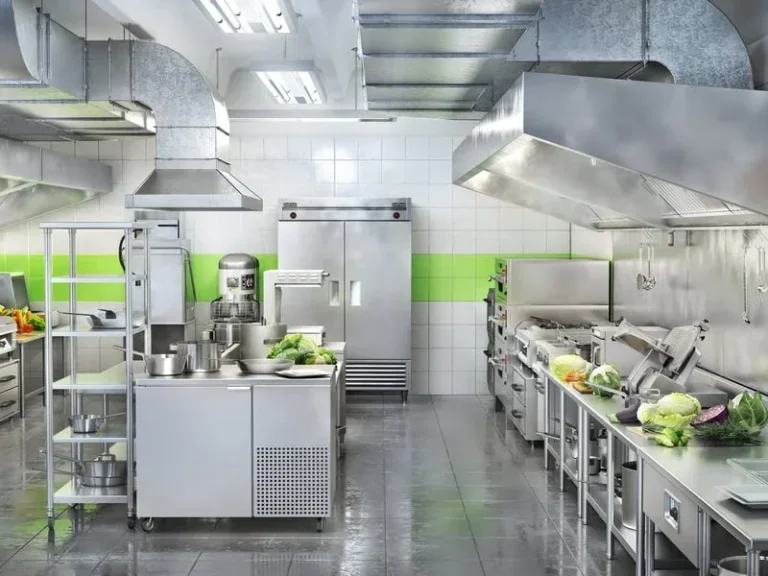
- Stainless steel: This is the gold standard for commercial kitchens, and for good reason. It’s durable, easy to clean, and 100% recyclable. Look for 304-grade stainless steel, which is resistant to corrosion and won’t rust. The downside? It’s energy-intensive to produce, so try to source it from recycled materials whenever possible.
- Reclaimed wood: If you want a warmer, more rustic look, reclaimed wood is a great option. It’s sustainably sourced (since it’s repurposed from old buildings or pallets) and adds character to your space. Just make sure it’s treated for outdoor use to prevent rot and pests. Cedar and teak are naturally resistant to moisture, but they can be expensive. A more affordable option is pressure-treated pine, but be aware that it’s often treated with chemicals.
- Composite decking: This is a mix of recycled wood fibers and plastic, and it’s designed to look like wood without the maintenance. It won’t rot, splinter, or warp, and it’s resistant to mold and mildew. The downside? It’s not as eco-friendly as reclaimed wood, since it’s made from plastic. But if you’re looking for a low-maintenance option, it’s a good compromise.
- Concrete: Concrete is durable, low-maintenance, and can be made from recycled materials. It’s also great for radiant heating, which can keep your kitchen warm in cooler months. The downside? It’s not the most attractive material, and it can crack over time. To make it more eco-friendly, look for fly ash concrete, which uses waste from coal-fired power plants as a partial replacement for cement.
- Bamboo: Bamboo is fast-growing, renewable, and stronger than many hardwoods. It’s a great option for countertops, flooring, and even cabinetry. Just make sure it’s FSC-certified (Forest Stewardship Council) to ensure it’s sustainably sourced. The downside? It’s not as durable as stainless steel or concrete, so it might not hold up in a high-traffic commercial kitchen.
I’m leaning toward stainless steel for the countertops and reclaimed wood for the pergola. But I’m worried about the maintenance. Reclaimed wood needs to be sealed regularly, and stainless steel can show fingerprints and smudges. Maybe I should go with composite decking for the pergola? It’s low-maintenance, but it doesn’t have the same charm as real wood. Ugh, decisions, decisions. Let’s talk about something a little more fun: waste management.
Waste Not, Want Not: Managing Trash in an Eco-Friendly Kitchen
The Three R’s (But Make It Commercial)
Waste management is one of the biggest challenges in any kitchen, but it’s especially tricky in an outdoor setting. You’re dealing with food waste, packaging, and single-use items, all while trying to keep pests at bay. Here’s how to tackle it:
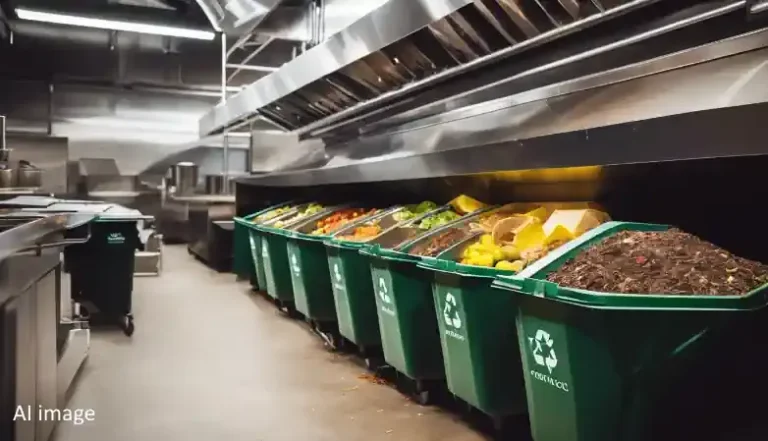
- Composting: Food waste is inevitable, but it doesn’t have to end up in a landfill. Composting turns scraps into nutrient-rich soil that can be used in on-site gardens or donated to local farms. For a commercial kitchen, you’ll need a large-scale composting system, like a tumbler or in-vessel composter. These systems speed up the composting process and can handle large volumes of waste. Just make sure to separate compostable materials (like fruit and vegetable scraps) from non-compostable items (like meat and dairy).
- Recycling: This one’s a no-brainer, but it’s worth mentioning. Set up clearly labeled recycling bins for glass, plastic, and metal. If you’re using compostable packaging, make sure it’s certified by the Biodegradable Products Institute (BPI) to ensure it breaks down properly. And don’t forget about oil and grease recycling-many companies will pick up used cooking oil and turn it into biodiesel.
- Reducing single-use items: This is where things get tricky. Single-use plates, cups, and utensils are convenient, but they create a ton of waste. The alternative? Reusable or compostable options. If you’re serving food on-site, consider durable dishware that can be washed and reused. If you’re doing takeout, opt for compostable containers made from materials like sugarcane, bamboo, or PLA (corn-based plastic). Just make sure your customers know how to dispose of them properly, compostable items don’t belong in the recycling bin!
- Pest control: Outdoor kitchens are a magnet for pests, but you don’t have to resort to toxic chemicals to keep them at bay. Natural pest control methods include:
- Essential oils: Peppermint, citronella, and eucalyptus oils can repel insects.
- Diatomaceous earth: This natural powder kills insects by dehydrating them.
- Companion planting: Certain plants, like basil and marigolds, repel pests naturally.
- Proper waste storage: Keep trash and compost bins sealed and elevated to prevent pests from getting in.
I love the idea of composting, but I’m not sure how to make it work in a commercial setting. Will customers actually separate their waste, or will I end up with a bin full of half-eaten burgers and plastic forks? Maybe I need to hire someone to manage the waste station. Or maybe I’m overestimating the problem. Let’s talk about something a little more concrete: water conservation.
Water, Water Everywhere (But Not a Drop to Waste)
How to Slash Your Water Use Without Sacrificing Cleanliness
Water is one of the most precious resources on the planet, and outdoor kitchens use a lot of it-for cooking, cleaning, and irrigation. Here’s how to cut back without compromising hygiene or efficiency:
- Low-flow fixtures: Swap out standard faucets and sprayers for low-flow models. These use 30-50% less water without sacrificing pressure. Look for fixtures with the WaterSense certification, which ensures they meet EPA standards for efficiency.
- Foot pedals and motion sensors: Why leave the water running when you’re not using it? Foot pedals and motion sensors ensure that water only flows when it’s needed. This is especially useful for handwashing stations and prep sinks, where water is often left running out of habit.
- Rainwater harvesting: If you’re in an area with regular rainfall, rainwater harvesting can be a game-changer. Install rain barrels or cisterns to collect water from your roof, then use it for irrigation, cleaning, or even flushing toilets. Just make sure to check local regulations, some areas have restrictions on rainwater collection.
- Graywater recycling: Graywater is wastewater from sinks, showers, and washing machines that can be reused for irrigation or flushing toilets. Installing a graywater system can reduce your water use by up to 50%. The downside? It’s expensive and requires regular maintenance to prevent clogs and odors.
- Efficient dishwashing: If you’re washing dishes by hand, use a three-compartment sink to minimize water use. Fill the first sink with soapy water, the second with rinse water, and the third with sanitizing solution. If you’re using a commercial dishwasher, look for an ENERGY STAR-certified model that uses less water and energy.
Rainwater harvesting is high on my list, but I’m not sure how to make it work in a commercial setting. Do I need a permit? How much maintenance does it require? Maybe I should start with low-flow fixtures and see how that goes. Baby steps, right? Let’s move on to something a little more exciting: energy.
Powering Your Kitchen: Renewable Energy Options
Going Off-Grid (Or At Least Partially)
Outdoor kitchens are the perfect candidate for renewable energy. They’re exposed to the sun, wind, and (in some cases) even geothermal heat. Here’s how to power your kitchen sustainably:
- Solar power: This is the most obvious choice for outdoor kitchens. Solar panels can be installed on rooftops, pergolas, or even the ground. They’re low-maintenance, silent, and scalable-you can start with a small system and add more panels as needed. The downside? They’re weather-dependent, so you’ll need a battery bank to store energy for cloudy days or nighttime use. If you’re not ready to go fully off-grid, you can supplement your energy use with solar to reduce your reliance on the grid.
- Wind power: If you’re in a windy area, small wind turbines can be a great way to generate electricity. They’re more consistent than solar panels, but they’re also noisy and require regular maintenance. They’re best suited for large properties where noise isn’t an issue.
- Geothermal energy: This is a bit more niche, but if you’re in an area with geothermal activity, you can tap into the earth’s natural heat to power your kitchen. Geothermal systems are highly efficient and can provide both heating and cooling. The downside? They’re expensive to install and require a lot of space.
- Hybrid systems: The best of both worlds! A hybrid solar-wind system can provide consistent power, even when the sun isn’t shining or the wind isn’t blowing. You can also pair renewable energy with a backup generator (ideally one that runs on biodiesel or another sustainable fuel) for added reliability.
I’m sold on solar power, but I’m not sure how much I’ll need. Do I go all-in and try to power the entire kitchen, or start small with a few panels for lighting and refrigeration? And what about the upfront cost? Solar panels aren’t cheap, but they pay for themselves over time. Maybe I should talk to a supplier like Chef’s Deal, who offers free kitchen design services and can help me figure out the best setup for my space. They’ve got experience with comprehensive kitchen design and equipment solutions, so they might have some insights I haven’t considered.
Designing for Efficiency: Layouts That Work Smarter, Not Harder
The Golden Triangle (But Make It Outdoor-Friendly)
The kitchen work triangle is a classic design principle that ensures efficiency by positioning the sink, stove, and refrigerator in a triangular layout. But outdoor kitchens have their own unique challenges-weather, space constraints, and workflow-so you’ll need to adapt this principle. Here’s how:
- Prioritize workflow: Think about how your staff moves through the kitchen. The prep area, cooking station, and plating area should be close together to minimize steps. If you’re serving food on-site, make sure the service window is easily accessible from the cooking area.
- Zone your kitchen: Divide your kitchen into functional zones-prep, cooking, cleaning, and storage. This keeps everything organized and reduces cross-contamination. For example, keep raw meat prep separate from vegetable prep to avoid foodborne illnesses.
- Maximize space: Outdoor kitchens often have limited space, so vertical storage is key. Use wall-mounted shelves, hanging racks, and magnetic knife strips to keep tools within reach without cluttering the countertops. If you’re tight on square footage, consider a rolling island that can be moved as needed.
- Weatherproof your design: Outdoor kitchens are exposed to the elements, so durability is a must. Use weather-resistant materials like stainless steel, concrete, and composite decking. If you’re in a rainy climate, consider covered prep areas or retractable awnings to keep things dry. And don’t forget about wind protection-nothing’s worse than a gust of wind blowing ash from the grill onto your food.
I love the idea of a rolling island. It’s flexible, functional, and adds a cool industrial vibe. But I’m not sure how to incorporate it into the workflow. Do I use it for prep, storage, or both? Maybe I should sketch out a few layouts and see what feels right. Or maybe I should take advantage of Chef’s Deal’s professional installation services-they’ve got experience with expert consultation and support, so they might have some creative solutions.
The Human Factor: Training Staff for Sustainability
Why Your Team Is Your Most Important Eco-Friendly Tool
You can have the greenest kitchen in the world, but if your staff doesn’t buy into the vision, it won’t matter. Sustainability is a team effort, and it starts with training. Here’s how to get your team on board:
- Educate, don’t preach: No one likes a lecture. Instead of telling your staff what to do, explain why it matters. Show them the energy bills, water usage reports, and waste audits to help them understand the impact of their actions. When they see the numbers, they’ll be more likely to care.
- Lead by example: If you’re not practicing what you preach, your staff won’t either. Model sustainable behaviors-turn off equipment when it’s not in use, separate waste properly, and use reusable containers. When your team sees you walking the walk, they’ll be more likely to follow.
- Make it easy: If sustainable practices are inconvenient, your staff won’t stick with them. Streamline your systems-place recycling bins next to trash cans, label compostable items clearly, and keep reusable containers within reach. The easier it is, the more likely they’ll do it.
- Incentivize sustainability: Reward your staff for sustainable behaviors. This could be as simple as a shout-out in a team meeting or as elaborate as a bonus system tied to energy savings. When people see that their efforts are appreciated, they’ll be more motivated to keep it up.
- Encourage feedback: Your staff is on the front lines, so they’ll have insights you might not have considered. Ask for their input-what’s working, what’s not, and what could be improved. When they feel heard, they’ll be more invested in the process.
I’m a little nervous about this part. What if my staff resists the changes? What if they see sustainability as an extra burden rather than a priority? Maybe I should start small, focus on one or two changes at a time and build from there. Or maybe I should bring in a consultant to help with the training. Chef’s Deal offers expert consultation and support, so they might have some tips for getting staff on board. It’s worth looking into.
The Bottom Line: Cost vs. Savings
Is Going Green Worth the Investment?
Let’s be real-eco-friendly equipment and materials often come with a higher upfront cost. Solar panels, energy-efficient appliances, and sustainable building materials aren’t cheap. But here’s the thing: they pay for themselves over time. Here’s how:
- Lower utility bills: Energy-efficient equipment uses less electricity, gas, and water, which means lower monthly bills. Over time, these savings can add up to thousands of dollars.
- Tax incentives and rebates: Many governments offer tax credits, rebates, or grants for businesses that invest in sustainable practices. Check with your local utility company or environmental agency to see what’s available in your area.
- Increased customer loyalty: Consumers are becoming more environmentally conscious, and they’re willing to pay a premium for businesses that share their values. A sustainable outdoor kitchen can be a major selling point, attracting customers who care about the planet.
- Reduced waste costs: Composting and recycling can reduce your trash bill, and some waste management companies even offer discounts for businesses that separate their waste.
- Longer-lasting equipment: Sustainable materials and energy-efficient appliances are often more durable than their conventional counterparts. This means less maintenance and fewer replacements over time.
I get it-the upfront cost is intimidating. But when I think about the long-term savings, it starts to make sense. And let’s not forget the intangible benefits-like the satisfaction of knowing you’re doing your part to protect the planet. Maybe I should look into Chef’s Deal’s financing options. They offer competitive pricing and flexible payment plans, which could make the investment more manageable. It’s worth a conversation, at least.
Putting It All Together: A Step-by-Step Guide
How to Design Your Eco-Friendly Outdoor Kitchen
Alright, let’s bring it all together. Here’s a step-by-step guide to designing an eco-friendly commercial outdoor kitchen that’s as functional as it is sustainable:
- Assess your needs: What kind of food will you be serving? How many customers do you expect? What’s your budget? Answering these questions will help you determine the size, layout, and equipment you’ll need.
- Choose your location: Pick a spot that maximizes natural resources (sun, wind, shade) and minimizes environmental impact. Consider drainage, ventilation, and proximity to utilities.
- Select your equipment: Opt for energy-efficient, durable, and low-maintenance appliances. Think pellet grills, infrared burners, solar-powered refrigeration, and low-flow fixtures.
- Pick your materials: Choose sustainable, weather-resistant materials like stainless steel, reclaimed wood, composite decking, and bamboo. Avoid materials that require toxic chemicals or frequent replacements.
- Plan your waste management: Set up composting, recycling, and waste reduction systems. Consider compostable packaging and natural pest control methods.
- Incorporate renewable energy: Install solar panels, wind turbines, or a hybrid system to power your kitchen. If you’re not ready to go fully off-grid, start with a small system and expand over time.
- Design for efficiency: Use the kitchen work triangle to create a layout that minimizes steps and maximizes workflow. Divide your kitchen into functional zones (prep, cooking, cleaning, storage) and use vertical storage to save space.
- Train your staff: Educate your team on sustainable practices and make it easy for them to follow through. Lead by example, incentivize good behavior, and encourage feedback.
- Monitor and adjust: Keep track of your energy use, water consumption, and waste production. Use this data to identify areas for improvement and make adjustments as needed.
- Promote your efforts: Let your customers know about your eco-friendly initiatives. This can be a major selling point and help you attract like-minded customers.
This feels doable. It’s a lot to think about, but if I take it one step at a time, I can make it happen. And if I get stuck, I can always reach out to a supplier like Chef’s Deal. They offer free kitchen design services and professional installation, so they can help me navigate the process. Plus, their expert consultation and support could be invaluable. It’s nice to know I don’t have to figure this out alone.
Final Thoughts: The Future of Outdoor Dining
Here’s the thing about eco-friendly outdoor kitchens: they’re not just a trend. They’re the future. As climate change becomes more pressing and consumers become more conscious of their environmental impact, businesses that don’t adapt will be left behind. But here’s the good news-going green doesn’t have to mean sacrificing performance, style, or profitability. It’s about smart design, the right equipment, and a willingness to challenge the status quo.
I’ll admit, I started this journey with some skepticism. Could an outdoor kitchen really be both sustainable and high-performing? After diving into the research and talking to experts, I’m convinced it can. The key is to start small, focus on what matters most, and build from there. Whether it’s swapping out your grill for a pellet model, installing solar panels, or training your staff on composting, every little bit helps.
So here’s my challenge to you: Pick one thing. Just one. Maybe it’s switching to LED lighting, or setting up a compost bin, or talking to a supplier like Chef’s Deal about their comprehensive kitchen design solutions. Whatever it is, start there. Because the future of outdoor dining isn’t just about serving great food, it’s about doing it in a way that’s kind to the planet. And that’s a future I can get behind.
FAQ
Q: Are eco-friendly outdoor kitchens more expensive to build?
A: Upfront, yes, they can be. Sustainable materials and energy-efficient equipment often come with a higher price tag. But over time, they pay for themselves through lower utility bills, tax incentives, and reduced waste costs. Plus, many suppliers, like Chef’s Deal, offer competitive pricing and financing options to make the investment more manageable.
Q: Can I really power an entire outdoor kitchen with solar panels?
A: It depends on your energy needs and location. A small kitchen with a few appliances (like a grill, fridge, and lights) can absolutely run on solar power. Larger kitchens with multiple cooking stations, refrigeration units, and other equipment may need a hybrid system (solar + wind or grid backup) to ensure consistent power. The best way to find out is to consult with a solar expert or a supplier like Chef’s Deal, who can help you design a system that meets your needs.
Q: What’s the most eco-friendly grill option?
A: It’s a toss-up between pellet grills and infrared grills. Pellet grills use compressed wood waste and are highly efficient, but they require electricity. Infrared grills use radiant heat to cook food quickly and evenly, reducing energy use by up to 30%. Both are great options, it just depends on your cooking style and energy setup. If you’re off-grid, an electric grill powered by solar could be a good alternative.
Q: How do I convince my staff to embrace sustainable practices?
A: Start by educating them on why it matters. Show them the energy bills, water usage reports, and waste audits to help them understand the impact of their actions. Then, make it easy-place recycling bins next to trash cans, label compostable items clearly, and keep reusable containers within reach. Finally, lead by example and incentivize good behavior. When your team sees that their efforts are appreciated, they’ll be more motivated to keep it up.
@article{the-future-of-feasting-how-to-design-an-eco-friendly-commercial-outdoor-kitchen-that-doesnt-sacrifice-style-or-performance,
    title   = {The Future of Feasting: How to Design an Eco-Friendly Commercial Outdoor Kitchen That Doesn’t Sacrifice Style or Performance},
    author  = {Chef's icon},
    year    = {2026},
    journal = {Chef's Icon},
    url     = {https://chefsicon.com/eco-friendly-commercial-outdoor-kitchen-designs/}
}