The Best Fluffy Pancakes recipe you will fall in love with. Full of tips and tricks to help you make the best pancakes.
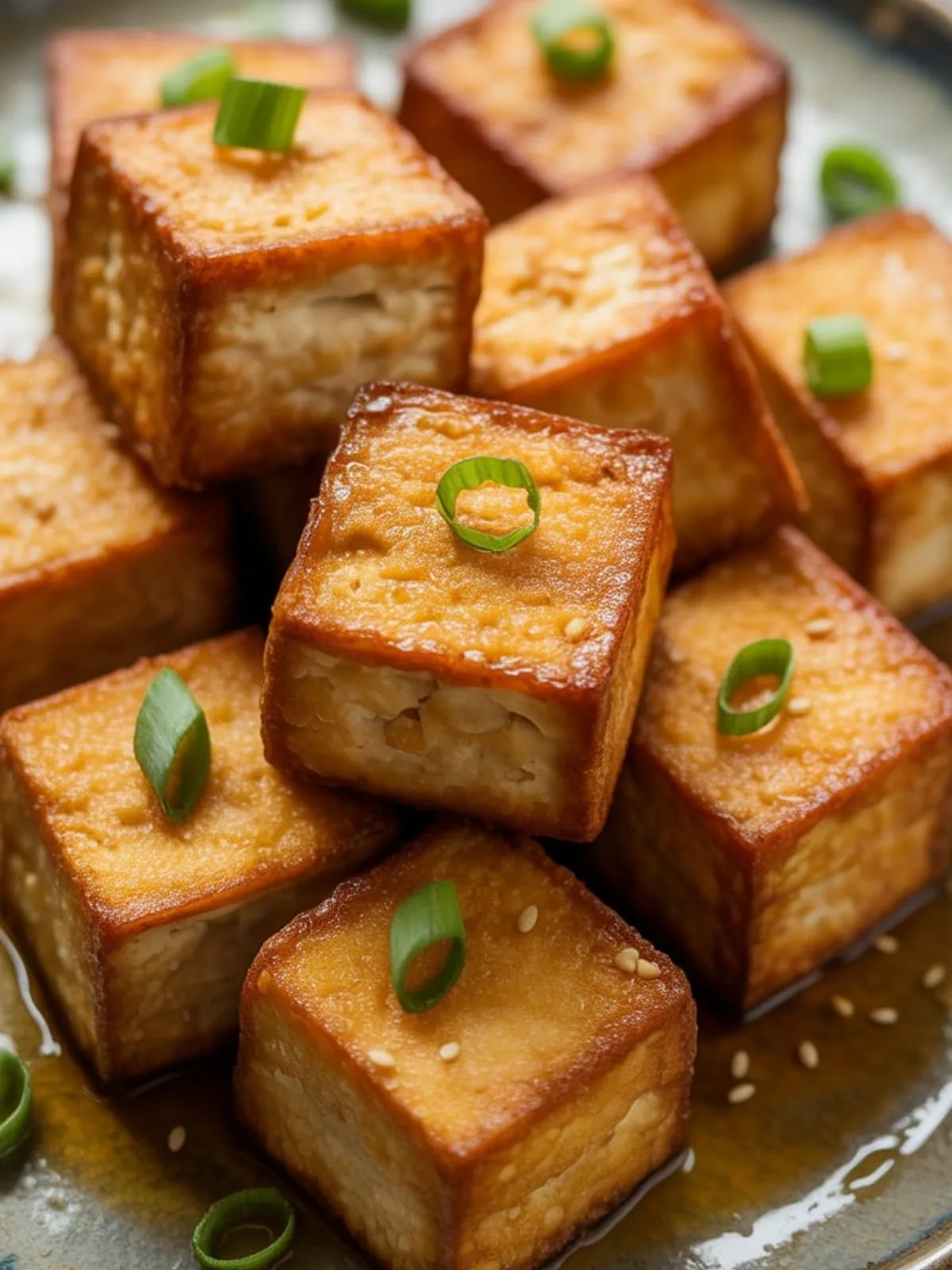
Why Commercial Air Fryer Tofu Might Just Save Your High-Volume Kitchen (And Your Sanity)
Let me set the scene. It’s 6:47 PM on a Tuesday, and I’m standing in the back of a bustling Nashville vegan bistro, watching the line cook, let’s call him Marco, wrestle with a mountain of tofu cubes destined for tonight’s special. The oil in the deep fryer is sputtering, the temp’s dropping faster than my will to live after a double shift, and the tickets just keep coming. Marco’s got that look in his eye, the one that says, “I love my job, but right now I’d trade my favorite knife for a way to make this faster, crisper, and less of a greasy nightmare.”
That’s when I first started wondering: what if there was a better way? Not just better, but commercially viable for places moving hundreds of tofu orders a night. Enter the commercial air fryer, a piece of equipment I’d previously dismissed as just another trendy gadget for home cooks. But in that moment, watching Marco’s struggle, I realized I might’ve been dead wrong. Could this actually be the solution for high-volume kitchens looking to perfect tofu prep without the oil bath chaos?
Over the next few months, I dove headfirst into testing this theory. I talked to chefs, pestered equipment reps (including some great folks at Chef’s Deal who actually knew their stuff), and spent way too many late nights in various kitchens perfecting the process. What I found surprised me. Commercial air fryer tofu isn’t just possible, it might actually be better than traditional methods for high-volume operations. But (and this is a big but) it’s not as simple as just tossing tofu in and hitting start. There’s a science to it, a method to the madness, and some serious considerations for kitchens looking to make the switch.
In this deep dive, we’re going to cover everything you need to know about commercial air fryer tofu prep for high-volume kitchens. From choosing the right equipment to perfecting your technique, managing workflow, and even some unexpected benefits (hello, easier cleanup!). By the end, you’ll either be ready to revolutionize your tofu game or at least have some solid reasons why it might not be right for your operation. Either way, you’ll have the info to make an informed decision, and maybe save your kitchen some serious time and hassle in the process.
The Commercial Air Fryer Tofu Revolution: Why It’s Worth Considering
Breaking Down the High-Volume Tofu Problem
First, let’s talk about why tofu prep is such a pain point in high-volume kitchens. It’s not just about the time, though that’s certainly a factor. It’s about consistency, oil management, space constraints, and that ever-present challenge of keeping up with demand without sacrificing quality. Traditional methods, whether pan-frying or deep-frying, come with their own set of headaches:
- Oil consumption: Deep-frying tofu in large quantities means going through oil at an alarming rate. Not only is this expensive, but it creates a disposal nightmare and requires constant filtering and monitoring.
- Temperature fluctuations: Every time you add a batch of cold tofu to hot oil, the temperature drops. In a busy kitchen, this means constantly adjusting or risking uneven cooking.
- Space hogging: Deep fryers take up valuable real estate in already crowded kitchens. And let’s not even talk about the ventilation requirements.
- Safety concerns: Hot oil is an accident waiting to happen, especially during peak hours when everyone’s moving fast and tempers are running high.
- Quality control: Getting that perfect crispy-on-the-outside, tender-on-the-inside texture is tricky when you’re racing against the clock. Too often, tofu ends up either undercooked or overcooked, or worse, soggy from sitting too long after cooking.
Now, I’m not saying commercial air fryers solve all these problems perfectly. But they do address many of them in ways that surprised me. The first time I saw a properly prepped batch of air-fried tofu come out of a commercial unit, I’ll admit I was skeptical. It looked good, really good, but I needed to know if it could hold up under real kitchen conditions. So I did what any self-respecting food nerd would do: I put it to the test.
My First Commercial Air Fryer Tofu Experiment (And What Went Wrong)
I started with what I thought was a foolproof plan. I’d take the same tofu we were using in the bistro, press it the same way, cut it the same size, and use the same marinade. The only variable would be the cooking method. Simple, right? Wrong. So very wrong.
The first batch was… not great. The tofu was dry on the outside, barely cooked on the inside, and had this weird, almost rubbery texture. I’d set the air fryer to what I thought was the right temperature (375°F, because that’s what all the home cook blogs said), but clearly something was off. That’s when I realized I’d made a classic rookie mistake: assuming commercial equipment would behave like its residential counterpart.
After some frantic Googling (and a very patient phone call with an equipment specialist at Chef’s Deal), I learned that commercial air fryers operate differently. The airflow dynamics, temperature consistency, and cooking times aren’t just scaled-up versions of home models. They’re designed for volume, speed, and durability in ways that require rethinking your entire approach. This wasn’t just about swapping one cooking method for another, it was about fundamentally reimagining the tofu prep process.
Why Commercial Air Fryers Actually Make Sense for Tofu
Once I got past my initial failures, I started to see the real potential. Here’s why commercial air fryers might actually be a game-changer for high-volume tofu prep:
- Reduced oil usage: We’re talking a fraction of what you’d use for deep-frying. This isn’t just about cost savings (though that’s significant)-it’s about reducing the mess, the waste, and the safety hazards associated with large quantities of hot oil.
- Consistent results: Commercial air fryers maintain temperature more consistently than deep fryers, especially when cooking in volume. This means less guesswork and more reliable outcomes, even during peak hours.
- Space efficiency: While not exactly tiny, commercial air fryers take up less space than deep fryers and don’t require the same level of ventilation. Some models can even be stacked or integrated into existing kitchen layouts.
- Versatility: These units aren’t just for tofu. You can use them for vegetables, proteins, even some baked goods. This makes them a more flexible addition to your kitchen than a single-purpose deep fryer.
- Easier cleanup: No more dealing with gallons of used oil. The baskets and trays are typically dishwasher-safe, and there’s no oil filtering or disposal to worry about.
- Energy efficiency: Commercial air fryers generally use less energy than deep fryers, which can add up to significant savings over time.
But here’s the thing: none of this matters if the tofu doesn’t taste good. And that’s where things get interesting. Because when done right, air-fried tofu isn’t just a compromise, it can actually be better than the deep-fried version. The texture is lighter, the flavor more pronounced (since it’s not masked by oil), and the ability to customize the level of crispiness is a game-changer. But getting there requires understanding the science behind it.
The Science of Perfect Commercial Air Fryer Tofu
Understanding How Air Fryers Actually Work (Spoiler: It’s Not Frying)
Let’s clear up a common misconception right away: air fryers don’t actually fry. Not in the traditional sense, anyway. What they do is circulate hot air at high speeds, creating a Maillard reaction on the surface of food that mimics the browning and crisping you’d get from deep-frying. This is why you can achieve similar results with a fraction of the oil.
In a commercial air fryer, this process is amplified. The units are designed with powerful fans that create a vortex of hot air, ensuring even cooking and browning on all sides. The best models have precise temperature controls and rapid heat recovery, which is crucial when you’re cooking in volume. But here’s where things get tricky with tofu specifically: tofu doesn’t behave like most other foods in an air fryer.
Tofu is about 85% water, which means it’s going to release moisture as it cooks. In a deep fryer, this moisture is quickly replaced by oil, which is why you get that classic crispy exterior. In an air fryer, that moisture has nowhere to go, it just sits there, steaming the tofu from the inside. This is why my first attempts were such a disaster. I was essentially trying to air-fry tofu the same way I would chicken wings or french fries, and that just doesn’t work.
The Moisture Problem and How to Solve It
So how do you get around this moisture issue? It comes down to three key factors: pressing, drying, and cooking technique. Let’s break each of these down.
1. Pressing: This is the foundation of good tofu prep, regardless of cooking method. But with air frying, it’s even more critical. The goal is to remove as much water as possible before cooking. I’ve found that a combination of weight and time works best. Here’s my go-to method:
- Wrap the tofu block in a clean kitchen towel or several layers of paper towels.
- Place it on a cutting board or tray with a slight lip to catch the water.
- Put another cutting board on top and weigh it down with something heavy, cast iron pans work great, or you can use a dedicated tofu press if you have one.
- Let it press for at least 30 minutes, but ideally an hour or more for best results.
- For high-volume kitchens, consider investing in a commercial tofu press. These are designed to handle large quantities and can significantly speed up the process.
2. Drying: Even after pressing, tofu retains a surprising amount of moisture. For air frying, you want the surface to be as dry as possible before it goes in. Here’s where things get a little counterintuitive. After pressing, I like to:
- Unwrap the tofu and pat it dry with fresh paper towels.
- Let it air-dry for 10-15 minutes. This might seem like a waste of time, but it makes a noticeable difference in the final texture.
- For even better results, you can place the pressed tofu in the fridge uncovered for an hour or two. The cold air helps draw out more moisture.
3. Cooking Technique: This is where the magic happens. With air frying, you’re not just cooking the tofu, you’re managing moisture, promoting browning, and ensuring even cooking all at once. Here’s what I’ve learned works best:
- Cut size matters: Smaller pieces cook faster and crisp up better. I’ve found that 1-inch cubes work well for most applications. Larger pieces tend to dry out on the outside before cooking through.
- Don’t overcrowd: This is crucial. Air fryers need space for the air to circulate. In a commercial unit, you might be tempted to fill the basket to maximize output, but resist that urge. Leave at least 1/2 inch between pieces for best results.
- Shake or flip: Halfway through cooking, give the basket a good shake or flip the tofu pieces. This ensures even browning and prevents sticking.
- Temperature control: This is where commercial air fryers really shine. I’ve found that 390°F is the sweet spot for tofu. It’s hot enough to promote browning but not so hot that the outside burns before the inside cooks.
- Timing: For 1-inch cubes, 12-15 minutes is usually perfect. But this can vary depending on your specific air fryer model and how dry your tofu is. Always check for doneness, you’re looking for a golden-brown exterior and a firm but tender interior.
The Role of Marinades and Coatings
Here’s where things get really interesting. With deep-frying, the oil creates a barrier that can prevent marinades from penetrating too deeply. With air frying, you don’t have that barrier, which means marinades can really shine, but it also means you need to be more strategic about how you use them.
First, let’s talk about when to marinate. I’ve found that marinating after pressing and cutting, but before air frying, gives the best results. The tofu absorbs the flavors better when it’s been pressed, and the marinade has time to penetrate before cooking. But here’s the catch: too much marinade can make the tofu soggy, which defeats the purpose of air frying.
My solution? A two-step process:
- Dry marinade: Toss the pressed and cut tofu in a dry spice rub first. This creates a flavorful crust that will crisp up beautifully in the air fryer. Think smoked paprika, garlic powder, onion powder, and a touch of cornstarch (more on that later).
- Wet marinade: After the dry rub, add just enough wet marinade to coat the tofu lightly. You want it to be flavorful but not dripping. Let it sit for 15-30 minutes before cooking.
Speaking of cornstarch, this is one of my secret weapons for air-fried tofu. A light dusting of cornstarch (or arrowroot powder) before cooking creates an extra-crispy exterior that holds up well even under sauces. Here’s how I do it:
- After pressing and cutting the tofu, pat it very dry.
- Toss the pieces in a bowl with 1-2 tablespoons of cornstarch per block of tofu.
- Shake off any excess, you want just a light coating.
- Proceed with your dry rub and wet marinade as usual.
The cornstarch does two things: it absorbs any remaining moisture on the surface of the tofu, and it creates a thin, crispy layer when cooked. It’s a small step that makes a big difference in the final texture.
Choosing the Right Commercial Air Fryer for High-Volume Tofu Prep
What to Look for in a Commercial Air Fryer
Not all commercial air fryers are created equal, and not all of them are well-suited for tofu prep. When you’re cooking in volume, you need equipment that can keep up with demand while delivering consistent results. Here are the key features to look for:
- Capacity: This is the most obvious factor, but it’s worth thinking carefully about. A larger capacity means you can cook more at once, but it also means a larger footprint in your kitchen. Consider your peak demand and how much tofu you typically go through in an hour. As a general rule, look for a model that can handle at least 2-3 blocks of tofu at a time for most high-volume applications.
- Temperature range and control: You want precise temperature control, especially for tofu. Look for models with digital controls that allow you to set the temperature in 5°F increments. The ability to save preset programs can also be a huge time-saver in a busy kitchen.
- Airflow design: This is what separates the good air fryers from the great ones. Look for models with powerful fans and well-designed airflow patterns. Some units have a cyclonic airflow system that creates a vortex of hot air, ensuring even cooking on all sides. Others use a dual-fan system for more consistent results.
- Heat recovery: In a high-volume kitchen, you’ll be opening the air fryer frequently to add or remove batches. Look for models with rapid heat recovery to minimize temperature fluctuations.
- Durability: Commercial kitchen equipment takes a beating. Look for models with stainless steel construction, durable baskets, and easy-to-clean components. The last thing you want is a unit that breaks down during a dinner rush.
- Ease of cleaning: This is crucial for any kitchen equipment, but especially for air fryers. Look for models with dishwasher-safe baskets and trays, and non-stick coatings that are durable and easy to clean. Some units even have self-cleaning functions.
- Energy efficiency: Commercial air fryers can vary significantly in their energy usage. Look for models with good insulation and efficient heating elements to keep your energy costs down.
- Versatility: While you’re buying this for tofu, you’ll likely use it for other things too. Look for models that can handle a variety of foods and cooking methods. Some commercial air fryers also function as convection ovens, dehydrators, or even slow cookers.
Top Commercial Air Fryer Models for Tofu Prep
After testing several models and talking to chefs who use them regularly, here are some of the top commercial air fryers for high-volume tofu prep. (Full disclosure: I don’t have any affiliation with these brands, but I’ve either used them myself or spoken to chefs who swear by them.)
1. Vulcan VC4ED: This is a workhorse of a machine. The Vulcan VC4ED has a 4-tray capacity, which is great for volume cooking. It features a powerful fan for even airflow and precise temperature control. The stainless steel construction is durable and easy to clean. One of the standout features is the rapid heat recovery, which is crucial when you’re cooking multiple batches in quick succession. The only downside is the size, it’s a big unit that takes up a fair amount of counter space.
2. Garland ED30B: This model is a favorite among chefs for its versatility. It functions as both an air fryer and a convection oven, which makes it a great multi-purpose tool for busy kitchens. The Garland ED30B has a 1.5 cu. ft. capacity, which is perfect for medium to high-volume tofu prep. It features a dual-fan system for even cooking and a durable stainless steel interior. The digital controls are intuitive and easy to use, even during a rush.
3. Avantco AF-18: If you’re looking for something more compact but still powerful, the Avantco AF-18 is a great option. It has an 18-quart capacity, which is perfect for smaller kitchens or as a secondary unit. The Avantco features a powerful fan for even cooking and a non-stick basket that’s easy to clean. One of the things I like about this model is the adjustable temperature range (100°F to 400°F), which gives you a lot of flexibility for different cooking methods.
4. Blodgett CTB-1: This is another versatile option that functions as both an air fryer and a convection oven. The Blodgett CTB-1 has a 1.2 cu. ft. capacity and features a unique airflow design that ensures even cooking. It’s also one of the more energy-efficient models I’ve tested, which can add up to significant savings over time. The digital controls are user-friendly, and the stainless steel construction is built to last.
When considering any of these models, it’s worth reaching out to a supplier like Chef’s Deal for more information. They offer a range of commercial air fryers and can provide valuable insights based on your specific kitchen needs. Plus, their free kitchen design services can help you figure out how to integrate a new unit into your existing layout without disrupting your workflow.
New vs. Used: What to Consider
One question I get a lot is whether it’s worth buying a used commercial air fryer. The short answer is: it depends. Here are some factors to consider:
Pros of buying used:
- Cost savings: This is the most obvious benefit. Used equipment can be significantly cheaper than new, which is great if you’re on a tight budget.
- Immediate availability: With used equipment, you don’t have to wait for shipping or manufacturing lead times.
- Proven durability: If a unit has been in use for several years and is still in good condition, it’s likely built to last.
Cons of buying used:
- Unknown history: You don’t know how the previous owner used or maintained the unit. There could be hidden issues that aren’t immediately apparent.
- No warranty: Most used equipment comes as-is, with no warranty or guarantee.
- Outdated technology: Older models might not have the latest features or energy-efficient designs.
- Potential for higher maintenance costs: Used equipment might require more frequent repairs or part replacements.
If you do decide to go the used route, here are some tips to minimize your risk:
- Inspect thoroughly: Check for signs of wear and tear, especially on the heating elements, fans, and baskets. Look for any damage to the interior or exterior.
- Test before buying: If possible, see the unit in action. Check that the temperature controls work properly and that the fan is running smoothly.
- Ask about maintenance history: Find out how often the unit was cleaned, serviced, and if any parts have been replaced.
- Buy from a reputable dealer: Some suppliers specialize in used commercial kitchen equipment and offer limited warranties or return policies.
- Consider refurbished models: Some dealers offer refurbished equipment that’s been inspected, cleaned, and repaired as needed. These can be a good middle ground between new and used.
Ultimately, whether to buy new or used depends on your budget, your kitchen’s specific needs, and how much risk you’re willing to take. For something as critical as your tofu prep, I tend to lean toward new equipment, especially if you’re cooking in high volume. But I know plenty of chefs who’ve had great success with well-maintained used units.
Workflow Integration: Making Commercial Air Fryer Tofu Work in Your Kitchen
Prep Station Setup for Maximum Efficiency
Alright, let’s talk logistics. You’ve got your shiny new commercial air fryer, you’ve perfected your tofu technique, and now you need to figure out how to make it work in your actual kitchen. This is where things can get tricky. Even the best equipment is useless if it doesn’t fit into your workflow. Here’s how I’ve seen successful kitchens integrate air fryer tofu prep:
First, think about your prep station layout. Ideally, you want a dedicated tofu prep area that flows logically from pressing to cutting to marinating to cooking. Here’s a sample setup that’s worked well in several kitchens I’ve consulted with:
- Pressing station: This is where you’ll press the tofu to remove excess water. Set up a table or counter with a dedicated tofu press (or weights and cutting boards) and plenty of clean towels or paper towels for drying.
- Cutting station: Right next to the pressing station, set up a cutting area with sharp knives, a stable cutting board, and containers for the cut tofu. This minimizes movement and keeps everything within easy reach.
- Marinating station: This can be a counter or table with containers of your dry rubs and wet marinades. If space is tight, you can combine this with the cutting station, but I’ve found that keeping them separate helps with organization during peak prep times.
- Air fryer station: Position your air fryer close to the marinating station but with enough space for loading and unloading. You’ll want a heat-resistant surface underneath and easy access to utensils for flipping or shaking the tofu.
- Holding area: Finally, set up a holding area where cooked tofu can rest before being plated or added to dishes. This is crucial for maintaining quality during service.
The key here is minimizing movement. Every time you have to walk across the kitchen to grab something or move tofu from one station to another, you’re wasting time and increasing the risk of mistakes or accidents. Think of it like an assembly line, each step should flow naturally into the next.
If you’re working with limited space, don’t despair. Even a small kitchen can accommodate air fryer tofu prep with some creative thinking. I’ve seen successful setups where the air fryer is placed on a mobile cart that can be moved as needed. This gives you flexibility during prep times while still keeping everything within reach.
Batch Cooking Strategies for Peak Hours
Here’s where the rubber meets the road. You can have the best equipment and the most efficient prep station, but if you can’t keep up with demand during peak hours, it’s all for nothing. Batch cooking is the key to making commercial air fryer tofu work in a high-volume setting. Here’s how to do it right:
1. Prep ahead: This is crucial. Press and cut your tofu in advance, ideally during slower periods. Store the pressed tofu blocks in the fridge (wrapped tightly in plastic wrap) for up to 24 hours. Cut tofu can be stored in water in the fridge for up to 3 days, but I’ve found that for air frying, it’s best to cut it fresh on the day of service.
2. Par-cook if needed: Some kitchens find success with par-cooking tofu in the air fryer and then finishing it during service. This can be a good strategy if you’re really pressed for time, but be careful, overcooking can lead to dry, tough tofu. If you go this route, cook the tofu for about 70% of the usual time, then finish it during service.
3. Stagger your batches: Don’t wait until one batch is completely done before starting the next. As soon as you’ve shaken or flipped the first batch, start loading the next one. This way, you’re always cooking and never waiting.
4. Use multiple air fryers: If you’re cooking in very high volume, consider using two air fryers side by side. This allows you to cook more at once and stagger your batches even more effectively. Just make sure you have enough staff to manage both units during peak times.
5. Implement a ticket system: In some kitchens, it works well to have a dedicated person managing the air fryer during service. They can keep track of tickets and ensure that tofu is cooked and plated in the right order. This prevents the air fryer from becoming a bottleneck.
Here’s a sample batch cooking schedule for a kitchen that serves about 200 tofu dishes during a dinner rush:
| Time | Action |
|---|---|
| 4:00 PM | Press 10 blocks of tofu (enough for the night’s service) |
| 4:30 PM | Cut tofu into 1-inch cubes, store in water in the fridge |
| 5:00 PM | Prep marinades and dry rubs |
| 5:30 PM | Start first batch of tofu in air fryer (2 blocks worth) |
| 5:40 PM | Flip first batch, start second batch |
| 5:50 PM | First batch done, start third batch; second batch flipped |
| 6:00 PM | Second batch done, start fourth batch; third batch flipped |
| 6:10 PM | Continue this pattern, keeping 2-3 batches going at all times |
| 7:30 PM | Begin winding down, cook final batches |
This schedule assumes you’re using a commercial air fryer with a 4-tray capacity. Adjust the timing and quantities based on your specific equipment and demand.
Quality Control and Holding Techniques
One of the biggest challenges with high-volume tofu prep is maintaining quality throughout service. Even the best air-fried tofu can turn soggy or lose its crispiness if it’s not handled properly after cooking. Here are some strategies for keeping your tofu at its best:
1. The right holding equipment: You need a way to keep tofu warm and crispy without overcooking it. A holding cabinet with humidity control works best, but if you don’t have one, a low-temperature convection oven can work in a pinch. Set it to 200°F and place the tofu on wire racks to allow air circulation.
2. Timing is everything: Don’t cook tofu too far in advance. Ideally, you want to cook it as close to service as possible. If you must hold it, try not to go beyond 30-45 minutes. Any longer than that and the texture starts to suffer.
3. The paper towel trick: This is a simple but effective technique. Line a tray with paper towels and place the cooked tofu on top. The paper towels absorb any excess moisture, helping to maintain crispiness. Just be sure to replace the towels if they get too damp.
4. Sauce at the last minute: If your tofu is going to be sauced (think General Tso’s or teriyaki), hold off on adding the sauce until the last possible moment. Sauces can quickly turn crispy tofu soggy. Instead, keep the sauce separate and toss the tofu just before plating.
5. Regular quality checks: Assign someone to do regular quality checks throughout service. They should be tasting the tofu, checking the texture, and making adjustments to the cooking process as needed. This is especially important during peak hours when things can go off the rails quickly.
Here’s a quick quality control checklist to keep handy:
- Is the exterior golden brown and crispy?
- Is the interior firm but tender?
- Does it hold its shape when picked up?
- Is the flavor well-developed and not bland?
- If sauced, is the sauce evenly distributed without making the tofu soggy?
If the answer to any of these is no, it’s time to adjust your process. Maybe the tofu needs to cook longer, or perhaps you’re overcrowding the air fryer. Don’t be afraid to make changes on the fly, just be sure to communicate them to your team.
The Unexpected Benefits of Commercial Air Fryer Tofu
Cost Savings You Might Not Have Considered
When I first started exploring commercial air fryer tofu, I was focused on the quality and efficiency benefits. But as I dug deeper, I realized there are some significant cost savings that come with this method, some of which I hadn’t even considered at first.
1. Oil savings: This is the most obvious one. Deep-frying tofu requires a lot of oil, and that oil needs to be replaced frequently. With air frying, you’re using a fraction of the oil, sometimes as little as a tablespoon per batch. Over time, this adds up to serious savings. I did some rough calculations for a medium-sized vegan restaurant, and the oil savings alone could cover the cost of a commercial air fryer in less than a year.
2. Reduced waste: Deep-fried tofu can be tricky to hold. If it sits too long, it gets soggy and has to be thrown out. With air frying, the tofu holds up better, which means less waste. Plus, you’re not dealing with used oil disposal, which can be both costly and time-consuming.
3. Energy efficiency: Commercial air fryers generally use less energy than deep fryers. They heat up faster, maintain temperature more efficiently, and don’t require the same level of ventilation. This can lead to lower utility bills over time.
4. Labor savings: While this isn’t always the case, some kitchens find that air fryer tofu requires less labor than deep-frying. There’s no oil to filter or dispose of, and the cleanup is generally easier. This can free up staff to focus on other tasks during busy periods.
5. Versatility: A commercial air fryer isn’t just for tofu. You can use it for vegetables, proteins, even some baked goods. This means you’re getting more value out of a single piece of equipment. Some kitchens I’ve worked with have actually been able to reduce their overall equipment footprint by replacing multiple units with a single air fryer.
Of course, these savings vary depending on your specific operation. But in most cases, the cost benefits of air fryer tofu are significant enough to warrant serious consideration.
Health and Safety Advantages
Let’s talk about something that doesn’t get enough attention in commercial kitchens: health and safety. Deep-frying comes with a host of potential hazards, from burns to fires to slippery floors from oil spills. Air frying addresses many of these concerns:
- Reduced burn risk: Without large quantities of hot oil, the risk of burns is significantly lower. This is especially important in high-volume kitchens where staff are moving quickly and accidents are more likely to happen.
- Lower fire risk: Deep fryers are one of the leading causes of kitchen fires. While air fryers can still pose a fire risk if not used properly, the risk is much lower without all that oil.
- Better air quality: Deep-frying releases a lot of smoke and grease particles into the air, which can be a health hazard for kitchen staff. Air frying produces much less smoke and grease, leading to better air quality in the kitchen.
- Easier cleanup: Oil spills and splatters create slippery floors, which are a major safety hazard. With air frying, there’s no oil to spill, which means fewer slip-and-fall accidents.
- Reduced waste handling: Used oil disposal can be messy and hazardous. With air frying, you don’t have to deal with large quantities of used oil, which makes waste handling safer and easier.
Now, I’m not saying air fryers are completely risk-free. Any piece of commercial kitchen equipment comes with its own set of safety considerations. But when compared to deep fryers, the safety advantages are significant.
Menu Flexibility and Customer Perception
Here’s something I didn’t expect when I started this journey: air-fried tofu can actually open up new menu possibilities and improve customer perception of your dishes. Here’s why:
1. Healthier perception: Even though air-fried tofu isn’t necessarily healthier than deep-fried (it depends on how much oil you use and what kind), customers often perceive it that way. This can be a big selling point, especially for health-conscious diners. You can market your dishes as “lightly fried” or “air-crisped” to appeal to this audience.
2. Better flavor absorption: Because air-fried tofu isn’t coated in oil, it can absorb sauces and marinades more effectively. This means you can create dishes with more complex, layered flavors. I’ve seen chefs create incredible air-fried tofu dishes with everything from Korean gochujang to Indian curry sauces to classic American BBQ.
3. Texture variety: With air frying, you have more control over the final texture of your tofu. You can create everything from lightly crisped tofu to extra-crunchy pieces, depending on your cooking time and technique. This opens up new menu possibilities, from delicate salads to hearty stir-fries.
4. Dietary flexibility: Air-fried tofu can be made with minimal oil, which makes it easier to accommodate different dietary needs. You can create dishes that are vegan, gluten-free, or low-fat without sacrificing texture or flavor.
5. Presentation opportunities: Air-fried tofu often has a more natural, artisanal look than deep-fried tofu. The browning is more even, and the pieces hold their shape better. This can lead to more attractive presentations, which is always a plus in the restaurant business.
I’ve seen restaurants use air-fried tofu to create signature dishes that set them apart from the competition. One vegan bistro in Portland, for example, created an “Air-Crisped Tofu Bowl” that became their most popular dish. The tofu was lightly crisped and tossed in a house-made sauce, then served over rice with a variety of fresh vegetables. Customers loved the texture and the fact that it wasn’t heavy or greasy.
The Challenges and How to Overcome Them
Common Mistakes and How to Avoid Them
Alright, let’s get real for a minute. Commercial air fryer tofu isn’t all sunshine and crispy perfection. There are some real challenges that come with this method, and if you’re not prepared for them, they can quickly turn your tofu prep into a nightmare. Here are some of the most common mistakes I’ve seen (and made myself) and how to avoid them:
1. Skipping the pressing step: I get it, pressing tofu takes time, and in a busy kitchen, time is precious. But skipping this step is a recipe for disaster with air frying. Unpressed tofu is full of water, which will turn to steam in the air fryer and leave you with soggy, undercooked pieces. The solution? Make pressing a non-negotiable part of your prep process. Invest in a good tofu press if you’re cooking in volume, and build the pressing time into your schedule.
2. Overcrowding the basket: This is probably the most common mistake I see. It’s tempting to fill the air fryer basket to maximize output, but this is a surefire way to end up with unevenly cooked tofu. When the basket is too full, the air can’t circulate properly, which leads to some pieces cooking faster than others. The solution? Leave at least 1/2 inch between pieces, and don’t be afraid to cook in smaller batches. It might take a little longer, but the results will be worth it.
3. Using the wrong temperature: Air fryers cook differently than deep fryers, and using the wrong temperature can lead to tofu that’s burnt on the outside and raw on the inside, or worse, dry and rubbery. I’ve found that 390°F is the sweet spot for most commercial air fryers. But this can vary depending on your specific model, so don’t be afraid to experiment. Start with the recommended temperature and adjust as needed based on your results.
4. Not shaking or flipping: Air fryers cook by circulating hot air, which means some sides of your tofu will get more exposure than others. If you don’t shake the basket or flip the pieces halfway through cooking, you’ll end up with uneven browning and texture. The solution? Set a timer for halfway through the cooking time and give the basket a good shake or flip the pieces. This ensures even cooking and prevents sticking.
5. Over-marinating: Marinades are great for adding flavor, but too much can make your tofu soggy, especially with air frying. The solution? Use a light hand with wet marinades, and consider using a dry rub first to create a flavorful crust. If you’re using a wet marinade, let the tofu sit in it for no more than 30 minutes before cooking.
6. Ignoring the cornstarch: I mentioned this earlier, but it’s worth repeating. A light dusting of cornstarch before cooking can make a huge difference in the final texture of your tofu. It absorbs excess moisture and creates a crispy exterior. Don’t skip this step!
7. Not preheating: Just like with an oven, preheating your air fryer is crucial for consistent results. If you add tofu to a cold air fryer, it will start steaming instead of crisping. The solution? Always preheat your air fryer for at least 5 minutes before adding your first batch.
8. Holding for too long: Air-fried tofu holds up better than deep-fried tofu, but it’s not invincible. If you hold it for too long, it will lose its crispiness and become soggy. The solution? Cook tofu as close to service as possible, and use proper holding techniques (like a low-temperature convection oven) if you need to hold it for more than 30 minutes.
Equipment Limitations and Workarounds
Even the best commercial air fryers have their limitations, especially when it comes to high-volume tofu prep. Here are some of the most common challenges and how to work around them:
1. Limited capacity: Most commercial air fryers can only handle a few blocks of tofu at a time. This can be a problem if you’re cooking in very high volume. The solution? Use multiple air fryers if possible, or stagger your batches to keep up with demand. You might also consider prepping some tofu in advance and finishing it during service.
2. Uneven cooking: Even with the best air fryers, you might find that some pieces cook faster than others. This is usually due to variations in size or placement in the basket. The solution? Cut your tofu into uniform pieces, and make sure they’re not touching in the basket. Shake or flip the pieces halfway through cooking to ensure even browning.
3. Temperature fluctuations: Some air fryers struggle to maintain a consistent temperature, especially when you’re opening and closing the unit frequently. The solution? Look for models with rapid heat recovery, and try to minimize how often you open the air fryer during cooking. If you need to check on the tofu, do it quickly and close the unit right away.
4. Limited space: Commercial air fryers can take up a fair amount of counter space, which can be a problem in smaller kitchens. The solution? Look for compact models or consider mounting the air fryer on a mobile cart that can be moved as needed. Some kitchens also integrate air fryers into their existing countertops to save space.
5. Noise: Air fryers can be loud, especially when they’re running at full capacity. This can be a problem in open kitchens or small spaces. The solution? Look for models with quieter fans, or consider placing the air fryer in a less trafficked area of the kitchen. Some kitchens also use sound-dampening materials to reduce noise.
6. Learning curve: Air frying tofu is different from deep-frying, and there’s a learning curve involved. Your staff might need time to adjust to the new method. The solution? Provide thorough training and allow time for practice. Start with small batches and gradually increase volume as your team gets more comfortable with the process.
Staff Training and Buy-In
Here’s the thing about introducing new equipment or methods in a kitchen: it doesn’t matter how great they are if your staff doesn’t buy into them. I’ve seen plenty of well-intentioned changes fail because the team wasn’t on board. Here’s how to get your staff excited about commercial air fryer tofu:
1. Involve them in the process: Before making any changes, get input from your team. Ask them what they like and dislike about the current tofu prep method. What challenges do they face? What would make their jobs easier? When staff feel heard, they’re more likely to embrace change.
2. Start small: Don’t try to switch your entire tofu prep process overnight. Start with one shift or one menu item and gradually expand as your team gets more comfortable. This gives everyone time to adjust and provides opportunities for feedback and tweaks.
3. Provide thorough training: Don’t assume your staff will just “figure it out.” Provide hands-on training that covers everything from pressing and cutting tofu to operating the air fryer. Make sure everyone understands the why behind the new method, not just the how.
4. Address concerns head-on: Change can be scary, especially in a high-pressure environment like a kitchen. Acknowledge any concerns your staff might have and address them directly. Are they worried about the learning curve? The time it takes? The quality of the final product? Provide reassurance and, if possible, data to back up your claims.
5. Lead by example: If you’re a chef or kitchen manager, show your team that you’re willing to put in the work too. Be the first one to try the new method, and don’t be afraid to get your hands dirty. Your enthusiasm will be contagious.
6. Make it fun: Turn the transition into a challenge or a game. Have a taste test to compare air-fried tofu to deep-fried. Let your staff experiment with different marinades and techniques. The more ownership they feel over the process, the more likely they are to embrace it.
7. Provide feedback and recognition: As your team gets more comfortable with the new method, provide regular feedback and recognition. Acknowledge their hard work and celebrate successes. This reinforces the positive aspects of the change and encourages continued buy-in.
Remember, change takes time. Be patient with your team and with yourself. There will likely be some bumps along the way, but if you approach the transition with a positive attitude and a willingness to learn, you’ll get there.
Is Commercial Air Fryer Tofu Right for Your Kitchen?
Alright, let’s bring this full circle. We’ve covered a lot of ground, from the science of air frying tofu to choosing the right equipment, integrating it into your workflow, and even some unexpected benefits. But the big question remains: is commercial air fryer tofu right for your kitchen?
The honest answer is: it depends. Every kitchen is different, with its own unique challenges, constraints, and goals. What works beautifully in one restaurant might be a disaster in another. So how do you decide? Here are some questions to ask yourself:
- How much tofu do you go through in a typical service? If you’re only serving a few tofu dishes a night, the investment in a commercial air fryer might not be worth it. But if tofu is a staple on your menu, it’s definitely worth considering.
- What’s your current tofu prep process like? If you’re happy with your current method and it’s working well for your kitchen, there might not be a compelling reason to change. But if you’re struggling with consistency, oil management, or keeping up with demand, air frying could be a game-changer.
- Do you have the space for another piece of equipment? Commercial air fryers take up counter space, and not every kitchen has room to spare. If space is tight, you’ll need to get creative with your layout or consider whether the benefits outweigh the space constraints.
- What’s your budget? Commercial air fryers are an investment, and you’ll need to weigh the upfront cost against the potential long-term savings. If budget is a concern, consider starting with a smaller unit or looking into financing options.
- Is your staff open to change? As we discussed earlier, staff buy-in is crucial. If your team is resistant to new methods, you might face an uphill battle. On the other hand, if they’re excited about the prospect of easier, cleaner tofu prep, that’s a great sign.
- What are your customers looking for? Are your customers health-conscious? Do they value unique textures and flavors? Air-fried tofu could be a selling point that sets your menu apart. On the other hand, if your customers expect traditional deep-fried tofu, you might need to manage expectations.
If you’re still on the fence, here’s what I recommend: start small. Rent or borrow a commercial air fryer for a week and test it out. Try it with one menu item and see how it goes. Pay attention to the quality of the tofu, the time it takes, and how your staff responds. Most importantly, taste the results. Does the air-fried tofu meet your standards? Does it hold up to your sauces and accompaniments? Is it something you’d be proud to serve to your customers?
If the answer is yes, then it might be time to take the plunge. Start by talking to suppliers like Chef’s Deal to explore your options. Their free kitchen design services can be incredibly helpful in figuring out how to integrate a new air fryer into your existing layout. They can also provide valuable insights into which models might work best for your specific needs.
On the other hand, if the answer is no, if the tofu doesn’t meet your standards or the process doesn’t work for your kitchen, don’t be discouraged. There’s no one-size-fits-all solution in the culinary world. The important thing is that you’re exploring new methods and looking for ways to improve your operation. That’s what great chefs do.
At the end of the day, commercial air fryer tofu is just one tool in your culinary toolbox. It’s not a magic solution, and it’s not right for every kitchen. But for those who can make it work, it offers a way to create high-quality tofu dishes with less mess, less waste, and more consistency. And in a high-volume kitchen, that’s worth its weight in gold.
So, what do you think? Are you ready to give commercial air fryer tofu a try? Or are you still skeptical? Either way, I’d love to hear your thoughts. Drop a comment below or shoot me an email, I’m always up for a good culinary debate. And if you do decide to take the plunge, let me know how it goes. I’m always looking for new success stories (and cautionary tales) to share with my readers.
Now, if you’ll excuse me, I need to go check on Luna. She’s been giving me the stink eye ever since I started writing this article, and I think she’s ready for her dinner. Priorities, right?
FAQ: Commercial Air Fryer Tofu for High-Volume Kitchens
Q: How does air-fried tofu compare to deep-fried tofu in terms of taste and texture?
A: Air-fried tofu has a lighter, crispier texture compared to deep-fried tofu, which can sometimes feel heavier due to the oil. The flavor of air-fried tofu is often more pronounced because it’s not masked by oil, and it absorbs marinades and sauces more effectively. However, the texture is slightly different, air-fried tofu tends to be crispier on the outside with a tender interior, while deep-fried tofu can have a more uniform crunch. Ultimately, it comes down to personal preference, but many chefs and diners find air-fried tofu to be a superior alternative.
Q: What’s the best type of tofu to use for commercial air frying?
A: For air frying, extra-firm or super-firm tofu works best. These varieties have the lowest moisture content, which means they crisp up better in the air fryer. Silken tofu is too soft and will fall apart, while regular firm tofu might not hold its shape as well. If you’re cooking in high volume, look for tofu brands that are specifically labeled as extra-firm or super-firm. Some chefs also prefer tofu that’s been pre-pressed by the manufacturer, as this can save time during prep.
Q: How do you clean and maintain a commercial air fryer for tofu prep?
A: Cleaning and maintaining a commercial air fryer is crucial for both food safety and equipment longevity. Here’s a step-by-step guide:
- Daily cleaning:
- After each use, unplug the unit and let it cool slightly (but not completely, grease is easier to remove when it’s still warm).
- Remove the basket and tray and wash them with hot, soapy water. Most commercial air fryer baskets are dishwasher-safe, but check the manufacturer’s instructions to be sure.
- Wipe down the interior of the air fryer with a damp cloth or sponge. Avoid using abrasive cleaners or scrubbers, as these can damage the non-stick coating.
- Use a soft brush or cloth to clean the heating element and fan. Be gentle to avoid damaging these components.
- Wipe down the exterior of the unit with a damp cloth.
- Deep cleaning:
- Once a week (or more often if you’re using the air fryer heavily), perform a deep clean. This involves removing any built-up grease or food particles from the interior and exterior of the unit.
- Use a degreaser or a mixture of baking soda and water to clean stubborn grease. Apply the cleaner, let it sit for a few minutes, then wipe it away with a damp cloth.
- For the heating element and fan, use a soft brush or cloth to gently remove any debris. Be careful not to bend or damage these components.
- Rinse all surfaces thoroughly with clean water and dry them completely before reassembling the unit.
- Maintenance:
- Regularly check the power cord and plug for any signs of damage. If you notice any fraying or exposed wires, stop using the unit immediately and have it repaired or replaced.
- Inspect the heating element and fan for any signs of wear or damage. If you notice any issues, contact the manufacturer or a professional repair service.
- Follow the manufacturer’s recommendations for any additional maintenance tasks, such as lubricating moving parts or replacing filters.
Proper cleaning and maintenance will not only keep your air fryer in good working order but also ensure that your tofu (and other foods) cook evenly and taste great.
Q: Can you use a commercial air fryer for other foods besides tofu?
A: Absolutely! One of the biggest advantages of commercial air fryers is their versatility. Here are some other foods you can prepare in a commercial air fryer, along with some tips for each:
- Vegetables: Air fryers are great for roasting vegetables. Try tossing broccoli, Brussels sprouts, or sweet potato cubes in a little oil and your favorite seasonings, then air fry at 400°F for 10-15 minutes, shaking halfway through. The result is crispy, caramelized veggies with minimal oil.
- Proteins: Chicken wings, fish fillets, and even steak can be cooked in an air fryer. For wings, air fry at 400°F for 20-25 minutes, flipping halfway through. For fish, cook at 375°F for 8-12 minutes, depending on the thickness. Steak can be air-fried at 400°F for 10-15 minutes for medium-rare, flipping halfway through.
- Appetizers: Air fryers are perfect for making crispy appetizers like mozzarella sticks, spring rolls, or even mini empanadas. Preheat the air fryer to 375°F and cook for 6-10 minutes, depending on the size and filling.
- Desserts: Yes, you can even make desserts in a commercial air fryer! Try air-frying apple slices with cinnamon and sugar for a quick, crispy treat. Or make mini fruit pies by filling store-bought pie crust with your favorite fruit filling and air-frying at 350°F for 10-12 minutes.
- Breaded items: Foods like chicken tenders, onion rings, or even schnitzel can be air-fried for a crispy, golden-brown finish. Use a light coating of oil or cooking spray to help the breading crisp up.
The key to success with any of these foods is to adjust the cooking time and temperature based on your specific air fryer model and the size of the food. Start with the recommended settings and adjust as needed. And as always, don’t overcrowd the basket, this is crucial for even cooking and crispy results.
So, while you might be investing in a commercial air fryer for tofu, don’t be afraid to experiment with other foods. The more you use it, the more value you’ll get out of this versatile piece of equipment.
@article{commercial-air-fryer-tofu-prep-the-high-volume-kitchen-game-changer-you-didnt-know-you-needed,
    title   = {Commercial Air Fryer Tofu Prep: The High-Volume Kitchen Game Changer You Didn’t Know You Needed},
    author  = {Chef's icon},
    year    = {2026},
    journal = {Chef's Icon},
    url     = {https://chefsicon.com/commercial-air-fryer-tofu-prep-for-high-volume-kitchens/}
}