The Best Fluffy Pancakes recipe you will fall in love with. Full of tips and tricks to help you make the best pancakes.
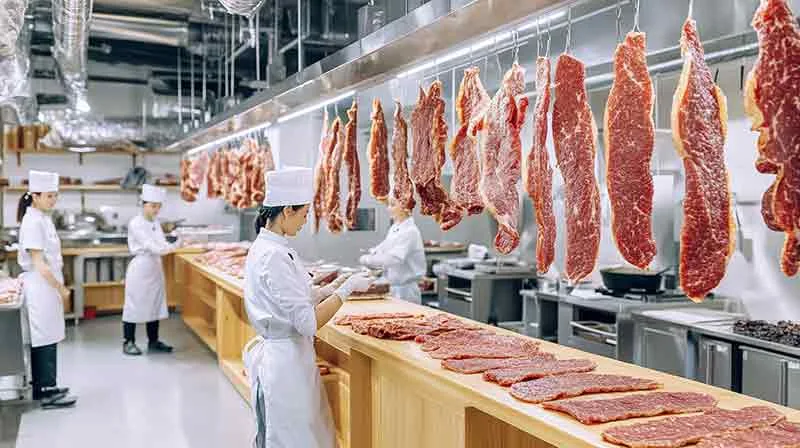
I’ll admit it, I used to think commercial dehydrators were one-trick ponies. You know the type: that hulking stainless-steel box tucked in the corner of the kitchen, dusted off once a month to crank out some sad-looking beef jerky for the bar snacks. But last summer, while touring a tiny Nashville taqueria that somehow managed to pack more flavor into their salsa verde than any place three times its size, I had my epiphany. The chef, a guy named Mateo with a permanent five o’clock shadow and a habit of wiping his hands on his apron mid-conversation, pointed to a stack of what looked like green confetti. “Dehydrated tomatillos,” he said. “We blend ‘em into the salsa. Concentrates the acidity, mellows the bitterness. People think we’re using some secret family recipe.” He shrugged. “It’s just dehydration.”
That’s when it hit me: we’ve been treating dehydrators like they’re just for drying meat, when they’re actually one of the most underrated tools for menu expansion in the restaurant industry. Think about it, what other piece of equipment can simultaneously intensify flavors, reduce waste, extend shelf life, and create entirely new textures? And yet, most kitchens I walk into use them for, what, 10% of their potential? If you’re reading this and thinking, *Okay, Sammy, but what else can I really do with this thing?*, buckle up. Because by the end of this, you’re going to look at your dehydrator the way I now look at mine: like a magic box that turns scraps into gold.
Here’s what we’re going to cover, because I know you’re busy, and you don’t have time to wade through fluff:
- Why dehydrators are the secret weapon of menu innovation (and why most chefs ignore them)
- The science of dehydration-how it actually works, and why it’s not just about removing water
- 15+ unexpected menu ideas (beyond jerky) that’ll make your regulars sit up and take notice
- How to integrate dehydrated ingredients into existing dishes without confusing your staff (or your customers)
- The cost-benefit breakdown-because yes, you *can* justify this to your accountant
- Common mistakes that ruin dehydrated food (and how to avoid them)
- How to market these dishes so customers don’t think you’re just trying to pawn off dried-out leftovers
Fair warning: I’m not here to sell you a dehydrator. (Though if you don’t have one, you might want to reconsider, more on that later.) I’m here because I’ve spent the last year talking to chefs, experimenting in my own kitchen (yes, I bought one for my apartment; no, my cat Luna does not approve of the noise), and digging into the data. And what I’ve found is that the restaurants using dehydrators *strategically* aren’t just saving money, they’re creating dishes that stand out in a crowded market. In an era where every Instagram feed is flooded with the same avocado toast and truffle fries, that’s not just valuable. It’s survival.
Why Dehydrators Are the Most Underrated Tool in Your Kitchen
The Problem with “Just Drying Things Out”
Let’s start with a hard truth: most restaurants use dehydrators wrong. Or, more accurately, they use them *too narrowly*. The default assumption is that dehydrators are for preservation-removing moisture to extend shelf life. And sure, that’s part of it. But if that’s all you’re using them for, you’re missing the point. Because dehydration isn’t just about removing water. It’s about transforming ingredients in ways that other cooking methods can’t replicate.
Here’s what actually happens when you dehydrate food:
- Flavor concentration: Water dilutes flavor. Remove the water, and what’s left? Pure, unadulterated taste. That’s why dehydrated tomatoes taste like *tomato essence*, not like the sad, mealy things you get in January.
- Texture alchemy: Dehydration can turn soft, mushy ingredients into crispy, crunchy, or even chewy delights. Think of the difference between a fresh peach and a dried apricot. Same fruit, entirely different experience.
- Enzymatic magic: When you dehydrate at low temperatures (more on this later), enzymes in the food break down complex molecules into simpler, more flavorful ones. This is why dehydrated mushrooms taste *umami-bomb* good, not just like shriveled fungi.
- Shelf-life extension: Yes, this is the obvious one. But here’s the kicker, when you dehydrate *strategically*, you’re not just preserving food. You’re creating ingredients that can be rehydrated later for soups, sauces, or garnishes. More on this in a bit.
I get it, though. When you’re running a restaurant, the last thing you want is another piece of equipment that *might* be useful *sometimes*. But here’s the thing: dehydrators aren’t just another gadget. They’re a menu expansion tool hiding in plain sight. And if you’re not using them to their full potential, you’re leaving money, and flavor, on the table.
Why Most Chefs Ignore Dehydrators (And Why They’re Wrong)
So if dehydrators are so great, why do so many restaurants underuse them? I’ve talked to enough chefs to identify a few common excuses. Let’s break them down:
- “They take up too much space.” Okay, fair. Commercial dehydrators aren’t exactly compact. But neither are walk-in freezers, and you’re not getting rid of those. The key is to think of your dehydrator like an oven, it’s not just for one thing. It’s a multi-functional workhorse. And if space is *really* an issue, there are compact models designed for small kitchens. (I’ll link to a few later, no affiliate links, promise.)
- “They’re too slow.” This one drives me nuts. Yes, dehydration takes time. But so does braising a short rib. The difference? Dehydration is passive time. You load it up, set the temp, and walk away. Meanwhile, your oven is free for other tasks. And let’s be real, most kitchens have downtime. Why not use it to create something that’ll save you money (and prep time) later?
- “Customers don’t understand dehydrated food.” This is the big one. And it’s not entirely wrong. If you just start slapping dried apple slices on plates and calling it a day, yeah, people are going to be confused. But that’s not the fault of dehydration, that’s the fault of poor execution. The key is to integrate dehydrated ingredients in ways that enhance dishes, not just add novelty. More on this later.
- “They’re too expensive.” Again, fair. A good commercial dehydrator isn’t cheap. But neither is a combi oven, and you’re not using that to just make toast, are you? The ROI on a dehydrator comes from waste reduction, menu innovation, and extended shelf life. We’ll crunch the numbers later, but trust me, if you use it right, it pays for itself.
Here’s the thing: all of these objections are valid. But they’re also solvable problems. And the restaurants that solve them? They’re the ones creating dishes that get talked about. That get Instagrammed. That turn first-time customers into regulars. So if you’re still on the fence, ask yourself: Can you afford *not* to at least experiment?
The Science of Dehydration: What’s Actually Happening in That Box?
It’s Not Just About Removing Water
Alright, let’s get nerdy for a second. Because if you’re going to use a dehydrator effectively, you need to understand what’s actually happening inside it. And no, it’s not just “hot air blowing on food.”
When you dehydrate food, you’re doing three key things:
- Evaporating moisture: This is the obvious part. Heat causes water to evaporate, which reduces the water activity in the food. Lower water activity = longer shelf life. But here’s the thing, if you just blast food with high heat, you’ll dry it out, sure. But you’ll also cook it. And that’s not always what you want.
- Preserving (or enhancing) enzymes: Enzymes are the unsung heroes of flavor. They break down complex molecules into simpler, tastier ones. For example, the enzyme allinase in garlic converts alliin into allicin, which is what gives garlic its pungent flavor. Dehydrate garlic at the right temperature, and you’re not just drying it, you’re supercharging its flavor.
- Creating new textures: Dehydration changes the physical structure of food. Water is held in cells, and when it evaporates, those cells collapse. The result? A completely different mouthfeel. Think of the difference between a fresh grape and a raisin. Same fruit, entirely different experience.
Now, here’s where it gets interesting. The temperature at which you dehydrate makes a *huge* difference. Too hot, and you’ll denature enzymes, kill off beneficial bacteria, and turn your food into a sad, flavorless husk. Too low, and you won’t evaporate moisture fast enough, which can lead to spoilage. The sweet spot? Most experts recommend 135°F to 145°F (57°C to 63°C) for most foods. This is hot enough to evaporate moisture but cool enough to preserve enzymes and nutrients.
But wait, there’s more. The humidity inside the dehydrator matters too. If the air is too humid, moisture won’t evaporate efficiently. That’s why most commercial dehydrators have ventilation systems to circulate air and remove moisture. And the airflow itself is crucial. Uneven airflow = uneven drying. That’s why you’ll see some dehydrators with fans at the back, while others have them on the sides. (Pro tip: If you’re dehydrating something delicate, like herbs, you might want to rotate the trays halfway through to ensure even drying.)
Why This Matters for Your Menu
Okay, so why should you care about any of this? Because understanding the science of dehydration gives you control over the final product. And control is what separates a dish that’s *good* from one that’s *unforgettable*.
For example:
- Dehydrate tomatoes at 140°F for 8-10 hours, and you’ll get a sweet, concentrated flavor that’s perfect for sauces or garnishes. But dehydrate them at 160°F, and you’ll end up with something closer to sun-dried tomatoes, chewier, with a more caramelized flavor.
- Dehydrate mushrooms at 135°F for 6-8 hours, and you’ll preserve their umami bomb qualities. Crank it up to 150°F, and you’ll get a more intense, almost meaty texture, great for vegetarian dishes.
- Dehydrate citrus zest at 125°F for 2-3 hours, and you’ll get a bright, aromatic powder that’s perfect for seasoning. But dehydrate it at 145°F, and you’ll get something closer to candied zest, sweeter, with a chewier texture.
See what I mean? Temperature, time, and airflow aren’t just details, they’re tools. And the more you understand them, the more you can experiment. Which brings me to my next point: dehydrators aren’t just for drying things out. They’re for creating.
15+ Unexpected Menu Ideas (Beyond Jerky) That’ll Make Your Regulars Take Notice
1. Dehydrated Vegetables: The Umami Bombs You’re Not Using
Let’s start with the obvious, but with a twist. Dehydrated vegetables aren’t just for backpackers. When done right, they can be flavor powerhouses that elevate dishes in ways fresh veggies can’t. Here’s how to use them:
- Powders for seasoning: Dehydrate carrots, beets, or celery, then grind them into a fine powder. Mix with salt for a custom seasoning blend that’ll make your fries, roasted meats, or even popcorn stand out. I tried this with dehydrated celery and a pinch of smoked paprika, let’s just say my homemade potato chips have never been the same.
- Crispy garnishes: Thinly slice radishes, kale, or even Brussels sprouts, then dehydrate until crispy. Sprinkle over soups, salads, or even mac and cheese for a textural contrast that’ll make your dishes Instagram-worthy. (Bonus: These are *way* cheaper than store-bought fried garnishes.)
- Rehydrated for soups and stews: Dehydrate onions, carrots, and celery (the holy trinity of mirepoix), then store them for later. When you need to make a quick stock or soup base, just rehydrate them in hot water. It’s like having a flavor shortcut that doesn’t sacrifice quality.
- Vegetable “chips”: Thinly slice sweet potatoes, beets, or even zucchini, then dehydrate until crispy. Serve as a healthy bar snack or a side for sandwiches. Pro tip: Toss them in a little olive oil and salt before dehydrating for extra flavor.
I know what you’re thinking: *Okay, Sammy, but isn’t this just glorified veggie chips?* Not if you use them strategically. The key is to think of dehydrated vegetables as ingredients, not just standalone snacks. For example, I recently had a dish at a Nashville gastropub where they used dehydrated shiitake mushrooms as a crust for scallops. The mushrooms rehydrated slightly from the heat of the pan, creating a crispy, umami-packed coating that was *chef’s kiss*.
2. Fruit: The Sweet (and Savory) Secret Weapon
Fruit might seem like an odd choice for a restaurant menu, but hear me out. Dehydrated fruit isn’t just for trail mix. When used creatively, it can add brightness, acidity, and sweetness to dishes in ways that fresh fruit can’t. Here’s how:
- Dessert garnishes: Dehydrate thin slices of apple, pear, or pineapple, then use them to garnish cakes, ice cream, or even cocktails. They add a pop of color and a chewy texture that contrasts nicely with creamy desserts.
- Savory applications: Dehydrated fruit isn’t just for sweet dishes. Try adding dehydrated apricots to a Moroccan tagine, or dehydrated cranberries to a grain salad. The concentrated sweetness balances out rich, savory flavors. I recently had a duck confit dish where the chef used dehydrated cherries in the sauce, it was ext-level.
- Cocktail infusions: Dehydrate citrus slices (lemon, lime, orange) and use them to garnish cocktails. Or, better yet, infuse spirits with dehydrated fruit for a concentrated flavor boost. I’ve seen bartenders use dehydrated pineapple to infuse rum, it’s like a tropical vacation in a glass.
- Fruit “leather”: Blend fruit into a puree, spread it thin on a dehydrator tray, and dehydrate until pliable. Cut into strips and use as a healthy snack or a garnish for yogurt parfaits. (Pro tip: Add a little honey or agave to the puree for extra sweetness.)
Here’s the thing about dehydrated fruit: it’s versatile. You can use it in sweet dishes, savory dishes, cocktails, and even as a garnish. And because it’s concentrated, a little goes a long way. So if you’re looking for a way to add complexity to your menu without breaking the bank, this is it.
3. Herbs and Spices: The Flavor Boosters You’re Overlooking
Herbs and spices are the backbone of any great dish. But fresh herbs can be expensive, and dried herbs from the store often lack the brightness of their fresh counterparts. Enter: dehydrated herbs. When done right, they can be a game-changer for your kitchen.
Here’s how to use them:
- Herb powders: Dehydrate basil, cilantro, or parsley, then grind them into a fine powder. Mix with salt for a custom herb salt that’ll elevate everything from roasted veggies to grilled meats. I’ve been using a mix of dehydrated basil and garlic powder on my popcorn lately, it’s *addictive*.
- Infused oils: Dehydrate herbs like rosemary, thyme, or oregano, then infuse them into olive oil. The result is a flavor-packed oil that’s perfect for drizzling over dishes or using as a dipping sauce for bread. (Bonus: These oils have a longer shelf life than oils infused with fresh herbs.)
- Herb “crusts”: Dehydrate herbs until crispy, then pulse them in a food processor until they’re the consistency of breadcrumbs. Use them to coat fish, chicken, or even tofu for a crunchy, flavorful crust. I recently had a salmon dish where the chef used a crust of dehydrated dill and lemon zest, it was *incredible*.
- Tea blends: Dehydrate herbs like mint, chamomile, or lavender, then mix them with tea leaves for a custom tea blend. Serve it to customers as a post-meal digestif or package it as a retail item. (Bonus: It’s a great way to use up herb scraps.)
Here’s the thing: dehydrated herbs aren’t just a substitute for fresh herbs. They’re a different ingredient with its own unique properties. And when you start thinking of them that way, the possibilities are endless.
4. Meat and Seafood: Beyond Jerky
Alright, let’s talk about the elephant in the room: jerky. Yes, dehydrators are great for making jerky. But if that’s all you’re using them for, you’re missing out on a world of possibilities. Here’s how to take your meat and seafood game to the next level:
- Dehydrated seafood: Thinly slice scallops, shrimp, or even salmon, then dehydrate until leathery. Use them as a garnish for soups or salads, or rehydrate them in hot water for a quick seafood stock. I recently had a miso soup where the chef used dehydrated scallop slices as a garnish, it added a briny, umami punch that took the dish to the next level.
- Meat powders: Dehydrate cooked beef, chicken, or pork, then grind it into a fine powder. Use it to season soups, stews, or even pasta dishes. It’s like a flavor bomb that dissolves into whatever you’re cooking. (Pro tip: Mix it with a little cornstarch to prevent clumping.)
- Dehydrated meat for stocks: Instead of throwing out meat scraps, dehydrate them and use them to make rich, flavorful stocks. It’s a great way to reduce waste and save money. Plus, dehydrated meat scraps take up less space in your freezer.
- Crispy meat garnishes: Thinly slice prosciutto, pancetta, or even bacon, then dehydrate until crispy. Use them to garnish salads, soups, or even pasta dishes. They add a salty, crunchy contrast that’ll make your dishes stand out.
I know what you’re thinking: *Isn’t this just fancy jerky?* Not really. The key is to think of dehydrated meat and seafood as ingredients, not just standalone snacks. For example, I recently had a dish at a Nashville ramen shop where the chef used dehydrated pork belly as a garnish. It rehydrated slightly from the heat of the broth, creating a chewy, flavorful bite that was *next-level*.
5. Dairy and Eggs: The Unexpected Stars
Okay, this is where things get *really* interesting. Dehydrating dairy and eggs might sound weird, but trust me, it’s a game-changer. Here’s how to use them:
- Dehydrated cheese: Grate hard cheeses like Parmesan or Pecorino, then dehydrate until crispy. Pulse in a food processor until it’s the consistency of powder, then use it to garnish pasta, salads, or even popcorn. It’s like a flavor explosion in every bite. (Bonus: Dehydrated cheese has a longer shelf life than fresh cheese.)
- Egg powders: Dehydrate scrambled eggs, then grind them into a fine powder. Use it to thicken sauces or as a protein boost for soups and stews. I’ve seen chefs use egg powder to make ultra-rich carbonara-it’s *incredible*.
- Dehydrated yogurt or sour cream: Spread yogurt or sour cream thinly on a dehydrator tray, then dehydrate until it’s the consistency of leather. Cut into strips and use as a garnish for soups or salads. It adds a tangy, creamy contrast that’ll make your dishes stand out.
- Butter powders: Dehydrate melted butter, then grind it into a fine powder. Use it to season popcorn, roasted veggies, or even steak. It’s like a flavor bomb that dissolves into whatever you’re cooking.
I’ll admit, this one took me a while to wrap my head around. Dehydrated dairy and eggs? Really? But once I tried it, I was hooked. The key is to think of them as flavor enhancers, not just standalone ingredients. For example, I recently had a dish at a Nashville gastropub where the chef used dehydrated yogurt as a garnish for a spicy lentil soup. It added a cooling, creamy contrast that balanced out the heat, it was *brilliant*.
How to Integrate Dehydrated Ingredients Into Your Menu (Without Confusing Your Staff or Customers)
Start Small: The Low-Risk, High-Reward Approach
Alright, so you’re sold on the idea of dehydrated ingredients. But how do you actually integrate them into your menu without causing chaos in the kitchen or confusing your customers? The key is to start small. Here’s how:
- Pick one dish to experiment with: Don’t overhaul your entire menu at once. Instead, pick one dish that could benefit from a flavor boost or a textural contrast. For example, if you serve a lot of salads, try adding dehydrated veggie chips as a garnish. If you’re a burger joint, experiment with dehydrated onion powder in your seasoning blend.
- Train your staff: This is *crucial*. Your staff needs to understand why you’re using dehydrated ingredients and how to use them properly. Hold a quick training session to explain the benefits (flavor concentration, waste reduction, etc.) and demonstrate how to incorporate them into dishes. I’ve seen too many kitchens where dehydrated ingredients get wasted because the staff doesn’t know how to use them.
- Test and refine: Once you’ve picked a dish, test it out. Get feedback from your staff and a few trusted customers. Does the dehydrated ingredient enhance the dish, or does it feel like a gimmick? Be willing to tweak the recipe until it’s *perfect*.
- Roll it out gradually: Once you’ve perfected your dish, introduce it to your menu as a special or a limited-time offering. This gives you a chance to gauge customer reaction without committing to a permanent change. If it’s a hit, you can add it to the regular menu. If not, you can tweak it or try something else.
Here’s the thing: menu innovation doesn’t have to be risky. By starting small and testing the waters, you can experiment with dehydrated ingredients without disrupting your entire operation. And who knows? You might just stumble upon your next signature dish.
How to Explain Dehydrated Ingredients to Customers (Without Sounding Like a Mad Scientist)
Alright, so you’ve perfected your dish. Now comes the hard part: explaining it to customers. Because let’s be real, most people don’t understand dehydration. If you just slap a dish on the menu with the word “dehydrated” in the description, you’re going to get a lot of blank stares. Here’s how to do it right:
- Focus on the benefits, not the process: Customers don’t care *how* you made something. They care *how it tastes*. So instead of saying “dehydrated tomato powder,” say “sun-kissed tomato essence” or “intensely flavored tomato dust.” See the difference?
- Use familiar terms: If you’re using dehydrated fruit in a cocktail, don’t say “dehydrated pineapple-infused rum.” Say “tropical rum with a hint of caramelized pineapple.” The goal is to make it sound approachable, not intimidating.
- Tell a story: People love stories. If you’re using dehydrated ingredients to reduce waste, say so. For example: “We dehydrate our veggie scraps to create a custom seasoning blend, because nothing should go to waste.” It’s a great way to connect with customers who care about sustainability.
- Train your servers: Your servers are your front line. They need to be able to explain your dishes in a way that’s clear, concise, and compelling. Hold a quick training session to go over the new dishes and how to describe them. I’ve seen too many restaurants where the servers don’t understand the menu, and it shows.
Here’s an example of how to describe a dish with dehydrated ingredients:
“Our signature burger comes topped with crispy shallot confetti, thinly sliced shallots that we dehydrate in-house to create a light, crunchy garnish. It’s like a flavor explosion in every bite.”
See how that works? You’re not focusing on the process (dehydration). You’re focusing on the result (crispy, flavorful garnish). And that’s what customers care about.
The Cost-Benefit Breakdown: Can You Really Justify a Dehydrator?
The Upfront Costs (And Why They’re Worth It)
Alright, let’s talk money. Because I know what you’re thinking: *Sammy, this all sounds great, but can I really justify the cost of a commercial dehydrator?* The short answer: yes. But let’s break it down.
First, the upfront costs:
- Dehydrator price: A good commercial dehydrator will set you back anywhere from $1,000 to $5,000, depending on the size and features. For example, a small, countertop model might cost around $1,000, while a large, floor-standing model with multiple trays could cost upwards of $5,000.
- Installation and setup: If you’re installing a large dehydrator, you might need to make some adjustments to your kitchen layout. This could include adding ventilation, electrical outlets, or even reinforcing the floor. Budget an additional $500 to $2,000 for these costs.
- Training: As I mentioned earlier, your staff will need to be trained on how to use the dehydrator. This could take a few hours of their time, which translates to labor costs.
So, all in, you’re looking at an upfront investment of $1,500 to $7,000. That’s not chump change. But here’s the thing: dehydrators pay for themselves. And I’m not just talking about the long-term savings. I’m talking about immediate benefits that can boost your bottom line.
The Savings (And How to Calculate Your ROI)
Alright, let’s talk savings. Because that’s where the real value of a dehydrator comes in. Here’s how a dehydrator can save you money:
- Waste reduction: How much food do you throw out every week? Scraps, leftovers, ingredients that went bad before you could use them? A dehydrator can help you repurpose those ingredients into something useful. For example, you can dehydrate veggie scraps to make powders for seasoning, or dehydrate meat scraps to make stocks. The savings here can be substantial. One restaurant I talked to estimated that they save $500 a month just by dehydrating their scraps instead of throwing them out.
- Extended shelf life: Dehydrated ingredients last much longer than fresh ingredients. For example, dehydrated herbs can last 6-12 months, while fresh herbs might only last a week. This means you can buy ingredients in bulk and use them over time, which can save you money on purchasing and storage.
- Menu innovation: As we’ve discussed, dehydrated ingredients can help you create unique, standout dishes that set you apart from the competition. And unique dishes = higher profit margins. For example, a dish with dehydrated garnishes might cost you $2 to make but sell for $12. That’s a 500% markup.
- Reduced labor costs: Dehydrated ingredients can simplify prep work. For example, instead of chopping fresh herbs every day, you can dehydrate them once and use them for weeks. This can save you hours of labor every week.
So, how do you calculate your ROI? Here’s a simple formula:
ROI = (Net Savings / Upfront Cost) x 100
Let’s say you spend $3,000 on a dehydrator and installation. And let’s say you save $500 a month on waste reduction, $200 a month on extended shelf life, and $300 a month on labor costs. That’s a total of $1,000 a month in savings. Here’s how the math works out:
ROI = ($1,000 x 12) / $3,000 x 100 = 400%
That means you’ll recoup your investment in 3 months and start seeing a 400% return after a year. Not bad, right?
The Intangible Benefits (That Are Just as Valuable)
But the benefits of a dehydrator aren’t just financial. There are intangible benefits that can be just as valuable:
- Sustainability: Dehydrators help you reduce waste, which is good for the planet and good for your brand. Customers are increasingly looking for eco-friendly restaurants, and a dehydrator can help you meet that demand.
- Creativity: Dehydrators give you the freedom to experiment with new flavors and textures. And experimentation = innovation. Who knows? You might stumble upon your next signature dish.
- Customer loyalty: Unique, standout dishes create buzz. And buzz = repeat customers. If you can create dishes that people can’t get anywhere else, they’ll keep coming back.
- Staff morale: Let’s be real, kitchen work can be monotonous. Dehydrators give your staff the chance to try new things and learn new skills. And that can boost morale and reduce turnover.
So, can you justify the cost of a dehydrator? Absolutely. The financial savings are real, but the intangible benefits might be even more valuable. And if you’re still on the fence, consider this: your competitors are probably already using dehydrators. Can you afford to fall behind?
Common Mistakes That Ruin Dehydrated Food (And How to Avoid Them)
1. Overloading the Trays
I get it, you’re busy, and you want to dehydrate as much as possible in one go. But overloading the trays is a recipe for disaster. Here’s why:
- Uneven drying: If the trays are too crowded, air can’t circulate properly. This means some pieces will dry faster than others, leading to inconsistent results.
- Longer drying times: Crowded trays mean longer drying times. And longer drying times = higher energy costs and more wear and tear on your dehydrator.
- Sticky messes: If you’re dehydrating something sticky, like fruit puree, overcrowding can cause pieces to stick together. And nobody wants a fruit leather brick.
So, how do you avoid this? Leave space between pieces. Aim for a single layer with at least ½ inch of space between each piece. And if you’re dehydrating something sticky, like fruit slices, use parchment paper or a on-stick dehydrator sheet to prevent sticking.
2. Using the Wrong Temperature
Temperature is everything when it comes to dehydration. Too hot, and you’ll cook your food instead of drying it. Too cold, and you won’t evaporate moisture fast enough, which can lead to spoilage. Here’s a quick cheat sheet:
- Herbs and leafy greens: 95°F to 115°F (35°C to 46°C). These are delicate and can lose flavor if dried at too high a temperature.
- Fruits and vegetables: 135°F to 145°F (57°C to 63°C). This is the sweet spot for most produce, hot enough to evaporate moisture but cool enough to preserve flavor and nutrients.
- Meat and seafood: 145°F to 160°F (63°C to 71°C). Higher temperatures are needed to ensure food safety, but be careful not to overcook.
- Dairy and eggs: 135°F to 145°F (57°C to 63°C). These are tricky, so proceed with caution. Dehydrate at too high a temperature, and you’ll end up with a rubbery mess.
Pro tip: Use a thermometer to check the temperature inside your dehydrator. Most dehydrators have built-in thermostats, but they’re not always accurate. A digital probe thermometer can help you ensure you’re hitting the right temperature.
3. Not Rotating the Trays
Even the best dehydrators have hot spots. This means some trays will dry faster than others. If you don’t rotate the trays, you’ll end up with unevenly dried food. And nobody wants a tray of half-dried, half-mushy veggies.
So, how do you avoid this? Rotate the trays every 2-3 hours. This ensures that all the food dries evenly. And if you’re dehydrating something delicate, like herbs, you might want to rotate the trays more frequently.
Pro tip: Label your trays. If you’re dehydrating multiple batches at once, label each tray with the time it went in and the expected drying time. This will help you keep track of what’s what and ensure you rotate the trays at the right intervals.
4. Skipping the Pre-Treatment
Pre-treatment is crucial for some foods. It can help preserve color, prevent browning, and extend shelf life. Here’s a quick guide:
- Fruits: Many fruits, like apples and peaches, will turn brown if not pre-treated. To prevent this, soak them in a lemon juice or ascorbic acid solution for 5-10 minutes before dehydrating.
- Vegetables: Some vegetables, like potatoes and cauliflower, can turn brown or develop off-flavors if not pre-treated. To prevent this, blanch them in boiling water for 2-3 minutes, then shock them in ice water before dehydrating.
- Meat and seafood: Pre-treatment is essential for food safety. Marinate meat in a salt and vinegar solution for at least 30 minutes before dehydrating. For seafood, a lemon juice or citric acid solution can help prevent spoilage.
Pro tip: Don’t skip the pre-treatment. It might seem like an extra step, but it’s worth it. Trust me, I’ve learned this the hard way.
How to Market Dehydrated Dishes (So Customers Don’t Think You’re Just Being Cheap)
Tell a Story (Because People Love Stories)
Alright, so you’ve created some amazing dishes with dehydrated ingredients. Now comes the hard part: selling them to customers. Because let’s be real, if you just slap a dish on the menu with the word “dehydrated” in the description, people are going to assume you’re just trying to pawn off dried-out leftovers. Here’s how to avoid that:
Tell a story. People love stories. They want to know where their food comes from and why it’s special. So, instead of saying “dehydrated tomato powder,” say something like:
“Our signature marinara is made with tomatoes that we dehydrate in-house to concentrate their sweet, sun-ripened flavor. It’s like capturing the essence of summer in every bite.”
See the difference? You’re not just describing the dish, you’re painting a picture. And that’s what sells.
Focus on the Benefits (Not the Process)
Here’s the thing: customers don’t care how you made something. They care how it tastes. So, instead of focusing on the dehydration process, focus on the benefits. For example:
- Instead of saying “dehydrated apple slices,” say “caramelized apple crisps with a hint of cinnamon.”
- Instead of saying “dehydrated mushroom powder,” say “umami-packed mushroom dust for an extra savory kick.”
- Instead of saying “dehydrated yogurt,” say “tangy yogurt leather for a creamy contrast.”
See how that works? You’re not focusing on the process (dehydration). You’re focusing on the result (flavor, texture, etc.). And that’s what customers care about.
Use Social Media to Your Advantage
Social media is a powerful tool for marketing dehydrated dishes. Here’s how to use it:
- Behind-the-scenes content: Post photos or videos of your staff dehydrating ingredients. Show the process from start to finish. People love behind-the-scenes content, and it helps them understand why your dishes are special.
- Before-and-after shots: Post side-by-side photos of fresh ingredients and their dehydrated counterparts. For example, show a fresh tomato next to a dehydrated tomato powder. It’s a great way to visualize the transformation.
- Customer testimonials: Encourage customers to post photos of your dehydrated dishes and tag your restaurant. Repost their photos (with credit) and thank them for their support. It’s a great way to build social proof.
- Educational content: Post short videos or infographics explaining the benefits of dehydration. For example, you could post a video explaining how dehydration concentrates flavor or reduces waste. It’s a great way to educate your customers and build trust.
Pro tip: Use hashtags to reach a wider audience. For example, you could use hashtags like #DehydratedDelights, #FlavorConcentrated, or #WasteNot. Just make sure they’re relevant to your content.
Train Your Staff to Sell the Story
Your staff are your front line. They’re the ones who interact with customers every day, and they’re the ones who can make or break a sale. So, it’s crucial that they understand how to sell your dehydrated dishes.
Here’s how to train them:
- Hold a training session: Gather your staff and explain the benefits of dehydration. Show them examples of dehydrated ingredients and explain how they’re used in dishes. Make sure they understand the story behind each dish.
- Role-play: Practice selling the dishes with your staff. Have them take turns being the customer and the server. This will help them get comfortable with the language and messaging.
- Provide cheat sheets: Create a cheat sheet with key talking points for each dish. Include the story, the benefits, and any allergens or dietary restrictions. This will help your staff remember the details when they’re on the floor.
- Encourage questions: Make sure your staff knows they can ask questions if they’re unsure about something. The more they understand, the better they’ll be able to sell the dishes.
Pro tip: Incentivize your staff. Offer a bonus or commission for servers who sell the most dehydrated dishes. It’s a great way to motivate them and boost sales.
Final Thoughts: Are You Ready to Rethink Your Dehydrator?
Alright, let’s recap. We’ve covered a lot in this article, from the science of dehydration to menu expansion ideas to marketing strategies. But here’s the thing: none of this matters if you don’t take action.
So, here’s my challenge to you: Pick one idea from this article and try it this week. It doesn’t have to be anything fancy. Maybe you dehydrate some herbs and use them to season your fries. Maybe you dehydrate some fruit and use it to garnish a cocktail. Maybe you dehydrate some veggie scraps and use them to make a custom seasoning blend. Whatever it is, just start.
Because here’s the truth: dehydrators aren’t just for jerky. They’re a menu expansion tool hiding in plain sight. And if you’re not using them to their full potential, you’re leaving flavor, money, and innovation on the table.
So, what are you waiting for? Dust off that dehydrator, fire it up, and start creating. Your customers (and your bottom line) will thank you.
FAQ
Q: Are commercial dehydrators really worth the investment for a small restaurant?
A: Absolutely, if you use them strategically. The key is to think of them as a multi-functional tool, not just a jerky maker. For example, a small restaurant could use a dehydrator to create custom seasoning blends, extend the shelf life of herbs, or even make unique garnishes for cocktails. The ROI comes from waste reduction, menu innovation, and extended shelf life. And with compact models available, space doesn’t have to be an issue.
Q: What’s the biggest mistake restaurants make when using dehydrators?
A: The biggest mistake is ot experimenting enough. Most restaurants use dehydrators for one or two things (usually jerky or fruit leather) and then ignore them. But dehydrators can do so much more, from creating flavor-packed powders to crispy garnishes to rehydratable ingredients for soups and stews. The key is to think of them as a creative tool, not just a preservation device.
Q: How do I explain dehydrated ingredients to customers without sounding like I’m just trying to be trendy?
A: Focus on the benefits, not the process. Customers don’t care *how* you made something, they care *how it tastes*. So, instead of saying “dehydrated tomato powder,” say something like “sun-kissed tomato essence” or “intensely flavored tomato dust.” The goal is to make it sound approachable and delicious, not like a science experiment. And if you’re using dehydrated ingredients to reduce waste, say so, customers love sustainability.
Q: Can I use a home dehydrator for my restaurant, or do I need a commercial model?
A: While you *can* use a home dehydrator for small batches, a commercial model is almost always the better choice for a restaurant. Here’s why: commercial dehydrators are larger, more durable, and designed for heavy use. They also have better temperature control and airflow, which means more consistent results. Plus, they’re built to handle the volume of a restaurant kitchen. That said, if you’re just starting out and want to experiment, a home dehydrator can be a low-cost way to test the waters.
@article{beyond-jerky-how-commercial-dehydrators-can-transform-your-restaurant-menu-and-why-youre-probably-underusing-yours,
    title   = {Beyond Jerky: How Commercial Dehydrators Can Transform Your Restaurant Menu (And Why You’re Probably Underusing Yours)},
    author  = {Chef's icon},
    year    = {2026},
    journal = {Chef's Icon},
    url     = {https://chefsicon.com/commercial-dehydrators-menu-expansion-ideas-restaurants/}
}