The Best Fluffy Pancakes recipe you will fall in love with. Full of tips and tricks to help you make the best pancakes.
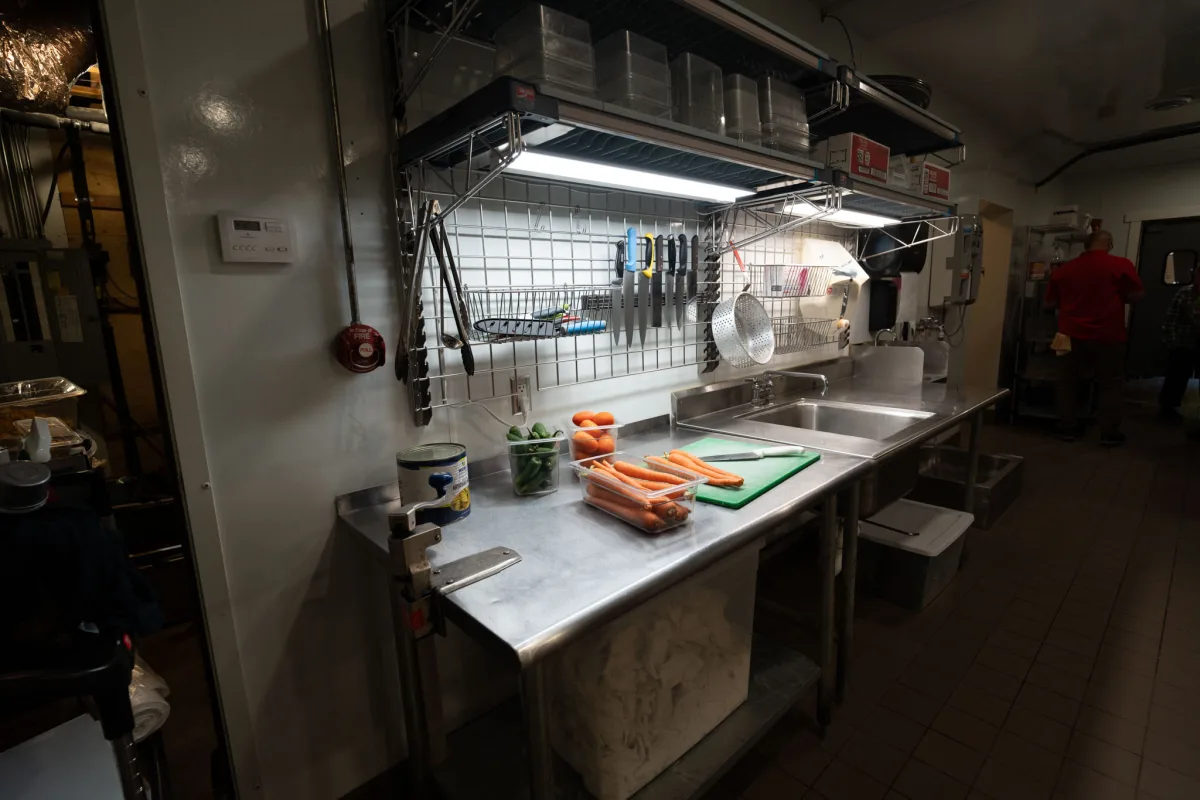
When Your Pantry Becomes a Black Hole: Confessions of a Chef Who’s Seen It All
Let me set the scene. It’s 2:17 AM, the dinner rush is finally over, and you’re staring into the walk-in pantry like it’s some kind of culinary Bermuda Triangle. Half the labels are peeling off, the flour bags are stacked like Jenga towers ready to collapse, and that mystery jar in the back? Yeah, you don’t even want to know what’s growing in there. Sound familiar?
I’ve been there, more times than I’d like to admit. Back when I was running the line at a high-volume restaurant in San Francisco, our pantry was basically a monument to chaos theory. We had cans of tomatoes from 2018 (yes, really), spices that smelled like dust, and a shelf dedicated entirely to “stuff we’ll use someday.” Spoiler: We never did. And here’s the kicker, every commercial kitchen I’ve consulted for since has had some version of this same problem. It’s like we’re all secretly competing for the title of “Most Creative Disorganization.”
But here’s the thing about pantry organization in commercial kitchens: it’s not just about aesthetics or even efficiency (though those matter). It’s about food safety, cost control, and your sanity. A poorly organized pantry is a ticking time bomb, one that can lead to failed health inspections, wasted inventory, and that sinking feeling when you realize you just served a customer something that expired before they were born. So today, we’re diving deep into the 10 most common pantry organization mistakes commercial kitchens make, why they happen, and, most importantly, how to fix them before your next inspection (or before you accidentally poison someone).
Fair warning: Some of these might hit a little too close to home. But if you’re ready to turn your pantry from a liability into an asset, let’s get started.
The Silent Killer: Why Pantry Organization Gets Overlooked (Until It’s Too Late)
Before we jump into the mistakes, let’s talk about why pantry organization is so often an afterthought in commercial kitchens. It’s not that chefs and kitchen managers don’t care, far from it. It’s that pantries are the unsung workhorses of the kitchen. They’re out of sight, out of mind, and easy to ignore until something goes wrong. And by then? It’s usually too late.
I remember walking into a mid-sized restaurant in Nashville for a consulting gig. The kitchen was immaculate, shiny equipment, spotless prep stations, even a color-coded cutting board system. Then I opened the pantry door. The smell hit me first: a mix of stale spices, damp cardboard, and something vaguely sour. The shelves were packed so tightly that pulling out one item risked an avalanche. Labels? Mostly missing or illegible. Expiration dates? A distant memory. The chef shrugged and said, “Yeah, we know it’s bad. But we’re too busy to deal with it.”
Here’s the problem with that mindset: your pantry is the foundation of your kitchen. If it’s a mess, everything else suffers. Food waste skyrockets. Staff waste time searching for ingredients. Cross-contamination risks increase. And don’t even get me started on the health inspector’s reaction. But the real kicker? Most of these issues are completely preventable with a little foresight and some systems in place.
So why do so many kitchens fall into the same traps? A few reasons:
- “We’ll do it later” syndrome: The pantry is always the last thing on the to-do list, and “later” never comes.
- Turnover troubles: Staff changes mean institutional knowledge about where things go gets lost in the shuffle.
- The “it’s not broken” fallacy: If the pantry isn’t actively on fire, why fix it? (Spoiler: It’s broken.)
- Lack of ownership: No one’s explicitly in charge of the pantry, so everyone assumes someone else will handle it.
Sound familiar? If so, you’re not alone. But here’s the good news: small changes can make a huge difference. You don’t need a complete overhaul (though sometimes that helps). You just need to identify the mistakes you’re making and course-correct. So let’s dive into the first, and most common, pantry organization mistake.
Mistake #1: Treating Your Pantry Like a Storage Unit (Spoiler: It’s Not)
I get it. You’ve got a delivery of dry goods, and the pantry is the most convenient place to dump them. Boxes go on the floor, cans get stacked wherever there’s space, and before you know it, your pantry looks like a hoarder’s paradise. But here’s the hard truth: your pantry is not a storage unit. It’s a high-functioning, dynamic part of your kitchen, and it deserves better.
Treating your pantry like a catch-all space is the fastest way to create chaos. Why? Because it turns your pantry into a black hole of inefficiency. Items get lost in the shuffle. Expired products go unnoticed. And staff waste precious time digging through clutter to find what they need. In a commercial kitchen, time is money, and a disorganized pantry is basically a money incinerator.
Take, for example, the time I walked into a catering kitchen where the pantry was essentially a graveyard for half-used ingredients. There were three different half-empty bags of sugar, all opened at different times. There were spices in no less than five different containers, none of them labeled. And don’t even get me started on the canned goods, stacked so high I was convinced they were one wrong move away from turning into a deadly game of dominoes. The chef told me, “We just throw stuff in there and hope for the best.” Needless to say, their food cost was through the roof, and their staff was constantly frustrated.
So how do you fix this? Start by rethinking what your pantry is for. It’s not a place to store things “just in case.” It’s a place to organize ingredients for easy access, rotation, and inventory management. Here’s how:
- Designate zones: Group similar items together (e.g., baking supplies, canned goods, spices). This makes it easier for staff to find what they need and reduces the risk of cross-contamination.
- Use the “first in, first out” (FIFO) rule: Always place new deliveries behind older stock so the oldest items get used first. This is non-negotiable for food safety.
- Invest in shelving: If you’re storing boxes on the floor, you’re doing it wrong. Shelving keeps items visible, accessible, and off the ground (which is also a health code requirement in most places).
- Label everything: If it’s not labeled, it doesn’t exist. Use clear, consistent labels for containers, shelves, and even expiration dates.
Is this the most glamorous part of kitchen management? No. But is it one of the most important? Absolutely. A well-organized pantry is like a well-oiled machine, it runs smoothly, efficiently, and without drama. And trust me, your staff will thank you.
Why FIFO Isn’t Just a Suggestion (It’s Your Lifeline)
Let’s talk about FIFO for a second because it’s one of those things that sounds simple but gets ignored all the time. FIFO-first in, first out-is the golden rule of pantry organization. It means that the oldest items in your pantry should be used first, and new deliveries should be placed behind them. Sounds easy, right? Yet I’ve seen more kitchens mess this up than I can count.
Why does FIFO matter so much? Two words: food safety. Using older ingredients first reduces the risk of spoilage and contamination. It also helps you avoid the dreaded “expired surprise”-you know, when you open a container and realize it’s been sitting there since the Obama administration. (Yes, I’ve seen it happen.)
But here’s where things get tricky. FIFO only works if your pantry is set up to support it. If your shelves are packed so tightly that staff can’t access the back, or if items aren’t labeled with dates, FIFO becomes impossible. That’s why shelving and labeling are non-negotiable. You need a system that makes it easy for staff to follow FIFO without thinking about it.
One trick I’ve seen work well is using color-coded labels or bins to indicate when items were received. For example, blue labels for Monday deliveries, green for Wednesday, and so on. This makes it easy for staff to grab the oldest items first without having to squint at tiny expiration dates. Another option is to use slanted shelving for items like cans or jars, so the oldest ones roll forward automatically. It’s a small investment that pays off big time in efficiency and food safety.
Bottom line: If you’re not using FIFO, you’re playing Russian roulette with your inventory. And in a commercial kitchen, that’s a game you can’t afford to lose.
Mistake #2: Ignoring the “Golden Zone” (And Wasting Your Staff’s Time)
Let me ask you something: How much time do your staff spend bending, stretching, or climbing to reach ingredients in the pantry? If the answer is “too much,” you’re making one of the most common, and most costly, pantry organization mistakes. I’m talking about ignoring the “Golden Zone.”
The Golden Zone is the area of your pantry that’s easiest to access, typically between waist and shoulder height. This is where your most frequently used items should live. Why? Because every second your staff spends reaching for something is a second wasted. And in a busy kitchen, those seconds add up fast.
I’ve seen kitchens where the most-used ingredients, like salt, sugar, or oil, are stored on the highest or lowest shelves. Meanwhile, the rarely used items (looking at you, canned artichokes from 2023) are front and center. It’s like they’re actively trying to slow down their staff. And don’t even get me started on the kitchens where heavy items like flour or rice are stored on high shelves. One wrong move, and you’ve got a back injury or a flour explosion on your hands.
Here’s how to fix it:
- Audit your pantry: Take note of which items your staff use most often. These are your Golden Zone candidates.
- Prioritize accessibility: Move heavy or frequently used items to waist-to-shoulder height. Save the high and low shelves for lighter, less-used items.
- Use clear containers: Transparent bins or jars make it easy to see what’s inside without having to move things around.
- Label at eye level: Labels should be easy to read without bending or stretching. If your staff have to squint, the label’s in the wrong place.
Now, I know what you’re thinking: “But Sammy, we don’t have time to reorganize the pantry!” Trust me, I get it. But here’s the thing: the time you spend reorganizing now will save you hours (and dollars) in the long run. A well-organized pantry means less time wasted searching for ingredients, less food waste, and happier staff. And let’s be real, happy staff make better food.
The Psychology of the Golden Zone (Or Why Your Staff Hate You Right Now)
There’s a psychological component to the Golden Zone that most people don’t think about. When items are easy to access, your staff are more likely to use them correctly and put them back where they belong. But when something is a pain to reach, human nature kicks in. People start cutting corners. They leave things out. They stack items wherever they fit. And before you know it, your pantry is back to being a disaster zone.
I saw this firsthand at a restaurant where the spices were stored on the top shelf. The chef told me, “We can’t keep them anywhere else because we don’t have space.” But here’s the thing: they did have space, it was just being used inefficiently. The bottom shelf was filled with rarely used items like decorative garnishes and specialty flours. By swapping those with the spices, they freed up the Golden Zone for the most-used ingredients. The result? Staff actually put the spices back where they belonged, and the pantry stayed organized longer.
So ask yourself: Are you making your staff’s lives easier or harder? If your pantry is set up in a way that forces them to climb, stretch, or dig, you’re not just wasting time, you’re frustrating your team. And a frustrated team is more likely to make mistakes, cut corners, or worse, leave for a kitchen that respects their time.
Mistake #3: Overlooking the Power of Clear Containers (And Why Your Flour is Probably Contaminated)
Let’s talk about clear containers. Or, more specifically, let’s talk about why most commercial kitchens don’t use them nearly enough. I’ve lost count of how many kitchens I’ve walked into where dry goods are stored in their original bags, flour in paper sacks, sugar in plastic bags, rice in bulk containers with no lids. And every time, I cringe. Because here’s the truth: storing dry goods in their original packaging is a recipe for contamination, pests, and waste.
Take flour, for example. That paper bag it comes in? It’s not airtight. It’s not pest-proof. And it’s definitely not spill-proof. One wrong move, and you’ve got flour all over the floor (and potentially all over your other ingredients). Plus, paper bags are a magnet for pests like weevils or rodents. And once those little critters get in, they’re nearly impossible to get rid of without tossing the entire bag.
But it’s not just about pests. Storing dry goods in their original packaging makes it harder to see what you have and how much you have left. How many times have you opened a bag of sugar only to realize it’s almost empty? Or worse, how many times have you ordered more of something only to find out you already had three unopened bags in the back? Clear containers solve this problem. They let you see exactly what’s inside and how much is left, so you can plan your orders more efficiently.
Here’s how to do it right:
- Invest in airtight, clear containers: Look for containers with tight-sealing lids to keep out pests and moisture. Glass or food-grade plastic are both good options.
- Label everything: Even if the container is clear, label it with the contents and the date it was opened. This helps with FIFO and inventory tracking.
- Decant dry goods immediately: As soon as a delivery arrives, transfer dry goods into their designated containers. Don’t leave them in the original packaging any longer than necessary.
- Use the right size: Containers should be large enough to hold a full bag of flour, sugar, etc., but not so large that they take up unnecessary space.
Now, I know what you’re thinking: “But Sammy, clear containers are expensive!” And you’re right, they’re not cheap. But here’s the thing: they pay for themselves in the long run. How much money are you wasting on spoiled or contaminated ingredients? How much time are your staff wasting digging through bags to see what’s inside? Clear containers eliminate those problems. Plus, they make your pantry look professional and intentional, which is a big plus when health inspectors come knocking.
Why Your Spices Are Losing Their Flavor (And It’s Not Just About Expiration Dates)
Let’s talk about spices for a second because they’re one of the most overlooked items in commercial pantries. Spices lose their flavor over time, but most kitchens don’t realize that how you store them can speed up that process. Light, heat, and moisture are the enemies of spices, and if you’re storing them in their original containers (or worse, in open bins), you’re basically guaranteeing they’ll go stale faster.
I’ve seen kitchens where spices are stored in clear jars on a shelf near the stove. Every time the stove is on, the heat and steam degrade the spices a little more. Or worse, they’re stored in open bins where moisture from the air can get in. By the time you use them, they’ve lost most of their flavor, and you’re left wondering why your dishes taste bland.
Here’s how to store spices properly:
- Use opaque, airtight containers: Light and air are spices’ worst enemies. Opaque containers block light, and airtight lids keep out moisture.
- Keep them away from heat and steam: Store spices in a cool, dry place, preferably not near the stove or dishwasher.
- Label with the purchase date: Spices don’t technically “expire,” but they do lose potency. Labeling them with the purchase date helps you keep track of how long they’ve been around.
- Buy in small quantities: Spices are best when fresh, so buy only what you’ll use within a few months.
One trick I’ve seen work well is using a spice rack with pull-out drawers. This keeps spices organized, visible, and easy to access while protecting them from light and heat. Plus, it makes it easy to see when you’re running low on something. It’s a small investment that makes a big difference in the quality of your food.
Mistake #4: Skimping on Labels (Or Why Your Staff Are Playing Guess Who? With Ingredients)
Labels. They’re not sexy. They’re not exciting. But they are one of the most important tools in your pantry organization arsenal. And yet, I’ve seen more kitchens with missing, faded, or illegible labels than I can count. It’s like they’re actively trying to make their staff’s lives harder.
Here’s the thing about labels: if you don’t label something, it doesn’t exist. At least, not in a way that’s useful. How many times have you opened a container only to realize you have no idea what’s inside? Or worse, how many times have you grabbed the wrong ingredient because the label was missing or unreadable? In a commercial kitchen, those mistakes can be costly, both in terms of food waste and customer satisfaction.
I remember consulting for a kitchen where the spices were stored in identical containers with no labels. The chef told me, “We know what’s in them.” But here’s the problem: ot everyone on the team knows. New staff, temporary workers, even the chef themselves on a bad day, anyone can make a mistake when labels are missing. And in a kitchen, those mistakes can have serious consequences. Imagine grabbing what you think is paprika, only to realize it’s cayenne. Now your dish is inedible, and you’ve wasted time and ingredients.
So how do you label properly? Here are a few rules to live by:
- Label everything: Containers, shelves, bins, if it holds food, it needs a label.
- Use clear, legible labels: Handwritten labels are better than nothing, but printed labels are even better. Make sure they’re easy to read at a glance.
- Include the date: For dry goods, include the date they were opened. For perishable items, include the expiration date.
- Be consistent: Use the same labeling system throughout your pantry. If you label one shelf “Baking Supplies,” don’t label another “Baking Stuff.”
- Use color coding: Color-coded labels can help staff quickly identify categories (e.g., red for spices, blue for baking supplies).
Now, I know what you’re thinking: “But Sammy, labeling takes time!” And you’re right, it does. But here’s the thing: the time you spend labeling now will save you hours of frustration later. A well-labeled pantry means less time wasted searching for ingredients, less food waste, and fewer mistakes. Plus, it makes your pantry look professional and intentional, which is a big plus when health inspectors come knocking.
Why Your Labeling System is Probably Failing (And How to Fix It)
Even if you’re labeling your pantry, there’s a good chance your system isn’t as effective as it could be. Here are a few common labeling mistakes and how to fix them:
- Using temporary labels: Masking tape, sticky notes, or handwritten labels on containers are a recipe for disaster. They fade, fall off, or become illegible over time. Invest in permanent labels that won’t smudge or peel.
- Not updating labels: If you move an item to a new container or shelf, update the label. Otherwise, you’re just creating confusion.
- Overcomplicating the system: Your labeling system should be simple enough that anyone on your team can understand it. If it’s too complex, it won’t get used.
- Ignoring expiration dates: Labels should include the date the item was opened or the expiration date. This helps with FIFO and food safety.
One trick I’ve seen work well is using a label maker with a date stamp. This makes it easy to create consistent, legible labels with the date included. Another option is to use color-coded labels to indicate categories. For example, red labels for spices, blue for baking supplies, and so on. This makes it easy for staff to find what they need at a glance.
Bottom line: labels are your friend. They might not be glamorous, but they’re one of the most important tools in your pantry organization toolkit. Don’t skimp on them.
Mistake #5: Forgetting About Airflow (Or Why Your Pantry Smells Like a Dumpster)
Let’s talk about airflow. Or, more specifically, let’s talk about why most commercial kitchens ignore it until it’s too late. Airflow is one of those things that’s easy to overlook, until your pantry starts smelling like a dumpster, or worse, until you realize your dry goods are molding because of excess moisture. And by then? It’s usually too late to fix without a major overhaul.
Here’s the thing about airflow: it’s essential for food safety and quality. Without proper airflow, moisture builds up, leading to mold, spoilage, and pests. Plus, stagnant air can cause odors to linger, which can affect the flavor of your ingredients (and make your pantry an unpleasant place to work). And let’s be real, no one wants to grab a bag of flour that smells like last week’s garbage.
I’ve seen kitchens where the pantry is essentially a sealed box with no ventilation. The shelves are packed so tightly that air can’t circulate, and the result is a breeding ground for mold and bacteria. In one particularly memorable case, a kitchen had a pantry with no airflow at all, and the flour was literally growing mold. The chef told me, “We just assumed it was fine because it’s dry goods.” Spoiler: It wasn’t fine.
So how do you ensure proper airflow in your pantry? Here are a few tips:
- Leave space between items: Don’t pack shelves so tightly that air can’t circulate. Leave a little space between containers to allow for airflow.
- Use wire shelving: Wire shelving allows air to circulate around items, reducing the risk of moisture buildup.
- Install a ventilation system: If your pantry is large or prone to moisture, consider installing a small ventilation system to keep air moving.
- Keep the pantry clean: Dust, spills, and debris can block airflow and create odors. Regular cleaning helps keep air circulating properly.
- Monitor humidity levels: If your pantry is prone to moisture, consider using a dehumidifier or humidity monitor to keep levels in check.
Now, I know what you’re thinking: “But Sammy, we don’t have space for airflow!” And I get it, space is at a premium in commercial kitchens. But here’s the thing: ignoring airflow will cost you more in the long run. Moldy flour, spoiled spices, and pest infestations are all expensive problems to fix. Plus, they’re a major red flag for health inspectors. A little airflow now can save you a lot of headaches later.
Why Your Spices Are Clumping (And It’s Not Just About Humidity)
Let’s talk about spices again because they’re one of the most common victims of poor airflow. If your spices are clumping, it’s not just because of humidity, it’s because they’re not getting enough air circulation. Spices absorb moisture from the air, and if that moisture has nowhere to go, it causes clumping. And clumpy spices are a pain to work with. They don’t distribute evenly in dishes, and they can clog up your spice grinders.
I’ve seen kitchens where spices are stored in airtight containers, but the containers are packed so tightly on the shelf that air can’t circulate around them. The result? Clumpy, stale spices that ruin dishes. One chef told me, “We just assumed airtight containers were enough.” But here’s the thing: airtight containers are only part of the solution. You also need to ensure that air can circulate around the containers themselves.
Here’s how to prevent clumping:
- Store spices in a cool, dry place: Heat and moisture are spices’ worst enemies. Keep them away from the stove, dishwasher, and any other sources of heat or steam.
- Use silica gel packets: Silica gel packets absorb moisture and can help keep spices dry. Just make sure they’re food-safe and don’t come into direct contact with the spices.
- Leave space between containers: Don’t pack spice containers so tightly that air can’t circulate around them. Leave a little space between each container to allow for airflow.
- Rotate spices regularly: Spices lose potency over time, so rotate them regularly to ensure you’re using the freshest ones first.
One trick I’ve seen work well is using a spice rack with open shelving. This allows air to circulate around the containers, reducing the risk of clumping. Plus, it makes it easy to see when you’re running low on something. It’s a small change that makes a big difference in the quality of your spices.
Mistake #6: Not Training Your Staff (Or Why Your Pantry Will Always Be a Mess)
Here’s a hard truth: your pantry will never stay organized if your staff don’t know how to use it. And yet, I’ve seen more kitchens skip staff training on pantry organization than I can count. It’s like they expect their team to magically know where everything goes and how to keep it organized. Spoiler: They don’t.
Training your staff on pantry organization isn’t just about showing them where things go. It’s about teaching them why organization matters. If your staff don’t understand the importance of FIFO, labeling, or airflow, they’re not going to follow the rules. And if they don’t follow the rules, your pantry will always be a mess.
I remember consulting for a kitchen where the pantry was a disaster. The chef told me, “We’ve trained our staff, but they just don’t care.” But when I asked the staff about the pantry, they said, “No one ever told us how to organize it.” Turns out, the chef had assumed the staff would figure it out on their own. Big mistake.
Here’s how to train your staff properly:
- Start with the why: Explain why pantry organization matters, food safety, efficiency, cost control. If your staff understand the bigger picture, they’re more likely to buy in.
- Show them how: Walk them through your pantry organization system. Show them where things go, how to label items, and how to follow FIFO.
- Make it a habit: Incorporate pantry organization into your daily routine. For example, make it part of closing duties to check the pantry and restock as needed.
- Lead by example: If your staff see you following the rules, they’re more likely to do the same. If they see you cutting corners, they’ll assume it’s okay to do the same.
- Provide feedback: If you see someone not following the rules, correct them gently but firmly. If you see someone doing a great job, praise them.
Now, I know what you’re thinking: “But Sammy, training takes time!” And you’re right, it does. But here’s the thing: the time you spend training now will save you hours of frustration later. A well-trained team means a well-organized pantry, which means less food waste, fewer mistakes, and happier staff. Plus, it makes your kitchen look professional and intentional, which is a big plus when health inspectors come knocking.
Why Your Staff Are Sabotaging Your Pantry (And How to Stop It)
Even if you train your staff, there’s a good chance they’re still sabotaging your pantry. Why? Because old habits die hard. If your staff are used to throwing things wherever they fit, they’re not going to change overnight. And if they don’t see the value in organization, they’re not going to put in the effort.
Here are a few common ways staff sabotage pantry organization and how to stop it:
- Leaving items out: If staff don’t put items back where they belong, your pantry will quickly become a mess. Make it part of your closing duties to check the pantry and put everything back in its place.
- Ignoring FIFO: If staff grab the first item they see instead of the oldest one, FIFO won’t work. Train them on the importance of FIFO and make it easy for them to follow (e.g., slanted shelving, color-coded labels).
- Not labeling items: If staff don’t label new containers or update labels when items are moved, your pantry will become confusing. Make labeling part of your standard operating procedure.
- Overpacking shelves: If staff pack shelves too tightly, air can’t circulate, and items become hard to access. Train them on the importance of airflow and accessibility.
One trick I’ve seen work well is assigning pantry ownership. Give one person (or a small team) responsibility for the pantry. This creates accountability and ensures that someone is always keeping an eye on things. Another option is to make pantry organization a team effort. For example, hold a weekly pantry check where the whole team goes through the pantry and reorganizes as needed. This keeps everyone involved and invested in the process.
Bottom line: your staff are the key to a well-organized pantry. Train them, empower them, and hold them accountable. If you do, your pantry will stay organized, and your kitchen will run more smoothly.
Mistake #7: Neglecting Regular Inventory Checks (Or Why You’re Wasting Thousands on Spoiled Ingredients)
Let’s talk about inventory checks. Or, more specifically, let’s talk about why most commercial kitchens don’t do them nearly enough. I’ve seen more kitchens skip regular inventory checks than I can count. It’s like they assume that if they can’t see the problem, it doesn’t exist. But here’s the hard truth: if you’re not checking your inventory regularly, you’re wasting money on spoiled ingredients, over-ordering, and food waste.
Regular inventory checks are essential for cost control and food safety. They help you keep track of what you have, what you need, and what’s about to expire. Without them, you’re flying blind, and that’s a recipe for disaster. Imagine ordering a case of tomatoes only to realize you already had three cases in the back. Or worse, imagine serving a customer something that expired last week because no one noticed. In a commercial kitchen, those mistakes can be costly.
I remember consulting for a kitchen where the chef told me, “We don’t do inventory checks because we don’t have time.” But when I asked how much they were spending on food waste, they had no idea. Turns out, they were wasting thousands of dollars a month on spoiled ingredients and over-ordering. A few simple inventory checks later, they cut their food waste in half and saved enough money to hire an extra line cook.
So how do you do inventory checks properly? Here are a few tips:
- Schedule regular checks: Depending on your kitchen’s size and volume, this could be weekly, bi-weekly, or monthly. The key is to do it consistently.
- Use a checklist: Create a checklist of all the items in your pantry and walk through it during each inventory check. This ensures you don’t miss anything.
- Check expiration dates: Make sure to check the expiration dates on all items, especially perishable ones. If something’s about to expire, use it or toss it.
- Track usage: Keep track of how much of each item you’re using. This helps you order more accurately and reduces waste.
- Use inventory software: If your kitchen is large or complex, consider using inventory management software. This can help you track usage, expiration dates, and order quantities more efficiently.
Now, I know what you’re thinking: “But Sammy, inventory checks take time!” And you’re right, they do. But here’s the thing: the time you spend on inventory checks now will save you money and headaches later. Regular inventory checks help you reduce food waste, order more accurately, and catch potential problems before they become disasters. Plus, they make your kitchen look professional and intentional, which is a big plus when health inspectors come knocking.
Why Your Inventory System is Probably Failing (And How to Fix It)
Even if you’re doing inventory checks, there’s a good chance your system isn’t as effective as it could be. Here are a few common inventory mistakes and how to fix them:
- Not checking expiration dates: If you’re not checking expiration dates during inventory checks, you’re missing a critical part of the process. Make it a priority to check dates on all items, especially perishable ones.
- Not tracking usage: If you’re not tracking how much of each item you’re using, you’re not ordering accurately. Keep track of usage to avoid over-ordering or running out of key ingredients.
- Not using a checklist: If you’re not using a checklist during inventory checks, you’re likely missing items. Create a checklist of all the items in your pantry and walk through it during each check.
- Not involving your staff: If you’re the only one doing inventory checks, you’re missing out on valuable input from your team. Involve your staff in the process to get a more accurate picture of what’s happening in your pantry.
One trick I’ve seen work well is using a barcode scanner for inventory checks. This makes it easy to track usage, expiration dates, and order quantities. Another option is to use a color-coded system to indicate when items are about to expire. For example, red labels for items that expire within a week, yellow for items that expire within a month, and so on. This makes it easy to see what needs to be used first.
Bottom line: regular inventory checks are essential for cost control and food safety. Don’t skip them. If you do, you’re wasting money and putting your kitchen at risk.
Mistake #8: Overcomplicating Your System (Or Why Simple is Usually Better)
Let’s talk about simplicity. Or, more specifically, let’s talk about why most commercial kitchens overcomplicate their pantry organization systems. I’ve seen more kitchens with overly complex systems than I can count. It’s like they’re trying to impress someone with their organizational prowess. But here’s the hard truth: if your system is too complicated, no one will use it.
Overcomplicating your pantry organization system is a recipe for disaster. Why? Because it makes it harder for your staff to follow the rules. If your system is too complex, your staff will ignore it, cut corners, or worse, create their own system. And before you know it, your pantry is back to being a mess.
I remember consulting for a kitchen where the chef had created a color-coded, zone-based, FIFO-optimized pantry system. It was impressive, on paper. But in practice, it was a nightmare. The staff didn’t understand the system, so they ignored it. The chef told me, “We spent weeks setting this up, but no one uses it.” Sound familiar?
Here’s the thing about pantry organization: simple is usually better. You don’t need a complex system to keep your pantry organized. You just need a system that’s easy to understand and follow. If your staff can’t figure it out in five minutes, it’s too complicated.
So how do you keep your system simple? Here are a few tips:
- Start with the basics: Focus on the fundamentals, FIFO, labeling, and zoning. Once those are in place, you can add more complexity if needed.
- Use clear, consistent labels: Labels should be easy to read and understand. If your staff have to squint or guess, the label’s not doing its job.
- Group similar items together: Keep baking supplies with baking supplies, spices with spices, and so on. This makes it easy for staff to find what they need.
- Keep it flexible: Your system should be able to adapt to changes in your menu, staff, or inventory. If it’s too rigid, it won’t work in the long run.
Now, I know what you’re thinking: “But Sammy, we need a complex system to handle our volume!” And I get it, some kitchens are more complex than others. But here’s the thing: even the most complex kitchens can benefit from a simple system. The key is to start with the basics and build from there. If you try to do too much too soon, you’ll overwhelm your staff and your system will fail.
Why Your Staff Are Ignoring Your System (And How to Fix It)
Even if your system is simple, there’s a good chance your staff are ignoring it. Why? Because old habits die hard. If your staff are used to doing things a certain way, they’re not going to change overnight. And if they don’t see the value in your system, they’re not going to put in the effort.
Here are a few common reasons staff ignore pantry organization systems and how to fix them:
- They don’t understand the system: If your staff don’t understand how your system works, they won’t use it. Train them on the system and explain why it matters.
- They don’t see the value: If your staff don’t see the value in your system, they won’t use it. Explain how the system benefits them, less time wasted searching for ingredients, fewer mistakes, etc.
- They’re used to doing things their way: If your staff are used to doing things a certain way, they’re not going to change overnight. Be patient and consistent. Over time, they’ll adapt.
- The system is too complicated: If your system is too complicated, your staff will ignore it. Simplify the system and make it easy to follow.
One trick I’ve seen work well is involving your staff in the process. Ask them for input on how to organize the pantry. If they feel like they have a say in the system, they’re more likely to use it. Another option is to make pantry organization a team effort. For example, hold a weekly pantry check where the whole team goes through the pantry and reorganizes as needed. This keeps everyone involved and invested in the process.
Bottom line: keep your pantry organization system simple. If it’s too complicated, no one will use it. And if no one uses it, your pantry will always be a mess.
Mistake #9: Not Planning for Growth (Or Why Your Pantry Will Outgrow Its System)
Let’s talk about growth. Or, more specifically, let’s talk about why most commercial kitchens don’t plan for it when organizing their pantries. I’ve seen more kitchens outgrow their pantry systems than I can count. It’s like they assume their pantry will stay the same size forever. But here’s the hard truth: if your kitchen is successful, your pantry will grow. And if you don’t plan for that growth, your pantry will become a mess.
Not planning for growth is a recipe for disaster. Why? Because it means your pantry system won’t be able to handle the increased volume. You’ll run out of space, your shelves will become overcrowded, and your staff will waste time searching for ingredients. And before you know it, your pantry is back to being a disaster zone.
I remember consulting for a kitchen that had outgrown its pantry. The chef told me, “We didn’t plan for this much growth.” The result? Their pantry was packed so tightly that staff couldn’t access the back of the shelves, and they were constantly running out of space. They had to reorganize the entire pantry to accommodate their growth, and it cost them time and money.
So how do you plan for growth? Here are a few tips:
- Leave room for expansion: When organizing your pantry, leave some empty space on the shelves. This gives you room to add new items as your menu or volume grows.
- Use modular shelving: Modular shelving can be adjusted as your needs change. This makes it easy to add or remove shelves as needed.
- Plan for seasonal changes: If your menu changes seasonally, plan for it. Leave space for seasonal ingredients and adjust your shelving as needed.
- Think vertically: If you’re running out of space, look up. Vertical shelving can help you maximize your space without taking up more floor room.
- Regularly review your system: As your kitchen grows, your pantry system will need to evolve. Regularly review your system and make adjustments as needed.
Now, I know what you’re thinking: “But Sammy, we don’t have space for growth!” And I get it, space is at a premium in commercial kitchens. But here’s the thing: ot planning for growth will cost you more in the long run. If your pantry outgrows its system, you’ll have to reorganize it, and that takes time and money. Plus, it’s a major disruption to your kitchen’s workflow. A little planning now can save you a lot of headaches later.
Why Your Pantry System Will Fail Without Flexibility
Even if you plan for growth, there’s a good chance your pantry system will fail if it’s not flexible. Why? Because kitchens are dynamic places. Your menu changes, your staff changes, your volume changes. If your pantry system can’t adapt to those changes, it will fail.
Here are a few common reasons pantry systems fail without flexibility:
- Rigid shelving: If your shelving can’t be adjusted, you’ll run out of space as your inventory grows. Invest in modular shelving that can be adjusted as needed.
- Fixed zones: If your pantry zones are too rigid, you won’t be able to accommodate changes in your menu or inventory. Keep your zones flexible and adjust them as needed.
- Overly complex systems: If your system is too complex, it won’t be able to adapt to changes. Keep your system simple and flexible.
- Lack of regular reviews: If you don’t regularly review your pantry system, it won’t be able to adapt to changes. Schedule regular reviews to make sure your system is still working for you.
One trick I’ve seen work well is using a “flex shelf” system. This is a shelf that’s left empty or lightly stocked, so it can be used for new items as they come in. Another option is to use mobile shelving that can be moved or adjusted as needed. This makes it easy to adapt your pantry to changes in your menu or volume.
Bottom line: plan for growth and keep your system flexible. If you don’t, your pantry will outgrow its system, and you’ll be back to square one.
Mistake #10: Not Learning from Your Mistakes (Or Why Your Pantry Will Always Be a Work in Progress)
Let’s talk about learning. Or, more specifically, let’s talk about why most commercial kitchens don’t learn from their pantry organization mistakes. I’ve seen more kitchens repeat the same mistakes over and over than I can count. It’s like they’re stuck in a loop of disorganization. But here’s the hard truth: if you don’t learn from your mistakes, your pantry will always be a work in progress.
Not learning from your mistakes is a recipe for disaster. Why? Because it means you’re doomed to repeat them. If you don’t take the time to reflect on what’s working and what’s not, you’ll keep making the same mistakes. And before you know it, your pantry is back to being a mess.
I remember consulting for a kitchen where the chef told me, “We’ve tried organizing the pantry before, but it never sticks.” When I asked why, they said, “We don’t know. It just always goes back to being a mess.” Turns out, they were making the same mistakes over and over, ignoring FIFO, not labeling items, not training their staff. They weren’t learning from their mistakes, so they were doomed to repeat them.
So how do you learn from your mistakes? Here are a few tips:
- Reflect on what’s working and what’s not: After you reorganize your pantry, take some time to reflect on what’s working and what’s not. What’s making your life easier? What’s still causing problems?
- Ask your staff for feedback: Your staff are the ones using the pantry every day. Ask them what’s working and what’s not. They’ll have valuable insights you might not have considered.
- Make adjustments as needed: If something’s not working, don’t be afraid to change it. Your pantry system should evolve as your needs change.
- Keep a pantry journal: Keep a journal of your pantry organization efforts. Write down what works, what doesn’t, and what you’d do differently next time. This will help you learn from your mistakes and improve over time.
- Schedule regular reviews: Schedule regular reviews of your pantry system to make sure it’s still working for you. This could be monthly, quarterly, or annually, depending on your needs.
Now, I know what you’re thinking: “But Sammy, we don’t have time to reflect!” And I get it, kitchens are busy places. But here’s the thing: the time you spend reflecting now will save you time and frustration later. If you don’t learn from your mistakes, you’ll keep making them. And that means your pantry will always be a work in progress.
Why Your Pantry Will Never Be “Done” (And That’s Okay)
Here’s a hard truth: your pantry will never be “done.” It’s not a one-and-done project. It’s a living, breathing part of your kitchen that will evolve as your needs change. And that’s okay. In fact, it’s a good thing. It means you’re learning, growing, and adapting.
I’ve seen kitchens where the chef treats the pantry like a project to be completed and then forgotten. They reorganize it, pat themselves on the back, and then move on. But a few months later, the pantry is back to being a mess. Why? Because they didn’t treat it as an ongoing process. They didn’t learn from their mistakes, and they didn’t adapt to changes in their kitchen.
Here’s how to embrace the ongoing nature of pantry organization:
- Schedule regular check-ins: Schedule regular check-ins to review your pantry system. This could be monthly, quarterly, or annually, depending on your needs.
- Be open to change: If something’s not working, don’t be afraid to change it. Your pantry system should evolve as your needs change.
- Involve your staff: Your staff are the ones using the pantry every day. Involve them in the process and ask for their feedback. They’ll have valuable insights you might not have considered.
- Celebrate your successes: When something works, celebrate it. When something doesn’t, learn from it. Your pantry is a work in progress, and that’s okay.
One trick I’ve seen work well is holding a monthly “pantry pow-wow.” This is a short meeting where the whole team goes through the pantry and discusses what’s working and what’s not. It’s a great way to get everyone involved and make sure your pantry system is still working for you.
Bottom line: your pantry will never be “done,” and that’s okay. Embrace the ongoing nature of pantry organization, learn from your mistakes, and adapt as needed. If you do, your pantry will stay organized, and your kitchen will run more smoothly.
The Pantry of Your Dreams (And How to Get There Without Losing Your Mind)
So there you have it-10 pantry organization mistakes commercial kitchens make, and how to fix them. But here’s the thing: knowing what to do is only half the battle. The other half? Actually doing it. And let’s be real, that’s the hard part. Reorganizing your pantry is like going to the gym. You know it’s good for you, you know you’ll feel better afterward, but actually doing it? That’s where most people fall short.
But here’s the good news: you don’t have to do it all at once. You don’t need a complete overhaul to see results. Start with one or two changes, maybe implementing FIFO or investing in clear containers, and build from there. Small steps add up to big results over time. And trust me, your staff (and your health inspector) will thank you.
I’ll leave you with this: Your pantry is more than just a storage space. It’s the heart of your kitchen. It’s where your ingredients live, where your staff spend time, and where the magic happens (or doesn’t). Treat it with the respect it deserves, and it will pay you back tenfold in efficiency, food safety, and peace of mind.
So what’s one change you’re going to make today? Maybe it’s labeling your spices. Maybe it’s moving your most-used items to the Golden Zone. Maybe it’s finally tossing that mystery jar in the back. Whatever it is, start small, stay consistent, and don’t be afraid to ask for help. Because at the end of the day, a well-organized pantry isn’t just about passing health inspections, it’s about creating a kitchen that works for you, not against you.
And hey, if all else fails, just remember: Every pantry has a little chaos. The key is to keep it from taking over.
FAQ
Q: How often should I reorganize my commercial kitchen pantry?
A: There’s no one-size-fits-all answer, but a good rule of thumb is to do a full reorganization every 3-6 months. However, you should also do mini check-ins weekly or bi-weekly to make sure everything’s in its place and nothing’s expired. Think of it like maintenance, small, regular efforts prevent big problems down the line. And if you notice your pantry getting messy or inefficient before that, don’t wait. Address it as soon as you can.
Q: What’s the best way to label items in a commercial pantry?
A: The best labeling system is one that’s clear, consistent, and easy to maintain. Here’s what I recommend:
- Use a label maker: Printed labels are more legible and professional than handwritten ones. Plus, they won’t smudge or fade as easily.
- Include key information: At a minimum, your labels should include the item name, date it was opened, and expiration date (if applicable). For spices, you might also include the purchase date to track freshness.
- Use color coding: Color-coded labels can help staff quickly identify categories (e.g., red for spices, blue for baking supplies). This makes it easier to find what they need at a glance.
- Label shelves, not just containers: Don’t forget to label the shelves themselves. This helps staff know where to put things back and makes it easier to spot when something’s out of place.
- Keep it simple: Your labeling system should be easy to understand and follow. If it’s too complicated, your staff won’t use it.
Q: How can I prevent pests in my commercial pantry?
A: Pests are one of the biggest threats to a commercial pantry, but they’re also one of the most preventable. Here’s how to keep them out:
- Store dry goods in airtight containers: Pests love open bags of flour, sugar, and rice. Transfer dry goods to airtight, pest-proof containers as soon as they arrive. Glass or food-grade plastic with tight-sealing lids are your best bet.
- Inspect deliveries: Pests often hitch a ride into your kitchen on deliveries. Inspect all incoming shipments for signs of pests (e.g., holes in packaging, droppings, or live insects) before bringing them into your pantry.
- Keep the pantry clean: Crumbs, spills, and debris attract pests. Sweep and wipe down shelves regularly, and clean up spills immediately. Don’t forget to check the corners and crevices where pests like to hide.
- Use pest traps: Place on-toxic pest traps in and around your pantry to monitor for activity. If you notice pests, act quickly to eliminate them before they become a bigger problem.
- Seal entry points: Pests can squeeze through tiny cracks and gaps. Seal any potential entry points with caulk or weatherstripping to keep them out.
- Rotate stock: Use the FIFO (first in, first out) rule to ensure older items get used first. This reduces the risk of pests infesting expired or forgotten items.
- Work with a pest control professional: If you’re dealing with a persistent pest problem, don’t hesitate to call in a professional. They can help identify the source of the problem and develop a customized plan to keep pests out.
Q: What’s the most cost-effective way to organize a commercial pantry?
A: Organizing a commercial pantry doesn’t have to break the bank. Here are some cost-effective strategies to get your pantry in shape without spending a fortune:
- Start with what you have: Before you buy anything new, take stock of what you already have. Can you repurpose containers, shelves, or bins? For example, clean, empty jars can be used to store spices or small items. Old baking sheets can be used to organize packets or small containers.
- Use clear containers: Clear containers let you see what’s inside without having to open them, which saves time and reduces waste. You don’t need to buy expensive containers-food-grade plastic bins or mason jars work just as well and are often cheaper.
- Invest in wire shelving: Wire shelving is affordable, durable, and allows air to circulate around items, reducing the risk of moisture buildup. It’s also easy to adjust as your needs change.
- Label everything: Labels don’t have to be fancy. You can use masking tape and a marker for a quick, cost-effective solution. Just make sure the labels are clear and legible.
- Implement FIFO: The first in, first out (FIFO) rule is one of the most cost-effective ways to reduce food waste. It doesn’t cost anything to implement, and it can save you thousands in spoiled ingredients.
- Declutter first: Before you buy anything new, declutter your pantry. Toss expired items, donate unopened items you won’t use, and consolidate half-empty containers. This will free up space and make it easier to organize what’s left.
- Use vertical space: If you’re running out of space, look up. Wall-mounted shelves or pegboards can help you maximize your space without taking up more floor room. You can also use stackable bins or risers to create more storage on existing shelves.
- Train your staff: A well-trained staff is one of the most cost-effective tools in your pantry organization toolkit. Teach them how to use the system, and they’ll help keep it organized without you having to lift a finger.
- Shop secondhand: Check out restaurant supply stores, thrift shops, or online marketplaces for gently used shelving, containers, and other organizing tools. You can often find high-quality items for a fraction of the cost of new ones.
- Focus on the Golden Zone: Prioritize organizing the Golden Zone (waist to shoulder height) first. This is where your most-used items should live, and it’s the easiest area to keep organized. Once that’s in shape, you can tackle the rest.
The key to cost-effective pantry organization is to start small and focus on the fundamentals. You don’t need a fancy system to see results. Just implement a few basic strategies, and you’ll be well on your way to a more organized, efficient pantry.
@article{10-pantry-organization-mistakes-commercial-kitchens-make-and-how-to-fix-them-before-your-next-health-inspection,
    title   = {10 Pantry Organization Mistakes Commercial Kitchens Make (And How to Fix Them Before Your Next Health Inspection)},
    author  = {Chef's icon},
    year    = {2026},
    journal = {Chef's Icon},
    url     = {https://chefsicon.com/pantry-organization-mistakes-commercial-kitchens-make/}
}