The Best Fluffy Pancakes recipe you will fall in love with. Full of tips and tricks to help you make the best pancakes.
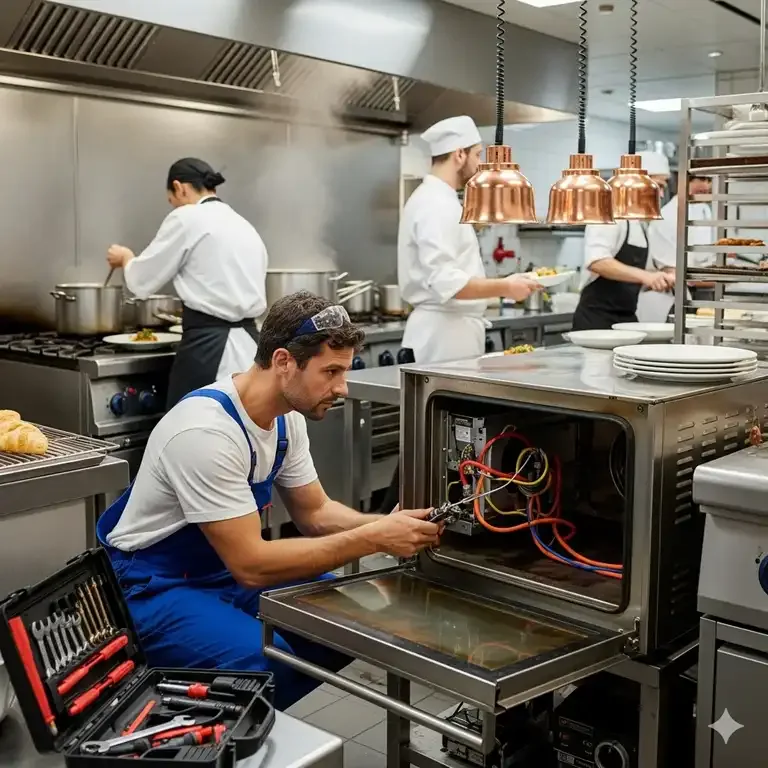
Let me tell you something, I’ve seen more kitchen equipment maintenance schedules than I can count. Some were so detailed they looked like NASA launch protocols, others so vague they might as well have been written on a napkin. And here’s the kicker: neither worked. The overly complex ones got ignored, and the napkin versions led to breakdowns that cost thousands in repairs. So where’s the middle ground?
I remember walking into a bustling Nashville diner a few years back, where the owner, a friend of mine, was pulling his hair out over a deep fryer that had just conked out mid-service. “Sammy,” he groaned, “I swear I just had this thing serviced.” Turns out, the “servicing” was a quick wipe-down by a line cook who didn’t even know the fryer had a filter that needed changing. That’s when it hit me: a good maintenance schedule isn’t just about ticking boxes, it’s about creating a system that actually fits into the chaos of a working kitchen. One that staff will follow without feeling like they’re doing extra work.
So, if you’re tired of equipment failing at the worst possible moment or spending way too much on emergency repairs, you’re in the right place. By the end of this, you’ll know how to build a maintenance schedule that’s realistic, effective, and, dare I say, almost painless to implement. We’ll cover everything from figuring out what needs attention (and when) to making sure your team actually follows through. And don’t worry, I’ll keep it practical. No fluff, no jargon, just a system that works in the real world.
Why Your Kitchen Equipment Maintenance Schedule Probably Isn’t Working (And How to Fix It)
Before we dive into the how, let’s talk about the why. Why do so many maintenance schedules fail? I’ve got a few theories, and I bet at least one of them will sound familiar.
First, there’s the “set it and forget it” problem. You create a beautiful spreadsheet, print it out, stick it on the wall, and… nothing happens. Why? Because no one’s accountable, and the schedule doesn’t integrate into the daily workflow. It’s like writing a grocery list but never bringing it to the store, what’s the point?
Then there’s the overcomplication trap. I’ve seen schedules with 50+ tasks, color-coded by priority, with instructions so detailed they require a PhD to understand. Newsflash: your staff doesn’t have time to read a novel every time they need to clean the griddle. If it’s not simple, it’s not happening.
And let’s not forget the “out of sight, out of mind” issue. If your maintenance tasks aren’t visible or tied to something your team already does (like opening or closing procedures), they’ll get forgotten. It’s human nature, we prioritize what’s right in front of us.
So, how do we fix this? Here’s the secret: a good maintenance schedule is less about the tasks and more about the system. It’s about making maintenance a habit, not a chore. And habits, as we all know, are built through repetition and simplicity. So, let’s start by figuring out what actually needs to be on your schedule.
Step 1: Take Inventory of Your Equipment (And Stop Guessing What Needs Maintenance)
You can’t create a maintenance schedule if you don’t know what you’re working with. Sounds obvious, right? But you’d be surprised how many kitchens I’ve walked into where the staff doesn’t even have a complete list of their equipment. Some of it’s old, some of it’s new, and some of it’s been there so long no one remembers what it’s called.
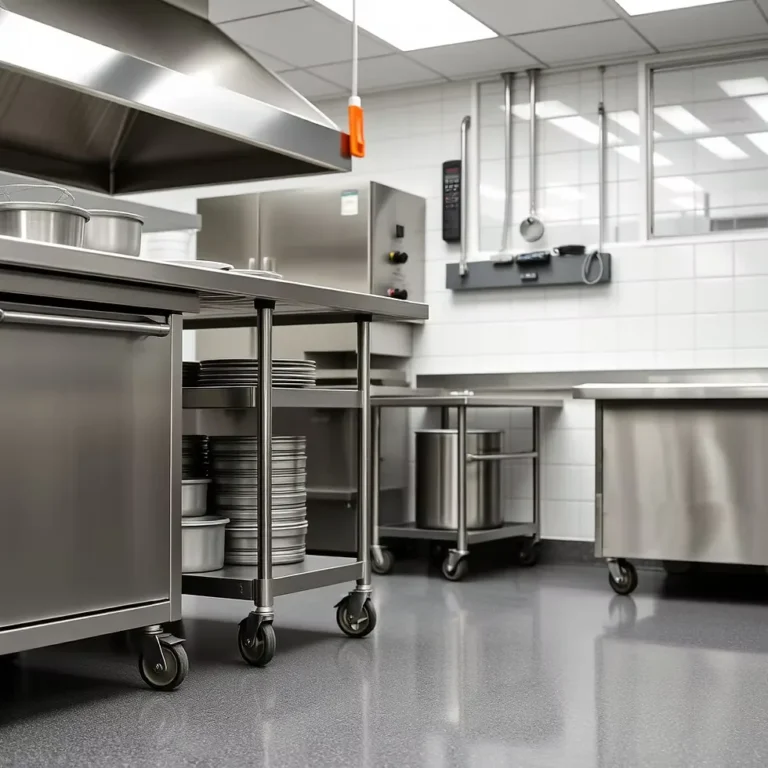
Start by walking through your kitchen and listing every piece of equipment. And I mean every piece. Not just the big stuff like ovens and refrigerators, but the small things too, mixers, blenders, slicers, even your coffee machines. Don’t forget about the less obvious items, like your ventilation system or grease traps. These often get overlooked, but they’re critical to your kitchen’s operation.
Here’s a quick checklist to get you started:
- Cooking equipment: Ranges, ovens, griddles, fryers, broilers, steamers, microwaves
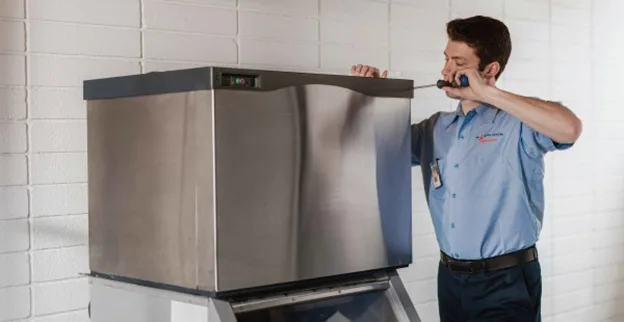
- Refrigeration: Walk-in coolers, reach-in refrigerators, freezers, ice machines
- Food prep: Mixers, food processors, slicers, mandolines, cutting boards
- Cleaning and sanitation: Dishwashers, sinks, sanitizing stations, grease traps
- Ventilation: Hoods, exhaust fans, ductwork
- Small appliances: Blenders, coffee makers, toasters, immersion circulators
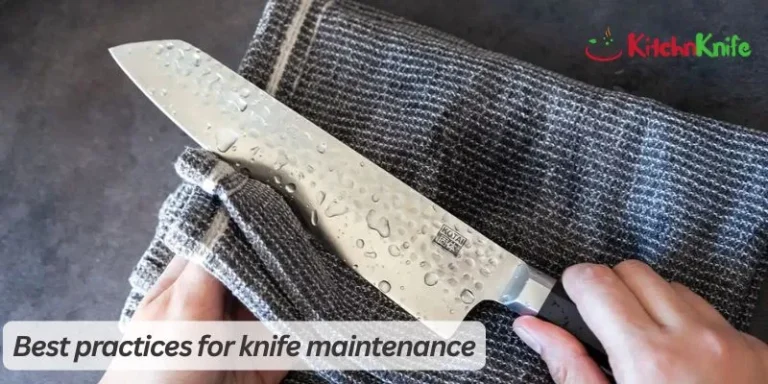
- Utensils and tools: Knives, tongs, whisks, ladles (yes, these need maintenance too!)
Once you’ve got your list, organize it by category. This will make it easier to assign tasks later. For example, group all your refrigeration equipment together, all your cooking equipment together, and so on. Trust me, this small step will save you a ton of headaches down the road.
Now, here’s where things get a little tricky. Not all equipment needs the same level of maintenance. Some items, like your deep fryer, need daily attention, while others, like your walk-in cooler, might only need a monthly check-up. So, how do you figure out what needs what? That’s what we’ll tackle next.
Step 2: Figure Out What Needs to Be Done (And How Often)
Alright, so you’ve got your list of equipment. Now what? Now, you need to figure out what maintenance tasks each item requires and how often they need to be done. This is where a lot of people get stuck, because let’s be honest, unless you’re an equipment technician, you probably don’t know the ins and outs of every piece of machinery in your kitchen.
Here’s the good news: you don’t need to be an expert. Most equipment comes with a manual (yes, those things actually exist), and if you’ve lost yours, you can usually find it online. These manuals are goldmines of information, they’ll tell you exactly what needs to be done and how often. If you’re lucky, they might even include a maintenance schedule template.
But let’s say you don’t have the manual, or you’re dealing with older equipment that’s been around since the Reagan administration. What then? In that case, you’ll need to do a little detective work. Start by asking your staff what they already know. Your line cooks, prep cooks, and dishwashers are on the front lines, they’re the ones who use this equipment day in and day out. They might not know the technical details, but they’ll know if something’s been acting up or needs extra attention.
If that doesn’t work, call in the pros. Reach out to the manufacturer or a local equipment repair company. They’ll be able to tell you what kind of maintenance your equipment needs and how often. It might cost you a little upfront, but it’ll save you a lot in the long run. Think of it as an investment in your kitchen’s longevity.
Now, let’s talk about frequency. How do you decide if something needs daily, weekly, monthly, or yearly maintenance? Here’s a rough guide to get you started:
- Daily: Tasks that keep equipment running smoothly and prevent immediate breakdowns. Examples include wiping down surfaces, checking for leaks, and cleaning filters. These are usually quick tasks that can be done during opening or closing procedures.
- Weekly: Tasks that require a little more time or effort but are still critical to preventing long-term issues. Examples include deep cleaning, inspecting belts and seals, and lubricating moving parts.
- Monthly: Tasks that are more in-depth and might require some disassembly or specialized tools. Examples include calibrating equipment, checking electrical connections, and inspecting for wear and tear.
- Quarterly/Yearly: Tasks that are typically handled by professionals, like servicing your HVAC system or deep cleaning your ductwork. These are usually more expensive and time-consuming, but they’re essential for keeping your equipment in top shape.
Is this the best approach? Let’s consider, maybe you’re thinking, “Sammy, this seems like a lot of work.” And you’re right, it is. But here’s the thing: a little effort now saves a ton of headaches (and money) later. Plus, once you’ve got your schedule set up, it’ll run on autopilot. Your staff will know exactly what needs to be done and when, and you won’t have to micromanage every little task.
Step 3: Assign Tasks to the Right People (And Make It Their Responsibility)
Here’s where a lot of maintenance schedules fall apart. You’ve got your list of tasks, you’ve figured out how often they need to be done, but now what? Who’s actually going to do them?
This is where accountability comes into play. If no one’s responsible for a task, it’s not going to get done. It’s as simple as that. So, you need to assign each task to a specific person or role. For example, your dishwasher might be responsible for cleaning the grease trap, while your line cook handles the daily wipe-down of the griddle.
But here’s the thing, you can’t just assign tasks willy-nilly. You need to think about who has the time, skills, and knowledge to do the job right. For example, you wouldn’t ask your dishwasher to calibrate your oven, just like you wouldn’t ask your chef to clean the grease trap (unless they’re into that sort of thing). Match the task to the person’s role and abilities.
Here’s a quick breakdown of how you might assign tasks based on roles:
- Chefs/Line Cooks: Daily cleaning of cooking equipment, checking for wear and tear, basic troubleshooting.
- Prep Cooks: Cleaning and maintaining food prep equipment, like mixers, slicers, and cutting boards.
- Dishwashers: Cleaning and sanitizing sinks, dishwashers, and grease traps. They might also handle basic maintenance on small appliances, like blenders and coffee makers.
- Managers/Supervisors: Inspecting equipment, scheduling professional maintenance, and handling more complex tasks, like calibrating ovens or servicing refrigeration units.
Now, I’m torn between two approaches here. On one hand, you could assign tasks to specific people, like “John is responsible for the deep fryer.” On the other hand, you could assign tasks to roles, like “the morning line cook is responsible for the griddle.” Which is better? Honestly, it depends on your kitchen. If you’ve got a small team with consistent schedules, assigning tasks to specific people might work best. But if your staff rotates frequently or has unpredictable schedules, assigning tasks to roles might be the way to go.
Either way, make sure everyone knows what they’re responsible for. Write it down, post it somewhere visible, and go over it during staff meetings. And don’t forget to train your team on how to do each task properly. There’s no point in assigning a task if the person doesn’t know how to do it.
Step 4: Create a Schedule That Fits Into Your Kitchen’s Workflow (Not the Other Way Around)
Alright, so you’ve got your tasks, and you’ve assigned them to the right people. Now, you need to figure out when these tasks are going to get done. This is where things can get tricky, because let’s face it, kitchens are busy places. You can’t just stop service to clean the deep fryer or calibrate the oven. So, how do you fit maintenance into the chaos?
The key is to integrate maintenance into your existing workflow. Look at your kitchen’s daily, weekly, and monthly routines, and figure out where maintenance tasks can fit in naturally. For example, you might schedule daily tasks during opening or closing procedures, when things are a little quieter. Weekly tasks could be done on slower days, like Mondays or Tuesdays. And monthly tasks might need to be scheduled during downtime, like after service or on a day when the kitchen is closed.
Here’s a rough template to get you started:
- Daily:
- Opening procedures: Wipe down surfaces, check for leaks, clean filters.
- Closing procedures: Deep clean equipment, inspect for wear and tear, restock supplies.
- Weekly:
- Slow days (e.g., Monday or Tuesday): Deep clean equipment, inspect belts and seals, lubricate moving parts.
- Monthly:
- After service or on a closed day: Calibrate equipment, check electrical connections, inspect for wear and tear.
- Quarterly/Yearly:
- Scheduled during downtime: Professional servicing, deep cleaning, major repairs.
But here’s the thing-your schedule needs to be flexible. Kitchens are unpredictable, and what works one week might not work the next. Maybe you’re slammed on a Tuesday and can’t get to those weekly tasks. That’s okay. Just reschedule them for another day. The important thing is that they get done, not when they get done.
I’m torn between two approaches here. On one hand, you could create a rigid schedule with specific days and times for each task. On the other hand, you could create a more flexible schedule that allows for some wiggle room. Which is better? Honestly, it depends on your kitchen. If you’ve got a consistent workflow, a rigid schedule might work. But if your kitchen is more unpredictable, a flexible schedule might be the way to go.
Either way, make sure your schedule is visible and accessible. Post it somewhere your staff can see it, like on a bulletin board or in a shared digital calendar. And don’t forget to update it regularly. If something changes, like a new piece of equipment or a shift in your workflow, make sure your schedule reflects that.
Step 5: Make It Easy for Your Staff to Follow Through (Because No One Wants Extra Work)
Let’s be real, no one wakes up in the morning excited to clean the grease trap or calibrate the oven. Maintenance tasks are, by nature, not the most thrilling part of the job. So, how do you get your staff to actually follow through?
The key is to make it as easy as possible. If a task is quick, simple, and doesn’t require a lot of effort, your staff is more likely to do it. But if it’s complicated, time-consuming, or requires specialized tools, they’re going to put it off. And we all know what happens when maintenance gets put off, equipment breaks down, and you’re left scrambling to fix it.
So, how do you make maintenance easy? Start by breaking tasks down into small, manageable steps. Instead of saying “clean the deep fryer,” break it down into specific actions, like “drain the oil,” “scrub the interior,” and “clean the filter.” This makes the task feel less overwhelming and more doable.
Next, provide the tools and supplies your staff needs to get the job done. If they’re supposed to clean the griddle, make sure they have the right scrubbers, cleaners, and cloths. If they’re supposed to lubricate moving parts, make sure they have the right lubricant. Nothing’s more frustrating than being told to do a task but not having the tools to do it.
And don’t forget about training. Your staff needs to know how to do each task properly. If they don’t, they might do it wrong, which can lead to equipment damage or even safety hazards. So, take the time to train them. Show them how to do each task, watch them do it, and give them feedback. And don’t just train them once, refresh their training regularly to make sure they’re still doing things the right way.
Here’s another idea: make maintenance a team effort. Instead of assigning all the tasks to one person, spread them out among your staff. This way, no one feels like they’re doing all the work, and everyone has a stake in keeping the kitchen running smoothly. Plus, it’s a great way to build camaraderie and teamwork.
Finally, make maintenance part of your kitchen’s culture. Talk about it in staff meetings, recognize staff who do a good job, and make it clear that maintenance is a priority. If your staff sees that you take it seriously, they’re more likely to take it seriously too.
Step 6: Use Technology to Your Advantage (Because Who Doesn’t Love a Good App?)
Let’s face it, we live in a digital world. So why not use technology to make your maintenance schedule easier to manage? There are tons of apps and tools out there designed to help you track, schedule, and manage maintenance tasks. And the best part? Most of them are free or low-cost.
Here are a few of my favorites:
- Google Sheets or Excel: If you’re on a tight budget, a simple spreadsheet can work wonders. You can create a schedule, assign tasks, and track completion all in one place. Plus, you can share it with your staff so everyone’s on the same page.
- Maintenance Management Apps: Apps like MaintainX, UpKeep, and Fiix are designed specifically for maintenance management. They allow you to create schedules, assign tasks, track completion, and even generate reports. Some of them even have mobile apps, so your staff can check off tasks on the go.
- Digital Calendars: If you’re already using a digital calendar like Google Calendar or Outlook, you can use it to schedule maintenance tasks. Just create recurring events for each task, assign them to the right people, and set reminders. It’s a simple way to keep everyone on track.
- Task Management Tools: Tools like Trello, Asana, and ClickUp aren’t designed specifically for maintenance, but they can be adapted for it. You can create boards or projects for each piece of equipment, assign tasks, and track progress. Plus, they’re great for collaboration, so your whole team can stay in the loop.
But here’s the thing-technology is only as good as the people using it. If your staff isn’t on board, it’s not going to work. So, make sure they’re trained on how to use whatever tool you choose. And don’t be afraid to experiment. If one app isn’t working, try another. The goal is to find something that fits seamlessly into your workflow.
I’m torn between two approaches here. On one hand, you could go all-in on technology and use a dedicated maintenance management app. On the other hand, you could keep it simple with a spreadsheet or digital calendar. Which is better? Honestly, it depends on your kitchen. If you’ve got a large team and a lot of equipment, a dedicated app might be the way to go. But if you’re a smaller operation, a spreadsheet might be all you need.
Either way, don’t overcomplicate things. The goal is to make maintenance easier, not harder. So, choose a tool that’s simple, intuitive, and fits into your workflow. And don’t be afraid to switch things up if something isn’t working.
Step 7: Track Completion and Follow Up (Because What Gets Measured Gets Done)
Here’s the hard truth: if you don’t track completion, your maintenance schedule isn’t going to work. It’s as simple as that. Your staff might start out strong, but if no one’s checking in, they’re going to slack off. And before you know it, you’re back to square one, with equipment breaking down and emergency repairs costing you a fortune.
So, how do you track completion? It’s easier than you think. Start by creating a system for checking off tasks. If you’re using a spreadsheet, add a column for completion. If you’re using an app, most of them have built-in tracking features. And if you’re old-school, you can use a checklist or a whiteboard.
But tracking completion isn’t just about checking off boxes. It’s about following up and holding your staff accountable. If a task isn’t getting done, you need to find out why. Maybe the person responsible is too busy, or maybe they don’t know how to do the task. Either way, you need to address it.
Here’s how I like to do it: schedule regular check-ins. Once a week, sit down with your staff and go over the maintenance schedule. Ask them how things are going, if they’re having any issues, and if they need any help. This doesn’t have to be a formal meeting, it can be a quick chat during a slow moment. The important thing is that you’re checking in and showing your staff that you care.
And don’t forget to recognize and reward good work. If someone’s doing a great job with maintenance, let them know. A little recognition goes a long way. You could even create a small incentive program, like a gift card or an extra day off, for staff who consistently follow through.
Now, I’m torn between two approaches here. On one hand, you could take a hands-off approach and trust your staff to follow through. On the other hand, you could take a more hands-on approach and micromanage every little task. Which is better? Honestly, it depends on your kitchen. If you’ve got a reliable team, a hands-off approach might work. But if you’re dealing with a lot of turnover or unreliable staff, you might need to be more hands-on.
Either way, don’t be afraid to adjust your approach as needed. If something isn’t working, change it. The goal is to find a system that works for your kitchen, not to stick to a rigid plan just because it’s what you started with.
Step 8: Adjust and Improve Over Time (Because Nothing’s Perfect on the First Try)
Here’s the thing about maintenance schedules, they’re not set in stone. What works today might not work tomorrow, and what works for one kitchen might not work for another. So, you need to be flexible and willing to adjust as needed.
Start by reviewing your schedule regularly. Once a month, sit down and go over it. Ask yourself: Is this working? Are tasks getting done on time? Is there anything that’s consistently falling through the cracks? If something isn’t working, don’t be afraid to change it. Maybe a task needs to be done more or less frequently, or maybe it needs to be assigned to a different person. Whatever it is, make the adjustment and move on.
And don’t forget to get feedback from your staff. They’re the ones doing the work, so they’re the ones who know what’s working and what’s not. Ask them for their input, and be open to their suggestions. Maybe they’ve noticed that a task is taking longer than it should, or maybe they’ve come up with a better way to do something. Either way, their feedback is invaluable.
Here’s another idea: track your results over time. Keep a log of equipment breakdowns, repairs, and maintenance tasks. This will give you a clear picture of what’s working and what’s not. For example, if you notice that your deep fryer is breaking down more often than it should, maybe it needs more frequent maintenance. Or if your refrigeration units are running smoothly, maybe you can scale back on the maintenance tasks.
I’m torn between two approaches here. On one hand, you could stick to your schedule no matter what. On the other hand, you could be flexible and adjust as needed. Which is better? Honestly, it’s a balance. You need to have a schedule in place, but you also need to be willing to change it if something isn’t working. The key is to find a system that works for your kitchen and stick with it, but be open to tweaking it as needed.
And don’t forget-maintenance is an ongoing process. It’s not something you set up once and forget about. It’s something you need to revisit regularly, adjust as needed, and improve over time. So, don’t be afraid to experiment. Try new things, see what works, and keep refining your system. The goal is to create a maintenance schedule that’s effective, efficient, and easy to follow-one that keeps your kitchen running smoothly and your equipment in top shape.
Step 9: Train Your Staff (Because Knowledge Is Power)
You can have the best maintenance schedule in the world, but if your staff doesn’t know how to follow it, it’s useless. That’s why training is so important. Your staff needs to know what tasks they’re responsible for, how to do them, and why they’re important.
Start by creating a training plan. This doesn’t have to be anything fancy, just a simple outline of what you’re going to cover and how you’re going to do it. For example, you might start with an overview of the maintenance schedule, then dive into specific tasks, and finish with a hands-on demonstration.
Next, train your staff on each task. Show them how to do it, watch them do it, and give them feedback. And don’t just train them once, refresh their training regularly to make sure they’re still doing things the right way. This is especially important if you’ve got a lot of turnover or new hires.
But training isn’t just about showing your staff how to do things. It’s also about explaining why they’re important. If your staff understands the consequences of not doing maintenance, like equipment breakdowns, safety hazards, and costly repairs, they’re more likely to take it seriously. So, take the time to explain the “why” behind each task.
Here’s another idea: make training a team effort. Instead of doing all the training yourself, assign some of it to your more experienced staff. This not only takes some of the pressure off you, but it also gives your staff a chance to take ownership of the process. Plus, it’s a great way to build camaraderie and teamwork.
And don’t forget about safety training. Maintenance tasks can be dangerous if they’re not done properly. So, make sure your staff knows how to stay safe. This includes things like wearing the right protective gear, using tools correctly, and knowing what to do in case of an emergency.
I’m torn between two approaches here. On one hand, you could do all the training yourself. On the other hand, you could delegate some of it to your staff. Which is better? Honestly, it depends on your kitchen. If you’ve got a small team, doing it yourself might be the way to go. But if you’re a larger operation, delegating some of the training might be more efficient.
Either way, make sure your staff is trained and confident in their abilities. The goal is to create a team that’s knowledgeable, skilled, and ready to keep your kitchen running smoothly.
Step 10: Celebrate Your Successes (Because Maintenance Isn’t Just About Fixing Things, It’s About Keeping Them Running)
Let’s be honest, maintenance isn’t the most glamorous part of running a kitchen. It’s not like cooking a delicious meal or serving happy customers. But it’s just as important. So, why not celebrate your successes? Recognize your staff for a job well done, and take pride in the fact that your kitchen is running smoothly.
Start by setting goals. Maybe you want to reduce equipment breakdowns by 50%, or maybe you want to get 100% compliance with your maintenance schedule. Whatever it is, set a goal and work toward it. And when you reach it, celebrate! Throw a pizza party, give out gift cards, or just take a moment to recognize your staff for their hard work.
And don’t forget to track your progress. Keep a log of equipment breakdowns, repairs, and maintenance tasks. This will give you a clear picture of how far you’ve come and what you’ve accomplished. Plus, it’s a great way to show your staff that their hard work is paying off.
Here’s another idea: share your successes with your customers. Let them know that your kitchen is running smoothly and that their meals are being prepared in a safe, well-maintained environment. This not only builds trust with your customers, but it also gives your staff a sense of pride in their work.
I’m torn between two approaches here. On one hand, you could keep your successes to yourself. On the other hand, you could share them with your staff and customers. Which is better? Honestly, I think sharing your successes is the way to go. It’s a great way to build morale, recognize your staff, and show your customers that you care about quality.
Either way, take pride in your maintenance efforts. It’s not just about fixing things, it’s about keeping your kitchen running smoothly, serving delicious meals, and creating a safe, enjoyable environment for your staff and customers. So, celebrate your successes, and keep up the good work!
Putting It All Together: Your Kitchen Equipment Maintenance Schedule Checklist
Alright, let’s recap. You’ve got your list of equipment, you’ve figured out what needs to be done and how often, you’ve assigned tasks to the right people, and you’ve created a schedule that fits into your workflow. Now, it’s time to put it all together into a cohesive, actionable plan.
Here’s a quick checklist to help you get started:
- Take inventory of your equipment. Make a list of everything in your kitchen that needs maintenance.
- Figure out what needs to be done. Consult manuals, ask your staff, or call in the pros to determine what maintenance tasks each piece of equipment requires.
- Determine how often tasks need to be done. Break tasks down into daily, weekly, monthly, and yearly categories.
- Assign tasks to the right people. Match tasks to roles and abilities, and make sure everyone knows what they’re responsible for.
- Create a schedule that fits into your workflow. Integrate maintenance tasks into your existing routines, and make sure your schedule is flexible and visible.
- Make it easy for your staff to follow through. Break tasks down into small steps, provide the right tools and supplies, and train your staff on how to do each task properly.
- Use technology to your advantage. Choose a tool that fits into your workflow, whether it’s a spreadsheet, an app, or a digital calendar.
- Track completion and follow up. Create a system for checking off tasks, hold your staff accountable, and recognize good work.
- Adjust and improve over time. Review your schedule regularly, get feedback from your staff, and be willing to make changes as needed.
- Train your staff. Show them how to do each task, explain why it’s important, and refresh their training regularly.
- Celebrate your successes. Set goals, track your progress, and recognize your staff for a job well done.
And there you have it, a kitchen equipment maintenance schedule that actually works. It might take a little time and effort to set up, but trust me, it’s worth it. You’ll save money on repairs, reduce downtime, and keep your kitchen running smoothly. Plus, your staff will appreciate having a clear, actionable plan to follow.
So, what are you waiting for? Start building your maintenance schedule today. Your kitchen (and your wallet) will thank you.
FAQ
Q: How do I know if my maintenance schedule is working?
A: The best way to know if your maintenance schedule is working is to track your results. Keep a log of equipment breakdowns, repairs, and maintenance tasks. If you notice a decrease in breakdowns and repairs, and an increase in compliance with your schedule, then it’s working. If not, it might be time to make some adjustments.
Q: What should I do if my staff isn’t following the maintenance schedule?
A: If your staff isn’t following the maintenance schedule, start by finding out why. Maybe they don’t understand the tasks, or maybe they don’t have the time or tools to do them. Once you’ve identified the issue, address it. Provide training, adjust the schedule, or make the tasks easier to complete. And don’t forget to hold your staff accountable, if a task isn’t getting done, follow up and find out why.
Q: How often should I review and update my maintenance schedule?
A: It’s a good idea to review and update your maintenance schedule at least once a month. This gives you a chance to see what’s working and what’s not, and to make adjustments as needed. You should also review your schedule whenever something changes in your kitchen, like a new piece of equipment or a shift in your workflow.
Q: What’s the most important thing to remember when creating a maintenance schedule?
A: The most important thing to remember is that your maintenance schedule needs to be realistic and actionable. It’s not about creating a perfect plan, it’s about creating a plan that your staff can actually follow. So, keep it simple, make it easy, and be willing to adjust as needed. And don’t forget to train your staff and hold them accountable. A maintenance schedule is only as good as the people who follow it.
@article{how-to-create-a-kitchen-equipment-maintenance-schedule-that-actually-works-and-wont-drive-your-staff-crazy,
    title   = {How to Create a Kitchen Equipment Maintenance Schedule That Actually Works (And Won’t Drive Your Staff Crazy)},
    author  = {Chef's icon},
    year    = {2026},
    journal = {Chef's Icon},
    url     = {https://chefsicon.com/how-to-create-a-kitchen-equipment-maintenance-schedule-for-staff/}
}