The Best Fluffy Pancakes recipe you will fall in love with. Full of tips and tricks to help you make the best pancakes.
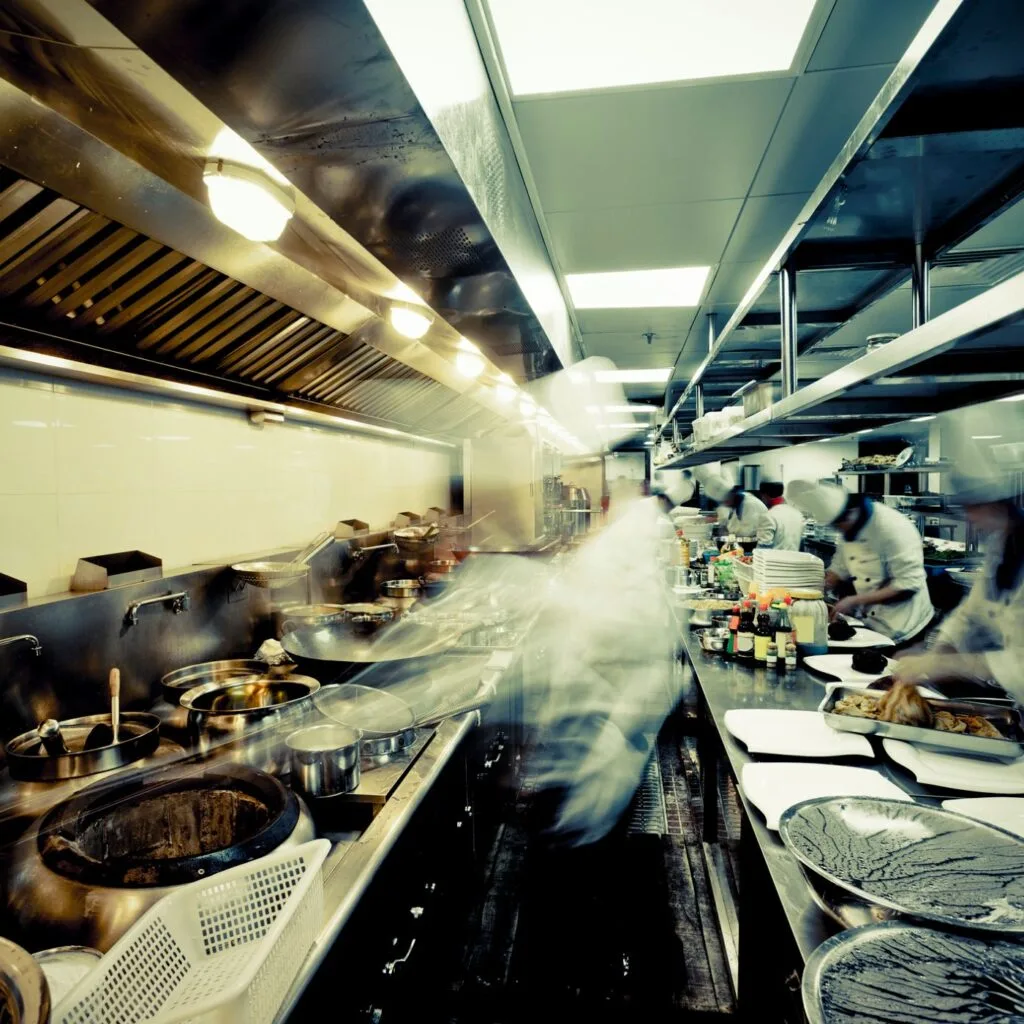
The Ultimate Seasonal Restaurant Equipment Maintenance Calendar: Because Your Kitchen Shouldn’t Take Vacations
Let me tell you about the time my deep fryer decided to stage a rebellion in the middle of a Friday night rush. It was July, Nashville was hotter than a jalapeño eating contest, and my kitchen was already operating at about 110% capacity. Then, without warning, the fryer just… stopped. No error code, no dramatic sputtering, just silence. And of course, it happened right as we were about to drop 20 orders of chicken tenders. I stood there, sweat dripping down my back, staring at this hunk of metal like it had personally betrayed me. That’s when I realized something: I had been treating my equipment like it was invincible. Spoiler alert, it’s not.
That night cost me about $1,200 in lost sales, not to mention the hit to my reputation when half the dining room walked out. But here’s the thing, it didn’t have to happen. A little preventative maintenance, timed right for the season, could’ve saved me from that disaster. Since then, I’ve become borderline obsessive about seasonal equipment check-ups. And honestly? It’s one of the smartest moves I’ve made as a restaurant owner. So, if you’re tired of playing Russian roulette with your kitchen’s reliability, stick around. This isn’t just another generic maintenance checklist, it’s a seasonal restaurant equipment maintenance calendar designed to keep your operation running like a well-oiled machine, no matter what Mother Nature throws at you.
By the end of this, you’ll know exactly what to inspect, when to inspect it, and how to avoid those heart-stopping moments when your equipment decides to ghost you. We’ll cover everything from HVAC tune-ups before summer hits to freezer prep for winter, plus some pro tips I’ve picked up from suppliers like Chef’s Deal, who’ve seen it all when it comes to commercial kitchen setups. And hey, if you’re the type who likes to plan ahead (or just really hates surprises), you might even want to bookmark this. I won’t judge.
Why Seasonal Maintenance Isn’t Just Another Chore
Look, I get it. Maintenance isn’t sexy. It’s not the part of running a restaurant that gets you excited, it’s not the menu planning, the staff training, or the grand opening. It’s the equivalent of flossing: you know you should do it, but it’s easy to push to the back burner. But here’s the hard truth: neglecting seasonal maintenance is like ignoring a check engine light. It might not blow up on you today, or even tomorrow, but eventually, it’s going to cost you. Big time.
I’ve talked to enough chefs and restaurant owners to know that most of us fall into one of two camps: the “if it ain’t broke, don’t fix it” crowd, or the “I’ll get to it eventually” procrastinators. Neither is ideal. The first group ends up with emergency repair bills that could’ve been avoided, and the second group? Well, they’re the ones calling me at 2 AM asking if I know a good HVAC guy who can fix their walk-in freezer before all their inventory turns into a science experiment. (Spoiler: I don’t. Or at least, I don’t anymore.)
So why seasonal? Because your equipment’s needs change with the weather, the volume of business, and even the type of food you’re serving. A commercial range that hums along just fine in the spring might start struggling in the summer when your kitchen’s ambient temperature skyrockets. Your ice machine might work overtime during a heatwave, only to freeze up when winter rolls around if you haven’t prepped it properly. And don’t even get me started on how humidity can turn your refrigeration coils into a mold factory if you’re not careful.
Here’s the thing: a seasonal maintenance calendar isn’t just about preventing breakdowns. It’s about optimizing performance. Think of it like tuning a race car. You wouldn’t expect a Formula 1 team to show up to a race without adjusting their setup for the track conditions, right? Your kitchen is no different. By aligning your maintenance with the seasons, you’re not just avoiding disasters, you’re squeezing every ounce of efficiency out of your equipment. And in an industry where margins are tighter than a sous vide bag, that’s not just smart, it’s survival.
Spring: The Wake-Up Call Your Kitchen Needs
Spring is all about renewal, right? Flowers blooming, birds chirping, people suddenly remembering they have gym memberships. For your restaurant, it’s the perfect time to shake off the winter cobwebs and get your equipment ready for the busy season ahead. I like to think of spring maintenance as a preventative health check-you’re not fixing what’s broken (yet), but you’re catching the small issues before they become big, expensive problems.
First up: refrigeration systems. Winter can be tough on your walk-ins and reach-ins. Condenser coils get clogged with dust and debris, refrigerant levels can drop, and seals might start to wear out. If you’re in a colder climate, you might even have dealt with frozen coils or fans that seized up during a cold snap. Now’s the time to give everything a thorough inspection. Clean those coils, check the refrigerant levels, and test the door seals. A good rule of thumb? If you can slide a dollar bill into the seal and pull it out without resistance, it’s time to replace it. And while you’re at it, take a look at the evaporator fans, if they’re making more noise than a rock concert, they might need some love.
Next, let’s talk about ventilation. Your hood system has been working hard all winter, pulling heat and grease out of your kitchen. But if you’re like most restaurants, you probably haven’t given it much thought since last fall. Big mistake. A clogged or inefficient hood system doesn’t just make your kitchen hotter, it can also be a fire hazard. Spring is the perfect time to schedule a professional cleaning. And while you’re at it, check the fan belts and bearings. If they’re worn out, now’s the time to replace them, not in the middle of July when your kitchen feels like a sauna.
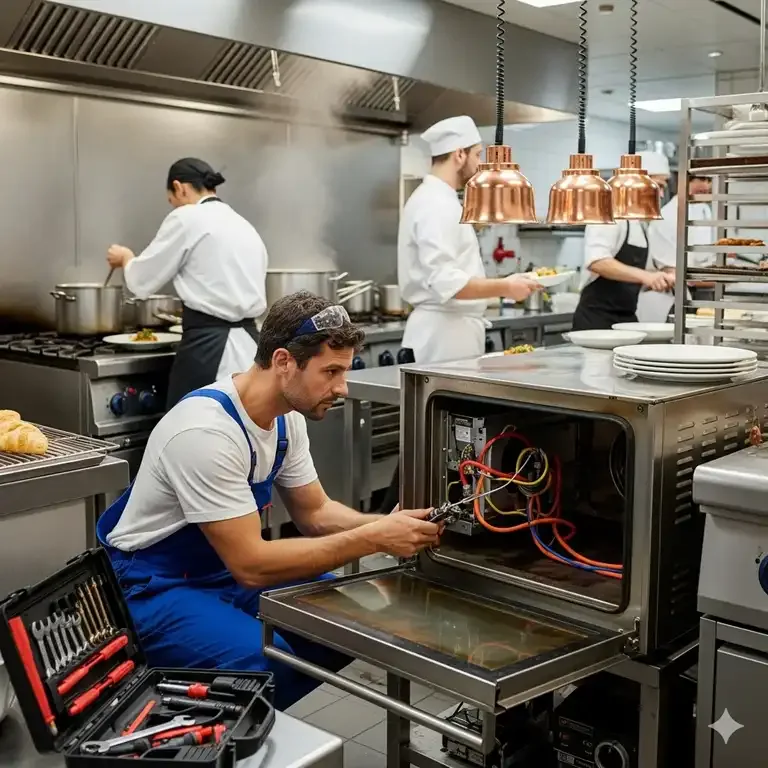
Now, let’s not forget about your cooking equipment. Spring is a great time to give your ranges, ovens, and grills a deep clean. I’m talking about pulling out the burners, scrubbing the grates, and checking the gas lines for leaks. If you’ve got a combi oven, now’s the time to descale it. And if you’re using a charbroiler, check the grease traps, winter can be a slow season for some restaurants, and grease has a way of hardening and clogging things up when it’s not used regularly. A little elbow grease now can save you from a major headache later.
Oh, and one more thing-water filtration systems. If you’ve got an ice machine, a coffee brewer, or even just a soda fountain, spring is the time to replace those filters. Hard water can wreak havoc on your equipment, and a clogged filter can lead to everything from poor-tasting ice to a complete system shutdown. Trust me, you don’t want to be the restaurant that serves cloudy ice in the middle of summer. It’s the kind of thing that’ll get you roasted on Yelp faster than you can say “refund.”
Summer: Surviving the Heat Without Melting Down
Summer is where the rubber meets the road for your restaurant. It’s the busiest season for most of us, patios are packed, tourists are everywhere, and your kitchen is running at full tilt. But here’s the catch: summer is also when your equipment is most likely to fail. Why? Because it’s working harder than it does any other time of year. Your air conditioning is battling the heat, your refrigeration is struggling to keep up, and your ventilation system is basically running a marathon. If you didn’t prep in the spring, you’re going to feel it now.
First things first: HVAC maintenance. I can’t stress this enough, if your dining room is uncomfortable, your customers aren’t going to stick around. And if your kitchen is a sauna, your staff is going to mutiny. Summer is the time to make sure your AC is running at peak efficiency. Change the filters, check the refrigerant levels, and clean the coils. If you’ve got a rooftop unit, make sure the area around it is clear of debris. And if you’re in a particularly hot climate, consider adding some portable cooling units to your kitchen. They’re not cheap, but neither is losing half your staff to heat exhaustion.
Next up: refrigeration. This is the big one. Your walk-ins, reach-ins, and display cases are working overtime in the summer, and if they’re not properly maintained, they’re going to fail. Start by checking the temperature settings, are they holding steady, or are they fluctuating? If it’s the latter, you might have a refrigerant leak or a failing compressor. And don’t forget about the door seals. In the summer, every time that door opens, you’re letting in hot air, which means your system has to work harder to cool back down. If the seals are worn out, replace them. It’s a small investment that’ll pay off in energy savings and reliability.
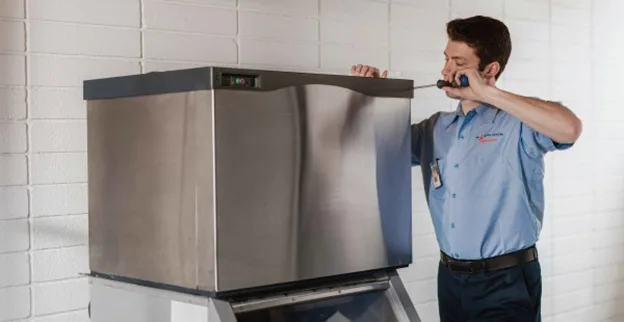
Now, let’s talk about your ice machine. If there’s one piece of equipment that’s going to get a workout in the summer, it’s this one. And nothing kills a margarita faster than warm ice. Summer is the time to make sure your ice machine is clean, well-maintained, and producing crystal-clear cubes. Start by cleaning the water lines and replacing the filters. Then, check the condenser coils, if they’re dirty, your machine isn’t going to produce ice efficiently. And if you’re in a hard water area, consider adding a water softener to your system. It’ll extend the life of your machine and keep your ice tasting fresh.
Oh, and one more thing-grease management. Summer is when your grease traps and interceptors are going to fill up the fastest. If you’re not on a regular pumping schedule, now’s the time to get on one. A clogged grease trap isn’t just gross, it’s a health code violation waiting to happen. And if you’re in a city with strict environmental regulations, it could also mean hefty fines. Trust me, you don’t want to be the restaurant that shuts down because your grease trap overflowed into the street. It’s not a good look.
Fall: Prepping for the Holiday Rush (Yes, It’s Coming)
Fall is a weird time for restaurants. For some of us, it’s the calm before the storm, business slows down a bit after the summer rush, but the holiday season is looming on the horizon. For others, it’s the start of the busy season, with tourists flocking to see the leaves change and locals craving pumpkin spice everything. Either way, fall is the perfect time to get your equipment ready for the holiday rush. Because let’s be real, if your oven dies on Thanksgiving, you’re not just losing money, you’re losing your mind.
First up: cooking equipment. Your ranges, ovens, and grills have been working hard all summer, and now’s the time to give them a thorough inspection. Start by checking the burners, are they lighting evenly, or are some of them weaker than others? If it’s the latter, you might have a clogged orifice or a failing igniter. And if you’re using a convection oven, now’s the time to check the fan. If it’s not spinning freely, it’s going to affect your cooking times and temperatures. Oh, and don’t forget about the door seals. A worn-out seal means heat is escaping, which means your oven has to work harder to maintain temperature. That’s not just inefficient, it’s also a safety hazard.
Next, let’s talk about refrigeration. Fall is a great time to give your walk-ins and reach-ins a deep clean. Pull out the shelves, scrub down the walls, and check the insulation. If you’ve got a blast chiller, now’s the time to make sure it’s working properly. The holiday season is when you’re going to need it the most, and the last thing you want is to find out it’s not cooling fast enough when you’re trying to prep for a big event. And while you’re at it, check the temperature sensors. If they’re not calibrated correctly, your equipment isn’t going to maintain the right temps, and that’s a recipe for spoiled food and failed health inspections.
Now, let’s not forget about your ventilation system. Fall is when you’re going to start using your hood system more frequently, especially if you’re doing a lot of roasting or braising. Now’s the time to make sure it’s clean and functioning properly. Schedule a professional cleaning if you haven’t already, and check the fan belts and bearings. If they’re worn out, replace them now, you don’t want to be dealing with a broken hood system in the middle of the holiday rush. And if you’ve got a makeup air unit, make sure it’s working properly. A poorly functioning makeup air system can lead to negative pressure in your kitchen, which can cause everything from backdrafting to poor indoor air quality.
Oh, and one more thing-smallwares
.
I know, I know, smallwares aren’t exactly “equipment,” but hear me out. Fall is when you’re going to start using a lot more pots, pans, and utensils, especially if you’re prepping for holiday catering or large events. Now’s the time to take inventory and replace anything that’s worn out or damaged. A chipped sauté pan isn’t just unsightly, it’s a safety hazard. And if you’re using nonstick cookware, check the coatings. If they’re peeling or flaking, it’s time to replace them. The last thing you want is to serve a customer a piece of fish that’s been seasoned with nonstick coating. That’s not exactly the kind of “surprise” they’re looking for.
Winter: Battling the Cold (and the Holiday Hangover)
Winter is a mixed bag for restaurants. For some of us, it’s the slowest season of the year, customers are hibernating, and business is slow. For others, it’s the busiest time, with holiday parties, New Year’s Eve celebrations, and comfort food cravings keeping the kitchen humming. Either way, winter is when your equipment is going to be put to the test. Cold temperatures can wreak havoc on everything from your plumbing to your refrigeration, and if you’re not prepared, you’re going to be in for a rough few months.
First things first: plumbing. Winter is when frozen pipes become a real threat, especially if you’re in a colder climate. Now’s the time to insulate your pipes, especially the ones that are exposed to the elements. And if you’ve got outdoor faucets or hoses, make sure they’re drained and shut off. A burst pipe isn’t just a mess, it’s a health code violation waiting to happen. And while you’re at it, check your grease traps. Cold weather can cause grease to solidify, which can lead to clogs and backups. If you’re not on a regular pumping schedule, now’s the time to get on one.
Next up: refrigeration. Winter might seem like the time when your walk-ins and reach-ins get a break, but that’s not necessarily true. Cold weather can actually make your refrigeration system work harder, especially if your kitchen is poorly insulated. Start by checking the door seals, if they’re worn out, cold air is going to seep in, which means your system has to work harder to maintain temperature. And if you’ve got a walk-in freezer, now’s the time to check the defrost system. If it’s not working properly, ice is going to build up on the coils, which can lead to everything from poor cooling to a complete system failure.
Now, let’s talk about your heating system. If your dining room is uncomfortable, your customers aren’t going to stick around. And if your kitchen is freezing, your staff is going to mutiny. Winter is the time to make sure your heating system is running at peak efficiency. Change the filters, check the thermostat, and make sure the vents are clear of debris. And if you’ve got a radiant heating system, now’s the time to make sure it’s working properly. A poorly functioning heating system isn’t just uncomfortable, it’s also a safety hazard.
Oh, and one more thing-emergency preparedness
.
Winter is when power outages and equipment failures are most likely to happen. Now’s the time to make sure you’ve got a backup plan. Do you have a generator? If so, make sure it’s working properly and that you’ve got enough fuel to keep it running. If not, now’s the time to invest in one. And while you’re at it, make sure you’ve got a plan for what to do if your equipment fails. Do you have a backup supplier for critical ingredients? Do you know how to quickly pivot to a limited menu if your oven goes down? The more prepared you are, the less stressful it’s going to be when (not if) something goes wrong.
Beyond the Basics: Pro Tips for a Foolproof Maintenance Calendar
Okay, so we’ve covered the seasonal must-dos, but let’s be real, if you’re running a restaurant, you don’t have time to micromanage every little detail. That’s why I’ve put together some pro tips to help you streamline your maintenance calendar and make sure nothing falls through the cracks. Because let’s face it, the best-laid plans are only as good as your ability to execute them.
First up: schedule it or forget it. I’m serious. If you don’t block out time on your calendar for maintenance, it’s not going to happen. I like to set aside a few hours every month for equipment check-ups, and I schedule professional cleanings and inspections quarterly. And here’s a pro tip: schedule them during your slowest times. If you’re a breakfast spot, that might mean early afternoon. If you’re a dinner-only restaurant, it might mean first thing in the morning. The key is to make it a non-negotiable part of your routine.
Next, keep a log. I know, I know, it sounds tedious, but trust me, it’s a game-changer. Every time you perform maintenance on a piece of equipment, write it down. Note the date, what you did, and any issues you found. Over time, you’ll start to see patterns. Maybe your walk-in freezer needs a new seal every six months, or maybe your ice machine starts acting up every summer. The more data you have, the better you’ll be able to predict and prevent problems. And if you’re not the type to keep a physical log, there are plenty of apps and software programs that can help. Some of them even integrate with your POS system, so you can track maintenance alongside your sales data.
Now, let’s talk about training
.
Your staff is your first line of defense when it comes to equipment maintenance. If they don’t know how to spot a problem, they’re not going to be able to alert you before it becomes a crisis. That’s why it’s so important to train them on the basics. Teach them how to clean and inspect equipment, how to spot signs of wear and tear, and who to notify if they find a problem. And don’t just train them once, make it a regular part of your staff meetings. The more they know, the more they’ll be able to help you keep your kitchen running smoothly.
Oh, and one more thing-build relationships with suppliers. I can’t tell you how many times I’ve been saved by a good supplier. Whether it’s Chef’s Deal helping me find a replacement part at the last minute or a local repair technician who knows my kitchen inside and out, having a network of trusted professionals is invaluable. And here’s a pro tip: don’t wait until you need something to reach out. Build those relationships now, so when you do need help, you’re not starting from scratch. Attend industry events, join online forums, and don’t be afraid to pick up the phone and introduce yourself. The more people you know, the better off you’ll be.
When to Call in the Pros (And When to DIY)
Let’s be real, there’s a lot you can do yourself when it comes to equipment maintenance. Cleaning coils, replacing filters, checking door seals, these are all things that don’t require a professional. But there are also times when DIY just isn’t going to cut it. Knowing the difference can save you time, money, and a whole lot of headaches.
First, let’s talk about refrigeration. If your walk-in or reach-in isn’t cooling properly, it could be something as simple as a dirty coil or a worn-out seal. But it could also be something more serious, like a refrigerant leak or a failing compressor. If you’ve cleaned the coils and checked the seals and it’s still not cooling, it’s time to call in a pro. The same goes for your ice machine. If it’s not producing ice, it could be a clogged water line or a dirty filter. But it could also be a failing compressor or a refrigerant leak. If you’ve tried the basics and it’s still not working, don’t waste time trying to fix it yourself, call a professional.
Next up: gas equipment. If your range, oven, or grill isn’t lighting properly, it could be something as simple as a clogged burner or a failing igniter. But it could also be something more serious, like a gas leak. If you smell gas or suspect a leak, turn off the gas supply immediately and call a professional. Gas leaks aren’t just dangerous, they’re deadly. And while you’re at it, make sure you’ve got a carbon monoxide detector in your kitchen. It’s a small investment that could save lives.
Now, let’s talk about electrical equipment. If your equipment isn’t turning on, it could be something as simple as a tripped circuit breaker or a blown fuse. But it could also be something more serious, like a failing motor or a wiring issue. If you’ve checked the basics and it’s still not working, it’s time to call in a pro. Electrical work isn’t something to mess around with, it’s dangerous, and if you don’t know what you’re doing, you could end up making the problem worse.
Oh, and one more thing-warranties. If your equipment is still under warranty, don’t try to fix it yourself. Most warranties require that repairs be performed by a licensed professional, and if you try to DIY it, you could void the warranty. And while you’re at it, make sure you’re keeping track of your warranty information. Know when your warranties expire, what they cover, and who to call if you need a repair. It’s a small thing, but it can save you a lot of money in the long run.
The Hidden Costs of Neglecting Maintenance
I get it, maintenance isn’t free. Whether it’s the cost of replacement parts, the time it takes to perform inspections, or the expense of hiring a professional, it can feel like a burden. But here’s the thing: neglecting maintenance is going to cost you a lot more in the long run. And I’m not just talking about repair bills, I’m talking about lost revenue, damaged reputation, and even legal trouble.
First up: energy costs. Equipment that’s not properly maintained is going to use more energy than it should. A dirty condenser coil on your walk-in freezer can increase energy consumption by up to 30%. A clogged burner on your range can waste gas and increase your utility bills. And a poorly functioning hood system can make your kitchen hotter, which means your AC has to work harder. Over time, those extra energy costs add up. And in an industry where margins are tight, every dollar counts.
Next, repair costs. Small problems have a way of turning into big ones if they’re not addressed. A worn-out door seal on your walk-in freezer might not seem like a big deal, but if it’s not replaced, it can lead to a failing compressor. A clogged burner on your range might not seem like a big deal, but if it’s not cleaned, it can lead to a gas leak. And a dirty condenser coil on your ice machine might not seem like a big deal, but if it’s not cleaned, it can lead to a complete system failure. The longer you wait to address a problem, the more expensive it’s going to be to fix.
Now, let’s talk about downtime. Every minute your equipment is down is a minute you’re not making money. And in the restaurant industry, downtime isn’t just lost revenue, it’s lost customers. If your oven goes down in the middle of a dinner rush, you’re not just losing the revenue from that night, you’re losing the revenue from every customer who walks out and never comes back. And in today’s world, where a bad Yelp review can go viral in minutes, the damage to your reputation can be even more costly than the lost revenue.
Oh, and one more thing-legal trouble. Neglecting maintenance isn’t just bad for business, it can also get you in trouble with the law. Health code violations, fire hazards, and environmental regulations are all things that can land you in hot water if you’re not careful. And in some cases, neglecting maintenance can even lead to lawsuits. If a customer gets sick because your refrigeration failed, or if an employee gets injured because your equipment wasn’t properly maintained, you could be facing a costly legal battle. The bottom line? Maintenance isn’t just about keeping your equipment running, it’s about protecting your business.
How to Build a Maintenance Calendar That Actually Works
Okay, so we’ve covered what to do and when to do it, but how do you actually build a maintenance calendar that works for your restaurant? Because let’s be real, every kitchen is different. What works for a fast-casual spot might not work for a fine-dining restaurant, and what works for a breakfast joint might not work for a late-night bar. The key is to build a calendar that’s tailored to your specific needs.
First, start with the basics. Every restaurant, no matter the size or type, needs to perform certain maintenance tasks on a regular basis. Things like cleaning coils, replacing filters, and checking door seals are universal. Start by listing out these basic tasks and assigning them to specific times of the year. For example, you might decide to clean your condenser coils every spring and fall, or to replace your water filters every three months. The key is to make these tasks a non-negotiable part of your routine.
Next, consider your equipment. Not every restaurant has the same equipment, so not every maintenance calendar is going to look the same. If you’ve got a combi oven, you’re going to need to descale it regularly. If you’ve got a charbroiler, you’re going to need to clean the grease traps frequently. And if you’ve got a blast chiller, you’re going to need to check the temperature sensors often. Take an inventory of your equipment and make a list of the maintenance tasks that are specific to each piece. Then, assign those tasks to specific times of the year.
Now, think about your menu. The type of food you’re serving is going to affect how hard your equipment works and how often it needs maintenance. If you’re serving a lot of fried foods, your fryer is going to need more frequent cleaning. If you’re serving a lot of baked goods, your oven is going to need more frequent inspections. And if you’re serving a lot of seafood, your refrigeration is going to need to work harder to maintain temperature. Take a look at your menu and think about how it’s going to affect your equipment. Then, adjust your maintenance calendar accordingly.
Oh, and one more thing-factor in your business cycles. Every restaurant has busy seasons and slow seasons. For some, summer is the busiest time of the year. For others, it’s the holidays. And for some, it’s the middle of winter. Whatever your busy season is, make sure you’re scheduling maintenance during your slow times. The last thing you want is to be dealing with a broken oven in the middle of your busiest week. And while you’re at it, make sure you’re factoring in things like holidays, special events, and staffing changes. The more you can plan ahead, the smoother your maintenance calendar is going to run.
Leveraging Technology to Simplify Maintenance
Let’s face it, running a restaurant is a lot of work. Between managing staff, keeping customers happy, and actually cooking the food, there’s not a lot of time left for things like equipment maintenance. That’s where technology comes in. There are a ton of tools and apps out there that can help you streamline your maintenance calendar and make sure nothing falls through the cracks. And the best part? A lot of them are free or low-cost.
First up: maintenance management software. There are a ton of programs out there that are designed specifically for restaurants. They can help you track maintenance tasks, schedule inspections, and even send you reminders when something needs to be done. Some of them even integrate with your POS system, so you can track maintenance alongside your sales data. And if you’re not sure where to start, there are plenty of free trials out there. Give a few a try and see what works for you.
Next, smart equipment. If you’re in the market for new equipment, consider investing in smart technology. A lot of newer models come with built-in sensors that can alert you when something’s wrong. For example, a smart walk-in freezer can monitor temperature and humidity levels and send you an alert if something’s off. A smart oven can track cooking times and temperatures and let you know if it’s time for a calibration. And a smart ice machine can monitor water quality and let you know when it’s time to replace the filter. Smart equipment isn’t cheap, but it can save you a lot of time and money in the long run.
Now, let’s talk about IoT (Internet of Things) devices. If you’re not ready to invest in smart equipment, there are plenty of standalone IoT devices that can help you monitor your kitchen. For example, you can install a temperature sensor in your walk-in freezer that sends you an alert if the temperature rises above a certain level. Or you can install a water leak detector under your sink that sends you an alert if it detects a leak. These devices are relatively inexpensive, and they can give you peace of mind knowing that your equipment is being monitored 24/7.
Oh, and one more thing-mobile apps. There are a ton of apps out there that can help you manage your maintenance calendar on the go. Whether it’s a simple to-do list app or a more robust project management tool, there’s something out there for every need. And the best part? Most of them sync across devices, so you can access your maintenance calendar from your phone, tablet, or computer. No more forgetting to check the logbook when you’re on the go.
Working with Suppliers to Keep Your Equipment in Top Shape
I’ve said it before, and I’ll say it again: your suppliers are your lifeline. Whether it’s Chef’s Deal helping you find the right equipment for your kitchen or a local repair technician keeping your ovens running, having a network of trusted professionals is invaluable. And when it comes to maintenance, your suppliers can be a huge asset. Here’s how to make the most of those relationships.
First, build a relationship with your equipment supplier. If you’re in the market for new equipment, don’t just buy from the first supplier you find. Take the time to research your options and find a supplier that offers comprehensive kitchen design and equipment solutions. Look for someone who offers professional installation services, expert consultation and support, and competitive pricing and financing options. And don’t be afraid to ask for references. A good supplier will have plenty of happy customers who are willing to vouch for them.
Next, ask for maintenance recommendations. Your equipment supplier knows their products better than anyone, and they can give you valuable insights into how to keep them running smoothly. Ask them what maintenance tasks they recommend, how often they should be performed, and what signs to look for if something’s wrong. And while you’re at it, ask them about their warranty and repair services. A good supplier will stand behind their products and offer support long after the sale is complete.
Now, take advantage of their expertise. If you’re not sure how to perform a maintenance task, don’t be afraid to ask for help. A good supplier will be happy to walk you through the process or even send someone out to do it for you. And if you’re in the market for new equipment, ask them for recommendations. They can help you find the right products for your needs and budget, and they can even help you design your kitchen layout to maximize efficiency.
Oh, and one more thing-stay in touch. Don’t just reach out to your supplier when you need something. Build a relationship with them. Attend industry events, join online forums, and don’t be afraid to pick up the phone and say hello. The more they know about your business, the better they’ll be able to help you. And who knows? They might even be able to introduce you to other professionals who can help you grow your business.
Putting It All Together: Your Year-Round Maintenance Plan
Alright, let’s recap. We’ve covered a lot of ground here, from the importance of seasonal maintenance to the hidden costs of neglecting it. We’ve talked about what to do in each season, when to call in the pros, and how to leverage technology to simplify the process. But now it’s time to put it all together. Here’s your year-round maintenance plan, broken down by season and task.
First, spring. This is the time to wake up your kitchen and get it ready for the busy season ahead. Focus on refrigeration, ventilation, and cooking equipment. Clean those coils, check those seals, and give your hood system a thorough inspection. And don’t forget about your water filtration systems, replace those filters before the summer rush hits.
Next, summer. This is the time to focus on keeping your equipment running smoothly under the heat. Prioritize HVAC maintenance, refrigeration, and ice machines. Make sure your AC is running at peak efficiency, your walk-ins are holding temperature, and your ice machine is producing crystal-clear cubes. And don’t forget about grease management, summer is when your grease traps are going to fill up the fastest.
Then, fall. This is the time to prep for the holiday rush. Focus on cooking equipment, refrigeration, and ventilation. Give your ranges, ovens, and grills a thorough inspection, deep clean your walk-ins, and make sure your hood system is ready for the busy season. And don’t forget about smallwares, replace anything that’s worn out or damaged before the holidays hit.
Finally, winter. This is the time to battle the cold and prep for the slow season. Focus on plumbing, refrigeration, and heating systems. Insulate your pipes, check your walk-in freezer’s defrost system, and make sure your heating system is running at peak efficiency. And don’t forget about emergency preparedness, winter is when power outages and equipment failures are most likely to happen.
So there you have it, your ultimate seasonal restaurant equipment maintenance calendar. It’s not a one-size-fits-all solution, but it’s a starting point. The key is to tailor it to your specific needs, stay on top of maintenance tasks, and build relationships with trusted suppliers. Do that, and you’ll be well on your way to a kitchen that runs like a well-oiled machine, no matter what the season throws at you.
And hey, if all else fails, just remember: the next time your deep fryer decides to stage a rebellion, you’ll know exactly what to do. Or at least, you’ll know who to call.
FAQ
Q: How often should I schedule professional maintenance for my restaurant equipment?
A: It depends on the equipment, but a good rule of thumb is to schedule professional maintenance at least twice a year, once in the spring and once in the fall. For high-use equipment like refrigeration systems and hoods, you might want to schedule quarterly inspections. And if you’re in a particularly hot or cold climate, you might need to adjust your schedule accordingly. The key is to stay on top of maintenance and address small problems before they become big ones.
Q: What’s the most common equipment failure in restaurants, and how can I prevent it?
A: The most common equipment failure in restaurants is refrigeration-related. Walk-ins, reach-ins, and display cases are all prone to issues like dirty coils, worn-out seals, and refrigerant leaks. To prevent these problems, make sure you’re cleaning your coils regularly, checking your door seals, and monitoring your refrigerant levels. And if you notice any issues, address them immediately, don’t wait until your equipment fails completely.
Q: How can I train my staff to spot equipment problems before they become emergencies?
A: The key is to make maintenance a regular part of your staff meetings. Teach them how to clean and inspect equipment, how to spot signs of wear and tear, and who to notify if they find a problem. And don’t just train them once, make it a recurring topic. The more they know, the more they’ll be able to help you keep your kitchen running smoothly. You can also create a simple checklist for them to follow, so they know exactly what to look for.
Q: What should I look for in a commercial kitchen equipment supplier when it comes to maintenance support?
A: Look for a supplier that offers comprehensive kitchen design and equipment solutions, including professional installation services and expert consultation and support. A good supplier will stand behind their products and offer maintenance recommendations, warranty support, and repair services. They should also be able to provide references from other restaurant owners who’ve had positive experiences with their products and services. And don’t be afraid to ask about their financing options, equipment is a big investment, and you want to make sure you’re getting the best deal possible.
@article{the-ultimate-seasonal-restaurant-equipment-maintenance-calendar-keep-your-kitchen-running-smoothly-year-round,
    title   = {The Ultimate Seasonal Restaurant Equipment Maintenance Calendar: Keep Your Kitchen Running Smoothly Year-Round},
    author  = {Chef's icon},
    year    = {2026},
    journal = {Chef's Icon},
    url     = {https://chefsicon.com/seasonal-restaurant-equipment-maintenance-calendar/}
}