The Best Fluffy Pancakes recipe you will fall in love with. Full of tips and tricks to help you make the best pancakes.
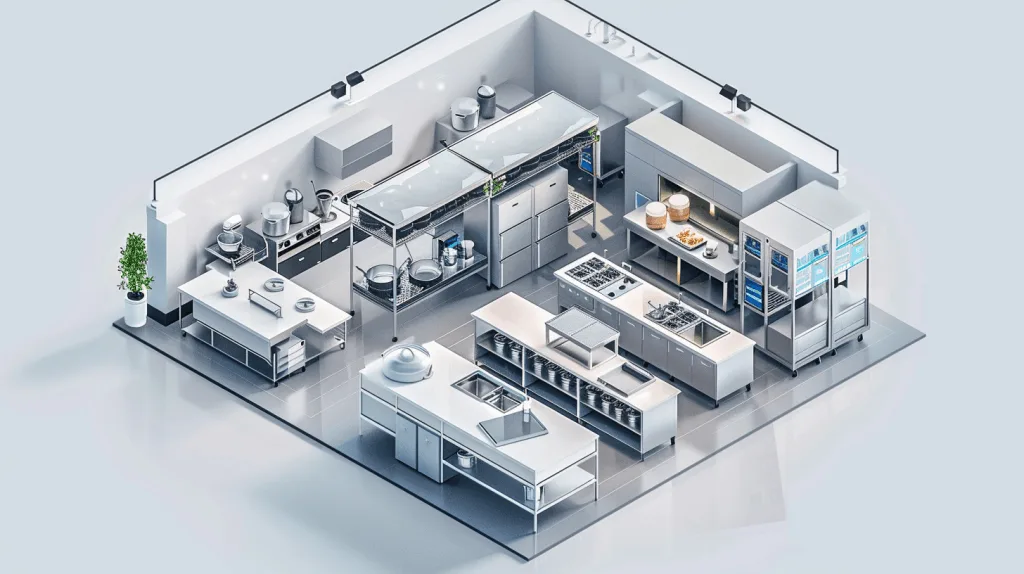
Small Kitchen Appliance Placement Tips for Efficiency: Why Your Countertop Feels Like a Tetris Game
Let me set the scene: It’s 6:47 AM, I’ve just poured my first cup of coffee (black, no sugar, don’t judge), and I’m staring at my kitchen counter like it’s a puzzle I can’t solve. My toaster is wedged between the blender and the air fryer, the coffee maker is precariously perched on a stack of cookbooks because there’s no other space, and my stand mixer, all 20 pounds of it, is taking up permanent residence next to the sink. Luna, my rescue cat, watches from her perch on the windowsill, tail flicking with what I can only assume is judgment. “You’re telling me you *actually* cook in here?” her eyes seem to say.
Sound familiar? If you’ve ever felt like your kitchen appliances are staging a coup to take over your countertops, you’re not alone. Small kitchen appliance placement isn’t just about aesthetics, though, let’s be honest, a cluttered kitchen can feel like a visual assault, it’s about efficiency, safety, and sanity. When your appliances are scattered willy-nilly, even the simplest tasks, like making toast or blending a smoothie, become a logistical nightmare. You’re not just cooking; you’re playing a game of “how many steps can I take before I trip over the cord of the slow cooker?”
But here’s the thing: I’ve spent years studying kitchen workflows, both in my own home and in professional settings, and I’ve learned that appliance placement isn’t just about space, it’s about psychology. The way you arrange your tools can subconsciously influence how you move, how you think, and even how you *feel* in your kitchen. A well-organized space doesn’t just save time; it reduces stress, minimizes mess, and makes cooking feel less like a chore and more like, well, cooking. And let’s be real, if you’re going to spend time in the kitchen, it should at least *feel* good.
In this guide, I’m going to walk you through small kitchen appliance placement tips for efficiency that go beyond the usual “put your coffee maker near an outlet” advice. We’ll dive into the science of workflow, the art of ergonomics, and the practicality of storage-all while keeping it real. Because let’s face it, no one has a perfectly Instagrammable kitchen (unless they’re a professional organizer with a team of assistants, and even then, I’d bet money their junk drawer is a disaster). The goal here isn’t perfection; it’s functionality. So, grab a measuring tape, clear off a corner of your counter, and let’s get started.
The Psychology of Your Kitchen: Why Appliance Placement Matters More Than You Think
The Kitchen Triangle (And Why It’s Not Just for Big Kitchens)
You’ve probably heard of the kitchen work triangle-that classic design principle that says your sink, stove, and refrigerator should form a triangle to maximize efficiency. It’s a great concept, but here’s the thing: it was developed in the 1940s, when kitchens were smaller, appliances were bulkier, and most people didn’t own a single gadget that required its own counter space. Today, the average home cook has at least five small appliances vying for real estate, and that triangle? It’s more like a kitchen polygon.
But the principle still holds. The idea is to minimize steps and maximize flow, and that applies to small appliances just as much as it does to your big three. Think about it: if you’re making a smoothie, you don’t want to trek across the kitchen to grab the blender, then backtrack to the fridge for ingredients, then over to the sink to wash the blades. That’s not just inefficient; it’s *exhausting*. The key is to group appliances by task. For example, if you’re a coffee drinker, keep your coffee maker, grinder, and mugs in the same zone. If you bake often, store your stand mixer, measuring cups, and mixing bowls together. It’s not rocket science, but it’s amazing how often we overlook the obvious.
Now, I know what you’re thinking: “But my kitchen is tiny! There’s no way I can create zones.” And you’re probably right, if you’re working with a galley kitchen or a studio apartment, you’re not going to have the luxury of dedicated coffee and baking stations. But that doesn’t mean you can’t apply the same principles on a smaller scale. Even in a compact kitchen, you can prioritize proximity. For instance, if you use your toaster every morning, don’t hide it in a cabinet three feet away from the fridge. Keep it within arm’s reach of where you store your bread. It’s these little tweaks that add up to big time savings.
Here’s where I get a little philosophical: your kitchen should work for you, not the other way around. Too often, we force ourselves to adapt to our spaces instead of making our spaces adapt to us. If you’re constantly moving appliances around to make room for meal prep, that’s a sign your setup isn’t working. And trust me, I’ve been there. I once kept my air fryer in a cabinet above the fridge because “it looked neat,” but every time I wanted to use it, I had to haul it down, find a spot for it on the counter, and then put it away afterward. It was such a hassle that I stopped using it altogether. Lesson learned: if an appliance is a pain to access, you won’t use it. And what’s the point of owning a gadget if it’s just going to collect dust?
The “Out of Sight, Out of Mind” Trap
Speaking of dust, let’s talk about storage. There’s this idea that if you can’t see your appliances, they’re not cluttering up your space. But here’s the catch: if you can’t see them, you’re less likely to use them. I fell into this trap hard when I first moved to Nashville. My kitchen was small, so I stuffed everything into cabinets and drawers, thinking I was being efficient. But then I realized I was spending more time digging through clutter to find what I needed than actually cooking. It was like playing a game of “where’s Waldo?” every time I wanted to make a smoothie.
The solution? Visible storage. Now, I’m not saying you should leave every appliance out on the counter, unless you’re going for that “professional chef’s kitchen” aesthetic, in which case, more power to you. But for the rest of us, the key is to strike a balance. Keep the appliances you use daily (or at least weekly) within easy reach, and store the rest. For example, my coffee maker and toaster live on the counter because I use them every day. My blender and food processor are on a shelf in the pantry because I use them a few times a week. And my waffle maker? That’s in the cabinet above the fridge because, let’s be honest, I only pull it out for special occasions (like when I’m trying to impress a date or bribe my cat with homemade treats).
But here’s where it gets tricky: not all storage is created equal. If you’re going to store appliances in cabinets, make sure they’re easy to access. That means no stacking heavy items on top of each other, no shoving things into the back of deep shelves, and definitely no storing your stand mixer on the top shelf where you need a step stool to reach it. Trust me, I’ve made that mistake, and it ended with me nearly toppling over while trying to wrestle a 20-pound mixer out of a cabinet. Not my finest moment.
And let’s not forget about cords. Nothing ruins a clean countertop faster than a tangle of cords snaking across the surface. If you’re storing appliances in cabinets, make sure there’s enough space to coil the cords neatly. Better yet, invest in a cord organizer or a power strip with a long enough cord to keep things tidy. It’s a small detail, but it makes a big difference in how your kitchen *feels*. A space with visible cords feels chaotic; a space without them feels calm. And when you’re trying to cook, calm is exactly what you need.
Appliance Placement by Category: Where Should Your Gadgets Live?
1. The Daily Grinders: Coffee Makers, Toasters, and Electric Kettles
Let’s start with the appliances you use every single day. These are the non-negotiables-the ones that should have permanent residency on your countertop. For most people, that includes a coffee maker, toaster, and maybe an electric kettle. These are the appliances that get you through your morning routine, and if they’re not easily accessible, your whole day can feel off-kilter.
So, where should they go? Ideally, near an outlet and close to where you store their accessories. For example, if you keep your coffee mugs in a cabinet above the sink, your coffee maker should be nearby. If your bread is stored in a bread box on the counter, your toaster should be within arm’s reach. The goal is to minimize steps so you’re not zigzagging across the kitchen every time you want a slice of toast.
But here’s where it gets complicated: outlets aren’t always where you need them. If your kitchen was designed in the 1980s (or earlier), chances are the outlets are few and far between, and they’re probably not in the most convenient locations. If that’s the case, you have a few options. First, consider using a power strip to extend the reach of your outlets. Just make sure it’s a surge-protected one to keep your appliances safe. Second, think about rearranging your appliances to work with the outlets you have. For example, if your only outlet is on the opposite side of the kitchen from where you store your coffee mugs, maybe it’s time to move your mugs closer to the coffee maker. It’s a small change, but it can make a big difference in your morning routine.
And what about electric kettles? If you’re a tea drinker, this is a must-have appliance. But where should it live? Ideally, near your tea supplies, whether that’s a cabinet full of tea bags or a drawer with your favorite loose-leaf blends. If you’re tight on space, consider storing it on a pull-out shelf or a wall-mounted rack. Just make sure it’s easy to access and refill. The last thing you want is to be fumbling with a heavy kettle while you’re half-asleep and desperate for caffeine.
2. The Occasional Players: Blenders, Food Processors, and Stand Mixers
These are the appliances you use a few times a week (or month), but they’re not quite daily essentials. They’re also the ones that tend to take up the most space, which makes them the biggest culprits when it comes to countertop clutter. So, how do you store them without sacrificing accessibility?
First, let’s talk about blenders. If you use yours daily, for smoothies, soups, or sauces, it should live on the counter. But if you only pull it out once or twice a week, consider storing it in a cabinet with a pull-out shelf. That way, it’s easy to access when you need it, but it’s not taking up valuable real estate when you don’t. Just make sure the shelf is sturdy enough to hold the weight of the blender. The last thing you want is to pull out the shelf and have your blender come crashing down like a scene from a slapstick comedy.
Food processors are a little trickier because they’re bulkier and often come with multiple attachments. If you use yours frequently, keep it on the counter near your prep area. If not, store it in a lower cabinet where it’s easy to access but out of the way. And here’s a pro tip: store the attachments inside the food processor itself. Most models have a compartment for this, and it’s a great way to save space. Just make sure the lid is secure so nothing falls out when you’re moving it around.
Now, stand mixers. These are the heavyweights of the kitchen appliance world, both literally and figuratively. If you bake often, your stand mixer should live on the counter. But if you only use it occasionally, you’ll need to get creative with storage. One option is to keep it on a rolling cart that you can move out of the way when it’s not in use. Another is to store it in a lower cabinet with a pull-out shelf. Just make sure the shelf is reinforced, these things are heavy, and you don’t want to risk damaging your cabinets (or your back).
And here’s a question I get a lot: should you store appliances with their cords attached? The answer is yes, if you’re storing them in a way that keeps the cords tidy. If the cord is just going to get tangled in the cabinet, it’s better to unplug it and coil it neatly. But if you’re storing the appliance on a shelf where the cord can hang freely, leave it attached. It’s one less step when you’re ready to use it.
3. The Special Occasion Stars: Waffle Makers, Air Fryers, and Slow Cookers
These are the appliances you love but don’t use often enough to justify permanent countertop space. They’re the ”sometimes” gadgets-the ones that come out for Sunday brunch, holiday dinners, or those rare nights when you’re feeling ambitious. So, where should they live?
First, let’s talk about air fryers. These have exploded in popularity over the past few years, and for good reason, they’re versatile, efficient, and they make everything taste a little bit better. But they’re also bulky, and if you’re not using yours daily, it can feel like a waste of space to keep it on the counter. So, what’s the solution? Store it in a cabinet with a pull-out shelf or on a rolling cart that you can move out of the way when it’s not in use. If you’re really tight on space, consider storing it in a pantry or closet-just make sure it’s easy to access when you need it.
Waffle makers are another one of those appliances that’s great to have but not always in use. If you’re a waffle enthusiast, keep yours on the counter near your toaster. If not, store it in a cabinet with a pull-out shelf or on a high shelf where it’s out of the way but still accessible. And here’s a tip: store your waffle maker vertically to save space. Most models are designed to be stored this way, and it’s a great way to free up room in your cabinets.
Slow cookers are a little different because they’re not just for special occasions, they’re also great for weeknight meals. But they’re also bulky, and if you’re not using yours daily, it can feel like a waste of space to keep it on the counter. So, where should it live? Ideally, in a lower cabinet near your prep area. That way, it’s easy to access when you’re ready to use it, but it’s not taking up valuable real estate when you’re not. If you’re really tight on space, consider storing it in a pantry or closet-just make sure it’s easy to grab when you need it.
And here’s a question I’ve been wrestling with: should you store appliances with their lids attached? The answer is it depends. If the lid is secure and won’t fall off, leave it attached. But if it’s loose or gets in the way, take it off and store it separately. The last thing you want is to pull out your slow cooker and have the lid come crashing down because it wasn’t secured properly.
The Art of the Appliance Garage: A Love Letter to Hidden Storage
What Is an Appliance Garage (And Do You Need One?)
If you’ve ever watched a home renovation show, you’ve probably seen those sleek, hidden storage compartments called appliance garages. They’re essentially cabinets with roll-up or flip-up doors that allow you to store small appliances out of sight but still within easy reach. They’re the kitchen equivalent of a magic trick, poof! Your countertops are clear, but your appliances are still accessible.
But here’s the thing: appliance garages aren’t for everyone. If you have a small kitchen, they might not be practical. And if you’re someone who likes to keep their appliances visible (because, let’s face it, some of them are pretty), they might not be your style. But if you’re struggling with countertop clutter and you’re looking for a way to keep your appliances accessible without sacrificing aesthetics, an appliance garage might be the solution.
So, how do you know if an appliance garage is right for you? Ask yourself these questions:
- Do you use your small appliances daily but hate the way they look on your countertops?
- Do you have enough cabinet space to dedicate to an appliance garage?
- Are you willing to invest in custom cabinetry or a DIY solution to create one?
- Do you like the idea of a clean, uncluttered countertop but don’t want to sacrifice accessibility?
If you answered yes to most of these, an appliance garage might be worth considering. But if you’re tight on space or you prefer to keep your appliances visible, it might not be the best fit. And that’s okay! There are plenty of other ways to store your appliances without hiding them away.
DIY Appliance Garage Ideas (Because Not Everyone Can Afford Custom Cabinetry)
Let’s be real: custom cabinetry is expensive. If you’re renting or you’re on a budget, a full-blown appliance garage might not be in the cards. But that doesn’t mean you can’t create a DIY version that works for your space. Here are a few ideas to get you started:
- Use a rolling cart: A rolling cart with a curtain or a fold-down front can act as a makeshift appliance garage. Store your appliances on the shelves, and when you’re not using them, simply roll the cart out of the way or close the curtain to hide them from view.
- Repurpose a bookshelf: If you have a bookshelf or a freestanding cabinet, you can turn it into an appliance garage by adding a curtain or a folding screen. Just make sure it’s sturdy enough to hold the weight of your appliances.
- Install a pull-out shelf: If you have a lower cabinet with enough depth, you can install a pull-out shelf to store your appliances. This is a great option if you want to keep your appliances hidden but still accessible.
- Use a pegboard: A pegboard isn’t just for tools, it can also be a great way to store small appliances. Mount it on the wall, and use hooks and shelves to keep your appliances within reach. It’s not exactly an appliance garage, but it’s a great way to free up counter space.
And here’s a tip: if you’re going the DIY route, make sure your appliances are easy to access. The whole point of an appliance garage is to keep your countertops clear while still making it easy to use your gadgets. If you have to move five things out of the way every time you want to make toast, you’re defeating the purpose.
The Pros and Cons of Appliance Garages
Like anything in life, appliance garages have their pros and cons. Let’s break them down:
Pros:
- Clean countertops: The biggest advantage of an appliance garage is that it keeps your countertops clear, which can make your kitchen feel larger and more organized.
- Easy access: Because your appliances are stored in a dedicated space, they’re easy to access when you need them. No more digging through cabinets or moving things around to find what you’re looking for.
- Protection from dust and grease: Storing your appliances in a cabinet protects them from dust, grease, and other kitchen grime. This can help them last longer and stay looking newer.
- Customizable: Appliance garages can be customized to fit your space and your needs. Whether you want a simple roll-up door or a full-blown cabinet with shelves and drawers, the possibilities are endless.
Cons:
- Space requirements: Appliance garages take up cabinet space, which can be a problem if you’re already tight on storage. If you’re considering an appliance garage, make sure you have enough room to spare.
- Cost: Custom cabinetry is expensive, and even DIY solutions can add up. If you’re on a budget, an appliance garage might not be the best option.
- Accessibility: While appliance garages are designed to make your appliances more accessible, they can also make them harder to reach if they’re not designed properly. Make sure your appliance garage is easy to open and close, and that your appliances are easy to access.
- Aesthetics: Some people love the look of appliance garages, while others find them bulky and unattractive. If you’re someone who prefers a more open, airy kitchen, an appliance garage might not be the best fit.
So, is an appliance garage right for you? It depends on your space, your budget, and your personal preferences. If you’re someone who values clean countertops and easy access to your appliances, it might be worth considering. But if you’re tight on space or you prefer to keep your appliances visible, it might not be the best fit. And that’s okay! There are plenty of other ways to store your appliances without hiding them away.
Ergonomics 101: How to Place Appliances So They Don’t Hurt Your Back (or Your Sanity)
The Goldilocks Zone: Finding the Perfect Height for Your Appliances
Let’s talk about ergonomics. It’s a fancy word, but it basically means designing your space to fit your body. And when it comes to small kitchen appliances, ergonomics is everything. If your appliances are too high, you’ll strain your shoulders. If they’re too low, you’ll hurt your back. And if they’re just right? Well, that’s the Goldilocks zone-the sweet spot where your appliances are easy to access without causing you pain.
So, what’s the perfect height for your appliances? It depends on what you’re using them for. For example, if you’re using a blender or food processor, you’ll want it at counter height so you can easily add ingredients and monitor the blending process. If you’re using a stand mixer, you’ll want it at a height where you can comfortably add ingredients and scrape the bowl without hunching over. And if you’re using a coffee maker or toaster, you’ll want it at a height where you can easily access the controls and remove your food or drink without burning yourself.
But here’s the thing: not all counters are created equal. If your counters are too high or too low for your body, you’ll need to get creative. One option is to use a riser to bring your appliances to the right height. For example, if your counters are too low, you can place a sturdy cutting board or a small platform under your stand mixer to bring it up to a more comfortable height. If your counters are too high, you can use a step stool to reach your appliances without straining your shoulders.
And what about appliances with controls on the front? These can be tricky because you don’t want to have to bend over or reach up to use them. If possible, place these appliances at waist height so you can easily access the controls without straining. If that’s not an option, consider using a pull-out shelf or a rolling cart to bring the appliance to a more comfortable height.
The One-Handed Rule: Designing for Accessibility
Here’s a rule I live by: if you can’t use an appliance with one hand, it’s not in the right place. Now, I know what you’re thinking: “But Sammy, some appliances *require* two hands!” And you’re right, there are some gadgets that need both hands to operate safely. But for the most part, your appliances should be easy to access and use with one hand. Why? Because when you’re cooking, your other hand is often occupied. Maybe you’re holding a spoon, or a pot, or a phone (because let’s be real, we’ve all scrolled through recipes while cooking). If you have to put everything down just to use your toaster, you’re doing it wrong.
So, how do you design for one-handed use? Start by placing your appliances where you can reach them easily. For example, if you’re right-handed, place your coffee maker on the right side of the sink so you can fill the water reservoir with your left hand while holding a mug in your right. If you’re left-handed, do the opposite. The goal is to minimize the number of times you have to switch hands while you’re cooking.
Another tip: store your appliances near their accessories. For example, if you use your blender to make smoothies, keep your blender near your smoothie ingredients. If you use your food processor to chop vegetables, keep it near your cutting board. The less you have to move around, the easier it is to use your appliances with one hand.
And here’s a question I’ve been pondering: should you store your appliances near the sink? On one hand, it makes sense, you’re often using water with your appliances, so having them near the sink can save you time and effort. But on the other hand, the sink is often the busiest part of the kitchen, and storing appliances there can make it feel cluttered. So, what’s the solution? If you have a double sink, consider storing your appliances near the smaller basin. That way, you can still access water when you need it, but you’re not taking up valuable space in the main sink area.
The Cord Conundrum: How to Keep Your Kitchen Safe and Tidy
Let’s talk about cords. They’re the bane of every kitchen’s existence. They tangle, they trip you up, and they make your space look messy. But they’re also a necessary evil, unless you’re willing to invest in a bunch of battery-powered appliances (and let’s be real, those are few and far between). So, how do you keep your cords under control?
First, coil them neatly. This might seem obvious, but you’d be surprised how many people just let their cords dangle. A loose cord is a tripping hazard, and it’s also more likely to get tangled or damaged. Instead, coil your cords neatly and secure them with a twist tie or a Velcro strap. This will keep them tidy and prevent them from getting in the way.
Second, use cord organizers. These are small clips or hooks that you can attach to the underside of your cabinets to keep your cords out of sight. They’re inexpensive, easy to install, and they make a big difference in how your kitchen looks and feels. Just make sure you don’t overload them, too many cords in one organizer can create a fire hazard.
Third, consider using a power strip. If you have a lot of appliances in one area, a power strip can help you consolidate your cords and reduce clutter. Just make sure it’s a surge-protected one to keep your appliances safe. And here’s a tip: mount your power strip under the cabinet to keep it out of sight. It’s a small change, but it can make a big difference in how your kitchen looks.
And what about appliances with short cords? These can be tricky because they limit where you can place your appliances. If you’re dealing with a short cord, consider using a cord extender to give yourself more flexibility. Just make sure it’s rated for the wattage of your appliance, you don’t want to risk overheating or starting a fire.
Finally, keep your cords away from heat sources. This might seem like a no-brainer, but it’s easy to overlook. If your toaster is sitting next to the stove, the cord could melt or get damaged. The same goes for appliances near the sink, water and electricity don’t mix, so keep your cords as far away from water as possible.
When to Break the Rules: Creative Solutions for Unconventional Kitchens
The Tiny Kitchen Dilemma: Making the Most of Limited Space
Let’s talk about tiny kitchens. If you’re working with a galley kitchen, a studio apartment, or a kitchen that’s basically a closet, you know the struggle. There’s no room for error, and every inch of space counts. So, how do you place your appliances when you’re working with limited real estate?
First, prioritize your appliances. Not all gadgets are created equal, and if you’re tight on space, you’ll need to decide which ones are worth keeping on the counter. For example, if you use your coffee maker every day, it should have a permanent spot. If you only use your waffle maker once a month, it can live in a cabinet. The goal is to keep the essentials accessible and store the rest.
Second, think vertically. When you’re short on counter space, the walls become your best friend. Consider installing floating shelves or a pegboard to store your appliances. You can also use wall-mounted racks or hooks to keep your gadgets within reach. Just make sure they’re sturdy enough to hold the weight of your appliances, you don’t want your blender crashing down mid-smoothie.
Third, use multi-functional appliances. If you’re tight on space, consider investing in gadgets that do more than one thing. For example, a multi-cooker can replace your slow cooker, rice cooker, and pressure cooker. A blender with a food processor attachment can save you from having to store two separate appliances. The fewer gadgets you have, the easier it is to find a place for them.
And here’s a question I’ve been wrestling with: should you store appliances on top of the fridge? On one hand, it’s a great way to free up counter space. On the other hand, it’s not the most accessible spot, and it can make your kitchen feel cluttered. So, what’s the solution? If you’re going to store appliances on top of the fridge, make sure they’re lightweight and easy to move. And if possible, use a step stool to make them easier to access. But if you’re dealing with heavy appliances, like a stand mixer, it’s better to find another spot.
The Open Concept Kitchen: Balancing Aesthetics and Function
Open concept kitchens are all the rage these days, and for good reason, they make your space feel larger, brighter, and more connected to the rest of your home. But they also come with their own set of challenges, especially when it comes to appliance placement. In an open concept kitchen, your appliances aren’t just functional, they’re also part of the decor. So, how do you balance aesthetics and function?
First, choose appliances that match your style. If you have a modern kitchen, opt for sleek, stainless steel appliances. If your kitchen is more rustic, consider appliances with a vintage or farmhouse look. The goal is to create a cohesive look that blends seamlessly with the rest of your space.
Second, hide your cords. In an open concept kitchen, cords can be a major eyesore. Use cord organizers or power strips to keep them out of sight. You can also paint your cords to match your walls or cabinets, it’s a small detail, but it can make a big difference in how your kitchen looks.
Third, use built-in appliances. If you’re renovating your kitchen, consider installing built-in appliances like a coffee maker or a microwave. These are designed to blend seamlessly with your cabinets, and they can help you maximize counter space. Just make sure they’re easy to access, you don’t want to have to open a cabinet every time you want to make toast.
And here’s a tip: if you’re tight on space, consider using a kitchen island for appliance storage. A rolling island can double as a prep station and a storage solution, and it’s a great way to keep your appliances accessible without cluttering up your countertops. Just make sure it’s sturdy enough to hold the weight of your gadgets, you don’t want it tipping over mid-meal.
The Rental Kitchen: Making Do Without Permanent Changes
If you’re renting, you know the struggle: you can’t make permanent changes to your kitchen, but you still want it to be functional. So, how do you place your appliances when you’re working with what you’ve got?
First, use freestanding storage solutions. A rolling cart, a bookshelf, or even a portable kitchen island can give you extra storage space without requiring permanent changes. Just make sure it’s sturdy enough to hold your appliances, you don’t want it collapsing under the weight of your stand mixer.
Second, get creative with your storage. Use over-the-door organizers to store small appliances, or install tension rods under your cabinets to hang mugs or utensils. You can also use command hooks to hang lightweight appliances like hand mixers or immersion blenders. The goal is to maximize your space without damaging your walls or cabinets.
Third, invest in multi-functional appliances. If you’re tight on space, consider gadgets that do more than one thing. For example, a multi-cooker can replace your slow cooker, rice cooker, and pressure cooker. A blender with a food processor attachment can save you from having to store two separate appliances. The fewer gadgets you have, the easier it is to find a place for them.
And here’s a question I’ve been pondering: should you store appliances in the living room? On one hand, it’s a great way to free up kitchen space. On the other hand, it can make your living room feel cluttered. So, what’s the solution? If you’re going to store appliances in the living room, make sure they’re aesthetically pleasing and easy to move. For example, a sleek coffee maker or a stylish toaster can double as decor. But if you’re dealing with bulky or unattractive appliances, it’s better to find another spot.
Beyond the Countertop: Alternative Storage Solutions for Small Appliances
The Pantry Hack: Storing Appliances Where You Store Your Food
Let’s talk about pantries. If you’re lucky enough to have one, it can be a game-changer when it comes to appliance storage. But not all pantries are created equal, some are deep and dark, while others are shallow and bright. So, how do you make the most of your pantry space?
First, use shelves. If your pantry has adjustable shelves, you can customize them to fit your appliances. For example, if you have a tall blender, you can raise the shelf above it to create more space. If you have a short toaster, you can lower the shelf below it to maximize vertical space. The goal is to create a pantry that works for your appliances, not the other way around.
Second, use bins and baskets. These are great for storing small appliances like hand mixers or immersion blenders. They keep your appliances organized and make it easy to pull them out when you need them. Just make sure the bins are sturdy enough to hold the weight of your gadgets, you don’t want them collapsing under the weight of your stand mixer.
Third, use the door. If your pantry has a door, you can use it to store small appliances like coffee makers or toasters. Install over-the-door organizers or hooks to keep your gadgets within reach. Just make sure they’re not too heavy, you don’t want to damage your door or your hinges.
And here’s a tip: if your pantry is deep, use pull-out shelves. These are great for storing bulky appliances like slow cookers or air fryers. They make it easy to access your gadgets without having to dig through the back of the pantry. Just make sure the shelves are sturdy enough to hold the weight of your appliances, you don’t want them collapsing under the weight of your stand mixer.
The Closet Solution: When Your Kitchen Just Can’t Handle It
If you’re really tight on space, you might need to think outside the kitchen. One option is to store your appliances in a closet. This might seem unconventional, but it can be a great way to free up kitchen space. Just make sure the closet is easy to access and climate-controlled-you don’t want your appliances getting too hot or too cold.
So, how do you make a closet work for appliance storage? First, use shelves. If your closet has adjustable shelves, you can customize them to fit your appliances. For example, if you have a tall blender, you can raise the shelf above it to create more space. If you have a short toaster, you can lower the shelf below it to maximize vertical space.
Second, use bins and baskets. These are great for storing small appliances like hand mixers or immersion blenders. They keep your appliances organized and make it easy to pull them out when you need them. Just make sure the bins are sturdy enough to hold the weight of your gadgets, you don’t want them collapsing under the weight of your stand mixer.
Third, use the door. If your closet has a door, you can use it to store small appliances like coffee makers or toasters. Install over-the-door organizers or hooks to keep your gadgets within reach. Just make sure they’re not too heavy, you don’t want to damage your door or your hinges.
And here’s a question I’ve been wrestling with: should you store appliances in the garage? On one hand, it’s a great way to free up space. On the other hand, garages can get hot, cold, or humid, which can damage your appliances. So, what’s the solution? If you’re going to store appliances in the garage, make sure it’s climate-controlled and easy to access. And if possible, use airtight containers to protect your gadgets from dust and moisture.
The Under-Cabinet Revolution: Freeing Up Counter Space with Hidden Storage
If you’re looking for a way to free up counter space without sacrificing accessibility, under-cabinet storage might be the solution. This is a great option for small appliances like coffee makers, toasters, or even blenders. The idea is to mount your appliances under your cabinets so they’re out of sight but still within reach.
So, how do you make under-cabinet storage work? First, choose the right appliances. Not all gadgets are suitable for under-cabinet storage, you’ll need to choose ones that are lightweight and easy to mount. For example, a coffee maker or a toaster is a great candidate, but a stand mixer is probably not.
Second, use the right hardware. You’ll need sturdy brackets or mounting strips to secure your appliances to the underside of your cabinets. Make sure they’re rated for the weight of your gadgets, you don’t want them falling down mid-use.
Third, consider the cord. If your appliance has a cord, you’ll need to make sure it’s long enough to reach an outlet. If it’s not, you can use a cord extender to give yourself more flexibility. Just make sure it’s rated for the wattage of your appliance, you don’t want to risk overheating or starting a fire.
And here’s a tip: if you’re tight on space, consider using a pull-down shelf. These are great for storing appliances like coffee makers or toasters. They make it easy to access your gadgets without taking up valuable counter space. Just make sure the shelf is sturdy enough to hold the weight of your appliances, you don’t want it collapsing under the weight of your stand mixer.
When to Call in the Pros: How Kitchen Design Services Can Help
Why DIY Isn’t Always the Answer
Let’s be real: not everyone is a natural-born organizer. If you’ve tried every trick in the book and your kitchen still feels like a disaster zone, it might be time to call in the pros. And that’s where companies like Chef’s Deal come in. They offer free kitchen design services that can help you maximize your space and optimize your workflow.
But why would you need a professional? After all, can’t you just rearrange your appliances yourself? Well, yes and no. While it’s certainly possible to DIY your kitchen layout, a professional can offer insights and solutions that you might not have considered. For example, they can help you identify workflow bottlenecks, suggest storage solutions you’ve never thought of, and even recommend appliances that fit your space and your needs.
And here’s the thing: kitchen design isn’t just about aesthetics. It’s about functionality, safety, and efficiency. A professional can help you create a space that works for *you*, not against you. They can also help you avoid common mistakes, like placing your toaster too far from an outlet or storing your blender in a cabinet that’s too deep to access easily.
So, when should you consider hiring a professional? Here are a few signs that it might be time to call in the experts:
- You’ve tried every storage solution under the sun, but your kitchen still feels cluttered.
- You’re constantly moving appliances around to make room for meal prep.
- You’re frustrated with your kitchen layout and don’t know where to start.
- You’re planning a renovation and want to make sure your new kitchen is as efficient as possible.
If any of these sound familiar, it might be time to schedule a consultation. And the best part? Many companies, like Chef’s Deal, offer free design services as part of their equipment solutions. That means you can get expert advice without breaking the bank.
What to Expect from a Kitchen Design Consultation
So, what happens during a kitchen design consultation? It depends on the company, but most will start by asking you a series of questions about your space, your habits, and your needs. For example, they might ask:
- What appliances do you use most often?
- How do you typically move through your kitchen when you’re cooking?
- Are there any pain points in your current layout?
- Do you entertain often, or is your kitchen mostly for everyday use?
Once they have a sense of your needs, they’ll create a custom layout that maximizes your space and optimizes your workflow. This might include suggesting new storage solutions, recommending specific appliances, or even redesigning your entire kitchen. The goal is to create a space that works for *you*, not against you.
And here’s a tip: be honest about your habits. If you’re someone who leaves the coffee maker on all day, tell them. If you’re a baker who uses the stand mixer every weekend, mention it. The more they know about how you use your kitchen, the better they can design a space that fits your needs.
But what if you’re not ready for a full-blown renovation? That’s okay! Many companies, like Chef’s Deal, offer modular solutions that can be implemented in stages. For example, they might suggest adding pull-out shelves to your existing cabinets or installing a pegboard for extra storage. The goal is to make small changes that add up to big improvements.
How to Choose the Right Kitchen Design Service
Not all kitchen design services are created equal. So, how do you choose the right one for your needs? Here are a few things to look for:
- Experience: Look for a company with a proven track record in kitchen design. Check out their portfolio and read reviews from past clients.
- Customization: Your kitchen should reflect *your* needs, not a one-size-fits-all solution. Look for a company that offers custom layouts and personalized recommendations.
- Comprehensive Solutions: The best kitchen design services offer more than just advice, they also provide equipment recommendations, installation services, and ongoing support. For example, Chef’s Deal offers professional installation services to ensure your new appliances are set up correctly and safely.
- Financing Options: Kitchen renovations can be expensive, so look for a company that offers competitive pricing and financing options. This can help you spread out the cost of your project and make it more manageable.
- Expert Consultation: The best kitchen design services offer expert consultation to help you make informed decisions. Look for a company that takes the time to understand your needs and offers personalized recommendations.
And here’s a question I’ve been wrestling with: should you go with a local company or a national one? On one hand, a local company might have a better understanding of your space and your needs. On the other hand, a national company might have more resources and a wider selection of products. So, what’s the solution? If you’re looking for personalized service, a local company might be the way to go. But if you’re looking for competitive pricing and a wide selection of products, a national company like Chef’s Deal might be a better fit.
Putting It All Together: A Step-by-Step Guide to Appliance Placement
Step 1: Take Inventory of Your Appliances
Before you start rearranging your kitchen, you need to take inventory of your appliances. This means making a list of every gadget you own, how often you use it, and where it’s currently stored. Here’s how to do it:
- Grab a notebook and a pen. You’re going to need them to keep track of your inventory.
- Go through your kitchen. Open every cabinet, drawer, and closet, and make a note of every appliance you find. Don’t forget to check the pantry, the garage, and any other storage spaces.
- Categorize your appliances. Divide them into three categories: daily essentials, occasional players, and special occasion stars. This will help you prioritize which appliances need to be accessible and which can be stored away.
- Note how often you use each appliance. Be honest with yourself, if you haven’t used your waffle maker in six months, it probably doesn’t need to live on the counter.
- Take measurements. Measure the dimensions of your appliances and the spaces where you’re considering storing them. This will help you avoid the frustration of trying to fit a square peg into a round hole.
And here’s a tip: don’t forget about cords. Measure the length of each cord and make a note of where the outlets are in your kitchen. This will help you plan your layout and avoid the frustration of realizing your coffee maker’s cord isn’t long enough to reach the outlet.
Step 2: Map Out Your Kitchen Workflow
Now that you have a list of your appliances, it’s time to map out your kitchen workflow. This means identifying the zones in your kitchen and figuring out where your appliances fit into them. Here’s how to do it:
- Identify your zones. Most kitchens have three main zones: the prep zone (where you chop, mix, and measure), the cooking zone (where you cook and bake), and the cleanup zone (where you wash dishes and clean up). Some kitchens also have a serving zone (where you plate and serve food) or a storage zone (where you store pantry items and appliances).
- Assign appliances to zones. For example, your blender and food processor belong in the prep zone, while your toaster and coffee maker belong in the serving zone. Your slow cooker and air fryer might belong in the cooking zone, depending on how you use them.
- Consider your workflow. Think about how you move through your kitchen when you’re cooking. Do you start at the fridge, then move to the prep zone, then to the stove? Or do you have a different routine? The goal is to minimize steps and maximize efficiency.
- Sketch it out. Grab a piece of paper and sketch a rough layout of your kitchen. Mark where your appliances are currently stored and where you think they should go. Don’t worry about making it perfect, this is just a rough draft.
And here’s a question I’ve been pondering: should you store appliances near the sink? On one hand, it makes sense, you’re often using water with your appliances, so having them near the sink can save you time and effort. But on the other hand, the sink is often the busiest part of the kitchen, and storing appliances there can make it feel cluttered. So, what’s the solution? If you have a double sink, consider storing your appliances near the smaller basin. That way, you can still access water when you need it, but you’re not taking up valuable space in the main sink area.
Step 3: Declutter and Donate
Before you start rearranging your appliances, it’s time to declutter. This means getting rid of any gadgets you no longer use or need. Here’s how to do it:
- Be ruthless. If you haven’t used an appliance in six months, it’s time to let it go. The only exceptions are seasonal appliances, like a waffle maker or a fondue set, which you might only use a few times a year.
- Ask yourself these questions:
- Do I use this appliance regularly?
- Does it serve a unique purpose, or can I use another appliance instead?
- Is it in good working condition?
- Do I have space to store it?
- Donate or sell. If an appliance is still in good condition, consider donating it to a local charity or selling it online. This is a great way to free up space and help someone else who might need it.
- Recycle or dispose of. If an appliance is broken or no longer usable, recycle it or dispose of it responsibly. Many cities have e-waste recycling programs that can help you get rid of old appliances safely.
And here’s a tip: don’t forget about duplicates. If you have two toasters or three blenders, it’s time to let go of the extras. The goal is to keep only what you need and use.
Step 4: Plan Your Storage Solutions
Now that you’ve decluttered, it’s time to plan your storage solutions. This means figuring out where each appliance will live and how you’ll access it. Here’s how to do it:
- Prioritize accessibility. The appliances you use most often should be the easiest to access. For example, your coffee maker and toaster should live on the counter, while your waffle maker can live in a cabinet.
- Use vertical space. If you’re tight on counter space, consider using floating shelves, pegboards, or wall-mounted racks to store your appliances. This is a great way to free up counter space without sacrificing accessibility.
- Invest in storage solutions. If you’re struggling to find a place for your appliances, consider investing in pull-out shelves, rolling carts, or appliance garages. These can help you maximize your space and keep your kitchen organized.
- Consider the weight. Some appliances, like stand mixers, are heavy and require sturdy storage solutions. Make sure your shelves, carts, and cabinets are reinforced to hold the weight of your gadgets.
And here’s a question I’ve been wrestling with: should you store appliances with their accessories? On one hand, it makes sense, you’ll have everything you need in one place. On the other hand, it can make your storage space feel cluttered. So, what’s the solution? If you have the space, store your appliances with their accessories. If not, consider storing the accessories separately. For example, you could keep your blender on the counter and store the blades in a drawer.
Step 5: Test Your Layout
Before you commit to your new layout, it’s time to test it out. This means moving your appliances into their new homes and seeing how they feel. Here’s how to do it:
- Move your appliances. Start by moving your appliances into their new homes. Don’t worry about making it perfect, this is just a test run.
- Cook a meal. Use your kitchen as you normally would and see how the new layout feels. Are your appliances easy to access? Do you have enough counter space? Are there any bottlenecks or pain points?
- Make adjustments. If something isn’t working, don’t be afraid to make changes. The goal is to create a layout that works for you, not against you.
- Get feedback. If you live with others, ask them how the new layout feels. They might notice things you didn’t, like a tripping hazard or a difficult-to-reach appliance.
And here’s a tip: give it time. It can take a few days (or even a few weeks) to get used to a new layout. Don’t be too quick to judge, give yourself time to adjust before making any major changes.
The Bottom Line: Small Changes, Big Impact
At the end of the day, small kitchen appliance placement isn’t about perfection, it’s about efficiency. It’s about creating a space that works for *you*, not against you. It’s about minimizing steps, maximizing flow, and making cooking feel less like a chore and more like, well, cooking. And let’s be real, if you’re going to spend time in the kitchen, it should at least *feel* good.
So, where do you go from here? Start by taking inventory of your appliances and mapping out your workflow. Declutter what you don’t need, and plan your storage solutions. Test your layout, make adjustments, and don’t be afraid to call in the pros if you need help. And remember: your kitchen should work for you, not the other way around.
As for me? I’m still tweaking my own kitchen layout. Luna’s perch on the windowsill is now directly above my newly organized appliance garage, and I like to think she’s finally impressed. Or maybe she’s just biding her time until I leave the toaster unattended. Either way, I’ll take it as a win.
FAQ: Small Kitchen Appliance Placement Tips for Efficiency
Q: What’s the best way to store small kitchen appliances to save counter space?
A: The best way to save counter space is to prioritize accessibility and storage solutions. Start by identifying which appliances you use daily, these should have permanent spots on the counter. For the rest, consider pull-out shelves, appliance garages, or wall-mounted storage to keep them accessible but out of the way. Companies like Chef’s Deal offer free kitchen design services that can help you maximize your space and find the best storage solutions for your needs.
Q: How do I decide which appliances should stay on the counter and which should be stored away?
A: The key is to categorize your appliances by frequency of use. Daily essentials, like coffee makers and toasters, should live on the counter. Occasional players, like blenders and food processors, can be stored in cabinets or on pull-out shelves. Special occasion stars, like waffle makers and air fryers, can be stored in pantries or closets. The goal is to keep the essentials accessible and store the rest.
Q: Are there any safety tips I should keep in mind when placing small kitchen appliances?
A: Absolutely! Safety is just as important as efficiency when it comes to appliance placement. Here are a few tips to keep in mind:
- Keep cords away from heat sources: Don’t place appliances near the stove or oven, as the heat can damage the cords or create a fire hazard.
- Avoid overloading outlets: Use surge-protected power strips to consolidate cords, but don’t overload them. Too many appliances on one outlet can create a fire hazard.
- Store heavy appliances on lower shelves: Appliances like stand mixers are heavy and can be dangerous if stored on high shelves. Keep them at waist height or lower to avoid straining your back or risking a fall.
- Keep appliances away from water: Water and electricity don’t mix, so avoid placing appliances near the sink or other water sources. If you must store an appliance near the sink, use a waterproof mat to protect it from splashes.
Q: What are some creative storage solutions for small kitchens with limited space?
A: If you’re working with a small kitchen, creativity is key. Here are a few storage solutions to consider:
- Vertical storage: Use floating shelves, pegboards, or wall-mounted racks to store appliances and free up counter space.
- Rolling carts: A rolling cart can double as a prep station and a storage solution. Use it to store appliances and move them out of the way when they’re not in use.
- Under-cabinet storage: Mount appliances like coffee makers or toasters under your cabinets to free up counter space. Just make sure they’re lightweight and easy to access.
- Appliance garages: These are cabinets with roll-up or flip-up doors that allow you to store appliances out of sight but still within reach. They’re a great way to keep your countertops clear without sacrificing accessibility.
- Multi-functional appliances: If you’re tight on space, consider investing in gadgets that do more than one thing. For example, a multi-cooker can replace your slow cooker, rice cooker, and pressure cooker.
And don’t forget: companies like Chef’s Deal offer professional installation services and expert consultation to help you find the best storage solutions for your space. Whether you’re looking for custom cabinetry or modular storage solutions, they can help you create a kitchen that works for *you*.
@article{small-kitchen-appliance-placement-tips-for-efficiency-a-chefs-guide-to-a-smoother-workflow,
    title   = {Small Kitchen Appliance Placement Tips for Efficiency: A Chef’s Guide to a Smoother Workflow},
    author  = {Chef's icon},
    year    = {2026},
    journal = {Chef's Icon},
    url     = {https://chefsicon.com/small-kitchen-appliance-placement-tips-for-efficiency/}
}