The Best Fluffy Pancakes recipe you will fall in love with. Full of tips and tricks to help you make the best pancakes.
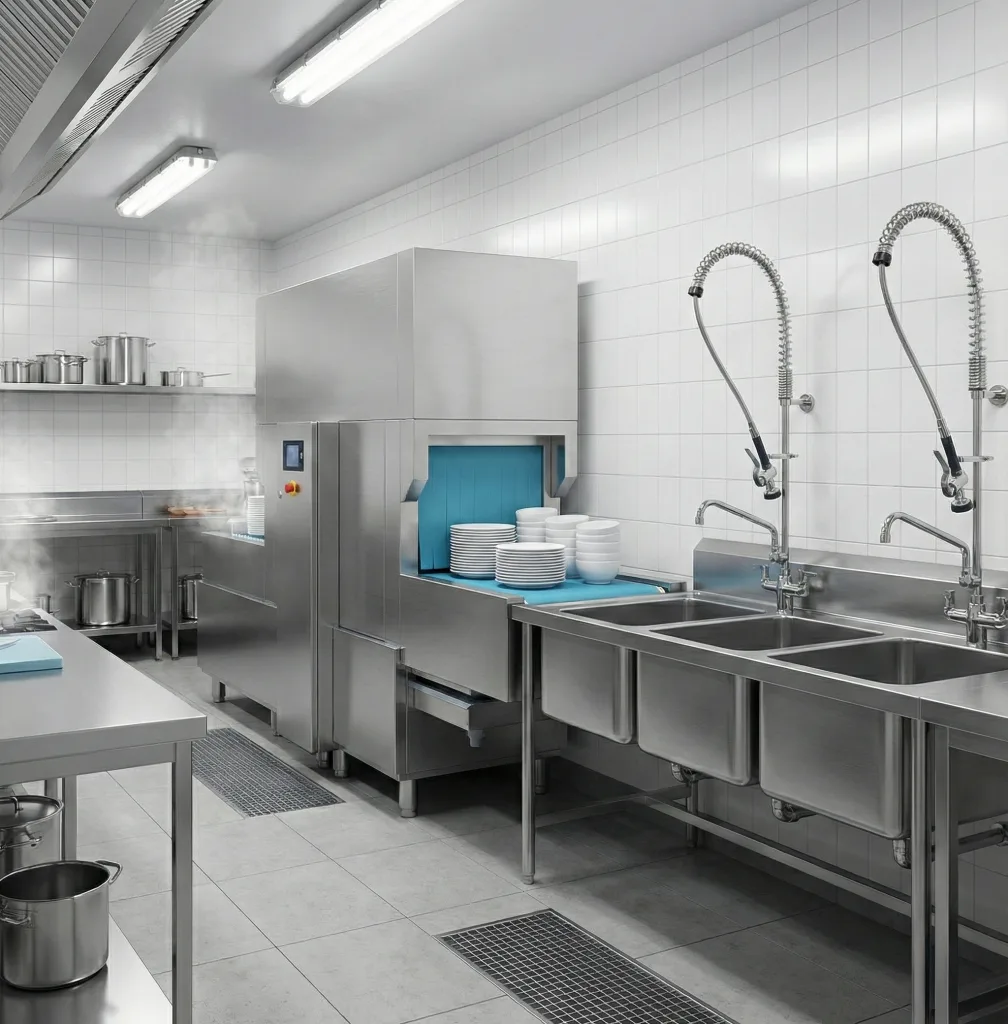
Let me set the scene: It’s 4:30 AM in a bustling Nashville diner, and I’m standing in the walk-in fridge, staring at a 50-pound block of frozen ground beef that needs to be ready for the breakfast rush. The kitchen manager is already yelling about the delayed produce delivery, the line cooks are prepping mise en place, and here I am, sweating over this frozen monolith like it’s my personal Everest. Sound familiar?
I’ve been in this industry long enough to know that safe thawing techniques aren’t just another box to tick on the health inspector’s checklist. They’re the difference between a smooth service and a food safety nightmare. And in high-volume food service? They’re absolutely critical. But here’s the thing, I’ve seen even experienced chefs cut corners when the pressure’s on. Maybe it’s the “we’ve always done it this way” mentality, or maybe it’s just fatigue. Whatever the reason, I’m here to tell you: thawing safely isn’t just about following rules. It’s about respecting the food, your team, and your customers.
In this deep dive, we’re going to explore the commercial kitchen safe thawing techniques that keep high-volume operations running smoothly, and safely. We’ll cover the science behind why some methods work (and others don’t), the real-world challenges of thawing at scale, and the practical steps you can take to make this process as seamless as possible. By the end, you’ll have a toolkit of strategies that balance efficiency, safety, and, let’s be honest, sanity. Because in a high-volume kitchen, time is money, but food safety? That’s priceless.
Why Thawing Safely Isn’t Just Another Health Code Checkbox
Let’s start with a hard truth: thawing is where food safety battles are often won or lost. I know, I know, it’s not as glamorous as searing a perfect steak or plating a Michelin-worthy dish. But here’s the thing: if you mess up the thaw, everything that comes after is compromised. And in a high-volume setting, where margins are tight and reputations are on the line, that’s a risk you can’t afford.
I remember my first week in a high-volume kitchen. The chef handed me a frozen slab of salmon and said, “Thaw it. Now.” No instructions, no guidance, just the expectation that I’d figure it out. So, like any eager newbie, I left it on the counter. Big mistake. By the time the chef noticed, the outer layer was already in the “danger zone” (that’s 40°F to 140°F, for those keeping score at home). He didn’t yell. He didn’t have to. The look of disappointment on his face said it all. That moment stuck with me. It wasn’t just about the salmon, it was about understanding that food safety isn’t a suggestion; it’s a culture.
So why does thawing get such short shrift in so many kitchens? I think it’s because we’ve been conditioned to see it as a passive process. You put the food somewhere, wait a while, and boom, it’s ready. But in reality, thawing is an active, dynamic process that requires just as much attention as cooking. The USDA’s Food Safety and Inspection Service (FSIS) lays out clear guidelines for safe thawing, but let’s be real: guidelines don’t account for the chaos of a Saturday night dinner rush. That’s where experience, and a little creativity, comes into play.
Here’s the kicker: improper thawing doesn’t just risk foodborne illness; it can ruin texture, flavor, and even the integrity of your ingredients. Ever tried to cook a steak that’s been thawed in hot water? It’s mealy, waterlogged, and about as appetizing as a sponge. And in a high-volume kitchen, where consistency is king, that’s a recipe for disaster. So, let’s reframe thawing. It’s not a chore, it’s the first step in your culinary process. Treat it with the same care you’d give to seasoning or plating, and you’ll see the difference in your food.
The Science Behind the Thaw: What’s Really Happening to Your Food?
Alright, let’s geek out for a second. When food freezes, the water inside it forms ice crystals. These crystals expand, which is why frozen food can sometimes look a little worse for wear when it thaws, think of those sad, mushy strawberries you forgot in the back of the freezer. The goal of thawing is to minimize cell damage while ensuring the food stays out of the danger zone long enough for bacteria to multiply. Sounds simple, right? Not so fast.
Here’s the thing: bacteria don’t take a break just because your food is frozen. They’re dormant, sure, but they’re still there, waiting for the right conditions to wake up and throw a party. And the danger zone? That’s their VIP lounge. The longer your food sits in that temperature range, the more time bacteria have to multiply. That’s why rapid thawing methods (like cold water baths or microwave thawing) are so effective, they get the food out of the danger zone as quickly as possible. But, and this is a big but, they also require more attention to detail. You can’t just toss a frozen turkey into a sink of cold water and walk away. That’s a one-way ticket to Food Safety Violation City.
Now, let’s talk about texture. Ever noticed how some thawed foods taste… off? That’s often because the ice crystals have damaged the cell structure. Slow thawing (like in the fridge) allows the ice to melt gradually, giving the cells time to reabsorb the water. That’s why a steak thawed in the fridge overnight will have a better texture than one nuked in the microwave. But in a high-volume kitchen, time isn’t always on your side. So, how do you balance speed and safety? That’s the million-dollar question, and we’ll get into the answers later.
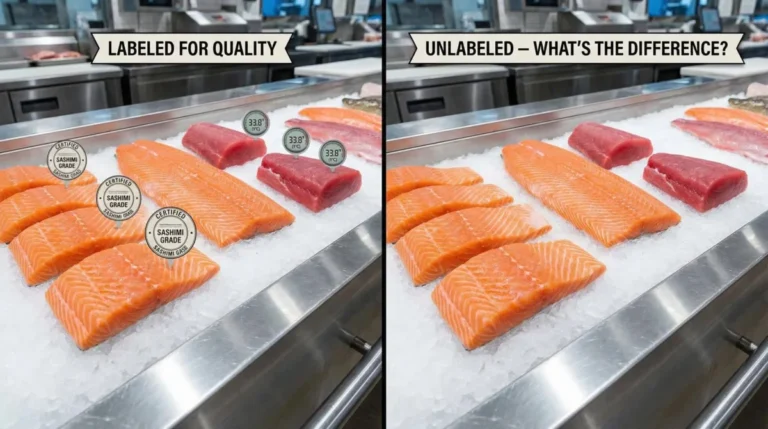
One more thing: not all foods thaw the same way. A block of ground beef behaves differently than a whole turkey, which behaves differently than a delicate fillet of fish. And don’t even get me started on frozen vegetables, they’re a whole other beast. The key is to understand the properties of what you’re thawing and adjust your method accordingly. For example, fish is more delicate than beef, so it benefits from slower thawing methods to preserve its texture. Ground beef, on the other hand, can handle a little more aggression (within reason, of course).
The Big Three: Safe Thawing Methods for High-Volume Kitchens
Okay, let’s get practical. There are three primary methods for thawing food safely in a commercial kitchen: refrigerator thawing, cold water baths, and microwave thawing. Each has its pros and cons, and each is suited to different scenarios. The trick is knowing when to use which, and how to execute them properly. So, let’s break them down.
1. Refrigerator Thawing: The Gold Standard (But Not Always the Most Practical)
If you ask any food safety expert, they’ll tell you that refrigerator thawing is the safest method. And they’re not wrong. Thawing in the fridge keeps food at a consistent, safe temperature (below 40°F) while allowing the ice to melt gradually. This minimizes cell damage and reduces the risk of bacterial growth. But, and this is a big but, it’s also the slowest method. We’re talking 24 hours for every 5 pounds of food. In a high-volume kitchen, where time is of the essence, that’s not always feasible.
That said, there are ways to make refrigerator thawing work for you. First, plan ahead. I know, easier said than done, right? But if you’re running a high-volume operation, you’re already forecasting your needs. Use that data to schedule your thawing. For example, if you know you’ll need 50 pounds of ground beef for Saturday’s brunch, pull it from the freezer on Thursday night. Second, organize your fridge. Dedicate a section of your walk-in to thawing, and make sure it’s at the right temperature. I’ve seen too many kitchens where the “thawing shelf” is right next to the door, where the temperature fluctuates every time someone opens it. That’s a recipe for uneven thawing, and potential food safety issues.
Another pro tip: use perforated pans or racks. This allows air to circulate around the food, speeding up the thawing process slightly. And if you’re really in a pinch, you can cut large blocks of food into smaller pieces before thawing. Smaller pieces thaw faster, but be careful, this also increases the surface area exposed to potential contamination, so you’ll need to handle them with extra care.
Is refrigerator thawing the best method for every situation? No. But is it the safest? Absolutely. If you can make it work with your schedule, it’s the way to go. And if you can’t? Well, that’s where the other methods come in.
2. Cold Water Baths: The High-Volume Kitchen’s Best Friend (If Done Right)
Let’s talk about cold water baths, the unsung hero of high-volume thawing. This method is faster than refrigerator thawing, we’re talking 30 minutes per pound, give or take, but it requires more attention. The idea is simple: submerge the food in cold water, change the water every 30 minutes to keep it cold, and let the magic happen. But here’s where things get tricky.
First, the water must stay cold. I’ve seen kitchens where the “cold water bath” is more like a lukewarm soup. That’s a no-go. The water should be at or below 70°F, and you should be changing it every 30 minutes to maintain that temperature. In a high-volume kitchen, that’s easier said than done. You’re already juggling a million tasks, and now you’re supposed to babysit a sink full of water? It’s a lot. But here’s the thing: if you don’t change the water, you’re basically creating a bacteria incubator. And nobody wants that.
Second, the food must be in a leak-proof package. This is non-negotiable. If the packaging is compromised, you risk cross-contamination, and that’s a one-way ticket to a health inspector’s naughty list. I’ve seen kitchens use everything from vacuum-sealed bags to zip-top bags to good old-fashioned plastic wrap. Whatever you use, make sure it’s secure. And if you’re thawing something like a whole turkey, consider using a food-safe container to keep it submerged. Turkeys have a habit of floating, and you don’t want any part of it sticking out of the water.
Third, don’t overcrowd the sink. This is a common mistake in busy kitchens. You’ve got a mountain of frozen food to thaw, so you toss it all into the sink and call it a day. But overcrowding slows down the thawing process and increases the risk of uneven thawing. Instead, thaw in batches. It’s more work, sure, but it’s also safer and more efficient in the long run.
So, is a cold water bath the best method for high-volume kitchens? It can be, but it requires discipline. If you’re willing to put in the effort, it’s a great way to thaw food quickly and safely. But if you’re already stretched thin, it might not be the best option. Which brings us to our third method…
3. Microwave Thawing: The Wild Card (Use with Caution)
Ah, the microwave. The kitchen equivalent of a Swiss Army knife, versatile, convenient, and occasionally dangerous if you don’t know what you’re doing. Microwave thawing is the fastest method, but it’s also the riskiest. Why? Because microwaves don’t heat food evenly. You’ve probably experienced this yourself: one part of your food is piping hot, while another part is still frozen solid. That uneven heating is a food safety nightmare, especially in a high-volume setting where consistency is key.
That said, microwave thawing isn’t all bad. It’s a great option for small, thin cuts of meat or individual portions that you plan to cook immediately. The key is to use the defrost setting and rotate the food frequently to ensure even thawing. And here’s a pro tip: stop the microwave halfway through and flip the food. This helps distribute the heat more evenly and reduces the risk of partially cooked spots.
But, and this is a big but-you must cook the food immediately after thawing it in the microwave. Why? Because microwaves can start cooking the food while they’re thawing it. That means some parts of the food might enter the danger zone (40°F to 140°F) and stay there long enough for bacteria to multiply. If you’re not planning to cook the food right away, microwave thawing isn’t the method for you.
Another thing to keep in mind: microwaves can affect the texture of your food. Ever noticed how microwaved chicken can sometimes turn rubbery? That’s because the microwave’s rapid heating can toughen the proteins. This isn’t a dealbreaker for all foods, but it’s something to consider if you’re thawing something delicate, like fish or seafood.
So, is microwave thawing a viable option for high-volume kitchens? It can be, but it’s not without its risks. If you’re going to use this method, do it carefully and only for foods you plan to cook immediately. And if you’re thawing something large or thick, consider another method. The microwave is a tool, not a magic wand.
Thawing at Scale: The Unique Challenges of High-Volume Food Service
Let’s be real: thawing in a high-volume kitchen isn’t the same as thawing at home. At home, you’re dealing with a few pounds of chicken or a single steak. In a commercial kitchen, you’re dealing with 50-pound blocks of ground beef, 20-pound turkeys, and pallets of frozen vegetables. The scale is different, the stakes are higher, and the margin for error is razor-thin. So, how do you adapt?
First, you need a system. I’ve seen too many kitchens where thawing is an afterthought, something the prep cook does when they have a spare minute. That’s a recipe for disaster. In a high-volume setting, thawing should be as planned and organized as your cooking schedule. That means forecasting your needs, assigning thawing tasks to specific team members, and tracking progress. It’s not glamorous, but it’s necessary.
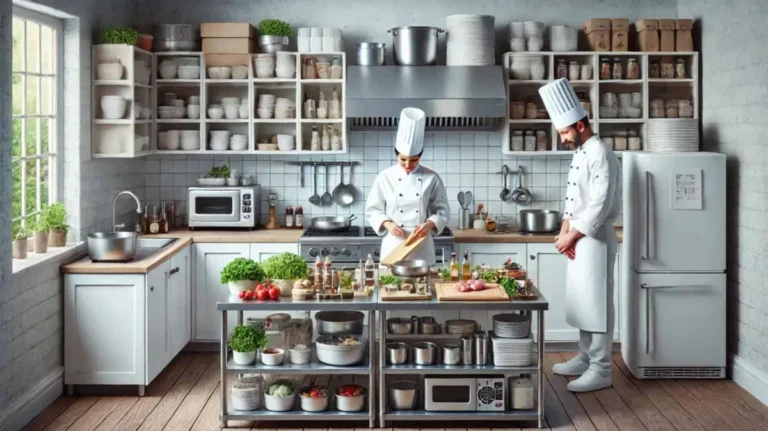
Second, you need the right equipment. A standard home fridge isn’t going to cut it when you’re thawing 100 pounds of food. You need commercial-grade refrigeration with precise temperature control. And if you’re using cold water baths, you need large, deep sinks (or even dedicated thawing tanks) to accommodate your volume. I’ve worked in kitchens where the prep sink was barely big enough to thaw a single turkey, let alone the 10 we needed for a banquet. Don’t let your equipment be the bottleneck.
Third, you need to train your team. This is where a lot of kitchens drop the ball. They assume that because someone has worked in a kitchen before, they know how to thaw food safely. But thawing at scale is a skill, and it’s one that needs to be taught. I’ve seen experienced chefs make rookie mistakes when it comes to thawing, like leaving food out on the counter or overcrowding the sink. Don’t assume; train. Hold regular refresher courses, post guidelines in the kitchen, and make food safety a part of your culture.
And finally, you need to monitor and document. In a high-volume kitchen, it’s easy to lose track of what’s thawing, where it’s thawing, and how long it’s been there. That’s why thawing logs are so important. They’re not just a health code requirement, they’re a tool to help you stay organized and accountable. Assign someone to check the logs regularly, and make sure they’re updated in real time. It’s a small step, but it can make a big difference.
Thawing Large Cuts: The Whole Turkey Dilemma
Let’s talk about whole turkeys, the bane of many a high-volume kitchen’s existence. Thawing a whole turkey is a beast of a task. We’re talking 24 hours in the fridge for every 4-5 pounds. For a 20-pound turkey, that’s 4-5 days. And if you’re serving 100 people, you’re looking at a small mountain of turkeys that need to be thawed simultaneously. It’s enough to make even the most seasoned chef break out in a cold sweat.
So, what’s the solution? First, plan ahead. I know, I sound like a broken record, but it’s true. If you’re serving turkey for Thanksgiving or Christmas, you should be pulling those birds from the freezer at least a week in advance. Second, use the right equipment. You’re going to need a lot of fridge space, so make sure you’ve got it. And if you’re using cold water baths, consider investing in dedicated thawing tanks. These are essentially large, temperature-controlled containers designed specifically for thawing large cuts of meat. They’re not cheap, but they’re a game-changer for high-volume operations.
Third, consider breaking down the turkeys before thawing. This is a controversial take, I know. Some chefs swear by thawing turkeys whole, arguing that it preserves moisture and flavor. But in a high-volume setting, breaking them down into smaller pieces (like legs, breasts, and thighs) can speed up the thawing process and make them easier to handle. It’s not the traditional way, but it’s a practical solution for a high-pressure environment.
And finally, cook from frozen if you’re really in a pinch. I know, I know, this goes against everything I’ve said so far. But hear me out. The USDA actually approves cooking certain foods from frozen, as long as you follow specific guidelines. For example, you can cook a frozen turkey in the oven, but you’ll need to add about 50% more cooking time. It’s not ideal, but it’s an option if you’re in a bind. Just make sure you’re following the rules to the letter, and don’t try this with anything delicate, like fish or seafood.
Beyond the Basics: Advanced Thawing Techniques for High-Volume Kitchens
Alright, let’s get into the weeds. If you’ve mastered the big three thawing methods, it’s time to level up. These advanced techniques aren’t for every kitchen, but if you’re running a high-volume operation, they might just be the secret weapon you’ve been looking for.
1. Sous Vide Thawing: The Precision Method
If you’re not familiar with sous vide, it’s a cooking method that involves vacuum-sealing food and cooking it in a water bath at a precise temperature. But did you know you can also use it for thawing? It’s not as common, but it’s incredibly effective, especially for delicate foods like fish or seafood.
The idea is simple: vacuum-seal the food, submerge it in a water bath set to a safe temperature (below 40°F), and let it thaw gradually. The vacuum seal prevents water from entering the package, and the precise temperature control ensures the food stays out of the danger zone. It’s like refrigerator thawing, but faster and more controlled.
So, why isn’t this method more popular? Two reasons: cost and time. Sous vide setups aren’t cheap, and they require a bit of a learning curve. Plus, while it’s faster than refrigerator thawing, it’s not as fast as a cold water bath. But if you’re already using sous vide in your kitchen, it’s worth experimenting with this method. It’s especially useful for high-end ingredients where texture and flavor are paramount.
2. Blast Chilling: The Reverse Thaw
Here’s a wild idea: what if you could thaw food by freezing it even more? Sounds counterintuitive, right? But that’s essentially what blast chilling does. The idea is to use a blast chiller (a piece of equipment that rapidly cools food) to lower the temperature of the food’s outer layer while the inner layer thaws. This creates a temperature gradient that speeds up the thawing process without compromising safety.
It’s a bit like the cold water bath method, but in reverse. Instead of using warm water to thaw the outside, you’re using cold air to freeze the outside while the inside thaws. It’s a delicate balance, and it requires precise temperature control, but it can be a game-changer for high-volume kitchens. The downside? Blast chillers are expensive, and they’re not a standard piece of equipment in most kitchens. But if you’ve got one, it’s worth experimenting with this method.
3. Combination Thawing: The Best of Both Worlds
Why choose one method when you can use two? Combination thawing involves using multiple methods in sequence to speed up the process while maintaining safety. For example, you might start with a cold water bath to thaw the outer layer, then transfer the food to the fridge to finish thawing. Or you might use the microwave for a quick thaw, then switch to a cold water bath to even out the temperature.
The key here is flexibility. Combination thawing allows you to adapt to the demands of your kitchen while minimizing the risks. It’s not a one-size-fits-all solution, but it’s a great way to customize your thawing process based on your needs. Just remember: the food must stay out of the danger zone at all times. If you’re switching methods, make sure you’re monitoring the temperature closely.
The Hidden Costs of Improper Thawing (And How to Avoid Them)
Let’s talk about the hidden costs of improper thawing. I’m not just talking about foodborne illness (though that’s a big one). I’m talking about the financial, operational, and reputational costs that can sneak up on you when you’re not paying attention.
First, there’s food waste. Improper thawing can ruin the texture and flavor of your ingredients, making them unusable. And in a high-volume kitchen, where every dollar counts, that’s a problem. I’ve seen kitchens throw out entire batches of food because they were thawed incorrectly. It’s a waste of money, a waste of resources, and a waste of the effort that went into sourcing and storing that food.
Second, there’s operational inefficiency. When food isn’t thawed properly, it doesn’t cook evenly. That means longer cooking times, inconsistent results, and frustrated customers. And in a high-volume setting, where speed and consistency are everything, that’s a recipe for disaster. I’ve worked in kitchens where the dinner rush turned into a nightmare because the steaks weren’t thawed properly. The line cooks were scrambling, the tickets were piling up, and the customers were getting impatient. It’s not a situation you want to find yourself in.
Third, there’s reputational damage. Foodborne illness outbreaks can destroy a restaurant’s reputation overnight. And in the age of social media, news travels fast. One bad review, one viral tweet, and suddenly you’re fighting an uphill battle to regain your customers’ trust. I’ve seen restaurants close their doors because of food safety issues, and it’s not pretty. The cost of prevention is always lower than the cost of recovery.
And finally, there’s legal liability. If someone gets sick because of improperly thawed food, you could be facing lawsuits, fines, and even criminal charges. The FDA’s Food Code is clear: food service establishments are responsible for ensuring the safety of their food. And if you’re not following the rules, you’re putting yourself, and your business, at risk.
So, how do you avoid these hidden costs? It starts with education and training. Make sure your team knows the rules and understands the risks. Invest in the right equipment, and use it properly. Monitor your thawing process, and document everything. And most importantly, make food safety a priority. It’s not just about avoiding fines or passing inspections, it’s about protecting your customers, your team, and your business.
The Role of Technology in Safe Thawing
Let’s talk about technology. In 2026, we’ve got more tools at our disposal than ever before, and that includes tools for safe thawing. From temperature monitoring systems to smart refrigeration, technology is making it easier to thaw food safely and efficiently. But with so many options out there, how do you choose the right one for your kitchen?
First, there are temperature monitoring systems. These are devices that track the temperature of your food in real time, alerting you if it enters the danger zone. Some systems even integrate with your kitchen’s HACCP (Hazard Analysis and Critical Control Points) plan, making it easier to document and track your food safety practices. I’ve worked with kitchens that use these systems, and they’re a game-changer. They take the guesswork out of thawing and give you peace of mind knowing that your food is safe.
Second, there are smart refrigeration units. These are fridges and freezers that can be controlled remotely, allowing you to monitor and adjust the temperature from your phone or tablet. Some even have automated thawing cycles, which can be a lifesaver in a high-volume kitchen. Imagine being able to start thawing a batch of steaks from your phone while you’re on your way to work. It’s not science fiction, it’s reality.
And third, there are thawing accelerators. These are devices designed specifically to speed up the thawing process while maintaining safety. Some use ultrasonic waves to break up ice crystals, while others use controlled air flow to thaw food evenly. They’re not cheap, but if you’re running a high-volume operation, they might be worth the investment.
So, should you invest in technology for your kitchen? It depends. If you’re running a small operation, you might not need all the bells and whistles. But if you’re in a high-volume setting, where time and safety are critical, it’s worth considering. The key is to do your research and choose the tools that fit your needs and budget. And remember: technology is a tool, not a replacement for good old-fashioned food safety practices.
Putting It All Together: A Step-by-Step Guide to Safe Thawing in High-Volume Kitchens
Alright, let’s bring it all home. You’ve got the science, the methods, and the advanced techniques. Now, let’s put it all together into a step-by-step guide that you can use in your kitchen. This isn’t just a checklist, it’s a system designed to keep your food safe, your team efficient, and your customers happy.
Step 1: Plan Ahead
I know, I know, this is the step everyone skips. But it’s the most important. Thawing starts with planning. Before you even pull the food from the freezer, ask yourself: How much do I need? When do I need it? What’s the best method for this particular food? Write it down, assign it to a team member, and make sure everyone’s on the same page. In a high-volume kitchen, there’s no room for last-minute guesswork.
Step 2: Choose Your Method
Now that you’ve planned, it’s time to choose your thawing method. Here’s a quick cheat sheet:
- Refrigerator thawing: Best for large cuts, whole birds, or when you’ve got time to spare. Slow but safe.
- Cold water bath: Best for medium-sized cuts or when you’re in a hurry. Requires attention but is faster than the fridge.
- Microwave thawing: Best for small cuts or individual portions that you plan to cook immediately. Fast but risky.
- Combination methods: Best for when you need flexibility. Use multiple methods in sequence to balance speed and safety.
Remember: the method you choose depends on the food, the time you have, and the resources available. Don’t force a method that doesn’t fit your needs.
Step 3: Prepare Your Equipment
Once you’ve chosen your method, it’s time to prepare your equipment. This means:
- For refrigerator thawing: Make sure your fridge is at the right temperature (below 40°F) and that you’ve got enough space.
- For cold water baths: Fill your sink or tank with cold water (below 70°F) and make sure you’ve got a way to change the water regularly.
- For microwave thawing: Make sure your microwave is clean and that you’re using the defrost setting.
This step might seem obvious, but it’s where a lot of kitchens drop the ball. Don’t assume your equipment is ready, check it.
Step 4: Thaw Safely
Now, the main event: thawing the food. Here’s how to do it right:
- Refrigerator thawing: Place the food on a perforated pan or rack to allow air circulation. Cover it to prevent cross-contamination, and leave it until fully thawed.
- Cold water bath: Submerge the food in its leak-proof packaging. Change the water every 30 minutes, and don’t let the food sit out of the water.
- Microwave thawing: Use the defrost setting and rotate the food frequently. Cook it immediately after thawing.
And remember: monitor the temperature. Use a food thermometer to check that the food is thawing evenly and staying out of the danger zone.
Step 5: Document Everything
This is the step that separates the pros from the amateurs. Document your thawing process. That means:
- Recording the start and end times.
- Noting the method used.
- Tracking the temperature.
- Signing off on the process.
This isn’t just about covering your butt, it’s about creating a culture of accountability. When everyone knows that thawing is being documented, they’re more likely to take it seriously. And if something goes wrong, you’ll have a record to help you figure out what happened.
Step 6: Cook Immediately (If Necessary)
If you’ve used the microwave or a cold water bath, you’ll need to cook the food immediately. Don’t let it sit around, even in the fridge. The longer it sits, the more time bacteria have to multiply. And if you’re not planning to cook it right away, consider another method.
Step 7: Store Properly
If you’re not cooking the food right away, store it properly. That means:
- Keeping it in the fridge (below 40°F).
- Using airtight containers to prevent cross-contamination.
- Labeling it with the date and time.
And remember: thawed food should never be refrozen. Once it’s thawed, it’s thawed. Refreezing can ruin the texture and increase the risk of bacterial growth.
Final Thoughts: Thawing as a Mindset, Not a Task
Here’s the thing about thawing: it’s not just a task, it’s a mindset. It’s about respecting the food, the process, and the people who will eventually eat what you’re preparing. In a high-volume kitchen, where the pressure is on and the stakes are high, it’s easy to see thawing as just another box to tick. But that’s a mistake. Thawing safely is the foundation of everything that comes after. It’s the difference between a dish that sings and one that falls flat.
I’ll leave you with this: the best kitchens aren’t the ones with the fanciest equipment or the most Michelin stars. They’re the ones that pay attention to the details. And thawing? That’s one of the most important details of all. So, the next time you’re staring at a frozen block of beef at 4:30 AM, remember: you’re not just thawing food. You’re setting the stage for everything that comes next. Treat it with the care it deserves, and your customers, and your bottom line, will thank you.
Now, go forth and thaw like a pro.
FAQ
Q: What’s the fastest safe way to thaw food in a high-volume kitchen?
A: The fastest safe method is a cold water bath, where you submerge the food in cold water (below 70°F) and change the water every 30 minutes. It’s faster than refrigerator thawing and safer than microwave thawing, but it does require more attention. For small cuts or individual portions, microwave thawing can be used, but the food must be cooked immediately afterward.
Q: Can I thaw food on the counter overnight if I’m in a rush?
A: Absolutely not. Thawing food on the counter is one of the most dangerous things you can do in a kitchen. The outer layers of the food will enter the danger zone (40°F to 140°F), where bacteria can multiply rapidly, while the inside remains frozen. This is a major food safety risk and can lead to foodborne illness. Always use one of the approved methods: refrigerator, cold water bath, or microwave.
Q: How do I thaw a large quantity of food, like 100 pounds of ground beef, safely?
A: Thawing large quantities of food requires planning and organization. For 100 pounds of ground beef, I’d recommend breaking it down into smaller batches (e.g., 10-pound blocks) and using a combination of methods. Start with a cold water bath to thaw the outer layers, then transfer the beef to the fridge to finish thawing. Make sure you’ve got enough fridge space and that the beef is stored in leak-proof packaging to prevent cross-contamination. And don’t forget to document the process to ensure accountability.
Q: What’s the best way to thaw delicate foods like fish or seafood?
A: Delicate foods like fish or seafood require gentle thawing methods to preserve their texture and flavor. The best option is refrigerator thawing, which allows the food to thaw slowly and evenly. If you’re in a hurry, you can use a cold water bath, but make sure the packaging is leak-proof and that you change the water regularly. Avoid microwave thawing for delicate foods, as it can cook the outer layers and ruin the texture. And if you’re really looking to up your game, consider sous vide thawing, which offers precise temperature control and excellent results.
@article{the-art-and-science-of-safe-thawing-in-high-volume-commercial-kitchens-what-every-chef-should-know,
    title   = {The Art and Science of Safe Thawing in High-Volume Commercial Kitchens: What Every Chef Should Know},
    author  = {Chef's icon},
    year    = {2026},
    journal = {Chef's Icon},
    url     = {https://chefsicon.com/commercial-kitchen-safe-thawing-techniques-high-volume-food-service/}
}