The Best Fluffy Pancakes recipe you will fall in love with. Full of tips and tricks to help you make the best pancakes.
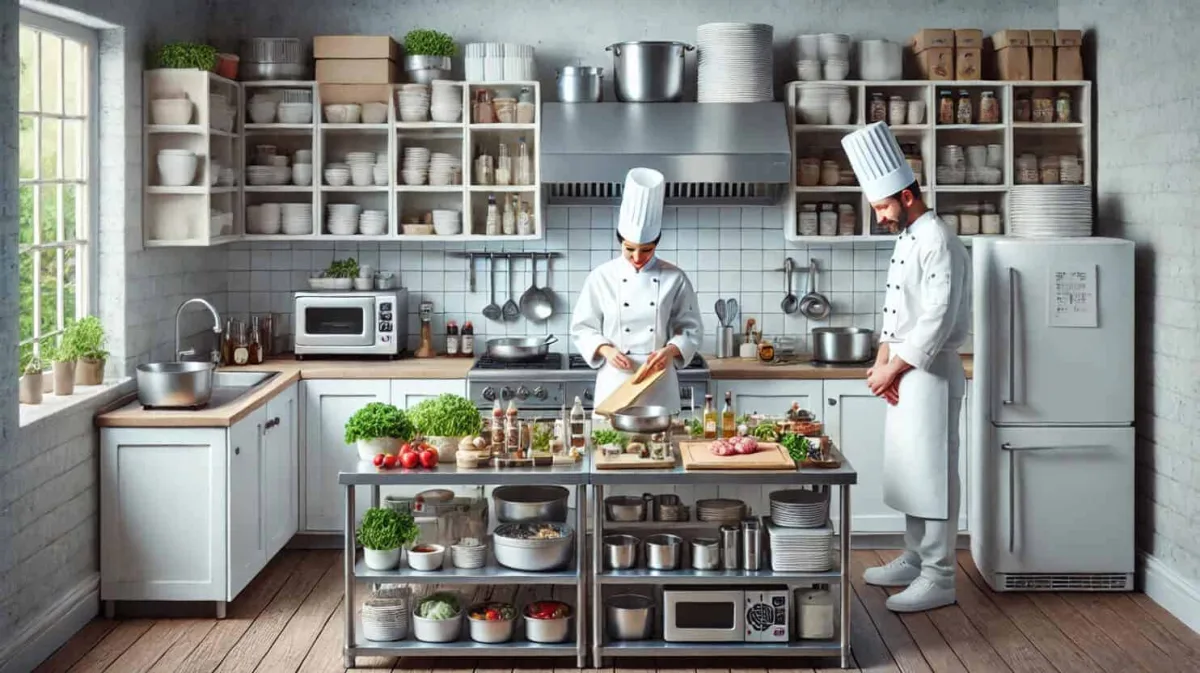
Cost-Effective Healthy Meal Prep for Commercial Kitchens: Why It’s Harder (and More Important) Than You Think
Let me start with a confession: I’ve burned more than my fair share of kale in commercial kitchens. Not because I don’t know how to cook it, though, let’s be honest, that’s happened too, but because the gap between “healthy” and “cost-effective” in a high-volume setting feels like trying to bridge the Grand Canyon with a toothpick. You’ve got nutritionists pushing for more whole grains and lean proteins, accountants breathing down your neck about food cost percentages, and line cooks who just want to know why the hell they’re chopping 50 pounds of sweet potatoes instead of opening another case of frozen fries. Sound familiar?
Here’s the thing: cost-effective healthy meal prep for commercial kitchens isn’t just about swapping butter for olive oil or sneaking lentils into the Bolognese. It’s a full-blown systems challenge. It’s about rethinking how you source, store, prep, cook, and even market food so that “healthy” doesn’t become a dirty word in the budget meeting. And no, I’m not here to sell you on some magic bullet, because if I had one, I’d be sipping mai tais on a private island instead of writing this. What I *can* offer are the lessons I’ve learned (often the hard way) from working with everyone from hospital cafeterias to corporate dining halls to that one over-caffeinated food truck owner who swore quinoa bowls would be the next big thing. (Spoiler: They were, but not at $12 a pop.)
By the end of this, you’ll have a roadmap for slashing food costs *without* turning your menu into a sad parade of iceberg lettuce and canned beans. We’ll cover everything from ingredient swaps that actually work to batch cooking strategies that don’t turn your walk-in into a science experiment, plus a few hard truths about why some kitchens succeed at this while others fail spectacularly. And yes, I’ll even tell you about the time I tried to convince a nursing home to serve tempeh bacon. (It did not go well.)
So grab a coffee, preferably the cheap kind, since we’re watching budgets, and let’s dive in. Is this the *perfect* system? Probably not. But is it realistic, tested, and (mostly) regret-free? Absolutely.
The Brutal Truth About Healthy Meal Prep in Commercial Kitchens
Why Most Kitchens Get It Wrong
Let’s start with a uncomfortable truth: Most commercial kitchens that try to go “healthy” fail. Not because they don’t care, but because they underestimate how fundamentally different healthy meal prep is from traditional high-volume cooking. It’s not just about tweaking recipes, it’s about rethinking your entire operation. And that’s where things go off the rails.
I’ve seen it a hundred times. A chef gets inspired by a farm-to-table documentary, decides to overhaul the menu, and suddenly the kitchen is drowning in heirloom carrots and grass-fed beef. Food costs skyrocket, prep time triples, and within a month, the staff is sneaking back to the Sysco catalog like it’s contraband. Why? Because they forgot the first rule of cost-effective healthy meal prep for commercial kitchens: You can’t just replace ingredients. You have to replace systems.
Here’s what most kitchens get wrong:
- Assuming healthy = expensive. Sure, organic microgreens cost more than iceberg, but have you priced out dried beans lately? Or frozen vegetables in bulk? The problem isn’t that healthy ingredients are inherently expensive, it’s that we’ve been trained to think they are.
- Ignoring labor costs. That fresh kale salad might look great on Instagram, but if it takes two line cooks an hour to wash, destem, and chop 20 pounds of it, you’re losing money faster than you can say “food cost percentage.”
- Overcomplicating recipes. I once worked with a hospital cafeteria that wanted to serve “artisanal grain bowls.” Sounds great, right? Until you realize that means 12 different components per bowl, each requiring its own prep station, storage container, and labeling system. Simplicity isn’t the enemy of healthy, it’s the foundation.
- Neglecting waste. Healthy ingredients spoil faster. Fresh herbs wilt, produce bruises, and whole grains can go rancid. If you’re not tracking waste religiously, you’re basically throwing money in the compost bin.
So how do you avoid these pitfalls? Start by accepting that healthy meal prep in a commercial kitchen is a different beast. It requires different tools, different workflows, and, most importantly, a different mindset. You’re not just cooking food; you’re managing a system where every decision has ripple effects on cost, labor, and quality. And that’s before we even get to the customers, who may or may not be thrilled about your new quinoa pilaf.
The Three Pillars of Cost-Effective Healthy Meal Prep
If you take nothing else from this article, remember this: Cost-effective healthy meal prep for commercial kitchens stands on three pillars, sourcing, efficiency, and psychology. Miss one, and the whole thing collapses like a poorly proofed soufflé. Let’s break them down.
1. Sourcing: Where the Battle Is Won (or Lost)
I’ll never forget the first time I walked into a commercial kitchen’s storeroom and saw a pallet of individually wrapped, pre-sliced apples. Each apple cost more than a whole bushel at the farmers’ market. That’s when I realized: Most kitchens hemorrhage money not because they’re buying unhealthy ingredients, but because they’re buying *expensive* ingredients in the most expensive way possible.
Here’s the hard truth: You cannot out-cook bad sourcing. No amount of culinary skill will make up for paying $3 a pound for pre-diced onions when you could be buying them whole for $0.50. The good news? Sourcing is where you can make the biggest cost savings *without* sacrificing quality. The key is to think like a grocery store buyer, not a home cook. That means:
- Buying in bulk (but not too much). Yes, a 50-pound bag of brown rice is cheaper per pound than a 5-pound bag. But if you don’t have the storage space or the volume to use it before it goes stale, you’re not saving money, you’re creating a science experiment.
- Prioritizing shelf-stable and frozen. Fresh isn’t always better. Frozen vegetables are often just as nutritious (sometimes more so, since they’re frozen at peak ripeness), and they won’t wilt in your walk-in. Same goes for canned beans, dried lentils, and grains like farro or barley.
- Building relationships with local suppliers. I know, I know-”local” and “cheap” don’t usually go together. But hear me out: Local farms and distributors often have “seconds” (imperfect produce) or bulk discounts that can slash your costs. Plus, they’re more likely to work with you on pricing if you’re a consistent customer.
- Negotiating like your job depends on it. Because it does. Call your broadline distributor and ask for a better price on olive oil. Tell them you’re considering switching to a competitor. You’d be amazed how often this works.
Is this the most glamorous part of healthy meal prep? No. But it’s the foundation. Without smart sourcing, everything else is just rearranging deck chairs on the Titanic.
2. Efficiency: Where Time = Money
Here’s a question I ask every chef I work with: How much of your labor budget is spent on tasks that don’t actually require a skilled cook? Peeling potatoes. Chopping onions. Washing lettuce. These are the silent killers of kitchen efficiency. And in healthy meal prep, where you’re often working with more whole ingredients, they can become a full-blown crisis.
Efficiency in a commercial kitchen isn’t just about speed, it’s about eliminating unnecessary steps. Every time a cook has to stop what they’re doing to wash, peel, or chop something, you’re losing money. Here’s how to fix it:
- Prep smarter, not harder. Batch prep isn’t just for proteins. Wash and chop all your onions for the week at once. Roast all your sweet potatoes in one go. The less your cooks have to do during service, the faster (and cheaper) things will run.
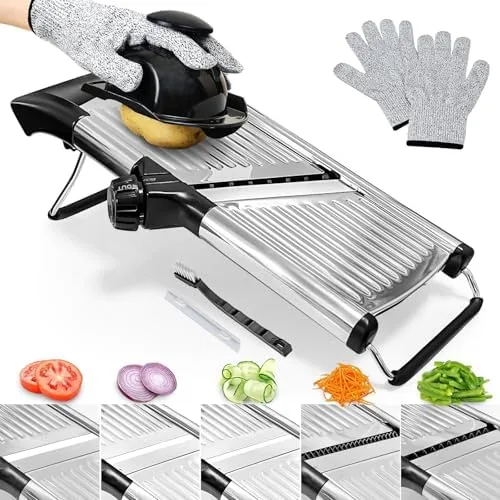
- Invest in the right tools. A good food processor can chop 20 pounds of onions in the time it takes a cook to peel one. A mandoline can slice vegetables paper-thin in seconds. These aren’t just time-savers, they’re labor-savers, and in a commercial kitchen, that’s the same thing.
- Standardize your workflows. Every cook should know exactly where to find the diced carrots, how to label them, and how long they’re good for. The less time spent searching for ingredients or figuring out systems, the more time spent cooking.
- Cross-utilize ingredients. This is where the magic happens. If you’re roasting sweet potatoes for a grain bowl, can you also use them in a soup? If you’re cooking chickpeas for hummus, can you reserve some for a salad topping? The more you can use an ingredient in multiple dishes, the less waste you’ll have, and the lower your food costs will be.
I’ll be honest: This part is tedious. It’s spreadsheets and timers and labeling systems. But it’s also where you’ll find the biggest savings. Because in a commercial kitchen, time is money, and wasted time is wasted money.
3. Psychology: Why Your Customers Might Sabotage Your Efforts
Here’s the part no one talks about: Even if you nail sourcing and efficiency, your customers might still reject your healthy meals. And that’s a problem, because a meal no one eats is the most expensive meal of all.
I learned this the hard way when I helped a corporate cafeteria roll out a new “wellness menu.” We sourced locally, prepped efficiently, and even hired a dietitian to design balanced meals. The food was great. The problem? The employees hated it. Why? Because we forgot about psychology. We served quinoa bowls next to the pizza station and wondered why no one chose them. We used whole wheat pasta in the mac and cheese and acted shocked when people complained. We even-*shudder*-tried to sneak spinach into the smoothies. (Never do this. Never.)
The lesson? Healthy meal prep isn’t just about the food, it’s about how you present it. Here’s how to get your customers on board:
- Make it familiar. If you’re introducing a new grain, call it “Mediterranean rice” instead of “farro.” If you’re serving roasted vegetables, don’t call them “harvest medley”-call them “fire-roasted veggies.” The less intimidating the name, the more likely people are to try it.
- Don’t hide the healthy stuff. I know, I know, this goes against everything you’ve heard about “stealth health.” But here’s the thing: If you hide the fact that a dish is healthy, people will assume it’s bland or boring. Instead, celebrate the healthy ingredients. Put a sign next to the grain bowl that says “Packed with protein and fiber!” Make the salad station the most colorful, inviting part of the line.
- Give people control. One of the most successful healthy meal prep strategies I’ve seen is the “build-your-own” concept. Set up a salad bar, grain bowl station, or taco bar where customers can choose their own ingredients. People are more likely to eat (and enjoy) food they’ve had a hand in creating.
- Price strategically. If your healthy options are significantly more expensive than the less healthy ones, people will default to the cheaper choice. Try to keep pricing within 10-15% of your other options. And if you can, subsidize the healthy meals-even if it means raising prices slightly on less healthy items.
Is this manipulation? Maybe. But it’s also reality. People don’t always make rational choices about food, especially in a commercial setting where they’re hungry, tired, and pressed for time. Your job isn’t just to cook healthy meals, it’s to make them irresistible.
10 Strategies for Cost-Effective Healthy Meal Prep (That Actually Work)
1. Master the Art of the Pantry Staple
If there’s one thing that separates cost-effective kitchens from the rest, it’s how they use pantry staples. These are the ingredients that are cheap, shelf-stable, and can be used in a million different dishes. Think beans, lentils, rice, oats, frozen vegetables, and canned tomatoes. The key is to build your menu around these staples, not treat them as an afterthought.
Here’s how to do it:
- Stock your pantry like a grocery store. That means having a variety of grains (rice, quinoa, farro, barley), legumes (black beans, chickpeas, lentils), and frozen vegetables (spinach, peas, corn, mixed blends). The more options you have, the more flexible your menu can be.
- Use them as extenders. Adding lentils to your Bolognese? Smart. Mixing cauliflower rice into your regular rice? Even smarter. These small tweaks can stretch expensive ingredients (like ground beef) without sacrificing flavor or nutrition.
- Turn them into stars. A simple chickpea salad can be a main dish. A pot of lentil soup can feed 50 people for pennies. Don’t relegate your pantry staples to side dishes, make them the centerpiece.
I’ll never forget the first time I saw a commercial kitchen use this strategy effectively. It was a small college cafeteria that had to feed 500 students on a shoestring budget. Their secret? A rotating menu of grain bowls, where the base (rice, quinoa, or farro) was always cheap and filling, and the toppings changed based on what was on sale or in season. One week it was black beans and roasted sweet potatoes. The next, it was chickpeas and sautéed kale. The students loved the variety, and the kitchen saved a fortune on food costs.
2. Embrace the Power of Batch Cooking (Without the Boredom)
Batch cooking is the backbone of cost-effective meal prep, but it’s also where a lot of kitchens go wrong. They cook a giant pot of chili or a mountain of rice, and by day three, everyone’s sick of it. The key is to batch cook components, not complete dishes. That way, you can mix and match throughout the week without serving the same thing over and over.
Here’s how to make batch cooking work for you:
- Cook grains in bulk. Rice, quinoa, farro, barley, these can all be cooked in large quantities and used in multiple dishes. Cook once, use all week.
- Roast vegetables in batches. Sweet potatoes, broccoli, cauliflower, Brussels sprouts, all of these can be roasted in large quantities and used in salads, grain bowls, or as side dishes. Pro tip: Roast them at a high temperature (425°F or higher) to caramelize the sugars and bring out their natural sweetness.
- Prep proteins in advance. Grill or bake chicken breasts, cook ground turkey, or simmer beans and lentils. These can be used in everything from tacos to salads to stir-fries.
- Make sauces and dressings ahead of time. A big batch of vinaigrette, pesto, or tahini sauce can transform simple ingredients into something special. And they’ll keep in the fridge for at least a week.
But here’s the thing about batch cooking: It only works if you have a plan for using everything. That means tracking what you’ve prepped, labeling it clearly, and making sure your staff knows how to use it. Otherwise, you’ll end up with a walk-in full of mystery containers and a compost bin full of wasted food.
3. The Freezer Is Your Best Friend (Seriously)
I get it. Freezers are scary. They’re where food goes to die, right? Wrong. In a commercial kitchen, a well-managed freezer is one of your most powerful tools for cost-effective healthy meal prep. It lets you buy in bulk, preserve seasonal ingredients, and reduce waste. The key is to use it strategically.
Here’s how to make the most of your freezer:
- Freeze in portions. Don’t just toss a giant block of soup or chili into the freezer. Portion it out into serving sizes so you can thaw only what you need. This also makes it easier to track inventory.
- Label everything. I can’t stress this enough. If you don’t label your frozen food with the name and date, you’ll end up with a bunch of mystery containers that no one wants to touch. Use freezer-safe labels and a permanent marker.
- Freeze herbs and aromatics. Fresh herbs are expensive and spoil quickly. Instead of letting them wilt in the fridge, chop them up and freeze them in ice cube trays with a little water or oil. You can pop them out and use them in soups, sauces, or stir-fries.
- Use your freezer for more than just leftovers. Freeze fresh ginger, garlic, and even citrus zest. Freeze tomato paste in tablespoon portions. Freeze bread for croutons or breadcrumbs. The more you can prep and freeze, the less you’ll have to do during service.
But here’s the catch: Not everything freezes well. Cream-based sauces can separate. Lettuce turns to mush. And some vegetables (like cucumbers or radishes) just don’t hold up. Do your research before you freeze, and always thaw and reheat properly to avoid food safety issues.
4. Cross-Utilize Ingredients Like a Pro
This is where the real magic happens. Cross-utilization is the art of using the same ingredient in multiple dishes, and it’s the secret weapon of cost-effective kitchens. The goal is to minimize waste and maximize flexibility. Here’s how to do it:
- Start with a base ingredient. Let’s say you’re roasting a big batch of sweet potatoes. How can you use them in multiple dishes? Maybe you use some in a grain bowl, some in a soup, and some as a side dish. The more ways you can use an ingredient, the less waste you’ll have.
- Think about different forms. Can you use an ingredient raw, cooked, pureed, or roasted? For example, you could use carrots in a salad, roast them as a side, or puree them into a soup. The more versatile the ingredient, the better.
- Plan your menu around cross-utilization. Before you finalize your menu for the week, ask yourself: Can I use this ingredient in at least three different dishes? If the answer is no, reconsider. The more you can cross-utilize, the lower your food costs will be.
Here’s an example of how this might work in a real kitchen:
- Monday: Roast a big batch of sweet potatoes. Use some in a grain bowl, some in a soup, and save the rest for later in the week.
- Tuesday: Cook a big pot of black beans. Use some in tacos, some in a salad, and some as a side dish.
- Wednesday: Grill chicken breasts. Use some in a wrap, some in a salad, and some in a stir-fry.
- Thursday: Make a big batch of vinaigrette. Use it on salads, as a marinade for proteins, and as a sauce for grain bowls.
The key is to plan ahead. If you know you’re going to use sweet potatoes in three different dishes, you can prep them all at once and save time. And if you know you’re going to use black beans in tacos and salads, you can cook them in bulk and save money.
5. Reduce Waste Like Your Budget Depends on It (Because It Does)
Food waste is the silent killer of cost-effective meal prep. It’s easy to ignore, until you realize that every pound of wasted food is money down the drain. And in a commercial kitchen, where you’re dealing with large quantities, the waste can add up fast.
Here’s how to reduce waste in your kitchen:
- Track your waste. This is the first step. Keep a waste log where your staff can record what’s being thrown out and why. Is it spoiled? Overproduced? Burned? Once you know where the waste is coming from, you can address it.
- Use every part of the ingredient. This is where creativity comes in. Can you use carrot tops for pesto? Can you turn vegetable scraps into stock? Can you use stale bread for croutons or breadcrumbs? The more you can use, the less you’ll waste.
- Portion control. Overproduction is a major source of waste. Train your staff to portion food accurately, and use tools like portion scoops and scales to ensure consistency.
- Repurpose leftovers. Got leftover roasted vegetables? Turn them into soup. Leftover rice? Make fried rice. Leftover proteins? Use them in wraps or salads. The key is to plan for leftovers so you’re not scrambling to use them at the last minute.
But here’s the thing about waste reduction: It’s not just about saving money, it’s about changing your kitchen culture. You have to get your staff on board, which means training them, incentivizing them, and making it easy for them to do the right thing. And you have to lead by example. If you’re not tracking waste, neither will they. If you’re not repurposing leftovers, neither will they. It starts at the top.
6. Seasonal and Local: The Secret to Lower Costs and Better Flavor
I know, I know-”seasonal and local” sounds like something you’d hear at a farmers’ market, not in a cost-effective commercial kitchen. But hear me out: Seasonal produce is cheaper, fresher, and more flavorful than out-of-season stuff. And local produce often has a longer shelf life because it hasn’t been shipped across the country. The key is to build your menu around what’s in season, not the other way around.
Here’s how to make seasonal and local work for you:
- Get to know your local farmers. Visit farmers’ markets, join a CSA (Community Supported Agriculture) program, or connect with local farms directly. The more you know about what’s growing in your area, the better you can plan your menu.
- Plan your menu around the seasons. In the summer, focus on fresh salads, grilled vegetables, and light grain bowls. In the winter, switch to hearty soups, roasted vegetables, and warm grains. The more you can align your menu with what’s in season, the lower your costs will be.
- Preserve the harvest. When produce is in season, it’s cheap and abundant. Take advantage of that by preserving it for later. Freeze berries for smoothies. Can tomatoes for sauce. Pickle vegetables for salads and sandwiches. The more you can preserve, the less you’ll have to buy out of season.
- Be flexible. Seasonal cooking requires flexibility. If zucchini is cheap and abundant, build your menu around it. If strawberries are expensive, find a substitute. The more flexible you are, the more money you’ll save.
But here’s the catch: Seasonal cooking requires planning. You can’t just wait until the last minute to decide what to serve. You have to think ahead, track what’s in season, and adjust your menu accordingly. It’s more work upfront, but the payoff in cost savings and flavor is worth it.
7. Train Your Staff (Because Even the Best System Fails Without Them)
You can have the best sourcing, the most efficient workflows, and the most waste-reducing systems in the world, but if your staff doesn’t buy in, it’s all for nothing. Cost-effective healthy meal prep for commercial kitchens is a team sport. And that means you have to train your staff, motivate them, and make it easy for them to do the right thing.
Here’s how to get your staff on board:
- Train them on the why. Don’t just tell them what to do, tell them why it matters. Explain how reducing waste saves money. Show them how batch cooking saves time. The more they understand the big picture, the more invested they’ll be.
- Make it easy. If your systems are complicated or time-consuming, your staff won’t use them. Keep things simple, streamlined, and intuitive. The easier it is to do the right thing, the more likely they are to do it.
- Incentivize them. Reward your staff for reducing waste, improving efficiency, or coming up with cost-saving ideas. It doesn’t have to be money, it could be recognition, extra breaks, or even a team lunch. The key is to make them feel valued and invested in the process.
- Lead by example. If you’re not following your own systems, neither will your staff. Show them that you’re committed to cost-effective healthy meal prep, and they’ll follow your lead.
But here’s the thing about staff training: It’s not a one-and-done deal. You have to reinforce it regularly, provide ongoing feedback, and be open to their ideas. The more you involve your staff in the process, the more successful you’ll be.
8. Price Strategically (Because Healthy Doesn’t Have to Mean Expensive)
Here’s a hard truth: If your healthy meals are significantly more expensive than your less healthy options, people won’t buy them. And that’s a problem, because a meal no one eats is the most expensive meal of all. The key is to price your healthy meals strategically so they’re competitive with your other options.
Here’s how to do it:
- Keep pricing within 10-15% of your other options. If your burgers are $8, your grain bowls should be $9 or $10-not $12. The closer your prices are, the more likely people are to choose the healthy option.
- Subsidize healthy meals. If you can, raise prices slightly on less healthy items to offset the cost of healthy ones. This is especially effective in settings like corporate cafeterias or schools, where you can frame it as part of a wellness initiative.
- Bundle healthy options. Instead of charging extra for healthy sides, bundle them into a meal. For example, offer a “healthy lunch special” that includes a grain bowl, a side salad, and a piece of fruit for a discounted price.
- Highlight the value. People are more likely to choose healthy meals if they feel like they’re getting a good deal. Highlight the portion size, the nutritional benefits, or the quality of the ingredients. The more value they see, the more likely they are to buy.
But here’s the catch: Pricing is as much about psychology as it is about math. You have to understand your customers’ mindset and price accordingly. If they feel like they’re getting a good deal, they’ll be more likely to choose the healthy option. If they feel like they’re being nickel-and-dimed, they’ll default to the cheaper choice.
9. Market Your Healthy Meals (Because If You Don’t, No One Will)
Here’s the thing about healthy meals: They don’t sell themselves. If you don’t market them, no one will know they exist, or why they should care. And that’s a problem, because a meal no one buys is just as expensive as a meal no one eats.
Here’s how to market your healthy meals effectively:
- Make them visible. Don’t hide your healthy options in the back of the line. Put them front and center, where people can see them. Use bright, colorful signage to draw attention to them.
- Highlight the benefits. Don’t just say “salad.” Say “Packed with protein and fiber!” Don’t just say “grain bowl.” Say “A balanced meal with whole grains, lean protein, and fresh vegetables!” The more benefits you highlight, the more appealing the meal will be.
- Use social proof. People are more likely to try something if they see others enjoying it. Use photos, testimonials, or even live demonstrations to show how popular your healthy meals are.
- Offer samples. This is one of the most effective ways to get people to try something new. Offer small samples of your healthy meals, and watch as people line up to try them.
But here’s the thing about marketing: It’s not just about selling, it’s about educating. You have to teach your customers why healthy meals matter, how they benefit from them, and how to make the most of them. The more they understand, the more likely they are to choose the healthy option.
10. Measure, Adjust, and Improve (Because Perfection Is a Moving Target)
Here’s the final truth about cost-effective healthy meal prep: It’s never done. What works today might not work tomorrow. Ingredients go in and out of season. Customer preferences change. Staff turnover happens. The key is to measure your results, adjust your strategies, and keep improving.
Here’s how to do it:
- Track your food costs. This is the most important metric. If your food costs are going up, you need to figure out why, and fast. Are you wasting more food? Are your portion sizes too big? Are your ingredients getting more expensive? The sooner you identify the problem, the sooner you can fix it.
- Monitor your waste. Keep a waste log, and review it regularly. Are you throwing out more food than usual? Is there a particular ingredient that’s spoiling quickly? The more you know about your waste, the better you can address it.
- Gather customer feedback. Talk to your customers. Ask them what they like, what they don’t like, and what they’d like to see more of. The more you know about their preferences, the better you can tailor your menu to their needs.
- Review your systems regularly. Are your batch cooking strategies working? Are your cross-utilization plans effective? Are your staff training programs making a difference? The more you review your systems, the more you can refine them.
But here’s the catch: You have to be willing to change. If something isn’t working, don’t keep doing it just because it’s the way you’ve always done things. Be open to new ideas, new strategies, and new ways of thinking. The more flexible you are, the more successful you’ll be.
The Bottom Line: Healthy Meal Prep Doesn’t Have to Break the Bank
Let me be real with you: Cost-effective healthy meal prep for commercial kitchens is hard. It requires planning, discipline, and a willingness to challenge the status quo. But it’s also one of the most rewarding things you can do as a chef or kitchen manager. Because when you get it right, you’re not just saving money, you’re improving people’s lives.
I’ve seen it happen. I’ve seen hospital cafeterias transform their menus and watch as patient satisfaction scores soar. I’ve seen corporate dining halls introduce healthy options and watch as employee energy levels improve. I’ve seen schools serve fresh, nutritious meals and watch as kids actually eat their vegetables. And I’ve seen all of these places do it without breaking the bank.
So where do you start? Pick one strategy from this article and implement it this week. Maybe it’s cross-utilizing ingredients. Maybe it’s batch cooking grains. Maybe it’s tracking waste. Whatever it is, start small, measure your results, and build from there. Because the truth is, you don’t have to overhaul your entire menu overnight. You just have to take the first step.
And who knows? Maybe one day, you’ll walk into your kitchen and see a line of customers eagerly waiting for your quinoa bowls. Or maybe you’ll just see a lower food cost percentage and a happier staff. Either way, it’ll be worth it.
Now, if you’ll excuse me, I have to go check on Luna. She’s been giving me the stink eye ever since I started writing this article, and I think she’s hungry. For her, I’ll open a can of tuna. For you? I hope this guide helps you serve up something even better.
FAQ: Your Burning Questions About Cost-Effective Healthy Meal Prep
Q: How do I convince my boss to invest in healthier ingredients when they’re focused on the bottom line?
A: Start with the numbers. Show them how much you’re spending on food waste, how much you could save by reducing portion sizes, or how much you could earn by attracting health-conscious customers. Frame it as a business decision, not a moral one. And if that doesn’t work, show them this article. (Just kidding. Mostly.)
Q: What’s the biggest mistake kitchens make when trying to go healthy?
A: Overcomplicating things. They try to introduce 10 new ingredients at once, or they create dishes with 15 different components. Keep it simple. Focus on whole, minimally processed ingredients, and build your menu around what’s in season and on sale. The simpler the dish, the easier (and cheaper) it is to produce.
Q: How do I handle picky eaters who refuse to try healthy meals?
A: Make it familiar. Call quinoa “Mediterranean rice.” Serve roasted vegetables instead of steamed. Offer sauces and dressings on the side. And most importantly, don’t hide the healthy stuff. People are more likely to try something if they know it’s good for them. Celebrate the healthy ingredients, and make them the star of the show.
Q: What’s the best way to reduce food waste in a commercial kitchen?
A: Track it. Keep a waste log, and review it regularly. Identify the biggest sources of waste, and address them one by one. Maybe it’s overproduction. Maybe it’s spoilage. Maybe it’s burned food. Whatever it is, the sooner you identify it, the sooner you can fix it. And don’t forget to involve your staff, they’re the ones who see the waste firsthand.
@article{cost-effective-healthy-meal-prep-for-commercial-kitchens-a-practical-guide-to-balancing-budgets-and-nutrition,
    title   = {Cost-Effective Healthy Meal Prep for Commercial Kitchens: A Practical Guide to Balancing Budgets and Nutrition},
    author  = {Chef's icon},
    year    = {2026},
    journal = {Chef's Icon},
    url     = {https://chefsicon.com/cost-effective-healthy-meal-prep-for-commercial-kitchens/}
}