The Best Fluffy Pancakes recipe you will fall in love with. Full of tips and tricks to help you make the best pancakes.
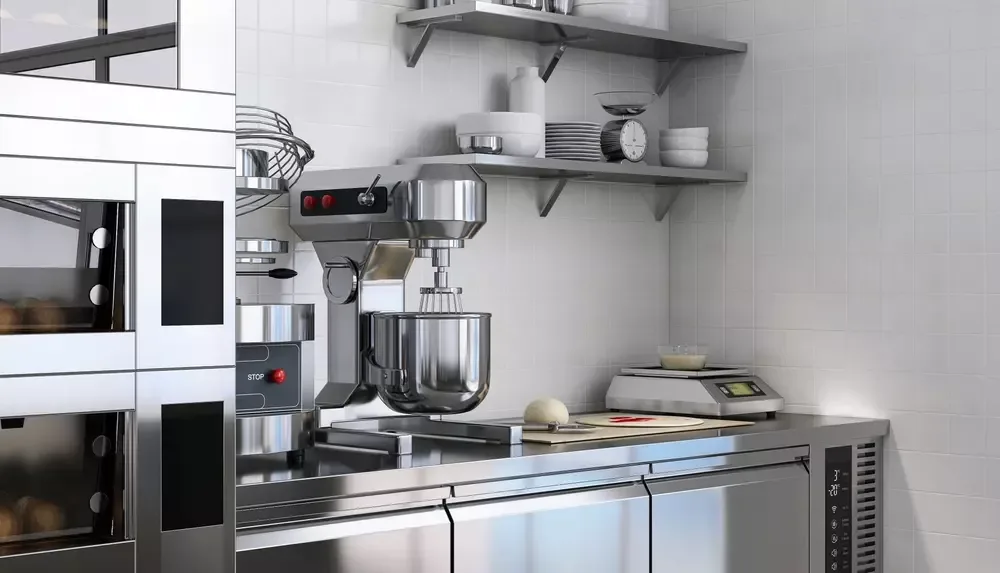
So, you’re standing in your bakery at 3 AM, flour dust clinging to your eyebrows, watching your third batch of croissants rise unevenly because your proofing cabinet is older than your grandma’s secret recipe. You know you need to scale up, customers are lining up out the door, wholesale orders are piling up, and your arms are about to fall off from hand-kneading dough. But where do you even start with commercial bakery equipment? Is it worth the investment, or are you just throwing money at a problem that could be solved with better technique? Let’s be real: I’ve been there. When I first moved to Nashville and started working with local bakeries, I thought I could get away with a few stand mixers and sheer determination. Spoiler alert: I couldn’t. There’s a reason why the pros use specific equipment, and it’s not just for show.
This guide isn’t just another list of expensive toys you might need. It’s a hard-earned breakdown of what actually moves the needle when you’re scaling up, what’s essential, what’s nice to have, and what’s just going to collect dust in the corner. We’ll talk about the equipment that’ll save you time, improve consistency, and maybe, just maybe, let you sleep past 4 AM. But fair warning: I’m not here to sugarcoat things. Scaling up is messy, expensive, and occasionally soul-crushing. But if you do it right? It’s also the most rewarding thing you’ll ever do in your bakery.
By the end of this, you’ll know:
- Which commercial bakery equipment is non-negotiable for scaling up (and which you can live without)
- How to prioritize your purchases based on your production volume and menu
- The hidden costs of scaling up that no one tells you about
- How to avoid the common pitfalls that sink new bakeries (trust me, I’ve seen it happen)
- Real-world examples of how different equipment impacts workflow and quality
Let’s dive in, shall we?
The Foundation: Equipment You Can’t Scale Without
1. Mixers: The Heart of Your Bakery
If you’re still using a KitchenAid on your countertop, bless your heart. But if you’re serious about scaling, you need a commercial spiral mixer or planetary mixer. Here’s the thing: not all mixers are created equal, and the one you choose depends on what you’re baking. Spiral mixers are the workhorses of the bread world, they’re designed for dough, and they do it better than anything else. The spiral hook mimics the motion of hand-kneading, which means less stress on the gluten and better texture in your final product. I’ve seen bakeries try to cut corners with planetary mixers for bread, and the results are… well, let’s just say the loaves come out dense enough to use as doorstops.
Planetary mixers, on the other hand, are the Swiss Army knives of the bakery world. They can handle dough, batters, icings, and even whipped cream. If you’re making a variety of products, think cookies, cakes, and bread, this might be your best bet. But here’s the kicker: you can’t just buy the biggest mixer you can afford and call it a day. You need to think about bowl capacity, horsepower, and mixing speed. A 20-quart mixer might seem like a steal, but if you’re making 50 pounds of dough at a time, you’re going to burn out the motor faster than you can say “sourdough starter.” And don’t even get me started on the importance of variable speed control. If you’re whipping egg whites for a meringue, you need slow speeds to start. If you’re creaming butter and sugar, you need high speeds. A mixer without this feature is like a car without a gas pedal, you’re just not going to get where you need to go.
Is this the best approach? Let’s consider: maybe you don’t need the top-of-the-line model right away. But you do need something that can handle your current volume with room to grow. I’m torn between recommending a 20-quart planetary mixer for versatility and a 30-quart spiral mixer for bread-focused bakeries. Ultimately, it depends on your menu. Maybe I should clarify: if you’re doing 80% bread and 20% everything else, go spiral. If it’s the other way around, go planetary. And for the love of all things holy, get one with a bowl lift-your back will thank you.
2. Proofers and Retarders: The Unsung Heroes of Consistency
Remember those uneven croissants I mentioned earlier? Yeah, that was my wake-up call. Proofing is where a lot of bakeries go wrong, and it’s not just about temperature, it’s about humidity control, airflow, and time management. A commercial proofing cabinet isn’t just a fancy box with a heater; it’s a controlled environment that ensures every batch rises uniformly. And if you’re making laminated doughs like croissants or danishes, a retarder-proofer is basically cheating, except it’s not cheating, it’s just smart.
Here’s the thing about proofers: they’re not one-size-fits-all. You’ve got stackable proofers for small spaces, roll-in proofers for large operations, and even under-counter proofers if you’re really tight on space. But the real game-changer? Humidity control. Without it, your dough is going to dry out or, worse, develop a skin that prevents proper rise. I’ve seen bakeries try to jerry-rig proofing with a warm oven and a bowl of water. Spoiler: it doesn’t work. The dough ends up either under-proofed or over-proofed, and your customers are left wondering why their morning pastry tastes like a hockey puck.
And then there’s the retarder-proofer combo. This is where things get fancy. A retarder slows down fermentation, which is perfect for overnight proofing or when you need to control the timing of your bake. It’s like having a time machine for your dough. But here’s the catch: these units are expensive, and they take up a lot of space. Is it worth it? If you’re doing high-volume production or need to stagger your bakes, absolutely. If you’re just starting out, maybe not. I’m torn between recommending a standalone proofer for most bakeries and going all-in on a retarder-proofer if you’ve got the budget. Maybe I should clarify: if you’re making laminated doughs or need precise control over fermentation, the combo unit is a game-changer. Otherwise, start with a good proofer and upgrade later.
3. Ovens: Where the Magic Happens (or Doesn’t)
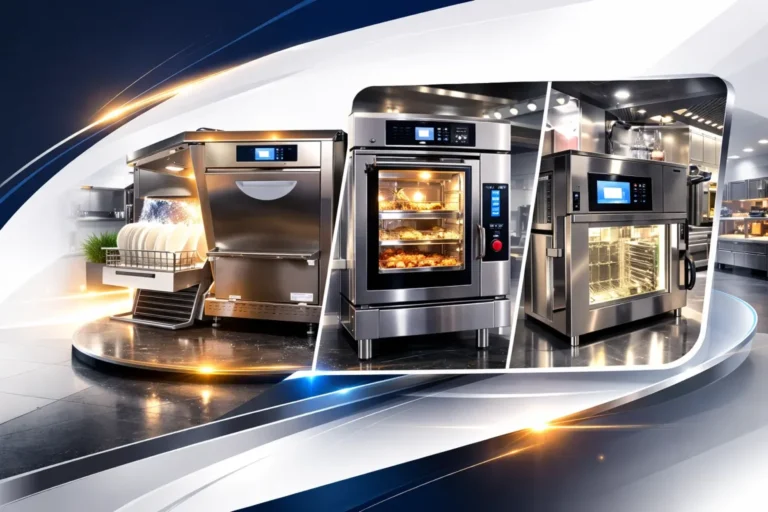
You can have the best dough in the world, but if your oven isn’t up to snuff, it’s all for nothing. Commercial deck ovens are the gold standard for bread, but they’re not the only option. Convection ovens are great for pastries and cookies, rotary ovens are ideal for large-scale production, and combi ovens can do a little bit of everything. But here’s the thing: not all ovens are created equal, and the one you choose will depend on what you’re baking, how much you’re baking, and how much space you have.
Let’s talk about deck ovens first. These are the workhorses of the bread world. They use stone or steel decks to provide even, consistent heat, which is essential for artisan bread. But they’re not without their quirks. Deck ovens take up a lot of space, they’re expensive, and they require a bit of a learning curve. You can’t just crank up the heat and hope for the best, you need to understand heat retention, steam injection, and baking times. I’ve seen bakeries invest in a deck oven only to use it like a regular oven, which is like buying a Ferrari and driving it in first gear. If you’re serious about bread, though, it’s worth the investment.
Now, convection ovens. These are the jack-of-all-trades in the bakery world. They use fans to circulate hot air, which means faster, more even baking. They’re great for cookies, pastries, and even some breads. But, and this is a big but, they’re not ideal for everything. The forced air can dry out delicate pastries, and they don’t have the same heat retention as a deck oven. If you’re making a lot of laminated doughs or custards, you might want to think twice. That said, they’re more affordable and take up less space, which makes them a great option for smaller bakeries or those just starting to scale up.
And then there are rotary ovens. These are the big guns of the bakery world. They’re designed for high-volume production, with rotating racks that ensure even baking. If you’re supplying grocery stores or doing large wholesale orders, this might be the way to go. But they’re expensive, they take up a ton of space, and they’re overkill for most small to medium-sized bakeries. Is this the best approach? Let’s consider: if you’re doing 500+ loaves a day, a rotary oven might be worth it. Otherwise, stick with a deck or convection oven and upgrade later.
Beyond the Basics: Equipment That Takes You to the Next Level
4. Dough Sheeters: Because Hand-Rolling Is for Suckers
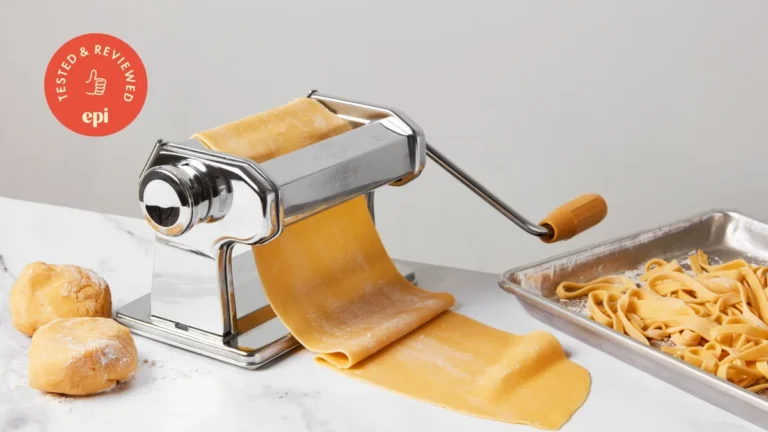
If you’re still rolling out dough by hand, I’ve got two words for you: dough sheeter. This is one of those pieces of equipment that seems like a luxury until you try it. Then it becomes a necessity. A commercial dough sheeter can roll out dough to a precise thickness in seconds, which means consistency, speed, and, most importantly, less wear and tear on your arms. But not all sheeters are created equal. You’ve got manual sheeters, semi-automatic sheeters, and fully automatic sheeters. The one you choose will depend on your budget and your production volume.
Manual sheeters are the most affordable, but they still require some elbow grease. You feed the dough through the rollers, adjust the thickness, and repeat until you get the desired result. They’re great for small bakeries or those just starting to scale up. Semi-automatic sheeters do most of the work for you, but you still need to feed the dough in and out. Fully automatic sheeters? They’re the dream. You load the dough, set the thickness, and let the machine do the rest. They’re expensive, but if you’re doing high-volume production, they’re worth every penny.
Here’s the thing about dough sheeters: they’re not just for laminated doughs. You can use them for pie crusts, cookies, even pizza dough. But, and this is a big but, they require a bit of a learning curve. You need to understand dough hydration, roller speed, and thickness settings. If you don’t, you’re going to end up with dough that’s either too thick, too thin, or, worst of all, torn to shreds. I’ve seen bakeries invest in a sheeter only to use it as an expensive paperweight because they didn’t take the time to learn how to use it properly. Don’t be that bakery.
5. Dividers and Rounders: The Secret to Consistent Portions
If you’re still eyeballing your dough portions, you’re doing it wrong. Dough dividers and rounders are the secret to consistent, professional-quality products. A dough divider does exactly what it sounds like: it divides your dough into equal portions. No more guessing, no more uneven rolls, no more angry customers wondering why their croissant is half the size of the one next to it. And a rounder? It takes those portions and shapes them into perfect balls, which is essential for things like dinner rolls, hamburger buns, and even some breads.
But here’s the catch: these machines aren’t cheap, and they’re not for everyone. If you’re making a few dozen rolls a day, you can probably get away with hand-portioning. But if you’re doing high-volume production, they’re a game-changer. I’m torn between recommending a manual divider for small bakeries and a fully automatic divider-rounder combo for larger operations. Maybe I should clarify: if you’re doing 100+ portions a day, it’s worth investing in a divider. If you’re doing 500+, you need a rounder too.
And then there’s the question of dough consistency. These machines work best with dough that’s been properly mixed and rested. If your dough is too sticky or too dry, you’re going to have problems. I’ve seen bakeries try to use a divider with dough that’s not ready, and the results are… well, let’s just say it’s not pretty. The dough ends up misshapen, torn, or, worst of all, stuck to the machine. If you’re going to invest in a divider or rounder, make sure your dough is up to snuff.
6. Refrigeration: Because Food Safety Isn’t Optional
This one might seem obvious, but you’d be surprised how many bakeries skimp on refrigeration. Commercial refrigerators and freezers aren’t just for storing ingredients, they’re essential for food safety, workflow efficiency, and even product quality. If you’re scaling up, you need to think about walk-in coolers, under-counter refrigerators, and blast freezers. But here’s the thing: not all refrigeration is created equal, and the one you choose will depend on your menu, your space, and your budget.
Let’s start with walk-in coolers. These are the big guns of the refrigeration world. They’re essential for high-volume production, but they’re also expensive and take up a lot of space. If you’re doing wholesale orders or need to store large quantities of ingredients, a walk-in is a must. But if you’re just starting to scale up, you might be able to get away with a few under-counter refrigerators or reach-in units. The key is to think about temperature control, humidity levels, and airflow. If your fridge is too warm, your ingredients will spoil. If it’s too cold, your dough will over-proof. And if the airflow is poor, you’ll end up with hot spots that can ruin your products.
And then there are blast freezers. These are the secret weapon of the bakery world. They freeze products quickly and evenly, which preserves quality and extends shelf life. If you’re doing wholesale orders or need to freeze dough for later use, a blast freezer is a game-changer. But they’re expensive, and they take up a lot of space. Is it worth it? If you’re doing high-volume production, absolutely. Otherwise, you might be able to get away with a regular freezer.
The Nice-to-Haves: Equipment That Makes Life Easier (But Isn’t Essential)
7. Dough Laminators: For When You’re Ready to Get Fancy
If you’re making croissants, danishes, or puff pastry, a dough laminator is the ultimate luxury. This machine layers butter into your dough with precision, which means flakier, more consistent pastries. But, and this is a big but, it’s not essential. You can laminate dough by hand, and many bakeries do. But if you’re doing high-volume production, a laminator can save you time, improve consistency, and, most importantly, save your arms from the repetitive motion of hand-laminating.
Here’s the thing about laminators: they’re expensive, they take up a lot of space, and they require a bit of a learning curve. You need to understand dough temperature, butter consistency, and lamination technique. If you don’t, you’re going to end up with dough that’s either too warm, too cold, or, worst of all, torn to shreds. I’ve seen bakeries invest in a laminator only to use it as an expensive coat rack because they didn’t take the time to learn how to use it properly. Don’t be that bakery.
Is this the best approach? Let’s consider: if you’re doing 100+ laminated pastries a day, a laminator might be worth it. Otherwise, stick with hand-laminating and upgrade later.
8. Automated Depositors: For When You’re Drowning in Batter
If you’re making muffins, cupcakes, or even some cookies, an automated depositor can be a lifesaver. This machine deposits batter into molds with precision, which means consistent portions, faster production, and, most importantly, less mess. But, and this is a big but, it’s not essential. You can deposit batter by hand, and many bakeries do. But if you’re doing high-volume production, a depositor can save you time and improve consistency.
Here’s the thing about depositors: they’re not one-size-fits-all. You’ve got manual depositors, semi-automatic depositors, and fully automatic depositors. The one you choose will depend on your budget and your production volume. Manual depositors are the most affordable, but they still require some elbow grease. Semi-automatic depositors do most of the work for you, but you still need to feed the batter in and out. Fully automatic depositors? They’re the dream. You load the batter, set the portion size, and let the machine do the rest. They’re expensive, but if you’re doing high-volume production, they’re worth every penny.
But, and this is a big but, depositors require a bit of a learning curve. You need to understand batter consistency, portion size, and depositing speed. If you don’t, you’re going to end up with batter that’s either too thick, too thin, or, worst of all, everywhere but the mold. I’ve seen bakeries invest in a depositor only to use it as an expensive paperweight because they didn’t take the time to learn how to use it properly. Don’t be that bakery.
9. Packaging Equipment: Because Presentation Matters
This one might seem like a no-brainer, but you’d be surprised how many bakeries overlook packaging. Automated packaging machines can seal, label, and even date your products with precision, which means faster production, better presentation, and, most importantly, less waste. But, and this is a big but, they’re not essential. You can package products by hand, and many bakeries do. But if you’re doing high-volume production, packaging equipment can save you time and improve consistency.
Here’s the thing about packaging equipment: it’s not one-size-fits-all. You’ve got heat sealers, vacuum sealers, and automated labeling machines. The one you choose will depend on your products, your budget, and your production volume. Heat sealers are great for sealing bags, vacuum sealers are ideal for extending shelf life, and automated labeling machines can print and apply labels with precision. But, and this is a big but, they require a bit of a learning curve. You need to understand sealing temperature, vacuum pressure, and label placement. If you don’t, you’re going to end up with products that are either under-sealed, over-sealed, or, worst of all, unlabeled.
Is this the best approach? Let’s consider: if you’re doing wholesale orders or need to extend shelf life, packaging equipment might be worth it. Otherwise, stick with hand-packaging and upgrade later.
The Hidden Costs of Scaling Up
10. Installation, Training, and Maintenance: The Devil’s in the Details
So, you’ve bought your shiny new commercial bakery equipment. Congratulations! Now what? If you think the purchase price is the end of the story, think again. Installation, training, and maintenance are the hidden costs of scaling up, and they can add up fast. Let’s break it down.
First, there’s installation. Some equipment, like mixers and ovens, can be plugged in and used right away. Others, like proofers and refrigeration units, require professional installation. And if you’re installing a walk-in cooler or a blast freezer, you’re looking at a significant investment in time and money. I’ve seen bakeries try to cut corners by installing equipment themselves, and the results are… well, let’s just say it’s not pretty. Improper installation can lead to equipment failure, safety hazards, and, worst of all, void warranties. Don’t be that bakery.
Then there’s training. New equipment means new processes, and new processes mean a learning curve. You need to train your staff on how to use the equipment properly, which means time, money, and, most importantly, patience. I’ve seen bakeries invest in expensive equipment only to have it sit unused because no one knew how to operate it. Don’t be that bakery. Take the time to train your staff, and make sure everyone is comfortable with the new processes.
And finally, there’s maintenance. Commercial bakery equipment isn’t like your home appliances, it requires regular maintenance to keep it running smoothly. This means cleaning, lubricating, and inspecting your equipment on a regular basis. It also means repairs, which can be expensive and time-consuming. I’ve seen bakeries neglect maintenance only to have their equipment break down at the worst possible time. Don’t be that bakery. Invest in a maintenance plan, and stick to it.
Is this the best approach? Let’s consider: maybe you don’t need the most expensive maintenance plan right away. But you do need to budget for regular cleaning, inspections, and repairs. I’m torn between recommending a basic maintenance plan for small bakeries and a comprehensive plan for larger operations. Ultimately, it depends on your budget and your production volume. Maybe I should clarify: if you’re doing high-volume production, a comprehensive plan is a must. Otherwise, start with a basic plan and upgrade later.
Putting It All Together: A Step-by-Step Scale-Up Plan
So, you’re ready to scale up. Where do you start? Here’s a step-by-step plan to help you prioritize your purchases and avoid the common pitfalls of scaling up.
- Assess Your Current Production
Before you buy anything, take a hard look at your current production. What’s working? What’s not? Where are the bottlenecks? Are you spending too much time on mixing? Proofing? Baking? Packaging? Identify the areas where you’re struggling, and prioritize your purchases accordingly. For example, if you’re spending hours hand-rolling dough, a dough sheeter might be your first purchase. If your oven is holding you back, a commercial deck oven might be the way to go.
- Set a Budget
Scaling up is expensive, and it’s easy to get carried away. Set a budget, and stick to it. Remember: you don’t need to buy everything at once. Start with the essentials, and upgrade as your production grows. And don’t forget to budget for installation, training, and maintenance. These are the hidden costs of scaling up, and they can add up fast.
- Prioritize Your Purchases
Not all equipment is created equal. Some pieces, like mixers and ovens, are essential. Others, like laminators and depositors, are nice to have. Prioritize your purchases based on your production volume and your menu. For example, if you’re making a lot of bread, a spiral mixer and a deck oven should be at the top of your list. If you’re making laminated pastries, a retarder-proofer and a dough sheeter might be more important.
- Shop Around
Don’t buy the first piece of equipment you see. Shop around, compare prices, and read reviews. And don’t forget to consider used equipment. Many bakeries upgrade their equipment and sell their old stuff at a fraction of the cost. Just make sure to inspect it thoroughly before you buy, used equipment can be a great deal, but it can also be a money pit if it’s not in good condition.
- Plan for Installation
Once you’ve bought your equipment, you need to install it. Some pieces, like mixers and ovens, can be plugged in and used right away. Others, like proofers and refrigeration units, require professional installation. Make sure you have a plan in place before your equipment arrives. And don’t forget to budget for electrical upgrades, plumbing, and ventilation. These are the hidden costs of installation, and they can add up fast.
- Train Your Staff
New equipment means new processes, and new processes mean a learning curve. Take the time to train your staff on how to use the equipment properly. This means hands-on training, written instructions, and, most importantly, patience. Don’t assume that everyone will pick it up right away. Some people will, some won’t. Be prepared to spend time and money on training, and don’t rush the process.
- Implement a Maintenance Plan
Commercial bakery equipment requires regular maintenance to keep it running smoothly. This means cleaning, lubricating, and inspecting your equipment on a regular basis. It also means repairs, which can be expensive and time-consuming. Invest in a maintenance plan, and stick to it. This will save you time, money, and, most importantly, headaches down the road.
- Monitor Your Production
Once your equipment is up and running, monitor your production closely. Are you seeing the improvements you expected? Are there still bottlenecks? Are you spending less time on certain tasks? Use this information to fine-tune your processes and identify areas for further improvement. And don’t be afraid to make changes. Scaling up is an ongoing process, and it’s okay to pivot if something isn’t working.
- Upgrade as Needed
Scaling up isn’t a one-time event, it’s an ongoing process. As your production grows, you’ll need to upgrade your equipment. This might mean buying a bigger mixer, adding a second oven, or investing in a blast freezer. Don’t wait until you’re overwhelmed to make these upgrades. Plan ahead, and budget accordingly.
- Celebrate Your Success
Scaling up is hard work, and it’s easy to get caught up in the day-to-day grind. But don’t forget to celebrate your success. Take a moment to appreciate how far you’ve come, and enjoy the fruits of your labor. You’ve earned it.
Final Thoughts: Is Scaling Up Worth It?
So, is scaling up worth it? The short answer: yes. The long answer: it depends. If you’re passionate about baking, if you’re willing to put in the work, and if you’re smart about your investments, scaling up can be the most rewarding thing you’ll ever do in your bakery. But it’s not without its challenges. It’s expensive, it’s time-consuming, and it’s occasionally soul-crushing. But if you do it right? It’s also the key to growing your business, improving your products, and, most importantly, keeping your customers happy.
Here’s the thing: scaling up isn’t just about buying equipment. It’s about processes, people, and passion. You can have the best equipment in the world, but if your processes are a mess, your staff is untrained, and your passion is waning, you’re not going to succeed. Scaling up is a holistic process, and it requires a commitment to continuous improvement. But if you’re willing to put in the work, the rewards are endless.
So, what’s next? Take a hard look at your bakery. Identify the areas where you’re struggling, and prioritize your purchases accordingly. Start with the essentials, and upgrade as your production grows. And don’t forget to celebrate your success along the way. Scaling up is a journey, not a destination. Enjoy the ride.
FAQ
Q: What’s the first piece of commercial bakery equipment I should buy when scaling up?
A: The first piece of equipment you should buy depends on your specific needs, but most bakeries start with a commercial mixer. If you’re making bread, a spiral mixer is ideal. If you’re making a variety of products, a planetary mixer might be a better choice. The key is to identify the biggest bottleneck in your production and address it first. For many bakeries, that’s mixing.
Q: How do I know if I need a deck oven or a convection oven?
A: The type of oven you need depends on what you’re baking. Deck ovens are the gold standard for bread, they provide even, consistent heat that’s essential for artisan loaves. Convection ovens, on the other hand, are great for pastries, cookies, and even some breads. They use fans to circulate hot air, which means faster, more even baking. If you’re making a lot of bread, go with a deck oven. If you’re making a variety of products, a convection oven might be a better choice.
Q: Is it worth investing in a dough sheeter, or can I get by with hand-rolling?
A: A dough sheeter is a game-changer if you’re doing high-volume production. It can roll out dough to a precise thickness in seconds, which means consistency, speed, and less wear and tear on your arms. That said, it’s not essential if you’re just starting out. If you’re making a few dozen laminated pastries a day, you can probably get by with hand-rolling. But if you’re doing 100+, a sheeter is worth the investment.
Q: What’s the most common mistake bakeries make when scaling up?
A: The most common mistake is underestimating the hidden costs of scaling up. It’s not just about buying equipment, it’s about installation, training, and maintenance. Many bakeries invest in expensive equipment only to have it sit unused because no one knows how to operate it, or it breaks down because it wasn’t properly maintained. Don’t be that bakery. Plan ahead, budget accordingly, and invest in training and maintenance.
@article{commercial-bakery-equipment-essentials-the-no-nonsense-scale-up-guide-for-2026,
    title   = {Commercial Bakery Equipment Essentials: The No-Nonsense Scale-Up Guide for 2026},
    author  = {Chef's icon},
    year    = {2026},
    journal = {Chef's Icon},
    url     = {https://chefsicon.com/commercial-bakery-equipment-essentials-scale-up-guide/}
}