The Best Fluffy Pancakes recipe you will fall in love with. Full of tips and tricks to help you make the best pancakes.
I’ll admit it, I used to think making pasta from scratch was a bit of a flex. You know, one of those things people do to impress dinner guests but never actually enjoy the process. That was until I spent a weekend in a tiny trattoria in Bologna, watching a nonna roll out tagliatelle by hand while humming along to an old radio. There was something hypnotic about it, the way the dough transformed under her palms, the rhythmic scrape of the pasta cutter against the wooden board. When I finally took a bite of that fresh, eggy tagliatelle with nothing more than butter and Parmigiano-Reggiano, I understood. This wasn’t just food; it was alchemy. And if I wanted to recreate that magic at home, I’d need the right tools, tools that could handle the demands of homemade pasta without turning my kitchen into a disaster zone.
Now, I’m not talking about those flimsy plastic gadgets you find in the back of a department store. I’m talking about commercial-grade kitchen tools-the kind that professionals rely on to churn out perfect pasta day after day. But here’s the thing: you don’t need a restaurant-sized budget or a Michelin-starred kitchen to make this work. What you do need is a mix of the right equipment, a little patience, and the willingness to embrace the mess (because, let’s be real, there will be flour everywhere). So, let’s dive in. What exactly do you need to turn your home kitchen into a pasta-making powerhouse? And is it even worth the investment? Spoiler alert: it absolutely is, but let’s break it down.
In this guide, we’re going to cover everything from the essential pasta-making tools you can’t live without to the ice-to-have upgrades that’ll make your life easier. We’ll talk about why commercial-grade equipment makes a difference, how to choose the right tools for your space (and your sanity), and even touch on a few mistakes I’ve made along the way, so you don’t have to. By the end, you’ll know exactly what you need to make pasta that’s so good, your friends will start calling you “the pasta whisperer.” (Or at least, that’s the dream.)
Why Commercial-Grade Tools Matter for Homemade Pasta
The Difference Between Home and Commercial Equipment
Let’s start with the obvious: commercial kitchen tools are built differently. They’re designed to withstand the kind of abuse that would send your average home mixer into early retirement. Think about it, restaurants are making pasta in bulk, day in and day out. Their equipment has to be durable, efficient, and, above all, consistent. That’s why a commercial pasta roller can handle dough that’s stiffer, wetter, or just plain more finicky than what your home stand mixer can manage. But here’s the kicker: you don’t need to run a restaurant to benefit from that durability.
I learned this the hard way. My first attempt at homemade pasta involved a hand-cranked roller I picked up at a garage sale. It worked, sort of. The dough kept sticking, the rollers wobbled, and by the time I was done, I had a pile of misshapen fettuccine and a sore wrist. It wasn’t until I borrowed a friend’s commercial-grade pasta machine that I realized what I’d been missing. The rollers were smoother, the thickness settings were precise, and the whole process felt effortless. That’s when it clicked: commercial tools aren’t just for professionals. They’re for anyone who wants to make pasta without the frustration.
But durability isn’t the only advantage. Commercial tools are also designed with efficiency in mind. A commercial dough sheeter, for example, can roll out dough to a consistent thickness in seconds, something that takes forever (and a lot of elbow grease) with a rolling pin. And let’s not forget about capacity. If you’re making pasta for a crowd, a commercial mixer can handle larger batches of dough without overheating or struggling. That means less time waiting for the dough to rest between batches and more time enjoying the process (or, let’s be honest, drinking wine while you work).
So, is it worth the investment? If you’re serious about making pasta at home, I’d argue yes. But, and this is a big but, you don’t need to go all-in right away. Start with the essentials, see how much you enjoy the process, and then upgrade as you go. Trust me, your future self (and your dinner guests) will thank you.
When to Invest in Commercial Tools
Here’s the thing about commercial kitchen tools: they’re not cheap. A high-quality commercial pasta extruder can set you back a few hundred dollars, and that’s before you even think about accessories. So, when does it make sense to pull the trigger? For me, it came down to three things: frequency, frustration, and passion.
First, frequency. If you’re making pasta once a month or less, you can probably get away with a decent home setup. But if you’re like me and find yourself craving fresh pasta every other week (or, let’s be real, every weekend), then commercial tools start to make a lot more sense. The more you use them, the more you’ll appreciate their durability and efficiency. Plus, there’s something satisfying about using tools that are built to last. It’s like the difference between a disposable razor and a straight razor, one gets the job done, but the other makes you feel like a craftsman.
Second, frustration. If you’ve ever spent an hour wrestling with dough that just won’t cooperate, or if you’ve ended up with pasta that’s uneven, tough, or just plain ugly, then commercial tools might be your salvation. I remember the first time I used a commercial dough mixer with a spiral hook attachment. The dough came together in minutes, smooth and elastic, with none of the overworked toughness I’d gotten used to. It was a game-changer. If you’re constantly fighting with your equipment, it might be time to upgrade.
Finally, passion. If you’re the kind of person who geeks out over the science of pasta, like the way semolina flour absorbs water differently than all-purpose, or how the ratio of egg to flour affects the texture, then commercial tools can help you take your craft to the next level. They’re designed to give you more control, more consistency, and more room to experiment. And let’s be honest, if you’re going to spend hours making pasta from scratch, you might as well enjoy the process.
That said, I’m not suggesting you go out and buy a commercial pasta dryer tomorrow. Start small. Maybe invest in a good pasta roller first, then upgrade your mixer if you find yourself making pasta regularly. And if you’re on the fence, consider renting or borrowing equipment before you commit. Some kitchen supply stores (and even a few restaurants) offer rental programs for commercial tools. It’s a great way to test the waters without breaking the bank.
The Essential Commercial Kitchen Tools for Homemade Pasta
1. The Pasta Roller: Your New Best Friend
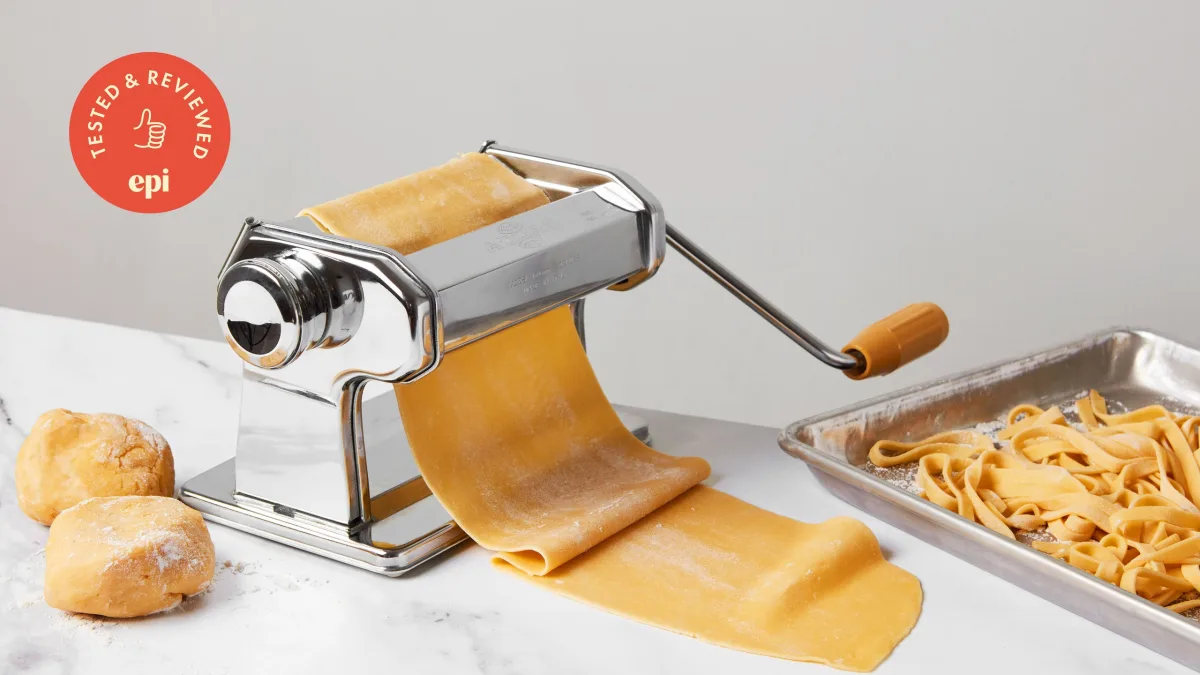
If there’s one tool that’ll change your pasta-making game, it’s a commercial pasta roller. I’m not talking about those flimsy hand-cranked models you find at big-box stores. I’m talking about a heavy-duty, stainless steel machine that can handle dough like a champ. The difference is night and day. A good roller will give you consistent thickness, smooth sheets of dough, and, most importantly, less frustration.
When I first started making pasta, I used a cheap roller that wobbled every time I turned the crank. The dough would stick, the rollers would jam, and I’d end up with sheets that were thicker on one end than the other. It was enough to make me want to give up entirely. Then I tried a commercial-grade pasta machine, and suddenly, everything clicked. The rollers were smooth, the thickness settings were precise, and the whole process felt effortless. It was like going from a bicycle to a sports car.
So, what should you look for in a pasta roller? First, durability. You want something made from stainless steel, with solid construction and no wobbly parts. Second, adjustability. A good roller will have multiple thickness settings, so you can make everything from delicate angel hair to hearty pappardelle. Third, ease of use. Look for a machine with a smooth crank, easy-to-clean rollers, and a clamp that secures firmly to your countertop. And finally, consider the attachments. Some rollers come with cutters for fettuccine or tagliatelle, which can save you time and effort.
One thing I’ve learned the hard way: don’t skimp on the clamp. A weak clamp means the machine will shift while you’re rolling, which can lead to uneven dough. Trust me, there’s nothing more frustrating than watching your beautiful sheet of pasta get mangled because the roller moved mid-roll. If you’re serious about pasta, invest in a roller with a sturdy clamp, it’s worth every penny.
And here’s a pro tip: dust your dough with semolina flour before rolling. It’ll prevent sticking and give your pasta a slightly rougher texture, which helps the sauce cling better. Just don’t overdo it, or your pasta will taste gritty. It’s all about balance.
2. The Dough Mixer: Because Your Arms Aren’t Machines
Let’s talk about dough mixers. If you’ve ever tried to knead pasta dough by hand, you know it’s a workout. And not the fun kind. It’s the kind where your arms feel like jelly, your back aches, and you start questioning all your life choices. That’s where a commercial dough mixer comes in. It’s not just a luxury, it’s a sanity-saver.
I’ll never forget the first time I used a commercial mixer to make pasta dough. I’d always done it by hand, following the nonna-approved method of mounding the flour, making a well, and gradually incorporating the eggs. It worked, but it was messy, inconsistent, and exhausting. Then I tried a mixer with a spiral hook attachment, and suddenly, the dough came together in minutes, smooth, elastic, and perfectly hydrated. It was like magic. No more overworked dough, no more sticky hands, and no more sore arms. Just perfect pasta dough, every time.
But not all mixers are created equal. If you’re serious about pasta, you’ll want a mixer with a few key features. First, power. Pasta dough is stiff, especially if you’re using semolina or a high-protein flour. A weak mixer will struggle, overheat, or just plain give up. Look for a mixer with at least 300 watts of power, preferably more if you’re making large batches. Second, capacity. If you’re making pasta for a crowd, you’ll want a mixer that can handle at least 5 quarts of dough. Anything smaller, and you’ll be mixing in batches, which is a pain. Third, attachments. A spiral hook is ideal for pasta dough because it mimics the motion of hand-kneading, developing the gluten without overworking the dough. Some mixers also come with a flat beater or paddle, which can be useful for other tasks, but for pasta, the spiral hook is king.
Now, I know what you’re thinking: “Do I really need a commercial mixer? Can’t I just use my stand mixer?” The short answer is: maybe. A good stand mixer can handle small batches of pasta dough, but it’s not ideal. Most home stand mixers aren’t powerful enough to knead stiff pasta dough, and they can overheat if you push them too hard. Plus, their bowls are usually too small for anything more than a single batch. If you’re only making pasta occasionally, a stand mixer might work in a pinch. But if you’re making pasta regularly, a commercial mixer is a game-changer.
One thing to keep in mind: dough mixers can be expensive. If you’re not ready to invest in a full-sized commercial model, consider a smaller, countertop mixer. They’re less powerful but still a huge upgrade from hand-kneading. And if you’re really on a budget, you can always start with a hand-cranked dough sheeter, it’s not as efficient, but it’ll get the job done.
3. The Pasta Extruder: For Shapes You Can’t Roll
If you’ve ever tried to make shapes like penne, rigatoni, or macaroni by hand, you know it’s a nightmare. Rolling, cutting, and shaping each piece individually is time-consuming, inconsistent, and, frankly, not very fun. That’s where a commercial pasta extruder comes in. It’s like a 3D printer for pasta, just feed in the dough, and out comes perfectly shaped pasta, every time.
I was skeptical about extruders at first. I thought they were overkill, something only restaurants or serious pasta factories would need. But then I tried one, and I was hooked. The first time I made homemade macaroni with an extruder, I couldn’t believe how easy it was. No rolling, no cutting, no fuss. Just smooth, uniform pasta that cooked evenly and held sauce like a dream. It was a revelation.
So, what should you look for in a pasta extruder? First, versatility. Some extruders come with multiple dies, so you can make everything from spaghetti to bucatini to rigatoni. The more dies, the more shapes you can experiment with. Second, power. Extruding dough takes a lot of force, so you’ll want a machine with a strong motor. Look for something with at least 300 watts of power, anything less, and you’ll struggle with stiff dough. Third, ease of use. Extruders can be messy, so look for one with a removable hopper and easy-to-clean parts. And finally, consider the size. If you’re making pasta for a crowd, you’ll want a larger extruder that can handle big batches. But if you’re just making pasta for your family, a smaller, countertop model will do the trick.
One thing to keep in mind: extruders work best with a specific type of dough. You’ll want to use a dough that’s slightly wetter than what you’d use for rolled pasta. Too dry, and the dough won’t extrude smoothly; too wet, and it’ll be a sticky mess. It might take a few tries to get the consistency right, but once you do, you’ll be churning out perfect pasta shapes in no time.
And here’s a pro tip: if you’re making extruded pasta, consider using semolina flour. It’s coarser than all-purpose flour, which gives the pasta a slightly rougher texture. That roughness helps the sauce cling better, so your mac and cheese (or whatever you’re making) will be extra delicious. Just don’t use 100% semolina, it’s too gritty. A 50/50 mix of semolina and all-purpose flour is a good place to start.
4. The Dough Sheeter: For When You Need It Thin
If you’ve ever tried to roll out pasta dough by hand, you know it’s a workout. Even with a rolling pin, getting the dough thin enough for shapes like ravioli or lasagna is a challenge. That’s where a commercial dough sheeter comes in. It’s like a pasta roller on steroids, bigger, faster, and more powerful. And if you’re serious about making pasta at home, it’s a game-changer.
I’ll admit, I was late to the dough sheeter party. For years, I relied on my trusty pasta roller, cranking out sheets of dough one at a time. It worked, but it was slow, and my arms would ache by the end of it. Then I tried a dough sheeter, and I wondered why I hadn’t done it sooner. The difference was staggering. With a sheeter, I could roll out a sheet of dough to the perfect thickness in seconds, no cranking, no fuss. It was like going from a hand-cranked ice cream maker to a Cuisinart.
So, what makes a dough sheeter different from a pasta roller? First, size. Dough sheeters are larger, with bigger rollers that can handle wider sheets of dough. That means you can make everything from delicate ravioli to wide lasagna sheets without having to trim the dough to fit. Second, power. Dough sheeters are motorized, so you don’t have to crank them by hand. Just feed in the dough, and the machine does the rest. Third, precision. Most dough sheeters have adjustable thickness settings, so you can dial in the exact thickness you want. And finally, capacity. Dough sheeters can handle larger batches of dough, so you can make pasta for a crowd without having to stop and rest between batches.
But here’s the thing: dough sheeters aren’t cheap. A good commercial model can cost upwards of a thousand dollars, which is a lot for a home kitchen. If you’re not ready to make that kind of investment, consider a smaller, countertop model. They’re less powerful but still a huge upgrade from a hand-cranked roller. And if you’re really on a budget, you can always stick with your pasta roller, it’s not as fast, but it’ll get the job done.
One thing to keep in mind: dough sheeters can be intimidating at first. They’re big, they’re powerful, and they can be a little scary if you’re not used to them. But once you get the hang of it, they’re incredibly easy to use. Just feed in the dough, adjust the thickness, and let the machine do the rest. And don’t worry if your first few sheets aren’t perfect, it takes a little practice to get the hang of it. But once you do, you’ll wonder how you ever lived without one.
5. The Pasta Dryer: Because Air-Drying Is a Pain
If you’ve ever made fresh pasta, you know the struggle of drying it. Laying it out on towels, hanging it over chairs, or draping it over a drying rack, none of it is ideal. The pasta sticks, it dries unevenly, and it’s a pain to store. That’s where a commercial pasta dryer comes in. It’s like a clothesline for pasta, but better. It keeps the strands separated, allows air to circulate, and makes drying a breeze.
I’ll be honest, I didn’t think I needed a pasta dryer at first. I figured I could just lay my pasta out on a baking sheet or hang it over the back of a chair. And for a while, that worked. But then I started making larger batches, and things got messy. The pasta would stick together, it would dry unevenly, and I’d end up with a tangled mess. That’s when I decided to invest in a dryer, and I haven’t looked back.
So, what should you look for in a pasta dryer? First, size. If you’re making pasta for a crowd, you’ll want a dryer that can handle a lot of strands. Look for one with multiple tiers or a large surface area. Second, material. Pasta dryers are usually made from wood, plastic, or metal. Wood is traditional and looks great, but it can be harder to clean. Plastic is lightweight and easy to clean, but it’s not as durable. Metal is sturdy and easy to clean, but it can be heavy. Third, portability. If you’re short on space, look for a dryer that folds up or collapses for easy storage. And finally, ease of use. Some dryers come with hooks or clips to hold the pasta in place, which can be helpful if you’re drying long strands like spaghetti or fettuccine.
One thing to keep in mind: pasta dryers aren’t just for drying pasta. You can also use them to dry herbs, flowers, or even homemade jerky. They’re incredibly versatile, so if you’re on the fence, it’s worth considering. And if you’re not ready to invest in a commercial dryer, you can always make your own. A simple wooden dowel or a clean broomstick can work in a pinch. Just hang it between two chairs, drape the pasta over it, and let it dry. It’s not as elegant, but it’ll get the job done.
And here’s a pro tip: if you’re drying pasta for long-term storage, make sure it’s completely dry before you pack it away. Any moisture left in the pasta can lead to mold or spoilage. To test if it’s dry, break a piece in half. If it snaps cleanly, it’s ready to store. If it bends, it needs more time. And once it’s dry, store it in an airtight container in a cool, dark place. It’ll keep for months, so you can enjoy fresh pasta whenever you want.
The Nice-to-Have Upgrades: Taking Your Pasta to the Next Level
6. The Ravioli Mold: For Perfectly Shaped Pockets
If you’ve ever tried to make ravioli by hand, you know it’s a pain. Cutting out circles, filling them, sealing the edges, it’s time-consuming, and it’s easy to end up with ravioli that’s uneven or leaks filling. That’s where a ravioli mold comes in. It’s like a stamp for ravioli, giving you perfectly shaped pockets every time. And if you’re serious about making ravioli at home, it’s a game-changer.
I was skeptical about ravioli molds at first. I thought they were gimmicky, something only beginners would use. But then I tried one, and I was hooked. The first time I used a mold, I couldn’t believe how easy it was. No more cutting out circles, no more uneven edges, no more filling spilling out. Just perfect ravioli, every time. It was like going from hand-sewing to using a sewing machine.
So, what should you look for in a ravioli mold? First, material. Ravioli molds are usually made from plastic, metal, or wood. Plastic is lightweight and easy to clean, but it’s not as durable. Metal is sturdy and long-lasting, but it can be heavy. Wood is traditional and looks great, but it can be harder to clean. Second, size. Ravioli molds come in different sizes, so choose one that fits the amount of filling you want to use. Third, design. Some molds have a simple grid pattern, while others have more intricate designs. Choose one that suits your style. And finally, ease of use. Look for a mold with a non-stick coating or a design that makes it easy to release the ravioli.
One thing to keep in mind: ravioli molds work best with a specific type of dough. You’ll want to use a dough that’s thin enough to press into the mold but thick enough to hold the filling. If the dough is too thick, it won’t press into the mold properly. If it’s too thin, it’ll tear when you try to remove the ravioli. It might take a few tries to get the consistency right, but once you do, you’ll be churning out perfect ravioli in no time.
And here’s a pro tip: if you’re using a ravioli mold, make sure your filling isn’t too wet. A wet filling can make the dough soggy, which can cause the ravioli to leak or fall apart. To prevent this, use a filling that’s thick and holds its shape. And if you’re using a wet filling (like ricotta or spinach), consider adding a binder like breadcrumbs or egg to thicken it up. It’ll make your ravioli sturdier and less likely to leak.
7. The Gnocchi Board: For Those Ridged Dumplings
If you’ve ever tried to make gnocchi by hand, you know it’s a labor of love. Rolling each piece, pressing it against a fork or a gnocchi board, it’s time-consuming, and it’s easy to end up with gnocchi that’s uneven or falls apart. That’s where a gnocchi board comes in. It’s like a textured roller for gnocchi, giving you those signature ridges that hold sauce like a dream. And if you’re serious about making gnocchi at home, it’s a must-have.
I’ll admit, I didn’t think I needed a gnocchi board at first. I figured I could just use a fork or a cheese grater to get those ridges. And for a while, that worked. But then I tried a gnocchi board, and I realized what I’d been missing. The ridges were deeper, more uniform, and more pronounced. And the gnocchi? They held sauce better, cooked more evenly, and just looked more professional. It was a game-changer.
So, what should you look for in a gnocchi board? First, material. Gnocchi boards are usually made from wood or plastic. Wood is traditional and looks great, but it can be harder to clean. Plastic is lightweight and easy to clean, but it’s not as durable. Second, texture. Some boards have deep grooves, while others have shallower ridges. Choose one that gives you the texture you want. Third, size. Gnocchi boards come in different sizes, so choose one that fits your needs. And finally, ease of use. Look for a board with a non-slip base or a design that makes it easy to roll the gnocchi.
One thing to keep in mind: gnocchi boards work best with a specific type of dough. You’ll want to use a dough that’s soft and pliable but not too sticky. If the dough is too stiff, it won’t press into the board properly. If it’s too sticky, it’ll cling to the board and tear. It might take a few tries to get the consistency right, but once you do, you’ll be churning out perfect gnocchi in no time.
And here’s a pro tip: if you’re making gnocchi, don’t overwork the dough. The more you handle it, the tougher it’ll become. And tough gnocchi is sad gnocchi. To prevent this, work the dough as little as possible. Mix it just until it comes together, then roll it out and shape it. And if you’re not sure if the dough is ready, do the “gnocchi test.” Roll a small piece into a ball, then press it against the board. If it holds its shape and doesn’t stick, it’s ready. If it falls apart or sticks, you need to adjust the dough.
8. The Pasta Cutter: For Clean, Even Slices
If you’ve ever tried to cut pasta by hand, you know it’s a challenge. Scissors are imprecise, knives can crush the dough, and rolling cutters can leave jagged edges. That’s where a commercial pasta cutter comes in. It’s like a guillotine for pasta, giving you clean, even slices every time. And if you’re serious about making pasta at home, it’s a must-have.
I was skeptical about pasta cutters at first. I thought they were unnecessary, something only restaurants would use. But then I tried one, and I realized what I’d been missing. The first time I used a cutter, I couldn’t believe how easy it was. No more jagged edges, no more uneven slices, no more crushed dough. Just perfect pasta, every time. It was like going from a butter knife to a chef’s knife.
So, what should you look for in a pasta cutter? First, blade type. Pasta cutters usually have either a straight blade or a rolling blade. Straight blades are great for cutting long strands like fettuccine or tagliatelle, while rolling blades are better for shapes like ravioli or lasagna. Second, material. Pasta cutters are usually made from stainless steel or carbon steel. Stainless steel is durable and resistant to rust, while carbon steel is sharper but requires more maintenance. Third, size. Pasta cutters come in different sizes, so choose one that fits the width of your pasta sheets. And finally, ease of use. Look for a cutter with a comfortable handle and a design that makes it easy to cut through the dough.
One thing to keep in mind: pasta cutters work best with a specific type of dough. You’ll want to use a dough that’s thin enough to cut cleanly but thick enough to hold its shape. If the dough is too thick, it’ll be hard to cut. If it’s too thin, it’ll tear when you try to cut it. It might take a few tries to get the consistency right, but once you do, you’ll be churning out perfect pasta in no time.
And here’s a pro tip: if you’re cutting pasta, dust your dough with semolina flour before you cut. It’ll prevent the strands from sticking together and give your pasta a slightly rougher texture, which helps the sauce cling better. Just don’t overdo it, or your pasta will taste gritty. It’s all about balance.
Choosing the Right Tools for Your Space (and Your Sanity)
Space Considerations: Small Kitchen, Big Dreams
Let’s be real, most of us don’t have a commercial kitchen at home. We’ve got a countertop, maybe a small island, and a pantry that’s already stuffed to the gills. So, how do you fit commercial-grade pasta tools into a space that’s barely big enough for a toaster? It’s a challenge, but it’s not impossible. The key is to prioritize, organize, and get creative.
First, prioritize. Not all pasta tools are created equal. Some are essential (like a pasta roller or a dough mixer), while others are nice to have (like a pasta extruder or a dough sheeter). Start with the essentials, and then add to your collection as you go. That way, you’re not cluttering up your kitchen with tools you don’t need (or won’t use).
Second, organize. Commercial kitchen tools can be bulky, so you’ll need to get creative with storage. Wall-mounted racks, under-counter shelves, and even ceiling hooks can help you make the most of your space. And don’t forget about vertical storage, it’s a game-changer in small kitchens. If you’re short on counter space, consider a rolling cart or a fold-down table. It’s not ideal, but it’ll give you the extra room you need when you’re making pasta.
Third, get creative. If you don’t have room for a full-sized commercial dough mixer, consider a smaller, countertop model. If you can’t fit a pasta dryer in your kitchen, hang a drying rack over your bathtub or shower. And if you’re really tight on space, look for multi-purpose tools. A good stand mixer with pasta attachments can handle mixing, rolling, and cutting, all in one machine. It’s not as powerful as dedicated tools, but it’ll get the job done.
One thing I’ve learned the hard way: don’t let space limitations hold you back. If you’re serious about making pasta, you’ll find a way to make it work. It might not be pretty, but it’ll be functional. And who knows? You might even discover a new storage hack along the way. (I once stored my pasta roller in the oven when I wasn’t using it. Not ideal, but it worked.)
Budgeting for Commercial Tools: How to Get the Most Bang for Your Buck
Let’s talk money. Commercial kitchen tools aren’t cheap, and if you’re not careful, you can end up spending a small fortune on equipment you don’t need. So, how do you build a pasta-making setup that’s both high-quality and budget-friendly? It’s all about prioritizing, shopping smart, and knowing where to splurge (and where to save).
First, prioritize. As I mentioned earlier, not all pasta tools are created equal. Some are essential, while others are nice to have. Start with the essentials, a pasta roller, a dough mixer, and a pasta cutter. These are the tools you’ll use most often, so it’s worth investing in quality. Once you’ve got the basics covered, you can start adding to your collection. A pasta extruder or a dough sheeter might be next on your list, but only if you’re making pasta regularly.
Second, shop smart. Commercial kitchen tools can be expensive, but there are ways to save. One option is to buy used. Restaurant supply stores, online marketplaces, and even garage sales can be great places to find gently used equipment at a fraction of the cost. Just make sure to inspect the tools carefully before you buy, look for signs of wear, rust, or damage. And don’t be afraid to negotiate. Many sellers are willing to haggle, especially if the equipment has been sitting around for a while.
Another option is to rent. Some kitchen supply stores (and even a few restaurants) offer rental programs for commercial tools. It’s a great way to test out equipment before you commit, and it’s often more affordable than buying. Plus, you can rent different tools for different projects, so you’re not stuck with something you don’t use. And if you’re really on a budget, consider borrowing. Friends, family, or even local cooking groups might have equipment you can use. It’s not ideal, but it’s a great way to try before you buy.
Finally, know where to splurge (and where to save). Some tools are worth the investment, while others aren’t. For example, a high-quality pasta roller is worth splurging on, it’ll last for years, and it’ll make your pasta-making experience so much better. But a pasta dryer? You can probably get away with a cheaper model or even a DIY solution. The key is to focus on the tools that’ll have the biggest impact on your pasta-making process.
And here’s a pro tip: if you’re on a tight budget, start with the basics and upgrade as you go. You don’t need a full commercial setup to make great pasta. A good pasta roller and a decent dough mixer will get you 90% of the way there. The rest is just icing on the cake (or, in this case, sauce on the pasta).
Where to Buy Commercial Pasta Tools: A Shopper’s Guide
Online vs. In-Store: The Pros and Cons
So, you’ve decided to invest in commercial pasta tools. Now what? Where do you even start? The good news is, you’ve got options. The bad news is, not all options are created equal. Some are more convenient, some are more affordable, and some are just plain better. So, how do you choose? It all comes down to your priorities, are you looking for convenience, price, or selection? Let’s break it down.
First, online shopping. The internet is a treasure trove of commercial kitchen tools, and it’s never been easier to find exactly what you’re looking for. Sites like Chef’s Deal (chefsdeal.com) offer a wide selection of pasta-making equipment, from pasta rollers to dough sheeters to pasta extruders. Plus, they often have detailed product descriptions, customer reviews, and even video demos, so you can get a feel for the equipment before you buy. And let’s not forget about the convenience factor, shopping online means you can browse from the comfort of your couch, compare prices with a few clicks, and have your tools delivered right to your door.
But online shopping isn’t perfect. For one, you can’t see or touch the equipment before you buy. That means you’re relying on photos, descriptions, and reviews to make your decision. And while most reputable sites do a good job of representing their products, there’s always a chance you’ll get something that’s not quite what you expected. Plus, shipping can be expensive, especially for large or heavy items. And if something goes wrong, if the equipment arrives damaged or doesn’t work as advertised, you’ll have to deal with returns, which can be a hassle.
Then there’s in-store shopping. Buying in person means you can see, touch, and even test the equipment before you buy. That’s a huge advantage, especially if you’re new to pasta-making and not sure what you’re looking for. Plus, you can talk to salespeople who know the products inside and out. They can answer your questions, offer recommendations, and even give you tips on how to use the equipment. And if something goes wrong, returns are usually easier, just bring the item back to the store, and they’ll take care of it.
But in-store shopping has its downsides, too. For one, selection is often limited. Most stores only carry a few brands or models, so you might not find exactly what you’re looking for. Plus, prices can be higher in-store, especially at big-box retailers. And let’s not forget about the time factor, driving to the store, browsing the aisles, waiting in line, it all adds up. If you’re short on time (or just don’t feel like leaving the house), online shopping might be the better option.
So, which is better, online or in-store? It depends on what you’re looking for. If you want convenience, selection, and the ability to shop from home, online is the way to go. But if you want to see the equipment in person, talk to experts, and avoid the hassle of returns, in-store might be better. And if you’re really on the fence, consider a hybrid approach. Do your research online, then visit a store to see the equipment in person before you buy. It’s the best of both worlds.
Top Suppliers for Commercial Pasta Tools
Now that you know where to shop, let’s talk about who to shop with. Not all suppliers are created equal, and some are better than others when it comes to commercial pasta tools. So, who should you trust? Here are a few of my favorite suppliers, along with what makes them stand out.
First up, Chef’s Deal (chefsdeal.com). If you’re looking for a one-stop shop for commercial kitchen equipment, this is it. They offer a wide selection of pasta-making tools, from pasta rollers to dough sheeters to pasta extruders. Plus, they’ve got a team of experts who can help you choose the right equipment for your needs. And if you’re not sure what you need, they even offer free kitchen design services to help you create the perfect setup. It’s like having a personal chef (or at least a really knowledgeable salesperson) in your corner.
One thing I love about Chef’s Deal is their commitment to customer service. They’re not just selling equipment, they’re building relationships. Whether you’re a home cook looking to upgrade your pasta game or a restaurant owner outfitting a commercial kitchen, they’ll work with you to find the right tools for your needs. And if you’re not happy with your purchase, they’ve got a solid return policy and a team that’s ready to help. It’s refreshing to work with a company that actually cares about its customers.
But Chef’s Deal isn’t the only game in town. If you’re looking for a wider selection, consider checking out sites like WebstaurantStore or KaTom. They’ve got a huge inventory of commercial kitchen tools, including pasta-making equipment from top brands. Plus, they often have sales and discounts, so you can snag a great deal if you’re patient. And if you’re looking for something specific, like a commercial pasta dryer or a gnocchi board-they’re a great place to start.
Of course, no discussion of commercial kitchen suppliers would be complete without mentioning restaurant supply stores. These are the places where chefs and restaurateurs go to buy equipment, and they’re a goldmine for home cooks, too. Stores like Restaurant Depot or Gordon Food Service offer a wide selection of commercial-grade tools at competitive prices. Plus, they often have sales and clearance sections where you can find great deals on gently used equipment. Just be prepared to show some form of business license or membership card, many of these stores require one to shop.
And finally, don’t overlook local kitchen supply stores. These are the mom-and-pop shops that cater to home cooks and small businesses. They might not have the selection of a big-box retailer, but they often have something just as valuable: expertise. The staff at these stores know their products inside and out, and they’re usually more than happy to help you find exactly what you’re looking for. Plus, shopping local means you’re supporting small businesses, which is always a good thing.
So, where should you buy your commercial pasta tools? It depends on what you’re looking for. If you want convenience, selection, and expert advice, Chef’s Deal is a great place to start. If you’re looking for a wider selection or better prices, check out WebstaurantStore or KaTom. And if you want to see the equipment in person or support local businesses, visit a restaurant supply store or a local kitchen shop. No matter where you shop, just make sure to do your research, compare prices, and read reviews before you buy. It’s the best way to ensure you’re getting the right tools for your needs.
Common Mistakes to Avoid When Using Commercial Pasta Tools
Overworking the Dough: The Silent Pasta Killer
Let’s talk about one of the biggest mistakes I see people make when using commercial pasta tools: overworking the dough. It’s easy to do, especially if you’re using a powerful dough mixer or a dough sheeter. You think, “If a little kneading is good, more must be better,” right? Wrong. Overworking the dough is the silent killer of good pasta. It makes the dough tough, chewy, and just plain sad. And once you’ve overworked it, there’s no going back.
I learned this the hard way. My first few attempts at homemade pasta were, well, let’s just say they were more like hockey pucks than fettuccine. I thought the problem was the flour, or the eggs, or the weather (yes, I actually blamed the weather). But the real issue was me. I was over-kneading the dough, thinking that more was better. Turns out, less is more when it comes to pasta dough. The key is to mix the dough just until it comes together, then let it rest. That’s it. No more, no less.
So, how do you avoid overworking the dough? First, pay attention to the texture. Pasta dough should be smooth and elastic, but not tough. If it feels stiff or rubbery, you’ve gone too far. Second, use the right tools. A commercial dough mixer with a spiral hook attachment is ideal because it mimics the motion of hand-kneading, developing the gluten without overworking the dough. And third, let the dough rest. Resting allows the gluten to relax, making the dough easier to roll out and shape. It’s like giving your dough a little nap, it’ll thank you later.
One thing to keep in mind: overworking the dough isn’t just a problem with mixers. It can happen with pasta rollers and dough sheeters, too. If you’re rolling the dough too many times or at too high a speed, you can end up with tough, chewy pasta. The key is to roll the dough just enough to get the thickness you want, then stop. And if you’re not sure if the dough is ready, do the “windowpane test.” Take a small piece of dough and stretch it between your fingers. If it stretches thin enough to see light through it without tearing, it’s ready. If it tears, it needs more rest.
And here’s a pro tip: if you’re making pasta with a pasta extruder, be extra careful not to overwork the dough. Extruded pasta dough is usually wetter than rolled dough, which makes it more prone to overworking. To prevent this, mix the dough just until it comes together, then let it rest for at least 30 minutes before extruding. It’ll make the process smoother and the pasta better.
Ignoring the Resting Period: Patience Is a Virtue
If there’s one thing I’ve learned about pasta-making, it’s that patience is key. And one of the biggest mistakes people make is ignoring the resting period. They think, “I’ll just roll it out now and save some time,” but that’s a recipe for disaster. Resting the dough is crucial, it allows the gluten to relax, making the dough easier to roll out and shape. Skip the rest, and you’ll end up with dough that’s tough, elastic, and just plain uncooperative.
I’ll admit, I used to skip the resting period, too. I was impatient, eager to get to the fun part, rolling out the dough, cutting the shapes, cooking the pasta. But every time I skipped the rest, I regretted it. The dough would fight me, refusing to roll out smoothly or holding its shape when I cut it. It was frustrating, and it made the whole process take longer in the end. That’s when I realized: resting isn’t just a suggestion. It’s a necessity.
So, how long should you rest the dough? It depends on the recipe, but most pasta doughs need at least 30 minutes of rest. Some recipes call for up to an hour, especially if you’re making a dough with a high protein content (like semolina or bread flour). The key is to let the dough relax until it’s smooth and pliable. If it’s still stiff or elastic, it needs more time. And don’t worry, you can rest the dough in the fridge if you’re short on time. Just wrap it tightly in plastic wrap to prevent it from drying out.
One thing to keep in mind: resting isn’t just for the dough. It’s also important for the pasta after you’ve rolled and cut it. If you’re making shapes like ravioli or tortellini, let them rest for at least 15 minutes before cooking. This allows the edges to dry slightly, which helps them hold their shape in the water. And if you’re drying pasta for long-term storage, let it dry completely before you pack it away. Any moisture left in the pasta can lead to mold or spoilage.
And here’s a pro tip: if you’re making pasta with a dough sheeter, let the dough rest before you roll it out. Sheeters are powerful, and they can overwork the dough if it’s not properly rested. To prevent this, let the dough rest for at least 30 minutes before you feed it into the sheeter. It’ll make the process smoother and the pasta better.
Final Thoughts: Is It Worth the Investment?
So, here we are. After all this talk about commercial kitchen tools, pasta rollers, dough mixers, and pasta extruders, the big question remains: is it worth the investment? The short answer is yes, but with a few caveats. The long answer? Well, let’s break it down.
First, let’s talk about the benefits. Commercial-grade tools are durable, efficient, and consistent. They’re designed to handle the demands of pasta-making day in and day out, which means you can make perfect pasta without the frustration. They’re also versatile, many tools can be used for other tasks, like rolling out pie dough or making dumplings. And let’s not forget about the joy factor. There’s something incredibly satisfying about using tools that are built to last, tools that make the process easier and more enjoyable. It’s like the difference between cooking on a camp stove and cooking on a professional range, one gets the job done, but the other makes you feel like a chef.
But (and this is a big but) commercial tools aren’t for everyone. They’re expensive, they’re bulky, and they require a certain level of commitment. If you’re only making pasta once in a blue moon, you can probably get away with a decent home setup. But if you’re making pasta regularly, if you’re the kind of person who geeks out over the science of dough or dreams about opening a pasta shop one day, then commercial tools are worth every penny.
So, where do you go from here? If you’re ready to take the plunge, start with the essentials. A good pasta roller and a decent dough mixer will get you 90% of the way there. From there, you can add to your collection as you go, a pasta extruder for shapes, a dough sheeter for efficiency, a pasta dryer for convenience. And if you’re not sure where to start, consider reaching out to a supplier like Chef’s Deal. They offer free kitchen design services, so you can get expert advice on the best tools for your needs.
And if you’re still on the fence? That’s okay, too. Pasta-making is a journey, not a destination. Start small, experiment, and see where it takes you. Maybe you’ll fall in love with the process and decide to upgrade. Maybe you’ll realize that handmade pasta isn’t for you. Either way, you’ll have learned something new, and that’s always a win.
So, what’s the verdict? Is it worth the investment? For me, the answer is a resounding yes. But don’t just take my word for it. Try it for yourself. Start with the basics, see how it goes, and then decide. And who knows? Maybe one day, you’ll be the one humming along to the radio while you roll out tagliatelle, wondering how you ever lived without these tools.
FAQ
Q: Do I really need commercial-grade tools to make good pasta at home?
A: Not necessarily. You can make great pasta with home-grade tools, but commercial tools make the process easier, faster, and more consistent. If you’re making pasta regularly, they’re worth the investment. If you’re just starting out, you can get by with a decent pasta roller and a stand mixer. But if you’re serious about pasta, commercial tools will take your game to the next level.
Q: What’s the most important tool for making pasta at home?
A: Hands down, it’s a pasta roller. It’s the tool that’ll have the biggest impact on your pasta-making process. A good roller will give you consistent thickness, smooth sheets of dough, and less frustration. From there, you can add a dough mixer, a pasta cutter, or even a pasta extruder to round out your setup.
Q: How do I choose the right pasta roller for my needs?
A: When choosing a pasta roller, look for durability, adjustability, and ease of use. You want something made from stainless steel, with solid construction and no wobbly parts. It should have multiple thickness settings, so you can make everything from delicate angel hair to hearty pappardelle. And it should have a sturdy clamp that secures firmly to your countertop. If you’re not sure where to start, consider checking out suppliers like Chef’s Deal, they offer a wide selection of rollers and can help you find the right one for your needs.
Q: Can I use commercial pasta tools in a small kitchen?
A: Absolutely! The key is to prioritize, organize, and get creative. Start with the essentials, a pasta roller and a dough mixer-and then add to your collection as you go. Use vertical storage, wall-mounted racks, and multi-purpose tools to make the most of your space. And don’t be afraid to get creative, if you don’t have room for a full-sized pasta dryer, hang a drying rack over your bathtub or shower. It’s not ideal, but it’ll get the job done.
@article{the-ultimate-guide-to-commercial-kitchen-tools-for-perfect-homemade-pasta-making,
    title   = {The Ultimate Guide to Commercial Kitchen Tools for Perfect Homemade Pasta Making},
    author  = {Chef's icon},
    year    = {2026},
    journal = {Chef's Icon},
    url     = {https://chefsicon.com/commercial-kitchen-tools-for-perfect-homemade-pasta-making/}
}