The Best Fluffy Pancakes recipe you will fall in love with. Full of tips and tricks to help you make the best pancakes.
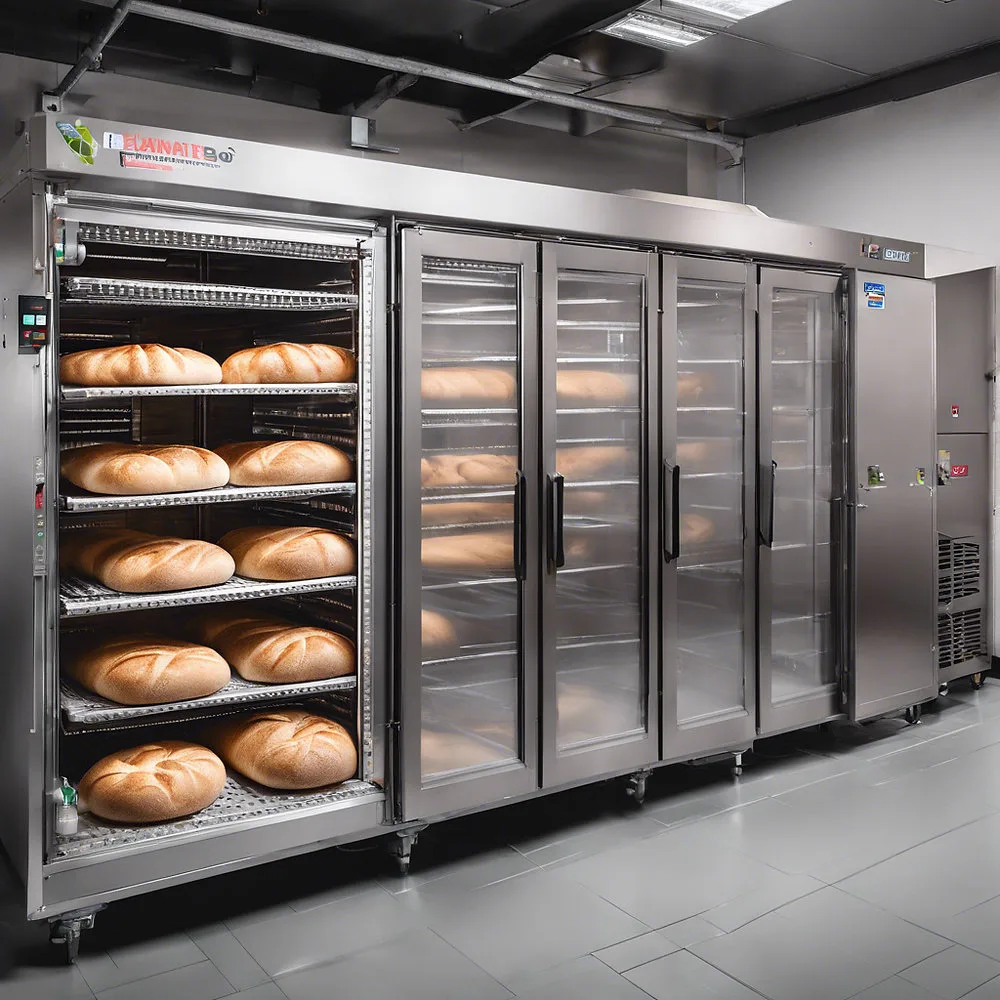
Let me tell you something, nothing ruins a baker’s morning like pulling a tray of dough from the proofer only to find half of it overproofed into a sad, saggy mess while the other half looks like it’s still napping. I’ve been there, staring at a rack of uneven baguettes like they’re some kind of culinary riddle. Calibrating a commercial bread proofer isn’t just about turning knobs until the temperature feels right; it’s about understanding the delicate dance between heat, humidity, time, and dough chemistry. And if you’re not paying attention? Well, let’s just say your croissants won’t be winning any awards.
I remember the first time I tried to dial in a proofer at a small Nashville bakery where I was consulting. The owner, a no-nonsense woman who’d been baking since before I was born, handed me a thermometer and said, “Make it work.” No manual, no cheat sheet, just me, a proofer that looked like it had survived the Civil War, and a prayer. Turns out, calibration isn’t just science; it’s part intuition, part patience, and a whole lot of trial and error. But here’s the thing: once you get it right, it’s like unlocking a secret level in baking. Suddenly, every loaf rises just enough, every bun has that perfect spring, and your customers stop asking why their sourdough looks like a pancake.
So, if you’re tired of playing guessing games with your proofer, this guide is for you. We’re going to break down how to calibrate commercial bread proofers step by step, from understanding the basics to troubleshooting the weird quirks that make these machines so finicky. By the end, you’ll know how to turn your proofer from a temperamental beast into a reliable partner in crime. And maybe, just maybe, you’ll stop dreading the proofing step altogether.
Here’s what we’ll cover:
- Why calibration matters more than you think (and what happens when you ignore it)
- The tools you’ll need (spoiler: it’s not just a thermometer)
- How to test your proofer’s current performance (without ruining a batch of dough)
- Step-by-step calibration for temperature, humidity, and timing
- Common mistakes that even pros make (and how to avoid them)
- How to maintain consistency once you’ve nailed the settings
Sound good? Let’s dive in. And hey, if you’ve ever thrown a tray of dough across the kitchen in frustration, you’re in the right place.
Why Calibrating Your Commercial Bread Proofer Is Non-Negotiable
The Science Behind the Proof (And Why It’s More Complicated Than You Think)
Proofing isn’t just about letting dough sit around until it gets bigger. It’s a biochemical reaction where yeast ferments sugars, releasing carbon dioxide that gets trapped in the gluten network. That’s what gives bread its airy structure. But here’s the catch: yeast is a living organism, and like all living things, it’s sensitive to its environment. Too cold, and the yeast goes dormant; too hot, and it dies or ferments too quickly, leading to off flavors or collapsed dough. Humidity plays a role too, too dry, and the dough’s surface skins over, trapping gas inside and creating a dense crumb. Too humid, and you risk a gummy texture or even mold growth over time.
Now, think about your proofer. It’s essentially a controlled environment where you’re trying to create the perfect conditions for this reaction to happen consistently. But here’s the thing: o two proofers are exactly alike. Even identical models from the same manufacturer can have slight variations in sensors, heating elements, or airflow. And if you’re working with an older unit? Forget about it. I’ve seen proofers that were off by 10 degrees Fahrenheit or more, which might as well be the difference between a light, airy brioche and a hockey puck.
So why does calibration matter? Because consistency is king in commercial baking. If your proofer is running too hot, your dough might rise too quickly, leading to weak gluten development and a lack of structure. Too cold, and you’ll end up with dense, underproofed loaves that don’t bake properly. And if the humidity is off? You might as well be proofing in the Sahara or a rainforest. The goal is to create a repeatable process where every batch of dough behaves the same way, every time. That’s how you build a reputation for quality, and keep customers coming back.
But here’s where it gets tricky. Most bakers treat their proofer like a set-it-and-forget-it appliance. You turn it on, set the temperature and humidity to what the recipe says, and hope for the best. But over time, sensors drift, heating elements wear out, and calibration goes out the window. That’s why regular calibration isn’t just recommended; it’s essential. Think of it like tuning a guitar. If you don’t check the strings regularly, you’ll end up playing out of key, and in baking, that means inconsistent results.
The Cost of Ignoring Calibration (Spoiler: It’s Not Just Bad Bread)
Let’s talk about the elephant in the room: what happens when you don’t calibrate your proofer. The most obvious consequence is inconsistent product. One day, your baguettes are perfect; the next, they’re flat and lifeless. But the problems go deeper than that. Here’s what you’re really risking:
- Wasted ingredients: Overproofed or underproofed dough often ends up in the trash. In a commercial setting, that’s money down the drain. I’ve seen bakeries lose hundreds of dollars a week just from poor proofing alone.
- Increased labor costs: If your proofer isn’t calibrated, you’ll spend more time adjusting recipes, babysitting dough, and troubleshooting issues. That’s time you could be spending on other tasks, or, you know, actually sleeping.
- Customer dissatisfaction: Inconsistent bread means inconsistent quality. And in today’s world, where customers can leave a one-star review in seconds, that’s a risk you can’t afford.
- Equipment wear and tear: A proofer that’s constantly running too hot or too cold has to work harder to maintain its settings. Over time, that can lead to premature failure, costly repairs, or even the need for a full replacement.
- Food safety risks: If your proofer’s humidity is too high, you could be creating an environment where mold or bacteria thrive. And if it’s too low, you might not be killing off enough pathogens during the proofing process. Neither scenario is ideal.
I once worked with a bakery that was struggling with chronic overproofing. They’d adjusted their recipes, changed their yeast, even tried different flours, but the problem persisted. Turns out, their proofer’s temperature sensor was off by 8 degrees, and the humidity control was stuck at 90%. They’d been fighting the machine, not the dough. Once we recalibrated, their proofing times dropped by nearly 20%, and their waste decreased by 30%. That’s the power of calibration.
So, if you’re still on the fence about whether calibration is worth the effort, ask yourself this: Can you afford not to? Because in the long run, the cost of ignoring calibration is always higher than the time it takes to do it right.
The Tools You’ll Need (And Why a Thermometer Isn’t Enough)
Alright, let’s talk gear. If you’re going to calibrate your proofer like a pro, you’ll need more than just a hunch and a prayer. Here’s what you should have in your toolkit:
1. A Reliable Digital Thermometer (With a Probe)
This is non-negotiable. A digital thermometer with a probe is the backbone of proofer calibration. You need something that can give you accurate, real-time readings of the air temperature inside the proofer. But not all thermometers are created equal. Here’s what to look for:
- Accuracy: Look for a thermometer with an accuracy of ±0.5°F (±0.3°C) or better. Anything less, and you’re just guessing.
- Response time: The faster the thermometer can register changes in temperature, the better. You don’t want to be waiting 30 seconds for a reading when you’re trying to dial in a proofer.
- Probe length: Make sure the probe is long enough to reach the center of your proofer without touching the walls or racks. A 6-inch probe is usually sufficient, but if you’re working with a large proofer, you might need something longer.
- Calibration certificate: Some high-end thermometers come with a certificate of calibration. This isn’t strictly necessary, but it’s a nice bonus if you want to be extra sure of your readings.
I’ve had good luck with the Thermoworks Thermapen, but there are plenty of other great options out there. Just avoid those cheap dial thermometers, they’re notoriously inaccurate and slow to respond.
2. A Hygrometer (For Humidity Readings)
Temperature is only half the equation. Humidity is just as important, if not more so, when it comes to proofing. Too little humidity, and your dough will dry out and form a skin; too much, and you’ll end up with a gummy, underproofed mess. A digital hygrometer will help you measure the relative humidity inside your proofer so you can adjust accordingly.
Here’s what to look for in a hygrometer:
- Accuracy: Aim for ±2% RH (relative humidity) or better. Humidity is trickier to measure than temperature, so don’t skimp here.
- Response time: Like thermometers, you want a hygrometer that can give you quick readings. Some models take minutes to stabilize, which is frustrating when you’re trying to make adjustments.
- Calibration: Some hygrometers can be calibrated using a salt test (more on that later). This is a huge plus if you want to ensure long-term accuracy.
- Display: Look for a large, easy-to-read display. You’ll be checking this thing a lot, so make sure you can see the numbers clearly.
I’ve used the ThermoPro TP50 with good results, but again, there are plenty of solid options out there. Just make sure you’re not relying on the proofer’s built-in humidity sensor, those things are notoriously unreliable.
3. A Notebook (Or a Spreadsheet, If You’re Fancy)
Calibration isn’t a one-and-done deal. You’ll need to track your settings, readings, and results over time to spot trends and make adjustments. A simple notebook works fine, but if you’re more tech-savvy, a spreadsheet can help you visualize the data. Here’s what you should be recording:
- Date and time of calibration
- Proofer settings (temperature, humidity, time)
- Actual readings from your thermometer and hygrometer
- Dough type and recipe used
- Proofing time
- Results (e.g., “slightly overproofed,” “perfect,” “dense crumb”)
- Any adjustments made
Over time, this data will become invaluable. You’ll start to see patterns, like how your proofer tends to run hotter in the summer or how certain doughs respond better to slightly higher humidity. And if something goes wrong, you’ll have a record to help you troubleshoot.
4. A Timer (Because You’ll Lose Track of Time)
Proofing is all about timing, and it’s easy to get distracted in a busy kitchen. A reliable timer is essential for tracking how long your dough has been in the proofer. You can use a phone, but I prefer a dedicated kitchen timer, something like the Taylor Precision Products Timer. It’s loud, easy to use, and won’t get lost in the shuffle of a busy shift.
Pro tip: Set multiple timers if you’re proofing different types of dough at the same time. Nothing’s worse than pulling a tray of brioche out of the proofer only to realize your sourdough has been in there 20 minutes too long.
5. A Scale (For Testing Dough Expansion)
This one might surprise you, but a digital kitchen scale can be a game-changer for calibration. Here’s why: one of the best ways to test your proofer’s performance is to track how much your dough expands during proofing. Weigh a piece of dough before it goes into the proofer, then weigh it again after proofing. The difference in weight will tell you how much moisture the dough has lost (or gained), which is a good indicator of humidity control.
You don’t need anything fancy, just a scale that can measure in grams with an accuracy of ±1g. I like the OXO Good Grips Scale, but any reliable digital scale will do.
6. A Flashlight (For Inspecting the Proofer’s Interior)
This might seem like overkill, but trust me-inspecting your proofer’s interior can reveal a lot about its performance. Look for signs of uneven heating, like hot spots or cold zones. Check for condensation buildup, which can indicate humidity issues. And make sure the fans and vents are clean and unobstructed. A small flashlight (or even your phone’s flashlight) can help you spot problems that might be affecting your calibration.
7. A Calibration Kit (For Advanced Users)
If you’re serious about calibration, consider investing in a calibration kit. These kits typically include a reference thermometer and hygrometer that you can use to verify the accuracy of your tools. Some even come with calibration salts for testing hygrometers. This is overkill for most bakeries, but if you’re running a large operation or working with high-end equipment, it might be worth the investment.
One thing I’ve learned the hard way: don’t rely on the proofer’s built-in sensors. They’re convenient, but they’re not always accurate. Always cross-check with your own tools to get a true picture of what’s happening inside the proofer.
How to Test Your Proofer’s Current Performance (Without Ruining a Batch of Dough)
Before you start tweaking settings, you need to know where your proofer stands. Is it running too hot? Too cold? Is the humidity all over the place? The only way to find out is to put it to the test. Here’s how to do it without wasting a single gram of flour.
The Water Test: A Simple (But Effective) Way to Check Temperature
This is one of the easiest ways to test your proofer’s temperature accuracy. All you need is a glass of water and your trusty thermometer. Here’s how it works:
- Fill a glass with room-temperature water and place it in the center of your proofer. Make sure it’s not touching the walls or racks.
- Set your proofer to the temperature you typically use for proofing (e.g., 80°F or 27°C).
- Let the proofer run for at least 30 minutes to stabilize.
- Insert your thermometer probe into the water and wait for the reading to stabilize. This might take a minute or two, depending on your thermometer.
- Compare the reading to your proofer’s set temperature. If there’s a discrepancy, you’ll need to adjust the proofer’s settings or recalibrate its sensors.
Why water? Because water has a high thermal mass, meaning it takes longer to heat up or cool down than air. This makes it a more stable medium for testing temperature accuracy. If your proofer is off by more than 2°F (1°C), it’s time to make some adjustments.
Pro tip: Repeat this test in different areas of the proofer to check for hot or cold spots. If you notice significant variations, you might need to adjust your racks or look into a proofer with better airflow.
The Salt Test: Calibrating Your Hygrometer for Accurate Humidity Readings
Humidity is trickier to measure than temperature, but this simple test will help you verify the accuracy of your hygrometer. You’ll need:
- A small, airtight container (like a mason jar or Tupperware)
- Table salt
- A little water
- Your hygrometer
Here’s how to do it:
- Fill the bottom of the container with a thin layer of salt (about 1/4 inch deep).
- Add just enough water to moisten the salt, it should look like wet sand, not soupy.
- Place your hygrometer in the container, making sure it’s not touching the salt or the sides.
- Seal the container and let it sit for at least 6 hours (overnight is even better).
- After the waiting period, check the hygrometer’s reading. It should read 75% RH (relative humidity). If it doesn’t, you’ll need to adjust your hygrometer or account for the discrepancy in your proofer settings.
Why salt? Because a saturated salt solution creates a stable environment with a known humidity level (75% RH at room temperature). This makes it a reliable reference point for calibrating your hygrometer. If your hygrometer is off by more than 3%, it’s time to recalibrate or replace it.
Pro tip: This test works best at room temperature (around 70°F or 21°C). If your kitchen is significantly warmer or cooler, the results might not be as accurate.
The Dough Ball Test: A Baker’s Secret Weapon
This is one of my favorite ways to test a proofer’s performance because it gives you a real-world sense of how your dough will behave. Here’s how it works:
- Mix up a small batch of dough using your standard recipe. You don’t need much, just enough to make a few golf-ball-sized pieces.
- Weigh each piece of dough (they should all be the same weight, ideally around 50g).
- Place the dough balls in the proofer, spacing them evenly on a tray. Make sure they’re not touching each other or the sides of the proofer.
- Set the proofer to your usual proofing temperature and humidity.
- Check the dough balls every 15 minutes. Note how they’re expanding, whether they’re developing a skin, and how they feel when you gently poke them.
- After the expected proofing time (e.g., 1 hour), remove the dough balls and weigh them again. The weight loss (or gain) will tell you how well the proofer is controlling humidity.
Here’s what to look for:
- Even expansion: All the dough balls should rise at roughly the same rate. If some are expanding faster than others, you might have hot or cold spots in your proofer.
- Surface texture: The dough should feel slightly tacky but not sticky. If it’s dry and leathery, the humidity is too low. If it’s wet and sticky, the humidity is too high.
- Weight change: Ideally, the dough should lose about 1-2% of its weight during proofing. If it’s losing more, the humidity is too low. If it’s gaining weight, the humidity is too high.
- Poke test: Gently press your finger into a dough ball. If the indentation springs back quickly, the dough is underproofed. If it springs back slowly, it’s ready. If it doesn’t spring back at all, it’s overproofed.
This test is especially useful if you’re working with a new proofer or troubleshooting an existing one. It gives you a hands-on sense of how the machine is performing and what adjustments you might need to make.
The Paper Test: Checking Airflow and Humidity Distribution
Airflow is one of the most overlooked aspects of proofer calibration. If your proofer has poor airflow, you’ll end up with uneven proofing, some areas will be too dry, while others will be too humid. Here’s a simple way to test it:
- Cut a few sheets of paper into strips (about 1 inch wide and 6 inches long).
- Hang the strips in different areas of the proofer, some near the top, some near the bottom, and some in the middle.
- Set the proofer to your usual proofing temperature and humidity.
- Let it run for 30 minutes, then check the strips.
Here’s what to look for:
- Even curling: If the strips are curling evenly, the airflow is consistent. If some are straight while others are curled, you’ve got airflow issues.
- Moisture absorption: If the strips near the top are dry while the ones near the bottom are damp, the humidity isn’t distributing evenly.
- Direction of curl: If all the strips are curling in the same direction, the airflow is too strong in one area. This can dry out your dough or create hot spots.
If you notice uneven airflow, you might need to adjust the proofer’s fans or vents. In some cases, you might need to rearrange your racks to improve circulation. And if the problem persists, it might be time to call in a professional for maintenance.
Step-by-Step Calibration: Temperature, Humidity, and Timing
Alright, now that you’ve tested your proofer and know where it stands, it’s time to dive into the nitty-gritty of calibration. This is where the magic happens, or where things go horribly wrong if you’re not careful. Let’s break it down into manageable steps.
Calibrating Temperature: The Foundation of Consistent Proofing
Temperature is the most critical factor in proofing. Get it wrong, and nothing else matters. Here’s how to calibrate it like a pro:
Step 1: Check the Proofer’s Built-In Sensor
Most commercial proofers have a built-in temperature sensor that controls the heating element. The first step is to verify that this sensor is working correctly. Here’s how:
- Set the proofer to a mid-range temperature (e.g., 80°F or 27°C).
- Let it run for at least 30 minutes to stabilize.
- Use your digital thermometer to take readings in multiple areas of the proofer (top, bottom, middle, near the walls).
- Compare the readings to the proofer’s set temperature. If there’s a discrepancy of more than 2°F (1°C), the sensor might need recalibration.
If your proofer has a calibration mode, consult the manual to adjust the sensor. This usually involves entering a special menu and making small adjustments until the readings match your thermometer. If there’s no calibration mode, you’ll need to account for the discrepancy in your settings (e.g., if the proofer runs 3°F hot, set it 3°F lower than your target temperature).
Step 2: Adjust for Hot and Cold Spots
Even if your proofer’s sensor is accurate, you might still have hot or cold spots due to uneven airflow or heating. Here’s how to address them:
- Rearrange the racks: If the top of the proofer is hotter than the bottom, try moving the racks around to improve airflow. Some proofers have adjustable vents that can help direct air where it’s needed.
- Use fans: If your proofer doesn’t have built-in fans, consider adding a small, food-safe fan to improve circulation. Just make sure it’s not blowing directly on the dough, as this can dry it out.
- Rotate trays: If you can’t eliminate hot spots entirely, rotate your trays halfway through the proofing process to ensure even exposure.
Pro tip: If you’re consistently seeing hot spots in the same area, it might be a sign of a failing heating element or a blocked vent. In that case, it’s time to call in a technician.
Step 3: Fine-Tune for Different Dough Types
Not all doughs proof at the same temperature. Rich doughs (like brioche or challah) benefit from slightly cooler temperatures (around 75°F or 24°C) to prevent overproofing, while lean doughs (like baguettes or ciabatta) can handle warmer temperatures (up to 85°F or 29°C). Here’s how to adjust:
- Lean doughs: Aim for 80-85°F (27-29°C). These doughs have less fat and sugar, so they can handle higher temperatures without overproofing.
- Rich doughs: Stick to 75-80°F (24-27°C). The higher fat and sugar content make them more sensitive to heat.
- Sourdough: 78-82°F (25-28°C) is ideal. Sourdough is finicky, so small temperature variations can make a big difference.
Once you’ve set the temperature, run a test batch and adjust as needed. Remember, the goal is to find the sweet spot where the dough rises just enough without overproofing or developing off flavors.
Calibrating Humidity: The Secret to Perfect Crust and Crumb
Humidity is where a lot of bakers get tripped up. Too little, and your dough dries out; too much, and you end up with a gummy mess. Here’s how to get it right:
Step 1: Verify the Proofer’s Humidity Sensor
Just like with temperature, the first step is to check the accuracy of the proofer’s built-in humidity sensor. Here’s how:
- Set the proofer to a mid-range humidity (e.g., 75% RH).
- Let it run for at least 30 minutes to stabilize.
- Use your hygrometer to take readings in multiple areas of the proofer.
- Compare the readings to the proofer’s set humidity. If there’s a discrepancy of more than 3% RH, the sensor might need recalibration.
If your proofer has a calibration mode for humidity, use it to adjust the sensor. If not, you’ll need to account for the discrepancy in your settings (e.g., if the proofer runs 5% RH high, set it 5% RH lower than your target).
Step 2: Adjust for Dough Type and Desired Results
Different doughs require different humidity levels. Here’s a general guide:
- Lean doughs (baguettes, ciabatta): 65-75% RH. These doughs benefit from slightly lower humidity to encourage crust development during baking.
- Rich doughs (brioche, challah): 75-85% RH. Higher humidity prevents the dough from drying out, which is especially important for doughs with high fat content.
- Sourdough: 70-80% RH. Sourdough is sensitive to humidity, so aim for the middle of the range and adjust as needed.
- Sweet doughs (cinnamon rolls, donuts): 80-90% RH. These doughs can handle higher humidity to prevent drying out.
But humidity isn’t just about the dough type, it’s also about the result you want. Here’s how to adjust for different outcomes:
- Open crumb (e.g., ciabatta): Lower humidity (65-70% RH) encourages gas retention and a more open structure.
- Tight crumb (e.g., sandwich bread): Higher humidity (75-85% RH) helps the dough retain moisture for a softer texture.
- Crust development: Lower humidity (60-70% RH) helps the dough form a skin, which can improve oven spring and crust color.
Step 3: Troubleshoot Common Humidity Issues
Even with the best calibration, humidity can be unpredictable. Here’s how to troubleshoot common problems:
- Dough drying out: If your dough is developing a skin or cracking, the humidity is too low. Increase the humidity setting or add a tray of water to the proofer to boost moisture levels.
- Dough too sticky: If your dough feels wet and sticky, the humidity is too high. Decrease the humidity setting or improve airflow to reduce moisture buildup.
- Condensation buildup: If you’re seeing water droplets on the walls or racks, the humidity is too high. Reduce the setting or check for leaks in the proofer’s seals.
- Uneven humidity: If some areas of the proofer are more humid than others, you might have airflow issues. Rearrange the racks or add a fan to improve circulation.
Pro tip: If you’re struggling with humidity control, consider using a humidity tray. Fill a shallow tray with water and place it in the proofer to boost moisture levels. Just make sure it’s not blocking airflow or dripping onto your dough.
Calibrating Timing: The Art of Patience (And Why It’s Harder Than It Looks)
Proofing time is where a lot of bakers go wrong. It’s easy to assume that if the temperature and humidity are right, the timing will take care of itself. But that’s not always the case. Here’s how to dial in your proofing times:
Step 1: Start with the Recipe (But Don’t Trust It Blindly)
Most recipes include a recommended proofing time, but these are just guidelines. The actual time will depend on your proofer’s settings, the dough’s temperature, and even the weather. Here’s how to adjust:
- Check the dough’s temperature: Cold dough will take longer to proof than warm dough. Use a thermometer to check the dough’s internal temperature before it goes into the proofer. Ideally, it should be around 75°F (24°C). If it’s colder, you’ll need to extend the proofing time.
- Monitor the dough’s expansion: Instead of relying on a timer, watch how the dough behaves. It should roughly double in size during proofing. If it’s not expanding enough, give it more time. If it’s expanding too much, pull it out early.
- Use the poke test: Gently press your finger into the dough. If the indentation springs back quickly, the dough is underproofed. If it springs back slowly, it’s ready. If it doesn’t spring back at all, it’s overproofed.
Step 2: Adjust for Dough Type and Desired Results
Different doughs proof at different rates. Here’s a general guide:
- Lean doughs: 1-2 hours. These doughs proof relatively quickly due to their low fat and sugar content.
- Rich doughs: 2-3 hours. Higher fat and sugar content slow down fermentation, so these doughs take longer to proof.
- Sourdough: 3-6 hours (or longer). Sourdough is unpredictable, so proofing times can vary widely depending on the starter’s strength and the dough’s temperature.
- Sweet doughs: 1.5-2.5 hours. The sugar in these doughs can speed up fermentation, so they often proof faster than rich doughs.
But timing isn’t just about the dough type, it’s also about the result you want. Here’s how to adjust for different outcomes:
- Open crumb: Longer proofing times (up to 20% longer) encourage more gas development and a more open structure.
- Tight crumb: Shorter proofing times (up to 20% shorter) help the dough retain structure for a denser crumb.
- Flavor development: Longer proofing times (especially for sourdough) allow more fermentation, which enhances flavor. Just be careful not to overproof.
Step 3: Troubleshoot Common Timing Issues
Even with the best calibration, timing can be tricky. Here’s how to troubleshoot common problems:
- Underproofed dough: If your dough isn’t rising enough, it might be too cold or the yeast might be weak. Check the proofer’s temperature and consider using a stronger yeast or extending the proofing time.
- Overproofed dough: If your dough is collapsing or has a sour smell, it’s overproofed. Reduce the proofing time or lower the temperature to slow down fermentation.
- Inconsistent results: If some batches are perfect while others are under- or overproofed, you might have issues with temperature or humidity control. Recheck your proofer’s calibration and adjust as needed.
- Slow proofing: If your dough is taking longer than expected to proof, it might be too cold. Check the dough’s temperature before it goes into the proofer and adjust the proofing time accordingly.
Pro tip: If you’re struggling with timing, consider using a proofing log. Track the dough’s temperature, proofing time, and results for each batch. Over time, you’ll start to see patterns and can adjust your process accordingly.
Common Mistakes (And How to Avoid Them)
Calibrating a commercial bread proofer isn’t rocket science, but it’s easy to make mistakes, especially when you’re in a hurry or dealing with a finicky machine. Here are some of the most common pitfalls and how to avoid them:
Mistake 1: Relying on the Proofer’s Built-In Sensors
This is the biggest mistake I see bakers make. The sensors in most commercial proofers are decent, but they’re not infallible. Over time, they can drift, get dirty, or fail entirely. If you’re relying solely on the proofer’s readings, you’re setting yourself up for inconsistency.
How to avoid it: Always cross-check the proofer’s readings with your own tools. Use a digital thermometer and hygrometer to verify temperature and humidity, and don’t assume the proofer is telling the truth. If there’s a discrepancy, trust your tools and adjust the proofer’s settings accordingly.
Mistake 2: Ignoring Airflow
Airflow is one of the most overlooked aspects of proofer calibration. If your proofer has poor airflow, you’ll end up with hot spots, cold zones, and uneven humidity. This can lead to inconsistent proofing, even if your temperature and humidity settings are perfect.
How to avoid it: Test your proofer’s airflow using the paper test (see above). If you notice uneven airflow, try rearranging the racks, adjusting the vents, or adding a fan to improve circulation. And if the problem persists, it might be time to call in a technician to check the proofer’s fans or heating elements.
Mistake 3: Skipping Regular Maintenance
Proofers are like cars, they need regular maintenance to perform at their best. If you’re not cleaning the interior, checking the seals, or inspecting the heating elements, you’re asking for trouble. Over time, dust, flour, and moisture can build up, affecting the proofer’s performance and accuracy.
How to avoid it: Create a maintenance schedule and stick to it. Here’s what you should be doing:
- Daily: Wipe down the interior with a damp cloth to remove flour and moisture buildup. Check the seals for cracks or gaps.
- Weekly: Clean the racks and trays with warm, soapy water. Inspect the heating elements and fans for dust or debris.
- Monthly: Check the proofer’s calibration using the water test and salt test (see above). Lubricate the door hinges and seals if needed.
- Annually: Have a professional inspect the proofer’s electrical components, heating elements, and sensors. Replace any worn or damaged parts.
Pro tip: If you’re working in a high-volume bakery, you might need to increase the frequency of maintenance. Dust and flour can build up quickly in a busy kitchen, so don’t wait until there’s a problem to clean your proofer.
Mistake 4: Overloading the Proofer
It’s tempting to cram as much dough as possible into the proofer to save time, but this is a recipe for disaster. Overloading the proofer can block airflow, create hot spots, and lead to uneven proofing. And if the dough is touching the walls or racks, it can dry out or overproof in those areas.
How to avoid it: Follow the proofer’s capacity guidelines. If it’s designed for 10 trays, don’t try to fit 15. Space the trays evenly to allow for airflow, and make sure the dough isn’t touching the walls or racks. If you’re proofing large batches, consider using multiple proofers or staggering the proofing times.
Mistake 5: Not Accounting for Dough Temperature
Dough temperature is one of the most important factors in proofing, but it’s often overlooked. Cold dough will proof more slowly than warm dough, and if you’re not accounting for this, you’ll end up with inconsistent results. This is especially true in the winter, when dough can come out of the mixer significantly colder than in the summer.
How to avoid it: Always check the dough’s temperature before it goes into the proofer. Use a thermometer to measure the internal temperature, and adjust the proofing time accordingly. If the dough is too cold, you might need to extend the proofing time or increase the proofer’s temperature slightly. And if it’s too warm, you might need to shorten the proofing time or lower the temperature.
Pro tip: If you’re working in a cold kitchen, consider using a dough retarder or a warm water bath to bring the dough up to temperature before proofing. This can help ensure more consistent results.
Mistake 6: Changing Too Many Variables at Once
When you’re troubleshooting a proofer, it’s tempting to tweak multiple settings at once. But this is a surefire way to create more problems than you solve. If you change the temperature, humidity, and timing all at once, you won’t know which adjustment fixed the problem (or made it worse).
How to avoid it: Change one variable at a time and track the results. For example, if your dough is overproofing, try reducing the temperature first. If that doesn’t work, adjust the humidity. And if you’re still having issues, tweak the timing. This way, you’ll know exactly what’s working and what’s not.
Mistake 7: Not Documenting Your Adjustments
Calibration isn’t a one-and-done deal. You’ll need to make adjustments over time as the proofer ages, the seasons change, or your recipes evolve. But if you’re not documenting your changes, you’ll have no way of knowing what worked and what didn’t. This can lead to a lot of wasted time and ingredients.
How to avoid it: Keep a calibration log where you record your proofer’s settings, the adjustments you make, and the results. Over time, this log will become an invaluable resource for troubleshooting and fine-tuning your process. Here’s what you should be recording:
- Date and time of calibration
- Proofer settings (temperature, humidity, time)
- Actual readings from your thermometer and hygrometer
- Dough type and recipe used
- Proofing time
- Results (e.g., “slightly overproofed,” “perfect,” “dense crumb”)
- Any adjustments made
Pro tip: If you’re tech-savvy, consider using a spreadsheet to track your data. This can help you spot trends and make more informed adjustments over time.
Maintaining Consistency: How to Keep Your Proofer in Top Shape
You’ve calibrated your proofer, dialed in the settings, and achieved the perfect proof. Now what? The hard part isn’t getting it right, it’s keeping it right. Here’s how to maintain consistency over time:
1. Schedule Regular Calibration Checks
Calibration isn’t a one-time event. Over time, sensors drift, heating elements wear out, and seals degrade. To keep your proofer performing at its best, you need to schedule regular calibration checks. Here’s a suggested timeline:
- Weekly: Run a quick water test to check the proofer’s temperature accuracy. If it’s off by more than 2°F (1°C), make adjustments.
- Monthly: Perform a full calibration check, including the water test, salt test, and dough ball test. Document your findings and make any necessary adjustments.
- Quarterly: Have a professional inspect the proofer’s electrical components, heating elements, and sensors. Replace any worn or damaged parts.
Pro tip: If you’re working in a high-volume bakery, you might need to increase the frequency of calibration checks. The more you use the proofer, the more often you’ll need to verify its accuracy.
2. Keep a Calibration Log
As I mentioned earlier, a calibration log is one of the most valuable tools in your arsenal. It helps you track your proofer’s performance over time, spot trends, and make informed adjustments. Here’s what to include in your log:
- Date and time of calibration
- Proofer settings (temperature, humidity, time)
- Actual readings from your thermometer and hygrometer
- Dough type and recipe used
- Proofing time
- Results (e.g., “slightly overproofed,” “perfect,” “dense crumb”)
- Any adjustments made
- Notes on environmental factors (e.g., “kitchen was 10°F warmer than usual”)
Over time, this log will become an invaluable resource for troubleshooting and fine-tuning your process. It can also help you identify patterns, like how your proofer performs in the summer versus the winter or how different doughs respond to the same settings.
3. Monitor Environmental Factors
Your proofer doesn’t exist in a vacuum. Environmental factors like kitchen temperature, humidity, and even altitude can affect its performance. Here’s how to account for them:
- Kitchen temperature: If your kitchen is significantly warmer or cooler than usual, it can affect the proofer’s ability to maintain its settings. In the summer, you might need to lower the proofer’s temperature slightly to compensate for the heat. In the winter, you might need to increase it.
- Kitchen humidity: If your kitchen is very humid, the proofer might struggle to maintain low humidity settings. Conversely, if it’s very dry, you might need to add a humidity tray to boost moisture levels.
- Altitude: If you’re baking at high altitude, you might need to adjust your proofing times and temperatures. Dough rises more quickly at high altitude due to lower air pressure, so you’ll need to shorten the proofing time or lower the temperature.
Pro tip: Keep a separate log for environmental factors. Note the kitchen temperature, humidity, and any other relevant conditions (e.g., “AC was broken, kitchen was 90°F”). This can help you troubleshoot issues and make more informed adjustments.
4. Train Your Staff
If you’re not the only one using the proofer, it’s essential to train your staff on proper calibration and maintenance. Here’s what they need to know:
- How to perform basic calibration checks (e.g., water test, salt test)
- How to adjust the proofer’s settings for different dough types
- How to troubleshoot common issues (e.g., overproofing, underproofing)
- How to clean and maintain the proofer
- How to document adjustments and results
Pro tip: Create a standard operating procedure (SOP) for proofer calibration and maintenance. This should include step-by-step instructions, troubleshooting tips, and contact information for a professional technician. Post it near the proofer so your staff can refer to it as needed.
5. Invest in Quality Tools
Your calibration tools are only as good as their accuracy. If your thermometer or hygrometer is off, your calibration will be off too. Here’s how to ensure your tools are up to the task:
- Calibrate your tools regularly: Even the best thermometers and hygrometers can drift over time. Use the water test and salt test to verify their accuracy, and recalibrate or replace them as needed.
- Invest in high-quality tools: Cheap thermometers and hygrometers are often inaccurate and slow to respond. Invest in tools with a proven track record of accuracy and reliability.
- Store your tools properly: Keep your thermometer and hygrometer in a dry, temperature-stable environment. Avoid exposing them to extreme heat or cold, as this can affect their accuracy.
Pro tip: If you’re serious about calibration, consider investing in a calibration kit. These kits typically include a reference thermometer and hygrometer that you can use to verify the accuracy of your tools. Some even come with calibration salts for testing hygrometers.
6. Know When to Call a Professional
While many calibration tasks can be done in-house, there are times when you’ll need to call in a professional. Here are some signs that it’s time to seek help:
- The proofer’s temperature or humidity is consistently off, even after calibration.
- You’re experiencing frequent equipment failures (e.g., heating elements burning out, sensors failing).
- The proofer is making strange noises or emitting unusual odors.
- You’re seeing signs of electrical issues (e.g., flickering lights, tripped breakers).
- The proofer’s seals or gaskets are cracked or damaged.
Pro tip: Build a relationship with a commercial kitchen equipment technician. They can help you troubleshoot issues, perform regular maintenance, and keep your proofer running smoothly. And if something goes wrong, you’ll have someone to call who knows your equipment inside and out.
Final Thoughts: The Proof Is in the Proofing
Calibrating a commercial bread proofer isn’t just about turning knobs and hoping for the best. It’s about understanding the delicate balance between heat, humidity, time, and dough chemistry, and then using that knowledge to create consistent, high-quality bread. It’s a process that requires patience, attention to detail, and a willingness to experiment. But when you get it right, the results are worth it.
I’ll be honest, this isn’t the most glamorous part of baking. There’s no Instagram-worthy dough here, no artisanal shaping techniques, no golden-brown crusts to admire. But it’s the foundation of everything else. Without proper proofing, even the best dough will fall flat (literally). And in a commercial setting, consistency is everything. Your customers don’t care how beautiful your sourdough starter is if their loaf turns out dense and lifeless. They just want bread that tastes good, every time.
So, where do you go from here? Start by testing your proofer’s current performance. Use the water test, salt test, and dough ball test to see where it stands. Then, make small, incremental adjustments to temperature, humidity, and timing. Keep a log of your changes and track the results. And don’t be afraid to experiment, every proofer is different, and what works for one bakery might not work for another.
And remember, calibration isn’t a one-time event. It’s an ongoing process that requires regular attention and maintenance. But if you put in the effort, you’ll be rewarded with bread that rises perfectly, every time. And who knows? Maybe you’ll even stop throwing trays of dough across the kitchen in frustration.
Now, I’d love to hear from you. What’s your biggest proofer calibration challenge? Have you found any tricks that work particularly well? Drop a comment below and let’s swap stories, because let’s face it, we’ve all had those days where the proofer seems to have a mind of its own.
FAQ: Your Burning Questions About Proofer Calibration, Answered
Q: How often should I calibrate my commercial bread proofer?
A: Ideally, you should perform a quick calibration check (like the water test) weekly to ensure the temperature is accurate. A full calibration, including humidity and airflow tests, should be done monthly. If you notice inconsistencies in your proofing results, calibrate more frequently. Remember, calibration isn’t a one-time event, it’s an ongoing process that keeps your proofer performing at its best.
Q: My proofer’s temperature is off by 5°F. Should I adjust the proofer or my recipes?
A: If your proofer’s temperature is consistently off by a significant margin (like 5°F), it’s best to adjust the proofer’s settings rather than your recipes. Most proofers have a calibration mode that allows you to fine-tune the temperature sensor. If yours doesn’t, you can account for the discrepancy by setting the proofer 5°F lower than your target temperature. Adjusting your recipes to compensate for an inaccurate proofer can lead to inconsistencies and wasted ingredients in the long run.
Q: How do I know if my proofer’s humidity is too high or too low?
A: There are a few telltale signs of humidity issues in your proofer. If the humidity is too low, your dough might develop a dry, leathery skin or crack on the surface. It may also rise more slowly or unevenly. If the humidity is too high, your dough might feel wet and sticky, or it might not rise properly due to excess moisture. You might also notice condensation buildup on the proofer’s walls or racks. The best way to check humidity is with a digital hygrometer, it’ll give you an accurate reading so you can adjust the proofer’s settings accordingly.
Q: Can I use my home oven as a proofer in a pinch?
A: While it’s possible to use a home oven as a makeshift proofer, it’s not ideal for consistent results. Home ovens aren’t designed to maintain the low, stable temperatures required for proofing, and they often lack humidity control. If you’re in a pinch, you can try setting your oven to its lowest temperature (usually around 170°F or 77°C) and turning it off once it reaches that temperature. Place a tray of boiling water in the oven to add humidity, and let your dough proof inside with the door closed. However, this method is far from perfect, and you’ll likely see inconsistent results. For commercial baking, investing in a dedicated proofer is the best way to ensure consistent, high-quality proofing.
@article{how-to-calibrate-commercial-bread-proofers-for-consistent-results-and-why-its-driving-you-crazy,
    title   = {How to Calibrate Commercial Bread Proofers for Consistent Results (And Why It’s Driving You Crazy)},
    author  = {Chef's icon},
    year    = {2026},
    journal = {Chef's Icon},
    url     = {https://chefsicon.com/how-to-calibrate-commercial-bread-proofers-for-consistent-results/}
}