
The Best Fluffy Pancakes recipe you will fall in love with. Full of tips and tricks to help you make the best pancakes.
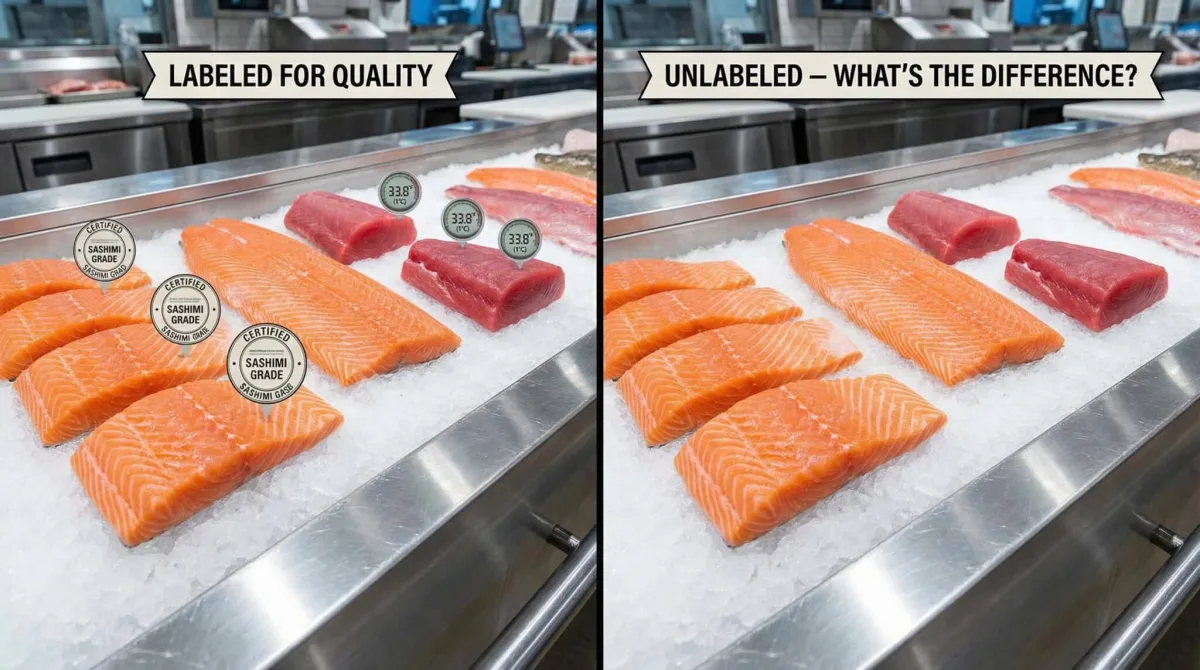
Let me tell you about the first time I messed up storing sashimi-grade salmon. It was my second week at a high-end sushi bar in San Francisco, and I thought I had it all figured out. The fish arrived pristine, glistening under the kitchen lights, and I tucked it away in the walk-in like I would any other protein. Big mistake. By the next morning, the texture was off, just slightly, but enough to make the head chef side-eye me like I’d committed a culinary crime. That day, I learned that sashimi-grade salmon isn’t just another ingredient; it’s a high-maintenance diva that demands respect, precision, and a whole lot of attention to detail.
Fast forward to today, and I’ve spent years navigating the nuances of storing sashimi-grade salmon in commercial kitchens, from bustling sushi counters in Nashville to high-volume catering operations. If you’re reading this, you probably already know that storing sashimi-grade salmon isn’t as simple as tossing it in the fridge and calling it a day. It’s about temperature control, cross-contamination risks, shelf life, and a dozen other variables that can make or break your dish. So, let’s dive into the nitty-gritty of how to store sashimi-grade salmon like a pro, because when it comes to raw fish, there’s no room for error.
In this guide, I’ll walk you through everything you need to know: from the moment the salmon arrives at your kitchen door to the second it hits the plate. We’ll cover the best storage practices, the equipment you can’t live without, and the common mistakes that even seasoned chefs make. And don’t worry, I’ll keep it real. There’s no fluff here, just practical advice you can actually use. By the end, you’ll have a foolproof system for keeping your sashimi-grade salmon fresh, safe, and ready to impress.
The Unspoken Rules of Sashimi-Grade Salmon Storage
Why Sashimi-Grade Salmon Is Different (And Why It Matters)
First things first: not all salmon is created equal. When we talk about sashimi-grade salmon, we’re talking about fish that’s been handled, processed, and stored with one goal in mind, eating it raw. This isn’t your run-of-the-mill fillet you’d toss on the grill. Sashimi-grade salmon has to meet strict standards for freshness, parasite control, and bacterial safety. In the U.S., the FDA doesn’t technically have a legal definition for “sashimi-grade,” but the industry has its own unspoken rules. Typically, this means the fish has been flash-frozen at ultra-low temperatures (usually -20°F or below) to kill parasites, then thawed under controlled conditions. Some suppliers even use super-chilled storage techniques to maintain texture and flavor.
But here’s the thing: just because it’s labeled sashimi-grade doesn’t mean it stays that way. The moment that salmon leaves the supplier’s hands, its fate is in yours. And trust me, I’ve seen kitchens where the storage practices were so lax, the fish might as well have been left out on the counter. So, what makes sashimi-grade salmon so finicky? It all comes down to temperature, time, and handling. Unlike cooked proteins, raw salmon doesn’t have the safety net of heat to kill off bacteria or parasites. One wrong move, like storing it at the wrong temperature or exposing it to cross-contamination, and you’re playing Russian roulette with food safety. And in a commercial kitchen, that’s a risk you can’t afford to take.
I remember a time when I was consulting for a new sushi restaurant in Nashville. The owner, a fantastic guy with a passion for Japanese cuisine, was convinced that storing salmon in the same walk-in as his cooked proteins was fine. “It’s all cold, right?” he said. Wrong. The temperature fluctuations from opening and closing the walk-in door, combined with the humidity levels and the risk of cross-contamination, turned his sashimi-grade salmon into a ticking time bomb. We had to overhaul his entire storage system, and let’s just say it wasn’t cheap. Lesson learned: sashimi-grade salmon needs its own dedicated space, and you need to treat it like the delicate, high-maintenance ingredient it is.
The Golden Rule: Temperature Is Everything
If there’s one thing you take away from this guide, let it be this: temperature control is non-negotiable. Sashimi-grade salmon should be stored at 32°F to 34°F (0°C to 1°C)-any warmer, and you’re inviting bacteria to throw a party. Any colder, and you risk freezing the fish, which can ruin its texture and flavor. I’ve seen kitchens where the walk-in was set to 40°F because “that’s what the health department says,” but here’s the thing: the health department’s guidelines are the bare minimum. For sashimi-grade salmon, you need to aim for the sweet spot between freezing and spoilage.
But how do you maintain that perfect temperature? It starts with the right equipment. A standard walk-in fridge might not cut it, especially if it’s not designed for precise temperature control. This is where blast chillers and dedicated sushi fridges come into play. A blast chiller, for example, can rapidly cool the salmon to safe temperatures, locking in freshness and preventing bacterial growth. If you’re serious about sushi, investing in a sushi-grade refrigerator with adjustable humidity controls is a game-changer. These fridges are designed to maintain the ideal environment for raw fish, with features like UV lighting to reduce bacteria and airflow systems to prevent temperature fluctuations.
Now, I know what you’re thinking: “Do I really need all this fancy equipment?” The short answer is yes, if you want to serve sashimi-grade salmon safely and consistently. But if you’re working with a tight budget, there are workarounds. For example, you can use a dedicated undercounter fridge with a digital thermometer to monitor the temperature closely. Just make sure it’s not overcrowded, as poor airflow can lead to uneven cooling. And whatever you do, never store sashimi-grade salmon in the same fridge as cooked foods or produce. Cross-contamination is a real risk, and it’s not worth the gamble.
Oh, and one more thing: don’t trust the fridge’s built-in thermometer. I’ve seen too many kitchens where the fridge’s display said 34°F, but when I checked with a separate thermometer, it was actually 38°F. Always use a calibrated digital thermometer to double-check. It’s a small step, but it can save you from a world of trouble.
From Delivery to Storage: The Step-by-Step Process
Inspecting the Salmon Upon Arrival
Alright, let’s rewind to the moment your sashimi-grade salmon arrives at your kitchen. This is where the storage process actually begins. Too many chefs make the mistake of assuming that because the fish came from a reputable supplier, it’s automatically good to go. But here’s the truth: suppliers make mistakes. Maybe the fish wasn’t stored at the right temperature during transit. Maybe it was mishandled at some point along the way. Whatever the case, it’s your job to inspect it before it even touches your fridge.
First, check the packaging. The salmon should arrive in vacuum-sealed bags or styrofoam containers with ice packs. If the packaging is damaged or the ice packs have melted, that’s a red flag. Next, look at the fish itself. The flesh should be firm, not mushy, and it should have a bright, vibrant color. If it looks dull or has a grayish tint, send it back. The smell is another giveaway, sashimi-grade salmon should have a clean, ocean-like aroma, not a fishy or ammonia-like odor. And if you see any ice crystals inside the packaging, that’s a sign the fish has been thawed and refrozen, which is a big no-no.
I’ll never forget the time a supplier tried to pass off salmon that had clearly been thawed and refrozen. The ice crystals were a dead giveaway, but the chef I was working with at the time didn’t catch it. We ended up serving it, and let’s just say the customers weren’t happy. The texture was off, and the flavor was muted. After that, I made it a rule to always check for ice crystals and to never accept fish that smells even slightly off. It’s better to be short on salmon for a day than to risk your reputation (or worse, your customers’ health).
Once you’ve inspected the salmon, it’s time to label it. This might seem like a small step, but it’s crucial for tracking shelf life. Use a permanent marker to write the date of arrival and the use-by date on the packaging. Most sashimi-grade salmon has a shelf life of 3 to 5 days when stored properly, but this can vary depending on the supplier. If you’re unsure, ask your supplier for their specific guidelines. And whatever you do, don’t rely on your memory. In a busy kitchen, it’s easy to lose track of how long something has been in the fridge, so labeling is non-negotiable.
Prepping the Salmon for Storage
Okay, so you’ve inspected the salmon, and it’s good to go. Now what? Before you toss it in the fridge, there are a few pre-storage steps you need to take to ensure it stays fresh. First, if the salmon arrived in a styrofoam container with ice packs, you’ll want to transfer it to a clean, food-safe container. Styrofoam isn’t ideal for long-term storage because it doesn’t provide a tight seal, which can lead to oxidation and flavor loss. Instead, use a plastic or stainless steel container with a tight-fitting lid.
Next, you’ll want to pat the salmon dry with a clean paper towel. Excess moisture can promote bacterial growth, so it’s important to remove as much as possible. But be gentle, you don’t want to bruise the flesh. Once it’s dry, you can wrap it in parchment paper before placing it in the container. Parchment paper helps absorb any remaining moisture and provides an extra layer of protection against oxidation. Some chefs swear by vacuum-sealing the salmon at this stage, and while that’s a great option, it’s not always practical in a busy kitchen. If you do vacuum-seal, make sure the machine is clean and well-maintained to avoid cross-contamination.
Now, here’s where things get a little controversial. Some chefs recommend soaking the salmon in a mild vinegar solution (like a 1:10 ratio of vinegar to water) for a few minutes before storing it. The idea is that the vinegar helps kill surface bacteria and extends shelf life. I’ve tried this method, and while it does seem to help, I’m not entirely sold on it. The vinegar can alter the flavor of the salmon, even if just slightly, and I’m not convinced the trade-off is worth it. Plus, if you’re already storing the salmon at the right temperature, the vinegar might be overkill. But hey, it’s worth experimenting with if you’re looking for an extra layer of protection.
Finally, before you put the salmon in the fridge, make sure the storage container is clean and sanitized. This might seem obvious, but I’ve seen kitchens where containers were reused without being properly washed, and let’s just say the results weren’t pretty. Use hot, soapy water and a sanitizing solution to clean the container, then let it air-dry before adding the salmon. And whatever you do, don’t use the same container for raw and cooked foods. Cross-contamination is one of the biggest risks in a commercial kitchen, and it’s not something you want to mess around with.
The Best Equipment for Storing Sashimi-Grade Salmon
Walk-In Fridges: The Good, the Bad, and the Ugly
Let’s talk about walk-in fridges. They’re a staple in commercial kitchens, and for good reason, they offer a ton of storage space and can handle large volumes of food. But when it comes to storing sashimi-grade salmon, walk-ins have their pros and cons. On the plus side, they’re temperature-controlled, which is essential for raw fish. They also provide consistent airflow, which helps maintain even cooling. But here’s the catch: walk-ins are often shared spaces, which means they’re subject to temperature fluctuations every time the door opens. And if your walk-in is storing a mix of raw and cooked foods, you’re playing with fire in terms of cross-contamination.
So, how do you make a walk-in work for sashimi-grade salmon? First, designate a specific area for raw fish, preferably on the top shelf where it’s least likely to drip onto other foods. Use separate containers for raw and cooked items, and make sure they’re clearly labeled. Second, monitor the temperature closely. As I mentioned earlier, don’t trust the fridge’s built-in thermometer. Use a calibrated digital thermometer to check the temperature in different areas of the walk-in, especially near the door where fluctuations are most likely to occur. And if possible, install a secondary thermometer with an alarm that goes off if the temperature rises above 34°F.
Another thing to consider is humidity. Walk-ins can be dry environments, which isn’t ideal for sashimi-grade salmon. Low humidity can cause the fish to dry out, affecting its texture and flavor. To combat this, you can place a tray of water in the walk-in to increase humidity, or use a humidifier if your fridge doesn’t have built-in humidity controls. Some high-end walk-ins come with adjustable humidity settings, which are a game-changer for raw fish storage. If you’re in the market for a new walk-in, this is a feature worth investing in.
Now, I know what you’re thinking: “Is a walk-in really the best option for sashimi-grade salmon?” Honestly, it depends. If you’re running a high-volume sushi operation, a walk-in might be your only option. But if you’re working with smaller quantities, you might be better off with a dedicated undercounter fridge or a sushi-grade refrigerator. These options give you more control over temperature and humidity, and they’re less likely to be affected by cross-contamination. But if a walk-in is your only option, just make sure you’re following best practices and monitoring the environment closely.
Undercounter Fridges: The Unsung Heroes of Sushi Storage
If you’re looking for a dedicated storage solution for sashimi-grade salmon, undercounter fridges are where it’s at. These compact, efficient fridges are designed to fit seamlessly into your kitchen layout, and they offer precise temperature control that’s perfect for raw fish. Unlike walk-ins, undercounter fridges are less prone to temperature fluctuations because they’re not constantly being opened and closed. And because they’re smaller, they’re easier to clean and sanitize, which is a huge plus when it comes to food safety.
But not all undercounter fridges are created equal. When shopping for one, look for models with digital temperature controls and adjustable shelves. You’ll also want a fridge with good airflow, as this helps maintain even cooling. Some undercounter fridges come with glass doors, which are great for visibility but can be a problem if the fridge is exposed to direct sunlight. If that’s the case, opt for a solid-door model to prevent temperature fluctuations.
One of my favorite undercounter fridges for sashimi-grade salmon is the True T-49. It’s a workhorse, reliable, efficient, and designed specifically for commercial kitchens. It has a digital thermostat that lets you set the temperature to the exact degree, and the stainless steel interior is easy to clean. Plus, it’s ENERGY STAR certified, which is a nice bonus if you’re trying to keep your utility bills in check. If you’re looking for something a little more high-end, the Hoshizaki HRF-127 is another great option. It has adjustable humidity controls and a self-cleaning condenser, which makes maintenance a breeze.
Now, I know what you’re thinking: “Do I really need a dedicated undercounter fridge for sashimi-grade salmon?” If you’re serious about serving raw fish, the answer is yes. The upfront cost might seem steep, but it’s a small price to pay for the peace of mind that comes with knowing your salmon is stored safely. Plus, undercounter fridges are versatile-you can use them for other temperature-sensitive ingredients like tuna, scallops, and oysters. And if you ever decide to expand your menu, you’ll already have the storage space you need.
If you’re in the market for an undercounter fridge, I’d recommend checking out Chef’s Deal (chefsdeal.com). They offer a wide selection of commercial refrigeration equipment, including undercounter fridges designed specifically for raw fish storage. Plus, they provide free kitchen design services, which can be a huge help if you’re trying to optimize your kitchen layout. And if you’re not sure which model is right for you, their expert consultation team can walk you through the options and help you make an informed decision. It’s always nice to have a second opinion, especially when you’re investing in equipment that’s critical to your operation.
Common Mistakes (And How to Avoid Them)
Overcrowding the Fridge: A Recipe for Disaster
Let’s talk about one of the most common mistakes I see in commercial kitchens: overcrowding the fridge. It’s easy to do, especially when you’re dealing with a busy service and limited storage space. But when it comes to sashimi-grade salmon, overcrowding is a one-way ticket to Spoilageville. Why? Because airflow is everything. If your fridge is packed to the gills, the cold air can’t circulate properly, which leads to uneven cooling and temperature fluctuations. And as we’ve already established, temperature control is non-negotiable when it comes to raw fish.
I’ve seen kitchens where the walk-in was so stuffed with food that the salmon was practically suffocating. The result? Fish that was mushy, discolored, and smelling less than fresh. Not exactly the kind of thing you want to serve to customers. So, how do you avoid this? First, prioritize storage space. If your fridge is constantly overcrowded, it might be time to invest in a second unit or reorganize your storage system. Second, use the right containers. Opt for shallow, wide containers that allow for better airflow, and avoid stacking them too high. And third, rotate your stock. Make sure older items are used first, and don’t let anything sit in the fridge for longer than its shelf life.
Another thing to keep in mind is spacing. When storing sashimi-grade salmon, leave at least an inch of space between containers to allow for proper airflow. And if you’re using a walk-in, avoid storing the salmon near the door, where it’s most likely to be exposed to temperature fluctuations. Instead, keep it toward the back, where the temperature is more stable. It’s a small change, but it can make a big difference in the quality of your fish.
Oh, and one more thing: don’t store sashimi-grade salmon with other raw proteins. I know it’s tempting to toss everything in the same fridge to save space, but this is a huge no-no. Raw chicken, beef, and pork can contaminate the salmon with bacteria like Salmonella and E. coli, which is a risk you don’t want to take. If you’re short on space, consider using a separate undercounter fridge for raw fish. It’s a small investment that can save you from a food safety nightmare.
Ignoring Shelf Life: The Silent Killer of Freshness
Here’s another mistake I see all the time: ignoring shelf life. Sashimi-grade salmon doesn’t last forever, and if you’re not keeping track of how long it’s been in the fridge, you’re playing with fire. Most suppliers recommend using sashimi-grade salmon within 3 to 5 days of arrival, but this can vary depending on the storage conditions and the supplier’s processing methods. Some fish might last a little longer, while others might spoil sooner. The key is to monitor it closely and use your best judgment.
But how do you know when sashimi-grade salmon has gone bad? There are a few tell-tale signs to look out for. First, check the color. Fresh salmon should have a bright, vibrant hue, while spoiled salmon will look dull or grayish. Next, smell it. Fresh salmon should have a clean, ocean-like aroma, while spoiled salmon will smell fishy, sour, or ammonia-like. Finally, touch it. Fresh salmon should feel firm and springy, while spoiled salmon will feel mushy or slimy. If you notice any of these signs, throw it out. It’s not worth the risk.
I’ll never forget the time I worked at a sushi bar where the chef insisted on using salmon that was a week old. He was convinced it was still good because it “looked fine.” Spoiler alert: it wasn’t fine. The texture was off, the flavor was muted, and the customers could tell. After that, I made it a rule to label everything with the date of arrival and the use-by date. It’s a simple step, but it can save you from serving subpar fish (or worse, making someone sick).
Another thing to keep in mind is FIFO (First In, First Out). This is a basic principle of food storage, but it’s especially important for sashimi-grade salmon. When you receive a new shipment, move the older fish to the front of the fridge and place the new fish in the back. This ensures that you’re using the oldest fish first, which helps prevent waste and keeps your stock fresh. It’s a small change, but it can make a big difference in the quality of your fish.
And here’s a pro tip: freeze what you can’t use. If you have sashimi-grade salmon that’s nearing its use-by date and you know you won’t be able to use it in time, freeze it. While freezing can affect the texture slightly, it’s a better option than serving spoiled fish. Just make sure to vacuum-seal it before freezing to prevent freezer burn, and thaw it properly when you’re ready to use it. And whatever you do, don’t refreeze thawed salmon. Once it’s been thawed, it should be used within 24 hours.
The Role of Humidity in Sashimi Storage
Why Humidity Matters (And How to Control It)
Humidity might not be the first thing that comes to mind when you think about storing sashimi-grade salmon, but it’s actually just as important as temperature. Why? Because humidity affects texture. Too much humidity, and the salmon can become waterlogged and mushy. Too little, and it can dry out, losing its delicate flavor and silky texture. The ideal humidity level for sashimi-grade salmon is 85% to 90%, which is higher than what you’d typically find in a standard walk-in fridge. So, how do you achieve this?
First, let’s talk about walk-ins. Most walk-ins aren’t designed with humidity control in mind, which means you’ll need to take some extra steps to maintain the right environment. One option is to place a tray of water in the fridge. As the water evaporates, it increases the humidity level. This is a simple, low-tech solution, but it’s not always precise. Another option is to use a humidifier. There are commercial-grade humidifiers designed specifically for walk-ins, and they can be a game-changer for raw fish storage. Just make sure to monitor the humidity level closely, as too much humidity can promote bacterial growth.
If you’re using an undercounter fridge, you might have more control over humidity. Some high-end models come with adjustable humidity settings, which allow you to fine-tune the environment to suit your needs. If your fridge doesn’t have this feature, you can still use a tray of water or a small humidifier to increase humidity. And if you’re vacuum-sealing the salmon, you can add a damp paper towel to the bag before sealing it. This helps maintain moisture and prevents the fish from drying out.
Now, I know what you’re thinking: “Is humidity really that big of a deal?” The short answer is yes. I’ve seen kitchens where the salmon was stored at the right temperature but the wrong humidity, and the results were less than stellar. The fish was either too dry or too mushy, and neither option is ideal for sashimi. If you’re serious about serving high-quality raw fish, humidity control is something you can’t afford to ignore.
And here’s a bonus tip: store the salmon with the skin on. The skin acts as a natural barrier, helping to retain moisture and protect the flesh. When you’re ready to use the salmon, you can remove the skin with a sharp knife. It’s a small step, but it can make a big difference in the texture of your fish.
Tools and Gadgets for Humidity Control
If you’re ready to take your humidity control to the next level, there are a few tools and gadgets that can help. First up: hygrometers. A hygrometer is a device that measures humidity levels, and it’s an essential tool for anyone serious about sashimi storage. There are digital hygrometers that provide real-time readings, as well as analog models that are more budget-friendly. Whichever you choose, make sure it’s calibrated and accurate. You can’t control what you can’t measure, so a good hygrometer is a must.
Next, let’s talk about humidifiers. As I mentioned earlier, there are commercial-grade humidifiers designed specifically for walk-ins. These humidifiers are powerful, efficient, and easy to use, and they can help you maintain the ideal humidity level for sashimi-grade salmon. Some models even come with automatic shut-off features and adjustable settings, which make them even more convenient. If you’re using an undercounter fridge, you can opt for a smaller humidifier designed for compact spaces. Just make sure it’s food-safe and easy to clean.
Another tool to consider is a dehumidifier. While you’ll typically want to increase humidity for sashimi storage, there might be times when you need to decrease it. For example, if your fridge is too humid, it can promote mold growth and bacterial contamination. A dehumidifier can help you fine-tune the environment and keep your salmon fresh. Just make sure to monitor the humidity level closely, as too little humidity can dry out the fish.
And finally, let’s talk about storage containers. The right container can make a big difference in humidity control. Look for containers with tight-fitting lids that create a sealed environment. Some containers even come with built-in humidity controls, which can be a game-changer for sashimi storage. And if you’re vacuum-sealing the salmon, make sure to use high-quality bags that are designed for raw fish. Cheap bags can leak air and compromise the seal, which can lead to freezer burn and flavor loss.
If you’re looking for a one-stop shop for all your humidity control needs, I’d recommend checking out Chef’s Deal (chefsdeal.com). They offer a wide selection of commercial refrigeration equipment, including humidity-controlled fridges and accessories like hygrometers and humidifiers. Plus, their free kitchen design services can help you optimize your storage layout for maximum efficiency. And if you’re not sure which tools are right for you, their expert consultation team can provide personalized recommendations. It’s always nice to have a second opinion, especially when you’re dealing with something as delicate as sashimi-grade salmon.
Thawing Sashimi-Grade Salmon: The Final Frontier
The Right Way to Thaw Frozen Salmon
So, you’ve mastered the art of storing sashimi-grade salmon. But what happens when you need to thaw it? Thawing might seem like a simple step, but it’s actually just as critical as storage. Thaw it too quickly, and you risk ruining the texture. Thaw it too slowly, and you invite bacterial growth. The key is to thaw it safely and efficiently, without compromising quality.
First, let’s talk about frozen salmon. If you’re working with salmon that’s been flash-frozen for sashimi use, you’ll need to thaw it before serving. The best way to do this is in the fridge. Simply transfer the salmon from the freezer to the fridge and let it thaw overnight. This method is slow and steady, which helps preserve the fish’s texture and flavor. It also keeps the salmon at a safe temperature throughout the thawing process, which minimizes the risk of bacterial growth. The only downside? It takes time. If you’re in a hurry, you might need to use a different method.
Another option is to thaw the salmon in cold water. Place the salmon in a sealed plastic bag and submerge it in a bowl of cold water. Change the water every 30 minutes to ensure it stays cold. This method is faster than thawing in the fridge, but it requires more attention. And whatever you do, don’t use warm water. Warm water can partially cook the salmon, which ruins its texture and makes it unsafe to eat raw. I’ve seen chefs try to speed up the process by using warm water, and let’s just say the results weren’t pretty. The salmon was mushy, discolored, and completely unappetizing.
If you’re really in a pinch, you can thaw the salmon in the microwave, but this is a last resort. Microwaving can cook the edges of the salmon, which makes it unsafe for raw consumption. If you do use this method, make sure to cook the salmon immediately after thawing. And whatever you do, don’t refreeze it. Once salmon has been thawed, it should be used within 24 hours. Refreezing can ruin the texture and increase the risk of bacterial growth.
Now, here’s a question I get a lot: Can you serve sashimi-grade salmon straight from the freezer? The short answer is no. While some chefs claim that ultra-fresh salmon can be served straight from the freezer, I’m not convinced. The texture is usually too firm, and the flavor can be muted. Plus, there’s the safety risk-if the salmon wasn’t frozen properly, it might not be safe to eat raw. My advice? Stick to proper thawing methods. It’s a little extra work, but it’s worth it for the peace of mind and the quality of the fish.
How to Tell If Thawed Salmon Is Still Good
Alright, so you’ve thawed your sashimi-grade salmon. Now what? Before you serve it, you need to check for freshness. Even if the salmon was stored properly, there’s always a chance it could have gone bad during the thawing process. So, how do you tell if it’s still good? Here are a few tell-tale signs to look out for:
- Color: Fresh salmon should have a bright, vibrant hue. If it looks dull or grayish, it’s probably past its prime.
- Smell: Fresh salmon should have a clean, ocean-like aroma. If it smells fishy, sour, or ammonia-like, it’s time to toss it.
- Texture: Fresh salmon should feel firm and springy. If it feels mushy or slimy, it’s not safe to eat.
- Appearance: If the salmon has ice crystals or freezer burn, it might not be safe to eat raw. While it’s still technically edible, the texture and flavor will be compromised.
If you notice any of these signs, don’t take the risk. It’s better to be safe than sorry, especially when it comes to raw fish. And if you’re ever in doubt, ask your supplier. They can provide guidance on shelf life and storage conditions, and they might even have specific recommendations for their products.
I’ll never forget the time I worked at a sushi bar where the chef insisted on serving salmon that had a slight fishy odor. He was convinced it was still good, but the customers could tell something was off. After that, I made it a rule to always trust my nose. If something smells even slightly off, it’s not worth the risk. And if you’re not sure, ask a colleague to double-check. It’s always better to have a second opinion, especially when you’re dealing with something as delicate as sashimi-grade salmon.
And here’s a pro tip: use the salmon as soon as possible after thawing. The longer it sits in the fridge, the greater the risk of bacterial growth. If you’re not planning to use it right away, refrigerate it at 32°F to 34°F and use it within 24 hours. And whatever you do, don’t leave it out at room temperature. This is a major food safety risk, and it’s not something you want to mess around with.
Putting It All Together: A Foolproof Storage System
Alright, let’s recap. Storing sashimi-grade salmon in a commercial kitchen isn’t rocket science, but it does require attention to detail, the right equipment, and a commitment to food safety. Here’s a foolproof system you can use to keep your salmon fresh, safe, and ready to impress:
- Inspect the salmon upon arrival: Check the packaging, color, smell, and texture. If anything seems off, send it back.
- Label everything: Write the date of arrival and the use-by date on the packaging. Use the FIFO method to ensure older fish is used first.
- Prep the salmon for storage: Pat it dry, wrap it in parchment paper, and place it in a clean, food-safe container.
- Store it at the right temperature: Aim for 32°F to 34°F (0°C to 1°C). Use a calibrated digital thermometer to monitor the temperature closely.
- Control the humidity: Maintain a humidity level of 85% to 90%. Use a hygrometer to monitor the environment and adjust as needed.
- Avoid cross-contamination: Store sashimi-grade salmon in a dedicated fridge or a designated area of the walk-in. Never store it with cooked foods or other raw proteins.
- Thaw it properly: Thaw frozen salmon in the fridge overnight, or use the cold water method if you’re in a hurry. Never use warm water or the microwave unless you’re cooking the salmon immediately.
- Check for freshness before serving: Look for signs of spoilage, like dull color, fishy odor, or mushy texture. When in doubt, throw it out.
Now, I know this might seem like a lot to keep track of, but trust me, it’s worth it. The first time you serve a piece of sashimi-grade salmon that’s perfectly fresh, silky smooth, and bursting with flavor, you’ll understand why all the effort is worth it. And if you ever feel overwhelmed, just remember: food safety is non-negotiable. When it comes to raw fish, there’s no room for error.
And here’s one last piece of advice: don’t be afraid to ask for help. If you’re not sure about something, reach out to your supplier or a trusted colleague. There’s no shame in admitting you don’t know everything, especially when it comes to something as complex as sashimi storage. In fact, I’d argue that asking for help is a sign of a great chef. It shows that you’re committed to learning, improving, and serving the best possible food.
So, there you have it, a comprehensive guide to storing sashimi-grade salmon in commercial kitchens. Whether you’re running a high-end sushi bar or a small catering operation, these tips will help you keep your salmon fresh, safe, and delicious. And if you ever find yourself in doubt, just remember: temperature, humidity, and handling are everything. Master those three things, and you’ll be well on your way to serving sashimi-grade salmon that wows your customers every time.
FAQ
Q: What’s the ideal temperature for storing sashimi-grade salmon?
A: The ideal temperature for storing sashimi-grade salmon is 32°F to 34°F (0°C to 1°C). This range keeps the fish fresh without freezing it, which can ruin its texture. Always use a calibrated digital thermometer to monitor the temperature, as built-in fridge thermometers can be inaccurate.
Q: How long can sashimi-grade salmon be stored in the fridge?
A: Most sashimi-grade salmon has a shelf life of 3 to 5 days when stored properly. However, this can vary depending on the supplier and the storage conditions. Always label the salmon with the date of arrival and the use-by date, and use the FIFO (First In, First Out) method to ensure older fish is used first.
Q: Can I store sashimi-grade salmon in the same fridge as other raw proteins?
A: No, you should never store sashimi-grade salmon with other raw proteins like chicken, beef, or pork. Cross-contamination is a major risk, and it can lead to bacterial growth and foodborne illness. Instead, store sashimi-grade salmon in a dedicated fridge or a designated area of the walk-in, away from other foods.
Q: What’s the best way to thaw frozen sashimi-grade salmon?
A: The best way to thaw frozen sashimi-grade salmon is in the fridge overnight. This method is slow and steady, which helps preserve the fish’s texture and flavor. If you’re in a hurry, you can use the cold water method-place the salmon in a sealed plastic bag and submerge it in a bowl of cold water, changing the water every 30 minutes. Never use warm water or the microwave unless you’re cooking the salmon immediately.
@article{how-to-store-sashimi-grade-salmon-in-commercial-kitchens-a-chefs-guide-to-freshness-and-safety,
    title   = {How to Store Sashimi-Grade Salmon in Commercial Kitchens: A Chef’s Guide to Freshness and Safety},
    author  = {Chef's icon},
    year    = {2026},
    journal = {Chef's Icon},
    url     = {https://chefsicon.com/how-to-store-sashimi-salmon-in-commercial-kitchens/}
}