The Best Fluffy Pancakes recipe you will fall in love with. Full of tips and tricks to help you make the best pancakes.
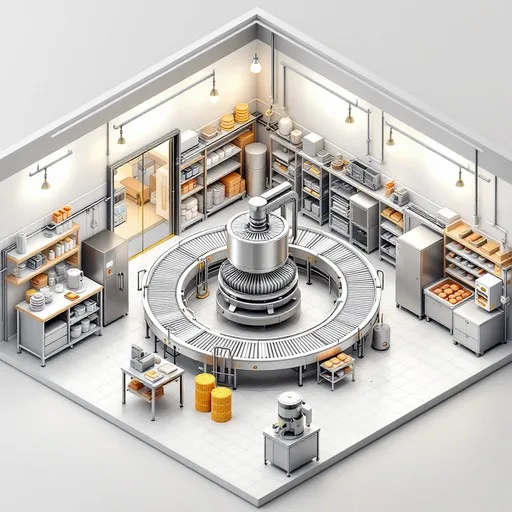
Let me tell you about the time I walked into a bakery in East Nashville that shall remain nameless, though I will say it rhymes with “Flour Power.” The owner, a harried woman with flour dust in her hair and a look of pure exhaustion, was trying to pipe éclairs while simultaneously pulling a tray of sourdough from the oven. Behind her, an apprentice was mixing muffin batter on the same counter where someone else was rolling out pie dough. It was like watching a culinary game of Twister, except instead of colored dots, there were open flames and sharp objects.
That day, I realized something: bakery layout design isn’t just about making things look pretty. It’s about survival. It’s about ensuring your staff doesn’t have to play hopscotch between the mixer and the proofing cabinet. It’s about making sure your croissants don’t end up tasting like cinnamon rolls because someone grabbed the wrong ingredient in a frenzy. And most importantly, it’s about keeping your sanity when the morning rush hits and you’re down two employees because Dave called in sick (again).
If you’re reading this, you’re probably either: a) opening a bakery and want to avoid the chaos I witnessed, b) running a bakery that’s already a circus and need to rein it in, or c) just really into workflow optimization (no judgment, Luna the cat judges me for my spreadsheets too). Whatever brought you here, you’re in the right place. By the end of this, you’ll know how to design a bakery layout that maximizes workflow efficiency, reduces cross-contamination risks, and, most crucially-keeps your pastries from tasting like regret.
We’ll cover everything from the golden triangle of baking to why your walk-in fridge might be sabotaging your productivity. And don’t worry, I’ll keep it real. No jargon-heavy fluff, no unrealistic “perfect world” scenarios. Just practical, battle-tested advice from someone who’s seen what happens when a bakery layout goes wrong (RIP, those éclairs).
The Psychology of Space: Why Your Bakery Layout is Making You (and Your Staff) Miserable
Before we dive into the nitty-gritty of counters and conveyor belts, let’s talk about something no one else will: the emotional toll of a bad bakery layout. You ever walk into a kitchen and immediately feel your shoulders tense up? That’s not just because you forgot to order more butter. It’s because your brain is subconsciously screaming, “This space is a disaster waiting to happen!”
A poorly designed bakery layout doesn’t just slow you down, it drains your mental energy. Think about it. Every time you have to walk an extra 10 steps to grab the rolling pin, or every time you have to dodge a coworker carrying a tray of hot buns, your brain registers that as a tiny stressor. Multiply that by the hundreds of micro-decisions you make in a day, and suddenly, you’re not just tired from baking; you’re exhausted from fighting your own workspace.
And it’s not just you. Your staff feels it too. I’ve seen bakers snap at each other over nothing because the layout forced them to work shoulder-to-shoulder in a space designed for one. I’ve seen baristas burn themselves because the espresso machine was placed too close to the pastry display, creating a bottleneck. Your layout isn’t just a physical space, it’s the silent third wheel in every interaction in your bakery.
So, how do you design a space that doesn’t feel like a maze designed by someone who’s never baked a day in their life? It starts with understanding the three pillars of bakery workflow:
- Movement: How people and ingredients flow through the space.
- Accessibility: How easily you can reach what you need when you need it.
- Safety: How well the layout prevents accidents and cross-contamination.
Miss one of these, and your bakery will feel like it’s working against you. Nail all three, and you’ll wonder how you ever survived without a well-designed space. (Spoiler: You didn’t. You were just running on caffeine and sheer willpower.)
The Golden Triangle of Baking: Why Your Workflow is Probably a Hot Mess
If you’ve ever taken a home economics class or watched a cooking show, you’ve probably heard of the kitchen work triangle. It’s the idea that the three main work areas in a kitchen, the sink, the stove, and the refrigerator, should form a triangle to minimize movement. Well, guess what? Baking has its own version of this, and if you’re not using it, you’re basically baking with one hand tied behind your back.
In a bakery, the golden triangle is formed by:
- The Mixing Station: Where all your doughs, batters, and fillings come to life.
- The Baking Station: Ovens, proofers, and any other equipment that turns raw ingredients into edible magic.
- The Finishing Station: Decorating, packaging, and plating, where your creations get their final glow-up.
The goal? To arrange these three stations so that the flow between them is as smooth as possible. No backtracking, no zigzagging, no playing “the floor is lava” with hot trays. Sounds simple, right? Yet, I’ve seen bakeries where the mixing station is on one side of the kitchen, the ovens are on the opposite side, and the finishing station is in the basement. (Okay, that last one was an exaggeration. But only slightly.)
Here’s the thing: the golden triangle isn’t just about efficiency, it’s about rhythm. When your workflow is smooth, baking becomes almost meditative. You move from mixing to baking to finishing like a well-rehearsed dance. But when your layout is chaotic, every step feels like a fight. And let’s be real, no one wants to fight with their workspace at 4 a.m. when they’re trying to get a batch of cinnamon rolls in the oven.
So, how do you design your golden triangle? Start by mapping out your most common baking processes. What’s the first thing you do in the morning? What’s the last? What steps do you repeat the most? Once you’ve got that down, arrange your stations so that the most frequent movements are the shortest. For example, if you’re constantly moving between the mixer and the proofer, those two stations should be side by side. If you’re always grabbing ingredients from the walk-in fridge to bring to the mixing station, the fridge should be nearby.
And here’s a pro tip: don’t just think about the big movements, think about the small ones too. Where will you put the scale? The rolling pin? The bench scraper? These little tools might seem insignificant, but when you’re reaching for them a hundred times a day, their placement can make or break your workflow.
Zoning Your Bakery: Why Your “Everything Goes Here” Approach is Costing You Time (and Money)
If your bakery layout is one big open space where everything is everywhere, congratulations, you’ve created a chaos buffet. And not the fun kind with unlimited shrimp. I’m talking about the kind where you spend half your day searching for the piping bags or the vanilla extract, and the other half dodging coworkers who are also searching for the piping bags or the vanilla extract.
The solution? Zoning. No, not the kind where you stare off into space after a 12-hour shift (though we’ve all been there). I’m talking about dividing your bakery into dedicated work zones, each with a specific purpose. When done right, zoning can:
- Reduce cross-contamination (because raw eggs and finished pastries shouldn’t be BFFs).
- Minimize wasted movement (no more walking across the kitchen to grab a spatula).
- Improve staff communication (because everyone knows where to find what they need).
- Make cleaning easier (because no one wants to scrub flour off the espresso machine).
So, what zones should your bakery have? Here’s a breakdown of the most common ones, along with some hard-earned advice on how to make them work for you:
1. The Prep Zone: Where the Magic (and the Mess) Begins
This is where all the chopping, mixing, and measuring happens. It’s the heart of your bakery, and if it’s not set up right, the rest of your workflow will suffer. The prep zone should be close to your ingredient storage (so you’re not hauling 50-pound bags of flour across the kitchen) and near your mixing station (because no one wants to carry a bowl of wet dough farther than necessary).
Key features of a well-designed prep zone:
- Ample counter space: You need room to spread out, especially if you’re working with multiple recipes at once. If your counters are cluttered, your mind will be too.
- Easy-to-clean surfaces: Stainless steel is your friend. It’s durable, non-porous, and won’t absorb odors or bacteria. Plus, it looks professional.
- Tool storage: Keep your most-used tools (whisks, spatulas, bench scrapers) within arm’s reach. Wall-mounted racks or magnetic strips work great for this.
- Scale and measuring cups: Accuracy is everything in baking, so make sure your scale is easy to access and your measuring cups are organized.
Pro tip: If you’re tight on space, consider a mobile prep station. A rolling cart with a cutting board and tool storage can be moved around as needed, giving you flexibility without sacrificing efficiency.
2. The Mixing Zone: Where Dough Comes to Life (and Sometimes Dies)
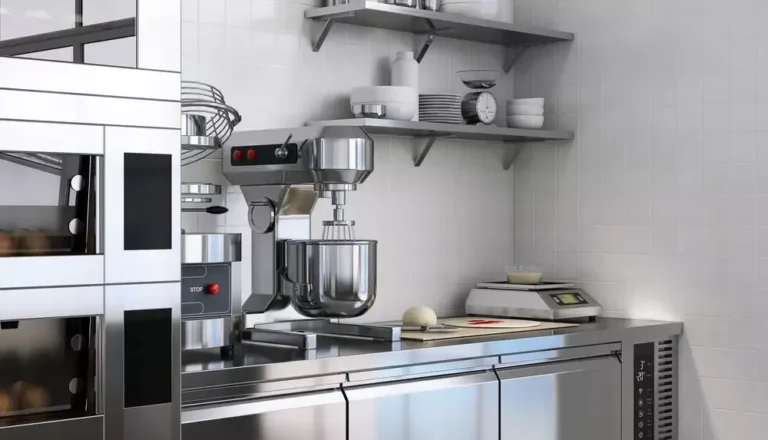
This is where your stand mixers, dough sheeters, and other heavy-duty equipment live. The mixing zone should be near your prep area (so you can easily transfer ingredients) and close to your proofing and baking stations (so you’re not carrying heavy bowls of dough across the kitchen).
Key features of a well-designed mixing zone:
- Dedicated mixer stations: If you’re using multiple mixers, give each one its own space. This prevents cross-contamination and makes it easier to keep track of which mixer is doing what.
- Non-slip flooring: Wet dough + slippery floors = a recipe for disaster. Invest in non-slip mats or flooring to keep your staff safe.
- Easy-to-clean surfaces: Dough is sticky, and flour gets everywhere. Choose surfaces that are easy to wipe down, like stainless steel or sealed concrete.
- Tool storage: Keep your dough hooks, paddles, and other attachments organized and within reach. A pegboard or wall-mounted rack works great for this.
Pro tip: If you’re working with large batches, consider a dough divider or sheeter. These machines can save you hours of work, but they take up space, so plan accordingly. And for the love of all things holy, make sure there’s enough clearance around your mixers. Nothing kills workflow like having to move a 50-pound mixer every time you need to access the proofer.
3. The Proofing and Baking Zone: Where the Real Alchemy Happens
This is where your doughs rise, your cookies bake, and your dreams either come true or go up in smoke. The proofing and baking zone should be near your mixing station (so you can easily transfer dough) and close to your finishing area (so you’re not carrying hot trays across the kitchen).
Key features of a well-designed proofing and baking zone:
- Proofing cabinets: These should be close to your mixing station but far enough away from the ovens to prevent over-proofing. If you’re tight on space, consider stackable proofers.
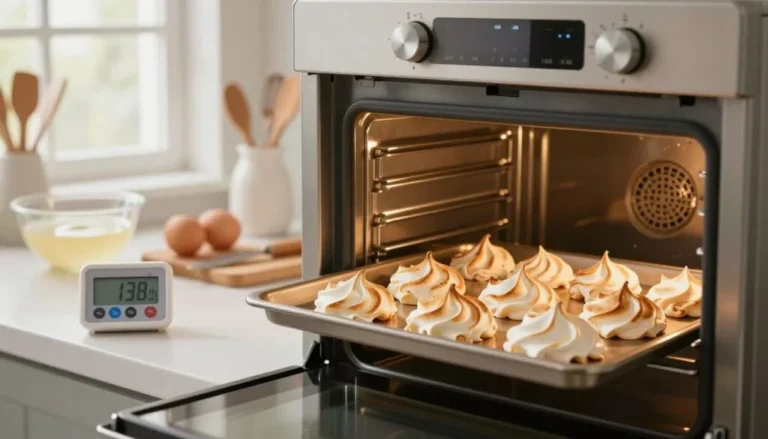
- Ovens: Whether you’re using deck ovens, convection ovens, or a combination of both, make sure they’re easily accessible and have enough clearance for loading and unloading trays.
- Cooling racks: Hot pastries need to cool before they’re decorated or packaged. Make sure you have enough rack space and that it’s close to your ovens.
- Ventilation: Baking generates a lot of heat and steam. A good ventilation system keeps your kitchen comfortable and prevents condensation from building up on surfaces.
Pro tip: If you’re working with multiple ovens, consider a conveyor oven. These babies can handle high volumes and are great for cookies, pizzas, and other items that need consistent baking. Just make sure you have enough space for them, conveyor ovens are long and take up a lot of real estate.
4. The Finishing Zone: Where Your Pastries Get Their Glow-Up
This is where the decorating, packaging, and plating happens. The finishing zone should be near your cooling racks (so you’re not carrying hot pastries across the kitchen) and close to your display case or packaging area (so you’re not walking back and forth with finished products).
Key features of a well-designed finishing zone:
- Ample counter space: You need room to spread out, especially if you’re decorating multiple items at once. If your counters are cluttered, your mind will be too.
- Tool storage: Keep your piping bags, tips, spatulas, and other decorating tools organized and within reach. A pegboard or wall-mounted rack works great for this.
- Ingredient storage: If you’re using glazes, icings, or other finishing ingredients, make sure they’re easy to access. A small fridge or cooling station can help keep these items at the right temperature.
- Packaging station: Whether you’re boxing up cupcakes or bagging bread, make sure your packaging materials are easy to access and that you have enough space to work.
Pro tip: If you’re tight on space, consider a mobile finishing station. A rolling cart with a small counter and tool storage can be moved around as needed, giving you flexibility without sacrificing efficiency.
5. The Storage Zone: Where Your Ingredients and Supplies Go to Hide (and Hopefully Not Spoil)
This is where you keep your dry goods, refrigerated items, and non-perishable supplies. The storage zone should be easily accessible from your prep and mixing stations (so you’re not hauling ingredients across the kitchen) and organized in a way that makes sense for your workflow.
Key features of a well-designed storage zone:
- Dry storage: Shelving units or pallet racks work great for dry goods like flour, sugar, and baking powder. Make sure they’re sturdy and easy to clean.
- Refrigerated storage: Walk-in fridges or reach-in coolers are essential for perishable items like butter, eggs, and dairy. Make sure they’re large enough to hold your inventory and that they’re easy to access.
- Non-perishable storage: Shelving units or cabinets work great for items like packaging materials, cleaning supplies, and backup equipment.
- Organization: Label everything and keep like items together. This might seem obvious, but you’d be surprised how many bakeries have a “miscellaneous” shelf that’s basically a black hole for lost items.
Pro tip: If you’re tight on space, consider vertical storage. Wall-mounted shelves or stackable bins can help you make the most of your square footage. And if you’re using a walk-in fridge, organize it by frequency of use. Items you use every day should be at eye level, while backup ingredients can go on higher or lower shelves.
The Hidden Workflow Killers: What’s Really Sabotaging Your Bakery Layout
You’ve got your zones mapped out, your golden triangle is golden, and your staff is (mostly) happy. So why does your bakery still feel like it’s running on fumes? Chances are, one of these hidden workflow killers is to blame. These are the sneaky, often-overlooked issues that can turn a well-designed bakery into a logistical nightmare. Let’s shine a light on them.
1. The “We’ll Figure It Out Later” Syndrome
You know what I’m talking about. That corner where you shoved the extra mixer because you didn’t know where else to put it. The shelf where you stashed the backup piping bags because the drawer was full. The spot where the extra trays live because the rack is overflowing. These “temporary” solutions have a way of becoming permanent, and before you know it, your bakery is a maze of makeshift storage and jury-rigged workarounds.
The fix? Plan for the “what ifs.” What if you need to store extra ingredients during the holidays? What if you add a new piece of equipment? What if Dave calls in sick (again) and you need to rearrange the schedule? Leave some flexible space in your layout, whether it’s a mobile cart, an empty shelf, or a stretch of counter that isn’t permanently assigned to a task. Trust me, your future self will thank you.
2. The “One Size Fits All” Counter
Not all baking tasks are created equal. Rolling out pie dough requires a different setup than decorating cupcakes, and mixing cookie dough is a whole different beast than tempering chocolate. If your counters are all the same height and depth, you’re forcing your staff to adapt to the space instead of the other way around.
The fix? Customize your counters. Consider:
- Adjustable-height counters: These are great for tasks that require different ergonomic positions, like kneading dough or piping frosting.
- Specialized surfaces: A marble slab is ideal for tempering chocolate, while a stainless steel counter is better for messy tasks like rolling out dough.
- Depth variations: Shallow counters work well for tasks that require a lot of arm movement (like decorating), while deeper counters are better for tasks that require more space (like mixing).
Pro tip: If you’re tight on space, consider a modular counter system. These can be rearranged as needed, giving you the flexibility to adapt to different tasks without sacrificing efficiency.
3. The “We’ll Just Squeeze It In” Mentality
I get it. Space is expensive, and you want to make the most of every square foot. But cramming too much into your bakery is a recipe for disaster. When your staff has to squeeze past each other to get to the oven, or when your equipment is so close together that you can’t open the mixer without hitting the proofer, you’re not just slowing down your workflow, you’re creating a safety hazard.
The fix? Give your equipment room to breathe. Here’s a quick cheat sheet for clearance:
- Mixers: At least 2 feet of clearance on all sides (more if you’re using a large commercial mixer).
- Ovens: At least 3 feet of clearance in front (for loading and unloading trays) and 1 foot on the sides (for ventilation).
- Proofers: At least 1 foot of clearance on all sides (to prevent overheating and allow for easy access).
- Walk-in fridges: At least 3 feet of clearance in front (for loading and unloading) and 1 foot on the sides (for ventilation).
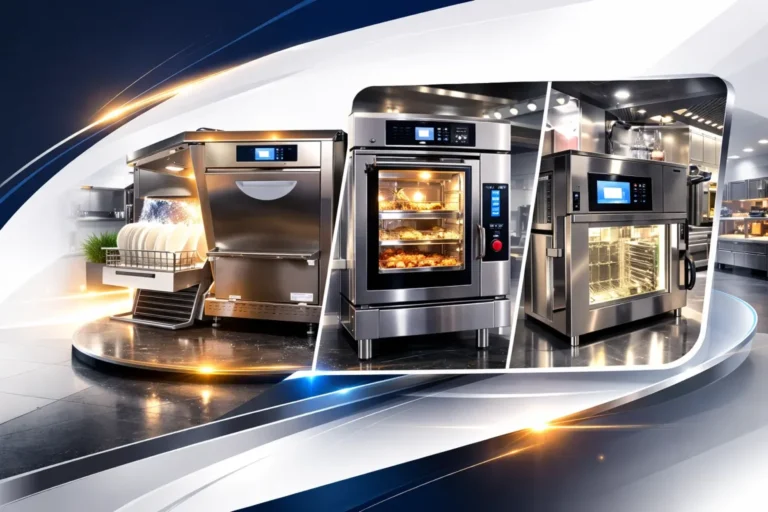
Pro tip: If you’re tight on space, consider multi-functional equipment. A combi oven, for example, can bake, steam, and proof, saving you the need for multiple pieces of equipment. Just make sure it’s placed in a spot where it can do all its jobs without getting in the way.
4. The “We Don’t Need No Stinking Labels” Approach
You know what’s worse than not being able to find the vanilla extract? Finding it three weeks later at the back of the fridge because someone shoved it there and forgot about it. Labels might seem like a small thing, but in a busy bakery, they can be the difference between a smooth workflow and a chaotic scavenger hunt.
The fix? Label everything. And I mean everything. Ingredients, tools, storage bins, shelves, if it’s something you use regularly, it should be labeled. Here’s how to do it right:
- Use clear, easy-to-read labels: No fancy cursive or tiny fonts. Your labels should be visible from a distance and easy to read at a glance.
- Color-code when possible: Assign colors to different categories (e.g., red for spices, blue for dairy, green for produce) to make it even easier to find what you need.
- Include expiration dates: This is especially important for perishable items like eggs, dairy, and pre-made doughs. A simple “use by” date can save you from a food safety nightmare.
- Update regularly: Labels aren’t a one-and-done deal. Make it a habit to check them regularly and update as needed.
Pro tip: If you’re tight on time, invest in a label maker. It’s a small upfront cost that will save you hours of frustration in the long run.
5. The “We’ll Deal With It During the Rush” Philosophy
Here’s a hard truth: Your bakery layout should be designed for your busiest moments, not your slowest ones. If your workflow falls apart when you’re slammed, it’s not a workflow, it’s a disaster waiting to happen. And yet, I’ve seen so many bakeries where the layout is designed for the quiet hours, only to turn into a free-for-all when the morning rush hits.
The fix? Stress-test your layout. Before you finalize your design, simulate a busy day. Have your staff move through the space as if they’re filling a large order. Where do the bottlenecks occur? Where do people get in each other’s way? Where do you run out of counter space? Fix these issues now, before they become daily headaches.
Pro tip: If you’re tight on space, consider a “rush mode” plan. This could be as simple as moving a mobile cart into a high-traffic area to create extra counter space, or as complex as rearranging your equipment to create a more efficient flow. The key is to have a plan in place before the rush hits, so you’re not scrambling to adapt on the fly.
Ergonomics: The Secret Weapon of Bakery Layout Design
Let’s talk about something that’s often overlooked in bakery design: ergonomics. No, it’s not just a fancy word for “expensive chairs.” Ergonomics is the science of designing a workspace to fit the people who use it, and in a bakery, it can mean the difference between a staff that’s energized and one that’s exhausted by noon.
Think about it. Baking is physical work. You’re lifting heavy bags of flour, rolling out dough, piping frosting, and carrying trays of hot pastries. If your workspace isn’t designed with ergonomics in mind, you’re basically asking your staff to work against their own bodies. And that’s a recipe for injuries, burnout, and high turnover-none of which are good for business.
So, how do you design a bakery layout that’s ergonomic? It starts with understanding the three main principles of ergonomics:
- Neutral postures: Your body should be in a natural, relaxed position when you’re working. No reaching, twisting, or bending in ways that feel unnatural.
- Minimal force: Tasks should require as little physical effort as possible. No lifting heavy objects above shoulder height, no pushing or pulling with excessive force.
- Minimal repetition: The same motion shouldn’t be repeated over and over without a break. If a task requires repetitive movement, it should be designed to minimize strain.
Now, let’s apply these principles to your bakery layout.
1. Counter Heights: The Goldilocks Rule
Counters that are too high or too low are a one-way ticket to back pain. The ideal counter height depends on the task and the person doing it, but as a general rule, your counters should be:
- 36 inches high for general prep work: This is the standard height for most kitchen counters and works well for tasks like chopping, mixing, and rolling out dough.
- 30-34 inches high for seated tasks: If you’re doing a lot of decorating or piping, a lower counter can be more comfortable for seated work.
- 42 inches high for tasks that require downward pressure: This is ideal for kneading dough or using a dough sheeter, as it allows you to use your body weight to apply force.
Pro tip: If you’re tight on space, consider adjustable-height counters. These can be raised or lowered as needed, giving you the flexibility to adapt to different tasks and staff members.
2. Storage: The “If You Can’t Reach It, You Won’t Use It” Principle
If your storage is too high, too low, or too far away, your staff won’t use it. They’ll leave things on the counter, creating clutter, or they’ll strain to reach them, risking injury. The key is to store items where they’re easy to access without stretching, bending, or twisting.
Here’s how to do it:
- Frequently used items: Store these at waist height, where they’re easy to grab without reaching or bending.
- Occasionally used items: Store these between waist and shoulder height, where they’re still easy to access but not in the way.
- Rarely used items: Store these on higher or lower shelves, where they’re out of the way but still accessible when needed.
Pro tip: Use pull-out shelves or drawers for lower storage. These make it easier to access items without bending or kneeling, reducing strain on your back and knees.
3. Equipment Placement: The “Don’t Make Me Twist” Rule
If your equipment is placed in a way that forces your staff to twist, reach, or bend, you’re setting them up for injury. The key is to arrange your equipment so that tasks can be performed in a neutral, relaxed position.
Here’s how to do it:
- Mixers: Place your mixers on a counter that’s at a comfortable height for the person using them. If you’re using a large commercial mixer, consider a stand that raises it to a more ergonomic height.
- Ovens: Make sure your ovens are at a height where trays can be loaded and unloaded without reaching or bending. If your ovens are too low, consider raising them on a platform.
- Proofers: Place your proofers at a height where dough can be loaded and unloaded without straining. If your proofers are too high, consider lowering them or using a step stool.
- Work surfaces: Arrange your work surfaces so that tasks can be performed in a straight line, without twisting or reaching. For example, if you’re rolling out dough, the rolling pin should be directly in front of you, not off to the side.
Pro tip: If you’re tight on space, consider multi-functional equipment. A combi oven, for example, can bake, steam, and proof, saving you the need for multiple pieces of equipment. Just make sure it’s placed in a spot where it can do all its jobs without forcing your staff into awkward positions.
4. Flooring: The “Standing on Concrete is for Statues” Rule
Let’s be real: Baking is hard on your feet. You’re standing for hours on end, often on hard surfaces like concrete or tile. If your flooring isn’t ergonomic, you’re basically asking your staff to stand on a bed of nails. And no, those flimsy anti-fatigue mats you bought at the dollar store aren’t going to cut it.
The fix? Invest in high-quality anti-fatigue mats. These are designed to reduce strain on your feet, legs, and back by providing a cushioned surface that encourages subtle movements. Here’s what to look for:
- Thickness: The thicker the mat, the more cushioning it provides. Look for mats that are at least 3/4 inch thick.
- Material: Rubber is durable and easy to clean, but it can be slippery when wet. Foam is softer and more comfortable, but it’s not as durable. A combination of both is ideal.
- Size: Your mats should be large enough to cover the areas where your staff stands the most, like in front of the mixer, the oven, and the prep counter.
- Beveled edges: These prevent tripping and make it easier to roll carts or trays over the mats.
Pro tip: If you’re tight on budget, prioritize the areas where your staff stands the most. A few well-placed mats can make a big difference, even if you can’t cover the entire floor.
5. Lighting: The “I Can’t See What I’m Doing” Problem
Poor lighting is a silent workflow killer. If your staff can’t see what they’re doing, they’ll make mistakes, slow down, or, worst of all, get injured. The key is to provide bright, even lighting that illuminates your workspace without creating glare or shadows.
Here’s how to do it:
- Task lighting: Install under-cabinet lights or pendant lights over work surfaces to provide focused illumination where it’s needed most.
- Ambient lighting: Use overhead lights to provide general illumination throughout the bakery. LED panels are a great option because they’re energy-efficient and provide even, shadow-free light.
- Natural light: If possible, incorporate natural light into your design. It’s easier on the eyes and can boost morale. Just make sure it’s diffused to prevent glare.
- Avoid glare: Position lights so they don’t reflect off shiny surfaces like stainless steel counters or glass display cases. If glare is an issue, consider using diffusers or frosted bulbs.
Pro tip: If you’re tight on budget, start with task lighting. It’s the most important for workflow efficiency, and it’s relatively inexpensive to install. You can always add ambient lighting later.
Technology and Bakery Layout: How to Future-Proof Your Space Without Going Broke
Let’s talk about something that’s either exciting or terrifying, depending on how you feel about change: technology. Love it or hate it, tech is changing the way we bake, and if your layout isn’t designed with it in mind, you’re going to be playing catch-up sooner than you think.
Now, I’m not saying you need to turn your bakery into a sci-fi movie set. You don’t need robots flipping pancakes or drones delivering croissants (though, let’s be real, that would be pretty cool). But you doeed to think about how technology can improve your workflow, reduce waste, and make your life easier. And that starts with your layout.
So, what tech should you be thinking about when designing your bakery layout? Here are a few game-changers:
1. Smart Ovens: Because Guessing is for Amateurs
Gone are the days of guessing when your bread is done. Smart ovens use sensors and algorithms to monitor your baked goods and adjust cooking times and temperatures in real-time. Some even connect to your phone, so you can check on your pastries from the comfort of your couch (or, more realistically, while you’re dealing with a customer crisis at the front counter).
But here’s the thing: smart ovens take up space, and they require power and connectivity. If you’re thinking about adding one to your bakery, make sure your layout has:
- A dedicated spot: Smart ovens are often larger than traditional ovens, so you’ll need to plan for extra space.
- Power outlets: These ovens require more power than your average toaster, so make sure you have the right electrical setup.
- Wi-Fi connectivity: If your oven connects to the internet, you’ll need a strong Wi-Fi signal in the kitchen. Consider adding a booster if your signal is weak.
- Ventilation: Smart ovens can generate a lot of heat, so make sure your ventilation system can handle the extra load.
Pro tip: If you’re tight on space, consider a combi oven. These versatile machines can bake, steam, and proof, saving you the need for multiple pieces of equipment. Plus, many combi ovens come with smart features like remote monitoring and programmable recipes.
2. Inventory Management Systems: Because Spreadsheets are So 2010
If you’re still tracking your inventory with a clipboard and a prayer, it’s time to upgrade. Inventory management systems use barcodes, RFID tags, or even AI to track your ingredients and supplies in real-time. Some can even predict when you’ll run out of something and automatically reorder it for you. (Yes, really.)
But here’s the catch: these systems require organization. If your storage is a free-for-all, no amount of tech is going to save you. So, before you invest in an inventory management system, make sure your layout has:
- Labeled storage: Every shelf, bin, and container should be labeled with a barcode or RFID tag.
- Dedicated scanning stations: You’ll need a place to scan items as they come in and go out. This could be a small counter near your storage area or a handheld scanner that your staff carries with them.
- Easy access to ingredients: If your ingredients are buried in the back of a dark closet, scanning them is going to be a nightmare. Make sure everything is easy to access and clearly labeled.
Pro tip: If you’re tight on budget, start with a simple barcode system. You can buy a handheld scanner and print your own barcodes for a few hundred dollars. It’s not as fancy as an AI-powered system, but it’s a great way to dip your toes into the world of tech without breaking the bank.
3. POS Systems: Because Cash Registers are for Dinosaurs
If your point-of-sale (POS) system is still a clunky cash register from the 90s, it’s time for an upgrade. Modern POS systems can do everything from tracking sales and inventory to managing customer loyalty programs and generating reports. Some even integrate with your bakery’s social media accounts, so you can post updates and promotions directly from the system.
But here’s the thing: your POS system is only as good as your layout allows it to be. If your front counter is a chaotic mess, no amount of tech is going to save you. So, before you invest in a new POS system, make sure your layout has:
- A dedicated checkout area: This should be separate from your prep and baking areas to prevent cross-contamination and reduce congestion.
- Enough counter space: You’ll need room for the POS terminal, a card reader, and any other peripherals like a receipt printer or cash drawer.
- Easy access to packaging: If you’re selling takeout items, make sure your packaging materials are easy to access from the checkout area.
- A clear line of sight: Your staff should be able to see the entire front counter from the checkout area to prevent theft and improve customer service.
Pro tip: If you’re tight on space, consider a mobile POS system. These systems run on tablets or smartphones, so you can take them anywhere in the bakery. They’re great for pop-up events, food trucks, or bakeries with limited counter space.
4. Automation: Because Robots are Your Friends (Mostly)
Automation is the future of baking, and it’s not as scary as it sounds. We’re not talking about replacing your staff with robots (though, let’s be real, that would be pretty cool). We’re talking about using machines to handle repetitive, time-consuming tasks, so your staff can focus on the things that require a human touch, like decorating cakes or chatting with customers.
Here are a few automation tools to consider:
- Dough dividers: These machines divide dough into equal portions, saving you the time and effort of doing it by hand.
- Dough sheeters: These machines roll out dough to a consistent thickness, which is great for pies, croissants, and other pastries that require precise measurements.
- Automated decorating machines: These machines can pipe frosting, sprinkle toppings, or even write messages on cakes, saving you the time and effort of doing it by hand.
- Conveyor ovens: These ovens automatically move trays through the baking process, so you don’t have to manually load and unload them.
But here’s the catch: automation requires space. These machines can be large and bulky, so you’ll need to plan your layout accordingly. Here’s what to consider:
- Dedicated spots: Each machine should have its own space, with enough clearance for loading, unloading, and maintenance.
- Power and ventilation: Many automation machines require more power and ventilation than traditional equipment, so make sure your electrical and HVAC systems can handle the load.
- Workflow integration: Your automation machines should fit seamlessly into your existing workflow. For example, if you’re using a dough divider, it should be placed near your mixing station and proofing area.
Pro tip: If you’re tight on space, start small. A dough divider or sheeter can make a big difference in your workflow without taking up too much room. You can always add more automation later as your business grows.
Putting It All Together: A Step-by-Step Guide to Designing Your Bakery Layout
Alright, let’s take a breath. We’ve covered a lot of ground, zoning, ergonomics, technology, the hidden workflow killers that are probably sabotaging your bakery right now. If you’re feeling overwhelmed, I get it. Designing a bakery layout is like solving a Rubik’s Cube where every side is a different color and someone keeps changing the rules. But here’s the good news: you don’t have to get it perfect on the first try. In fact, you shouldn’t. The best bakery layouts evolve over time, adapting to the changing needs of your business and your staff.
So, where do you start? Here’s a step-by-step guide to designing a bakery layout that maximizes workflow without making you want to curl up in the walk-in fridge and cry.
Step 1: Audit Your Current Workflow (or Lack Thereof)
Before you start moving things around, you need to understand how your bakery currently operates. Grab a notebook (or a whiteboard, or the back of a napkin, no judgment) and map out your workflow. Here’s what to look for:
- Bottlenecks: Where do things slow down? Is it at the mixer? The oven? The checkout counter?
- Cross-contamination risks: Are raw ingredients coming into contact with finished products? Are cleaning supplies stored near food?
- Wasted movement: How many steps does it take to go from the mixing station to the oven? From the oven to the cooling rack? From the cooling rack to the display case?
- Ergonomic issues: Are your staff members reaching, bending, or twisting in ways that could cause injury?
- Safety hazards: Are there any tripping hazards, sharp corners, or other safety risks?
Pro tip: Ask your staff for input. They’re the ones in the trenches every day, and they’ll have insights you might not have considered. Plus, involving them in the process will make them more likely to buy into any changes you make.
Step 2: Define Your Zones
Now that you’ve audited your current workflow, it’s time to define your zones. Remember the golden triangle? This is where you put it into action. Start by identifying the three main zones in your bakery:
- The Mixing Zone: Where all your doughs, batters, and fillings come to life.
- The Baking Zone: Ovens, proofers, and any other equipment that turns raw ingredients into edible magic.
- The Finishing Zone: Decorating, packaging, and plating, where your creations get their final glow-up.
Once you’ve got those three zones defined, you can start adding the supporting zones:
- The Prep Zone: Chopping, measuring, and other prep work.
- The Storage Zone: Dry goods, refrigerated items, and non-perishable supplies.
- The Checkout Zone: Where customers pay for their goodies.
- The Cleaning Zone: Where you keep your cleaning supplies and equipment.
Pro tip: Don’t forget about the “in-between” spaces. These are the areas that connect your zones, like the space between the mixing station and the oven, or the path from the cooling rack to the display case. These spaces are just as important as your zones, so make sure they’re designed for smooth, efficient movement.
Step 3: Sketch Your Layout
Now it’s time to put pen to paper (or finger to tablet, if you’re fancy). Grab a piece of graph paper (or use a free online tool like SketchUp or RoomSketcher) and sketch out your layout. Here’s what to include:
- Zones: Clearly mark each zone and label it with its purpose.
- Equipment: Draw in your mixers, ovens, proofers, and any other equipment. Make sure to include dimensions so you know how much space each piece takes up.
- Work surfaces: Counters, tables, and other work surfaces. Again, include dimensions.
- Storage: Shelves, racks, fridges, and other storage solutions.
- Pathways: The routes your staff will take as they move through the bakery. Make sure these are wide enough to accommodate traffic and equipment.
Pro tip: Start with a rough sketch. Don’t worry about making it perfect, just get your ideas down on paper. You can refine it later.
Step 4: Test Your Layout
This is where the rubber meets the road. Once you’ve got a rough sketch, it’s time to test your layout. Here’s how:
- Walk through it: Physically walk through your layout, pretending to perform common tasks. Does it feel natural? Are there any bottlenecks or awkward movements?
- Simulate a busy day: Have your staff move through the space as if they’re filling a large order. Where do things slow down? Where do people get in each other’s way?
- Measure distances: Use a tape measure to check the distances between key points, like the mixing station and the oven, or the oven and the cooling rack. Are these distances reasonable, or are they adding unnecessary steps to your workflow?
- Check for ergonomics: Are your counters at the right height? Are your storage solutions easy to access? Are there any awkward reaches or bends?
Pro tip: Don’t be afraid to make changes. If something isn’t working, tweak it. Your layout should evolve as you test it, not the other way around.
Step 5: Refine and Finalize
Now that you’ve tested your layout, it’s time to refine it. Go back to your sketch and make any necessary changes. Here are a few things to consider:
- Flexibility: Can your layout adapt to changes in your menu or workflow? If you add a new piece of equipment, will it fit? If you start offering a new product, will it require a new zone?
- Future growth: Are you planning to expand your bakery in the future? If so, make sure your layout can accommodate that growth. Leave some empty space for new equipment or work surfaces.
- Safety: Are there any tripping hazards, sharp corners, or other safety risks? If so, address them now.
- Cleaning: Is your layout easy to clean? Are there any hard-to-reach areas where dirt and grime could build up?
Pro tip: Get a second opinion. Show your layout to a trusted friend, colleague, or even a professional kitchen designer. They might spot something you missed.
Step 6: Implement Your Layout
You’ve sketched, tested, and refined your layout. Now it’s time to make it a reality. Here’s how to implement your new bakery layout without losing your mind (or your staff’s):
- Start small: Don’t try to overhaul your entire bakery in one day. Start with one zone, get it set up, and then move on to the next.
- Communicate with your staff: Make sure everyone knows what’s happening and why. Explain the changes and how they’ll benefit the workflow.
- Train your staff: Once your new layout is in place, train your staff on how to use it. Show them the new workflows and answer any questions they have.
- Give it time: It takes time to adjust to a new layout. Don’t expect everything to run smoothly right away. Give your staff a few weeks to get used to the changes.
- Be open to feedback: Ask your staff for feedback on the new layout. What’s working? What’s not? Use this feedback to make any necessary adjustments.
Pro tip: Celebrate the small wins. Implementing a new layout is a big deal, so take the time to acknowledge the progress you’re making. Order pizza for your staff, or take a moment to appreciate how much smoother your workflow is.
Final Thoughts: Your Bakery Layout is a Living, Breathing Thing
Here’s the thing about bakery layout design: it’s never really “done.” Your bakery is a living, breathing entity, and your layout should evolve along with it. Maybe you’ll add a new product that requires a different workflow. Maybe you’ll hire more staff and need to adjust your zones. Maybe you’ll realize that the mixer really should be on the other side of the kitchen after all. That’s okay. In fact, it’s more than okay, it’s a sign that your bakery is growing and changing, and that’s a good thing.
So, as you embark on this journey of redesigning your bakery layout, remember this: you’re not just designing a space. You’re designing a workflow. A rhythm. A dance. And like any dance, it takes practice to get it right. There will be missteps. There will be moments when you wonder if you’ve made a huge mistake. But if you keep your focus on efficiency, safety, and ergonomics, you’ll end up with a bakery that works with you, not against you.
And who knows? Maybe one day, I’ll walk into your bakery and see a well-oiled machine humming along, with pastries coming out of the oven like clockwork and staff members moving through the space with the grace of a ballet dancer. (Okay, maybe that’s a stretch. But a guy can dream, right?)
Now, go forth and design. And for the love of all things holy, label your vanilla extract.
FAQ: Your Burning Bakery Layout Questions, Answered
Q: How much space do I really need for a small bakery? I don’t want to pay for square footage I’m not using.
A: Great question, and one that doesn’t have a one-size-fits-all answer. The amount of space you need depends on your menu, your equipment, and your workflow. That said, here’s a rough guideline for a small bakery (let’s say 5-10 staff members):
- Prep and mixing: 200-300 sq. ft.
- Baking: 150-250 sq. ft.
- Finishing: 100-200 sq. ft.
- Storage: 100-200 sq. ft.
- Checkout: 50-100 sq. ft.
- Customer seating (if applicable): 200-400 sq. ft.
That puts you in the ballpark of 800-1,500 sq. ft. for a small bakery. But remember, these are just estimates. If you’re tight on space, you can get creative with multi-functional equipment and vertical storage. And if you’ve got the room, don’t be afraid to expand, just make sure every square foot is serving a purpose.
Q: I’ve heard a lot about the “golden triangle” for kitchens. Does that apply to bakeries too?
A: Absolutely! The golden triangle is a classic kitchen design principle that applies to bakeries as well, with a few tweaks. In a traditional kitchen, the triangle is formed by the sink, the stove, and the refrigerator. In a bakery, it’s formed by the mixing station, the baking station, and the finishing station.
The goal is the same: minimize movement and maximize efficiency. Arrange these three stations so that the flow between them is as smooth as possible. No backtracking, no zigzagging, no playing “the floor is lava” with hot trays. And don’t forget about the supporting zones, like prep and storage, they should be close to the golden triangle but not in the way.
Q: What’s the biggest mistake you see in bakery layouts?
A: Oh, where do I start? If I had to pick just one, it would be underestimating the importance of storage. I’ve seen so many bakeries where storage is an afterthought, a closet here, a shelf there, a “we’ll figure it out later” corner. But here’s the thing: storage is the backbone of your workflow. If your ingredients and supplies aren’t organized and easy to access, everything else falls apart.
So, plan your storage first. Make sure you’ve got enough space for dry goods, refrigerated items, and non-perishable supplies. Label everything, and keep like items together. And for the love of all things holy, don’t store your flour next to your cleaning supplies. (Yes, I’ve seen this. No, it did not end well.)
Q: How do I balance efficiency with aesthetics? I want my bakery to look good, but I also need it to work well.
A: This is a tough one, because let’s be real-aesthetics and efficiency don’t always play nice. A beautiful open-concept bakery might look great on Instagram, but it could be a nightmare for workflow. On the other hand, a hyper-efficient layout that looks like a factory floor isn’t going to win you any design awards.
The key is to find a balance. Here are a few tips:
- Prioritize workflow first: Efficiency should always come before aesthetics. If your layout isn’t functional, it doesn’t matter how pretty it is, your staff will hate it, and your customers will notice the chaos.
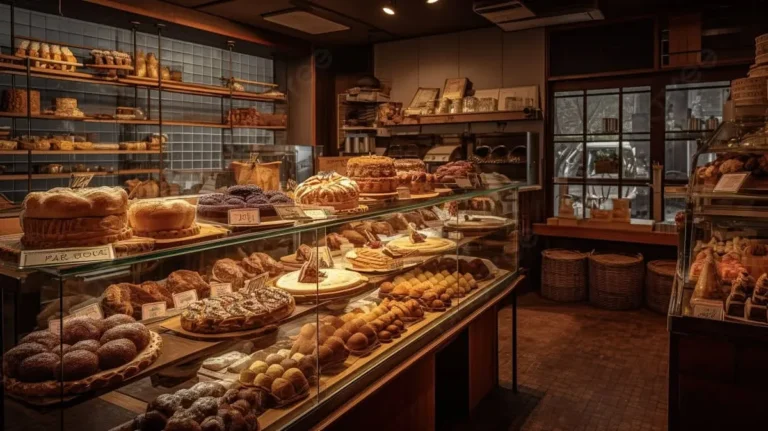
- Use aesthetics to enhance workflow: For example, a well-placed display case can double as a barrier between the customer area and the kitchen, reducing cross-contamination risks. Or, a beautiful open shelving unit can store ingredients while adding visual interest.
- Keep the customer-facing areas separate: Your front counter and seating area can be as aesthetically pleasing as you want, as long as they don’t interfere with the workflow in the kitchen. Think of it like a theater, what the audience sees is the performance, but behind the scenes, there’s a whole team making it happen.
- Don’t sacrifice safety for looks: That gorgeous marble countertop might look amazing, but if it’s slippery when wet, it’s a liability. Choose materials that are both beautiful and functional.
At the end of the day, a bakery that works well will always feel more inviting than one that just looks good. Customers can sense when a space is well-designed and efficient, even if they can’t put their finger on why. So, focus on workflow first, and let the aesthetics flow from there.
@article{bakery-layout-design-maximizing-workflow-without-losing-your-sanity-or-your-croissants,
    title   = {Bakery Layout Design: Maximizing Workflow Without Losing Your Sanity (or Your Croissants)},
    author  = {Chef's icon},
    year    = {2026},
    journal = {Chef's Icon},
    url     = {https://chefsicon.com/bakery-layout-design-maximizing-workflow/}
}