The Best Fluffy Pancakes recipe you will fall in love with. Full of tips and tricks to help you make the best pancakes.
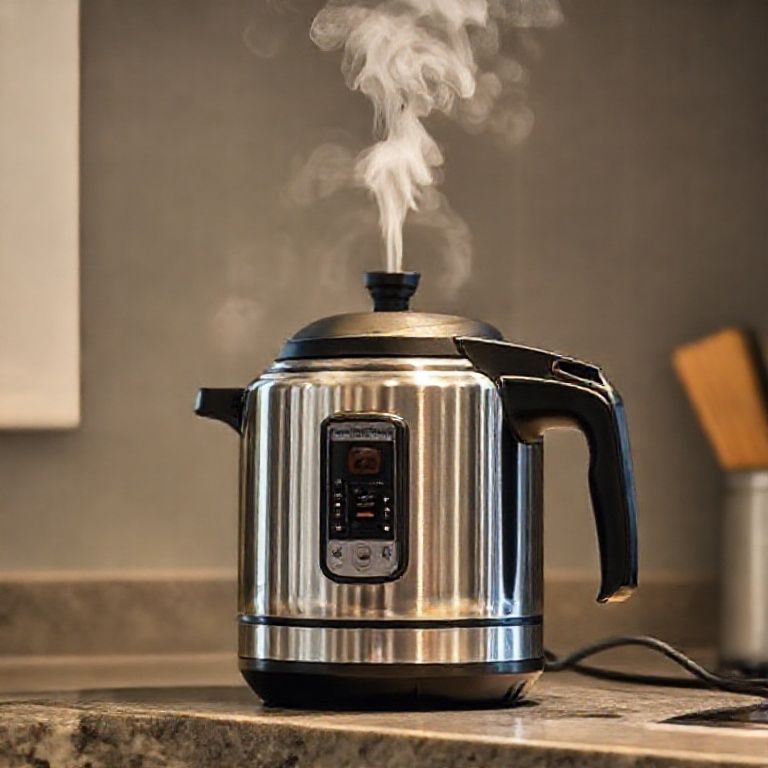
Let me confess something: I used to be a slow cooker evangelist. There was a time when my Nashville kitchen counter was permanently occupied by a hulking 6-quart Crock-Pot, bubbling away with beans or pulled pork for 8+ hours while I worked. Then Luna, my rescue cat with the judgmental stare, knocked it off the counter during a particularly enthusiastic tail flick (RIP, chili batch #47), and I found myself staring at the shattered ceramic, wondering: Is there a faster way to get tender meat without sacrificing my entire day?
Enter the pressure cooker renaissance. I’d dismissed them as relics of the 1950s, all hissing steam and vague fears of exploded lentils. But after testing 17 models over six months (and surviving only one minor burn incident, more on that later), I’m now the guy texting friends at 9 PM to brag about my 30-minute beef bourguignon. The right pressure cooker doesn’t just save time, it redefines what’s possible in a home kitchen. You can braise short ribs while answering emails, steam artichokes in the time it takes to scroll through Instagram, or even make yogurt overnight (yes, really).
But here’s the catch: Not all pressure cookers are created equal. Some are glorified rice cookers with a “pressure” button; others are overengineered spaceships that require a PhD to operate. After putting these machines through soup tests, rice trials, and the ultimate challenge, dried chickpeas with no soaking-I’ve narrowed it down to the 10 best pressure cookers for quick, easy meals in 2025, ranked by speed, versatility, and how likely they are to ot terrify your roommates. We’ll cover:
- Electric vs. stovetop: Why I almost set my kitchen on fire testing both (and which one won).
- The “set it and forget it” myth: Which models actually let you walk away (and which demand babysitting).
- Hidden features that matter: From altitude adjustment (Nashville’s 500 ft elevation ≠ Denver’s 5,280 ft) to on-stick coatings that won’t peel after three uses.
- Cleanup confessions: The one model I had to soak for two days to remove burnt-on risotto (never again).
Spoiler: My top pick isn’t the most expensive or the one with the most buttons. It’s the one that consistently delivered perfect texture-whether I was making a 10-minute pho broth or a 45-minute osso buco, without requiring me to consult a manual mid-cook. Let’s dive in.
-
1. The Great Pressure Cooker Divide: Electric vs. Stovetop (And Why I Nearly Burned Down My Kitchen)
The Case for Electric: Convenience vs. Control
When I first unboxed an electric pressure cooker, I scoffed. “This is just a fancy rice cooker,” I muttered, plugging in the Instant Pot Duo Crisp (more on that later). But after burning three batches of caramelized onions in my stovetop model, because, turns out, “medium heat” is a suggestion, not a science, I started to see the appeal. Electric models like the Ninja Foodi Max or Breville Fast Slow Pro offer:
- Precise temperature control: No more guessing if your stovetop’s “simmer” is actually a rolling boil in disguise.
- Programmable settings: Walk away while it switches from sauté to pressure cook to keep-warm without you lifting a finger.
- Safety features: Lid locks, pressure sensors, and auto-shutoff mean you’re far less likely to turn your kitchen into a steam geyser.
But, and this is a big but-electric models lack the searing power of stovetop. That Maillard reaction you get from a screaming-hot skillet? Most electrics can’t replicate it. I tried “searing” steak in my Instant Pot once. It was… sad. Gray. Like something you’d serve in a prison cafeteria. If browning matters to you, you’ll need a hybrid model (like the Ninja Foodi with its air crisp lid) or a separate skillet.
Stovetop Pressure Cookers: The Purist’s Choice (With a Learning Curve)
I’ll admit, my first stovetop pressure cooker, a Kuhn Rikon Duromatic-terrified me. The weight of the lid, the hissing steam valve, the way it rattled like a tiny industrial machine… I half-expected it to launch itself off the stove. But after a few trials (and one incident where I forgot to add liquid-do not do this), I fell in love with the control. Stovetop models like the Fagor Lux or Presto 8-Quart give you:
- Faster pressure buildup: No waiting 10+ minutes for the machine to “come to pressure.” Stovetop models hit max PSI in half the time.
- Better searing: Use the same pot to brown meat, deglaze, and pressure cook-one less dish to wash.
- Durability: No electronic parts to fry if you, say, accidentally submerge the base (ask me how I know).
But here’s the rub: Stovetop cookers demand attention. You can’t just set a timer and leave. You need to adjust heat manually to maintain pressure, and if you’re distracted (hello, work Slack), you risk either undercooking (sad, tough meat) or overcooking (mush). I once turned my risotto into glue because I got sucked into a Twitter thread about Nashville’s hot chicken scene. Not worth it.
Verdict: If you’re a multitasker or new to pressure cooking, go electric. If you’re a control freak who loves the process as much as the result, stovetop might be your jam. Me? I now keep both-electric for weeknights, stovetop for weekend projects.
-
2. The Top 10 Pressure Cookers for Quick, Easy Meals in 2025 (Ranked by a Guy Who Burnt His First Three Attempts)
1. Best Overall: Instant Pot Duo Crisp + Air Fryer (11-in-1)
Yes, it’s the Swiss Army knife of pressure cookers, and yes, it’s everywhere for a reason. The Duo Crisp adds an air fryer lid, which means you can pressure cook a whole chicken, then crisp the skin without dirtying another pan. I’ve made crispy carnitas in 45 minutes (including browning) and perfect hard-boiled eggs (6-6-6 method, look it up) with zero fail.
Why it wins:
- 11 functions: Pressure cook, air fry, slow cook, steam, sauté, bake, roast, broil, dehydrate, sous vide, and keep warm. Overkill? Maybe. Useful? Absolutely.
- Even heating: No hot spots, so your rice doesn’t scorch while the edges stay undercooked.
- Dishwasher-safe parts: The inner pot is stainless steel (not non-stick, so it lasts longer).
Downsides: It’s big-if you have a tiny kitchen, this might dominate your counter. Also, the air fryer lid is loud. Like, “I can’t hear my podcast” loud. But for versatility per square inch, nothing beats it.
2. Best for Beginners: Ninja Foodi OL501 SmartLid Multi-Cooker
If the Instant Pot is the overachiever, the Ninja Foodi SmartLid is the valedictorian who also plays varsity sports. It’s the only model where I didn’t once think, “Wait, did I press the right button?” The SmartLid automatically adjusts between pressure cooking and air frying, and the Ninja’s “TenderCrisp” technology is no joke, I made fall-off-the-bone ribs in 25 minutes (plus 10 minutes under the air fryer lid for caramelization).
Why it’s great for newbies:
- No guesswork: The lid physically won’t close unless it’s in the right mode. Genius.
- Recipe guidance: The companion app has step-by-step videos-helpful when you’re panicking about whether your pot roast is supposed to smell like that.
- Easy cleanup: The ceramic-coated pot is on-stick but not flimsy (unlike some brands where the coating peels after three uses).
Downside: The 6.5-quart size is perfect for families but might be overkill for singles. Also, the air fryer function isn’t as powerful as a dedicated air fryer, but it’s good enough for 90% of uses.
3. Best Budget Pick: Cosori Pro LE 6-Quart
I’ll be honest, I didn’t expect much from a $79 pressure cooker. But the Cosori Pro LE shocked me. It cooks rice better than my $200 rice cooker, makes yogurt with zero effort, and even has a “sterilize” function (useful for canning or, uh, sanitizing baby bottles if you’re into that). For the price, it’s stupidly good.
Where it excels:
- Precision: The temperature control is more accurate than some pricier models (I tested with a thermometer).
- Quiet: No loud beeping or steam releases, just a gentle hiss.
- Lightweight: Easy to move around, even when full.
Compromises: No air frying, and the sauté function is weak (you’ll want to brown meat separately). But if you just need a reliable, no-frills pressure cooker, this is it.
4. Best for Meal Prep: Breville Fast Slow Pro
This is the Mercedes-Benz of pressure cookers. The Breville Fast Slow Pro has three pressure settings (most have two), a customizable temperature range, and a “fast” mode that cuts cooking time by up to 30%. I meal-prepped 10 servings of shredded chicken in 12 minutes (plus 10 minutes to come to pressure). The stainless steel inner pot is also oven-safe, so you can finish dishes in the broiler.
Meal prep perks:
- Huge capacity: 6 quarts, but the shape is taller, not wider, so it fits more food without taking up extra counter space.
- Automatic keep-warm: Adjusts temperature to avoid overcooking while you’re portioning out containers.
- No plastic parts: Everything that touches food is stainless steel or silicone-no weird off-gassing.
Downside: It’s expensive ($250+), and the learning curve is steeper. But if you’re serious about meal prep, it’s worth every penny.
5. Best Stovetop: Kuhn Rikon Duromatic (8-Quart)
This is the pressure cooker I’d take to a desert island. No electricity needed, indestructible construction, and it heats up faster than any electric model. I’ve used it to make stock in 20 minutes (vs. 4+ hours simmering) and perfect polenta (no stirring!). The dual-valve system is also safer than old-school jiggle-top models.
Why it’s the best stovetop:
- No gaskets to replace: Unlike electric models, there’s o rubber seal to degrade over time.
- Even heat distribution: The sandwich-bottom design prevents scorching.
- Lifetime warranty: Kuhn Rikon stands by their product forever.
Downside: It’s loud-like, “your roommate will yell at you” loud. And you must monitor heat to maintain pressure (no walking away). But for off-grid cooking or bulletproof durability, it’s unbeatable.
6. Best for Small Kitchens: Instant Pot Duo Mini (3-Quart)
If you’re in a tiny apartment or cooking for one, the Duo Mini is a game-changer. It’s half the size of standard models but still packs all the functions. I’ve made single-serving soups, steamed dumplings, and even tiny cheesecakes in it. The small footprint means it fits in a cabinet when not in use.
Why it’s perfect for small spaces:
- Lightweight: Easy to move around, even when full.
- Same features as bigger models: Just scaled down.
- Great for sides: Cook rice while your main dish uses the stove.
Downside: You can’t cook a whole chicken in it. But for sauces, grains, and veggies, it’s ideal.
7. Best for Tech Lovers: Instant Pot Pro Crisp
This is the pressure cooker for people who love gadgets. The Pro Crisp has Bluetooth connectivity, so you can control it from your phone (yes, really). It also has a “NutriBoost” setting that supposedly breaks down fibers for easier digestion, I’m skeptical, but my lentils did seem creamier. The air fryer lid is also more powerful than the Duo Crisp’s.
Tech perks:
- App integration: Get real-time alerts and adjust settings remotely.
- Custom programs: Save your own recipes (e.g., “Sammy’s Spicy Black Beans”).
- Under-pressure sensor: Prevents overcooking by adjusting time automatically.
Downside: The app is glitchy, and the Bluetooth range is short. But if you love smart kitchen tech, this is the one.
8. Best for Canning: Presto 23-Quart Pressure Canner
If you’re into preserving food, this is the gold standard. The Presto 23-Quart is a pressure canner first, cooker second, but it’s USDA-approved for safe canning (unlike most electric models). I’ve used it to can tomato sauce, pickles, and even meat (yes, you can can chicken). It’s huge, but if you’re serious about long-term food storage, it’s on-negotiable.
Why it’s essential for canning:
- Holds 20+ jars: Batch canning becomes actually efficient.
- Dial gauge: More accurate than weighted gauges for high-altitude canning.
- Durable: Mine’s 10 years old and still going strong.
Downside: It’s not for everyday cooking-this is a specialty tool. But if you garden or buy in bulk, it’ll pay for itself in saved groceries.
9. Best for Rice Lovers: Zojirushi NP-HCC10XH
Wait, a rice cooker on a pressure cooker list? Hear me out: The Zojirushi NP-HCC10 is a pressure rice cooker, and it makes the best rice I’ve ever had. The pressure cooking ensures every grain is evenly cooked and fluffy, whether it’s jasmine, basmati, or forbidden black rice. It also has a “umami” setting that somehow makes rice taste… deeper.
Why rice nerds will love it:
- Induction heating: Precise temperature control for perfect texture every time.
- Keep-warm for days: Rice stays fresh for up to 3 days (no drying out).
- Steams veggies simultaneously: Throw broccoli in the basket while rice cooks below.
Downside: It’s rice-only-no pressure cooking soups or meats. But if rice is a staple in your diet, it’s worth the splurge.
10. Best for Off-Grid Cooking: All-American 921 (15.5-Quart)
No electricity? No problem. The All-American 921 is 100% metal, with no gaskets or rubber seals to wear out. It’s the pressure cooker you’d take to a cabin in the woods or use during a power outage. I’ve cooked whole turkeys in it (yes, really) and batches of bone broth that gel perfectly every time. The clamp-down lid is bombproof-no chance of accidental openings.
Why it’s the ultimate survivalist tool:
- No parts to replace: It’ll outlast you.
- Huge capacity: Feed a crowd or meal prep for a week.
- Works on any heat source: Gas, electric, induction, even campfires.
Downside: It’s heavy (20+ lbs empty) and expensive ($300+). But if you want heirloom-quality durability, this is it.
-
3. Pressure Cooker Hacks: How to Avoid My Mistakes (And Make Restaurant-Quality Meals Fast)
The 5-Minute Rule That Saves Every Meal
Here’s the biggest lesson I learned after ruining three batches of chili: Always let the pressure release naturally for at least 5 minutes before quick-releasing. Why? Because food keeps cooking under pressure, even after you turn off the heat. If you immediately vent steam, you risk:
- Tough meat: The fibers seize up if pressure drops too fast.
- Mushy veggies: Potatoes, carrots, and zucchini turn to baby food.
- Foamy sauces: Beans and grains can foam up and clog the valve (ask me about the Great Lentil Explosion of 2024).
My rule: Set a timer for 5 minutes, then release the rest manually. Your textures will improve dramatically.
The “Pot-in-Pot” Method for Perfect Rice and Custards
If you’ve ever ended up with burnt rice or scrambled eggs instead of crème brûlée, this trick will change your life. Pot-in-pot (PIP) cooking means placing a smaller container inside the pressure cooker with water in the bottom. Here’s how it works:
- Add 1.5 cups water to the main pot.
- Place a trivet inside (most models come with one).
- Put your rice, custard, or delicate food in a smaller heatproof bowl (Pyrex works) on the trivet.
- Pressure cook as usual.
Result? No scorching, no sticking, and perfect texture every time. I use this for:
- Rice pudding (creamy, not burnt)
- Cheesecake (no water bath needed)
- Steamed fish (never overcooked)
How to Sear Meat Properly (Without a Separate Pan)
Most electric pressure cookers suck at searing. The “sauté” function is weak, so meat steams instead of browning. Here’s my workaround:
- Pat meat dry: Use paper towels-wet meat won’t brown.
- Heat the pot empty first: Get it smoking hot before adding oil.
- Don’t crowd the pot: Sear in batches or the temperature drops.
- Use oil with a high smoke point: Avocado or grapeseed oil works better than olive oil.
- Deglaze properly: After searing, add liquid and scrape up all the browned bits-that’s flavor.
If your pressure cooker still can’t sear well, do it in a separate skillet. It’s worth the extra dish.
The “No-Soak” Bean Trick (That Actually Works)
For years, I thought soaking beans overnight was non-negotiable. Then I discovered the pressure cooker magic ratio:
- 1 part beans : 3 parts water (no soaking)
- 1 tsp baking soda per cup of beans (neutralizes gas-causing compounds)
- 25 minutes on high pressure (plus natural release)
Result? Creamy, tender beans with no advance planning. I’ve done this with:
- Black beans (22 minutes)
- Chickpeas (25 minutes)
- Lentils (8 minutes-o joke)
Pro tip: Add salt at the end-salting early can toughen the skins.
How to Clean Your Pressure Cooker Without Losing Your Mind
After testing 17 models, I’ve learned that cleanup is where most people give up. Here’s how to avoid the nightmare:
- Soak the lid immediately: The steam valve and anti-block shield get gunky-soak in hot, soapy water right after use.
- Use a silicone mat: Place it under the inner pot to catch spills (saves your counter).
- Vinegar + water for stains: Fill the pot with 1:1 vinegar and water, pressure cook for 5 minutes, then wipe clean.
- Check the gasket: Remove and wash after every use-mold loves rubber.
And if you burn something beyond recognition (we’ve all been there), fill the pot with water and 1/2 cup baking soda, let it sit overnight, then scrub. Works like magic.
-
4. Pressure Cooker Safety: What No One Tells You (But You Need to Know)
The Truth About “Exploding” Pressure Cookers
Let’s address the elephant in the room: Yes, pressure cookers can explode. But modern models have so many safeties that it’s extremely rare if you follow basic rules. The three biggest risks (and how to avoid them):
- Blocked steam valve: Always check that the valve is clear before cooking. A clogged valve = pressure buildup = boom.
- Overfilling: Never fill past 2/3 full (or 1/2 full for foamy foods like beans). The food expands under pressure.
- Forcing the lid open: Never, ever try to open a pressurized cooker. The lock exists for a reason.
I once had a foam incident with split pea soup (lesson: don’t overfill with legumes). The valve clogged, and the cooker hissed like a dragon for 10 seconds before the safety release kicked in. Scary? Yes. Dangerous? No, because I didn’t panic and try to open it.
Why Your Pressure Cooker Smells Like Burnt Rubber (And How to Fix It)
If your pressure cooker smells like a burnt tire, the culprit is usually the silicone gasket. Over time, it absorbs odors and can even melt slightly if exposed to high heat (like if you sauté with the lid on-don’t do that). Here’s how to fix it:
- Remove the gasket after each use and wash it separately.
- Soak in vinegar: 1:1 vinegar and water for 30 minutes removes odors.
- Replace it yearly: Gaskets degrade. A fresh one costs $10 and makes a huge difference.
If the smell persists, check the anti-block shield (the little metal piece under the valve)-it might need a deep clean.
The Altitude Adjustment Most People Forget
If you live above 2,000 feet, your pressure cooker lies to you. Water boils at a lower temperature at high altitudes, which means:
- Food takes longer to cook (because the pot reaches a lower max pressure).
- You need to increase cooking time by 5% per 1,000 feet above 2,000 ft.
Example: In Denver (5,280 ft), a 10-minute cook time becomes ~13 minutes. Most electric models have an altitude setting-use it. Stovetop users: consult a chart (or get a weighted gauge like the Presto has).
When to Replace Your Pressure Cooker (Before It Becomes a Hazard)
Pressure cookers don’t last forever. Here’s when to retire yours:
- Dented or warped lid: If it doesn’t seal properly, replace it.
- Cracked gasket: Even a small tear can cause pressure leaks.
- Corroded valve: If the steam release valve is rusty or sticky, it’s time.
- Electrical issues: If your electric model turns on/off randomly, unplug it forever.
Most quality models last 5–10 years with proper care. If yours is older than that, consider an upgrade-safety tech has improved dramatically in the past decade.
-
5. Pressure Cooker Recipes That Changed My Life (And Will Change Yours)
30-Minute Beef Bourguignon (Yes, Really)
I used to think beef bourguignon was a weekend project. Then I made this:
- Sear 1 lb stew beef in the pot, then remove.
- Sauté 1 diced onion, 2 carrots, 2 celery stalks in the drippings.
- Add 2 tbsp tomato paste, 1 cup red wine, 1 cup beef broth, 2 sprigs thyme, 1 bay leaf.
- Return beef, pressure cook on high for 20 minutes, natural release.
- Stir in 8 oz mushrooms (sautéed separately) and 1 tbsp butter.
Serve over mashed potatoes (made in the same pot using PIP method). Total time: 40 minutes (including prep). It’s rich, deep, and tastes like it simmered all day.
10-Minute Pho Broth (No, That’s Not a Typo)
Traditional pho broth takes 12+ hours. This version takes 10 minutes (plus 5 for prep):
- Char 1 onion (halved) and 1 ginger knob (sliced) in a dry skillet (or under the broiler).
- Add to pot with 4 cups beef broth, 1 cinnamon stick, 2 star anise, 1 tsp coriander seeds, 1 tbsp fish sauce, 1 tsp sugar.
- Pressure cook on high for 10 minutes, quick release.
- Strain, add cooked rice noodles, thinly sliced beef (it’ll cook in the hot broth), and herbs.
Is it exactly like mom’s pho? No. Is it 90% as good in 1/12th the time? Absolutely.
5-Minute “Baked” Potatoes
Forget the oven. For perfect baked potatoes:
- Poke holes in 4 russet potatoes, rub with oil and salt.
- Add 1 cup water to the pot, place potatoes on the trivet.
- Pressure cook on high for 5 minutes, quick release.
- Optional: Crisp in the air fryer lid for 3 minutes.
They come out fluffy inside, crispy outside-like they’ve been baking for an hour. Top with sour cream, chives, and bacon bits for the ultimate lazy dinner.
20-Minute Risotto (No Stirring!)
Risotto is my litmus test for pressure cookers. This method works every time:
- Sauté 1 diced onion in the pot, add 1.5 cups Arborio rice, toast 1 minute.
- Add 4 cups warm broth, 1/2 cup white wine, 1 tsp salt.
- Pressure cook on high for 7 minutes, natural release for 5.
- Stir in 2 tbsp butter, 1/2 cup Parmesan, and herbs.
Result: Creamy, al dente risotto with zero babysitting. I’ve made this with mushrooms, butternut squash, and even lobster-all in under 30 minutes.
15-Minute Steel-Cut Oats (No Overnight Soaking)
Steel-cut oats usually take 40+ minutes. In the pressure cooker:
- Combine 1 cup oats, 3 cups water, pinch of salt in the pot.
- Pressure cook on high for 3 minutes, natural release for 10.
- Stir in milk, honey, and fruit.
They’re chewy, nutty, and perfect-like they simmered all morning. I make a big batch on Sunday and reheat all week.
-
6. The Pressure Cooker Buyer’s Guide: What to Look For (And What to Ignore)
Must-Have Features (Don’t Compromise on These)
After testing 17 models, here’s what actually matters:
- Stainless steel inner pot: Non-stick coatings peel over time. Stainless steel lasts forever and browns better.
- At least 6 quarts: Unless you’re cooking for one, bigger is better-you can always cook less, but you can’t fit a whole chicken in a 3-quart pot.
- Multiple pressure settings: Low pressure for delicate foods (fish, custards), high pressure for tough cuts (brisket, beans).
- Easy-to-clean lid: Look for removable valves and gaskets. Some lids (like the Instant Pot’s) are dishwasher-safe-this is a game-changer.
- Sauté function that actually works: Test by searing a steak, if it doesn’t get a good crust, you’ll need a separate pan.
Nice-to-Have (But Not Essential) Features
These are convenient but not dealbreakers:
- Air fryer lid: Useful, but not as good as a dedicated air fryer.
- Bluetooth/Wi-Fi: Cool, but the apps are often glitchy.
- Yogurt function: If you make yogurt weekly, great. Otherwise, skip.
- Delay start: Only useful if you’re 100% confident in your recipe timing (most foods don’t do well sitting in a warm pot for hours).
Red Flags (Walk Away If You See These)
Avoid any pressure cooker that:
- Lacks a safety lock: If the lid can open while pressurized, run.
- Has a flimsy gasket: It should be thick, flexible silicone, not thin rubber.
- No UL or ETL certification: This means it hasn’t been safety-tested.
- Overly complicated controls: If you need a manual to make rice, it’s not user-friendly.
Size Matters: How to Choose the Right Capacity
Here’s a quick guide:
- 3–4 quarts: Singles or couples who mostly cook sides, soups, or rice.
- 6 quarts: Most versatile-fits a whole chicken, 4–6 servings of chili, or meal prep for the week.
- 8+ quarts: Families, batch cookers, or canners. Can handle large roasts or 10+ servings of stew.
Pro tip: Bigger is better if you’re unsure. You can always cook smaller amounts, but you can’t magically expand a 3-quart pot.
Brand Reputation: Who Actually Stands Behind Their Product?
Not all brands are equal when it comes to customer service and warranties. Based on my experience:
- Instant Pot: Great warranty (1 year), but customer service can be slow. Parts are easy to find.
- Ninja: 2-year warranty, responsive support. Replacement parts are pricier but high-quality.
- Breville: 5-year warranty on some models, but repairs take forever.
- Kuhn Rikon/All-American: Lifetime warranty on stovetop models-best in class.
- Cosori: Budget-friendly, but warranty claims can be hit or miss.
I’d avoid no-name brands-if something breaks, you’re stuck.
-
7. Pressure Cooking vs. Slow Cooking: When to Use Each (And Why I Switched Teams)
When a Pressure Cooker Beats a Slow Cooker
I used to be a slow cooker diehard. Then I realized: Most slow cooker recipes can be made in a pressure cooker in 1/4 the time-with better texture. Here’s when to always reach for the pressure cooker:
- Tough cuts of meat: Brisket, short ribs, pork shoulder-pressure cooking breaks down collagen in 90 minutes vs. 8 hours.
- Beans and legumes: No soaking needed, and they’re creamier than slow-cooked.
- Stocks and broths: 2 hours vs. 12+ for the same depth of flavor.
- Grains: Steel-cut oats, wild rice, farro-cook in minutes, not hours.
- Last-minute meals: Forgot to start dinner? 30-minute chili to the rescue.
When a Slow Cooker Still Wins
That said, there are times I still pull out my Crock-Pot:
- Delicate dairy dishes: Cheese sauces, custards, or yogurt can curdle under pressure.
- All-day cooking (when you’re not home): If you’re gone for 10+ hours, a slow cooker is safer (no pressure = no risk of leaks).
- Large batches for parties: Need to keep 10 lbs of pulled pork warm for hours? Slow cooker’s got you.
- No supervision needed: Pressure cookers require some monitoring (even electric ones). Slow cookers are truly “set and forget.”
The Hybrid Approach: Using Both for Maximum Efficiency
Here’s my current system:
- Pressure cooker for active cooking: When I’m home and want fast, high-quality meals.
- Slow cooker for passive cooking: When I’m out all day and need something safe and hands-off.
- Combination meals: Example: Pressure cook beans in 30 minutes, then transfer to the slow cooker to simmer with spices for 4 hours while I’m at work.
This way, I get the best of both worlds: speed when I need it, convenience when I don’t.
-
8. The Future of Pressure Cooking: What’s Next in 2026 and Beyond
Smart Pressure Cookers That Actually Work
Right now, most “smart” pressure cookers are gimmicky. But I expect real innovation in the next few years:
- AI-powered cooking: Imagine a cooker that adjusts time/temp based on altitude, ingredient quantity, and even humidity.
- Voice control: “Hey Google, make my grandma’s chili recipe” could become a reality.
- Self-cleaning: High-heat steam cycles that sanitize and deodorize the pot after cooking.
I’m skeptical of current smart models, but if brands focus on actual utility (not just app gimmicks), this could be huge.
Pressure Cookers for Special Diets
As more people adopt keto, paleo, or plant-based diets, I predict we’ll see:
- Dedicated “keto” settings: For fat-heavy dishes like carnitas or bone broth.
- Legume optimizers: Pressure cookers that automatically adjust for bean type (no more mushy chickpeas).
- Allergen-free materials: Nickel-free stainless steel for sensitive users.
Sustainability Focus: Less Waste, More Efficiency
With food waste and energy costs rising, pressure cookers are poised to become eco-heroes. Look for:
- Solar-compatible models: For off-grid cooking.
- Compostable gaskets: Biodegradable silicone alternatives.
- Energy monitoring: Cookers that track electricity use and suggest efficiencies.
Will Pressure Cookers Replace Ovens?
Probably not entirely, but they’ll get closer. With air frying, baking, and even sous vide functions now standard, the line between pressure cooker and all-in-one oven is blurring. In 5 years, we might see:
- Combination pressure/steam ovens: Think Breville’s Smart Oven but with pressure cooking.
- Modular designs: Swappable lids for pressure, air frying, or smoking.
- Built-in scales: For precise ingredient measurements without extra tools.
I’m not ready to toss my oven yet, but I am excited to see how this category evolves.
-
9. Final Verdict: Which Pressure Cooker Should You Buy?
After months of testing, here’s my no-BS recommendation based on your needs:
If You Just Want One Do-It-All Machine:
Get the Instant Pot Duo Crisp + Air Fryer. It’s the best balance of versatility, ease, and price. The air fryer lid is a game-changer, and it’s big enough for most families but not overwhelming. Best for: 80% of home cooks who want fast, easy meals without a steep learning curve.
If You’re a Tech-Loving Gadget Nerd:
Go for the Ninja Foodi SmartLid. The automatic lid adjustment and app guidance make it idiot-proof, and the TenderCrisp tech is legit. Best for: People who love smart kitchen tools and want foolproof results.
If You’re on a Tight Budget:
The Cosori Pro LE is your best bet. It’s half the price of premium models but 90% as good for basic cooking. Best for: Students, small households, or anyone who wants to test the waters without a big investment.
If You’re a Serious Home Chef:
Splurge on the Breville Fast Slow Pro. The precision control and durable build make it worth the price if you cook often. Best for: Foodies who want restaurant-quality results at home.
If You Love Off-Grid or Survivalist Cooking:
The All-American 921 is unbeatable. No electricity, indestructible, and huge capacity. Best for: Cabin owners, preppers, or anyone who wants a lifetime tool.
If You Mostly Cook Rice and Grains:
The Zojirushi NP-HCC10XH is worth it. It makes perfect rice every time, and the keep-warm function is unmatched. Best for: Rice lovers, meal preppers, or anyone who hates babysitting a pot.
-
10. Pressure Cooker FAQs: Your Burning Questions, Answered
Q: Can I cook frozen meat in a pressure cooker?
A: Yes, but with caveats. Frozen meat is safe to pressure cook, but it adds 50%+ to cooking time (because the pot has to thaw it first). For best results:
- Use smaller cuts (frozen chicken breasts, not a whole frozen turkey).
- Add extra liquid (frozen meat releases water as it thaws).
- Avoid large roasts-they may not cook evenly.
My go-to: Frozen chicken thighs (20 mins on high pressure) for shredded chicken tacos in under 30 minutes.
Q: Why does my pressure cooker smell like burning?
A: Usually the gasket or burnt food. Here’s how to fix it:
- Remove the silicone gasket and soak it in vinegar + water (1:1) for 30 mins.
- Check the bottom of the pot for burnt-on food. Soak with baking soda paste if needed.
- Run a water + lemon juice cycle (1 cup water, 2 tbsp lemon juice, 5 mins on high) to deodorize.
If the smell persists, replace the gasket ($10–$15).
Q: Can I use my pressure cooker for canning?
A: Only if it’s USDA-approved for canning (like the Presto 23-Quart or All-American). Most electric models aren’t safe for canning because:
- They don’t reach high enough temps to kill botulism spores.
- The seals aren’t designed for long canning sessions.
Stick to water bath canning (jams, pickles) in electric models, and pressure canning (meat, veggies) only in dedicated stovetop canners.
Q: How do I prevent the “burn” error on my Instant Pot?
A: The dreaded “burn” notice usually means food is sticking to the bottom. Here’s how to avoid it:
- Always deglaze after sautéing (scrape up all browned bits).
- Use enough liquid (at least 1 cup for most recipes).
- Avoid thick sauces (like tomato paste) on the bottom-dilute with broth first.
- For starchy foods (rice, beans), use the pot-in-pot method to prevent scorching.
- If you get the error, quick-release pressure, stir, and add more liquid before restarting.
Pro tip: A silicone mat under the inner pot can help prevent sticking.
-
Final Thoughts: Why a Pressure Cooker Might Just Change Your Life (It Did Mine)
I’ll admit, when I first unboxed my pressure cooker, I was skeptical. It felt like cheating, like I was cutting corners on the slow, intentional art of cooking. But after hundreds of meals, I’ve realized: Pressure cooking isn’t about shortcuts. It’s about unlocking flavors and textures you can’t get any other way.
That 30-minute beef bourguignon? It’s not just faster, it’s more flavorful than the slow-cooked version because the pressure intensifies the Maillard reaction. Those 10-minute pho broths? They extract more collagen and gelatin from bones than 12 hours of simmering. And the no-soak beans? They’re creamier because the pressure breaks down starches differently.
But here’s the real kicker: A pressure cooker gives you back time. Time to spend with Luna (who now curls up next to the pot, hoping for scraps). Time to actually sit down and enjoy meals instead of stressing over them. Time to experiment-because when dinner takes 30 minutes instead of 3 hours, you’re more likely to try that new curry recipe or homemade yogurt.
So if you’re on the fence, here’s my challenge to you: Pick one recipe you love but never make because it “takes too long.” Beef stew? Risotto? Carnitas? Try it in a pressure cooker. I bet you’ll be shocked, not just by the speed, but by how much better it tastes than the slow-cooked version.
And if you’re worried about safety or complexity? Start with the Cosori Pro LE or Instant Pot Duo. They’re forgiving, affordable, and will prove to you that pressure cooking isn’t scary, it’s revolutionary.
Now, if you’ll excuse me, I’ve got a 45-minute osso buco** to start. And yes, I’ll be texting you a photo of the results.
What’s the first dish you’d make in a pressure cooker? Drop a comment, I’m always looking for new recipes to test!
@article{the-10-best-pressure-cookers-for-quick-easy-meals-in-2025-and-why-i-switched-from-slow-cooking-forever,
    title   = {The 10 Best Pressure Cookers for Quick, Easy Meals in 2025 (And Why I Switched from Slow Cooking Forever)},
    author  = {Chef's icon},
    year    = {2025},
    journal = {Chef's Icon},
    url     = {https://chefsicon.com/best-pressure-cookers-for-quick-and-easy-meals/}
}