The Best Fluffy Pancakes recipe you will fall in love with. Full of tips and tricks to help you make the best pancakes.
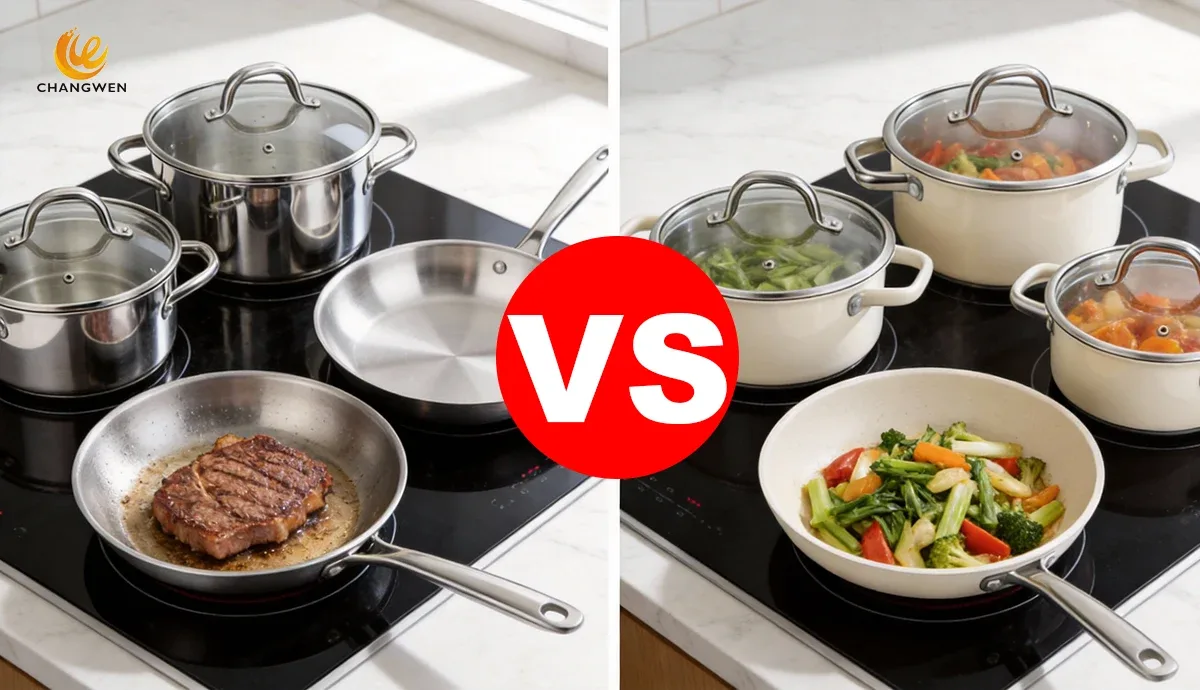
Ceramic vs. Stainless Steel Cookware in Commercial Kitchens: The Truth No One’s Telling You
Let me set the scene. It’s 2 AM, the dinner rush is finally over, and I’m staring at a mountain of pots and pans in the back of a Nashville hot chicken joint where I was consulting last month. The chef, a grizzled veteran with a permanent scowl, tosses a ceramic skillet into the sink with a clatter. “This thing’s a joke,” he mutters. “Lasted three months. My grandma’s cast iron from the ‘70s is still going strong.” Meanwhile, the stainless steel stock pots gleam under the fluorescent lights like they’re mocking us. That moment got me thinking, why are we even having this debate in 2026?
I’ve spent the last decade bouncing between commercial kitchens, from Michelin-starred temples of gastronomy to food trucks where the fryer oil hasn’t been changed since Obama was president. And here’s the thing: ceramic vs. stainless steel cookware in commercial kitchens isn’t just about what’s trending on Instagram or what some celebrity chef endorsed last week. It’s about survival. It’s about whether your line cooks can execute 200 covers without wanting to throw a pan through the walk-in. It’s about whether your food cost stays in the black or spirals into the red because you’re replacing equipment every other Tuesday.
So let’s cut through the noise. By the end of this, you’ll know:
- Why stainless steel might be the workhorse you’ve been overlooking
- The hidden costs of ceramic cookware that suppliers won’t tell you
- How to future-proof your cookware choices for 2026’s labor shortages and sustainability mandates
- Real-world case studies from kitchens that switched, and what they wish they’d known
- Where to source the best of both worlds (spoiler: it’s not where you think)
Oh, and full disclosure? I used to be team ceramic, hard. There was something about that smooth, colorful surface that felt… modern. Progressive. Like I was doing my part to save the planet while also looking like a chef who had their life together. Then reality hit. So consider this your no-BS guide to making the right call for your kitchen, because in this business, the wrong choice doesn’t just cost you money. It costs you sleep.
The Great Cookware Debate: Why This Matters More Than You Think
1. The Myth of the “One-Size-Fits-All” Kitchen
Here’s a question I get all the time: “Sammy, what’s the *best* cookware for a commercial kitchen?” And every time, I want to scream. Because it’s the wrong question. The right question? **”What’s the best cookware for *my* kitchen’s specific needs?”
Let me explain. I was working with a farm-to-table restaurant in East Nashville last year that was dead set on outfitting their new space with all-ceramic cookware. Their reasoning? “It’s healthier. It’s non-toxic. Our customers care about that.” And they were right, up to a point. What they didn’t account for was that their menu was 60% proteins requiring high-heat searing, and their staff turnover rate was higher than a Waffle House on a Saturday night. By month three, they were replacing pans left and right because line cooks kept overheating them or dropping them during the dinner rush. Their food cost shot up 12%, and their Yelp reviews started mentioning “inconsistent cooking.”
Contrast that with a high-volume Italian spot in Midtown I consulted for. They went all-in on stainless steel-heavy-gauge, induction-compatible, the works. Their reasoning? “We need stuff that can take a beating.” And it did. But here’s the kicker: their risotto station was a disaster. The stainless steel just couldn’t distribute heat evenly enough, and their risotto kept coming out either scorched or undercooked. They ended up having to bring in a couple of ceramic Dutch ovens just for that one dish.
The lesson? There is no universal “best.”** There’s only what works for *your* menu, *your* staff, and *your* volume. And if you’re not asking those questions before you buy, you’re setting yourself up for failure.
2. Heat Retention and Distribution: The Science You’re Probably Ignoring
Let’s talk about thermal conductivity-because if you’re not geeking out on this, you’re missing the whole point. Stainless steel, especially the good stuff with an aluminum or copper core, is the undisputed king of heat distribution. It responds quickly to temperature changes, which is why it’s the go-to for tasks like searing a steak or deglazing a pan for sauce. But here’s the catch: it doesn’t *retain* heat worth a damn. Take it off the burner, and the temperature drops fast.
Ceramic, on the other hand, is the tortoise to stainless steel’s hare. It heats up slower, but once it’s hot, it *stays* hot. That’s why it’s fantastic for dishes that require low-and-slow cooking-think braising, simmering, or even holding sauces at temperature. But, and this is a big but, ceramic’s heat distribution isn’t as even as stainless steel. You’ll often get hot spots, which is why you see so many home cooks (and, let’s be honest, some pros) struggling with uneven cooking.
So which one wins? Depends on what you’re cooking. If your menu is heavy on high-heat, fast-cooking techniques, stainless steel is your best friend. If you’re doing a lot of long, gentle cooking, ceramic might be worth the trade-offs. But here’s where it gets tricky: most commercial kitchens aren’t doing just one or the other. They’re doing both. And that’s where the real headaches start.
3. Durability: The Hidden Costs That Will Break Your Budget
Alright, let’s talk dollars and cents. Because at the end of the day, this isn’t just about performance, it’s about how much of your profit margin is going to disappear into the black hole of cookware replacement.
Stainless steel is the undisputed champion of durability. A well-made stainless steel pan can last decades in a commercial kitchen. I’ve seen pans from the ‘90s that look like they were installed yesterday. They’re resistant to warping, scratching, and corrosion. They can take a beating from metal utensils, high heat, and even the occasional drop without missing a beat. And when they do eventually wear out, they’re 100% recyclable.
Ceramic? Not so much. Don’t get me wrong, modern ceramic cookware is a far cry from the flimsy stuff that gave it a bad name a decade ago. But it’s still fragile compared to stainless steel. Drop it? It might crack. Overheat it? The non-stick coating can degrade. Use metal utensils? Say goodbye to that smooth surface. And let’s not even talk about what happens when a line cook with a heavy hand starts scrubbing it with a steel wool pad.
Here’s the kicker: ceramic cookware’s lifespan in a commercial kitchen is typically 1-3 years, depending on usage. Stainless steel? 10-20 years, easy. So even though ceramic pans might be cheaper upfront, the total cost of ownership is almost always higher. Let’s do some quick math:
- Stainless steel pan: $150, lasts 15 years = $10/year
- Ceramic pan: $80, lasts 2 years = $40/year
See the problem? And that’s before you factor in the labor costs of constantly replacing pans, the downtime when a pan fails mid-service, and the inconsistency that comes with using cookware that’s past its prime.
But wait, there’s more. Ceramic cookware’s non-stick properties degrade over time, which means your cooks have to use more oil to prevent sticking. That’s not just a food cost issue; it’s a health and consistency issue. And in a commercial kitchen, consistency is everything.
4. Maintenance and Cleaning: The Dirty Truth
Let’s be real: no one likes cleaning cookware. But in a commercial kitchen, cleaning isn’t just about hygiene, it’s about efficiency. And this is where stainless steel really shines.
Stainless steel is dishwasher-safe, scrub-resistant, and forgiving when it comes to cleaning. Burnt-on food? A little elbow grease and some barkeeper’s friend will take care of it. Stuck-on residue? Soak it overnight. Need to sanitize it? Toss it in the dishwasher or run it through a high-temperature wash. It’s that simple.
Ceramic, on the other hand, is a high-maintenance diva. Most ceramic cookware isn’t dishwasher-safe (check the manufacturer’s instructions, but assume it’s not). It requires gentle hand-washing with non-abrasive sponges. And if you’re using it in a high-volume kitchen, that’s a problem. Because let’s be honest: when the dinner rush is in full swing, your dishwashers aren’t going to baby a pan. They’re going to scrub it like they’re trying to remove a tattoo.
And here’s the thing: ceramic’s non-stick properties are only as good as its surface. Once that surface starts to degrade, whether from overheating, scratches, or aggressive cleaning, it’s game over. You’re back to square one, with food sticking to the pan and your cooks cursing under their breath.
But there’s another angle to this: labor costs. If your staff is spending 20 extra minutes per shift hand-washing ceramic pans, that’s 20 minutes they’re not spending on prep, plating, or expediting. In a commercial kitchen, time is money. And ceramic cookware? It’s a time-suck.
5. Health and Safety: What’s Really Lurking in Your Pans?
Ah, the health angle. This is where ceramic cookware really shines in the marketing department. “Non-toxic! PTFE-free! PFOA-free!” It sounds great, doesn’t it? And for the most part, it’s true. Modern ceramic cookware is generally free of the chemicals that gave non-stick pans a bad name in the early 2000s. But let’s not get too starry-eyed here.
First, let’s talk about stainless steel. It’s inert, meaning it doesn’t leach chemicals or flavors into your food. It’s non-reactive, so it won’t interact with acidic ingredients like tomatoes or wine. And it’s completely safe at high temperatures. But, and this is a big but, if you’re using low-quality stainless steel, you might run into issues with nickel or chromium leaching. That’s why it’s crucial to stick with food-grade stainless steel (18/10 or 18/8) for cookware.
Ceramic, on the other hand, is marketed as the ”healthier” option. And in many ways, it is. It’s free of PTFE and PFOA, which are the chemicals that made older non-stick pans so controversial. But here’s the catch: not all ceramic cookware is created equal. Some cheaper brands use low-quality glazes that can contain lead or cadmium, especially if they’re manufactured overseas without strict quality controls. And even high-quality ceramic can degrade over time, potentially releasing silica particles into your food.
So which one is safer? If you’re buying from a reputable supplier (more on that later), both can be safe. But here’s the thing: safety isn’t just about what’s in the pan, it’s about how you use it. Overheat a ceramic pan, and you risk degrading the coating. Overheat a stainless steel pan, and you risk warping it or burning your food. Either way, you’re not doing yourself any favors.
And let’s not forget about food safety in a commercial setting. Stainless steel is easier to sanitize because it can withstand high temperatures and harsh cleaning chemicals. Ceramic? Not so much. If you’re not careful, you could end up with bacteria buildup in the microscopic cracks that form as the coating degrades.
6. Versatility: The Jack-of-All-Trades vs. the Specialist
Here’s where things get interesting. Because if you’re running a commercial kitchen, you’re not just cooking one thing. You’re searing, sautéing, braising, simmering, frying, and maybe even baking. And that’s where versatility becomes a major factor in your cookware choice.
Stainless steel is the Swiss Army knife of cookware. It’s oven-safe, broiler-safe, induction-compatible, and compatible with any cooking surface. You can use it on the stovetop, in the oven, or even under the salamander. You can use metal utensils without worrying about damaging the surface. You can deglaze it, sear it, or even use it as a makeshift griddle in a pinch. It’s the ultimate multitasker.
Ceramic, on the other hand, is more of a specialist. It excels at low-and-slow cooking and non-stick applications, but it has its limitations. Most ceramic cookware isn’t oven-safe above 450°F (232°C), which rules out a lot of high-heat techniques. It’s not great for searing because it doesn’t get hot enough. And if you’re using it on an induction cooktop, you have to make sure it’s induction-compatible (not all ceramic is).
So which one wins? If you’re running a high-volume kitchen with a diverse menu, stainless steel is the clear winner. But if you’re running a specialized operation-say, a vegan café that does a lot of gentle cooking, ceramic might be a better fit. The key is to match your cookware to your menu, not the other way around.
7. The Environmental Factor: Sustainability in a Commercial Kitchen
Let’s talk about sustainability, because in 2026, this isn’t just a buzzword, it’s a business imperative. Customers care about it. Investors care about it. And, let’s be honest, future-proofing your kitchen means thinking about it too.
Stainless steel is 100% recyclable. When a stainless steel pan reaches the end of its life (which, let’s be real, is probably never), it can be melted down and turned into something new. It doesn’t degrade over time, and it doesn’t release harmful chemicals into the environment. Plus, because it lasts so long, you’re not constantly replacing it, which means less waste overall.
Ceramic, on the other hand, is a bit of a mixed bag. On the one hand, it’s made from natural materials (clay, sand, water) and doesn’t contain the same chemicals as traditional non-stick pans. On the other hand, ceramic cookware isn’t infinitely recyclable. Once the non-stick coating degrades, the pan is essentially trash. And because ceramic pans have a shorter lifespan, you’re replacing them more often, which means more waste in landfills.
But here’s the thing: sustainability isn’t just about the materials, it’s about the entire lifecycle of the product. And that’s where things get complicated. Stainless steel has a high carbon footprint because it’s energy-intensive to produce. Ceramic, on the other hand, requires less energy to manufacture but has a shorter lifespan. So which one is *really* more sustainable?
The answer? It depends. If you’re buying high-quality stainless steel that lasts decades, it’s probably the greener choice in the long run. But if you’re buying cheap ceramic pans that you replace every year, stainless steel is still the better option. The key is to invest in quality-whether it’s stainless steel or ceramic, and use it for as long as possible.
And let’s not forget about energy efficiency. Stainless steel with an aluminum or copper core heats up quickly and efficiently, which can reduce your energy usage over time. Ceramic, on the other hand, takes longer to heat up, which means you’re using more energy to get it to temperature. In a commercial kitchen, where energy costs can be a significant portion of your overhead, that’s something to consider.
8. The Labor Factor: What Your Staff Isn’t Telling You
Here’s something no one talks about: your cookware choice directly impacts your staff’s morale, efficiency, and even retention. And in 2026, with labor shortages still plaguing the industry, that’s a big deal.
Let’s start with stainless steel. It’s heavy. It’s unforgiving. And it requires skill to use properly. If your line cooks don’t know what they’re doing, they’re going to burn food, stick food, and generally make a mess of things. But here’s the thing: stainless steel forces your cooks to learn. It teaches them about heat control, deglazing, and proper technique. And once they master it, they can cook on *anything*.
Ceramic, on the other hand, is forgiving. It’s lightweight. And it’s easy to use. Even a novice cook can turn out a decent meal with ceramic cookware. But here’s the catch: it doesn’t teach them anything. If your cooks only know how to cook on ceramic, they’re going to struggle when they move to a kitchen with stainless steel. And in this industry, versatility is everything.
So which one is better for your staff? It depends on your labor situation. If you’re running a high-turnover kitchen with a lot of inexperienced cooks, ceramic might be the way to go. It’s easier to use, which means less training time and fewer mistakes. But if you’re running a fine-dining operation with a skilled team, stainless steel is the better choice. It forces them to hone their craft, which ultimately makes them better cooks.
But here’s the thing: your staff’s preferences matter. If your cooks hate your cookware, they’re going to complain, make mistakes, and maybe even quit. So before you make a decision, talk to them. Ask them what they prefer. Show them both options and see what they think. Because at the end of the day, they’re the ones using it every day.
9. The Supplier Question: Where to Buy (and What to Look For)
Alright, let’s talk about where to buy your cookware. Because this isn’t just about picking ceramic or stainless steel, it’s about finding a supplier you can trust. And in 2026, with supply chain issues still causing headaches, that’s more important than ever.
First, let’s talk about Chef’s Deal. Full disclosure: I’ve worked with them on a few projects, and I’ve been impressed with their comprehensive approach. They don’t just sell cookware, they offer free kitchen design services, which can be a game-changer if you’re outfitting a new space or renovating an existing one. They also provide professional installation services, which is a huge plus if you’re not a DIY kind of person. And their expert consultation can help you navigate the ceramic vs. stainless steel debate based on your specific needs.
But here’s the thing: not all suppliers are created equal. When you’re shopping for cookware, whether it’s ceramic or stainless steel, there are a few things you should look for:
- Quality materials: For stainless steel, look for 18/10 or 18/8 (that’s 18% chromium and 8-10% nickel). For ceramic, look for high-quality glazes that are free of lead and cadmium.
- Warranty: A good warranty is a sign that the manufacturer stands behind their product. Look for lifetime warranties on stainless steel and at least a 2-year warranty on ceramic.
- Compatibility: Make sure the cookware is compatible with your cooking surface (induction, gas, electric, etc.).
- Reviews: Don’t just take the supplier’s word for it-read reviews from other commercial kitchens. Look for feedback on durability, performance, and customer service.
- Price: Don’t just go for the cheapest option. Remember, you get what you pay for. Invest in high-quality cookware that will last, even if it costs more upfront.
And here’s a pro tip: buy in bulk. Most suppliers offer discounts for large orders, which can save you a ton of money in the long run. Plus, buying from a single supplier ensures consistency across your kitchen, which is crucial for efficiency and training.
10. The Hybrid Approach: Why You Might Not Have to Choose
Here’s the thing: you don’t have to go all-in on ceramic or stainless steel. In fact, the best commercial kitchens I’ve seen use a hybrid approach, combining the strengths of both materials to create a versatile, efficient, and cost-effective cookware setup.
So how does it work? Here’s a simple breakdown:
- Stainless steel for high-heat cooking: Use stainless steel for searing, sautéing, frying, and deglazing. Its superior heat distribution and durability make it ideal for these tasks.
- Ceramic for low-and-slow cooking: Use ceramic for braising, simmering, and non-stick applications. Its heat retention and non-stick properties make it perfect for these tasks.
- Stainless steel for versatility: Use stainless steel for oven-to-table dishes, induction cooking, and anything that requires high heat or metal utensils.
- Ceramic for specialty dishes: Use ceramic for dishes that require gentle cooking, like risotto, eggs, or delicate sauces.
Here’s an example of how this might look in a real kitchen:
- Sauté station: Stainless steel sauté pans for searing proteins and vegetables.
- Sauce station: Stainless steel saucepans for deglazing and reducing sauces, with a couple of ceramic Dutch ovens for braising.
- Egg station: Ceramic non-stick pans for cooking eggs and delicate proteins.
- Fry station: Stainless steel fry pans for high-heat frying and sautéing.
The key is to match the cookware to the task. By using both ceramic and stainless steel, you can maximize efficiency, minimize waste, and ensure consistency across your menu. And the best part? You don’t have to sacrifice durability or performance to do it.
But here’s the catch: you have to train your staff. If your cooks don’t know when to use ceramic vs. stainless steel, you’re going to run into problems. So make sure you invest in training and create clear guidelines for when to use each type of cookware.
The Bottom Line: What’s the Right Choice for Your Kitchen?
Alright, let’s bring this home. Because after all this, you’re probably still wondering: ceramic or stainless steel? And the answer, as frustrating as it might be, is it depends.
If you’re running a high-volume kitchen with a diverse menu and a skilled staff, stainless steel is probably your best bet. It’s durable, versatile, and cost-effective in the long run. But if you’re running a specialized operation with a focus on low-and-slow cooking and a high-turnover staff, ceramic might be worth the trade-offs.
But here’s the thing: you don’t have to choose. The best kitchens I’ve seen use a hybrid approach, combining the strengths of both materials to create a cookware setup that’s tailored to their specific needs. And if you’re smart about it, you can maximize efficiency, minimize waste, and ensure consistency across your menu.
So what’s the next step? Talk to your staff. Analyze your menu. Crunch the numbers. And if you’re still not sure, reach out to a supplier like Chef’s Deal. Their free kitchen design services and expert consultation can help you navigate this decision and create a cookware setup that works for you.
Because at the end of the day, this isn’t just about cookware. It’s about your kitchen’s success. And in this industry, success isn’t just about the food, it’s about the systems, the people, and the choices that make it all work.
So what’s it going to be? Are you team stainless steel, team ceramic, or team hybrid? And more importantly-what’s your kitchen’s story? Because in 2026, the kitchens that thrive aren’t the ones with the fanciest equipment. They’re the ones with the smartest systems. And that starts with the right cookware.
FAQ: Your Burning Questions, Answered
Q: Is ceramic cookware really non-toxic?
A: Modern ceramic cookware is generally free of PTFE and PFOA, the chemicals that made older non-stick pans controversial. However, not all ceramic cookware is created equal. Cheaper brands may use low-quality glazes that contain lead or cadmium, so it’s important to buy from a reputable supplier. Even high-quality ceramic can degrade over time, potentially releasing silica particles. If health and safety are a top priority, look for certified non-toxic ceramic cookware and replace it as soon as the non-stick coating starts to degrade.
Q: Can I use ceramic cookware on induction cooktops?
A: Not all ceramic cookware is induction-compatible. If you’re using ceramic on an induction cooktop, make sure it’s specifically labeled as induction-ready. Stainless steel, on the other hand, is almost always induction-compatible, especially if it has an aluminum or copper core. If you’re outfitting a kitchen with induction cooktops, stainless steel is the safer bet.
Q: How do I know when it’s time to replace my ceramic cookware?
A: Ceramic cookware should be replaced as soon as you notice signs of degradation. This includes scratches, chips, or discoloration on the non-stick surface, as well as food sticking to the pan even when it’s properly heated. If the pan starts to warp or lose its shape, that’s another sign it’s time to replace it. In a commercial kitchen, ceramic cookware typically lasts 1-3 years, depending on usage. Stainless steel, on the other hand, can last decades with proper care.
Q: What’s the best way to clean stainless steel cookware to keep it looking new?
A: Stainless steel is durable and easy to clean, but it does require some care to keep it looking its best. Here’s a simple routine:
- After each use, wash the pan with warm, soapy water and a non-abrasive sponge.
- For stuck-on food, soak the pan in warm water for 10-15 minutes before scrubbing.
- For burnt-on residue, use a paste of baking soda and water or a commercial cleaner like Barkeeper’s Friend.
- To remove water spots or discoloration, wipe the pan with a vinegar-soaked cloth or a stainless steel cleaner.
- Avoid using steel wool or abrasive pads, as they can scratch the surface.
- Always dry the pan thoroughly after washing to prevent water spots.
With proper care, stainless steel cookware can look brand new for years.
@article{ceramic-vs-stainless-steel-cookware-in-commercial-kitchens-the-ultimate-showdown,
    title   = {Ceramic vs. Stainless Steel Cookware in Commercial Kitchens: The Ultimate Showdown},
    author  = {Chef's icon},
    year    = {2026},
    journal = {Chef's Icon},
    url     = {https://chefsicon.com/ceramic-vs-stainless-steel-cookware-commercial-kitchens/}
}