The Best Fluffy Pancakes recipe you will fall in love with. Full of tips and tricks to help you make the best pancakes.
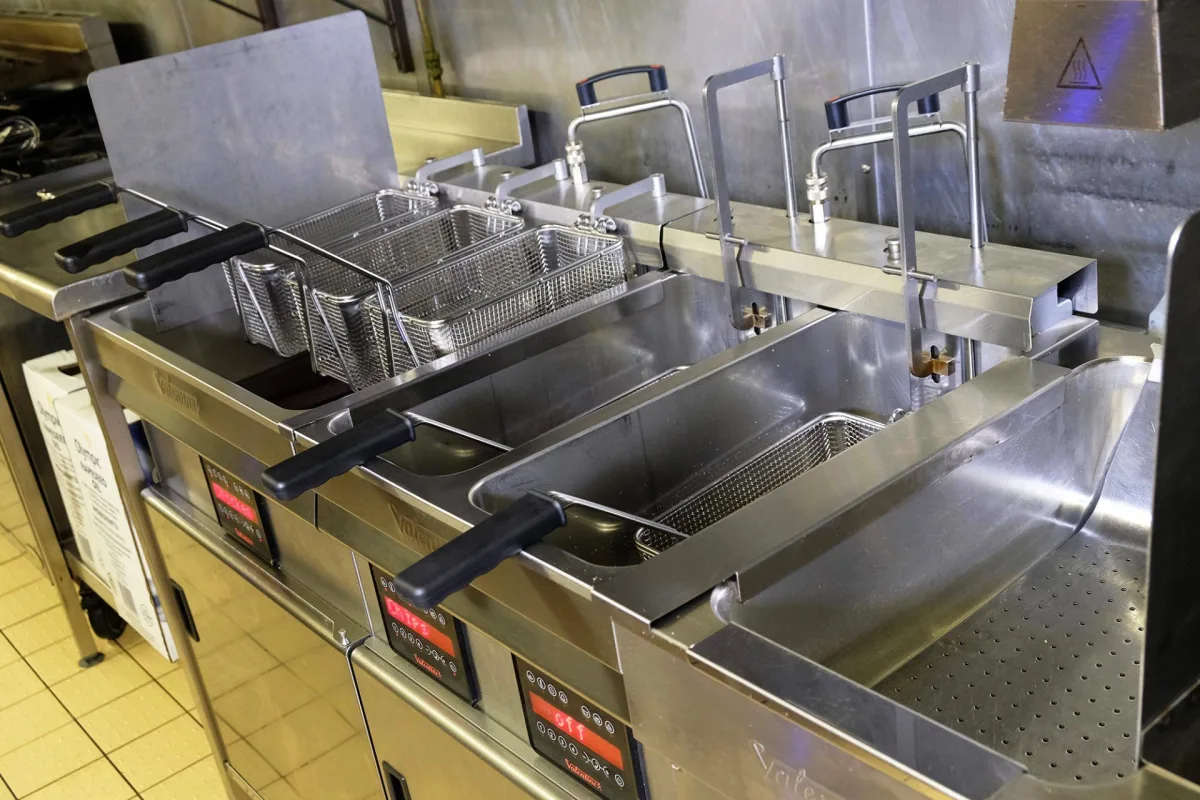
I’ll be honest, when I first opened my food truck in Nashville back in 2019, I made the classic rookie mistake of buying a commercial fryer based purely on price and BTU rating. Three months later, I was staring at a grease fire (thankfully contained), a sky-high electric bill, and a line of unhappy customers because my “bargain” fryer couldn’t keep up with demand. Turns out, choosing the right commercial fryer isn’t just about how fast it can crisp a basket of fries, it’s about matching the equipment to your menu, volume, space, and even your staff’s workflow. And in 2025, with energy costs fluctuating and labor shortages still plaguing the industry, the stakes are higher than ever.
This isn’t another dry equipment spec sheet. I’ve spent the last six years testing, researching, and (let’s be real) cursing at commercial fryers in everything from food trucks to full-service restaurants. I’ve seen what works in a high-volume chicken wing joint versus a boutique gastropub, and I’ve learned the hard way that the “best” fryer is the one that fits your operation like a glove, not the one with the shiniest stainless steel or the most aggressive sales rep. By the end of this guide, you’ll know how to:
- Match fryer types (open pot, pressure, tube, flat-bottom) to your menu’s needs
- Calculate the right size and capacity without over- or under-buying
- Navigate the gas vs. electric vs. induction debate with real-world cost breakdowns
- Avoid the hidden expenses that turn a “great deal” into a money pit
- Future-proof your purchase with energy efficiency and smart tech considerations
And because I’m still scarred by my early mistakes, I’ll also share the red flags I wish I’d spotted before signing that first invoice. Let’s dig in.
1. The 5 Types of Commercial Fryers (And Which One Actually Fits Your Kitchen)
Walk into any restaurant supply showroom, and you’ll be bombarded with terms like “tube-style,” “open pot,” and “pressure fryer.” Here’s the thing: most operators only need one or two of these types, and choosing the wrong one can mean wasted space, higher costs, or even safety hazards. Let’s break it down.
Open Pot Fryers: The Workhorse for High-Volume Frying
If you’re running a burger joint, a seafood shack, or any operation where large batches of similar items (think fries, onion rings, chicken tenders) are fried continuously, an open pot fryer is your best friend. These are the most common in commercial kitchens because they’re versatile and relatively affordable. The key here is the heat recovery time-how quickly the oil returns to temperature after adding cold food. A good open pot fryer should recover in under 2 minutes for high-volume needs.
But, and this is a big but, open pot fryers require more oil (typically 40–60 lbs per vat) and can be less energy-efficient if not properly insulated. I’ve seen kitchens where the staff leaves the fryer running all day “just in case,” which is like burning hundred-dollar bills for fun. If you go this route, look for models with insulated tanks and high-efficiency burners (more on that later).
Tube-Style Fryers: The Secret Weapon for Small Kitchens
Tube-style fryers are the unsung heroes of compact kitchens. Instead of a large open vat, they use a series of tubes to heat the oil, which means they require less oil overall (usually 25–35 lbs per vat) and have faster heat recovery. This makes them ideal for food trucks, pop-ups, or restaurants with limited space.
The trade-off? They’re not great for large or irregularly shaped items (like whole fish or breaded chicken breasts) because the tubes can create hot spots. But if you’re mostly frying smaller items, mozzarella sticks, hush puppies, or tempura, this could be your golden ticket. I switched to a tube-style in my food truck and cut my oil costs by nearly 30% overnight.
Pressure Fryers: For Juicy, Fast-Cooked Meats (But Not Without Risks)
Ah, the pressure fryer, the magic behind Kentucky Fried Chicken’s signature crispiness. These beasts use steam pressure to cook food faster while locking in moisture, which is why they’re beloved for fried chicken, turkey, and even some seafood. The catch? They’re expensive (often $5K–$10K+), require special training for staff (safety first!), and are overkill if you’re not doing high volumes of pressure-fried items.
I’ll never forget the time a chef friend of mine tried to pressure-fry a whole turkey without properly securing the lid. Let’s just say the ceiling of his kitchen needed a fresh coat of paint, and so did he. If you’re considering a pressure fryer, ask yourself: Will I use it daily? If not, stick with an open pot or tube-style and master your breading technique instead.
Flat-Bottom Fryers: The Specialty Player
Flat-bottom fryers are niche but invaluable for certain cuisines. They’re designed for delicate items that need gentle handling, like donuts, churros, or some Asian-style fried foods. The flat bottom prevents small items from sticking to heating elements, and the shallow oil depth (usually 3–5 inches) makes them easier to clean.
That said, they’re not great for high-volume frying, and the oil temperature can fluctuate more than in a tube or open pot. If you’re opening a donut shop or a specialty dessert spot, this might be your pick. Otherwise, you can probably skip it.
Air Fryers and Hybrid Models: The Future or a Gimmick?
Yes, commercial air fryers exist, and they’re getting better. But let’s be real: they’re not a true replacement for deep fryers if you’re doing traditional fried foods. Where they shine is in health-conscious menus (think “air-fried” wings or veggie chips) or as a supplement to reduce oil usage. Some newer models even combine air and oil frying in one unit, which is intriguing but still unproven in high-volume settings.
My take? If you’re a fast-casual spot or a health-focused concept, test one out. But if you’re slinging classic fried chicken or fish and chips, don’t bet your business on air frying, yet.
-
2. Gas vs. Electric vs. Induction: The Energy Debate That’s Costing You Money
This is where I see the most hesitation, and the most regrets. The type of power your fryer uses doesn’t just affect performance; it impacts your monthly utility bills, installation costs, and even your kitchen’s layout. Let’s cut through the noise.
Gas Fryers: The Traditional Choice (But Is It Still King?)
Gas fryers have been the industry standard for decades, and for good reason: they heat up fast, recover temperature quickly, and are generally more cost-effective to operate in areas where natural gas is cheap. If you’re in a region with low gas prices (like much of the Midwest or South), a gas fryer is still a solid bet.
However, gas prices are volatile. In 2023, I worked with a restaurant in California that saw their gas bill double overnight after a rate hike. And let’s not forget the ventilation requirements: gas fryers need proper hood systems, which can add thousands to your setup costs. If you’re in a tight space or a city with strict emissions rules (looking at you, NYC), this might not be your best option.
Electric Fryers: The Quiet, Clean Alternative
Electric fryers are gaining traction, especially in urban areas where gas lines are expensive to install or outright banned (yes, some cities are phasing out gas in new buildings). They’re easier to clean, have no open flames, and can be more precise with temperature control. The biggest downside? Slower heat recovery and higher operating costs in areas with expensive electricity.
Here’s a real-world example: A pizza shop in Nashville switched from gas to electric fryers for their appetizers and saw a 20% increase in energy costs-but they also reduced their fire insurance premiums by 15% because there was no open flame. It’s all about the trade-offs. If you’re in a small space or a city pushing for electrification, electric might be the way to go.
Induction Fryers: The New Kid on the Block
Induction is the sexy new tech in commercial kitchens, and for good reason. These fryers use magnetic fields to heat the oil directly, which means:
- Faster heat-up times (often under 5 minutes)
- Precise temperature control (no more “oil’s too hot” disasters)
- Cooler exterior surfaces (safer for staff)
- Energy savings (up to 30% in some cases)
The catch? Upfront cost. A high-quality induction fryer can run 2–3x the price of a comparable gas or electric model. And not all induction fryers are created equal, some cheaper models struggle with temperature consistency under heavy loads.
I’m torn on this one. If you’re building a new kitchen and have the budget, induction is worth testing. But if you’re replacing an old gas fryer in a well-established setup, the ROI might not pencil out yet. Maybe in five years, but for now, it’s still a “nice-to-have” for most operations.
-
3. Size Matters: How to Calculate the Right Capacity (Without Overbuying)
This is where I see the most waste. Restaurateurs either underbuy and create bottlenecks, or overbuy and end up with a fryer that’s too big for their needs (and their utility bills). Here’s how to get it right.
The 80/20 Rule for Fryer Sizing
Most restaurants only use their fryers at peak capacity 20% of the time (think Friday night rush). The other 80%? They’re running half-empty, wasting energy and oil. So how do you size correctly?
- Estimate your peak-hour demand: How many baskets of fries, chicken, etc., do you need to fry in your busiest hour?
- Calculate basket turnover: A standard fryer basket holds about 8–12 lbs of food. If you need to fry 100 lbs of fries in an hour, you’ll need a fryer that can handle 8–10 baskets per hour (assuming 3–4 minutes per batch).
- Add a 20% buffer: Because Murphy’s Law is real, and you will have that one night when everything goes wrong.
For most small to mid-sized restaurants, a 35–50 lb oil capacity (per vat) is plenty. Food trucks can often get away with 20–30 lbs. If you’re a high-volume wing joint or seafood spot, you might need 60+ lbs.
Single vs. Double vs. Multi-Vat Fryers
Here’s where it gets tricky. A single-vat fryer is cheaper upfront, but if you’re frying different items (say, fries and chicken), you’ll need to change the oil more often (flavor transfer is real, and nobody wants fishy-tasting fries). A double-vat lets you dedicate one side to each item, extending oil life and improving flavor consistency.
Multi-vat fryers (3+ vats) are overkill for most operations, but if you’re running a large-scale catering operation or a multi-concept kitchen, they can be a game-changer. Just be warned: each additional vat adds to your energy costs, cleaning time, and footprint.
The Space vs. Capacity Trade-Off
I once consulted for a burger chain that insisted on cramming a massive 80-lb fryer into a kitchen that could barely fit it. The result? Staff were constantly bumping into each other, oil changes took forever, and the hood system couldn’t keep up with the grease. Measure your space twice, buy once.
Here’s a quick rule of thumb:
- Allow at least 6 inches of clearance on all sides for safety and maintenance.
- Ensure your hood system can handle the fryer’s BTU output (more on ventilation later).
- If space is tight, consider a stackable or countertop model-but be aware that these often have smaller capacities.
-
4. The Hidden Costs of Commercial Fryers (That Sales Reps Won’t Tell You)
Sticker shock is real, but the real cost of a commercial fryer goes far beyond the purchase price. Here’s what most operators don’t account for until it’s too late.
Oil Costs: The Silent Budget Killer
Oil isn’t cheap, and if you’re not careful, you’ll burn through it faster than a line cook burns through free meals. The average restaurant spends $3,000–$10,000 per year on fryer oil, depending on volume. Here’s how to minimize waste:
- Filter religiously: A good filtration system can extend oil life by 30–50%. Skimp here, and you’ll pay for it in oil costs.
- Train staff on oil temps: Overheating oil (above 375°F) breaks it down faster. Use a fryer with precise thermostatic controls.
- Match oil to usage: High-volume kitchens should use high-stability oils (like peanut or soybean), while low-volume spots can get away with cheaper blends.
Energy Efficiency: The Long-Term Savings Game
A fryer’s energy efficiency is measured by how well it retains heat and how quickly it recovers. Look for:
- Insulated tanks: Reduces heat loss by up to 40%.
- High-efficiency burners (for gas) or inverter technology (for electric).
- ENERGY STAR certification: Not all commercial fryers qualify, but those that do can save you hundreds per year.
I once helped a client switch from an old, uninsulated gas fryer to a new ENERGY STAR model. Their gas bill dropped by $150/month, and the fryer paid for itself in under two years.
Maintenance and Repairs: The Inevitable Expense
Even the best fryers need maintenance. Here’s what to budget for:
- Cleaning supplies: Degreasers, brushes, and filtration systems add up. Plan for $50–$100/month.
- Parts replacement: Heating elements, thermostats, and baskets wear out. Keep $500–$1,000/year set aside for repairs.
- Professional servicing: A yearly deep clean and inspection can prevent costly breakdowns. Budget $200–$400/year.
Pro tip: Buy from a brand with local service technicians. Waiting a week for a part because the manufacturer is across the country is a nightmare during peak season.
Ventilation and Fire Suppression: The Non-Negotiables
This is where I see the most corners cut, and the most regrets. A commercial fryer must be paired with:
- A proper hood system (Type I for grease-laden vapors).
- A fire suppression system (like Ansul or Pyro-Chem).
- Adequate makeup air to replace what the hood extracts.
Skipping on ventilation isn’t just a safety hazard, it’s a health code violation in most jurisdictions. I’ve seen kitchens shut down for a week because their hood couldn’t handle the fryer’s output. Don’t be that guy.
-
5. The Great Oil Debate: What Type of Oil Should You Use?
The oil you choose affects flavor, cost, and fryer longevity. And no, you can’t just grab the cheapest jug at Restaurant Depot and call it a day.
High-Stability Oils: The Workhorses
For high-volume frying, you need an oil with a high smoke point and long fry life. The top contenders:
- Peanut oil: The gold standard for flavor and stability. Used by most high-end fried chicken spots. Downside? It’s expensive ($3–$5 per pound).
- Soybean oil: Affordable ($1.50–$2.50 per pound) and widely available. The neutral flavor makes it versatile, but it breaks down faster than peanut or canola.
- Canola oil: A middle-ground option with good stability and a cleaner profile. Popular in health-conscious concepts.
- Sunflower oil: High in oleic acid, which extends fry life. Common in European-style frying.
Blends and Shortening: The Budget-Friendly (But Risky) Options
Oil blends (like soybean/cottonseed) and shortenings are cheaper, but they come with trade-offs:
- Shorter fry life: You’ll need to change oil more often.
- Flavor transfer: Blends can pick up off-flavors faster, especially if you’re frying multiple items.
- Health perceptions: Some customers avoid shortenings due to trans fat concerns (even if the product is trans-fat-free).
If you’re on a tight budget, a high-oleic soybean blend is a decent compromise. But if fried food is a signature item, spring for peanut or canola.
Oil Filtration: The Unsung Hero of Fryer Longevity
Filtering oil isn’t optional, it’s essential. A good filtration system removes food particles and extends oil life by 30–50%. Here’s what to look for:
- Built-in filtration: Some fryers (like certain Henny Penny models) have automated filtration. Worth the investment if you’re doing high volume.
- Portable filter machines: If your fryer doesn’t have built-in filtration, a standalone unit (like a FiltaFry) can pay for itself in oil savings.
- Filter media: Use high-quality filter paper or diatomaceous earth for best results.
I once worked with a seafood restaurant that wasn’t filtering their oil properly. They were changing oil every 2 days instead of every 5–7. After implementing a filtration routine, they saved $12,000/year in oil costs. Yes, you read that right.
-
6. Safety Features You Can’t Afford to Overlook
Fryers are one of the most dangerous pieces of equipment in a commercial kitchen. Burns, fires, and slips from grease are all too common. Here’s how to mitigate the risks.
Automatic Shut-Off and Temperature Limits
Any modern commercial fryer should have:
- High-limit thermostats: Shuts off the fryer if oil exceeds a safe temperature (usually 425°F).
- Automatic shut-off: Turns off the fryer if left idle for too long (prevents overnight fires).
- Cool-down modes: Gradually lowers oil temp when not in use to prevent overheating.
I’ve seen too many kitchens where the fryer was left on overnight “to save time in the morning.” Don’t be that person. The risk of fire isn’t worth the 10 minutes you’ll save.
Grease Management Systems
Grease buildup is a fire hazard and a slip hazard. Look for fryers with:
- Built-in grease traps: Catches food particles before they clog your plumbing.
- Easy-drain systems: Allows for quick, safe oil disposal.
- Non-slip feet: Prevents the fryer from shifting during use.
Staff Training: The Human Factor
The safest fryer in the world is useless if your staff doesn’t know how to use it. Mandatory training should cover:
- Proper oil temperature monitoring (use a thermometer, don’t guess!).
- How to safely lower baskets into hot oil (splashing = burns).
- What to do in case of a grease fire (hint: ever use water-use a Class K fire extinguisher).
- Daily cleaning and maintenance routines.
I recommend running a fryer safety drill at least once a quarter. It might seem overkill, but when seconds count in a grease fire, preparedness is everything.
-
7. Ventilation and Hood Systems: The Often-Forgotten Partner to Your Fryer
Your fryer is only as good as the hood system above it. Poor ventilation leads to:
- Grease buildup (fire hazard)
- Poor air quality (unhappy staff, health code violations)
- Higher energy costs (hoods that run constantly)
Sizing Your Hood for Your Fryer
The rule of thumb: Your hood should extend 6 inches beyond the fryer on all sides. For example:
- A 14" x 16" fryer needs a hood at least 20" x 22".
- For multiple fryers, the hood must cover all equipment with proper overlap.
Undersized hoods are a common violation in health inspections. Don’t cut corners here.
Makeup Air: The Hidden Energy Drain
Every time your hood extracts air, it needs to be replaced with makeup air (usually from outside). If your kitchen isn’t properly balanced, you’ll deal with:
- Negative pressure (doors slamming, drafts)
- Poor hood performance (grease not being captured)
- Higher HVAC costs (constantly heating/cooling incoming air)
A good HVAC contractor can design a demand-controlled ventilation system that adjusts airflow based on fryer usage, saving you hundreds per month in energy costs.
Fire Suppression Systems: Non-Negotiable
If your fryer isn’t under a fire suppression system, you’re playing with fire, literally. Most jurisdictions require:
- A Class K fire extinguisher mounted nearby.
- An automatic suppression system (like Ansul) tied to the hood.
- Regular inspections and maintenance (usually semi-annual).
I’ve seen kitchens where the suppression system wasn’t properly linked to the gas shutoff. In a fire, the system sprayed suppressant, but the gas kept flowing, turning a small fire into a blowtorch. Test your system regularly.
-
8. Smart Fryers and Tech Integrations: Gimmick or Game-Changer?
The commercial fryer market is getting smarter. But is the tech worth it? Let’s separate the hype from the helpful.
Wi-Fi and App-Controlled Fryers
Some newer models (like certain Pitco or Frymaster units) offer:
- Remote temperature monitoring (get alerts if oil overheats).
- Usage tracking (see how often the fryer is used, oil life, etc.).
- Automated filtration reminders.
Is this necessary? For a single-unit operation, probably not. But if you’re managing multiple locations, the data can help standardize quality and reduce waste. I worked with a small chain that used app-based tracking to cut oil costs by 18% across all locations, just by identifying which stores were overusing oil.
Automated Oil Management Systems
Companies like FiltaFry and Restaurant Technologies offer systems that:
- Automatically filter and top off oil.
- Track oil usage and quality in real time.
- Schedule oil pickups and recycling.
The upfront cost is steep ($1,000–$3,000+), but for high-volume operations, the ROI is often 6–12 months. One fast-casual chain I consulted for saved $40,000/year across 10 locations by switching to an automated system.
Energy Monitoring and Efficiency Tech
Some newer fryers integrate with energy management systems to:
- Optimize heat cycles based on usage patterns.
- Adjust idle temperatures to save energy.
- Provide real-time energy cost tracking.
Again, this is more useful for chains than single units, but if you’re in a high-cost energy market (like California or New England), it’s worth exploring.
-
9. Buying New vs. Used vs. Leasing: What’s the Smart Play?
This is where I see the most paralysis. Should you buy new? Hunt for a used deal? Lease? Let’s break it down.
Buying New: The Safe (But Expensive) Bet
Pros:
- Full warranty (usually 1–3 years).
- Latest safety and efficiency features.
- No surprises (used equipment can have hidden issues).
Cons:
- High upfront cost ($2,000–$10,000+ per fryer).
- Depreciation (a new fryer loses ~20% of its value in the first year).
Best for: New restaurants, high-volume operations, or concepts where fry quality is critical (e.g., a fried chicken specialty spot).
Buying Used: The Budget-Friendly (But Risky) Option
Pros:
- 30–50% cheaper than new.
- Good for testing a concept before committing.
Cons:
- No warranty (repairs are on you).
- Potential hidden issues (rust, worn heating elements, etc.).
- May not meet current safety/energy standards.
If you go used, inspect it thoroughly (or hire a technician to do so). Check for:
- Rust or corrosion in the tank.
- Worn or warped baskets.
- Inconsistent heating (test with a thermometer).
- Proper certification (UL, NSF, etc.).
Best for: Food trucks, pop-ups, or low-volume operations where upfront cost is a major concern.
Leasing: The Flexible (But Long-Term Expensive) Middle Ground
Pros:
- Lower monthly payments (preserves cash flow).
- Option to upgrade after a few years.
- Often includes maintenance.
Cons:
- You’ll pay 2–3x the fryer’s value over the lease term.
- You don’t own the equipment (no equity).
- Early termination fees can be brutal.
Best for: Startups with limited capital or concepts that may pivot (e.g., a ghost kitchen testing different menus).
Where to Buy: Showrooms vs. Online vs. Auctions
Each option has pros and cons:
- Showrooms (e.g., Restaurant Depot, local suppliers):
- Pros: Hands-on testing, expert advice, immediate availability.
- Cons: Limited selection, sales pressure.
- Online (e.g., WebstaurantStore, Amazon Commercial):
- Pros: Wider selection, often better prices, customer reviews.
- Cons: No hands-on inspection, shipping costs, potential for damaged goods.
- Auctions (e.g., restaurant liquidations, eBay):
- Pros: Can find steals on high-end equipment.
- Cons: No warranty, high risk of hidden issues.
My advice? Buy critical equipment (like fryers) in person if possible. For accessories (baskets, filters), online is fine.
-
10. Installation and Setup: The Make-or-Break Step
You’ve picked the perfect fryer, now don’t mess it up with a bad install. Here’s what you need to know.
Gas Line and Electrical Requirements
Before delivery, confirm:
- Gas fryers:
- Do you have the right gas line size (usually 1/2" or 3/4")?
- Is the gas pressure correct (most fryers need 5–7" WC for natural gas, 10–14" for propane)?
- Is there a shutoff valve within 6 feet of the fryer?
- Electric fryers:
- Do you have the right voltage and amperage (most need 208V or 240V, 30–60A)?
- Is the circuit dedicated (no sharing with other high-draw equipment)?
I’ve seen kitchens where the fryer was installed only to find the gas line was undersized, leading to weak flames and slow recovery times. Get a plumber or electrician to verify specs before the fryer arrives.
Placement and Clearance
Your fryer should be placed:
- At least 6 inches from walls or other equipment (for airflow and safety).
- On a non-combustible surface (no wooden counters!).
- Near a drain or grease trap for easy oil disposal.
- Under a properly sized hood (as discussed earlier).
Avoid placing fryers near ice machines or prep stations-grease splatter and heat can create hazards.
First Use: Seasoning and Break-In
Before your first fry, you need to season the fryer to remove manufacturing residues and prevent off-flavors:
- Fill the fryer with oil and heat to 350°F.
- Add 1–2 cups of white vinegar (helps break down residues).
- Let it run for 30–60 minutes, then drain and filter the oil.
- Repeat with fresh oil before cooking food.
Skipping this step can lead to off flavors in your first few batches of food. Trust me, you don’t want to serve vinegar-tasting fries to your first customers.
Staff Training: The Often-Overlooked Final Step
Even the best fryer is useless if your team doesn’t know how to use it. Before opening day, train staff on:
- Proper startup and shutdown procedures.
- How to monitor and adjust oil temperature.
- Safe basket handling (no overloading!).
- Daily cleaning and maintenance routines.
- What to do in case of a grease fire or malfunction.
I recommend creating a fryer operation checklist and posting it near the station. It seems simple, but in the chaos of a busy shift, even experienced cooks can forget steps.
-
Final Thoughts: The Fryer That Fits Your Future
Choosing the right commercial fryer isn’t just about specs, it’s about aligning the equipment with your menu, volume, space, and budget. The “best” fryer for a high-end steakhouse (where fries are a side thought) is different from the “best” fryer for a Southern fried chicken joint (where the fryer is the heart of the operation).
Here’s my challenge to you: Don’t just buy a fryer, buy a system. That means considering the fryer, the oil, the ventilation, the training, and the maintenance as one interconnected package. The restaurants that thrive are the ones that treat their equipment as an investment, not just an expense.
And if you’re still unsure? Start small. Test a countertop model before committing to a massive floor unit. Talk to other operators in your area, what works for them? What do they wish they’d known? The commercial kitchen community is tighter than you think, and most chefs love sharing war stories (and advice) over a beer.
Now, go forth and fry, responsibly.
-
FAQ: Your Burning Questions About Commercial Fryers
Q: How often should I change the oil in my commercial fryer?
A: It depends on usage, but here’s a general guideline:
- High-volume kitchens (e.g., fast food, wings): Every 2–3 days.
- Moderate-volume (e.g., casual dining): Every 4–5 days.
- Low-volume (e.g., fine dining, occasional use): Every 7–10 days.
Pro tip: Use a fry test kit to check for total polar materials (TPM). If TPM exceeds 25%, it’s time to change the oil, even if it “looks fine.”
Q: Can I mix different types of oil in my fryer?
A: Technically yes, but I don’t recommend it. Mixing oils can:
- Lower the smoke point (increasing fire risk).
- Create off flavors (e.g., mixing peanut and fish oil = disaster).
- Shorten oil life (different oils break down at different rates).
If you must mix, stick to similar oils (e.g., soybean and canola) and avoid mixing animal fats with vegetable oils.
Q: What’s the best way to clean a commercial fryer?
A: Daily and weekly cleaning are both critical. Here’s my routine:
- Daily:
- Skimming debris with a fine-mesh skimmer.
- Wiping down the exterior and handles with degreaser.
- Filtering the oil (if not automatic).
- Weekly:
- Draining and deep-cleaning the vat with a fryer cleaner (like Fryer Fresh).
- Scrubbing the heating elements (for electric) or burner tubes (for gas).
- Checking the thermostat and safety controls.
- Monthly:
- Inspecting the gas line or electrical connections for wear.
- Testing the fire suppression system.
Never use water or abrasive pads-they can damage the fryer and create safety hazards.
Q: How do I know if my fryer is energy-efficient?
A: Look for these signs:
- ENERGY STAR certification (though not all commercial fryers qualify).
- Insulated tanks (reduces heat loss).
- High-efficiency burners (for gas) or inverter technology (for electric).
- Fast recovery time (should return to temp in under 2 minutes after adding food).
- Idle mode (lowers energy use during slow periods).
You can also calculate efficiency by tracking energy use per pound of food fried. A well-tuned fryer should use ~1 kWh or 10,000 BTU per pound of food**. If yours is using significantly more, it’s time for a tune-up or upgrade.
@article{how-to-choose-the-right-commercial-fryer-in-2025-a-no-nonsense-guide-for-restaurant-owners,
    title   = {How to Choose the Right Commercial Fryer in 2025: A No-Nonsense Guide for Restaurant Owners},
    author  = {Chef's icon},
    year    = {2025},
    journal = {Chef's Icon},
    url     = {https://chefsicon.com/choosing-the-right-commercial-fryer/}
}