The Best Fluffy Pancakes recipe you will fall in love with. Full of tips and tricks to help you make the best pancakes.
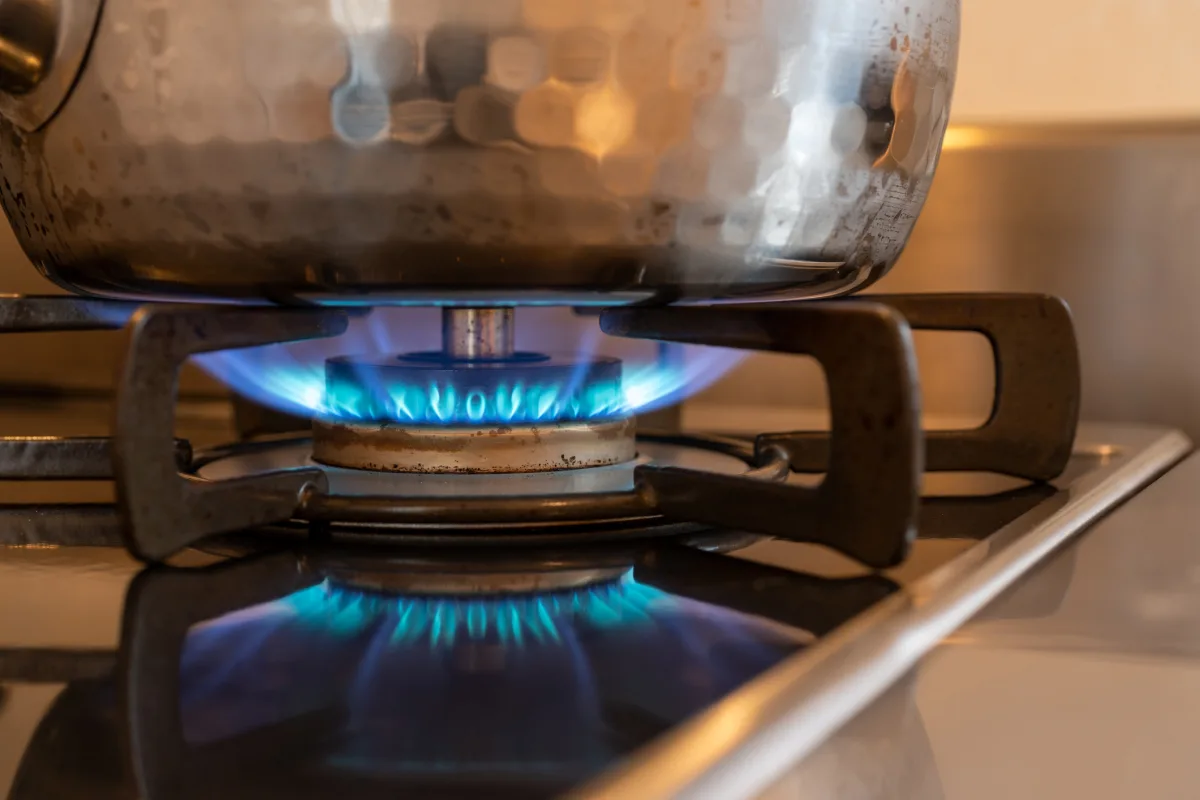
Let me start with a confession: I’ve seen more chefs cry over commercial range purchases than over burned soufflés. And after moving from the Bay Area’s tech-driven kitchens to Nashville’s smoky, soulful food scene, I’ve developed strong opinions, some of them contradictory, about what really matters when you’re dropping five figures on a piece of equipment that’ll define your kitchen’s rhythm for the next decade.
Here’s the thing: there’s no perfect answer. The “best” commercial range depends on your menu, your space, your budget, and, let’s be real, how much you’re willing to scream at your line cooks when the induction burners won’t respond to their greasy fingers. I’ve watched a Michelin-starred chef nearly throw a pan at an induction range (it was a bad day), and I’ve seen a diner owner weep with joy over his new gas beast during a Saturday rush. The stakes are high, the options are confusing, and the salespeople? Well, they’ve got quotas to hit.
In this guide, we’re going to break down gas vs. electric vs. induction commercial ranges with the kind of brutal honesty you’d get from a line cook at 2 AM after a double shift. We’ll cover the hidden costso one talks about, the operational realities that’ll make or break your service, and the cultural biases that might be clouding your judgment. And because I’ve spent way too much time in commercial kitchens (and way too much money on therapy to deal with the PTSD), I’ll also share the questions I wish someone had asked me before I signed that first equipment lease.
By the end, you’ll know:
- Which range type aligns with your menu’s actualeeds (not just your chef’s ego)
- How to calculate the real long-term costs (spoiler: it’s not just the sticker price)
- When to ignore “industry standards” and trust your gut
- Where to find suppliers who won’t ghost you after the sale (looking at you, Chef’s Deal-their free kitchen design service saved my bacon last year)
The Great Range Debate: Why This Decision Feels Like Choosing a Life Partner
First, let’s acknowledge the elephant in the room: this decision is emotional. Chefs have strong opinions about ranges, and those opinions are often tied to their first kitchen jobs, their mentors’ preferences, or that one time an induction burner saved (or ruined) their career. I’ve heard arguments that sound like religious debates: “Gas is the only way to really cook!” “Induction is the future, you Neanderthal!” “Electric is for people who hate flavor!”
But here’s the truth: the “best” range is the one that lets you execute your menu consistently, efficiently, and profitably. Full stop. If you’re running a high-volume diner serving 300 breakfast plates an hour, your needs are different from a fine-dining spot where every sauce reduction is treated like a sacred ritual. And if you’re in a food truck? Well, we’ll get to that mess later.
Before we dive into the specifics, let’s talk about the three non-negotiables every commercial range decision should hinge on:
- Menu compatibility: Does the range handle your cooking techniques without workarounds?
- Operational reality: Can your staff actually use it effectively during service?
- Total cost of ownership: Have you factored in installation, utilities, maintenance, and the inevitable moment when something breaks at 5 PM on a Friday?
I’ll admit, when I first opened my pop-up in Nashville, I was seduced by the idea of an all-induction kitchen. It was sleek, modern, and, let’s be honest, I wanted to look like I belonged in a Chef’s Table episode. Then reality hit: my line cook, bless his heart, had never used induction before, and we lost 20 minutes of service time during our soft opening because he kept turning the burners off by accident. Lesson learned: fancy doesn’t always mean functional.
The Gas Range: Old School Cool or Outdated Relic?
Ah, gas. The OG of commercial kitchens, the range your grandpa probably cooked on, the one that makes that satisfying whoosh when you light it. Gas ranges are the default choice for most restaurants, and for good reason: they’re powerful, responsive, and familiar. But they’re also… well, kind of a pain in the ass sometimes.
Pros:
- Instant heat control: Gas burners respond immediately to adjustments, which is crucial for techniques like flambéing or delicate sauces. There’s a reason most professional chefs prefer gas for sautéing, it’s like driving a manual transmission vs. an automatic.
- High heat output: Need to sear 50 steaks in an hour? Gas can handle it. Most commercial gas burners range from 10,000 to 35,000 BTUs, which is more than enough for most applications.
- Works during power outages: If your restaurant is in an area with unreliable electricity (looking at you, rural Tennessee), gas keeps cooking. This is a bigger deal than you’d think, ask any chef who’s had to comp meals during a blackout.
- Lower upfront cost: Generally, gas ranges are cheaper to purchase than induction (though not always cheaper than electric). A solid 36-inch commercial gas range from a reputable brand like Chef’s Deal will run you around $2,500–$5,000, depending on features.
- Easier to repair: Gas ranges have simpler mechanics than induction, and parts are widely available. If a burner goes out, it’s usually a quick fix.
Cons:
- Heat distribution can be uneven: Ever noticed how some gas burners have hot spots? That’s because the flame isn’t always perfectly distributed. This can be a problem for delicate tasks like melting chocolate or tempering eggs.
- Ventilation requirements: Gas ranges require serious ventilation-we’re talking high-CFM hoods, makeup air systems, and sometimes even gas detectors. If your kitchen isn’t properly vented, you’re looking at a health code violation and a room full of carbon monoxide. Not ideal.
- Gas line installation: If your space isn’t already set up for gas, running a new line can cost $1,000–$5,000+, depending on distance and local codes. And if you’re in a historic building? Good luck getting permits.
- Safety concerns: Open flames + grease + exhausted line cooks = a fire waiting to happen. Gas ranges require strict safety protocols, and insurance premiums can be higher.
- Energy efficiency: Gas is ot the most efficient option. A lot of heat escapes into the kitchen, which can make your space uncomfortably hot and drive up cooling costs.
Best for:
- High-volume restaurants (diners, steakhouses, Asian stir-fry concepts)
- Kitchens with existing gas infrastructure
- Chefs who rely on visual flame control (e.g., wok cooking, charring)
- Operations where power outages are a real concern
Worst for:
- Kitchens with poor ventilation
- Eco-conscious brands (gas is a fossil fuel, after all)
- Spaces where gas line installation is prohibitively expensive
- Menus that require precise, even heating (e.g., pastry, confectionery)
I’ll never forget the time a chef friend of mine, let’s call him Dave, insisted on gas for his new farm-to-table spot, despite the building having no gas line. The installation ended up costing him $8,000 and delayed his opening by three weeks. When I asked why he didn’t just go electric, he said, “Because real chefs use gas.” Dave’s restaurant closed within a year. Coincidence? Maybe. But I’ve seen this kind of dogmatism sink more than one business.
The Electric Range: The Underdog That Might Surprise You
Electric ranges get a bad rap. They’re often seen as the “budget” option, the thing you settle for when you can’t afford gas or induction. But here’s the thing: modern electric ranges are way better than they used to be, and in some cases, they’re the smartest choice for your kitchen.
Pros:
- Even heat distribution: Electric burners (especially coil or smooth-top) provide consistent heat across the entire surface. This is a game-changer for tasks like melting butter, simmering sauces, or cooking delicate proteins like fish.
- No open flame: Less fire risk, lower insurance premiums, and no need for a gas line. If you’re in a building with strict fire codes (or a landlord who’s paranoid), electric is often the easier sell.
- Lower upfront installation cost: If your space already has the right electrical setup (usually 208V or 240V), you can plug and play. No gas line, no vent hood upgrades (though you still need ventilation for grease and smoke).
- Easier to clean: Smooth-top electric ranges (like the ones from Vulcan or Garland) have fewer nooks and crannies for grease to hide in. Anyone who’s ever scrubbed a gas burner grate at 2 AM will appreciate this.
- Better for baking: If your menu includes a lot of oven work (think: pizzas, bread, pastries), electric ovens often provide more even, consistent heat than gas.
Cons:
- Slower heat adjustment: Electric burners take time to heat up and cool down. If you’re used to gas, this can feel like cooking with a delay. It’s not ideal for techniques that require rapid temperature changes (e.g., stir-frying).
- Lower maximum heat: Most commercial electric burners top out around 7,000–10,000 watts (roughly equivalent to 24,000–34,000 BTUs for gas), but they don’t deliver the same immediate, intense heat as gas.
- Higher operating costs: Electricity is generally more expensive than gas in most regions. Over time, this can add up, especially if you’re running the range for 12+ hours a day.
- Dependent on power: If the electricity goes out, so does your range. No cooking, no revenue. This is a bigger deal than you’d think, ask any chef who’s been through a hurricane.
- Burner durability: Electric coil burners can warp or burn out over time, and smooth-top surfaces can scratch or crack if not cared for properly.
Best for:
- Bakeries, pastry shops, or pizzerias (where oven performance matters more than burner speed)
- Kitchens in buildings without gas lines (or where gas installation is cost-prohibitive)
- Low-to-medium volume operations where consistent, even heat is more important than rapid temperature changes
- Chefs who prioritize ease of cleaning and safety over raw power
Worst for:
- High-heat cooking (e.g., wok stations, charbroiling)
- Kitchens where power outages are common
- Chefs who need instant heat adjustments (e.g., sauté stations)
Here’s a hot take: electric ranges are the most underrated option for small to mid-sized restaurants. They’re not sexy, but they’re reliable, and in a lot of cases, they’re cheaper to install and maintain than gas. I worked with a chef in East Nashville who swore by his electric range for his Southern comfort food menu. His reasoning? “I don’t need a blowtorch to cook mac and cheese.” Fair point.
Induction Ranges: The Future or a Fancy Gimmick?
Induction is the ew kid on the block, the one everyone’s talking about but not everyone understands. It’s sleek, it’s high-tech, and it promises to solve all your problems, if you’re willing to pay for it. But is it worth the hype?
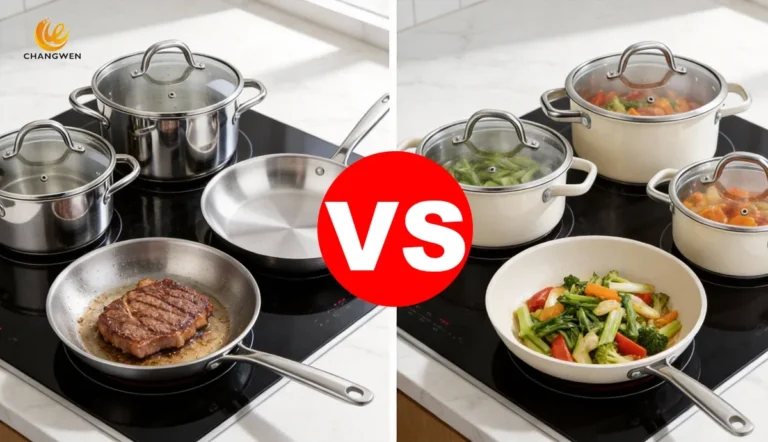
How it works: Induction ranges use electromagnetic fields to heat pots and pans directly, rather than heating a burner that then transfers heat to the cookware. This means the cookware itself becomes the heat source, which leads to faster heating, precise control, and less wasted energy.
Pros:
- Unmatched precision: Induction burners respond instantly to temperature changes, faster than gas, with none of the lag of electric. This is a huge advantage for delicate sauces, tempering, or any cooking that requires exact heat control.
- Energy efficiency: Induction is 90% efficient (compared to ~40% for gas and ~70% for electric). Less heat is wasted, which can translate to lower utility bills over time.
- Cooler kitchen: Since the burner itself doesn’t get hot (only the cookware does), the ambient heat in your kitchen stays lower. This can reduce cooling costs and make the line a more bearable place to work.
- Safety: No open flame, no hot surface (once you remove the pan), and automatic shut-off if a pan is removed. This is a big deal for insurance costs and workplace safety.
- Easy cleaning: The surface is flat, smooth, and usually made of durable glass or ceramic. Spills don’t burn on, and cleanup is a breeze.
- Modern aesthetic: If you’re going for a sleek, contemporary kitchen (or you just want to impress investors), induction looks damn good.
Cons:
- High upfront cost: A commercial induction range will set you back $5,000–$15,000+, depending on size and features. That’s 2–3x the cost of a comparable gas range.
- Special cookware required: Induction only works with ferromagnetic cookware (usually stainless steel or cast iron). If your current pots and pans aren’t compatible, you’re looking at another $1,000–$3,000 to replace them.
- Learning curve: If your staff is used to gas, they’ll need training. Induction burners don’t have a visual flame, and the heat settings can feel counterintuitive at first. I’ve seen experienced cooks burn food because they didn’t account for how quickly induction heats up.
- Power requirements: Induction ranges require serious electrical capacity-often 208V or 240V with dedicated circuits. If your kitchen isn’t wired for it, upgrades can cost $2,000–$10,000+.
- Limited high-heat applications: While induction is great for precision cooking, it struggles with techniques that require direct flame contact (e.g., charring peppers, flambéing). Some chefs also argue that induction doesn’t provide the same Maillard reaction as gas for searing.
- Repair costs: If something goes wrong with the electronics, repairs can be expensive. And not all technicians are trained to work on induction systems.
Best for:
- High-end restaurants where precision and consistency are paramount (e.g., fine dining, molecular gastronomy)
- Kitchens with high utility costs (induction can save money long-term)
- Eco-conscious brands (lower energy use, no fossil fuels)
- Spaces where ventilation is limited (less heat and fumes than gas)
- Chefs who prioritize safety and cleanliness over raw power
Worst for:
- Budget-conscious operations (high upfront cost)
- Kitchens with unreliable power or inadequate electrical infrastructure
- Menus that rely on open-flame techniques (e.g., charbroiling, wok cooking)
- Teams resistant to ew technology (training is a must)
I’ll be honest: I was skeptical about induction until I worked a stage at a Michelin-starred restaurant in Chicago that had just switched to all-induction. The precision was mind-blowing. Sauces that used to take 20 minutes of babysitting now came together in 10, with no risk of scorching. But, and this is a big but, the chef also had a separate gas burner tucked in the corner for the few dishes that required flame. Hybrid setups are more common than you’d think.
The Hidden Costs No One Tells You About (Until It’s Too Late)
Let’s talk about money. Not just the sticker price of the range, but the real, long-term costs that can make or break your budget. I’ve seen too many chefs focus on the upfront cost of the equipment and ignore the ongoing expenses that add up over time.
1. Installation: The Budget Killer You Didn’t See Coming
You found a great deal on a range, congrats! Now, how much will it cost to actually install and use it?
- Gas ranges:
- Gas line installation: $1,000–$5,000+ (if you don’t already have one)
- Vent hood upgrades: $2,000–$10,000 (if your current hood isn’t rated for gas)
- Permits and inspections: $200–$1,000 (depending on local codes)
- Electric ranges:
- Electrical upgrades: $500–$3,000 (if your panel isn’t sufficient)
- Dedicated circuits: $300–$1,000 (if you need new wiring)
- Induction ranges:
- Electrical upgrades: $2,000–$10,000+ (induction requires more power than standard electric)
- Cookware replacement: $1,000–$3,000 (if your current pots and pans aren’t induction-compatible)
Pro tip: Before you commit to a range, get a quote from a licensed contractor for installation. I once had a client who bought a beautiful induction range, only to find out his building’s electrical system couldn’t handle it. He ended up selling it at a loss and going with gas. Don’t be that guy.
2. Utility Costs: The Silent Profit Eater
The cost of fuel adds up. Here’s a rough breakdown of what you can expect to pay annually for a 36-inch commercial range running 10 hours a day, 300 days a year (estimates vary by region):
- Gas: $500–$1,500/year (natural gas is usually cheaper than propane)
- Electric: $1,200–$2,500/year (electricity is generally more expensive than gas)
- Induction: $800–$1,800/year (more efficient than electric, but still pricey)
But wait, there’s more! Gas ranges also increase your cooling costs because they pump heat into the kitchen. Induction, on the other hand, keeps the kitchen cooler, which can save you money on AC. Factor this into your calculations.
3. Maintenance and Repairs: The Inevitable Headache
All ranges break eventually. Here’s what you’re looking at for repairs:
- Gas ranges:
- Common issues: Clogged burners, igniter failures, gas leaks
- Average repair cost: $150–$500 per issue
- Lifespan: 10–15 years with proper maintenance
- Electric ranges:
- Common issues: Burned-out coils, faulty thermostats, wiring problems
- Average repair cost: $100–$400 per issue
- Lifespan: 8–12 years (coils and heating elements wear out faster than gas burners)
- Induction ranges:
- Common issues: Electronic control failures, cracked glass surfaces, power supply problems
- Average repair cost: $300–$1,000+ per issue (electronics are expensive to fix)
- Lifespan: 10–15 years (if well-maintained, but electronics can be finicky)
Pro tip: Always budget for maintenance. A good rule of thumb is to set aside 1–2% of your range’s purchase price annually for repairs. And if you’re buying used equipment (which can be a great way to save money), bump that up to 3–5%.
4. Training: The Cost You Didn’t Know You’d Pay
If you switch from gas to induction (or vice versa), your staff will need training. This isn’t just about flipping a switch, it’s about relearning how to cook.
For example:
- Gas to induction: Cooks need to learn how to control heat without a flame and adjust to the faster response time.
- Electric to gas: Cooks need to get used to visual flame control and the immediate heat adjustments.
- Any switch: Your team will need to recalibrate timing for dishes, which can slow down service initially.
I recommend budgeting for at least 10 hours of training per cook when switching range types. This could mean:
- Hiring a consultant (like the ones at Chef’s Deal) to run a training session: $500–$1,500
- Paying your staff for extra training hours: $300–$1,000
- Lost productivity during the learning curve: hard to quantify, but real
How to Choose: A Step-by-Step Decision Framework
Alright, let’s get practical. Here’s the exact process I use when helping clients choose a commercial range. Grab a notebook and work through these steps, it’ll save you a lot of regret later.
Step 1: Audit Your Menu (No, Really, Do This)
Your range should be dictated by your menu, not the other way around. Sit down with your chef (or yourself, if you’re the chef) and answer these questions:
- What percentage of your dishes require:
- High, direct heat (e.g., searing, stir-frying, charring)?
- Precise, low-and-slow cooking (e.g., sauces, confit, tempering)?
- Even, consistent heat (e.g., baking, simmering, melting)?
- Open-flame techniques (e.g., flambéing, smoking, wok hei)?
- Do you have any dishes that absolutely require a specific heat source? (e.g., a dish that’s charred over an open flame)
- How many burners do you realisticallyeed during peak service? (Hint: if you’re a 4-top diner, you don’t need a 6-burner range.)
- Do you use specialized cookware (e.g., woks, griddles, planchas)? If so, is it compatible with all range types?
Example: If your menu is 80% sautéed dishes and 20% baked goods, a gas or induction range with a strong oven might be ideal. If you’re running a ramenshop where every bowl starts with a scorching-hot wok, gas is non-negotiable.
Step 2: Assess Your Kitchen’s Infrastructure
Now, let’s talk about your space. Answer these:
- Do you have:
- An existing gas line? What’s its capacity?
- Adequate electrical service (208V/240V)? How many amps?
- A vent hood? Is it rated for gas, electric, or both?
- What’s your kitchen’s square footage? (Smaller kitchens may overheat with gas.)
- Do you have backup power? (If not, gas might be a safer bet in areas with unreliable electricity.)
- Are there any local codes or landlord restrictions on gas vs. electric?
Pro tip: If you’re not sure about your kitchen’s infrastructure, hire an expert to assess it. Companies like Chef’s Deal offer free kitchen design consultations, which can help you avoid costly mistakes.
Step 3: Crunch the Numbers (Beyond the Sticker Price)
Let’s get nerdy with the math. For each range type you’re considering, calculate:
- Upfront cost: Purchase price + installation + any required upgrades (electrical, gas, ventilation).
- Annual utility cost: Estimate based on your local rates and expected usage.
- Maintenance budget: 1–2% of purchase price per year.
- Training cost: Will you need to retrain staff?
- Cookware cost: If switching to induction, factor in new pots and pans.
- Opportunity cost: Will a slower or less precise range limit your menu or slow down service?
Here’s a simplified example for a 36-inch range in a mid-sized restaurant:
| Range Type | Upfront Cost | Installation/Upgrades | Annual Utility Cost | 5-Year Total Cost |
|---|---|---|---|---|
| Gas | $4,000 | $2,000 (gas line + hood upgrade) | $1,000 | $11,000 |
| Electric | $3,500 | $1,000 (electrical upgrade) | $1,800 | $13,500 |
| Induction | $8,000 | $3,000 (electrical + cookware) | $1,200 | $17,000 |
Wait, why is induction more expensive over 5 years if it’s more energy-efficient? Because the upfront costs are so much higher. This is why it’s crucial to look at the total cost of ownership, not just the purchase price.
Step 4: Talk to Your Team (Seriously, They’ll Hate You If You Don’t)
Your line cooks are the ones who’ll be using this range every day. If they hate it, your kitchen will become a warzone. Ask them:
- What do they love about the current range?
- What do they hate about it?
- Are they open to learning a new system (e.g., induction), or will they revolt?
- Do they have any physical limitations that could be affected by the range type (e.g., arthritis making it hard to lift heavy gas burner grates)?
I once consulted for a restaurant where the owner switched to induction without telling the kitchen staff. On the first day of service, the expediter (a 20-year veteran) quit on the spot because he “wasn’t going to learn to cook all over again.” Don’t be that owner.
Step 5: Consider the Hybrid Approach (The Best of Both Worlds?)
Who says you have to choose just one? Many restaurants use a combination of range types to get the best of each world. Examples:
- A gas range for high-heat cooking + an induction burner for sauces.
- An electric griddle for breakfast service + a gas burner for sautéing.
- A combi oven (which can be electric or gas) + an induction cooktop for precision work.
Hybrid setups can be more expensive upfront, but they offer flexibility that single-range types can’t. If your budget allows, this is often the safest bet.
Step 6: Test Before You Buy (No, Really, Do a Trial Run)
Would you buy a car without test-driving it? Of course not. So why would you drop $10K on a range without trying it out?
Here’s how to test:
- Visit a showroom (many suppliers, like Chef’s Deal, have working models you can try).
- Rent a commercial kitchen space that has the range type you’re considering and do a test service.
- Talk to other chefs in your area who use the range type you’re eyeing. Ask about their real-world experience-not just the sales pitch.
Pro tip: If you’re considering induction, borrow a portable induction burner (like a Breville Control Freak) and have your team cook with it for a week. You’ll quickly see if it’s a good fit.
The Elephant in the Room: What About the Environment?
Let’s talk about the eco-factor. If you’re like me, you care about sustainability, but you also care about not going bankrupt. So where do these ranges stand?
Gas: The Fossil Fuel Dilemma
Gas is a fossil fuel, and its environmental impact is significant. According to the U.S. Energy Information Administration, natural gas accounts for about 32% of U.S. energy-related CO2 emissions. If you’re in a city with strict emissions regulations (like New York or Berkeley), gas may not even be an option for new builds.
That said, gas is more energy-efficient than electric in most regions (because a lot of electricity is generated by burning fossil fuels anyway). But if your electricity comes from renewable sources (like hydro or wind), electric or induction might be the greener choice.
Electric: It Depends on Your Power Source
Electric ranges are only as green as your local power grid. If your electricity comes from coal or natural gas, you’re not doing the planet any favors. But if you’re in a region with renewable energy (like the Pacific Northwest or parts of Europe), electric can be a solid eco-choice.
Induction: The Greenest Option (Usually)
Induction is the most energy-efficient option by a mile. Because it heats the cookware directly, very little energy is wasted. If your electricity comes from renewables, induction is the clear environmental winner.
But, there’s always a but, induction ranges have a higher carbon footprint in manufacturing due to the electronics and rare earth metals used. So if you’re only planning to use the range for a few years before upgrading, the environmental benefits might not outweigh the costs.
Bottom line: If sustainability is a core value for your brand, induction is likely your best bet-if your electricity is clean. If not, the calculus gets trickier.
Real-World Scenarios: What Would I Choose?
Let’s get specific. Here’s what I’d recommend for different types of restaurants, based on my experience (and mistakes).
Scenario 1: High-Volume Diner (200+ Covers per Day)
Menu: Burgers, fries, omelets, pancakes, griddle items
Heat needs: High heat for griddle and fryers, medium heat for sautéing
Budget: Tight (need to keep costs low)
Kitchen size: Large, with good ventilation
My pick: Gas range with a griddle
Why?
- Gas provides the high, consistent heateeded for griddle cooking and frying.
- Lower operating costs than electric (important for thin margins).
- Familiar to most line cooks, minimal training required.
- Can handle the volume and speed of a diner kitchen.
Alternative: If gas isn’t an option, a high-powered electric range with a separate induction burner for sauces could work, but it’s not ideal for high-volume griddle work.
Scenario 2: Fine-Dining Restaurant (Tasting Menus, Precision Cooking)
Menu: Multi-course tasting menus with delicate sauces, sous vide, precise protein cooking
Heat needs: Low-and-slow simmering, exact temperature control
Budget: Flexible (willing to invest in quality)
Kitchen size: Compact, with limited ventilation
My pick: Induction range with a separate gas burner (hybrid setup)
Why?
- Induction offers unmatched precision for sauces and delicate cooking.
- Cooler kitchen = more comfortable for staff in a small space.
- Gas burner can be used for the few dishes that require flame (e.g., caramelizing sugars, flambéing).
- Energy efficiency helps offset the higher upfront cost over time.
Alternative: If budget is tight, a high-end electric range with a powerful oven could work, but you’ll lose some precision.
Scenario 3: Food Truck or Pop-Up
Menu: Street food, fast-casual (tacos, burgers, fried foods)
Heat needs: High heat for frying and grilling, portability
Budget: Very tight
Kitchen size: Tiny, with limited power/ventilation
My pick: Propane gas range (if allowed) or portable induction burners (if electricity is available)
Why?
- Propane is powerful and portable-ideal for food trucks.
- If electricity is available, induction burners are compact and efficient.
- Gas is more reliable in outdoor or off-grid settings.
- Induction is safer in tight spaces (no open flame).
Alternative: Some food trucks use electric griddles and fryers if gas isn’t an option, but power limitations can be a challenge.
Scenario 4: Bakery or Pastry Shop
Menu: Bread, pastries, cakes, cookies
Heat needs: Even, consistent oven heat; precise temperature control for sugar work
Budget: Moderate
Kitchen size: Medium, with good ventilation
My pick: Electric convection oven with an induction cooktop
Why?
- Electric ovens provide even, consistent heat for baking.
- Induction is perfect for tempering chocolate, making caramel, and other precision tasks.
- No open flame = safer for sugar work (less risk of burning).
- Cooler kitchen is a plus when working with temperature-sensitive ingredients.
Alternative: A gas deck oven is a classic choice for bakeries, but it requires excellent ventilation.
The Final Verdict: Which Range Should You Choose?
After all this, you’re probably wondering: Sammy, just tell me what to buy! Fine. Here’s my brutally honest take, based on years of watching chefs succeed (and fail) with their range choices:
- Choose gas if:
- You need high, immediate heat (e.g., wok cooking, charbroiling).
- Your kitchen is already set up for gas (no costly upgrades needed).
- Your team is familiar with gas and resistant to change.
- You’re in an area with unreliable electricity.
- Your budget is tight (lower upfront and operating costs).
- Choose electric if:
- Your menu relies on even, consistent heat (e.g., baking, simmering).
- Your kitchen isn’t set up for gas (and installation would be expensive).
- You prioritize ease of cleaning and safety.
- Your budget is moderate (higher operating costs but lower upfront costs than induction).
- Choose induction if:
- Your menu requires precision and consistency (e.g., fine dining, molecular gastronomy).
- You’re willing to invest upfront for long-term savings (energy efficiency).
- Your kitchen has limited ventilation or gets too hot with gas.
- You’re in a region with clean electricity and want to reduce your carbon footprint.
- Your team is open to training on new equipment.
- Choose a hybrid setup if:
- Your menu has diverse heat needs (e.g., high-heat searing + delicate sauces).
- You want the flexibility to adapt to future menu changes.
- Your budget allows for multiple range types.
And if you’re still unsure? Go hybrid. A gas range with an induction burner (or vice versa) gives you the best of both worlds and future-proofs your kitchen.
Where to Buy: Suppliers That Won’t Screw You Over
Not all equipment suppliers are created equal. Some will sell you a range and disappear; others will hold your hand through installation, training, and maintenance. Based on my experience (and a few horror stories), here’s what to look for in a supplier:
- Free kitchen design services: Companies like Chef’s Deal offer this, and it’s a game-changer for avoiding costly mistakes.
- Professional installation: Don’t trust your range installation to some random contractor. A supplier that offers certified installation is worth the extra cost.
- Financing options: A good supplier will work with you on payment plans or leasing, especially for high-ticket items like induction ranges.
- Warranty and support: Look for at least a 1-year warranty on parts and labor, with optional extended coverage.
- Training and consultation: The best suppliers (like Chef’s Deal) offer staff training to help your team transition to new equipment.
- Used/refurbished options: If you’re on a budget, some suppliers offer certified pre-owned equipment that’s been professionally refurbished.
Pro tip: Always get at least three quotes before committing. And if a deal seems too good to be true, it probably is. I once bought a “like-new” gas range from a shady online seller, only to find out it had been flooded in a hurricane. The repair costs ate up any savings. Learn from my mistakes.
FAQ: Your Burning Questions, Answered
Q: Can I convert my existing gas range to induction or electric?
A: No, not easily. Gas and electric/induction ranges have completely different heating mechanisms and power requirements. You’d essentially be buying a new range. However, you can add a portable induction burner to supplement your gas range if you want to test the waters.
Q: Is induction really worth the extra cost?
A: It depends. If you’re running a high-end restaurant where precision and energy efficiency are critical, then yes, induction can be worth it. But if you’re a diner doing high-volume, high-heat cooking, gas is probably the better (and cheaper) choice. Do the math on total cost of ownership before deciding.
Q: What about portable induction burners? Can I use those in a commercial kitchen?
A: Yes! Portable induction burners (like the Breville Control Freak or Vollrath Mirage) are a great way to test induction without committing to a full range. They’re also useful for catering, pop-ups, or supplementing an existing range. Just make sure your electrical setup can handle the load.
Q: How do I know if my kitchen’s electrical system can handle induction?
A: You’ll need a licensed electrician to assess your panel and wiring. Induction ranges typically require 208V or 240V and may need dedicated circuits. If your kitchen is older or wasn’t designed for high-power equipment, you might need an electrical upgrade, which can be costly. Always get a professional assessment before buying.
Final Thoughts: The Range You Choose Will Shape Your Kitchen’s Soul
Look, I’ll level with you: there’s no perfect answer. Every range type has trade-offs, and the “right” choice depends on your menu, your space, your budget, and your team. But here’s what I know for sure:
The range you choose will influence:
- The speed and efficiency of your service.
- The quality and consistency of your food.
- The morale and productivity of your team.
- The long-term profitability of your business.
So don’t rush this decision. Test the equipment. Crunch the numbers. Talk to your team. And if you’re still unsure, consider a hybrid setup, it’s the closest thing to a “no-regrets” solution.
And remember: the best range is the one that lets you cook your food the way it deserves to be cooked, without driving you (or your staff) insane. If you walk away from this guide with nothing else, let it be this: Your range should serve your menu, not the other way around.
Now go forth and cook something amazing. And if you end up hating your choice, well… at least you’re not alone. We’ve all been there.
@article{gas-vs-electric-vs-induction-the-brutally-honest-guide-to-choosing-your-commercial-range-without-regretting-it-later,
    title   = {Gas vs. Electric vs. Induction: The Brutally Honest Guide to Choosing Your Commercial Range (Without Regretting It Later)},
    author  = {Chef's icon},
    year    = {2025},
    journal = {Chef's Icon},
    url     = {https://chefsicon.com/choosing-the-right-commercial-range-gas-vs-electric-vs-induction/}
}