The Best Fluffy Pancakes recipe you will fall in love with. Full of tips and tricks to help you make the best pancakes.
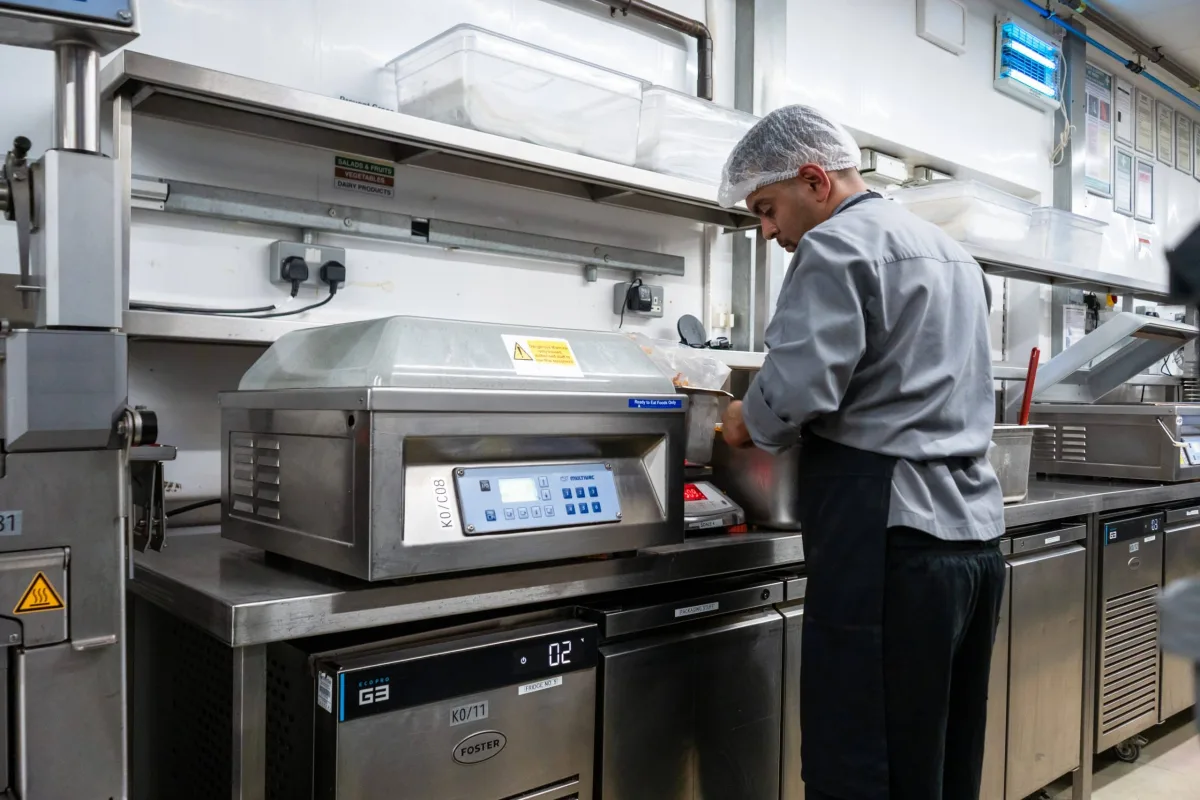
Why Quinoa’s Popularity Is Both a Blessing and a Headache for Commercial Kitchens
Let me be honest, when quinoa first started showing up on menus everywhere, I rolled my eyes. Not because I don’t love the stuff (I do, especially in a grain bowl with roasted sweet potatoes and tahini), but because I knew what was coming: a logistical nightmare for commercial kitchens. Quinoa isn’t like rice or pasta. It’s finicky. It’s time-consuming. And when you’re feeding hundreds of people a day, those extra minutes add up fast. But here’s the thing, quinoa isn’t going anywhere. It’s a staple for health-conscious diners, vegans, and anyone looking for a protein-packed alternative to refined carbs. So, if you can’t beat ‘em, join ‘em… but smarter.
I remember the first time I tried to prep quinoa in bulk for a catering gig. I was working out of a borrowed kitchen in Nashville, and let’s just say it didn’t go well. The quinoa was either undercooked, mushy, or, worst of all, still had that bitter saponin coating that makes it taste like soap. I ended up tossing half the batch and scrambling to find a backup plan. That was the day I realized quinoa prep in a commercial setting isn’t just about following a recipe. It’s about systems, equipment, and workflow hacks that save time without cutting corners. And that’s what this article is all about.
By the end of this, you’ll know how to:
- Cut quinoa prep time by 50% or more without sacrificing texture or flavor.
- Master batch cooking techniques that keep quinoa fresh and ready for service.
- Avoid the most common quinoa prep mistakes (like that dreaded saponin aftertaste).
- Use commercial-grade equipment to streamline the process.
- Incorporate quinoa into high-volume menus without slowing down your kitchen.
Is this the *only* way to prep quinoa in a commercial kitchen? No. But after testing these methods in real-world settings, from food trucks to hotel banquet halls, I can tell you they work. Let’s dive in.
The Hidden Challenges of Quinoa Prep in Commercial Kitchens
Why Quinoa Is Trickier Than It Looks
Quinoa seems simple. Rinse, cook, fluff, done, right? If only. In a commercial kitchen, where consistency and speed are everything, quinoa throws a few curveballs:
- Saponin sensitivity: That bitter coating on quinoa? It’s called saponin, and it’s a natural pesticide that protects the grain in the wild. In small batches, rinsing it off is no big deal. But when you’re prepping 50 pounds of quinoa at a time, rinsing becomes a logistical nightmare. Miss a few grains, and your customers will know.
- Water ratios matter: Unlike rice, quinoa doesn’t have a one-size-fits-all water ratio. Too much water, and you’ve got mush. Too little, and it’s crunchy. And when you’re cooking in large steam kettles or tilt skillets, dialing in the perfect ratio takes trial and error.
- Cooking time variability: Quinoa cooks faster than rice, but not *that* much faster. And if you’re used to cranking out 20 pounds of pasta in 10 minutes, quinoa’s 15-20 minute cook time can feel like an eternity.
- Texture is everything: Quinoa should be tender but still have a slight bite. Overcook it, and it turns to paste. Undercook it, and it’s like eating sand. In a high-volume setting, hitting that sweet spot every time is easier said than done.
I’ll admit, I used to think quinoa was overrated. But after seeing how many customers ask for it, especially in bowl concepts, salad bars, and plant-based menus-I realized it’s not going away. The key is figuring out how to prep it efficiently without turning your kitchen into a quinoa factory.
The Cost of Inefficient Quinoa Prep
Let’s talk numbers for a second. Say you’re prepping 20 pounds of quinoa per day for a restaurant. If your current method takes 45 minutes (including rinsing, cooking, and cooling), that’s 3.75 hours per week just on quinoa. Now, imagine you could cut that time in half. That’s 1.875 hours saved per week, or 97.5 hours per year. What could your kitchen do with an extra 12 full workdays?
But it’s not just about time. Inefficient quinoa prep can lead to:
- Wasted labor: If your staff is stuck babysitting quinoa instead of prepping other dishes, you’re paying for downtime.
- Inconsistent quality: Rushed prep leads to overcooked or undercooked quinoa, which means unhappy customers and wasted ingredients.
- Equipment bottlenecks: If you’re cooking quinoa in the same steam kettle you use for rice or pasta, you’re tying up a critical piece of equipment.
- Food waste: Quinoa isn’t cheap. If you’re tossing batches because they’re overcooked or bitter, that’s money down the drain.
So, how do you avoid these pitfalls? It starts with rethinking your approach to quinoa prep from the ground up.
1. Pre-Rinsed Quinoa: The Game-Changer You’re Probably Not Using
Why Rinsing Quinoa in Bulk Is a Nightmare
If you’ve ever rinsed quinoa in a commercial kitchen, you know the struggle. You’re hunched over a sink with a colander, trying to make sure every grain gets a thorough rinse. Meanwhile, your arms are getting tired, your back is aching, and you’re wondering if there’s a better way. Spoiler: There is.
The problem with rinsing quinoa in bulk is that it’s time-consuming, messy, and inconsistent. Here’s why:
- Water waste: Rinsing 20 pounds of quinoa can use 50+ gallons of water. That’s not just wasteful, it’s expensive.
- Labor-intensive: Someone has to stand there and agitate the quinoa to make sure all the saponin is washed away. That’s time they could be spending on other tasks.
- Inconsistent results: If you’re not rinsing thoroughly, some grains will still have that bitter coating. And if you’re rinsing too aggressively, you’re losing quinoa down the drain.
- Drainage issues: Quinoa is tiny. If your colander’s holes are too big, you’re losing product. If they’re too small, the water doesn’t drain properly, and you’re left with a soggy mess.
I’ll be honest, I used to think pre-rinsed quinoa was a scam. Why pay more for something I could do myself? But after trying it in a high-volume setting, I’m a convert. Here’s why.
The Case for Pre-Rinsed Quinoa
Pre-rinsed quinoa is exactly what it sounds like: quinoa that’s been rinsed and dried before packaging. No more standing over a sink, no more wasted water, no more bitter aftertaste. And while it’s slightly more expensive than regular quinoa, the time and labor savings more than make up for it.
Here’s how it works in a commercial kitchen:
- No rinsing required: You can go straight from the bag to the pot. That alone saves 10-15 minutes per batch.
- Consistent flavor: No more worrying about saponin. Every batch tastes clean and nutty, just like it should.
- Less water waste: You’re not using gallons of water to rinse the quinoa, which is better for the environment and your water bill.
- Faster prep: Since you’re not rinsing, you can get the quinoa cooking faster. In a busy kitchen, those extra minutes add up.
Now, I know what you’re thinking: *Isn’t pre-rinsed quinoa just a marketing gimmick?* I thought so too, until I did the math. Let’s say pre-rinsed quinoa costs $0.50 more per pound than regular quinoa. If you’re prepping 20 pounds per day, that’s an extra $10 per day, or $3,650 per year. But if pre-rinsed quinoa saves you 15 minutes per batch, and you’re paying your staff $20 per hour, that’s $5 per batch in labor savings. Over a year, that’s $1,825 in labor savings-not to mention the time you’re freeing up for other tasks.
Is it worth it? In my experience, yes. But there’s a catch: You have to find a reliable supplier. Not all pre-rinsed quinoa is created equal. Some brands still have residual saponin, which defeats the purpose. I’ve had good luck with Bob’s Red Mill and Ancient Harvest, but it’s worth testing a few brands to see which one works best for your kitchen.
2. The Right Equipment for the Job: Why Your Steam Kettle Might Be Slowing You Down
Why Standard Steam Kettles Aren’t Ideal for Quinoa
If you’re cooking quinoa in a standard steam kettle, you’re probably doing it wrong. Don’t get me wrong, steam kettles are great for soups, sauces, and even rice. But quinoa? It’s a different beast. Here’s why:
- Uneven heat distribution: Steam kettles are designed for liquids, not grains. Quinoa can clump together, leading to hot spots where some grains overcook while others stay undercooked.
- Difficult to monitor: Quinoa needs to be stirred occasionally to prevent sticking. But with a steam kettle, you’re dealing with high-pressure steam, which makes it tricky to open and stir safely.
- Slow cooling: Once the quinoa is cooked, you need to cool it quickly to prevent overcooking. Steam kettles aren’t designed for rapid cooling, which means you’re stuck waiting for the quinoa to come down to temperature.
- Water absorption issues: Quinoa absorbs water at a different rate than rice or pasta. If you’re using the same water ratio you’d use for rice, you’re going to end up with mushy or crunchy quinoa.
I learned this the hard way. Early on, I tried cooking quinoa in a 40-gallon steam kettle for a catering event. The result? A gluey, uneven mess that I had to salvage with extra broth and herbs. Not ideal.
Better Equipment for Quinoa Prep
So, if steam kettles aren’t the best option, what is? Here are a few alternatives that have worked for me:
1. Tilt Skillets
A tilt skillet is one of the most versatile pieces of equipment in a commercial kitchen, and it’s perfect for quinoa. Here’s why:
- Even heat distribution: Tilt skillets have a flat, heated surface that ensures even cooking. No more hot spots or clumping.
- Easy stirring: You can stir the quinoa as it cooks, which prevents sticking and ensures even texture.
- Quick cooling: Once the quinoa is cooked, you can tilt the skillet to drain excess water and spread the quinoa out to cool.
- Large capacity: A 60-gallon tilt skillet can handle 20-30 pounds of quinoa at a time, making it ideal for high-volume prep.
I’ve found that tilt skillets give me the most control over the cooking process. You can adjust the heat as needed, stir frequently, and even add aromatics (like garlic or bay leaves) to infuse flavor. Plus, once the quinoa is cooked, you can use the same skillet to sauté vegetables or cook proteins, which saves on cleanup.
2. Combi Ovens
If you have a combi oven in your kitchen, you’re in luck. Combi ovens are designed for precision cooking, and they’re perfect for quinoa. Here’s how to use one:
- Use the steam setting: Quinoa cooks best with steam, so set your combi oven to 100% steam at 212°F (100°C).
- Layer the quinoa: Spread the quinoa in a single layer on perforated pans to ensure even cooking.
- Monitor closely: Quinoa cooks faster than rice, so check it after 12-15 minutes. You’re looking for a tender but slightly chewy texture.
- Cool quickly: Once the quinoa is cooked, transfer it to sheet pans and spread it out to cool. The perforated pans allow for rapid cooling, which prevents overcooking.
Combi ovens are a game-changer for quinoa prep because they eliminate guesswork. You can set the temperature and time, walk away, and come back to perfectly cooked quinoa. The only downside? Combi ovens are expensive, so they’re not an option for every kitchen.
3. Rice Cookers (Yes, Really)
I know what you’re thinking: *Rice cookers? For quinoa?* Hear me out. Commercial-grade rice cookers are underestimated in commercial kitchens, but they’re actually a great tool for quinoa. Here’s why:
- Consistent results: Rice cookers are designed to cook grains evenly, and they do a great job with quinoa.
- Hands-off cooking: Once you add the quinoa and water, you can walk away. No stirring required.
- Large capacity: Commercial rice cookers can handle 10-20 pounds of quinoa at a time, which is perfect for medium-sized kitchens.
- Keep-warm function: If you’re not ready to serve the quinoa right away, the rice cooker will keep it warm without overcooking.
The key is to use a commercial-grade rice cooker, not a small countertop model. Brands like Zojirushi and Tiger make large-capacity rice cookers that are built for high-volume cooking. And while they’re not as fast as a tilt skillet or combi oven, they’re a great option if you’re on a budget.
3. Batch Cooking Quinoa: How to Prep Ahead Without Losing Quality
The Problem with Cooking Quinoa to Order
In an ideal world, you’d cook quinoa to order for every customer. But in a commercial kitchen, that’s just not realistic. Quinoa takes 15-20 minutes to cook, and if you’re trying to serve 200 people in a lunch rush, that’s a recipe for disaster. So, what’s the alternative? Batch cooking.
But batch cooking quinoa comes with its own set of challenges:
- Overcooking: If you leave quinoa on a steam table or in a warmer for too long, it turns mushy.
- Drying out: Quinoa can dry out quickly, especially if it’s not stored properly.
- Flavor loss: Quinoa absorbs flavors well, but if it sits too long, it can lose its nutty taste.
- Food safety: Like any cooked grain, quinoa needs to be cooled and stored properly to prevent bacterial growth.
I’ve seen kitchens try to batch cook quinoa and end up with a dry, flavorless mess. But it doesn’t have to be that way. With the right techniques, you can prep quinoa in advance and keep it fresh for service.
How to Batch Cook Quinoa Like a Pro
Here’s my step-by-step process for batch cooking quinoa in a commercial kitchen:
Step 1: Cook the Quinoa
Start by cooking the quinoa using your preferred method (tilt skillet, combi oven, or rice cooker). For 20 pounds of quinoa, you’ll need about 40 pounds of water (a 1:2 ratio). Bring the water to a boil, add the quinoa, reduce the heat to a simmer, and cook for 15 minutes.
Pro tip: Add a bay leaf or two to the water for extra flavor. It won’t make the quinoa taste like bay leaf, but it’ll add a subtle depth that makes a difference.
Step 2: Drain and Cool
Once the quinoa is cooked, drain it in a large colander or tilt the skillet to remove excess water. Then, spread the quinoa out on sheet pans in a thin layer. This allows it to cool quickly, which prevents overcooking.
If you’re in a hurry, you can speed up the cooling process by placing the sheet pans in the walk-in cooler or using a blast chiller. Just make sure the quinoa reaches 41°F (5°C) or below within 2 hours to comply with food safety guidelines.
Step 3: Store Properly
Once the quinoa is cooled, transfer it to airtight containers or lexan pans with lids. Store it in the walk-in cooler until you’re ready to use it. Properly stored, batch-cooked quinoa will last 3-4 days in the fridge.
Pro tip: Add a splash of broth or oil to the quinoa before storing it. This helps keep it moist and prevents it from drying out.
Step 4: Reheat for Service
When you’re ready to serve the quinoa, reheat it gently to avoid overcooking. Here are a few methods:
- Steam table: Transfer the quinoa to a hot holding unit or steam table. Add a little broth or water to keep it moist, and stir occasionally.
- Combi oven: Reheat the quinoa in a combi oven on the steam setting to restore moisture.
- Sauté pan: Heat the quinoa in a tilt skillet or sauté pan with a little oil or butter. This adds a nice toasted flavor and keeps the quinoa from drying out.
I’ve found that reheating quinoa in a sauté pan gives the best results. It adds a little crispiness to the grains, which makes it more appealing to customers. Plus, it’s a great way to infuse extra flavor, try adding garlic, herbs, or a splash of soy sauce.
4. The Perfect Quinoa-to-Water Ratio (And Why It’s Not What You Think)
Why the Standard 1:2 Ratio Doesn’t Always Work
If you’ve ever cooked quinoa at home, you’ve probably heard the 1:2 ratio rule: 1 part quinoa to 2 parts water. And while that works for small batches, it’s not always ideal in a commercial kitchen. Here’s why:
- Equipment matters: The type of equipment you’re using (tilt skillet, combi oven, rice cooker) affects how much water the quinoa absorbs. For example, quinoa cooked in a combi oven might need less water because the steam is more concentrated.
- Altitude affects cooking: If you’re cooking at high altitude, you’ll need more water because it evaporates faster.
- Quinoa variety: Not all quinoa is the same. White quinoa cooks faster and absorbs less water than red or black quinoa.
- Batch size: The larger the batch, the more water you’ll need. A 5-pound batch might need a 1:2 ratio, but a 50-pound batch might need a 1:2.5 ratio.
I learned this the hard way when I tried to scale up a quinoa recipe for a catering event. I used the same 1:2 ratio I’d used for small batches, and the result was undercooked, crunchy quinoa. Not exactly what I was going for.
How to Dial in the Perfect Ratio
So, what’s the perfect quinoa-to-water ratio for commercial kitchens? The short answer: It depends. But here are some general guidelines to get you started:
- Tilt skillet: 1 part quinoa to 2.25 parts water. The flat surface allows for even cooking, but you’ll need a little extra water to account for evaporation.
- Combi oven: 1 part quinoa to 2 parts water. The steam setting means less evaporation, so you can use less water.
- Rice cooker: 1 part quinoa to 2.25 parts water. Rice cookers are designed for grains, but quinoa absorbs water differently than rice, so you’ll need a little extra.
- High altitude: 1 part quinoa to 2.5 parts water. The lower air pressure means water evaporates faster, so you’ll need more.
But here’s the thing: These ratios are just starting points. The best way to dial in the perfect ratio is to test, adjust, and test again. Here’s how:
- Start with the recommended ratio: Use the ratio for your equipment as a starting point.
- Cook a small batch: Cook 1-2 pounds of quinoa using your chosen ratio and method.
- Check the texture: After cooking, taste the quinoa. It should be tender but still have a slight bite. If it’s crunchy, you need more water. If it’s mushy, you need less.
- Adjust as needed: If the quinoa is undercooked, increase the water by 0.25 parts for the next batch. If it’s overcooked, decrease the water by 0.25 parts.
- Repeat until perfect: Keep testing and adjusting until you find the ratio that works for your kitchen.
I know this sounds like a lot of work, but trust me, it’s worth it. Once you find the perfect ratio, you can scale up with confidence, knowing that every batch will turn out the same. And in a commercial kitchen, consistency is everything.
5. Flavor Infusion: How to Make Quinoa Taste Amazing (Without Extra Work)
Why Plain Quinoa Is a Missed Opportunity
Let’s be real, plain quinoa is boring. It’s nutty and slightly earthy, but it’s not exactly exciting. And in a commercial kitchen, where you’re competing for customers’ attention, boring doesn’t cut it. The good news? You can infuse quinoa with flavor without adding extra steps to your prep process.
Here’s why flavor infusion matters:
- Customer appeal: Flavorful quinoa stands out on a menu. It’s more likely to get ordered, and customers are more likely to come back for it.
- Menu versatility: Infused quinoa can be used in salads, bowls, wraps, and even desserts. The more versatile it is, the more value it brings to your kitchen.
- Brand differentiation: If your quinoa tastes better than the competition’s, you’ll build a reputation for quality. And in the food industry, reputation is everything.
- Cost-effective: Infusing flavor into quinoa doesn’t have to be expensive. You can use spices, herbs, and broths you already have in your kitchen.
I’ll admit, I used to think flavor infusion was a waste of time. Why mess with a good thing? But after seeing how much customers responded to garlic-herb quinoa or smoky chipotle quinoa, I changed my tune. Now, I never serve plain quinoa. Here’s how to do it right.
Easy Ways to Infuse Flavor into Quinoa
The key to flavor infusion is to add the flavor during the cooking process. This way, the quinoa absorbs the flavor as it cooks, and you don’t have to do any extra work. Here are a few of my favorite methods:
1. Cook Quinoa in Broth
This is the easiest way to add flavor to quinoa. Instead of cooking it in water, use vegetable, chicken, or beef broth. The quinoa will absorb the broth as it cooks, resulting in a rich, savory flavor.
Pro tip: If you’re using store-bought broth, reduce it by 25% before using it to cook the quinoa. This concentrates the flavor and prevents the quinoa from tasting watered down.
2. Add Aromatics
Aromatics like garlic, onions, and ginger add depth to quinoa without overpowering it. Here’s how to use them:
- Garlic: Add 2-3 minced garlic cloves to the cooking water. The quinoa will absorb the garlic flavor as it cooks.
- Onions: Sauté 1 diced onion in a little oil until soft, then add it to the cooking water. The quinoa will take on a subtle sweetness.
- Ginger: Add 1 tablespoon of grated ginger to the cooking water for a bright, zesty flavor.
Pro tip: If you’re using aromatics, strain them out before serving the quinoa. This ensures a smooth texture and prevents customers from biting into a chunk of garlic or onion.
3. Use Spices and Herbs
Spices and herbs are a great way to add bold flavor to quinoa. Here are a few combinations to try:
- Smoky chipotle: Add 1-2 chipotle peppers in adobo sauce to the cooking water. The quinoa will take on a smoky, spicy flavor.
- Mediterranean: Add 1 teaspoon of dried oregano, 1 teaspoon of dried thyme, and 1 bay leaf to the cooking water. The result is a herbaceous, aromatic quinoa that pairs well with Greek-inspired dishes.
- Curry: Add 1 tablespoon of curry powder to the cooking water for a warm, spicy flavor.
- Lemon-herb: Add the zest of 1 lemon and 1 tablespoon of fresh parsley to the cooked quinoa. This adds a bright, fresh flavor that’s perfect for salads.
Pro tip: If you’re using dried spices, add them to the cooking water. If you’re using fresh herbs, add them after the quinoa is cooked to preserve their flavor.
4. Toast the Quinoa
Toasting quinoa before cooking it adds a nutty, toasted flavor that takes it to the next level. Here’s how to do it:
- Heat a dry tilt skillet or sauté pan over medium heat.
- Add the quinoa and toast it for 3-5 minutes, stirring frequently, until it’s golden brown and fragrant.
- Add water or broth and cook as usual.
Pro tip: Don’t walk away while toasting the quinoa. It burns easily, and burnt quinoa tastes bitter and unpleasant.
6. Quinoa Prep Hacks for High-Volume Kitchens
How to Prep Quinoa Faster Without Cutting Corners
In a high-volume kitchen, every minute counts. And when you’re prepping quinoa, those minutes add up fast. But how do you speed up the process without sacrificing quality? Here are a few hacks I’ve picked up over the years:
1. Pre-Measure Ingredients
This might seem obvious, but it’s a game-changer. Instead of measuring out quinoa and water for every batch, pre-measure your ingredients and store them in airtight containers. This way, you can grab what you need and get cooking right away.
Pro tip: Label your containers with the quinoa-to-water ratio and the cooking method (e.g., “Tilt Skillet: 1:2.25”). This prevents mistakes and ensures consistency.
2. Use a Scale, Not Measuring Cups
Measuring cups are fine for home cooking, but in a commercial kitchen, they’re inaccurate and time-consuming. Instead, use a digital scale to measure your quinoa and water by weight. This ensures precision and saves time.
Pro tip: If you’re using a tilt skillet or combi oven, weigh the quinoa and water directly in the cooking vessel. This eliminates the need for extra bowls and speeds up the process.
3. Cook Quinoa in Large Batches
Cooking quinoa in small batches is inefficient. Instead, cook it in large batches and store it in the fridge or freezer. This way, you can reheat it as needed, which saves time and ensures consistency.
Pro tip: If you’re cooking quinoa in 50-pound batches, divide it into 10-pound portions before storing it. This makes it easier to reheat and prevents waste.
4. Use a Blast Chiller
If you’re batch cooking quinoa, a blast chiller is a must. It cools the quinoa quickly, which prevents overcooking and ensures food safety. Plus, it frees up your walk-in cooler for other ingredients.
Pro tip: If you don’t have a blast chiller, spread the quinoa out on sheet pans and place them in the walk-in cooler. Stir the quinoa occasionally to speed up the cooling process.
5. Pre-Portion Quinoa for Service
If you’re serving quinoa in bowls, salads, or wraps, pre-portion it into individual containers or lexan pans. This way, your staff can grab what they need and get plating right away.
Pro tip: Use a portion scoop to ensure consistency. A 4-ounce scoop is a good starting point for most dishes.
7. Common Quinoa Prep Mistakes (And How to Avoid Them)
Why Your Quinoa Might Be Turning Out Wrong
Even with the best intentions, quinoa prep can go wrong. And when it does, it’s usually because of one of these common mistakes:
1. Not Rinsing the Quinoa
I know, I know, I just spent an entire section telling you to use pre-rinsed quinoa. But if you’re not using pre-rinsed quinoa, rinsing is non-negotiable. The saponin coating on quinoa is bitter, and if you don’t rinse it off, your quinoa will taste like soap.
How to avoid it: Use pre-rinsed quinoa or rinse regular quinoa in a fine-mesh colander under cold water until the water runs clear.
2. Using the Wrong Water Ratio
As we discussed earlier, the 1:2 ratio isn’t always ideal for commercial kitchens. Using too much water results in mushy quinoa, while too little water results in crunchy quinoa.
How to avoid it: Test and adjust the water ratio for your equipment and batch size. Start with the recommended ratio and tweak it as needed.
3. Overcooking or Undercooking
Quinoa cooks faster than rice, but it’s easy to overcook or undercook it. Overcooked quinoa is mushy and unappetizing, while undercooked quinoa is crunchy and hard to chew.
How to avoid it: Check the quinoa after 12 minutes of cooking. It should be tender but still have a slight bite. If it’s not done, cook it for another 2-3 minutes and check again.
4. Not Fluffing the Quinoa
Quinoa can clump together as it cooks, especially in large batches. If you don’t fluff it after cooking, it’ll be dense and sticky.
How to avoid it: Fluff the quinoa with a fork as soon as it’s done cooking. This separates the grains and gives it a light, fluffy texture.
5. Storing Quinoa Improperly
If you’re batch cooking quinoa, proper storage is key. Storing it in airtight containers prevents it from drying out, while storing it in the walk-in cooler ensures food safety.
How to avoid it: Cool the quinoa quickly and store it in airtight containers in the fridge. Use it within 3-4 days for the best quality.
8. Quinoa in High-Volume Menus: How to Incorporate It Without Slowing Down Service
Why Quinoa Is a Menu MVP (If You Use It Right)
Quinoa is a versatile, protein-packed ingredient that can elevate any menu. But in a high-volume setting, it’s only valuable if you can incorporate it efficiently. Here’s how to do it without slowing down service:
1. Use Quinoa as a Base for Bowls
Bowls are easy to assemble and customizable, making them a great option for high-volume kitchens. Use quinoa as the base and let customers choose their toppings. Here are a few ideas:
- Mediterranean bowl: Quinoa, grilled chicken, cucumber, tomato, olives, feta, and tzatziki.
- Asian-inspired bowl: Quinoa, teriyaki tofu, steamed broccoli, shredded carrots, edamame, and sesame dressing.
- Southwest bowl: Quinoa, black beans, roasted corn, avocado, salsa, and chipotle crema.
Pro tip: Pre-portion the quinoa and store it in lexan pans. This way, your staff can assemble bowls quickly during service.
2. Add Quinoa to Salads
Quinoa adds protein and texture to salads, making them more filling and satisfying. Here are a few salad ideas:
- Quinoa and kale salad: Quinoa, massaged kale, dried cranberries, almonds, and lemon vinaigrette.
- Quinoa and roasted vegetable salad: Quinoa, roasted sweet potatoes, Brussels sprouts, red onion, and balsamic glaze.
- Quinoa and grilled chicken salad: Quinoa, grilled chicken, mixed greens, cherry tomatoes, cucumber, and ranch dressing.
Pro tip: Mix the quinoa with the dressing before adding it to the salad. This ensures every bite is flavorful.
3. Use Quinoa in Wraps and Sandwiches
Quinoa adds texture and protein to wraps and sandwiches, making them more satisfying. Here are a few ideas:
- Quinoa and hummus wrap: Quinoa, hummus, roasted red peppers, spinach, and feta.
- Quinoa and chicken salad sandwich: Quinoa, shredded chicken, celery, red onion, and mayo on whole-grain bread.
- Quinoa and black bean burrito: Quinoa, black beans, rice, avocado, salsa, and cheese in a tortilla.
Pro tip: Pre-cook the quinoa and store it in the fridge. This way, you can assemble wraps and sandwiches quickly during service.
4. Offer Quinoa as a Side Dish
Quinoa is a healthy, protein-packed alternative to rice or potatoes. Offer it as a side dish with grilled proteins, roasted vegetables, or saucy dishes. Here are a few ideas:
- Garlic-herb quinoa: Quinoa cooked in broth with garlic, thyme, and parsley.
- Lemon-pepper quinoa: Quinoa cooked in broth with lemon zest and black pepper.
- Smoky chipotle quinoa: Quinoa cooked in broth with chipotle peppers in adobo sauce.
Pro tip: Batch cook the quinoa and reheat it as needed. This ensures consistency and saves time.
9. The Future of Quinoa Prep: Automation and Smart Kitchen Tech
Can Technology Make Quinoa Prep Even Faster?
I’ll be honest, I’m a little skeptical about smart kitchen tech. Don’t get me wrong, I love gadgets as much as the next person, but when it comes to cooking, I’m old-school. I like to touch, taste, and adjust as I go. But when it comes to quinoa prep, I’m starting to see the appeal of automation. Here’s why:
- Consistency: Automated systems can cook quinoa to the same texture every time, which is a game-changer in a commercial kitchen.
- Time savings: If a machine can handle the cooking, your staff can focus on other tasks.
- Labor savings: Automated systems reduce the need for manual labor, which can save you money in the long run.
- Food safety: Automated systems can monitor temperatures and cooking times, which reduces the risk of foodborne illness.
So, what does the future of quinoa prep look like? Here are a few technologies that are already changing the game:
1. Automated Rice Cookers
Automated rice cookers aren’t new, but they’re getting smarter. Some models now come with Wi-Fi connectivity, allowing you to monitor and control them remotely. Others have pre-programmed settings for different types of grains, including quinoa.
Pro tip: Look for a rice cooker with a large capacity and durable construction. Brands like Zojirushi and Tiger make models that are built for commercial use.
2. Smart Steam Kettles
Smart steam kettles are designed to automate the cooking process. You can program them to heat, cook, and cool ingredients automatically, which is perfect for quinoa. Some models even come with touchscreen interfaces and remote monitoring.
Pro tip: If you’re investing in a smart steam kettle, look for one with multiple cooking modes and precise temperature control. Brands like Cleveland and Groen make high-quality models.
3. Robotics and AI
This is where things get futuristic. Some companies are experimenting with robotic kitchen assistants that can measure, cook, and plate ingredients automatically. Imagine a robot that can rinse, cook, and fluff quinoa without any human intervention. It’s not here yet, but it’s coming.
Pro tip: If you’re curious about robotics, keep an eye on companies like Moley Robotics and Spyce. They’re pushing the boundaries of what’s possible in commercial kitchens.
10. Final Thoughts: Is Quinoa Worth the Effort?
After all this, you might be wondering: *Is quinoa really worth the effort?* The answer, in my opinion, is yes, but only if you do it right. Quinoa is a nutritious, versatile ingredient that customers love. But if you’re not prepping it efficiently, it can be a time-suck and a money-waster.
Here’s the bottom line: If you’re going to serve quinoa, you need to invest in the right equipment, streamline your workflow, and master the cooking process. It’s not as simple as rice or pasta, but with the right techniques, it’s absolutely manageable. And when you get it right, quinoa can be a menu MVP that sets your kitchen apart.
So, what’s the next step? Pick one or two of the techniques in this article and test them in your kitchen. Maybe it’s switching to pre-rinsed quinoa, or maybe it’s investing in a tilt skillet. Whatever it is, start small and build from there. And remember, every minute you save on quinoa prep is a minute you can spend on something else.
Now, I’d love to hear from you. What’s your biggest quinoa prep challenge? Have you tried any of these techniques? Let me know in the comments, I’m always looking for new hacks to test in my own kitchen.
FAQ: Your Quinoa Prep Questions, Answered
Q: How long does cooked quinoa last in the fridge?
A: Cooked quinoa will last 3-4 days in the fridge if stored in an airtight container. To extend its shelf life, you can freeze it for up to 3 months. Just make sure to cool it quickly and store it properly to prevent bacterial growth.
Q: Can I cook quinoa in a steam table?
A: You can *hold* cooked quinoa in a steam table, but you shouldn’t *cook* it there. Quinoa needs to be cooked in boiling water to ensure even texture. Once it’s cooked, you can transfer it to a steam table to keep it warm, but make sure to add a little broth or water to prevent it from drying out.
Q: Why does my quinoa taste bitter?
A: Bitter quinoa is usually a sign of residual saponin, the natural coating on quinoa that acts as a pesticide. To avoid this, use pre-rinsed quinoa or rinse regular quinoa thoroughly before cooking. If your quinoa still tastes bitter, try soaking it in water for 15-30 minutes before cooking to remove any remaining saponin.
Q: Can I cook quinoa in advance for meal prep?
A: Absolutely! Batch cooking quinoa is a great way to save time in a commercial kitchen. Just make sure to cool it quickly and store it in airtight containers in the fridge. When you’re ready to use it, reheat it gently with a little broth or water to restore moisture. Properly stored, batch-cooked quinoa will last 3-4 days in the fridge.
@article{how-to-slash-quinoa-prep-time-in-commercial-kitchens-without-sacrificing-quality,
    title   = {How to Slash Quinoa Prep Time in Commercial Kitchens Without Sacrificing Quality},
    author  = {Chef's icon},
    year    = {2026},
    journal = {Chef's Icon},
    url     = {https://chefsicon.com/commercial-kitchen-quinoa-prep-time-saving-techniques/}
}