The Best Fluffy Pancakes recipe you will fall in love with. Full of tips and tricks to help you make the best pancakes.
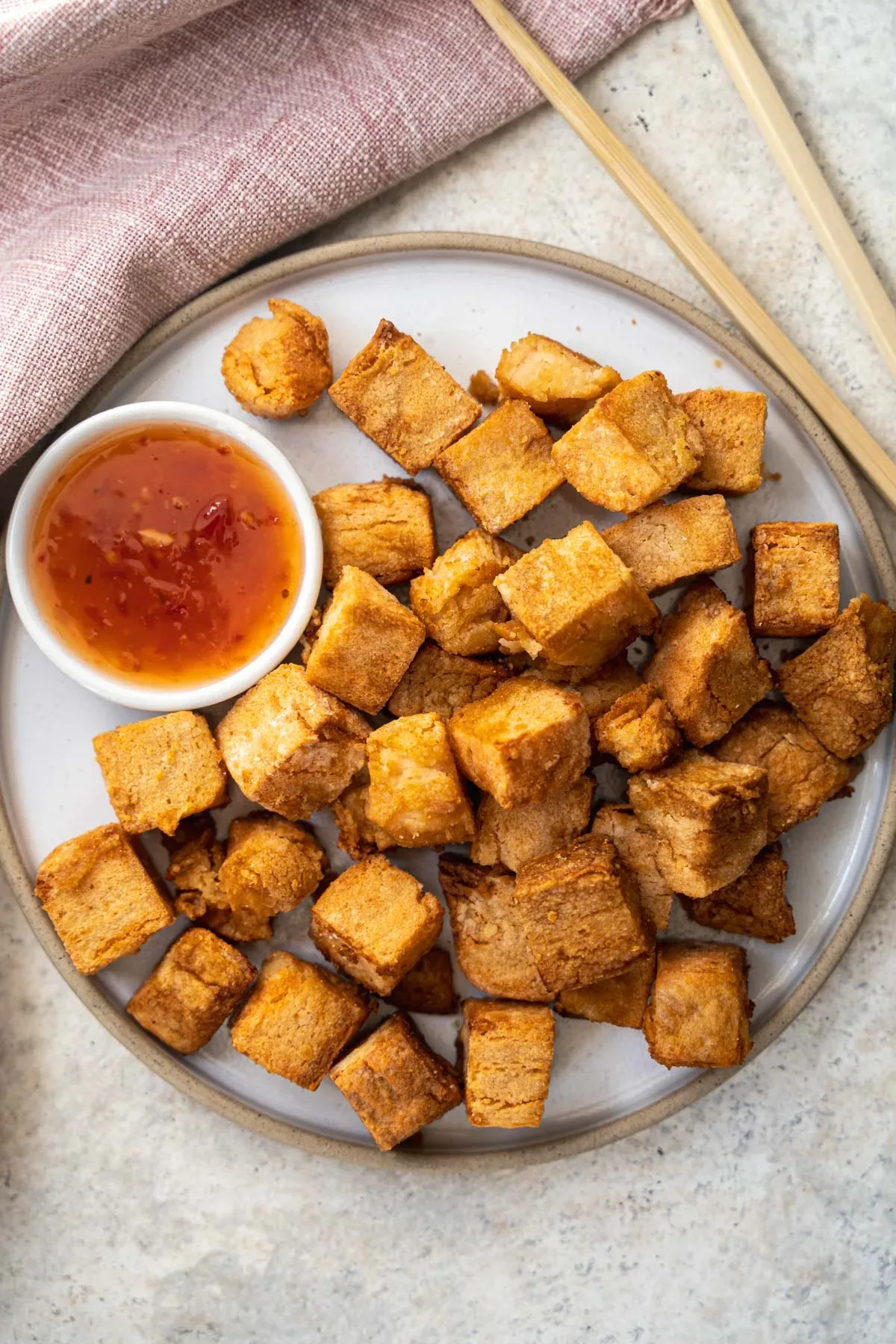
Let me tell you, the first time I tried making red lentil tofu sauce in bulk for a pop-up event, I nearly had a meltdown. Not the good kind, like when your cheese sauce hits that perfect velvety consistency, but the kind where you’re staring at a 20-gallon stockpot, sweating bullets, and wondering if you’ve just ruined 15 pounds of lentils. It was a disaster. The texture was off, the flavor was muted, and I swear the line cooks were side-eyeing me harder than Luna does when I forget to refill her automatic feeder. But here’s the thing: scaling up plant-based sauces like red lentil tofu isn’t just about multiplying ingredients. It’s about understanding how heat, time, and even the shape of your pot can turn a small-batch masterpiece into a high-volume nightmare, or, if you do it right, a kitchen workhorse that keeps customers coming back.
I’ve since spent way too much time (and gone through way too many lentils) figuring out how to make this work in commercial kitchens. Whether you’re running a fast-casual spot with a rotating vegan menu, a catering company that needs to feed 200 people without breaking a sweat, or a ghost kitchen pumping out plant-based bowls at scale, this guide is for you. We’ll cover everything from ingredient ratios that actually work in bulk to equipment hacks that save time and sanity. And don’t worry, I’ll call out the mistakes I made so you don’t have to repeat them. (Spoiler: That first batch? I didn’t account for evaporation. Rookie move.)
By the end of this, you’ll know how to scale red lentil tofu sauce without sacrificing flavor, texture, or your will to live. You’ll also learn why this sauce is worth the effort in the first place, because let’s be real, plant-based proteins aren’t going anywhere, and neither is the demand for sauces that don’t taste like an afterthought. Ready? Let’s dive in.
The Why: Why Red Lentil Tofu Sauce Belongs in High-Volume Kitchens
Before we get into the nitty-gritty of scaling, let’s talk about why this sauce is worth your time. I’ll admit, when I first heard about red lentil tofu, I was skeptical. Tofu is already a blank canvas, and lentils? They’re great in soups and stews, but a sauce? But then I tasted it, creamy, umami-rich, with this subtle nuttiness that clings to everything it touches. It’s the kind of sauce that makes people pause mid-bite and go, “Wait, what’s in this?” And in a high-volume kitchen, that’s gold.
Here’s why red lentil tofu sauce is a game-changer:
- Cost-effective: Lentils and tofu are cheap, especially when bought in bulk. Compared to dairy-based sauces or even some plant-based alternatives, this one stretches your budget without stretching your flavor.
- Versatile: It works as a pasta sauce, a dip, a base for curries, or even a vegan “cheese” sauce for nachos. I’ve used it in grain bowls, as a filling for stuffed peppers, and once, don’t judge, drizzled over popcorn. (It was weirdly good.)
- Nutrient-dense: High in protein, fiber, and iron, it’s a sauce you can feel good about serving. In a world where customers are increasingly health-conscious, that’s a selling point.
- Freezer-friendly: Unlike some sauces that turn grainy or separate when frozen, red lentil tofu sauce holds up surprisingly well. That means you can batch-cook it, freeze it, and pull it out when you need it, no last-minute scrambling.
- Allergen-friendly: No dairy, no nuts (if you skip the nut-based add-ins), no gluten (if you’re careful with thickeners). It’s a sauce that plays nice with most dietary restrictions.
But here’s the catch: all of these benefits go out the window if you can’t scale it properly. A sauce that’s perfect in a 2-quart saucepan can turn into a lumpy, bland mess when you’re making 20 gallons. So, how do you avoid that? Let’s start with the foundation: the ingredients.
The Foundation: Ingredient Ratios That Actually Work in Bulk
Scaling a recipe isn’t as simple as multiplying everything by 10. I learned this the hard way when I tried to make a 10x batch of my go-to red lentil tofu sauce and ended up with something that tasted more like lentil-flavored wallpaper paste. The issue? Some ingredients don’t scale linearly. Spices, acids, and even salt behave differently in large quantities. Here’s what I’ve found works, and what doesn’t.
Base Ingredients: The Core of the Sauce
For a standard batch (let’s say 1 gallon), here’s the ratio I start with:
- 2 cups dried red lentils (rinsed and picked over)
- 1 block (14 oz) firm or extra-firm tofu, pressed and drained
- 4 cups vegetable broth (low-sodium if possible)
- 1 cup unsweetened plant-based milk (oat or soy works best)
- 1/2 cup nutritional yeast
- 1/4 cup lemon juice (or apple cider vinegar)
- 1/4 cup olive oil or neutral oil (like avocado or grapeseed)
- 1 small onion, diced
- 3 garlic cloves, minced
- 1 tbsp smoked paprika
- 1 tsp ground cumin
- 1 tsp turmeric (for color and earthiness)
- Salt and pepper to taste
Now, if you’re scaling this up to 10 gallons, you might think you just multiply everything by 10. But here’s where things get tricky. For example, if you use 10x the amount of lemon juice, your sauce might end up tasting unpleasantly sour. The same goes for spices, cumin and smoked paprika can become overpowering if you’re not careful. So, here’s my adjusted ratio for a 10-gallon batch:
- 20 cups dried red lentils (about 10 lbs)
- 10 blocks (14 oz each) firm or extra-firm tofu, pressed and drained
- 40 cups vegetable broth (low-sodium)
- 10 cups unsweetened plant-based milk
- 5 cups nutritional yeast
- 2 cups lemon juice (or apple cider vinegar)
- 2.5 cups olive oil or neutral oil
- 10 small onions, diced (or 5 large onions)
- 30 garlic cloves, minced (or 1/2 cup pre-minced garlic)
- 8 tbsp smoked paprika (1/2 cup)
- 6 tsp ground cumin (2 tbsp)
- 6 tsp turmeric (2 tbsp)
- Salt and pepper to taste (start with 2 tbsp salt, adjust as needed)
Notice how I didn’t multiply the lemon juice, spices, or salt by 10? That’s because these ingredients have a stronger impact in larger quantities. You can always add more later, but you can’t take it out. I’ve found that scaling spices and acids at about 80% of the multiplier works best. So for a 10x batch, I use 8x the spices and acids, then adjust to taste at the end.
Optional Add-Ins: Flavor Boosters
Once you’ve got the base down, you can play around with add-ins to customize the sauce. Here are a few of my favorites, with notes on how they scale:
- Miso paste: Adds a deep umami flavor. Start with 1/4 cup for a 1-gallon batch, and scale up proportionally. Miso is salty, so you may need to reduce the added salt.
- Sun-dried tomatoes: Adds a tangy, concentrated tomato flavor. Use 1/2 cup for a 1-gallon batch, chopped finely. In large batches, they can make the sauce thicker, so you might need to adjust the liquid.
- Roasted red peppers: Adds sweetness and smokiness. Use 1 cup for a 1-gallon batch, blended until smooth. Roasted peppers can add a lot of liquid, so account for that in your ratios.
- Tahini: Adds richness and a slight bitterness. Start with 1/4 cup for a 1-gallon batch. Tahini can thicken the sauce, so you may need to add more liquid.
- Fresh herbs: Cilantro, parsley, or basil can brighten up the sauce. Add them at the end to preserve their flavor. For a 1-gallon batch, use about 1/2 cup chopped herbs. In large batches, fresh herbs can lose their potency, so you might need to add more than you think.
Is this the best approach? Let’s consider: some chefs swear by pre-mixing spices in oil to bloom them before adding to large batches. I’ve tried this, and it does help distribute the flavors more evenly. But it also adds an extra step, which might not be feasible in a fast-paced kitchen. Maybe I should clarify: if you have the time, blooming spices is worth it. If you’re in a rush, scaling them at 80% and adjusting at the end is a solid backup plan.
Equipment Matters: Choosing the Right Tools for the Job
You can have the perfect ingredient ratios, but if you’re using the wrong equipment, you’re still going to run into problems. I learned this the hard way when I tried to make a 5-gallon batch in a standard 8-quart stockpot. The lentils didn’t cook evenly, the tofu broke down into a weird, gritty texture, and I ended up with a sauce that was half raw lentils and half scorched bits. Not ideal.
Here’s what you’ll need to scale red lentil tofu sauce effectively:
Cooking Vessels: Size and Shape Matter
For small batches (up to 2 gallons), a heavy-bottomed stockpot or Dutch oven works fine. But for anything larger, you’ll need something with a wider base and even heat distribution. Here’s what I recommend:
- For 2-5 gallons: A 12-16 quart stockpot with a heavy bottom. Look for one with a thick base to prevent scorching. I like the All-Clad 16-quart stockpot, it’s pricey, but it’s held up through years of abuse.
- For 5-10 gallons: A 20-30 quart tilt-skillet or a large steam kettle. Tilt-skillets are versatile and can handle everything from sautéing onions to simmering lentils. If you’re in a commercial kitchen, a steam kettle is a game-changer, it cooks evenly and can be programmed to maintain a specific temperature.
- For 10+ gallons: A 40-quart or larger steam kettle. At this scale, you’re moving into industrial territory, and a steam kettle is the only way to go. It’ll cook the lentils evenly and prevent scorching, which is a real risk with such large volumes.
Pro tip: If you’re using a tilt-skillet or steam kettle, make sure it’s large enough to accommodate the volume without overflowing. Lentils expand as they cook, so leave at least 20% headspace to avoid a messy boil-over.
Blending: The Key to Smoothness
One of the biggest challenges with scaling red lentil tofu sauce is achieving a smooth, creamy texture. In small batches, a regular blender or immersion blender works fine. But in large batches, you’ll need something more powerful. Here’s what I’ve found works best:
- For 1-2 gallons: A high-powered blender like a Vitamix or Blendtec. These can handle the volume and heat, and they’ll give you a silky-smooth texture. Just be careful not to overfill them, blend in batches if necessary.
- For 2-5 gallons: A commercial immersion blender. Look for one with at least 1,000 watts of power. I like the Robot Coupe R301 Ultra, it’s powerful, durable, and can handle hot liquids without burning out.
- For 5+ gallons: A commercial-grade food processor or a large-capacity blender like the Vitamix XL. These are designed for high-volume kitchens and can handle large quantities without overheating. If you’re processing more than 5 gallons at a time, you’ll likely need to work in batches.
I’m torn between recommending an immersion blender and a food processor for large batches. Immersion blenders are great because you can blend directly in the pot, which saves time and reduces cleanup. But they can struggle with very thick sauces, and you might end up with some unblended bits. Food processors, on the other hand, can handle thicker mixtures, but you’ll need to transfer the sauce in batches, which is a pain. Ultimately, I think it depends on your kitchen setup. If you have the space and the budget, a large-capacity food processor is the way to go. If you’re tight on space, an immersion blender is a solid alternative.
Other Essential Tools
Here are a few other tools that’ll make your life easier:
- Fine-mesh strainer: For rinsing lentils and straining the sauce if you want an ultra-smooth texture. I like the OXO Good Grips strainer, it’s sturdy and has a comfortable handle.
- Cheesecloth or nut milk bag: If you want to strain the sauce to remove any lentil skins or tofu bits, these are essential. They’re also great for pressing tofu to remove excess water.
- Digital scale: When you’re working with large quantities, measuring by weight is more accurate than measuring by volume. A good digital scale will save you from over- or under-seasoning.
- Thermometer: To monitor the temperature of the sauce, especially if you’re cooking in a steam kettle. You want to keep the sauce below 180°F (82°C) to prevent the tofu from breaking down too much.
- Large mixing bowls: For soaking lentils or holding prepped ingredients. Look for stainless steel bowls, they’re durable and easy to clean.
The Process: Step-by-Step Scaling for High-Volume Kitchens
Now that you’ve got your ingredients and equipment sorted, let’s talk about the process. Scaling red lentil tofu sauce isn’t just about throwing everything into a big pot and hoping for the best. It’s about controlling variables like heat, time, and texture to ensure consistency across batches. Here’s how I do it.
Step 1: Prep Your Ingredients
Prep is everything in a high-volume kitchen. The last thing you want is to be scrambling to dice onions while your lentils are already cooking. Here’s how to prep efficiently:
- Lentils: Rinse them thoroughly in a fine-mesh strainer to remove any debris. Pick over them to remove any stones or shriveled lentils. If you’re working with a very large batch, soak the lentils in warm water for 15-20 minutes to speed up the cooking process. Drain them well before cooking.
- Tofu: Press the tofu to remove excess water. I like to wrap the tofu in a clean kitchen towel or cheesecloth, place it on a baking sheet, and put a heavy pan on top. Let it press for at least 30 minutes. For large batches, you can use a tofu press, it’s faster and more consistent. Once pressed, crumble the tofu into small pieces. The smaller the pieces, the easier they’ll blend into the sauce.
- Onions and garlic: Dice the onions finely and mince the garlic. For large batches, a food processor can save you a ton of time. Just pulse the onions and garlic until they’re finely chopped, don’t overprocess them, or they’ll turn into a paste.
- Spices: Measure out your spices and mix them together in a small bowl. This makes it easier to add them to the pot all at once, and it ensures they’re evenly distributed.
Pro tip: If you’re prepping ingredients the day before, store the onions and garlic in separate containers in the fridge. Mixing them ahead of time can cause the garlic to oxidize and develop a bitter flavor.
Step 2: Cook the Lentils
Cooking lentils in bulk is trickier than it sounds. The key is to cook them until they’re tender but not mushy, so they blend smoothly into the sauce. Here’s how to do it:
- Heat a small amount of oil in your cooking vessel over medium heat. For a 10-gallon batch, start with about 1/4 cup of oil. You can add more later if needed.
- Add the diced onions and cook until they’re soft and translucent, about 5-7 minutes. If you’re working with a very large batch, you might need to cook them in stages to avoid overcrowding the pot.
- Add the minced garlic and cook for another 1-2 minutes, until fragrant. Be careful not to let the garlic burn, it’ll turn bitter.
- Add the mixed spices and cook for 1 minute, stirring constantly. This blooms the spices and brings out their flavor. If the mixture seems dry, add a splash of vegetable broth to deglaze the pot.
- Add the rinsed lentils and stir to coat them in the onion-spice mixture. Cook for 1-2 minutes, stirring constantly.
- Add the vegetable broth and bring the mixture to a boil. Once it’s boiling, reduce the heat to low and let it simmer, uncovered, for 15-20 minutes. Stir occasionally to prevent the lentils from sticking to the bottom of the pot.
- After 15 minutes, start checking the lentils for doneness. They should be tender but still hold their shape. If they’re not done, let them cook for another 5 minutes and check again. Overcooked lentils will turn mushy, which can make the sauce grainy.
Is this the best approach? Let’s consider: some chefs recommend cooking the lentils separately and then blending them with the other ingredients. I’ve tried this, and it does give you more control over the texture of the lentils. But it also adds an extra step, which might not be feasible in a busy kitchen. If you have the time, cooking the lentils separately is worth it. If you’re in a rush, cooking them with the onions and spices is a solid alternative.
Step 3: Add the Tofu and Blend
Once the lentils are cooked, it’s time to add the tofu and blend everything together. Here’s how to do it:
- Add the crumbled tofu to the pot and stir to combine. Let it cook for 5-7 minutes, stirring occasionally. This helps the tofu absorb some of the flavors from the lentils and spices.
- Add the plant-based milk, nutritional yeast, and lemon juice. Stir to combine and let the mixture simmer for another 5 minutes. This gives the flavors a chance to meld together.
- Remove the pot from the heat and let the mixture cool slightly. You don’t want to blend it while it’s piping hot, it can cause the blender to overflow or the sauce to separate.
- Blend the sauce until it’s smooth and creamy. If you’re using an immersion blender, blend directly in the pot. If you’re using a regular blender or food processor, work in batches. For a 10-gallon batch, you’ll likely need to blend it in 4-5 batches.
- If you want an ultra-smooth texture, strain the sauce through a fine-mesh strainer or cheesecloth. This removes any lentil skins or tofu bits that didn’t blend completely. It’s an extra step, but it makes a big difference in the final texture.
Pro tip: If you’re blending in batches, keep the blended sauce in a separate pot or container. This prevents the sauce from cooling too much between batches, which can affect the texture.
Step 4: Adjust the Seasoning
This is where a lot of people go wrong. When you’re scaling a recipe, it’s easy to over- or under-season the sauce. Here’s how to get it right:
- Start by tasting the sauce. Does it need more salt? More acid? More spice? Keep in mind that the flavors will mellow slightly as the sauce cools, so it’s better to slightly over-season than under-season.
- If the sauce is too thick, thin it out with a little more plant-based milk or vegetable broth. If it’s too thin, let it simmer for a few more minutes to thicken.
- If the sauce is bland, add more nutritional yeast for umami, more lemon juice for acidity, or more spices for depth. Start with small amounts and taste as you go.
- If the sauce is too sour, balance it out with a little sweetness. A teaspoon of maple syrup or agave can work wonders.
- If the sauce is too spicy, add more plant-based milk or a little coconut milk to mellow it out.
I’m torn between recommending you adjust the seasoning before or after blending. Blending can change the texture of the sauce, which might affect how you perceive the flavors. But blending also helps distribute the seasonings more evenly. Ultimately, I think it’s best to do a rough seasoning before blending and then fine-tune it afterward.
Troubleshooting: Common Problems and How to Fix Them
Even with the best-laid plans, things can go wrong. Here are some common issues you might encounter when scaling red lentil tofu sauce, and how to fix them:
Problem 1: The Sauce Is Too Thin
This is a common issue, especially when you’re working with large batches. The good news is, it’s an easy fix. Here’s what to do:
- Simmer it longer: Transfer the sauce to a wide, shallow pot and simmer it over low heat, stirring occasionally. The wider surface area will allow more liquid to evaporate, thickening the sauce.
- Add a thickener: A slurry of cornstarch or arrowroot powder can help thicken the sauce quickly. Mix 1-2 tablespoons of cornstarch with an equal amount of cold water, then stir it into the sauce. Let it simmer for a few minutes to cook out the raw starch flavor.
- Blend in more tofu: If you have extra tofu on hand, blend it into the sauce. The tofu will thicken the sauce and add more protein.
- Use less liquid: For future batches, reduce the amount of vegetable broth or plant-based milk you use. Start with 10% less liquid and adjust as needed.
Problem 2: The Sauce Is Too Thick
A thick sauce isn’t necessarily a bad thing, it can be great for dips or spreads. But if you need a thinner consistency, here’s how to fix it:
- Add more liquid: Thin the sauce with more plant-based milk, vegetable broth, or even water. Add it gradually, stirring constantly, until you reach the desired consistency.
- Adjust the heat: If the sauce is thick because it’s cooled down, gently reheat it. The heat will help loosen the sauce and make it easier to thin out.
- Blend it longer: Sometimes, a thick sauce just needs more blending to break down the lentils and tofu. If you’re using an immersion blender, move it around the pot to ensure everything is evenly blended.
Problem 3: The Sauce Is Grainy
A grainy texture is usually a sign that the lentils weren’t cooked enough or that the sauce wasn’t blended thoroughly. Here’s how to fix it:
- Blend it longer: The easiest fix is to blend the sauce longer. If you’re using an immersion blender, make sure you’re moving it around the pot to catch any unblended bits. If you’re using a regular blender, work in smaller batches to ensure everything is evenly blended.
- Strain the sauce: If blending doesn’t fix the problem, strain the sauce through a fine-mesh strainer or cheesecloth. This will remove any lentil skins or tofu bits that are causing the graininess.
- Cook the lentils longer: For future batches, cook the lentils until they’re very tender. Overcooked lentils blend more smoothly than undercooked ones.
- Use red lentil flour: If you’re consistently having issues with graininess, try using red lentil flour instead of whole lentils. It’s more expensive, but it blends smoothly and cooks faster.
Problem 4: The Sauce Is Bland
A bland sauce is usually a sign that it’s under-seasoned or that the flavors haven’t had enough time to meld. Here’s how to fix it:
- Add more salt: Salt is the easiest way to boost the flavor of a bland sauce. Start with 1/2 teaspoon at a time, tasting as you go.
- Add more acid: A splash of lemon juice or apple cider vinegar can brighten up the flavors. Start with 1 tablespoon at a time.
- Add more umami: Nutritional yeast, miso paste, or soy sauce can add depth to the sauce. Start with 1-2 tablespoons of nutritional yeast or 1 teaspoon of miso paste.
- Add more spices: If the sauce is lacking depth, add more smoked paprika, cumin, or turmeric. Start with 1/2 teaspoon at a time.
- Let it simmer longer: If you have the time, let the sauce simmer for another 10-15 minutes. This gives the flavors a chance to meld together.
Problem 5: The Sauce Has Separated
Separation is a common issue with plant-based sauces, especially when they’re heated or cooled. Here’s how to fix it:
- Blend it again: The easiest fix is to blend the sauce again. This will emulsify the ingredients and bring the sauce back together.
- Add a stabilizer: A little xanthan gum or guar gum can help stabilize the sauce and prevent separation. Start with 1/4 teaspoon per gallon of sauce, and mix it in thoroughly.
- Adjust the heat: If the sauce separated because it got too hot, let it cool slightly before blending. If it separated because it got too cold, gently reheat it before blending.
Storage and Reheating: Keeping the Sauce Fresh
One of the best things about red lentil tofu sauce is that it stores well. But there are a few tricks to keeping it fresh and preventing it from separating or developing off flavors.
Short-Term Storage (Up to 5 Days)
If you’re using the sauce within a few days, store it in airtight containers in the fridge. Here’s how to do it:
- Let the sauce cool to room temperature before storing it. Hot sauce can create condensation in the container, which can lead to spoilage.
- Transfer the sauce to airtight containers. I like to use stainless steel or glass containers, they’re durable and easy to clean.
- Label the containers with the date and contents. This makes it easy to keep track of what’s in your fridge and how long it’s been there.
- Store the sauce in the coldest part of the fridge, usually the back. This helps it stay fresh longer.
When you’re ready to use the sauce, gently reheat it over low heat, stirring occasionally. If the sauce has thickened in the fridge, thin it out with a little plant-based milk or vegetable broth.
Long-Term Storage (Up to 3 Months)
If you’re making a large batch and want to store it for longer, freezing is the way to go. Here’s how to do it:
- Let the sauce cool to room temperature.
- Portion the sauce into freezer-safe containers or bags. I like to use silicone molds or ice cube trays for small portions, and larger containers for bulk storage.
- Leave about 1 inch of headspace in the containers to allow for expansion. Sauce expands as it freezes, and if the container is too full, it can crack or burst.
- Label the containers with the date and contents. Frozen sauce can look a lot like other frozen foods, so labeling is key.
- Freeze the sauce at 0°F (-18°C) or below. The faster the sauce freezes, the better the texture will be when you thaw it.
When you’re ready to use the sauce, thaw it in the fridge overnight. Once it’s thawed, gently reheat it over low heat, stirring occasionally. If the sauce has separated, blend it again to bring it back together.
Maybe I should clarify: freezing can change the texture of the sauce slightly. It might be a little thinner or grainier after thawing, but a quick blend or simmer will fix that. If you’re serving the sauce to customers, I recommend freezing a small batch first to see how it holds up in your kitchen.
Menu Ideas: How to Use Red Lentil Tofu Sauce in High-Volume Kitchens
Now that you’ve got a big batch of red lentil tofu sauce, what do you do with it? Here are some menu ideas that work well in high-volume kitchens:
1. Vegan Mac and Cheese
This is one of my favorite ways to use red lentil tofu sauce. It’s creamy, cheesy, and packed with protein. Here’s how to make it:
- Cook your pasta of choice according to package instructions. Drain and set aside.
- In a large pot, combine the cooked pasta with red lentil tofu sauce. Stir to coat the pasta evenly.
- If the sauce is too thick, thin it out with a little plant-based milk or vegetable broth.
- Transfer the mac and cheese to a serving dish and top with breadcrumbs, vegan cheese, or fresh herbs.
- Serve immediately, or keep it warm in a steam table until ready to serve.
Pro tip: For a smoky flavor, add a dash of liquid smoke to the sauce before mixing it with the pasta.
2. Lentil Tofu Bowls
Bowls are a great way to use red lentil tofu sauce because they’re customizable and easy to scale. Here’s how to build a lentil tofu bowl:
- Start with a base of grains, like rice, quinoa, or farro.
- Add a protein, like roasted tofu, chickpeas, or tempeh.
- Add a variety of vegetables, like roasted sweet potatoes, sautéed greens, or pickled red onions.
- Drizzle the bowl with red lentil tofu sauce.
- Top with fresh herbs, avocado, or a sprinkle of seeds.
Pro tip: Offer a variety of toppings so customers can customize their bowls. This also helps you use up any leftover ingredients.
3. Stuffed Peppers
Stuffed peppers are a great way to use red lentil tofu sauce in a handheld format. Here’s how to make them:
- Cut the tops off bell peppers and remove the seeds and membranes.
- In a large bowl, combine cooked rice, black beans, corn, and red lentil tofu sauce.
- Stuff the peppers with the rice mixture and place them in a baking dish.
- Bake at 375°F (190°C) for 25-30 minutes, until the peppers are tender.
- Serve immediately, or keep them warm in a steam table until ready to serve.
Pro tip: For a smoky flavor, add a dash of smoked paprika to the rice mixture before stuffing the peppers.
4. Lentil Tofu Dip
Red lentil tofu sauce makes a great dip for vegetables, chips, or bread. Here’s how to make it:
- Transfer the sauce to a serving bowl.
- Garnish with fresh herbs, a drizzle of olive oil, or a sprinkle of smoked paprika.
- Serve with vegetables, chips, or bread for dipping.
Pro tip: For a chunkier dip, stir in some diced roasted red peppers or sun-dried tomatoes before serving.
5. Lentil Tofu Curry
Red lentil tofu sauce can also be used as a base for curries. Here’s how to make it:
- In a large pot, sauté onions, garlic, and ginger until soft.
- Add your choice of vegetables, like cauliflower, potatoes, or spinach.
- Add the red lentil tofu sauce and stir to combine.
- Simmer for 10-15 minutes, until the vegetables are tender.
- Serve the curry over rice or with naan bread.
Pro tip: For a richer curry, stir in a can of coconut milk before simmering.
Cost Analysis: Is Scaling Red Lentil Tofu Sauce Worth It?
One of the biggest questions I get from chefs and kitchen managers is whether scaling red lentil tofu sauce is cost-effective. The short answer is yes, but let’s break it down to see why.
Ingredient Costs
Here’s a rough cost breakdown for a 10-gallon batch of red lentil tofu sauce, based on average prices in 2026:
- 20 cups dried red lentils: $15 (bulk price)
- 10 blocks firm tofu: $20 (bulk price)
- 40 cups vegetable broth: $10 (homemade or store-bought)
- 10 cups plant-based milk: $15 (oat or soy milk)
- 5 cups nutritional yeast: $25 (bulk price)
- 2 cups lemon juice: $8 (bottled or fresh)
- 2.5 cups olive oil: $12 (bulk price)
- 10 onions: $5
- 30 garlic cloves: $3
- Spices (smoked paprika, cumin, turmeric): $5
- Salt and pepper: $2
Total ingredient cost: $120 for 10 gallons, or $12 per gallon.
Compare that to a dairy-based cheese sauce, which can cost $20-$30 per gallon, or a store-bought vegan cheese sauce, which can cost $30-$50 per gallon. Red lentil tofu sauce is significantly cheaper, especially when you’re buying ingredients in bulk.
Labor Costs
Labor is where things get a little trickier. Scaling red lentil tofu sauce does require more prep time than some other sauces, especially if you’re cooking the lentils from scratch. Here’s a rough estimate of the labor involved:
- Prep time (rinsing lentils, pressing tofu, chopping onions and garlic): 30-45 minutes
- Cooking time (sautéing onions, cooking lentils, adding tofu): 45-60 minutes
- Blending time (immersion blender or food processor): 20-30 minutes
- Seasoning and adjusting: 10-15 minutes
Total labor time: 1.5-2.5 hours for a 10-gallon batch.
Is this worth it? Let’s consider: if you’re paying your staff $20 per hour, the labor cost for a 10-gallon batch is $30-$50. That brings the total cost to $150-$170 for 10 gallons, or $15-$17 per gallon. Still cheaper than most commercial sauces, and you’re getting a product that’s fresher, healthier, and more customizable.
Yield and Portioning
One gallon of red lentil tofu sauce yields about 16 cups, or 32 2-ounce servings. If you’re using it as a sauce for bowls or pasta, you might use 2-4 ounces per serving. If you’re using it as a dip, you might use 1-2 ounces per serving. Here’s how the math breaks down:
- Cost per 2-ounce serving: $0.47-$0.53
- Cost per 4-ounce serving: $0.94-$1.06
Compare that to the cost of a commercial vegan cheese sauce, which can cost $1-$2 per serving, and you’re looking at significant savings. Plus, you have the added benefit of being able to customize the sauce to your menu.
Waste and Efficiency
One of the biggest advantages of making your own sauce is that you can control the quality and reduce waste. Here’s how:
- Reduce packaging waste: Buying ingredients in bulk reduces the amount of packaging waste your kitchen produces.
- Use leftovers: If you have leftover sauce, you can repurpose it into other dishes, like soups, stews, or dips. This reduces food waste and saves money.
- Customize to your menu: Making your own sauce allows you to tailor it to your menu. For example, if you’re serving a Mexican-inspired dish, you can add chipotle peppers and lime juice to the sauce. If you’re serving an Italian-inspired dish, you can add basil and oregano.
I’m torn between recommending you make the sauce in-house or buy it pre-made. On one hand, making it in-house gives you more control over the flavor and quality. On the other hand, it does require more labor and equipment. Ultimately, I think it depends on your kitchen’s capacity and your menu’s needs. If you have the time and resources, making it in-house is the way to go. If you’re short on time, a high-quality pre-made sauce might be a better option.
Safety and Compliance: Keeping Your Sauce Safe in High-Volume Kitchens
When you’re scaling any recipe in a commercial kitchen, food safety has to be a top priority. Red lentil tofu sauce is no exception. Here’s what you need to know to keep your sauce safe and compliant with health codes.
Temperature Control
One of the biggest risks with any sauce is bacterial growth, especially if the sauce is held at unsafe temperatures. Here’s how to keep your red lentil tofu sauce safe:
- Cooking temperature: Make sure the sauce reaches an internal temperature of 165°F (74°C) during cooking. This kills any harmful bacteria that might be present in the ingredients.
- Cooling temperature: After cooking, cool the sauce quickly to prevent bacterial growth. The FDA recommends cooling hot foods from 135°F (57°C) to 70°F (21°C) within 2 hours, and from 70°F (21°C) to 41°F (5°C) within an additional 4 hours. To cool the sauce quickly, divide it into smaller containers and place them in an ice bath. Stir the sauce occasionally to help it cool evenly.
- Holding temperature: If you’re holding the sauce for service, keep it at 135°F (57°C) or above. Use a steam table, chafing dish, or other hot-holding equipment to maintain the temperature. Check the temperature regularly to ensure it stays within the safe range.
- Reheating temperature: If you’re reheating the sauce, make sure it reaches an internal temperature of 165°F (74°C) within 2 hours. Stir the sauce occasionally to ensure it heats evenly.
Cross-Contamination
Cross-contamination is another major risk in high-volume kitchens. Here’s how to prevent it:
- Use separate utensils: Use separate utensils for raw and cooked ingredients. For example, don’t use the same spoon to stir raw lentils and cooked sauce.
- Clean and sanitize equipment: Clean and sanitize all equipment, including pots, blenders, and utensils, before and after use. This prevents bacteria from spreading from one batch to the next.
- Store ingredients properly: Store raw ingredients, like lentils and tofu, separately from cooked sauce. Use airtight containers and label them with the date and contents.
- Wash your hands: Wash your hands thoroughly before and after handling ingredients, especially raw lentils and tofu. Use warm water and soap, and scrub for at least 20 seconds.
Allergen Control
Red lentil tofu sauce is naturally free of many common allergens, like dairy, nuts, and gluten. But it’s still important to take precautions to prevent cross-contact with allergens. Here’s how:
- Label ingredients: Label all ingredients with their allergen information. This helps your staff know what’s in the sauce and avoid cross-contact.
- Use separate equipment: If possible, use separate equipment for allergen-free sauces. For example, if you’re making a nut-free sauce, use a separate blender and utensils to prevent cross-contact with nuts.
- Clean and sanitize: Clean and sanitize all equipment thoroughly before and after making allergen-free sauces. This prevents allergens from spreading from one batch to the next.
- Train your staff: Train your staff on allergen control and cross-contact prevention. Make sure they know how to handle allergens safely and how to communicate with customers about allergen information.
Shelf Life and Storage
Proper storage is key to keeping your red lentil tofu sauce safe and fresh. Here’s what you need to know:
- Refrigerated storage: Store the sauce in airtight containers in the fridge at 41°F (5°C) or below. Label the containers with the date and contents, and use them within 5 days.
- Frozen storage: Store the sauce in freezer-safe containers at 0°F (-18°C) or below. Label the containers with the date and contents, and use them within 3 months.
- Thawing: Thaw frozen sauce in the fridge overnight. Do not thaw it at room temperature, as this can promote bacterial growth.
- Reheating: Reheat the sauce to an internal temperature of 165°F (74°C) within 2 hours. Stir the sauce occasionally to ensure it heats evenly.
Maybe I should clarify: these guidelines are based on FDA recommendations, but your local health department might have additional requirements. Always check with your local health department to ensure you’re in compliance with all regulations.
Training Your Staff: How to Get Everyone on the Same Page
Scaling red lentil tofu sauce is one thing; getting your staff to make it consistently is another. Here’s how to train your team to make the sauce to your standards.
Start with a Written Recipe
A written recipe is the foundation of any good training program. Here’s how to create one that’s clear and easy to follow:
- Use clear, concise language: Avoid jargon and use simple, straightforward language. For example, instead of saying “sauté the onions until translucent,” say “cook the onions for 5-7 minutes, until they’re soft and see-through.”
- Include measurements: Use both volume and weight measurements to ensure accuracy. For example, “2 cups (12 oz) dried red lentils.”
- List ingredients in order of use: This makes it easier for your staff to follow the recipe step by step.
- Include photos or videos: Visual aids can be incredibly helpful, especially for new staff. Include photos of each step, or create a short video demonstrating the process.
- Highlight key points: Use bold or italic text to highlight important information, like cooking times or safety tips.
Demonstrate the Process
Once you’ve got a written recipe, demonstrate the process for your staff. Here’s how to do it effectively:
- Break it down into steps: Demonstrate each step of the process separately, and explain why it’s important. For example, “We cook the onions first to bring out their sweetness and add depth to the sauce.”
- Show, don’t tell: Instead of just explaining what to do, show your staff how to do it. For example, demonstrate how to press tofu, how to rinse lentils, and how to blend the sauce.
- Answer questions: Encourage your staff to ask questions, and take the time to answer them thoroughly. If you don’t know the answer, look it up together.
- Provide feedback: After demonstrating the process, have your staff try it themselves. Provide feedback and correct any mistakes.
Practice Makes Perfect
Once your staff has seen the process demonstrated, it’s time for them to try it themselves. Here’s how to make the most of practice sessions:
- Start small: Have your staff make a small batch of sauce first, so they can get a feel for the process without wasting ingredients.
- Provide guidance: Be available to answer questions and provide feedback as your staff practices.
- Encourage teamwork: Have your staff work in pairs or small groups. This encourages collaboration and helps them learn from each other.
- Make it fun: Turn practice sessions into a friendly competition. For example, challenge your staff to make the smoothest sauce or the best-tasting batch.
Standardize the Process
Once your staff is comfortable with the process, it’s time to standardize it. Here’s how to ensure consistency across batches:
- Use the same equipment: Make sure everyone is using the same pots, blenders, and utensils. This ensures that the sauce turns out the same every time.
- Follow the same steps: Encourage your staff to follow the written recipe exactly, without skipping steps or making substitutions.
- Taste and adjust: Have your staff taste the sauce at each step and adjust the seasoning as needed. This helps them develop their palate and ensures that the sauce is consistently well-seasoned.
- Document changes: If your staff makes any changes to the recipe, document them and update the written recipe accordingly. This ensures that everyone is on the same page.
Provide Ongoing Training
Training doesn’t end after the first practice session. Here’s how to provide ongoing training to keep your staff sharp:
- Regular refresher courses: Schedule regular refresher courses to review the process and address any questions or concerns.
- Cross-training: Cross-train your staff on other kitchen tasks. This helps them understand how the sauce fits into the bigger picture and makes them more versatile employees.
- Feedback and evaluation: Provide regular feedback and evaluation to help your staff improve. Encourage them to ask questions and share their ideas.
- Stay up to date: Keep your staff informed about any changes to the recipe or process. This ensures that everyone is on the same page and that the sauce remains consistent.
I’m torn between recommending you train your staff in-house or hire an outside trainer. On one hand, training in-house gives you more control over the process and ensures that your staff is learning the specific skills they need for your kitchen. On the other hand, an outside trainer can bring fresh ideas and a new perspective. Ultimately, I think it depends on your kitchen’s needs and resources. If you have the time and expertise, training in-house is the way to go. If you’re short on time or want to bring in new ideas, an outside trainer might be a better option.
Conclusion: Scaling Red Lentil Tofu Sauce Is Worth the Effort
Scaling red lentil tofu sauce for high-volume kitchens isn’t always easy, but it’s absolutely worth the effort. This sauce is versatile, cost-effective, and packed with flavor, everything you want in a kitchen workhorse. Plus, it’s a great way to meet the growing demand for plant-based options without breaking the bank or sacrificing quality.
But here’s the thing: scaling any recipe is as much about the process as it is about the ingredients. It’s about understanding how heat, time, and equipment affect the final product, and it’s about being willing to experiment and adjust as you go. My first attempt at scaling this sauce was a disaster, but I learned from my mistakes, and now it’s one of my go-to recipes for high-volume events.
So, here’s my challenge to you: take what you’ve learned here and give it a try. Start with a small batch, maybe 2 gallons, and see how it goes. Adjust the seasoning, play with the texture, and find what works best for your kitchen. And don’t be afraid to make mistakes. Every batch is a chance to learn and improve.
And who knows? Maybe one day, you’ll be the one writing a guide on how to scale red lentil tofu sauce, sharing your own tips and tricks with the next generation of chefs. Until then, happy cooking, and may your lentils always be tender and your tofu always be pressed.
FAQ
Q: Can I use canned lentils instead of dried lentils to save time?
A: You can, but I don’t recommend it. Canned lentils are softer and can make the sauce mushy, especially in large batches. They also tend to be saltier, which can throw off your seasoning. If you’re in a pinch, you can use canned lentils, but reduce the added salt and cook them for less time. For the best texture and flavor, stick with dried lentils.
Q: How do I prevent the sauce from sticking to the bottom of the pot when cooking in bulk?
A: Sticking is a common issue when cooking large batches, but there are a few ways to prevent it. First, use a heavy-bottomed pot or a steam kettle to ensure even heat distribution. Second, stir the sauce frequently, especially during the first 10-15 minutes of cooking. Third, add a small amount of oil to the pot before adding the onions, this creates a barrier between the sauce and the pot. Finally, if you’re cooking in a steam kettle, use the lowest heat setting possible to prevent scorching.
Q: Can I make this sauce ahead of time and reheat it for service?
A: Absolutely! Red lentil tofu sauce holds up well in the fridge for up to 5 days and in the freezer for up to 3 months. To reheat it, transfer the sauce to a pot and warm it over low heat, stirring occasionally. If the sauce has thickened in the fridge, thin it out with a little plant-based milk or vegetable broth. If it’s separated, blend it again to bring it back together. Just make sure the sauce reaches an internal temperature of 165°F (74°C) within 2 hours to ensure food safety.
Q: What’s the best way to adjust the thickness of the sauce without changing the flavor?
A: The best way to adjust the thickness without changing the flavor is to use plant-based milk or vegetable broth. These liquids are neutral in flavor and won’t overpower the sauce. Start with small amounts-1/4 cup at a time, and stir well after each addition. If the sauce is too thick, you can also let it simmer for a few more minutes to reduce the liquid. If it’s too thin, you can add a slurry of cornstarch or arrowroot powder to thicken it quickly. Just be sure to cook out the raw starch flavor by simmering the sauce for a few minutes after adding the slurry.
@article{how-to-scale-red-lentil-tofu-sauce-for-high-volume-kitchens-without-losing-flavor-or-texture,
    title   = {How to Scale Red Lentil Tofu Sauce for High-Volume Kitchens Without Losing Flavor or Texture},
    author  = {Chef's icon},
    year    = {2026},
    journal = {Chef's Icon},
    url     = {https://chefsicon.com/how-to-scale-red-lentil-tofu-sauce-for-high-volume-kitchens/}
}