The Best Fluffy Pancakes recipe you will fall in love with. Full of tips and tricks to help you make the best pancakes.
Let me tell you, when I first started digging into the world of restaurant pantry staples, I thought I had it all figured out. I mean, how hard could it be? Buy in bulk, save some cash, and call it a day. But oh boy, was I wrong. It’s not just about stocking up on whatever’s cheapest, it’s about balancing cost, quality, storage, and how these staples actually fit into your menu. And let’s not even get started on the logistics of storing 50-pound bags of flour in a tiny urban kitchen. Is this the best approach? Let’s consider…
I remember walking into this little diner in East Nashville a few years back. The place was packed, the food was incredible, and the owner, Maria, was running around like a woman possessed. I asked her how she kept costs down without sacrificing quality. She laughed and said, “Sammy, it’s all about the staples. You get those right, and the rest is just details.” That stuck with me. So, I started researching, talking to chefs, and even experimenting in my own kitchen (Luna, my rescue cat, was *not* impressed with the 25-pound bags of rice taking over our apartment).
Here’s the thing: cost-effective bulk pantry staples aren’t just about saving money, they’re about building a foundation for your restaurant that’s flexible, reliable, and, most importantly, delicious. Whether you’re running a food truck, a high-end bistro, or a cozy café, the right staples can make or break your bottom line. In this guide, I’ll walk you through the essentials, the hidden gems, and the pitfalls to avoid. By the end, you’ll have a clear roadmap for stocking your pantry like a pro, without breaking the bank or your storage space.
So, where do we even start? Maybe I should clarify: this isn’t just a list of ingredients. It’s about understanding *why* these staples matter, how they interact with your menu, and how to source them in a way that makes financial sense. Let’s dive in.
The Philosophy Behind Bulk Pantry Staples
Why Bulk Buying Isn’t Just About the Price Tag
Look, I get it. When you hear “bulk buying,” the first thing that comes to mind is saving money. And yeah, that’s a huge part of it. But here’s the thing: buying in bulk is also about consistency, efficiency, and menu flexibility. Think about it. If you’re constantly running out of rice or olive oil because you’re buying small quantities, you’re not just wasting money, you’re wasting time, energy, and probably a few gray hairs too. And let’s be real, no one wants to deal with the stress of a last-minute run to the store because you ran out of something essential.
But here’s where it gets tricky. Not all bulk purchases are created equal. You could buy a pallet of canned tomatoes, but if your menu doesn’t actually use that many tomatoes, you’re just tying up cash in inventory that’s going to sit there collecting dust. Or worse, spoil. So, the key is to find that sweet spot where cost savings, storage capacity, and menu needs all align. It’s a balancing act, and honestly, it took me a while to wrap my head around it.
I’m torn between two schools of thought here. On one hand, there’s the “buy everything in bulk and figure it out later” approach. It’s aggressive, it’s bold, and it *might* save you money upfront. But on the other hand, there’s the more measured approach: strategic bulk buying, where you focus on staples that are versatile, long-lasting, and actually get used in your kitchen. I think the latter makes more sense, but I’ll admit, the former is tempting when you see those bulk discounts.
So, how do you decide what to buy in bulk? It starts with understanding your menu. What are the core ingredients that show up in multiple dishes? What do you use *every single day*? Those are your low-hanging fruit. For example, if you’re running an Italian restaurant, olive oil, pasta, and canned tomatoes are no-brainers. But if you’re a BBQ joint, maybe it’s spices, vinegar, and dry rubs. The point is, your bulk purchases should reflect what your kitchen actually needs, not just what’s on sale.
The Hidden Costs of Bulk Buying (And How to Avoid Them)
Alright, let’s talk about the elephant in the room: hidden costs. Bulk buying isn’t just about the price per unit. There are a bunch of other factors that can eat into your savings if you’re not careful. Storage is the big one. Do you have enough space to store 50-pound bags of flour or a pallet of canned goods? If not, you might end up renting extra storage, which can quickly negate any savings you thought you were getting.
Then there’s the issue of waste. Let’s say you buy a massive quantity of something because it’s cheap, but it ends up going bad before you can use it all. That’s not just a waste of money, it’s a waste of resources. And in 2026, with sustainability becoming more and more important to customers, that’s not something you can afford to ignore. I’ve seen restaurants get burned by this more times than I can count. They buy in bulk to save money, but then they end up throwing half of it away because they couldn’t use it fast enough.
Another hidden cost? Cash flow. Bulk buying ties up a lot of capital upfront. If you’re a small restaurant or a startup, that can be a real problem. You might save money in the long run, but if you don’t have the cash to cover those upfront costs, you’re going to run into trouble. That’s why it’s so important to plan ahead and make sure you’re not overextending yourself. Maybe start with a few key staples and build from there.
And let’s not forget about quality. Just because something is cheap in bulk doesn’t mean it’s good. I’ve tasted enough bland, watery sauces made from subpar ingredients to know that cutting corners on quality is a recipe for disaster. Your customers will notice, and they won’t be happy. So, how do you balance cost and quality? It’s all about finding the right suppliers. More on that later.
The Essential Bulk Pantry Staples Every Restaurant Needs
Dry Goods: The Backbone of Your Pantry
Alright, let’s get into the nitty-gritty. If you’re going to stock your pantry in bulk, dry goods are where you should start. These are the ingredients that have a long shelf life, are incredibly versatile, and form the foundation of countless dishes. We’re talking rice, pasta, flour, sugar, beans, lentils, and grains like quinoa or farro. These are the workhorses of your kitchen, and buying them in bulk is almost always a smart move.
Take rice, for example. It’s a staple in cuisines all over the world, from Asian to Latin American to Southern comfort food. A 50-pound bag of rice is going to last you a long time, and it’s not going to break the bank. Plus, it’s incredibly versatile, you can use it in everything from stir-fries to rice pudding. And let’s not forget about pasta. Whether you’re making a simple aglio e olio or a hearty lasagna, pasta is a must-have. Buying it in bulk ensures you always have it on hand, and it’s one less thing you have to worry about running out of.
But here’s where it gets interesting. Not all dry goods are created equal. For example, flour comes in a million different varieties, all-purpose, bread flour, cake flour, whole wheat, the list goes on. So, which one should you buy in bulk? It depends on your menu. If you’re a bakery, you might need all of them. If you’re a pizzeria, you might just need bread flour and all-purpose. The key is to think about what you actually use and buy accordingly. Don’t just buy a ton of something because it’s cheap if you’re not going to use it.
And then there are beans and lentils. These are nutritional powerhouses, they’re cheap, and they can be used in everything from soups to salads to main dishes. Plus, they have a long shelf life, so you don’t have to worry about them going bad. I remember talking to a chef in Austin who ran a vegan restaurant, and he told me that beans and lentils were the secret to keeping his food costs down while still delivering on flavor. It’s all about getting creative with how you use them.
Canned and Jarred Goods: The Unsung Heroes of the Pantry
Canned and jarred goods might not be the sexiest part of your pantry, but they’re absolutely essential. We’re talking canned tomatoes, beans, coconut milk, olives, artichokes, and pickles. These ingredients are the building blocks of so many dishes, and buying them in bulk can save you a ton of money. Plus, they have a long shelf life, so you don’t have to worry about them going bad anytime soon.
Let’s talk about canned tomatoes for a second. If you’re making sauces, soups, or stews, canned tomatoes are a lifesaver. They’re consistent, they’re affordable, and they’re available year-round. And here’s the thing: not all canned tomatoes are created equal. Some are sweeter, some are more acidic, and some are just plain better quality. So, how do you choose? It’s all about taste-testing. Buy a few different brands, try them out in your dishes, and see which one you like best. Once you find a winner, buy it in bulk.
Then there’s coconut milk. If you’re running an Asian or Caribbean restaurant, this is a must-have. It’s used in everything from curries to desserts, and it’s another ingredient that’s way cheaper in bulk. But again, quality matters. Some brands are richer and creamier than others, so it’s worth doing a little research before you commit to a bulk purchase.
And let’s not forget about pickles and olives. These might seem like small details, but they can really elevate a dish. Whether you’re using them as a garnish, a topping, or an ingredient in a sauce, having a steady supply on hand is a game-changer. Plus, they last forever, so you don’t have to worry about them going bad.
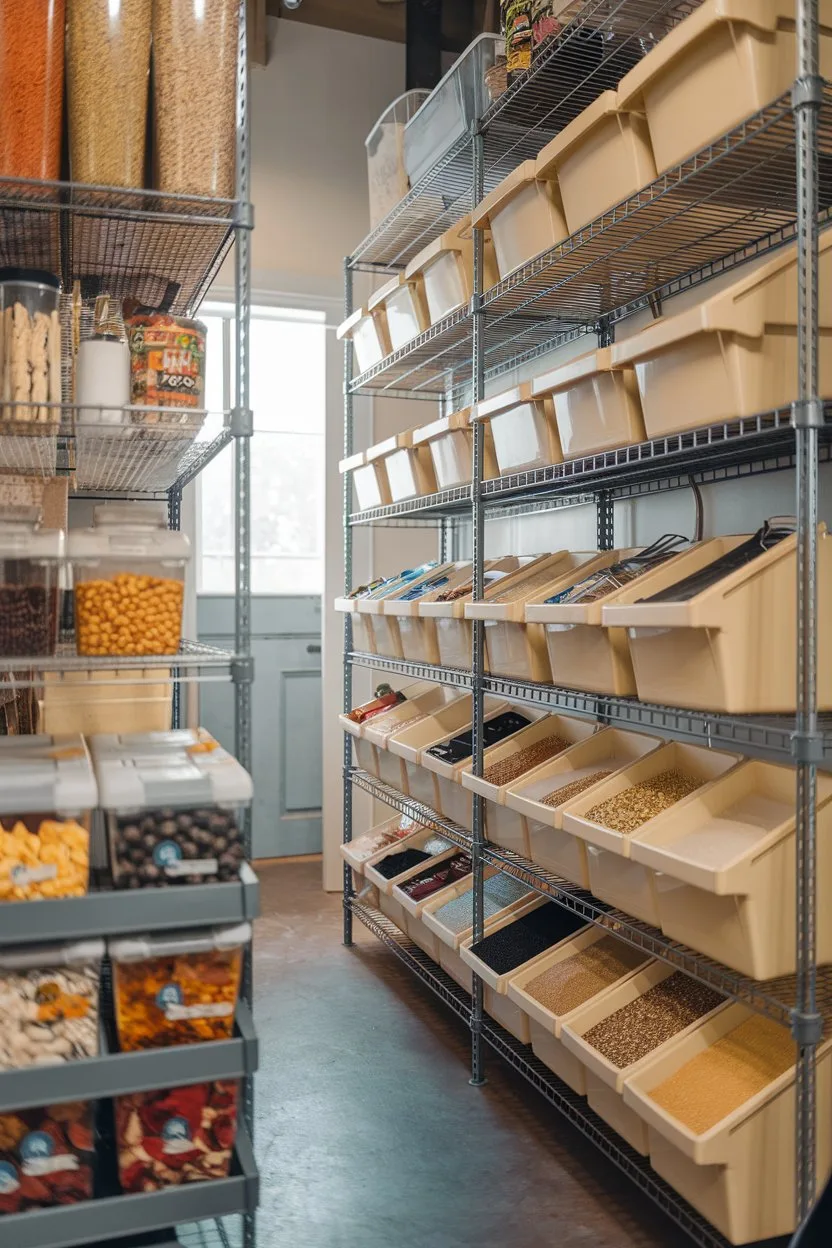
But here’s the thing about canned and jarred goods: storage. They take up a lot of space, and if you’re not careful, they can become a logistical nightmare. So, before you go all-in on bulk buying, make sure you have a plan for where you’re going to store everything. Shelving units, pallet racks, and even climate-controlled storage can make a big difference. And if you’re working with a supplier like Chef’s Deal, they can help you design a storage system that works for your space and your needs.
Oils and Vinegars: The Flavor Foundations
If there’s one thing I’ve learned from talking to chefs over the years, it’s that oils and vinegars are the unsung heroes of the kitchen. They’re the foundation of so many dishes, and they can make or break a meal. But here’s the thing: not all oils and vinegars are created equal. Some are better for cooking, some are better for finishing, and some are just plain better quality. So, how do you choose?
Let’s start with olive oil. It’s one of the most versatile oils out there, and it’s used in everything from dressings to sautéing to finishing dishes. But here’s the catch: extra virgin olive oil is expensive. Like, really expensive. So, if you’re using it for cooking, you might want to opt for a cheaper, more refined olive oil. Save the good stuff for finishing dishes, where the flavor really shines. And if you’re buying in bulk, make sure you’re storing it properly. Olive oil doesn’t like light or heat, so keep it in a cool, dark place.
Then there’s canola oil. It’s cheap, it has a high smoke point, and it’s great for frying and sautéing. If you’re running a diner or a fast-casual spot, this is probably your go-to oil. It’s not as flavorful as olive oil, but it’s a workhorse in the kitchen. And because it’s so affordable, buying it in bulk is a no-brainer.
And let’s not forget about vinegars. Apple cider vinegar, balsamic vinegar, red wine vinegar, these are the ingredients that add brightness and acidity to your dishes. They’re essential for dressings, marinades, and sauces, and they can really elevate a meal. But again, quality matters. A good balsamic vinegar can cost a pretty penny, but it’s worth it if you’re using it in a dish where the flavor really shines. For everything else, a cheaper vinegar will do the trick.
So, how do you store all of this? Oils and vinegars need to be kept in a cool, dark place, away from heat and light. If you’re buying in bulk, you might want to invest in some stainless steel storage containers or food-grade plastic drums. And if you’re working with a supplier like Chef’s Deal, they can help you find the right storage solutions for your kitchen.
Spices and Seasonings: The Secret to Flavor
Alright, let’s talk about spices and seasonings. These are the ingredients that take a dish from good to great, and they’re an absolute must-have in any restaurant kitchen. But here’s the thing: spices can be expensive, and they don’t last forever. So, how do you strike the right balance between quality, quantity, and cost?
First things first: buy whole spices whenever possible. They last longer, they’re more flavorful, and they’re usually cheaper in the long run. Plus, grinding them yourself gives you more control over the flavor and texture of your dishes. I remember talking to a chef in New Orleans who ran a Cajun restaurant, and he told me that whole spices were the secret to his success. He’d buy them in bulk, toast them, and grind them as needed. It was a game-changer for his kitchen.
But let’s be real: not every restaurant has the time or the equipment to grind their own spices. If that’s the case, you can still buy pre-ground spices in bulk, but you need to be careful. Spices lose their flavor over time, so you don’t want to buy more than you can use in a few months. And make sure you’re storing them properly, keep them in airtight containers, away from light and heat.
So, which spices should you buy in bulk? It depends on your menu, but here are a few staples that most restaurants can’t live without:
- Salt: This is a no-brainer. You use it in everything, so buying it in bulk is a must. Just make sure you’re using the right kind of salt for the job. Kosher salt is great for cooking, while sea salt is better for finishing dishes.
- Black pepper: Another essential. Whole peppercorns are the way to go if you can grind them yourself, but pre-ground pepper works too.
- Garlic powder: This is a lifesaver in a busy kitchen. It’s not as good as fresh garlic, but it’s a great shortcut when you’re in a pinch.
- Paprika: Whether you’re using it for color, flavor, or both, paprika is a must-have. Just make sure you’re buying the right kind, sweet, smoked, or hot.
- Cumin: This is a staple in Mexican, Indian, and Middle Eastern cuisines. It’s used in everything from tacos to curries, and it’s another spice that’s worth buying in bulk.
And let’s not forget about herbs. Dried herbs like oregano, thyme, and rosemary are essential for so many dishes, and they’re another ingredient that’s worth buying in bulk. Just make sure you’re storing them properly, keep them in airtight containers, away from light and heat.
But here’s the thing about spices: they’re not one-size-fits-all. What works for one restaurant might not work for another. So, before you go all-in on bulk buying, make sure you’re thinking about your menu and your customers. What flavors do they love? What spices do you use the most? Those are the ones you should be buying in bulk.
How to Source Your Bulk Pantry Staples Like a Pro
Finding the Right Suppliers: It’s Not Just About Price
Alright, so you know what you need to buy in bulk. Now, where do you actually buy it? This is where things can get a little tricky. There are a million different suppliers out there, and they all claim to have the best prices, the best quality, and the best service. But how do you separate the wheat from the chaff? (Pun intended.)
First things first: price isn’t everything. Yeah, you want to save money, but you also want to make sure you’re getting a good product. I’ve seen too many restaurants get burned by cheap ingredients that just don’t deliver on flavor. So, how do you find a supplier that offers both quality and value? It starts with doing your research. Talk to other chefs, read reviews, and don’t be afraid to ask for samples. If a supplier isn’t willing to let you try before you buy, that’s a red flag.
Another thing to consider is reliability. You need a supplier who’s going to deliver on time, every time. There’s nothing worse than running out of a key ingredient because your supplier flaked on you. So, make sure you’re working with someone who has a track record of reliability. And if you’re not sure, start with a small order and see how it goes. If they deliver on time and the product is good, then you can start thinking about bigger orders.
And let’s not forget about customer service. If something goes wrong, say, a shipment is late or the product is damaged, you need a supplier who’s going to make it right. So, pay attention to how they handle issues. Do they respond quickly? Are they willing to work with you to find a solution? If not, it might be time to look elsewhere.
Now, I mentioned Chef’s Deal earlier, and for good reason. They’re a great example of a supplier that offers more than just products. They provide free kitchen design services, which can be a game-changer if you’re trying to figure out how to store all those bulk ingredients. Plus, they offer professional installation services and expert consultation, so you’re not just buying products, you’re getting a partner who can help you optimize your kitchen for efficiency and cost savings. And let’s be real, in a busy restaurant, that kind of support is invaluable.
Negotiating with Suppliers: Tips and Tricks
Alright, so you’ve found a supplier you like. Now what? It’s time to negotiate. And no, this isn’t just about getting the lowest price. It’s about building a relationship that works for both of you. Here are a few tips to help you get the best deal:
- Be upfront about your needs: The more a supplier knows about what you’re looking for, the better they can tailor their offerings to your needs. So, don’t be afraid to share your menu, your volume, and your budget. The more they know, the more they can help.
- Ask about volume discounts: Most suppliers offer discounts for larger orders, so don’t be afraid to ask. Even if they don’t advertise it, they might be willing to work with you if you’re buying in bulk.
- Negotiate payment terms: If cash flow is an issue, ask about payment plans or extended payment terms. Some suppliers might be willing to work with you if you’re a reliable customer.
- Build a relationship: This is the most important tip of all. The better your relationship with your supplier, the more they’re going to want to work with you. So, be friendly, be professional, and be reliable. If you’re a good customer, they’re going to want to keep you happy.
And here’s something I’ve learned from experience: don’t be afraid to walk away. If a supplier isn’t willing to work with you, there are plenty of others out there. So, don’t settle for a bad deal just because you’re afraid of losing a supplier. There’s always another option.
But let’s be real: negotiating isn’t always easy. It can be intimidating, especially if you’re new to the game. So, if you’re not comfortable negotiating on your own, don’t be afraid to bring in a pro. A consultant or a broker can help you get the best deal, and they might even be able to save you more money than they cost.
The Role of Local vs. National Suppliers
One question I get a lot is whether it’s better to work with local suppliers or national suppliers. And the answer, as with most things in life, is: it depends. Both have their pros and cons, and the right choice for you depends on your needs, your budget, and your menu.
Let’s start with local suppliers. The big advantage here is that you’re supporting local businesses, and you might be able to get fresher ingredients. Plus, local suppliers are often more flexible and more willing to work with you on things like delivery schedules and payment terms. But the downside is that they might not have the same volume or variety as a national supplier. So, if you’re looking for something specific, you might have to look elsewhere.
Then there are national suppliers. These are the big players, and they usually have a wider variety of products and better prices. But the downside is that they might not be as flexible or as responsive as a local supplier. Plus, you might not get the same level of personal service. So, it’s a trade-off.
So, which one should you choose? It depends on what you’re looking for. If you need a wide variety of products at the best possible price, a national supplier might be the way to go. But if you’re looking for freshness, flexibility, and a more personal touch, a local supplier might be a better fit.
And here’s something to consider: you don’t have to choose just one. A lot of restaurants work with both local and national suppliers, depending on their needs. For example, you might buy your produce from a local farm but get your dry goods from a national supplier. It’s all about finding the right mix for your kitchen.
But here’s the thing: no matter who you work with, make sure you’re building a relationship. The better your relationship with your suppliers, the better they’re going to treat you. And in a business where every penny counts, that can make a big difference.
Storing Your Bulk Pantry Staples: Best Practices
Space-Saving Storage Solutions for Small Kitchens
Alright, so you’ve bought all these bulk ingredients. Now, where do you put them? If you’re working with a small kitchen, this can be a real challenge. But don’t worry, there are plenty of space-saving storage solutions out there that can help you make the most of your space.
First things first: shelving. If you don’t have enough shelving, you’re going to run into problems. But not all shelving is created equal. You need something that’s sturdy, easy to clean, and designed to hold heavy items. Stainless steel shelving is a great option, it’s durable, it’s easy to clean, and it can hold a lot of weight. And if you’re working with a supplier like Chef’s Deal, they can help you design a shelving system that works for your space and your needs.
Another option is pallet racks. These are great for storing large quantities of dry goods, and they can be customized to fit your space. Plus, they’re designed to hold heavy items, so you don’t have to worry about them collapsing under the weight of your bulk purchases. Just make sure you’re storing things properly, keep heavier items on the bottom and lighter items on top.
And let’s not forget about stackable containers. These are a game-changer if you’re working with a small kitchen. They allow you to stack ingredients vertically, which can save you a ton of space. Plus, they’re airtight, so they’ll keep your ingredients fresh for longer. Just make sure you’re labeling everything properly, there’s nothing worse than digging through a stack of containers trying to find the one you need.
But here’s the thing: storage isn’t just about space. It’s also about organization. If your pantry is a mess, you’re going to waste time and money trying to find what you need. So, take the time to organize your storage space properly. Group similar items together, label everything clearly, and make sure you’re rotating your stock so that older items get used first. It might seem like a pain, but it’s worth it in the long run.
Climate Control: Keeping Your Staples Fresh
Alright, so you’ve got your storage space set up. Now, how do you make sure your ingredients stay fresh? Climate control is key. Different ingredients have different storage requirements, and if you’re not careful, you can end up with a pantry full of spoiled goods.
Let’s start with dry goods. These are the easiest to store, they just need to be kept in a cool, dry place, away from light and heat. But even dry goods can go bad if they’re not stored properly. For example, flour can attract pests if it’s not kept in an airtight container. So, make sure you’re storing your dry goods in containers that are designed to keep them fresh.
Then there are oils and vinegars. These need to be kept in a cool, dark place, away from heat and light. If they’re exposed to too much heat or light, they can go rancid, and that’s not something you want in your kitchen. So, make sure you’re storing them properly. Stainless steel containers or food-grade plastic drums are a great option, they’re designed to keep oils and vinegars fresh for longer.
And let’s not forget about spices. These are the most sensitive of all. They need to be kept in airtight containers, away from light and heat. If they’re exposed to too much of either, they’ll lose their flavor, and that’s a waste of money. So, make sure you’re storing your spices properly. Glass jars with tight-fitting lids are a great option, they’ll keep your spices fresh and flavorful for longer.
But here’s the thing: climate control isn’t just about temperature. It’s also about humidity. Too much humidity can cause mold and spoilage, while too little can dry out your ingredients. So, if you’re storing a lot of bulk ingredients, you might want to invest in a dehumidifier or a humidity control system. It’s an extra expense, but it’s worth it if it keeps your ingredients fresh.
And if you’re not sure how to set up your storage space, don’t be afraid to ask for help. A supplier like Chef’s Deal can provide expert consultation and help you design a storage system that works for your kitchen. They’ve been in the business for years, and they know what works and what doesn’t. So, take advantage of their expertise, it can save you a ton of time and money in the long run.
FIFO: The Golden Rule of Pantry Management
Alright, let’s talk about FIFO. No, it’s not a new type of pasta, it stands for First In, First Out. And if you’re not already using this system in your kitchen, you’re doing it wrong. FIFO is the golden rule of pantry management, and it’s the key to keeping your ingredients fresh and your food costs down.
Here’s how it works: when you get a new shipment of ingredients, you store them behind the older ones. That way, the older ingredients get used first, and you don’t end up with a pantry full of expired goods. It’s simple, it’s effective, and it’s something every restaurant should be doing.
But here’s the thing: FIFO isn’t just about storage. It’s also about organization. If your pantry is a mess, it’s going to be hard to keep track of what’s old and what’s new. So, take the time to organize your storage space properly. Group similar items together, label everything clearly, and make sure you’re rotating your stock regularly.
And let’s not forget about inventory management. If you’re not keeping track of what you have, it’s going to be hard to know when you need to reorder. So, make sure you’re doing regular inventory checks. It might seem like a pain, but it’s worth it in the long run. Plus, it can help you spot trends, like which ingredients you’re using the most, and adjust your orders accordingly.
But here’s the thing: FIFO isn’t just for dry goods. It applies to everything in your kitchen, from produce to dairy to meat. So, make sure you’re using it across the board. It’s the best way to ensure that your ingredients stay fresh and your food costs stay down.
And if you’re not sure how to implement FIFO in your kitchen, don’t be afraid to ask for help. A supplier like Chef’s Deal can provide training and education to help you and your staff get up to speed. They’ve been in the business for years, and they know what works and what doesn’t. So, take advantage of their expertise, it can make a big difference in your kitchen.
Putting It All Together: A Sample Bulk Pantry Plan
Case Study: A Small Italian Restaurant’s Bulk Pantry
Alright, let’s put all of this into practice. I want to walk you through a sample bulk pantry plan for a small Italian restaurant. This is based on a real restaurant I worked with in Nashville, and it’s a great example of how to balance cost, quality, and storage.
First things first: dry goods. For an Italian restaurant, this is where you’re going to spend the most money. We’re talking pasta, rice, flour, and polenta. These are the staples that form the foundation of your menu, and they’re all worth buying in bulk. For example, the restaurant I worked with bought 50-pound bags of flour and 25-pound bags of pasta. They stored them in airtight containers, and they used FIFO to make sure the older stuff got used first.
Next up: canned and jarred goods. This is where you’re going to find a lot of your flavor. We’re talking canned tomatoes, olives, artichokes, and roasted red peppers. These ingredients are used in everything from sauces to salads to main dishes, and they’re all worth buying in bulk. The restaurant I worked with bought cases of canned tomatoes and stored them in a cool, dark place. They also bought large jars of olives and artichokes and kept them in the fridge once they were opened.
Then there are oils and vinegars. For an Italian restaurant, olive oil is a must. But here’s the thing: not all olive oil is created equal. The restaurant I worked with bought a mid-range olive oil for cooking and a high-quality extra virgin olive oil for finishing dishes. They stored both in stainless steel containers, away from light and heat. They also bought balsamic vinegar and red wine vinegar in bulk and kept them in a cool, dark place.
And let’s not forget about spices and seasonings. For an Italian restaurant, this means oregano, basil, rosemary, thyme, and garlic powder. The restaurant I worked with bought whole spices whenever possible and ground them as needed. They stored them in airtight containers, away from light and heat, and they used FIFO to make sure the older stuff got used first.
But here’s the thing: this isn’t a one-size-fits-all plan. Every restaurant is different, and your bulk pantry should reflect your menu, your customers, and your budget. So, take the time to think about what you actually need. What are the core ingredients that show up in multiple dishes? What do you use every single day? Those are the things you should be buying in bulk.
Adapting the Plan for Different Cuisines
Alright, so we’ve covered an Italian restaurant. But what if you’re running a Mexican restaurant, a BBQ joint, or a sushi bar? The principles are the same, but the ingredients are going to be different. So, let’s talk about how to adapt this plan for different cuisines.
First up: Mexican restaurant. For this, you’re going to want to focus on beans, rice, cornmeal, and spices. We’re talking cumin, chili powder, paprika, and oregano. You’re also going to want to stock up on canned tomatoes, chipotles in adobo, and tomato paste. And don’t forget about oils-you’ll need a good vegetable oil for frying and a high-quality olive oil for finishing dishes.
Next: BBQ joint. For this, you’re going to want to focus on dry rubs, sauces, and vinegars. We’re talking brown sugar, paprika, garlic powder, and onion powder. You’re also going to want to stock up on apple cider vinegar, molasses, and ketchup. And don’t forget about wood chips-if you’re smoking your own meats, you’re going to need a steady supply.
And then there’s sushi bar. For this, you’re going to want to focus on rice, seaweed, and fish. We’re talking sushi rice, nori sheets, and wasabi. You’re also going to want to stock up on soy sauce, pickled ginger, and sesame seeds. And don’t forget about fish-if you’re serving fresh sushi, you’re going to need a reliable supplier who can deliver high-quality fish on a regular basis.
But here’s the thing: no matter what cuisine you’re running, the principles are the same. Focus on the ingredients that form the foundation of your menu, buy them in bulk, and store them properly. It’s all about finding that sweet spot where cost savings, storage capacity, and menu needs all align.
And if you’re not sure where to start, don’t be afraid to ask for help. A supplier like Chef’s Deal can provide expert consultation and help you design a bulk pantry plan that works for your kitchen. They’ve been in the business for years, and they know what works and what doesn’t. So, take advantage of their expertise, it can make a big difference in your bottom line.
Final Thoughts: Is Bulk Buying Right for Your Restaurant?
Alright, let’s wrap this up. We’ve covered a lot of ground, from the philosophy behind bulk buying to the essential staples to the best storage practices. But the big question remains: is bulk buying right for your restaurant?
Here’s the thing: bulk buying isn’t for everyone. If you’re a small restaurant with limited storage space, it might not make sense. If you’re a startup with limited cash flow, it might not be feasible. And if your menu changes frequently, it might not be practical. So, how do you know if it’s right for you?
It starts with asking the right questions. Do you have the storage space to handle bulk purchases? Do you have the cash flow to cover the upfront costs? Do you have a menu that’s built around versatile, long-lasting ingredients? If the answer to all of these questions is yes, then bulk buying is probably a good fit for you. But if the answer is no, you might want to start smaller and build from there.
And let’s not forget about quality. Bulk buying isn’t just about saving money, it’s about delivering a great product to your customers. So, make sure you’re not cutting corners on quality just to save a few bucks. Your customers will notice, and they won’t be happy. So, take the time to find the right suppliers, the right ingredients, and the right storage solutions. It’s worth it in the long run.
But here’s the thing: bulk buying is a journey, not a destination. It’s not something you do once and forget about. It’s something you have to constantly monitor, adjust, and optimize. So, don’t be afraid to experiment. Try different suppliers, different ingredients, and different storage solutions. See what works and what doesn’t. And don’t be afraid to ask for help. A supplier like Chef’s Deal can provide expert consultation and help you navigate the world of bulk buying. They’ve been in the business for years, and they know what works and what doesn’t. So, take advantage of their expertise, it can make a big difference in your kitchen.
So, what’s next? Maybe it’s time to take a hard look at your pantry and see where you can make some changes. Maybe it’s time to reach out to a supplier and start exploring your options. Or maybe it’s time to sit down with your team and brainstorm some new ideas. Whatever it is, don’t be afraid to take the first step. Because when it comes to bulk buying, the biggest mistake you can make is not trying at all.
FAQ
Q: How do I know if I’m buying the right amount in bulk?
A: It all comes down to your menu and your storage capacity. Start by tracking your usage for a few weeks, how much of each ingredient are you actually using? Then, think about how much storage space you have. If you’re running out of space, you might need to scale back. And if you’re not sure, start with a few key staples and build from there. It’s better to start small and adjust as you go than to overcommit and end up with a pantry full of expired goods.
Q: What’s the best way to store bulk spices to keep them fresh?
A: Spices are sensitive to light, heat, and humidity, so you need to store them properly. Keep them in airtight containers, away from light and heat. Glass jars with tight-fitting lids are a great option, they’ll keep your spices fresh and flavorful for longer. And don’t forget to label everything clearly. There’s nothing worse than digging through a stack of containers trying to find the one you need.
Q: How do I find a reliable bulk supplier?
A: It starts with doing your research. Talk to other chefs, read reviews, and don’t be afraid to ask for samples. If a supplier isn’t willing to let you try before you buy, that’s a red flag. And pay attention to how they handle issues. Do they respond quickly? Are they willing to work with you to find a solution? If not, it might be time to look elsewhere. A supplier like Chef’s Deal can provide expert consultation and help you find the right products for your kitchen.
Q: What are some common mistakes to avoid when buying in bulk?
A: The biggest mistake is buying more than you can use. It’s easy to get seduced by bulk discounts, but if you end up throwing half of it away, you’re not saving any money. Another common mistake is not storing ingredients properly. Dry goods need to be kept in a cool, dry place, while oils and vinegars need to be kept away from light and heat. And don’t forget about FIFO, First In, First Out. It’s the golden rule of pantry management, and it’s the best way to ensure that your ingredients stay fresh and your food costs stay down.
@article{the-ultimate-guide-to-cost-effective-bulk-pantry-staples-for-restaurants-in-2026,
    title   = {The Ultimate Guide to Cost-Effective Bulk Pantry Staples for Restaurants in 2026},
    author  = {Chef's icon},
    year    = {2026},
    journal = {Chef's Icon},
    url     = {https://chefsicon.com/cost-effective-bulk-pantry-staples-for-restaurants/}
}