The Best Fluffy Pancakes recipe you will fall in love with. Full of tips and tricks to help you make the best pancakes.
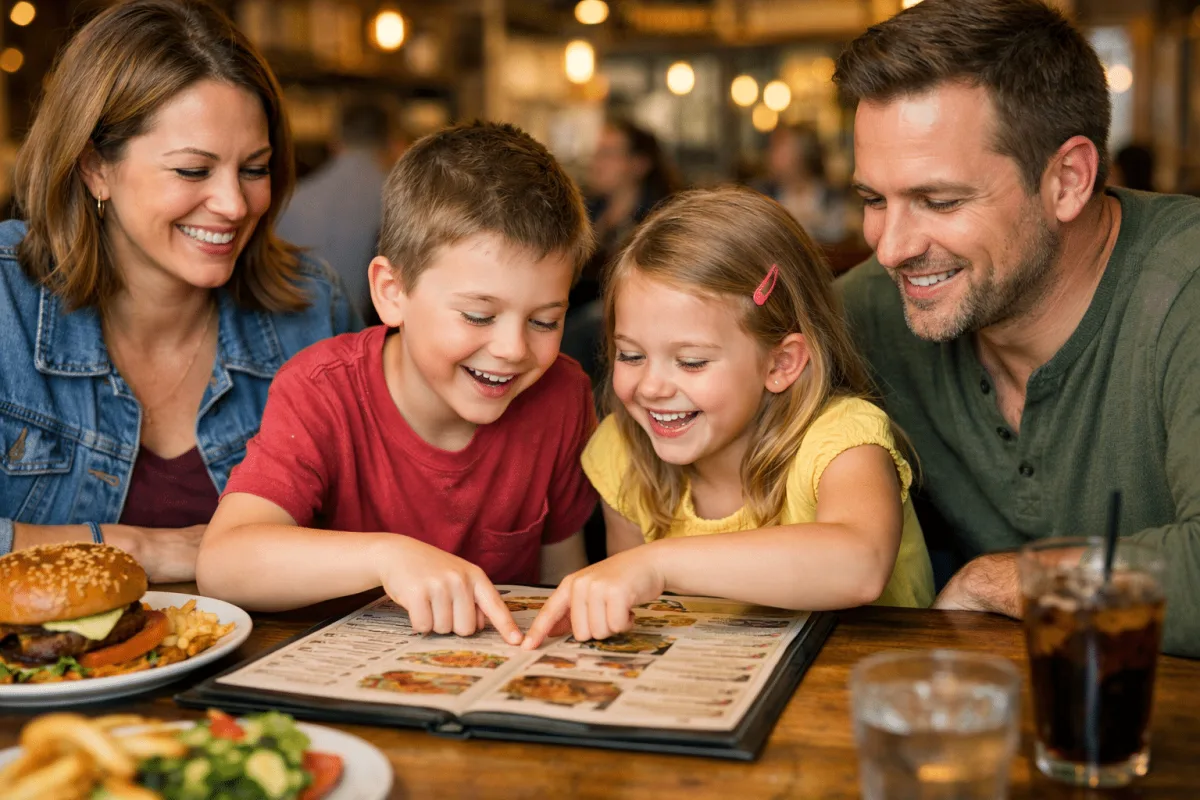
Why Your Family-Friendly Restaurant Menu Might Be Failing (And How to Fix It)
I’ll never forget the first time I took my niece to a “family-friendly” restaurant that shall remain unnamed. The menu was a disaster, overwhelming for her, uninspiring for me, and priced like it was trying to fund a small country’s GDP. She ended up ordering plain buttered noodles (which, let’s be honest, is just carbs with a side of regret), while I settled for a salad that cost $18 and tasted like it was harvested from a highway median. The kicker? Neither of us wanted to go back. And that, my friends, is the exact opposite of what a family-friendly restaurant should achieve.
Here’s the thing: menu engineering for family-friendly restaurants</’t just about slapping a kids’ section in the corner and calling it a day. It’s about understanding the psychology of both parents and children, balancing nutritional value with fun, and creating an experience that makes families want to return, without breaking the bank or driving your kitchen staff insane. If you’re running a family-friendly spot and your menu feels more like an afterthought than a strategic tool, you’re leaving money (and happy customers) on the table.
In this deep dive, I’m going to walk you through the art and science of menu engineering for family-friendly restaurants. We’ll cover everything from the psychology of picky eaters to the logistics of kitchen efficiency, with a few detours into my own misadventures in dining with kids. By the end, you’ll have a roadmap to design a menu that keeps parents sane, kids excited, and your bottom line healthier than a kale smoothie. Let’s get into it.
The Psychology of Family Dining: What Parents and Kids Really Want
Why Parents Are the Real Decision-Makers (Even If They Pretend Not To Be)
Let’s start with a hard truth: parents are the gatekeepers of family dining. They’re the ones holding the credit card, scanning the menu for hidden fees, and silently judging whether the mac and cheese is made with real cheese or that powdered stuff that haunts their nightmares. But here’s the catch, while parents are making the final call, they’re heavily influenced by their kids’ reactions. If little Timmy is screaming for chicken nuggets and Susie is eyeing the rainbow-colored pasta, parents will often cave, even if they’d rather order the grilled salmon.
So, how do you appeal to both parties? First, acknowledge that parents have three core needs when dining out with kids:
- Speed: Parents are on the clock. They want food that arrives quickly, preferably before their child turns into a hangry gremlin.
- Value: They’re not just paying for the food, they’re paying for the experience. If they feel like they’re getting ripped off, they won’t come back.
- Nutrition: Even if they’re not ordering the salad, parents want to feel like their kids are eating something vaguely healthy. Call it the “mom guilt tax.”
Kids, on the other hand, are driven by two things: fun and familiarity. They want food that looks exciting (bonus points if it’s shaped like a dinosaur or comes with a toy), and they want it to taste like something they’ve had before. That’s why chicken nuggets are the universal language of childhood, because they’re predictable, and predictability is comfort.
Is this the best approach? Maybe not. But it’s the reality. So, how do you design a menu that speaks to both audiences without making it feel like a schizophrenic split-personality disorder? Let’s consider the idea of “stealth health”-hiding nutritious elements in kid-friendly dishes. Think whole-grain pasta shaped like dinosaurs or veggie-packed meatballs that look like regular meatballs. Parents feel good, kids don’t revolt, and everyone wins.
The Picky Eater Paradox: Why Kids Reject Food (And How to Outsmart Them)
If you’ve ever watched a toddler inspect a plate of food like it’s a crime scene, you know the struggle. Kids reject food for reasons that make zero sense to adults. Maybe the peas are touching the mashed potatoes. Maybe the toast is cut into squares instead of triangles. Maybe the color green is suddenly the enemy. It’s maddening, but it’s also an opportunity for menu engineering.
Here’s the thing: picky eating is often about control. Kids have very little control over their lives, so they exert it where they can, like refusing to eat the broccoli that’s “too green.” One way to counteract this is to give them choices. Not overwhelming choices (because that’s a recipe for decision paralysis), but strategic options. For example, instead of asking, “Do you want the chicken tenders or the grilled cheese?” ask, “Do you want the chicken tenders with fries or apple slices?” The main dish is the same, but the side gives them a sense of agency.
Another trick? Presentation matters more than taste. I know, it’s shallow. But kids eat with their eyes first. A plate of food that looks like a smiley face or a race car will get devoured faster than the same food plopped unceremoniously on a plate. This is where creative plating comes into play. Think about how you can make even simple dishes look fun. A side of fruit can become a “rainbow skewer,” and a burger can be cut into fun shapes with cookie cutters. It’s not about gimmicks, it’s about making the food feel like an adventure.
I’m torn between thinking this is genius and feeling like we’re pandering to the lowest common denominator. But at the end of the day, if it gets kids to eat their veggies (or at least not scream for an hour), is it really that bad? Maybe I should clarify: the goal isn’t to trick kids into eating healthy food. It’s to make healthy food so appealing that they don’t realize it’s good for them. There’s a difference.
The Anatomy of a Family-Friendly Menu: Structure and Strategy
Section 1: The Kids’ Menu, More Than Just an Afterthought
Let’s talk about the kids’ menu. In too many restaurants, it’s an afterthought, a tiny section tucked away in the corner, with three options that all involve some form of fried chicken or pasta. But here’s the thing: the kids’ menu is your secret weapon. It’s where you can experiment with portion sizes, pricing, and even introduce new flavors in a low-stakes way. Done right, it can be the most profitable part of your menu.
First, let’s talk about portion sizes. Kids don’t need adult-sized portions, but they also don’t want a sad little pile of food that makes them feel like they’re being punished. The key is to offer “just right” portions-enough to fill them up without overwhelming them. For younger kids, a half portion of an adult dish often works. For older kids, a three-quarter portion might be better. And don’t forget about shareable sides. A family-style appetizer like mozzarella sticks or garlic bread can keep kids occupied while parents wait for their entrees.
Next, pricing strategy. Parents are price-sensitive, but they’re also willing to pay a premium for convenience and quality. The sweet spot is to offer value-driven pricing-not necessarily the cheapest option, but one that feels fair. For example, a kids’ meal that includes an entree, a side, and a drink for $8-$12 is reasonable. But if you can throw in a small dessert or a fun activity (like a coloring sheet), suddenly it feels like a steal.
Now, let’s talk about variety. The kids’ menu shouldn’t just be a watered-down version of the adult menu. It should have its own identity. Think about offering a mix of classic comfort foods (like mac and cheese or chicken tenders) and adventurous options (like teriyaki chicken skewers or mini tacos). The goal is to strike a balance between familiarity and novelty. Too familiar, and it’s boring. Too novel, and kids will reject it.
I’m not sure if this is the right approach. Maybe I should be advocating for a kids’ menu that’s entirely plant-based or something. But then again, if the kids won’t eat it, what’s the point? Maybe the answer is to offer a mix, some classic options for the picky eaters and some healthier options for the parents who want them. It’s a tightrope, but it’s one worth walking.
Section 2: The Adult Menu, Why Parents Deserve Better Too
Here’s a controversial take: the adult menu at family-friendly restaurants is often an afterthought. Think about it. When you walk into a family-friendly spot, the adult menu is usually just a scaled-up version of the kids’ menu, bigger portions, higher prices, and maybe a salad or two thrown in for good measure. But parents deserve better. They’re the ones paying the bill, after all.
So, how do you design an adult menu that stands out? First, focus on quality over quantity. Parents don’t want 20 mediocre options. They want a few standout dishes that they can’t get at home. Think about offering shareable plates that the whole family can enjoy, like loaded nachos or a charcuterie board. Or, consider build-your-own options, like a burger bar or a taco station, where parents can customize their meal while kids pick from a simpler menu.
Another key element? Health-conscious options. Parents are increasingly looking for meals that are nutritious but still satisfying. This doesn’t mean you have to go full “kale everything,” but offering a few lighter options (like grilled fish or a grain bowl) can make a big difference. And don’t forget about dietary restrictions. Gluten-free, dairy-free, and vegan options aren’t just for “health nuts”-they’re for parents who want to enjoy a meal without worrying about allergies or digestive issues.
Finally, don’t forget about the drinks. Parents are often looking for something to take the edge off after a long day of wrangling kids. A well-curated cocktail menu (or even a selection of craft beers and wines) can turn a family dinner into a date night. And if you’re feeling really ambitious, consider offering mocktails for parents who want something fancy but aren’t drinking.
Is this the best way to approach the adult menu? I’m not sure. Maybe I’m overcomplicating it. But I do know this: if parents don’t enjoy their meal, they’re not coming back. And if they’re not coming back, neither are their kids.
Kitchen Logistics: How to Make Your Menu Work Behind the Scenes
Streamlining Operations Without Sacrificing Quality
Let’s talk about the elephant in the room: kitchen efficiency. A well-designed menu is useless if your kitchen can’t execute it. And when you’re dealing with family-friendly dining, where speed and consistency are key, this becomes even more critical. The last thing you want is a kitchen that’s backed up because little Timmy ordered the chicken tenders, Susie got the mac and cheese, and their parents both ordered the salmon, all at the same time.
So, how do you design a menu that’s kitchen-friendly? First, limit the number of ingredients. The more ingredients you have, the more complicated your prep work becomes. Look for ways to cross-utilize ingredients across multiple dishes. For example, if you’re using chicken in the kids’ tenders, can you also use it in a salad or a wrap for the adult menu? If you’re making a marinara sauce for the kids’ pasta, can you also use it for a pizza or a meatball sub?
Another key strategy? Batch cooking. Family-friendly restaurants often deal with rushes, lunch, dinner, weekend brunch, and batch cooking can help you stay ahead of the game. Think about dishes that can be prepped in advance, like soups, sauces, or even some proteins. This not only speeds up service but also reduces waste, since you’re only cooking what you need.
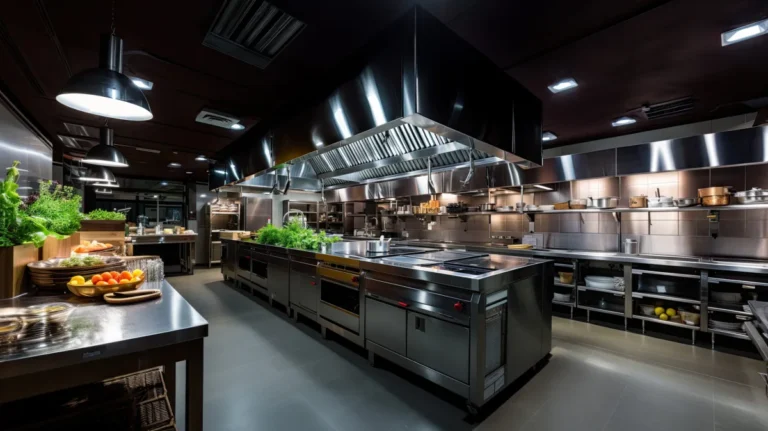
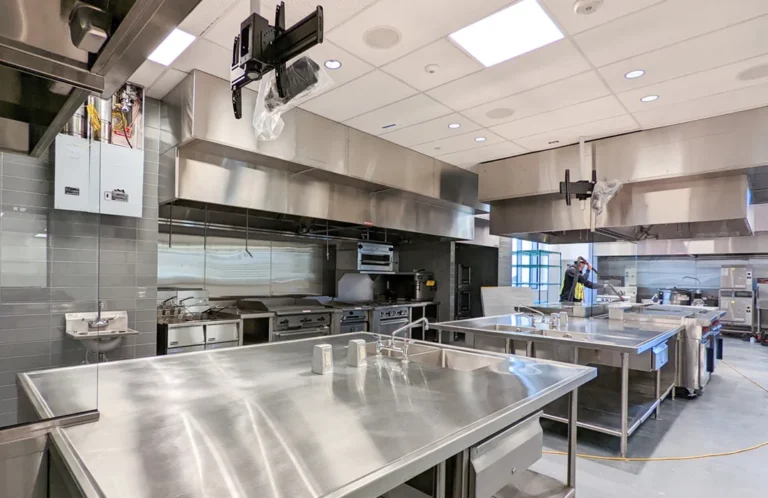
And let’s not forget about equipment. If you’re running a family-friendly restaurant, you need a kitchen that can handle high volume without breaking a sweat. This is where suppliers like Chef’s Deal come in handy. They offer comprehensive kitchen design and equipment solutions, from high-capacity fryers for those chicken tenders to efficient refrigeration systems for batch-prepped ingredients. Plus, their free kitchen design services can help you optimize your space for maximum efficiency. Because let’s be honest, if your kitchen is a mess, your menu will suffer.
I’m torn between thinking this is all common sense and feeling like it’s easier said than done. Maybe I should clarify: the goal isn’t to turn your kitchen into a well-oiled machine overnight. It’s to make small, strategic changes that add up over time. Start with one or two dishes, streamline your prep work, and go from there.
The Role of Technology in Menu Engineering
We live in the future, folks. And by the future, I mean a world where technology can make or break your menu. From digital ordering systems to inventory management software, the right tech can help you streamline operations, reduce waste, and even gather data on what’s selling (and what’s not).
First, let’s talk about digital menus. More and more restaurants are moving away from paper menus and toward digital options, like tablets or QR codes. This isn’t just a trend, it’s a game-changer. Digital menus allow you to update prices, descriptions, and even images in real-time, which is perfect for family-friendly restaurants where kids’ menus might change frequently. Plus, you can use them to upsell-think “Would you like to add a side of fries for $1.99?”-without being pushy.
Another tech tool to consider? Inventory management software. This might sound boring, but trust me, it’s a lifesaver. Inventory software can help you track what’s selling, what’s not, and what’s going to waste. This data is gold when it comes to menu engineering. For example, if you notice that the grilled cheese is flying off the kids’ menu but the veggie burger is sitting untouched, you can adjust your offerings accordingly. And if you’re using a supplier like Chef’s Deal, their expert consultation and support can help you align your inventory with your menu goals.
Finally, don’t overlook the power of customer feedback tools. Whether it’s a simple comment card or a more sophisticated app, gathering feedback from parents and kids can help you fine-tune your menu. Pay attention to what’s working and what’s not, and don’t be afraid to make changes. Because at the end of the day, your menu is only as good as your customers think it is.
Is this the best way to integrate technology into your menu? Maybe, maybe not. But one thing’s for sure: if you’re not using tech to your advantage, you’re leaving money on the table.
Pricing Strategies: How to Make Parents Feel Like They’re Getting a Deal (Without Losing Money)
The Psychology of Pricing: Why $9.99 Feels Better Than $10
Let’s talk about money. Specifically, how to price your menu so parents feel like they’re getting a great deal, even if they’re not. Because let’s be honest, no one wants to feel like they’re getting ripped off, especially when they’re already paying for a babysitter and a tank of gas to get to your restaurant.
First, let’s talk about charm pricing. You know, the $9.99 instead of $10 trick. It’s not just a gimmick, it’s psychology. Studies show that prices ending in .99 or .95 are perceived as significantly lower than they actually are. So, if you’re pricing a kids’ meal at $9.99 instead of $10, parents are more likely to perceive it as a better deal, even though the difference is just a penny. It’s silly, but it works.
Another pricing strategy? Bundling. Parents love bundles because they feel like they’re getting more for their money. Think about offering a “Family Meal Deal” that includes two adult entrees, two kids’ meals, and a shared appetizer for one price. Not only does this simplify the ordering process, but it also encourages parents to spend more than they might have otherwise. And if you’re feeling really ambitious, you can even offer “Kids Eat Free” promotions on certain days of the week. Just make sure you’re not losing money on the deal, because no one wins if you’re giving away food for free.
Finally, let’s talk about premium pricing. This might sound counterintuitive, but hear me out. Parents are often willing to pay a premium for convenience, quality, and experience. For example, if you offer a “Build-Your-Own Pizza” station where kids can customize their own pie, parents might be willing to pay a little extra for the experience. Or, if you offer organic or locally sourced ingredients, you can charge a premium for the peace of mind. The key is to make sure the value justifies the price.
I’m not sure if this is the right approach. Maybe I should be advocating for transparent pricing instead of psychological tricks. But then again, if it works, does it really matter? Maybe the answer is to strike a balance, use charm pricing and bundling where it makes sense, but don’t go overboard. Because at the end of the day, parents just want to feel like they’re getting a fair deal.
Upselling Without Being Pushy: The Art of the Subtle Nudge
Upselling is a dirty word in some circles. It conjures up images of sleazy salespeople trying to push overpriced add-ons. But when done right, upselling can be a win-win-parents get a better experience, and you make more money. The key is to make it feel atural and helpful, not pushy.
One of the easiest ways to upsell is through menu descriptions. Instead of just listing “Chicken Tenders,” try something like “Crispy Buttermilk Chicken Tenders with Your Choice of Honey Mustard or BBQ Sauce.” The mention of sauces subtly encourages parents to add them, and suddenly, a $6 dish becomes a $7.50 dish. Another trick? Offer “Premium Sides” for a small upcharge. For example, swap out the standard fries for sweet potato fries or truffle parmesan fries for an extra $1.50. Parents might not even notice the upcharge, but it adds up over time.
Another upselling strategy? Dessert. Parents are often too full to order dessert for themselves, but they might be tempted to get something for the kids. Offer a “Mini Dessert Sampler” that includes a few small treats (like a cookie, a brownie bite, and a scoop of ice cream) for a reasonable price. Not only does this increase your average check size, but it also makes the kids feel like they’re getting a special treat.
Finally, don’t overlook the power of suggestive selling. Train your staff to ask questions like, “Would you like to add a side salad to that?” or “Can I interest you in a dessert for the table?” The key is to make it feel like a atural part of the conversation, not a sales pitch. And if you’re using a digital menu, you can even program it to suggest add-ons at checkout. Just make sure it doesn’t feel spammy, because no one likes a pushy menu.
Is this the best way to upsell? I’m not sure. Maybe I should be focusing more on value than on tricks. But at the end of the day, if parents feel like they’re getting a great experience, they won’t mind spending a little extra. And if they don’t, well, at least you tried.
Designing for the Eyes: How to Make Your Menu Visually Appealing (Without Going Overboard)
The Power of Layout: Why Your Menu Shouldn’t Look Like a Novel
Let’s talk about menu design. Because let’s be honest, if your menu looks like it was designed in Microsoft Word by someone who just discovered Comic Sans, parents are going to judge you. And not in a good way.
The first rule of menu design? Less is more. Parents don’t want to read a novel when they’re trying to order. They want to scan the menu quickly, find what they want, and move on. So, keep it simple. Use clear headings (like “Kids’ Menu,” “Adult Entrees,” “Desserts”) to break up the sections, and use bullet points or icons to highlight key information (like dietary restrictions or kid-friendly options).
Another key element? Whitespace. Don’t cram everything onto one page. Use plenty of whitespace to make the menu easy to read. And if you’re using images, make sure they’re high-quality and relevant. A blurry photo of a burger isn’t going to make anyone hungry. But a well-lit, appetizing photo of your signature dish? That’s a different story.
Finally, let’s talk about typography. The font you use can make or break your menu. Stick to clean, easy-to-read fonts (like Arial or Helvetica), and avoid anything too fancy or cursive. And make sure the font size is large enough to read, because no one wants to squint at a menu while their kid is screaming for chicken nuggets.
I’m not sure if this is the best approach. Maybe I should be advocating for more creative designs. But then again, if the menu is too busy, parents won’t be able to find what they’re looking for. Maybe the answer is to strike a balance, keep the design clean and simple, but add a few fun elements (like icons or illustrations) to make it feel engaging.
Using Color and Imagery to Guide the Eye (And the Appetite)
Color isn’t just about aesthetics, it’s about psychology. The colors you use on your menu can influence what parents and kids order. For example, red and yellow are known to stimulate appetite, which is why you see them in so many fast-food logos. Green is associated with health and freshness, which is great for salads or veggie dishes. And blue is calming, which can be a good choice for family-friendly restaurants where parents are looking to relax.
But it’s not just about the colors, it’s about how you use them. For example, you can use color to highlight your best-selling dishes. If the mac and cheese is your most popular kids’ item, put it in a bold, eye-catching color (like red or orange) to draw attention to it. Or, if you’re trying to promote a healthier option, use green or blue to make it stand out.
Imagery is another powerful tool. A well-placed photo can make a dish look so appetizing that parents can’t resist ordering it. But be careful-too many photos can make your menu look cluttered and cheap. Stick to a few high-quality images of your signature dishes, and use them sparingly. And if you’re feeling really ambitious, consider using illustrations instead of photos. They can add a fun, whimsical touch to your menu without looking overly commercial.
Finally, don’t forget about icons and symbols. A small icon next to a dish can quickly communicate key information, like whether it’s gluten-free, vegan, or kid-approved. This not only makes the menu easier to scan but also helps parents find what they’re looking for faster. And the faster they can order, the happier they’ll be.
Is this the best way to use color and imagery? Maybe, maybe not. But one thing’s for sure: if your menu looks boring, parents aren’t going to be excited to order. And if they’re not excited, they’re not coming back.
Seasonal and Rotating Menus: How to Keep Families Coming Back
The Case for Seasonal Menus: Why Freshness Matters
Let’s talk about seasonal menus. Because let’s be honest, no one wants to eat the same thing every time they visit your restaurant. Families, in particular, are always looking for something new and exciting. And if you can offer seasonal specials that change throughout the year, you’ll give them a reason to come back again and again.
First, let’s talk about why seasonal menus work. For starters, they allow you to take advantage of fresh, in-season ingredients. This not only improves the quality of your dishes but also reduces your food costs, since in-season ingredients are often cheaper. Plus, seasonal menus give you a chance to experiment with new flavors and dishes without committing to them long-term. If a dish doesn’t sell, you can simply rotate it out next season.
Another benefit? Seasonal menus create a sense of urgency. If parents know that the pumpkin spice pancakes are only available in the fall, they’re more likely to order them while they can. This not only drives sales but also creates a sense of excitement and anticipation. And if you’re really clever, you can even tie your seasonal menu into holidays or events. Think “Valentine’s Day Specials” or “Back-to-School Meal Deals.”
But seasonal menus aren’t just for adults. Kids love them too! Think about offering seasonal kids’ specials, like a “Summer Berry Blast” smoothie or a “Halloween Monster Burger.” These dishes not only make the menu feel fresh and exciting but also give kids something to look forward to. And if you’re feeling really ambitious, you can even let kids vote on the next seasonal special. This not only engages them but also gives you valuable feedback on what they like (and what they don’t).
I’m not sure if this is the best approach. Maybe I should be advocating for a more stable menu. But then again, if families get bored, they’ll stop coming. Maybe the answer is to strike a balance, keep a few staple dishes year-round, but rotate in seasonal specials to keep things fresh.
Limited-Time Offers: How to Create Hype Without the Hassle
Limited-time offers (LTOs) are like the “FOMO” of the restaurant world. They create a sense of urgency and excitement, and if done right, they can drive a ton of sales. But here’s the catch: LTOs can also be a logistical nightmare. If you’re not careful, they can overwhelm your kitchen, confuse your staff, and leave customers disappointed if they sell out too quickly.
So, how do you create a successful LTO? First, keep it simple. Don’t try to reinvent the wheel with every LTO. Instead, look for ways to modify existing dishes to create something new. For example, if you already have a burger on the menu, offer a “BBQ Bacon Burger” as an LTO. This not only simplifies prep work but also makes it easier for your staff to execute.
Another key strategy? Promote the heck out of it. Use social media, email newsletters, and even in-store signage to create buzz around your LTO. And don’t forget to train your staff to talk it up. A simple “Have you tried our new [LTO]? It’s only available for a limited time!” can go a long way.
Finally, set clear expectations. If your LTO is only available for a week, make sure customers know that. And if there’s a chance it might sell out, let them know in advance. The last thing you want is for a family to drive across town for your famous “Pumpkin Spice Waffles,” only to find out they’re sold out.
Is this the best way to handle LTOs? I’m not sure. Maybe I should be focusing more on consistency than on hype. But at the end of the day, if an LTO drives sales and brings families back, it’s worth the effort. Just make sure you’re not biting off more than you can chew.
Conclusion: Putting It All Together (Without Losing Your Mind)
So, there you have it, a deep dive into menu engineering for family-friendly restaurants. We’ve covered a lot of ground, from the psychology of picky eaters to the logistics of kitchen efficiency. And if you’re feeling overwhelmed, I don’t blame you. Designing a menu that appeals to both parents and kids is no small feat. But here’s the good news: you don’t have to get it perfect right away. Start with small, strategic changes, gather feedback, and refine as you go.
Here’s my challenge to you: Pick one area of your menu to focus on first. Maybe it’s the kids’ section, or maybe it’s the pricing strategy. Whatever it is, make one change, measure the results, and go from there. And if you’re feeling really ambitious, consider reaching out to a supplier like Chef’s Deal for their free kitchen design services. They can help you optimize your space for maximum efficiency, so you’re not just designing a great menu, you’re also setting your kitchen up for success.
At the end of the day, the goal isn’t to create the perfect menu. It’s to create a menu that makes families want to come back. And if you can do that, you’re already ahead of the game. So, what are you waiting for? Get out there and start engineering.
FAQ
Q: How do I balance healthy options with kid-friendly favorites on my menu?
A: The key is to make healthy options feel fun and familiar. For example, offer “rainbow veggie skewers” instead of just “vegetables,” or serve whole-grain pasta shaped like dinosaurs. You can also use “stealth health” techniques, like hiding veggies in sauces or meatballs. The goal is to make healthy food appealing without making it feel like a chore.
Q: What’s the best way to price a kids’ menu to appeal to parents?
A: Parents are price-sensitive but also willing to pay for value. Offer “just right” portion sizes (not too big, not too small) and consider bundling meals with a side and drink for a set price. Charm pricing (like $9.99 instead of $10) can also make prices feel more appealing. Just make sure the value justifies the cost, parents won’t return if they feel like they’re getting ripped off.
Q: How can I make my menu more efficient for the kitchen without sacrificing variety?
A: Focus on cross-utilizing ingredients across multiple dishes. For example, if you’re using chicken in the kids’ tenders, can you also use it in a salad or wrap for the adult menu? Batch cooking can also help streamline operations, as can investing in high-quality equipment from suppliers like Chef’s Deal, who offer comprehensive kitchen design and equipment solutions to optimize your space.
Q: How often should I update my menu to keep families coming back?
A: It depends on your restaurant, but a good rule of thumb is to introduce seasonal specials or limited-time offers every few months. This keeps the menu fresh and exciting without overwhelming your kitchen. You can also rotate in new dishes based on customer feedback or sales data. The goal is to strike a balance between consistency and novelty.
@article{menu-engineering-for-family-friendly-restaurants-how-to-design-a-menu-that-delights-kids-and-parents-alike,
    title   = {Menu Engineering for Family-Friendly Restaurants: How to Design a Menu That Delights Kids and Parents Alike},
    author  = {Chef's icon},
    year    = {2026},
    journal = {Chef's Icon},
    url     = {https://chefsicon.com/menu-engineering-for-family-friendly-restaurants/}
}