The Best Fluffy Pancakes recipe you will fall in love with. Full of tips and tricks to help you make the best pancakes.
Let me tell you about the time I nearly ruined a perfectly good service at a Nashville hot chicken joint because I got obsessed with cloud bread. It was 2024, and this fluffy, airy carb substitute was blowing up on TikTok like it was the second coming of sliced bread. I convinced the chef to let me test a cloud bread bun for our signature sandwich. Big mistake. The first batch collapsed under the weight of the chicken. The second batch tasted like regret. And the third? Well, let’s just say the health inspector gave me a look that could curdle milk when he saw the mess in the walk-in.
But here’s the thing: viral food trends aren’t going anywhere. If anything, they’re moving faster than ever. One day it’s birria tacos, the next it’s mochi waffles, and before you know it, your customers are asking if you’ve got butter board on the menu. The question isn’t whether you should adapt to these trends, it’s how to do it without turning your kitchen into a three-ring circus or your staff into a mutinous mob. That’s what this guide is about. We’ll cover everything from trend-spotting without losing your soul to equipment hacks that won’t break the bank, and even how to know when to say “hell no” to the latest fad. By the end, you’ll have a playbook for riding the trend wave without wiping out.
Oh, and full disclosure: I’m not some corporate consultant who’s never set foot in a commercial kitchen. I’ve burned my fair share of garlic confit trying to keep up with trends, and I’ve watched more than one chef friend nearly lose their business chasing the next big thing. So consider this your no-BS guide to trend adaptation that actually works-written by someone who’s been in the trenches (and occasionally set them on fire).
The Viral Food Trend Survival Guide: 10 Rules for Commercial Kitchens
1. The 72-Hour Rule: How to Spot a Trend Worth Chasing
Not all viral trends are created equal. Some are flashes in the pan (remember sushi burritos?), while others have real staying power (Korean corn dogs, anyone?). Here’s how I separate the wheat from the chaff:
- Volume vs. Velocity: A trend that gets 100K views in a week might be noise. A trend that gets 10K views but keeps growing for a month? That’s worth watching.
- The “Would My Grandma Recognize This?” Test: If your 80-year-old aunt wouldn’t bat an eye at the dish, it’s probably got legs. If she’s calling it “that weird internet food,” proceed with caution.
- The Ingredient Longevity Check: Trends built around specialty ingredients (looking at you, black garlic) are riskier than those using pantry staples. Can you source it easily in six months?
I keep a spreadsheet, yes, I’m that guy, tracking trends I see online. Each gets a 72-hour cooling-off period before I even consider bringing it up with my team. In that time, I ask myself: Does this fit our brand? Can we execute it without hiring a specialist? Will our regulars even care? If the answer to all three isn’t a resounding “yes,” I let it go. It’s brutal, but it’s saved me from more than one cloud bread-level disaster.
Here’s the thing about trends: they’re not just about the food. They’re about the story behind the food. That’s why something like Dalgonas coffee took off, it wasn’t just a drink, it was a whole vibe. When you’re evaluating a trend, ask yourself: What’s the emotional hook here? Is it nostalgia? Novelty? A sense of community? The trends that last are the ones that tap into something deeper than just “this tastes good.”
2. The Equipment Reality Check: Can Your Kitchen Even Handle This?
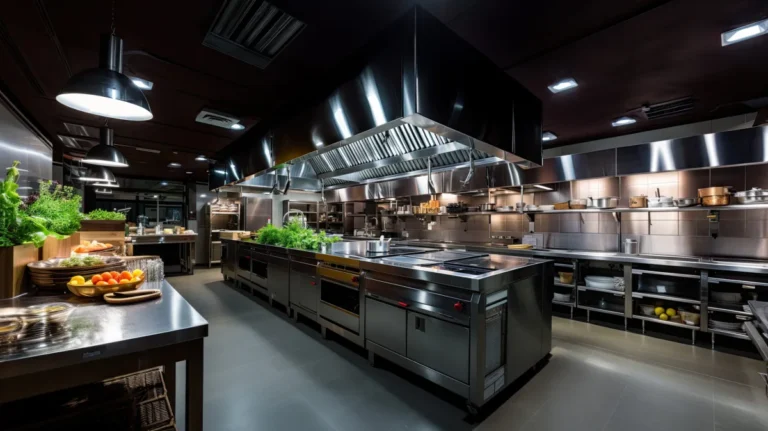
Let’s talk about the elephant in the room: your kitchen wasn’t designed for viral trends. That’s not a knock, it’s just reality. Most commercial kitchens are built for consistency, not creativity. So before you start dreaming about your viral charcuterie board taking over Instagram, let’s get real about what your equipment can actually handle.
First, do a quick audit. Grab a notebook (or your phone, no judgment) and walk through your kitchen. Ask yourself:
- Do we have the right cooking surfaces? That viral hibachi grill trend looks amazing, but if you’re working with a standard range, you’re going to struggle.
- Is our refrigeration up to snuff? Trends like ceviche or poke bowls require serious cold storage. If your walk-in is already packed, you might be out of luck.
- What about smallwares? That cloud bread I mentioned earlier? It requires a stand mixer with a whisk attachment, something not every kitchen has.
- How’s your ventilation? If you’re thinking about adding a smoke-infused cocktail to your menu, you’d better make sure your hood can handle the extra smoke.
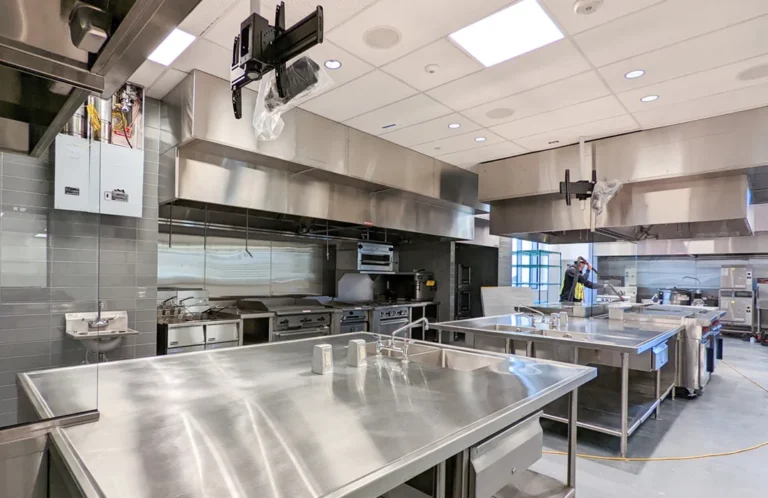
This is where suppliers like Chef’s Deal can be a game-changer. They don’t just sell equipment, they offer free kitchen design services to help you figure out how to adapt your space for new trends. I’ve seen kitchens transform a corner into a trend-specific station without a full renovation. Their team can help you identify what you need, what you can repurpose, and what’s just not going to work. And if you’re worried about costs, they’ve got financing options that won’t leave you eating ramen for the next decade.
But here’s the thing: you don’t always need new equipment. Sometimes, you just need to get creative with what you’ve got. That viral ramen trend with the egg yolk in the middle? You don’t need a special gadget, just a steady hand and a ring mold. The crispy rice sushi that’s all over TikTok? A baking sheet and a little patience will do the trick. Before you start shopping, ask yourself: Is there a workaround?
3. The Staffing Nightmare: Who’s Actually Going to Make This?
You know what’s worse than a trend that flops? A trend that succeeds but burns out your staff in the process. I learned this the hard way when I convinced a friend’s restaurant to add viral loaded fries to their menu. The dish was a hit, so much so that the line cook responsible for it started muttering about “unionizing” by the end of the first week. Turns out, shredding cheese by hand for 200 orders a night isn’t exactly a dream job.
Before you add a trend to your menu, ask yourself:
- Who’s going to prep it? If it requires a specialist (like a sushi chef for those viral sushi bake trends), do you have one on staff? If not, are you willing to hire or train?
- How long does it take? That viral pasta trend where you bake the noodles in a wheel of cheese looks amazing, but if it takes 20 minutes to assemble, it’s not going to work in a dinner rush.
- Is it scalable? Some trends are easy to make in small batches but impossible to scale. That cloud bread I keep harping on? It’s a nightmare to make in large quantities.
- What’s the learning curve? If your staff has never worked with mochi before, that mochi waffle trend might take more training than it’s worth.
Here’s a pro tip: involve your staff in the decision-making process. I know, I know, it sounds like a recipe for mutiny. But hear me out. Your line cooks are the ones who are going to be executing these trends day in and day out. If they’re not on board, it’s not going to work. Plus, they might have ideas you haven’t considered. Maybe there’s a way to simplify the dish. Maybe they know a shortcut. Or maybe they’ll tell you flat-out that it’s a terrible idea, and save you from making a costly mistake.
And if you do decide to move forward with a trend, train, train, train. Don’t just throw a new dish at your staff and expect them to figure it out. Do a test run. Have them practice. And for the love of all that is holy, document the process. The last thing you want is for your signature viral dish to taste different every time because everyone’s making it their own way.
4. The Cost Conundrum: Will This Actually Make You Money?
Let’s talk about the elephant in the room: trends are expensive. There’s the cost of ingredients, the cost of equipment, the cost of training, and, most importantly, the cost of your time. Before you jump on a trend, you need to ask yourself: Is this actually going to make me money?
First, let’s talk about food cost. Some trends are cheap to make, think loaded fries or avocado toast. Others? Not so much. That viral lobster roll trend might bring in customers, but if your food cost is 50%, you’re not going to make a dime. Before you add a trend to your menu, do the math. What’s your ideal food cost percentage? What’s the actual food cost of this dish? If it’s not in line, can you adjust the recipe or the price?
Then there’s the opportunity cost. Every minute your staff spends on a trend is a minute they’re not spending on your core menu. Every dollar you spend on equipment is a dollar you’re not spending on marketing or repairs. Before you commit to a trend, ask yourself: What am I giving up to do this?
Here’s where it gets tricky: some trends are worth losing money on. That’s right, I said it. If a trend is going to bring in new customers, generate buzz, or position your restaurant as a leader in your area, it might be worth taking a hit on the food cost. But you need to go in with your eyes open. Set a budget. Set a timeline. And for the love of all that is holy, track your results. If a trend isn’t paying off, don’t be afraid to cut it loose.
And here’s a little secret: you don’t always have to go all-in on a trend. Sometimes, a small nod is enough. That viral butter board trend? You don’t have to add it to your menu, you could just post a picture of it on your Instagram with the caption “Want us to make this? Let us know!” and gauge interest. That mochi waffle trend? You could offer it as a special for a limited time. You don’t have to commit to a trend to capitalize on it.
5. The Menu Engineering Hack: Where Does This Trend Fit?
Not all menu placements are created equal. If you’re going to add a trend to your menu, you need to think strategically about where it goes. Here’s the thing: your menu is real estate, and every inch of it has value. You want to make sure your trend is in a spot where it’s going to get noticed, and ordered.
First, let’s talk about menu psychology. Studies show that customers’ eyes naturally gravitate to certain spots on a menu. The “golden triangle”-the top right, the top left, and the center, are prime real estate. If you want your trend to get noticed, that’s where it should go. But here’s the catch: those spots are also where your most profitable items should go. So if your trend isn’t a money-maker, you might want to think twice about giving it prime placement.
Then there’s the “special” section. This is a great place for trends because it signals to customers that this is something new and exciting. But be careful, if your specials section is too crowded, your trend might get lost in the shuffle. And if you’re constantly changing your specials, customers might start to ignore them altogether.
Here’s a trick I’ve seen work well: the “limited time offer” (LTO) approach. Instead of adding a trend to your regular menu, offer it as an LTO. This creates a sense of urgency, customers know they need to order it now or risk missing out. And if the trend flops? No harm, no foul. You can just let it fade away.
But here’s the thing: your menu isn’t just about placement. It’s also about description. A trend might be amazing, but if your menu description is boring, no one’s going to order it. Take that viral ramen trend with the egg yolk in the middle. Instead of just calling it “Ramen,” you could describe it as “TikTok-Famous Ramen with a runny egg yolk center that’ll make your feed pop.” See the difference? You’re not just selling a dish, you’re selling an experience.
6. The Social Media Trap: Are You Chasing Likes or Customers?
Let’s be real: a lot of us get into viral trends because we want that social media clout. We see a dish with 100K likes on TikTok and think, If we make this, we’ll go viral too! But here’s the thing: going viral isn’t the same as making money. In fact, some of the most viral dishes are the least profitable.
I learned this the hard way when I convinced a client to add viral rainbow grilled cheese to their menu. The dish was a hit on Instagram, we got thousands of likes, hundreds of shares, and even a few reposts from big food accounts. But here’s the thing: o one was actually ordering it. The dish was expensive to make, time-consuming to assemble, and, let’s be honest, not that great. We were so focused on the likes that we forgot about the bottom line.
So how do you avoid falling into the social media trap? Here are a few rules I live by:
- Don’t chase trends, chase customers. Before you add a trend to your menu, ask yourself: Will our regulars actually order this? If the answer is no, it’s probably not worth it.
- Make it shareable, but make it good. A dish can be Instagram-worthy and delicious. In fact, it should be both. If it’s not good, no one’s going to order it twice, no matter how pretty it is.
- Don’t sacrifice quality for clout. That viral ramen trend with the egg yolk in the middle? It’s only worth doing if you can execute it well. If your ramen is mediocre, no amount of TikTok likes is going to save you.
- Track your results. Just because a dish is getting likes doesn’t mean it’s making you money. Keep an eye on your sales data. If a trend isn’t selling, don’t be afraid to cut it loose.
Here’s the thing about social media: it’s a tool, not a strategy. It can help you get the word out about a trend, but it can’t make a trend successful. That’s up to you, and your kitchen.
And here’s a little secret: you don’t have to go viral to be successful. Some of the most profitable restaurants I know barely have a social media presence. They focus on great food, great service, and great experiences. If a trend fits into that, great. If not? No big deal. There’s always another trend around the corner.
7. The Ingredient Sourcing Nightmare: Can You Even Get the Stuff?
You’ve found the perfect trend. It fits your brand, your staff can execute it, and your customers are going to love it. There’s just one problem: you can’t get the ingredients. Maybe it’s a specialty item that’s only available from one supplier. Maybe it’s a seasonal ingredient that’s only available for a few weeks a year. Or maybe it’s just impossible to source in your area. Whatever the reason, if you can’t get the ingredients, the trend isn’t going to work.
I learned this the hard way when I tried to add viral ube desserts to a menu. Ube, also known as purple yam, is a staple in Filipino cuisine, but it’s not exactly easy to find in the U.S. I spent weeks calling suppliers, only to find out that the only place that carried it was three states away. And even then, the minimum order was more than I could use before it went bad. Needless to say, the trend didn’t make it onto the menu.
So how do you avoid this nightmare? Here are a few tips:
- Start with what you know. Before you commit to a trend, talk to your suppliers. Do they carry the ingredients? If not, can they get them? And if they can, what’s the lead time?
- Think about shelf life. Some ingredients, like fresh herbs or delicate produce, don’t last long. If a trend requires ingredients with a short shelf life, make sure you can use them up quickly.
- Consider substitutions. That viral ube dessert I mentioned earlier? Maybe you could use purple sweet potato instead. It’s not the same, but it’s close, and a lot easier to source.
- Plan for seasonality. Some ingredients are only available at certain times of the year. If a trend requires a seasonal ingredient, make sure you’re okay with only offering it for a limited time.
And here’s a pro tip: build relationships with your suppliers. The better they know you, the more likely they are to go the extra mile to get you what you need. If you’re a good customer, paying on time, ordering consistently, they’re more likely to help you out when you need a favor. And if you’re really lucky, they might even give you a heads-up about new ingredients or trends before they hit the mainstream.
But here’s the thing: sometimes, the ingredient sourcing nightmare is worth it. If a trend is a perfect fit for your brand and your customers are clamoring for it, it might be worth going the extra mile to make it happen. Just make sure you go in with your eyes open. Know what you’re getting into, and have a backup plan in case things go sideways.
8. The Training Time-Suck: How to Get Your Staff Up to Speed Without Losing Your Mind
You’ve found the perfect trend. You’ve sourced the ingredients. You’ve even figured out how to make it work with your equipment. There’s just one problem: your staff doesn’t know how to make it. And training them is going to take time, time you don’t have.
I get it. Training is a pain. It’s time-consuming, it’s expensive, and, let’s be honest, it’s not always effective. But if you want a trend to succeed, you need your staff to be on board. And that means training them properly.
Here’s how I approach training for new trends:
- Start with the why. Before you teach your staff how to make a dish, explain why it’s important. Is it a trend that’s going to bring in new customers? Is it a dish that’s going to generate buzz? Is it something your regulars have been asking for? If your staff understands the why, they’re more likely to buy in.
- Break it down. Don’t just show your staff how to make the dish, break it down into steps. Write out a recipe. Make a video. Create a cheat sheet. The more resources you give them, the more likely they are to succeed.
- Practice, practice, practice. Don’t expect your staff to nail a new dish on the first try. Give them time to practice. Do a test run. Have them make the dish a few times before it goes live.
- Make it fun. Training doesn’t have to be a chore. Turn it into a competition. Offer a prize for the best execution. Make it a team-building exercise. The more fun it is, the more likely your staff is to engage.
- Document everything. Once your staff has mastered a dish, document the process. Write out a standard operating procedure (SOP). Make a video. Create a training manual. The more you document, the easier it will be to train new staff in the future.
And here’s a pro tip: train your trainers. Identify a few key staff members who are good at training and have them teach the rest of the team. This not only takes some of the pressure off you, but it also empowers your staff and builds their skills.
But here’s the thing: training isn’t a one-and-done deal. Even after your staff has mastered a dish, you need to keep reinforcing it. Do regular check-ins. Offer refresher training. And if you notice a dish isn’t being executed consistently, address it immediately. The last thing you want is for a trend to flop because your staff got lazy.
9. The Customer Education Gap: Will They Even Know What This Is?
You’ve done it. You’ve found the perfect trend. You’ve sourced the ingredients. You’ve trained your staff. You’ve even figured out how to make it work with your equipment. There’s just one problem: your customers don’t know what it is.
I learned this the hard way when I added viral Korean corn dogs to a menu. The dish was a hit with the staff. The ingredients were easy to source. The equipment was already in place. But when the first customer ordered it, they had no idea what they were getting. “Is this a hot dog?” they asked. “Why is it covered in french fries?” I tried to explain, but it was clear: they just didn’t get it.
So how do you avoid this? Here are a few tips:
- Describe it clearly. Don’t just put “Korean Corn Dog” on the menu. Describe it. “Crispy mozzarella-stuffed corn dog coated in panko and french fries, served with ketchup and mustard.” The more details you give, the more likely customers are to understand what they’re ordering.
- Train your servers. Your servers are your front line. They’re the ones who are going to be explaining the dish to customers. Make sure they understand it inside and out. Give them talking points. Have them taste it. The more they know, the better they’ll be able to sell it.
- Offer samples. If a trend is new or unfamiliar, consider offering samples. This gives customers a chance to try it before they commit to a full order. And if they like it? They’re more likely to order it again.
- Use social media. If a trend is new or unfamiliar, use your social media channels to educate your customers. Post pictures. Share videos. Explain what it is and why they should try it. The more you can demystify a trend, the more likely customers are to order it.
But here’s the thing: sometimes, the customer education gap is a good thing. If a trend is new or unfamiliar, it can be a great way to differentiate your restaurant. It can make you stand out from the competition. It can give customers a reason to choose you over the place down the street. So don’t be afraid to take a risk. Just make sure you’re prepared to educate your customers along the way.
10. The Exit Strategy: How to Know When to Cut Your Losses
You’ve done everything right. You’ve found the perfect trend. You’ve sourced the ingredients. You’ve trained your staff. You’ve even figured out how to make it work with your equipment. But for some reason, it’s just not working. Maybe customers aren’t ordering it. Maybe it’s too expensive to make. Or maybe it’s just not a good fit for your brand. Whatever the reason, it’s time to cut your losses.
I know, I know, it’s hard to let go. You’ve put time, money, and effort into this trend. You’ve trained your staff. You’ve sourced the ingredients. You’ve even promoted it on social media. But here’s the thing: ot every trend is going to work. And that’s okay. The key is to know when to walk away.
So how do you know when it’s time to cut your losses? Here are a few signs:
- It’s not selling. If a trend isn’t selling, it’s not worth keeping on the menu. Period.
- It’s too expensive. If a trend is costing you more than it’s making you, it’s time to let it go.
- It’s too time-consuming. If a trend is taking up too much of your staff’s time, it’s not worth it.
- It’s not a good fit. If a trend doesn’t fit your brand, it’s not going to work, no matter how popular it is.
- Your staff hates it. If your staff is miserable making a dish, it’s not going to be good. And if it’s not good, customers aren’t going to order it.
But here’s the thing: cutting your losses doesn’t have to be a failure. It can be a learning experience. It can help you understand what works and what doesn’t. It can help you refine your process for the next trend. So don’t be afraid to walk away. Sometimes, the best thing you can do is let go and move on.
And here’s a pro tip: have an exit strategy before you even start. Before you add a trend to your menu, decide how long you’re going to give it. A week? A month? A season? And decide what success looks like. Is it a certain number of sales? A certain profit margin? A certain level of customer satisfaction? If the trend doesn’t meet your goals, don’t be afraid to cut it loose.
The Bottom Line: Trends Are a Tool, Not a Strategy
Look, I get it. Viral food trends are exciting. They’re fun. They’re a chance to try something new and maybe even go viral yourself. But here’s the thing: they’re not a strategy. They’re a tool. And like any tool, they’re only as good as the person using them.
If you want to use trends to grow your business, you need to be strategic. You need to be selective. And you need to be realistic. Not every trend is going to work for your restaurant. Not every trend is going to make you money. And not every trend is worth your time.
But if you do it right, if you choose the right trends, execute them well, and know when to walk away, trends can be a great way to bring in new customers, generate buzz, and keep your menu fresh. They can help you stand out from the competition. They can give your regulars something to get excited about. And they can even help you build your brand.
So go ahead. Try that viral ramen trend. Experiment with that mochi waffle. See if that butter board is worth the hype. Just remember: trends are a marathon, not a sprint. It’s not about chasing the next big thing. It’s about finding what works for your restaurant, and your customers.
And if all else fails? Well, there’s always cloud bread. Or is that just me?
FAQ: Your Burning Questions About Adapting Viral Food Trends
Q: How do I know if a trend is worth adapting for my commercial kitchen?
A: Start by asking three key questions: Does this fit our brand? Can we execute it with our current equipment and staff? Will our customers actually order it? If the answer to all three is yes, it’s worth considering. But don’t forget to do the math, calculate the food cost, the labor cost, and the potential profit. If the numbers don’t add up, it’s probably not worth it. And remember, not every trend is going to work for every restaurant. What’s a hit in Nashville might flop in New York. Trust your gut, and your data.
Q: What’s the biggest mistake restaurants make when adapting viral trends?
A: The biggest mistake is going all-in without testing. I’ve seen restaurants add a trend to their menu, promote the hell out of it, and then watch it flop because they didn’t take the time to test it first. Before you commit to a trend, do a soft launch. Offer it as a special. See how customers react. See how your staff handles it. See if it’s actually profitable. If it works, great, add it to the menu. If not, no harm, no foul. And whatever you do, don’t let social media pressure you into adding a trend that doesn’t make sense for your restaurant.
Q: How can I adapt trends without investing in expensive new equipment?
A: Get creative! A lot of trends can be adapted with the equipment you already have. That viral ramen trend with the egg yolk in the middle? You don’t need a special gadget, just a ring mold and a steady hand. The crispy rice sushi that’s all over TikTok? A baking sheet and a little patience will do the trick. And if you do need new equipment, consider leasing or financing. Suppliers like Chef’s Deal offer competitive pricing and financing options that can help you get what you need without breaking the bank. They also provide free kitchen design services to help you figure out how to adapt your space for new trends. Sometimes, it’s not about buying new equipment, it’s about using what you’ve got in a new way.
Q: How do I train my staff to execute viral trends consistently?
A: Start by breaking the dish down into steps. Write out a recipe. Make a video. Create a cheat sheet. The more resources you give your staff, the more likely they are to succeed. Then, give them time to practice. Do a test run. Have them make the dish a few times before it goes live. And don’t forget to document everything. Once your staff has mastered a dish, write out a standard operating procedure (SOP). Make a video. Create a training manual. The more you document, the easier it will be to train new staff in the future. And remember, training isn’t a one-and-done deal. Even after your staff has mastered a dish, you need to keep reinforcing it. Do regular check-ins. Offer refresher training. And if you notice a dish isn’t being executed consistently, address it immediately.
@article{how-to-adapt-viral-food-trends-for-commercial-kitchens-without-losing-your-mind-or-your-profit-margins,
    title   = {How to Adapt Viral Food Trends for Commercial Kitchens Without Losing Your Mind (or Your Profit Margins)},
    author  = {Chef's icon},
    year    = {2026},
    journal = {Chef's Icon},
    url     = {https://chefsicon.com/how-to-adapt-viral-food-trends-for-commercial-kitchens/}
}