The Best Fluffy Pancakes recipe you will fall in love with. Full of tips and tricks to help you make the best pancakes.
Let me tell you about the time I walked into a tiny Nashville hot chicken joint that looked like it was held together by duct tape and ambition. The place was packed, line out the door, people sweating through their shirts, the kind of energy that makes you forget you’re standing in a parking lot. What caught my eye wasn’t the menu (though the chicken was life-changing) or the decor (minimalist, to say the least). It was the open kitchen, where a massive, gleaming commercial fryer sat front and center like the star of the show. The owner had rigged up a camera above it, streaming live to a screen outside so people could watch their order sizzle in real time. Genius, right? That fryer wasn’t just cooking chicken, it was selling an experience.
That moment stuck with me. As someone who’s spent years dissecting what makes restaurants tick (and fail), I’ve realized that most marketing campaigns treat kitchen equipment like the backstage crew, essential, but invisible. But here’s the thing: your commercial ovens, sous vide machines, wood-fired grills, and even your industrial mixers aren’t just tools. They’re characters in your restaurant’s story. They’re the unsung heroes that can turn a mundane meal into a memorable event. The question is: how do you shine a spotlight on them without making your campaign feel like an infomercial for a restaurant supply store?
In this guide, I’m going to walk you through how to showcase kitchen equipment in your restaurant marketing campaigns in a way that feels organic, exciting, and, most importantly, human. We’ll cover everything from the psychology behind why people care about your gear to the nitty-gritty of execution. By the end, you’ll have a toolkit to turn your kitchen’s hardware into a marketing powerhouse. And don’t worry, I’ll keep it real, no fluff, no jargon, just actionable insights with a side of self-doubt (because, let’s be honest, I’m still figuring some of this out too).
So, where do we start? Is it about the gear itself, or is it about the story you wrap around it? Maybe it’s both. Let’s dig in.
The Psychology Behind Why People Care About Your Kitchen Equipment
1. The Theater of Dining: Why Open Kitchens Work (And How to Steal Their Magic)
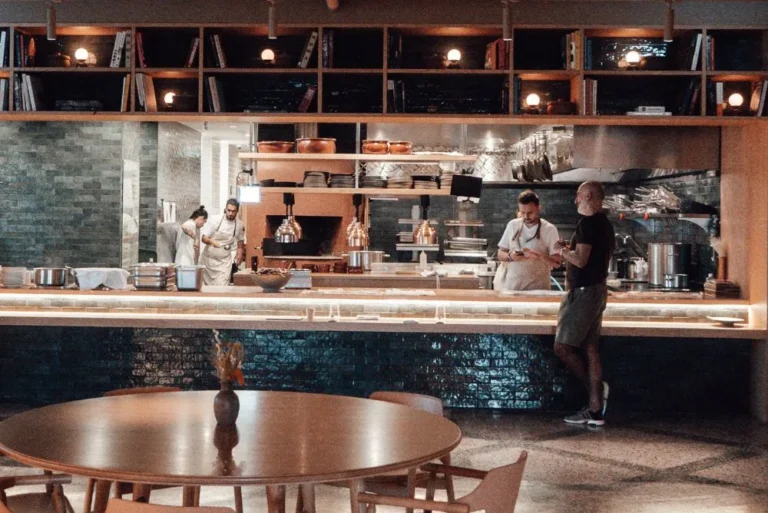
There’s a reason why open kitchens have become a staple in modern restaurants. It’s not just about transparency (though that’s part of it). It’s about theater. When diners can see their food being prepared, they’re not just eating, they’re participating in a performance. The sizzle of a flat-top grill, the dance of flames in a wood-fired oven, the rhythmic clatter of a pasta extruder-these are the sights and sounds that turn a meal into a memory.
But here’s the kicker: you don’t need an open kitchen to create this effect. Even if your kitchen is tucked away in the back, you can bring the theater to your customers through marketing. Think about it: when was the last time you saw a fast-casual chain advertise their commercial-grade blenders? Probably never. But what if they did? What if they showed a slow-motion video of a high-speed blender pulverizing frozen fruit into a smoothie, with the caption, “This is why our acai bowls are smoother than your ex’s excuses”? Suddenly, that blender isn’t just a machine, it’s a conversation starter.
So, how do you tap into this? Start by asking yourself: What’s the most visually compelling piece of equipment in my kitchen? Is it the rotisserie oven that makes your chicken glisten? The charbroiler that sends flames licking at your steaks? The ice cream machine that churns out swirls like a work of art? Whatever it is, that’s your star. And stars need a stage.
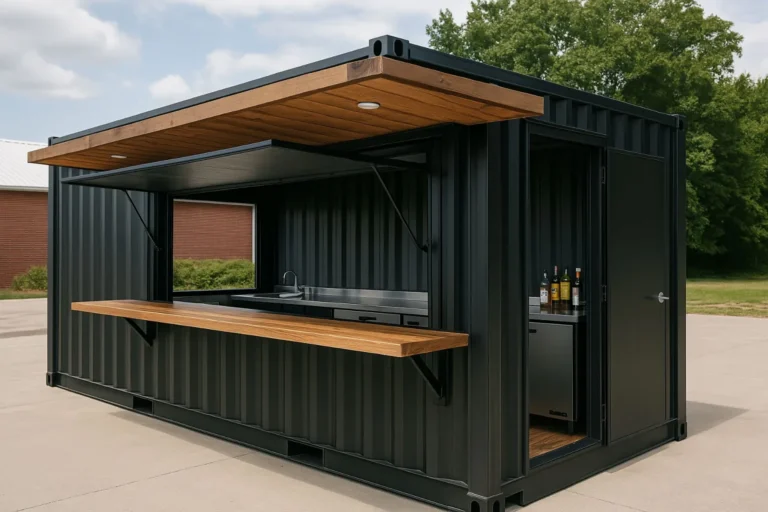
But wait, is this just for high-end restaurants? Absolutely not. Even a food truck can turn its commercial griddle into a marketing asset. I remember a taco truck in Austin that had a sign above their griddle that read, “This is where the magic happens. No, really, we measured. It’s 450°F of magic.” People took pictures of that sign. They tagged the truck on Instagram. They told their friends. That griddle wasn’t just cooking tacos, it was building a brand.
So, the first rule of showcasing kitchen equipment? Make it theatrical. Even if your customers can’t see it in person, your marketing can make them feel like they’re part of the show.
2. The “Behind the Curtain” Effect: Why People Love Feeling Like Insiders
There’s a reason why “How It’s Made” was such a popular show. People are osy. They want to know what’s happening behind the scenes, especially when it comes to food. It’s why chef’s tables are so coveted, they offer a glimpse into the inner workings of a kitchen, and that glimpse makes the meal feel exclusive.
Your kitchen equipment is part of that behind-the-scenes world. And when you pull back the curtain, even just a little, you’re giving your customers a sense of ownership. They’re not just buying a meal, they’re buying into the process.
Take sous vide machines, for example. Most people have heard of sous vide, but how many have actually seen one in action? If you’re a restaurant that uses sous vide to cook your steaks or eggs, why not create a short video series showing how it works? Film the vacuum-sealing process, the water bath, the precise temperature control. Explain why it makes your food taste better. Suddenly, your customers aren’t just eating a steak, they’re eating a sous vide steak, and that distinction matters.
But here’s where I get stuck: How much is too much? Do people really care about the technical specs of your commercial mixer, or are they just there for the end result? I think it’s a balance. You don’t need to turn your marketing into a kitchen equipment manual, but you do need to give people enough to feel like they’re getting something special. Maybe it’s a quick Instagram Reel showing your pasta extruder in action, with a caption like, “This is why our gnocchi melts in your mouth. No, we’re not sharing the recipe.” That’s enough to pique curiosity without overwhelming them.
So, the second rule? Give people a peek behind the curtain, but don’t drown them in details. Make them feel like insiders, not like they’re reading a textbook.
3. The “Trust Factor”: How Equipment Builds Credibility
Let’s talk about trust. In an era where anyone can slap together a meal and call it “gourmet,” customers are skeptical. They want to know that the food they’re eating is made with care, skill, and, yes, the right tools. That’s where your kitchen equipment comes in. When you showcase your commercial-grade gear, you’re not just showing off, you’re building credibility.
Think about it: if you’re a pizza place, which sounds more appealing? “We make great pizza” or “Our pizza is cooked in a wood-fired oven imported from Italy, reaching temperatures of 900°F for the perfect crispy crust”? The second one, right? It’s not just about the pizza, it’s about the promise of quality that comes with the equipment.
But here’s the thing: ot all equipment is created equal. A home kitchen blender isn’t going to impress anyone, but a Vitamix commercial blender? That’s a different story. If you’re using high-end, professional-grade equipment, flaunt it. If you’re not, that’s okay, focus on how you use what you have. Maybe your countertop fryer is small, but it’s perfect for frying up batches of fresh donuts every hour. That’s a story worth telling.
I’m torn on this one, though. Is it possible to overdo the equipment talk? Could you come across as trying too hard? Maybe. If every post is about how amazing your commercial refrigerator is, people might start to wonder if you’re compensating for something. The key is to integrate the equipment into your story, not make it the whole story. For example, instead of saying, “Check out our new combi oven!”, say something like, “Our new combi oven lets us steam and roast simultaneously, so your salmon is perfectly flaky every time. Come try it!” See the difference? One is about the oven; the other is about the customer experience.
So, the third rule? Use your equipment to build trust, but keep the focus on the customer. They don’t care about the gear, they care about what it does for them.
How to Showcase Kitchen Equipment Without Looking Like a Catalog
4. Storytelling Over Specs: How to Make Your Gear Feel Human
Let’s get one thing straight: o one cares about the horsepower of your mixer. Okay, maybe a few gearheads do, but the average customer? They care about the story. So, how do you turn a piece of kitchen equipment into a narrative?
Start with the people behind it. Who uses this equipment? What’s their story? Take your espresso machine, for example. Instead of saying, “We have a La Marzocco Linea Classic,” say something like, “Our barista, Maria, has been pulling shots on this machine for 10 years. She knows it so well, she can tell when the milk is steamed just right by the sound of the steam wand. That’s why our lattes are perfect every time.” Suddenly, that espresso machine isn’t just a machine, it’s a character in your restaurant’s story.
But what if your equipment doesn’t have a human story? Maybe it’s brand new, or maybe it’s just… there. That’s okay. You can still create a narrative around it. For example, if you have a commercial smoker, don’t just talk about its temperature range. Talk about the ritual of smoking meat. Talk about the patience it takes to let a brisket cook low and slow for 12 hours. Talk about the community that gathers around the smoker on a Saturday morning. That’s the kind of story people connect with.
I’m still figuring this out myself, to be honest. There’s a fine line between storytelling and over-romanticizing. You don’t want to sound like a bad novel, but you also don’t want to sound like a restaurant supply catalog. The key is to keep it real. If your story feels forced, people will see right through it. But if it’s genuine? That’s when the magic happens.
So, the fourth rule? Turn your equipment into a story, not a spec sheet. People remember stories, not horsepower.
5. Visuals That Pop: How to Make Your Equipment Look as Good as Your Food
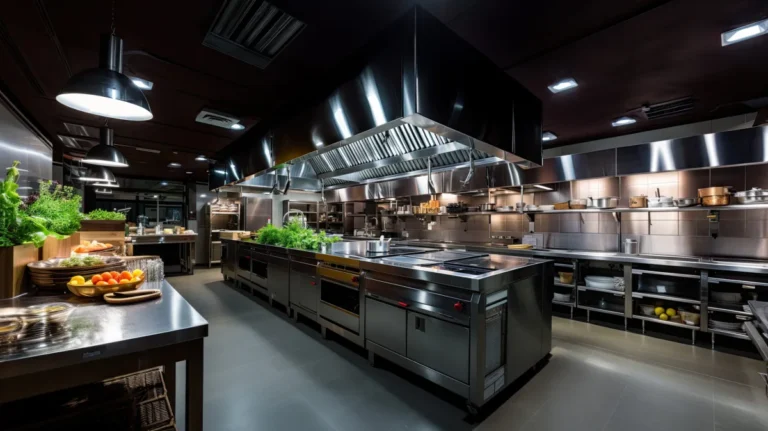
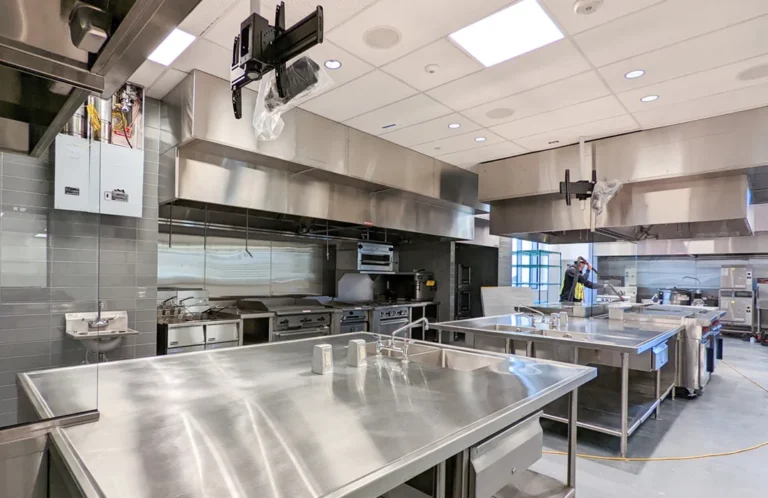
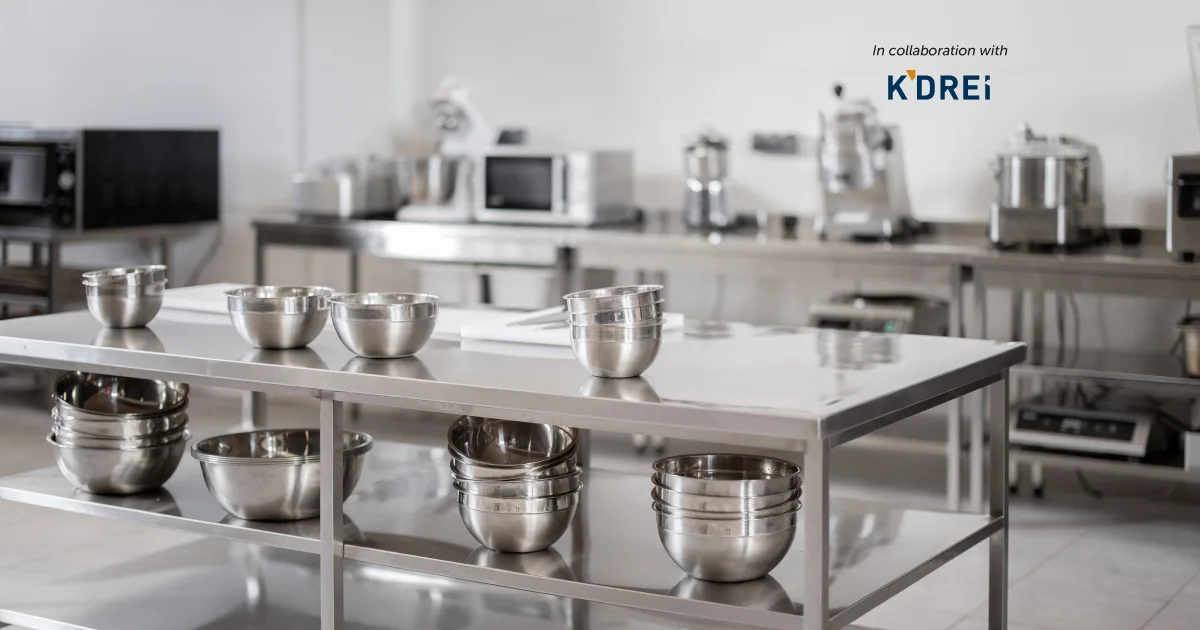
Here’s a hard truth: your kitchen equipment is not inherently photogenic. A commercial refrigerator is just a big metal box. A dishwasher is, well, a dishwasher. But that doesn’t mean you can’t make it look good. It’s all about lighting, angles, and context.
First, let’s talk about lighting. Natural light is your best friend. If you can, shoot your equipment near a window or in a well-lit area. Avoid harsh overhead lighting, it creates unflattering shadows and makes everything look sterile. Instead, use soft, diffused light to highlight the textures and details of your gear. If you’re shooting at night, consider investing in a ring light or softbox to mimic natural light.
Next, angles. Don’t just point and shoot. Think about what makes your equipment unique. Is it the shiny stainless steel of your commercial range? The flames dancing in your wood-fired oven? The steam rising from your sous vide bath? Find the angle that highlights those details. For example, a low-angle shot of a charbroiler can make the flames look dramatic and intense. A close-up of a pasta extruder can make the dough look almost alive.
Finally, context. Your equipment shouldn’t look like it’s floating in space. Put it in the context of your kitchen, your staff, or even your food. For example, instead of just showing your commercial mixer, show it in action, with a chef adding ingredients, the dough rising, the finished product coming out of the oven. That’s the kind of content that stops people mid-scroll.
But here’s where I get stuck: What if my equipment isn’t “sexy”? Not every piece of gear is going to be as visually appealing as a wood-fired oven. What if you’re a sandwich shop with a panini press? That’s okay. You can still make it interesting. Focus on the details-the way the press sizzles when it closes, the perfect grill marks it leaves on the bread, the cheese oozing out when you open it. Those are the moments that make people hungry.
So, the fifth rule? Make your equipment look as good as your food. It’s not about the gear, it’s about the emotion it evokes.
6. Social Media Hacks: How to Make Your Equipment Go Viral
Let’s talk about social media. It’s the great equalizer, the place where a tiny food truck can outshine a Michelin-starred restaurant. But how do you make your kitchen equipment stand out in a sea of food photos and memes?
First, embrace the trends. TikTok and Instagram Reels are all about short, engaging videos. So, what can you do with your equipment that’s quick, fun, and shareable? Here are a few ideas:
- Satisfying ASMR: People love videos that trigger the autonomous sensory meridian response (ASMR). Think about the sounds your equipment makes, the sizzle of a griddle, the whir of a blender, the clink of ice in a cocktail shaker. Film a close-up of your espresso machine pulling a shot, with the sound turned up. Add a caption like, “The sound of your morning pick-me-up 😴☕.” Boom, instant engagement.
- Before and After: Show the transformation that happens with your equipment. For example, film a raw steak going into your sous vide bath, then cut to it coming out perfectly cooked. Or show a block of cheese being grated by your commercial grater, then melted into a gooey mac and cheese. People love a good transformation story.
- Behind the Scenes: Give people a peek into how your equipment works. For example, film a time-lapse of your dough mixer kneading bread dough, or show the smoke billowing from your commercial smoker. These kinds of videos make people feel like they’re getting a backstage pass to your kitchen.
- User-Generated Content: Encourage your customers to film your equipment in action. For example, if you have a molten lava cake that’s a fan favorite, ask people to tag you in videos of them cutting into it. You can even create a hashtag for it, like #LavaCakeMoment. Not only does this give you free content, but it also builds community around your brand.
But here’s the thing: ot every post needs to go viral. In fact, most won’t. And that’s okay. The goal isn’t to chase trends, it’s to create content that resonates with your audience. If your customers love your wood-fired pizza, then focus on that. Show the flames, the dough tossing, the cheese stretching. Those are the moments that matter.
I’m still figuring out the social media game myself. There are days when I post something I think is brilliant, and it flops. Other days, I post something random, and it takes off. The key is to keep experimenting. Try different formats, different captions, different hashtags. See what works, and do more of that.
So, the sixth rule? Use social media to turn your equipment into content, not ads. People don’t want to be sold to, they want to be entertained.
Beyond the Basics: Advanced Tactics for Showcasing Kitchen Equipment
7. Collaborations and Partnerships: How to Leverage Your Gear for Cross-Promotion
Here’s an idea: your kitchen equipment isn’t just for your restaurant. It can be a collaboration tool. Think about it, if you have a commercial smoker, why not partner with a local brewery to host a smoked beer and BBQ night? Or if you have a high-speed blender, why not team up with a smoothie shop to create a limited-time blend? These kinds of collaborations not only expand your reach but also give you a chance to showcase your equipment in a new light.
But how do you find the right partners? Start by thinking about complementary businesses. If you’re a coffee shop with a top-of-the-line espresso machine, partner with a local bakery to create a coffee and pastry pairing. If you’re a pizzeria with a wood-fired oven, team up with a wine bar to host a pizza and wine night. The possibilities are endless.
I’m torn on this one, though. What if the collaboration doesn’t work out? What if the other business doesn’t pull their weight, or the event flops? It’s a risk, but it’s one worth taking. The key is to start small. Don’t commit to a month-long collaboration right out of the gate. Start with a one-night event or a limited-time offer. See how it goes, and go from there.
Another idea: equipment manufacturers. Many companies that sell commercial kitchen equipment are looking for restaurants to feature in their marketing. Reach out to them and see if they’d be interested in a case study or testimonial. In exchange, they might feature you on their website or social media, giving you free exposure to a whole new audience.
So, the seventh rule? Use your equipment as a bridge to new partnerships. It’s not just a tool, it’s a conversation starter.
8. Interactive Experiences: How to Let Customers “Try” Your Equipment
Here’s a question: How can you let your customers experience your equipment without actually letting them into your kitchen? The answer? Interactive experiences.
Take virtual reality (VR), for example. Imagine creating a VR tour of your kitchen, where customers can “walk” around and see your equipment in action. They could watch your wood-fired oven cook a pizza, or see your sous vide machine perfectly cook a steak. It’s not the same as being there in person, but it’s the next best thing.
But VR isn’t the only option. What about live cooking demos? If you have a food truck, park it outside a local brewery and let people watch you cook. If you’re a sit-down restaurant, host a chef’s table event where guests can see your equipment up close. The goal is to make your equipment feel tangible, even if people can’t touch it.
Another idea: DIY kits. If you have a commercial pasta extruder, why not sell a homemade pasta kit that lets customers make their own pasta at home? Include a recipe card with a QR code that links to a video of your chef using the same equipment in your kitchen. It’s a way to extend the experience beyond your restaurant walls.
But here’s where I get stuck: Is this overkill? Do people really want to “experience” my commercial dishwasher? Probably not. But they might be interested in a behind-the-scenes tour of your kitchen, where they can see how everything comes together. The key is to focus on the equipment that enhances the customer experience. If your wood-fired oven is a big part of your brand, then make it a focal point. If your ice cream machine is what sets you apart, then highlight that.
So, the eighth rule? Make your equipment feel interactive, even if it’s not. The more people feel connected to your gear, the more they’ll feel connected to your brand.
9. Seasonal and Thematic Campaigns: How to Keep Your Equipment Fresh
Here’s a challenge: How do you keep your kitchen equipment relevant all year round? The answer? Seasonal and thematic campaigns.
Think about it: your equipment doesn’t change, but how you use it can. In the summer, your commercial grill might be the star of the show, cooking up burgers and hot dogs for backyard BBQs. In the winter, your sous vide machine might take center stage, cooking up perfectly tender roasts for holiday dinners. By tying your equipment to the seasons, you can keep your marketing fresh and relevant.
But it’s not just about the seasons. What about themes? For example, if you’re a pizzeria, you could create a “Pizza Around the World” campaign, where each month you feature a different type of pizza cooked in your wood-fired oven. One month it’s Neapolitan, the next it’s New York-style, then Chicago deep-dish. Each pizza is cooked in the same oven, but the story changes.
Another idea: holidays. Valentine’s Day? Show your chocolate tempering machine in action, making the perfect truffles. Halloween? Film your commercial mixer whipping up a batch of “witch’s brew” (aka green smoothies). The key is to tie your equipment to the emotions that people associate with each season or holiday.
But here’s the thing: ot every campaign needs to be a home run. Some ideas will flop, and that’s okay. The goal is to keep experimenting. Try something new, see how it goes, and learn from it. Over time, you’ll start to see what resonates with your audience and what doesn’t.
So, the ninth rule? Use seasons and themes to keep your equipment feeling fresh. It’s not about the gear, it’s about the story you tell with it.
10. Measuring Success: How to Know If Your Equipment Marketing Is Working
Alright, let’s get real for a second. How do you know if any of this is working? It’s easy to get caught up in the excitement of a new campaign, but at the end of the day, you need to measure your results. Otherwise, you’re just throwing spaghetti at the wall and hoping it sticks (and no one wants to clean up that mess).
First, let’s talk about metrics. What are you trying to achieve with your equipment marketing? More foot traffic? Higher social media engagement? Increased sales of a specific dish? Once you know your goal, you can track the right metrics. For example, if you’re trying to drive foot traffic, look at reservation numbers or walk-in counts before and after your campaign. If you’re trying to boost social media engagement, track likes, shares, comments, and saves.
But metrics aren’t the only way to measure success. What about qualitative feedback? Are people talking about your equipment? Are they asking questions about how it works? Are they tagging you in posts about your food? These are all signs that your campaign is resonating.
Another idea: surveys. Ask your customers what they think. For example, if you ran a campaign showcasing your wood-fired oven, ask them if they noticed it and if it influenced their decision to dine with you. You might be surprised by the answers.
But here’s where I get stuck: What if the results aren’t what I expected? What if my campaign flops? That’s okay. Failure is part of the process. The key is to learn from it. What worked? What didn’t? What could you do differently next time? Use that information to refine your approach.
So, the tenth rule? Measure, learn, and adapt. Marketing isn’t a one-and-done deal, it’s an ongoing experiment.
Putting It All Together: Your Equipment Marketing Game Plan
Alright, let’s recap. We’ve covered a lot of ground here, from the psychology of why people care about your equipment to the uts and bolts of how to showcase it. But how do you put it all together into a cohesive marketing strategy? Here’s a step-by-step game plan to get you started:
- Identify Your Stars: What are the most visually compelling or unique pieces of equipment in your kitchen? Make a list and prioritize them.
- Tell Their Stories: For each piece of equipment, brainstorm a story. Who uses it? What makes it special? How does it enhance the customer experience?
- Create Visual Content: Film videos, take photos, and design graphics that showcase your equipment in action. Focus on lighting, angles, and context.
- Leverage Social Media: Post your content on platforms like Instagram, TikTok, and Facebook. Use trends, hashtags, and interactive elements to boost engagement.
- Collaborate: Partner with other businesses or equipment manufacturers to expand your reach and create new opportunities.
- Create Interactive Experiences: Host live demos, offer VR tours, or sell DIY kits to let customers experience your equipment in new ways.
- Run Seasonal Campaigns: Tie your equipment to seasons, holidays, and themes to keep your marketing fresh and relevant.
- Measure and Adapt: Track your results, gather feedback, and refine your approach based on what’s working and what’s not.
But here’s the thing: you don’t have to do all of this at once. Start small. Pick one piece of equipment, create one piece of content, and see how it goes. Build from there. The key is to keep moving forward, even if it’s just one step at a time.
And remember, this isn’t just about selling more food. It’s about building a connection with your customers. It’s about turning your kitchen equipment into a part of your brand’s story. It’s about making people feel like they’re not just eating at your restaurant, they’re part of something special.
So, what’s next? Maybe it’s time to walk into your kitchen, look around, and ask yourself: What’s the story here? Because every piece of equipment has one. You just have to find it.
FAQ
Q: How do I showcase kitchen equipment if my restaurant has a small or outdated kitchen?
A: Even small or outdated kitchens have stories to tell. Focus on the people and processes behind the equipment rather than the gear itself. For example, highlight the skill of your chefs or the unique techniques they use. You can also frame your kitchen’s limitations as part of your charm, think “cozy,” “authentic,” or “handcrafted.” If you’re using older equipment, emphasize its reliability and history. For example, “This mixer has been with us since day one, and it’s still going strong.”
Q: What’s the best social media platform for showcasing kitchen equipment?
A: It depends on your audience, but Instagram and TikTok are the best platforms for visual and video content. Instagram is great for high-quality photos and Reels, while TikTok is ideal for short, engaging videos that can go viral. Facebook is also useful for longer videos and community-building, especially if your audience is older. Don’t forget about YouTube for in-depth content like kitchen tours or cooking demos.
Q: How often should I post about my kitchen equipment on social media?
A: There’s no one-size-fits-all answer, but a good rule of thumb is to integrate equipment showcases into your regular content rather than making it the sole focus. For example, if you post 3-5 times a week, aim to include equipment in 1-2 of those posts. This keeps your content balanced and engaging without overwhelming your audience. You can also create themed series, like “Equipment Spotlight Sundays,” to give your posts structure.
Q: What if my customers don’t care about my kitchen equipment?
A: If your customers don’t seem interested in your equipment, it might be because you’re not framing it in a way that resonates with them. Instead of focusing on the gear itself, focus on how it enhances their experience. For example, instead of saying, “Check out our new combi oven,” say, “Our new combi oven lets us cook your salmon to perfection every time, juicy, flaky, and full of flavor.” The key is to connect the equipment to the benefits your customers care about, like taste, quality, and consistency.
@article{how-to-showcase-kitchen-equipment-in-restaurant-marketing-campaigns-a-chefs-guide-to-turning-gear-into-gold,
    title   = {How to Showcase Kitchen Equipment in Restaurant Marketing Campaigns: A Chef’s Guide to Turning Gear into Gold},
    author  = {Chef's icon},
    year    = {2026},
    journal = {Chef's Icon},
    url     = {https://chefsicon.com/how-to-showcase-kitchen-equipment-in-restaurant-marketing-campaigns/}
}