The Best Fluffy Pancakes recipe you will fall in love with. Full of tips and tricks to help you make the best pancakes.
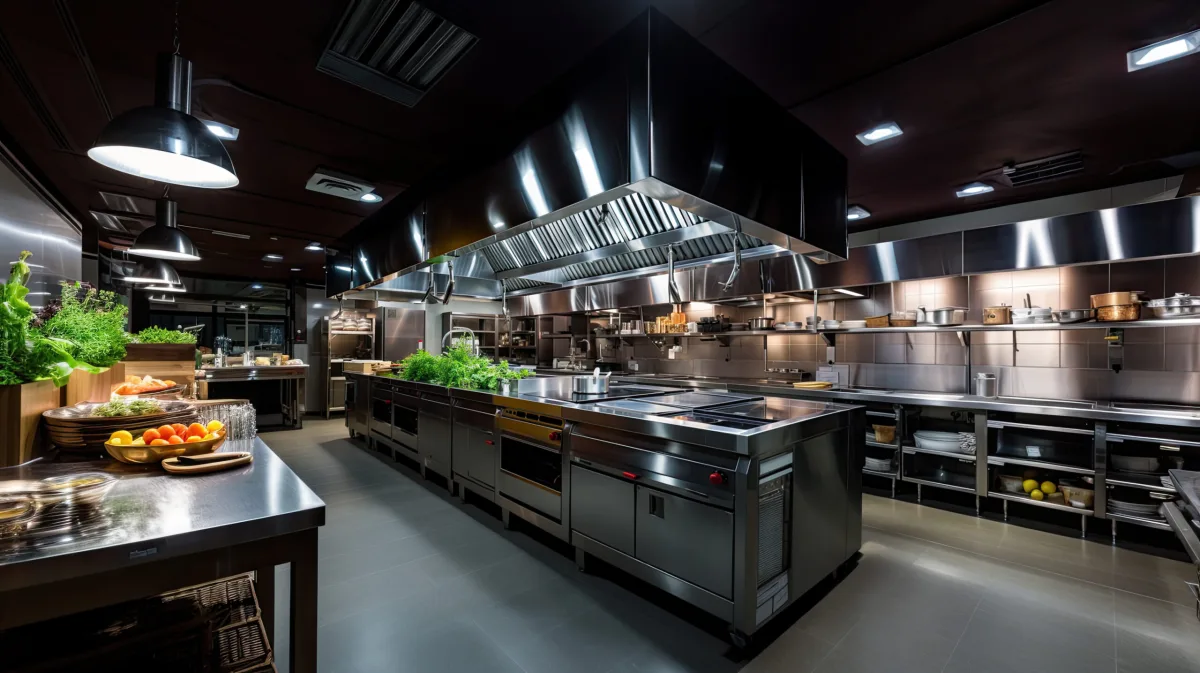
Let me tell you about the first time I walked into a kitchen that was *all wrong* for its cuisine. It was a tiny Italian trattoria in Nashville, run by a couple who’d just moved from Rome. They’d outfitted their space with what they thought was “standard” restaurant equipment, generic ranges, a basic charbroiler, and a walk-in fridge that was way too big for their needs. Within three months, they were struggling. Their pasta dishes lacked that perfect al dente bite, their wood-fired pizzas were inconsistent, and their sauces just didn’t have the depth of flavor they should’ve. The problem? Their equipment wasn’t built for the soul of Italian cooking. They needed a deck oven, not a charbroiler. A pasta cooker, not just a stockpot. And a wood-fired pizza oven that could reach those blistering Neapolitan temperatures.
That’s when it hit me: choosing the right restaurant equipment isn’t just about filling a space with shiny appliances. It’s about understanding the heart of the cuisine you’re serving. Whether you’re opening a sushi bar, a barbecue joint, or a high-end French bistro, the tools you choose will shape everything, your workflow, your food’s quality, even your staff’s morale. Get it right, and your kitchen will hum like a well-tuned engine. Get it wrong, and you’ll be fighting an uphill battle every service.
So, how do you navigate this maze? Where do you even start? I’ve spent years talking to chefs, suppliers, and restaurant owners, and I’ve seen the good, the bad, and the downright disastrous. In this guide, I’ll walk you through how to choose restaurant equipment for specific cuisines, breaking it down by category so you can make informed decisions, without the headaches. We’ll cover everything from the on-negotiables for each cuisine to the hidden pitfalls that can derail your kitchen before you even open. And yes, I’ll throw in some personal stories (and mistakes) along the way. Because if there’s one thing I’ve learned, it’s that the best kitchens aren’t built on guesswork, they’re built on intentional choices.
By the end of this, you’ll know:
- Why Italian kitchens live and die by their ovens (and why a deck oven might be your best friend).
- How Asian cuisine demands equipment that most Western kitchens overlook (think wok burners, not just ranges).
- The barbecue paradox: why bigger isn’t always better when it comes to smokers.
- What French bistros get wrong about refrigeration (spoiler: it’s not just about size).
- How to future-proof your kitchen without breaking the bank (or your back).
Ready? Let’s dive in. And hey, if you’re feeling overwhelmed, don’t worry, we’ve all been there. Even the best chefs started with a blank kitchen and a whole lot of questions.
The Foundation: Understanding Your Cuisine’s Core Needs
Before you even think about equipment brands or price points, you’ve got to ask yourself: What does my cuisine *actually* need? This isn’t just about listing appliances, it’s about understanding the techniques, temperatures, and traditions that define your food. A Mexican taqueria and a Japanese ramen shop might both serve incredible broths, but the equipment they need to make those broths couldn’t be more different. One relies on a combi oven for slow-cooked consommé, while the other might need a high-pressure stockpot for tonkotsu.
I remember talking to a chef in Austin who was opening a Korean barbecue spot. He’d budgeted for a sleek, modern grill station, you know, the kind with the shiny stainless steel and the fancy ventilation. But when I asked him about his tabletop grills, he looked at me like I’d grown a second head. “Why would I need those?” he said. “My customers can just watch me cook in the open kitchen.” Fast-forward six months, and he was scrambling to retrofit his space with portable grills because his diners wanted that interactive experience. Turns out, Korean barbecue isn’t just about the food, it’s about the theater of cooking right at the table. His equipment choices had completely missed the mark on the cultural expectations of his cuisine.
So, how do you avoid this kind of oversight? Start by breaking your cuisine down into its core components. Ask yourself:
- What are the signature techniques? (e.g., wood-fired cooking for Italian, stir-frying for Chinese, smoking for barbecue)
- What temperatures are non-negotiable? (e.g., 900°F for Neapolitan pizza, 350°F for deep-frying tempura)
- What tools are synonymous with the cuisine? (e.g., tandoor ovens for Indian, planchas for Spanish tapas)
- How much prep work happens during service? (e.g., sushi requires constant slicing, while French fine dining leans on mise en place)
- What’s the pace of service? (e.g., fast-casual Mexican vs. multi-course French tasting menus)
Let’s take Italian cuisine as an example. At its core, Italian cooking is about simplicity and precision. You’re not juggling a dozen ingredients in one dish, you’re letting a few high-quality components shine. That means your equipment needs to prioritize control. A deck oven for pizzas, a pasta cooker for perfect al dente noodles, and a high-quality salamander for finishing dishes. But here’s the kicker: Italian kitchens also rely on low-tech tools that most modern restaurants overlook. Think wooden cutting boards for hand-rolling pasta, mortar and pestles for pesto, and copper pots for risotto. It’s not just about the big appliances, it’s about the details that make the cuisine what it is.
Now, compare that to Japanese cuisine. Here, the focus is on precision, speed, and presentation. A sushi bar needs a high-quality rice cooker (none of that cheap stuff), a sharp sushi knife (or ten), and a fish scaler that won’t ruin your catch. But it’s not just about the prep, it’s about the experience. A teppanyaki grill for interactive cooking, small refrigerated drawers for keeping fish at the perfect temperature, and even a sushi case for displaying your daily offerings. Japanese kitchens are often compact and efficient, with every tool serving a specific purpose. There’s no room for clutter, and there’s no room for equipment that doesn’t pull its weight.
So, before you start shopping, take a step back. What’s the soul of your cuisine? What tools will help you capture that soul, and what tools will just get in the way? Is this the best approach? Let’s consider: maybe you don’t need the fanciest equipment on the market. Maybe you need the right equipment. And that starts with understanding what your cuisine truly demands.
Case Study: The Pitfalls of Generic Equipment
I once consulted for a Thai restaurant in San Francisco that was struggling with consistency. Their curries were hit-or-miss, their stir-fries lacked that signature wok hei (the “breath of the wok”), and their pad thai was, well, sad. The owner had outfitted his kitchen with what he thought was “standard” equipment, a 6-burner range, a convection oven, and a tilt skillet. But here’s the thing: Thai cuisine isn’t just about boiling and baking. It’s about high-heat stir-frying, steaming, and grilling-all techniques that require specialized tools.
First, we swapped out the range for a wok burner. These bad boys can reach temperatures upwards of 1,000°F, which is essential for achieving that smoky, charred flavor in stir-fries. Next, we added a steam table for keeping curries and soups at the perfect serving temperature (Thai food is all about that balance of hot and cold, spicy and sweet). We also brought in a mortar and pestle-yes, the old-school kind, for pounding pastes and sauces. And finally, we installed a rice steamer that could handle the volume of jasmine rice they were serving daily. Within a month, their food improved dramatically. The wok hei was back, the curries were richer, and the pad thai? Let’s just say it stopped getting sent back to the kitchen.
The lesson here? Generic equipment might save you money upfront, but it’ll cost you in the long run. If your cuisine relies on specific techniques, you need tools that can execute those techniques flawlessly. Don’t assume that a “one-size-fits-all” kitchen will work for your menu. It won’t. And your customers will notice.
Italian Cuisine: Where the Oven is King
If there’s one cuisine where the equipment can make or break your restaurant, it’s Italian. Why? Because Italian cooking is all about heat, timing, and tradition. You can’t fake a wood-fired pizza. You can’t rush a slow-cooked ragù. And you sure as hell can’t serve al dente pasta if your water isn’t boiling at the right temperature. Italian cuisine demands precision, and that precision starts with your equipment.
Let’s start with the oven, because in an Italian kitchen, it’s the heart of the operation. If you’re serving pizza, you’ve got two main options: a deck oven or a wood-fired oven. Deck ovens are the workhorses of the pizza world. They’re reliable, consistent, and can handle high volumes. But if you’re going for that authentic Neapolitan experience, you’ll want a wood-fired oven. These ovens can reach temperatures of 900°F or higher, which is essential for that blistered, chewy crust and smoky flavor. The downside? They require more skill to operate, and they’re not as efficient for high-volume service. Is this the best approach for a small pizzeria? Maybe not. But if you’re going for authenticity, it’s hard to beat.
Now, let’s talk about pasta. If you’re making fresh pasta in-house, you’ll need a pasta machine. But not just any pasta machine, a commercial-grade one that can handle the volume. And if you’re serving dried pasta, you’ll want a pasta cooker. These are essentially large, dedicated pots with a built-in strainer, designed to cook pasta quickly and efficiently. They’re a game-changer for high-volume kitchens, but they’re not cheap. Is it worth the investment? If pasta is a staple on your menu, absolutely. If you’re only serving it as a side dish, maybe not.
Here’s where things get tricky. Italian cuisine isn’t just about the big-ticket items, it’s about the small tools that most kitchens overlook. A mortar and pestle for grinding fresh herbs and spices. A copper pot for making risotto (copper conducts heat better than stainless steel, which is essential for that creamy texture). A wooden cutting board for hand-rolling pasta. These might seem like minor details, but they’re the difference between good Italian food and great Italian food.
And let’s not forget about refrigeration. Italian kitchens rely on fresh ingredients, which means you need a reliable walk-in fridge and reach-in coolers. But here’s the thing: Italian cuisine doesn’t require the same kind of ultra-low-temperature storage that, say, a sushi bar does. You’re not storing raw fish, you’re storing tomatoes, cheese, and fresh herbs. So, while you need consistent cooling, you don’t necessarily need a blast chiller or a super-low-temp freezer. That said, if you’re making gelato in-house, you’ll want a dedicated gelato freezer with a soft-serve function.
Finally, let’s talk about ventilation. Italian kitchens can get smoky. Between the wood-fired ovens, the chargrills, and the open flames, you’re going to need a high-powered exhaust system. Don’t skimp on this. A good ventilation system will keep your kitchen comfortable, your air clean, and your staff happy. And trust me, a happy staff makes for a better restaurant.
Italian Equipment Checklist
- Deck oven or wood-fired oven (for pizza and bread)
- Pasta cooker (if serving dried pasta in high volumes)
- Pasta machine (if making fresh pasta in-house)
- Salamander (for finishing dishes)
- Mortar and pestle (for grinding herbs and spices)
- Copper pots (for risotto and sauces)
- Wooden cutting boards (for hand-rolling pasta)
- Walk-in fridge and reach-in coolers (for fresh ingredients)
- Gelato freezer (if making gelato in-house)
- High-powered exhaust system (for ventilation)
Asian Cuisine: The Art of High Heat and Precision
Asian cuisine is a broad category, encompassing everything from Chinese stir-fries to Japanese sushi to Indian curries. But despite the diversity, there’s one thing that unites most Asian kitchens: the need for high heat and precision. Whether you’re searing a steak on a teppanyaki grill or flash-frying tempura in a deep fryer, Asian cuisine demands equipment that can handle extreme temperatures and rapid cooking times.
Let’s start with Chinese cuisine, because it’s one of the most equipment-intensive. If you’re running a wok station, you’ll need a high-BTU wok burner. These burners can reach temperatures of 100,000 BTUs or more, which is essential for achieving that smoky, charred flavor in stir-fries. But here’s the catch: wok burners require specialized ventilation. You can’t just slap one into a standard range hood and call it a day. You’ll need a high-powered exhaust system with a fire suppression system to handle the grease and smoke. And trust me, you do ot want to skimp on this. A poorly ventilated wok station is a fire hazard, plain and simple.
Next up: Japanese cuisine. If you’re running a sushi bar, your equipment list is going to look very different from a Chinese kitchen. For starters, you’ll need a high-quality rice cooker. Sushi rice is the foundation of your menu, and a cheap rice cooker just won’t cut it. You’ll also need a sharp sushi knife (or several), a fish scaler, and a sushi case for displaying your daily offerings. But here’s where things get interesting: Japanese kitchens often rely on small, specialized tools that most Western kitchens overlook. Think hangiri (a wooden tub for cooling rice), oroshigane (a grater for wasabi), and makisu (bamboo mats for rolling sushi). These tools might seem minor, but they’re essential for achieving that authentic Japanese flavor and texture.
Now, let’s talk about Indian cuisine. If you’re running an Indian restaurant, your equipment list is going to be dominated by ovens and grills. A tandoor oven is a must for naan, tandoori chicken, and other grilled dishes. These ovens can reach temperatures of 900°F or higher, which is essential for that charred, smoky flavor. But tandoor ovens aren’t cheap, and they require specialized training to operate. Is it worth the investment? If you’re serious about Indian cuisine, absolutely. If you’re just dabbling, maybe not.
Here’s where things get tricky. Asian cuisine isn’t just about the big-ticket items, it’s about the small tools that most kitchens overlook. A bamboo steamer for dim sum. A mortar and pestle for grinding spices. A rice washer for preparing sushi rice. These might seem like minor details, but they’re the difference between good Asian food and great Asian food.
And let’s not forget about refrigeration. Asian kitchens rely on fresh ingredients, which means you need a reliable walk-in fridge and reach-in coolers. But here’s the thing: Asian cuisine often requires ultra-low-temperature storage for raw fish, sashimi, and other delicate ingredients. If you’re running a sushi bar, you’ll want a blast chiller and a super-low-temp freezer. And if you’re storing large quantities of seafood, you might even need a dedicated seafood fridge with a sliding glass door for easy access.
Asian Equipment Checklist
- High-BTU wok burner (for Chinese stir-fries)
- Tandoor oven (for Indian naan and tandoori dishes)
- Teppanyaki grill (for Japanese teppanyaki)
- High-quality rice cooker (for sushi rice)
- Sushi case (for displaying sushi)
- Bamboo steamer (for dim sum and dumplings)
- Mortar and pestle (for grinding spices)
- Rice washer (for preparing sushi rice)
- Blast chiller and super-low-temp freezer (for sushi bars)
- High-powered exhaust system (for ventilation)
Barbecue: The Slow and Low Philosophy
Barbecue is a different beast entirely. It’s not about high heat or rapid cooking times, it’s about patience, smoke, and slow-cooked perfection. If you’re opening a barbecue joint, your equipment list is going to look very different from an Italian or Asian kitchen. You’re not just cooking food, you’re transforming it through the magic of smoke and time.
Let’s start with the smoker, because in a barbecue kitchen, it’s the star of the show. There are a few different types of smokers to choose from, each with its own pros and cons. Offset smokers are the gold standard for Texas-style barbecue. They’re large, heavy-duty, and designed for low-and-slow cooking. But they’re also expensive, and they require a lot of skill to operate. Vertical smokers are a more affordable option, and they’re great for small spaces. They’re not as powerful as offset smokers, but they’re easier to use and maintain. And then there are pellet smokers, which are the set-it-and-forget-it option. They’re easy to use, but they don’t produce the same smoky flavor as wood-fired smokers.
So, which one should you choose? It depends on your menu and your budget. If you’re serving Texas-style brisket, you’ll want an offset smoker. If you’re doing Carolina-style pulled pork, a vertical smoker might be a better fit. And if you’re just dabbling in barbecue, a pellet smoker could be a good starting point. But here’s the thing: smokers are a long-term investment. Don’t skimp on quality. A cheap smoker will cost you more in the long run, both in terms of food quality and maintenance costs.
Next up: grills. If you’re serving grilled meats alongside your smoked dishes, you’ll need a high-quality grill. But not just any grill, a charcoal or wood-fired grill. Gas grills might be convenient, but they don’t produce the same smoky flavor as charcoal or wood. And in barbecue, flavor is everything. You’ll also want to consider the size of your grill. If you’re serving a lot of grilled meats, you’ll need a large, heavy-duty grill that can handle the volume. But if you’re just grilling a few items, a smaller grill might be a better fit.
Here’s where things get interesting. Barbecue kitchens often rely on specialized tools that most other kitchens don’t need. A meat injector for adding flavor to brisket. A rib rack for smoking ribs upright. A brisket knife for slicing meat against the grain. These tools might seem minor, but they’re essential for achieving that authentic barbecue experience.
And let’s not forget about refrigeration. Barbecue kitchens rely on large quantities of meat, which means you need a big, reliable walk-in fridge. But here’s the thing: barbecue meat is raw and uncooked, which means you need to store it at ultra-low temperatures to prevent spoilage. You’ll also want a dedicated meat fridge with a sliding glass door for easy access. And if you’re storing large quantities of meat, you might even need a blast chiller to quickly cool down hot meat after smoking.
Barbecue Equipment Checklist
- Offset smoker, vertical smoker, or pellet smoker (depending on your menu)
- Charcoal or wood-fired grill (for grilled meats)
- Meat injector (for adding flavor to brisket)
- Rib rack (for smoking ribs upright)
- Brisket knife (for slicing meat against the grain)
- Large walk-in fridge (for storing raw meat)
- Dedicated meat fridge (with a sliding glass door)
- Blast chiller (for quickly cooling down hot meat)
- High-powered exhaust system (for ventilation)
- Wood storage area (for keeping wood dry and ready to use)
French Cuisine: The Marriage of Tradition and Technology
French cuisine is the granddaddy of fine dining. It’s all about precision, technique, and tradition. But here’s the thing: French kitchens aren’t stuck in the past. They’ve embraced modern technology to make their lives easier while still honoring the classic techniques that define French cooking. If you’re opening a French restaurant, your equipment list is going to be a mix of old and new-think copper pots alongside combi ovens.
Let’s start with the oven, because in a French kitchen, it’s the backbone of the operation. French cuisine relies on even, consistent heat, which means you’ll want a convection oven or a combi oven. Convection ovens are great for baking, roasting, and braising, while combi ovens can do all that and more. They can steam, bake, roast, and even sous vide, all in one machine. Is it worth the investment? If you’re running a high-volume kitchen, absolutely. If you’re just starting out, maybe not. But here’s the thing: combi ovens are the future of French cooking. They’re versatile, efficient, and they produce consistent results every time.
Next up: ranges. French cuisine is all about sauces, which means you’ll need a high-quality range with a powerful burner. But not just any burner, a French top. These burners are designed for low-and-slow cooking, which is essential for making reductions, stocks, and sauces. They’re not as powerful as a wok burner, but they’re more precise, which is exactly what you need for French cooking. And if you’re making sous vide dishes, you’ll want a dedicated sous vide machine. These machines circulate water at a precise temperature, which is essential for achieving that perfectly cooked texture.
Here’s where things get tricky. French cuisine isn’t just about the big-ticket items, it’s about the small tools that most kitchens overlook. A mandoline for slicing vegetables paper-thin. A chinois for straining sauces. A whisk for emulsifying dressings. These tools might seem minor, but they’re the difference between good French food and great French food. And let’s not forget about the copper pots. French chefs swear by them for making sauces, risottos, and confits. Copper conducts heat better than stainless steel, which means your sauces will cook more evenly and your risottos will have that perfect creamy texture.
And let’s not forget about refrigeration. French kitchens rely on fresh ingredients, which means you need a reliable walk-in fridge and reach-in coolers. But here’s the thing: French cuisine often requires ultra-low-temperature storage for delicate ingredients like foie gras, truffles, and seafood. If you’re running a high-end French restaurant, you’ll want a blast chiller and a super-low-temp freezer. And if you’re storing large quantities of wine, you might even need a dedicated wine fridge with a temperature-controlled environment.
French Equipment Checklist
- Convection oven or combi oven (for baking, roasting, and braising)
- French top range (for low-and-slow cooking)
- Sous vide machine (for precise temperature control)
- Mandoline (for slicing vegetables paper-thin)
- Chinois (for straining sauces)
- Copper pots (for sauces, risottos, and confits)
- Blast chiller and super-low-temp freezer (for delicate ingredients)
- Dedicated wine fridge (for storing wine)
- High-powered exhaust system (for ventilation)
- Wooden cutting boards (for chopping herbs and vegetables)
Mexican Cuisine: The Heart of the Comal
Mexican cuisine is all about bold flavors, fresh ingredients, and high-heat cooking. If you’re opening a Mexican restaurant, your equipment list is going to be dominated by grills, griddles, and steamers. But here’s the thing: Mexican cuisine isn’t just about the big-ticket items, it’s about the small tools that most kitchens overlook. A molcajete for grinding spices. A tortilla press for making fresh tortillas. A comal for cooking meats and vegetables. These tools might seem minor, but they’re essential for achieving that authentic Mexican flavor.
Let’s start with the comal, because in a Mexican kitchen, it’s the heart of the operation. A comal is a flat, round griddle that’s used for cooking everything from tortillas to meats to vegetables. It’s a versatile tool, and it’s essential for achieving that smoky, charred flavor that defines Mexican street food. But here’s the catch: comals come in all shapes and sizes. If you’re running a high-volume kitchen, you’ll want a large, heavy-duty comal that can handle the heat. If you’re just starting out, a smaller comal might be a better fit. And if you’re making tortillas in-house, you’ll want a dedicated tortilla press. These presses are designed to flatten dough into perfectly round tortillas, and they’re a game-changer for high-volume kitchens.
Next up: grills and griddles. Mexican cuisine relies on high-heat cooking, which means you’ll need a powerful grill or griddle. But not just any grill, a charcoal or wood-fired grill. Gas grills might be convenient, but they don’t produce the same smoky flavor as charcoal or wood. And in Mexican cuisine, flavor is everything. You’ll also want to consider the size of your grill. If you’re serving a lot of grilled meats, you’ll need a large, heavy-duty grill that can handle the volume. But if you’re just grilling a few items, a smaller grill might be a better fit.
Here’s where things get interesting. Mexican kitchens often rely on specialized tools that most other kitchens don’t need. A molcajete for grinding spices. A tamale steamer for cooking tamales. A chile relleno fryer for frying stuffed peppers. These tools might seem minor, but they’re essential for achieving that authentic Mexican experience. And let’s not forget about the blender. Mexican cuisine relies on salsas, moles, and sauces, which means you’ll need a high-powered blender that can handle the volume. A cheap blender just won’t cut it.
And let’s not forget about refrigeration. Mexican kitchens rely on fresh ingredients, which means you need a reliable walk-in fridge and reach-in coolers. But here’s the thing: Mexican cuisine often requires ultra-low-temperature storage for delicate ingredients like avocados, cilantro, and limes. If you’re running a high-volume kitchen, you’ll want a blast chiller and a super-low-temp freezer. And if you’re storing large quantities of meat, you might even need a dedicated meat fridge with a sliding glass door for easy access.
Mexican Equipment Checklist
- Comal (for cooking tortillas, meats, and vegetables)
- Tortilla press (for making fresh tortillas)
- Charcoal or wood-fired grill (for grilled meats)
- Molcajete (for grinding spices)
- Tamale steamer (for cooking tamales)
- Chile relleno fryer (for frying stuffed peppers)
- High-powered blender (for salsas, moles, and sauces)
- Blast chiller and super-low-temp freezer (for delicate ingredients)
- Dedicated meat fridge (for storing meat)
- High-powered exhaust system (for ventilation)
Future-Proofing Your Kitchen: Smart Equipment and Sustainability
Let’s be real: restaurant equipment isn’t cheap. And if you’re investing in high-quality tools, you want them to last. But here’s the thing: the restaurant industry is constantly evolving. New technologies emerge, consumer preferences shift, and what worked five years ago might not work today. So, how do you future-proof your kitchen? How do you make sure your equipment stays relevant, and valuable, for years to come?
First, let’s talk about smart equipment. These days, you can buy ovens, grills, and refrigerators that connect to Wi-Fi, track your energy usage, and even self-diagnose problems. Is it worth the investment? Maybe. Smart equipment can save you money in the long run by reducing energy costs and preventing breakdowns. But it’s not for everyone. If you’re running a small, low-tech kitchen, you might not need all the bells and whistles. But if you’re running a high-volume operation, smart equipment could be a game-changer.
Next up: sustainability. The restaurant industry is one of the biggest energy consumers in the world, and consumers are increasingly demanding eco-friendly options. So, how do you make your kitchen more sustainable? Start with energy-efficient equipment. Look for appliances with the ENERGY STAR label, which means they meet strict energy efficiency guidelines. You can also invest in solar panels, water-saving faucets, and composting systems. These might seem like minor changes, but they can add up to big savings over time.
Here’s where things get tricky. Future-proofing your kitchen isn’t just about the equipment, it’s about the layout. A well-designed kitchen is flexible, efficient, and easy to update. If you’re building a new kitchen, think about how you can adapt it over time. Can you easily add new equipment? Can you reconfigure the layout if your menu changes? Can you upgrade your ventilation system if you add a wood-fired oven? These are the kinds of questions you need to ask before you start building.
And let’s not forget about training. Even the best equipment is useless if your staff doesn’t know how to use it. So, invest in training programs for your team. Make sure they know how to operate, clean, and maintain every piece of equipment in your kitchen. And don’t just train them once, make it an ongoing process. The more your staff knows, the better your kitchen will run.
Future-Proofing Checklist
- Invest in smart equipment (if it fits your budget and needs)
- Choose energy-efficient appliances (look for the ENERGY STAR label)
- Design a flexible kitchen layout (that can adapt to changes)
- Invest in training programs (for your staff)
- Consider sustainability (solar panels, water-saving faucets, composting)
- Plan for upgrades (ventilation, refrigeration, etc.)
- Stay up-to-date on industry trends (new technologies, consumer preferences)
- Regularly maintain your equipment (to extend its lifespan)
- Keep an eye on your energy usage (and look for ways to reduce it)
- Be open to change (the restaurant industry is always evolving)
The Hidden Costs of Restaurant Equipment
Here’s something no one tells you about restaurant equipment: the upfront cost is just the beginning. There are hidden costs lurking around every corner, and if you’re not careful, they can drain your budget faster than you can say “service.” So, what are these hidden costs? Let’s break it down.
First, there’s installation. Some equipment, like walk-in fridges, exhaust systems, and gas lines, requires professional installation. And that’s not cheap. You’re looking at thousands of dollars in labor costs, depending on the complexity of the job. And if you’re retrofitting an existing space, those costs can skyrocket. I once worked with a restaurant owner who budgeted $10,000 for a new walk-in fridge, only to find out that the installation would cost another $8,000. Ouch.
Next up: maintenance. Restaurant equipment is high-maintenance. It breaks down. It needs cleaning. It requires regular tune-ups. And if you’re not prepared for that, you’re in for a world of hurt. A commercial oven might cost $5,000 upfront, but over its lifespan, you’ll spend another $2,000 or more on maintenance. And that’s if you’re lucky. If you’re not, you could be looking at costly repairs or even replacement parts.
Here’s where things get really tricky: energy costs. Restaurant equipment is energy-intensive. A single commercial fridge can cost $1,000 or more per year to run. Multiply that by all the appliances in your kitchen, and you’re looking at a serious energy bill. And if you’re not careful, those costs can eat into your profits faster than you can say “utility bill.”
And let’s not forget about training. Even the best equipment is useless if your staff doesn’t know how to use it. So, you’ll need to invest in training programs for your team. And that’s not just a one-time cost, it’s an ongoing expense. The more complex your equipment, the more training your staff will need. And if you’re constantly hiring new employees, that training can add up quickly.
So, how do you avoid these hidden costs? Start by budgeting for them. Don’t just look at the upfront price of the equipment, look at the total cost of ownership. How much will it cost to install? How much will it cost to maintain? How much will it cost to run? These are the kinds of questions you need to ask before you buy. And don’t be afraid to egotiate. Some suppliers offer discounts on installation or maintenance if you buy multiple pieces of equipment. Others offer financing options that can help spread out the cost. The key is to do your research and ask the right questions.
Hidden Costs Checklist
- Installation costs (professional labor, permits, etc.)
- Maintenance costs (cleaning, tune-ups, repairs)
- Energy costs (electricity, gas, water)
- Training costs (for your staff)
- Replacement parts (for when things break down)
- Downtime costs (lost revenue when equipment is out of commission)
- Financing costs (if you’re taking out a loan)
- Insurance costs (for equipment coverage)
- Warranty costs (for extended coverage)
- Disposal costs (for old equipment)
Making the Final Decision: What’s Right for Your Kitchen?
Alright, let’s bring it all together. You’ve done your research, you’ve talked to chefs, you’ve read the reviews. Now it’s time to make the final decision. But how do you know what’s right for your kitchen? How do you balance quality, cost, and functionality? And how do you avoid the common pitfalls that trip up so many restaurant owners?
First, let’s talk about quality. When it comes to restaurant equipment, you get what you pay for. Cheap equipment might save you money upfront, but it’ll cost you in the long run. It’ll break down. It’ll underperform. It’ll frustrate your staff. So, don’t skimp on quality. Look for reputable brands with a track record of durability and reliability. And don’t be afraid to invest in the best. Your kitchen, and your customers, will thank you.
Next up: cost. Restaurant equipment is expensive, and it’s easy to blow your budget if you’re not careful. So, how do you keep costs in check? Start by prioritizing your needs. What equipment is essential for your menu? What can you live without? What can you rent or lease instead of buying? These are the kinds of questions you need to ask before you start shopping. And don’t forget to compare prices. Some suppliers offer discounts for bulk purchases, while others offer financing options that can help spread out the cost.
Here’s where things get tricky: functionality. It’s not just about the equipment, it’s about how it fits into your kitchen. A high-powered wok burner might be perfect for a Chinese restaurant, but it’s useless in a French bistro. A wood-fired oven might be essential for an Italian pizzeria, but it’s overkill for a sushi bar. So, think about how each piece of equipment will integrate into your workflow. Will it make your kitchen more efficient? Will it improve the quality of your food? Will it make your staff’s lives easier? If the answer is no, it’s probably not worth the investment.
And let’s not forget about space. Restaurant kitchens are tight spaces, and every square foot counts. So, think about how each piece of equipment will fit into your layout. Will it take up too much space? Will it block traffic flow? Will it make it harder for your staff to move around? These are the kinds of questions you need to ask before you buy. And don’t be afraid to get creative. Some equipment, like under-counter fridges and wall-mounted shelves-can help you maximize your space without sacrificing functionality.
Finally, let’s talk about future-proofing. The restaurant industry is constantly evolving, and what works today might not work tomorrow. So, think about how your equipment can adapt to changes. Can you upgrade it? Can you reconfigure it? Can you use it for multiple purposes? These are the kinds of questions you need to ask if you want your kitchen to stay relevant for years to come.
Final Decision Checklist
- Prioritize quality (don’t skimp on durability and reliability)
- Balance cost and functionality (don’t overspend on unnecessary equipment)
- Think about your menu (what equipment is essential for your cuisine?)
- Consider your space (will the equipment fit into your layout?)
- Plan for the future (can the equipment adapt to changes?)
- Compare prices (look for discounts, financing options, etc.)
- Read reviews (what do other restaurant owners say about the equipment?)
- Talk to chefs (what equipment do they recommend?)
- Test the equipment (if possible, try before you buy)
- Trust your gut (if something feels off, it probably is)
Conclusion: Building a Kitchen That Works for You
Choosing the right restaurant equipment for your cuisine isn’t just about filling a space with shiny appliances. It’s about understanding the heart of your food, the techniques that define it, and the tools that bring it to life. It’s about balancing quality, cost, and functionality, and making decisions that will serve your kitchen for years to come. And yes, it’s about avoiding the hidden pitfalls that can derail your restaurant before you even open.
But here’s the thing: there’s no one-size-fits-all solution. What works for an Italian pizzeria won’t work for a Japanese sushi bar. What’s essential for a Mexican taqueria might be overkill for a French bistro. So, take the time to research your cuisine, talk to chefs, and test the equipment before you buy. And don’t be afraid to ask for help. The restaurant industry is full of people who’ve been where you are, and they’re usually happy to share their experience and advice.
At the end of the day, your kitchen is the heart of your restaurant. It’s where the magic happens. So, build it with intention. Choose equipment that supports your vision, not just your budget. And remember: the best kitchens aren’t built on guesswork, they’re built on smart, informed decisions.
So, what’s next? Start by making a list of the equipment you need for your cuisine. Then, research your options, compare prices, and talk to suppliers. And don’t forget to budget for the hidden costs-installation, maintenance, energy, and training. It might seem overwhelming, but trust me: it’s worth it. Because when you walk into your kitchen on opening day, and everything is exactly where it should be, and your staff is ready to go, and your food is better than you ever imagined-that’s when you’ll know you made the right choices.
Now, go build something amazing. And hey, if you get stuck, you know where to find me. I’ll be the guy with the coffee, the notebook, and the very strong opinions about deck ovens.
FAQ
Q: What’s the most important piece of equipment for an Italian restaurant?
A: For an Italian restaurant, the oven is the most important piece of equipment. Whether you’re making pizza, bread, or roasted meats, a high-quality oven is essential for achieving that authentic Italian flavor and texture. A deck oven or wood-fired oven is ideal for pizzerias, while a convection oven or combi oven is better suited for fine dining.
Q: How do I choose between a deck oven and a wood-fired oven for my pizzeria?
A: The choice between a deck oven and a wood-fired oven depends on your menu, budget, and skill level. Deck ovens are reliable, consistent, and easier to use, making them a great choice for high-volume pizzerias. Wood-fired ovens, on the other hand, produce a smokier, more authentic flavor, but they require more skill to operate and are less efficient for high-volume service. If you’re going for authentic Neapolitan pizza, a wood-fired oven is the way to go. If you’re serving a variety of pizzas in a high-volume setting, a deck oven might be a better fit.
Q: What’s the biggest mistake restaurant owners make when choosing equipment?
A: The biggest mistake restaurant owners make is prioritizing cost over quality and functionality. Cheap equipment might save you money upfront, but it’ll cost you in the long run. It’ll break down, underperform, and frustrate your staff. Instead of focusing on the lowest price, focus on the best value. Look for equipment that’s durable, reliable, and suited to your cuisine. And don’t forget to budget for hidden costs like installation, maintenance, and energy.
Q: How can I future-proof my kitchen equipment?
A: Future-proofing your kitchen starts with choosing versatile, adaptable equipment. Look for appliances that can handle multiple tasks, like combi ovens that can steam, bake, and roast. Invest in smart equipment that connects to Wi-Fi and tracks energy usage. And design your kitchen layout with flexibility in mind, so you can easily add or reconfigure equipment as your menu evolves. Finally, stay up-to-date on industry trends and ew technologies, so you can adapt your kitchen to changing consumer preferences.
@article{how-to-choose-restaurant-equipment-for-specific-cuisines-a-chefs-guide-to-building-the-perfect-kitchen,
    title   = {How to Choose Restaurant Equipment for Specific Cuisines: A Chef’s Guide to Building the Perfect Kitchen},
    author  = {Chef's icon},
    year    = {2026},
    journal = {Chef's Icon},
    url     = {https://chefsicon.com/how-to-choose-restaurant-equipment-for-specific-cuisines/}
}