The Best Fluffy Pancakes recipe you will fall in love with. Full of tips and tricks to help you make the best pancakes.
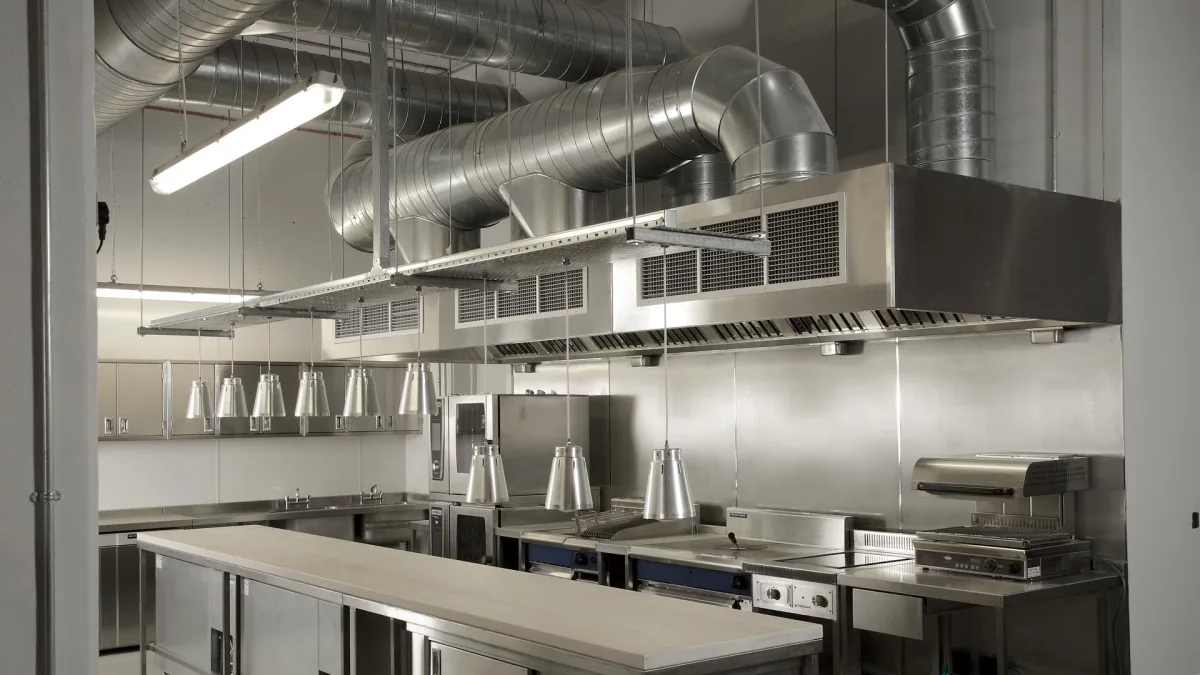
I’ll never forget the first time I walked into a proper Sichuan hotpot restaurant in Chengdu. The sizzle of the broth, the aroma of chili oil and spices, the clatter of metal ladles against stainless steel, it was sensory overload in the best way. Fast forward to now, and I’ve spent the last few years obsessing over how restaurants recreate that magic here in the U.S. Hotpot isn’t just a meal; it’s an experience, and the equipment you choose can make or break it. But here’s the thing: setting up a commercial hotpot kitchen isn’t as simple as slapping a few burners on a table and calling it a day. There’s a science to it, and I’ve learned the hard way that cutting corners leads to headaches, literally, if your ventilation isn’t up to snuff.
So, whether you’re opening your first hotpot spot or upgrading an existing setup, this guide is for you. I’m going to walk you through everything from the essential hotpot equipment you can’t live without to the nitty-gritty details like energy efficiency and customer safety that most guides gloss over. And look, I’m not claiming to have all the answers, there’s always more to learn, but I’ve talked to chefs, suppliers, and restaurant owners who’ve been in the trenches, and I’ll share what’s worked (and what hasn’t). By the end, you’ll have a clear roadmap for setting up a hotpot kitchen that’s efficient, safe, and, most importantly, delivers that unforgettable experience your customers will keep coming back for.
Oh, and before we dive in, a quick note: if you’re feeling overwhelmed by the sheer number of options out there, you’re not alone. That’s why I’ll also point you toward resources like Chef’s Deal, which offers free kitchen design services to help you navigate the chaos. They’ve got everything from commercial-grade hotpot burners to custom ventilation solutions, and their team can walk you through the process from start to finish. But more on that later, let’s get into the meat of it.
The Foundation: What Every Hotpot Restaurant Needs (And Why)
1. The Heart of the Operation: Choosing the Right Hotpot Burners
Let’s start with the obvious: you can’t have hotpot without burners. But not all burners are created equal, and the type you choose will depend on your menu, your space, and your budget. Broadly speaking, there are three main types of commercial hotpot burners you’ll encounter:
- Gas burners: The most common choice for traditional hotpot restaurants. They’re powerful, reliable, and give you that classic open-flame experience. But they also require proper ventilation and gas line installation, which can add to your upfront costs. I’ve seen restaurants try to skimp on this by using residential-grade burners, and trust me, it’s a disaster waiting to happen. Commercial gas burners are built to handle the wear and tear of a busy kitchen, and they’re designed to distribute heat evenly, something you’ll appreciate when you’re serving 100+ customers a night.
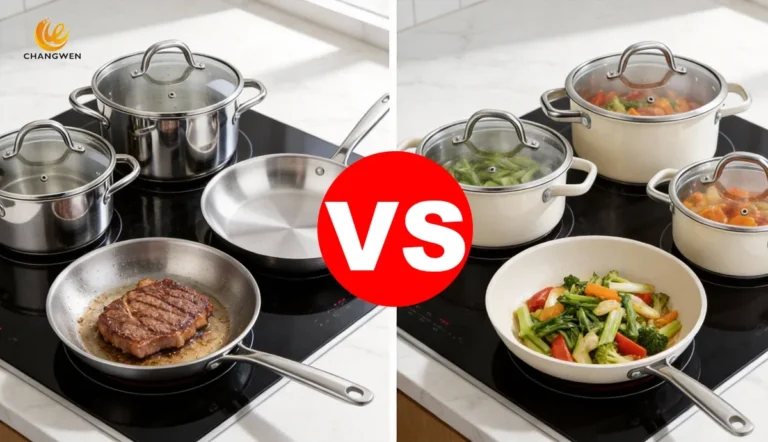
- Induction burners: These are gaining popularity, especially in urban areas where ventilation is a challenge. Induction burners are energy-efficient, easy to clean, and safer than gas because there’s no open flame. The downside? They can be pricier upfront, and not all induction burners are created equal. Some cheaper models struggle to maintain consistent heat, which is a dealbreaker for hotpot. If you’re going this route, invest in commercial-grade induction burners that can handle the demands of a restaurant environment. I’ve seen some models from suppliers like Chef’s Deal that are specifically designed for hotpot, and they’re worth the splurge.
- Electric burners: These are the middle ground between gas and induction. They’re easier to install than gas burners and more affordable than induction, but they’re not as energy-efficient or precise. If you’re on a tight budget, electric burners can work, but be prepared for higher energy bills and more maintenance. Also, keep in mind that electric burners can take longer to heat up, which might slow down service during peak hours. Is this the best approach? Let’s consider: if you’re in a high-volume restaurant, the time lost waiting for burners to heat up could cost you more in the long run than investing in gas or induction.
Now, here’s where things get tricky. You can’t just pick a burner and call it a day. You’ve got to think about BTU output, heat distribution, and durability. For example, a burner with a high BTU output might seem like a good idea, more heat, faster cooking, right? But if the heat isn’t distributed evenly, you’ll end up with hot spots that burn your customers’ food (and their patience). And durability? Well, let’s just say I’ve seen too many restaurants go through cheap burners like tissue paper. Look for models with stainless steel construction and reinforced grates-they’ll last longer and save you money in the long run.
Oh, and one more thing: safety features. This is non-negotiable. Look for burners with automatic shut-off valves, flame failure devices, and overheat protection. I know it’s tempting to cut corners here, but trust me, the last thing you want is a fire in your kitchen. I’ve heard horror stories from restaurant owners who thought they could get away with cheaper, less safe options, and it never ends well. Spend the extra money now, or pay for it later, literally.
2. The Unsung Hero: Ventilation Systems for Hotpot Restaurants
If burners are the heart of your hotpot setup, then ventilation is the lungs. And let me tell you, this is where a lot of restaurants drop the ball. Hotpot is messy, there’s steam, smoke, grease, and all sorts of airborne particles that can turn your kitchen into a hazy, uncomfortable nightmare if you don’t have the right system in place. But here’s the kicker: ventilation isn’t just about comfort. It’s about safety, compliance, and customer experience.
First, let’s talk about the basics. A good commercial ventilation system for hotpot should include:
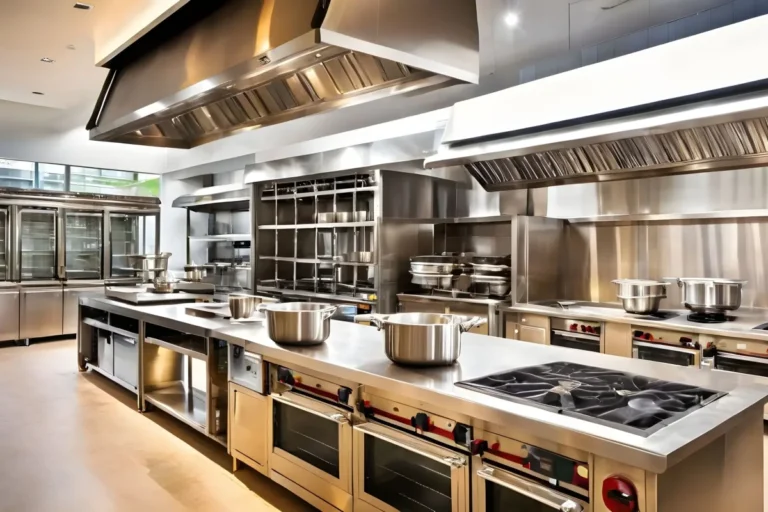
- Exhaust hoods: These are the workhorses of your ventilation system. You’ll need Type I hoods for your burners, which are designed to handle grease and smoke. Make sure they’re sized correctly for your kitchen, too small, and they won’t capture all the airborne particles; too large, and you’re wasting energy (and money). I’ve seen restaurants try to save a few bucks by installing undersized hoods, and it’s always a mistake. The grease buildup alone will be a nightmare to clean, and your kitchen will smell like a deep fryer 24/7.
- Makeup air systems: These are often overlooked, but they’re crucial. When you’re pulling air out of your kitchen with an exhaust hood, you need to replace it with fresh air. Otherwise, you’ll end up with negative pressure, which can cause doors to slam, drafts to form, and even backdrafting of gas appliances. Not fun. A good makeup air system will bring in fresh air and condition it (heat it in the winter, cool it in the summer) so your kitchen stays comfortable year-round.
- Grease filters and traps: These are your first line of defense against grease buildup in your ductwork. Look for baffle filters, which are more efficient at capturing grease than mesh filters. And don’t forget about grease traps, these are especially important for hotpot restaurants because of all the oil and fat that gets into your wastewater. If you don’t have a grease trap, you’re basically asking for clogged pipes and hefty fines from your local health department.
- Fire suppression systems: This is another non-negotiable. Hotpot restaurants are at a higher risk for fires because of all the open flames and grease. A commercial fire suppression system will automatically release fire-suppressing chemicals if a fire breaks out, giving you precious time to evacuate and call the fire department. I know it’s an added expense, but it’s one of those things you’ll be glad you have when (not if) something goes wrong.
Now, here’s where things get complicated. Ventilation systems aren’t one-size-fits-all. The type of system you need will depend on your kitchen layout, your local building codes, and the type of burners you’re using. For example, if you’re using gas burners, you’ll need a more robust system than if you’re using induction. And if you’re in a city with strict air quality regulations (looking at you, California), you might need additional filtration to meet local standards.
This is where working with a supplier like Chef’s Deal can be a game-changer. They offer free kitchen design services, which means they’ll help you figure out exactly what kind of ventilation system you need based on your space and your menu. They can also handle the installation, which is a huge relief because let’s be honest, most of us aren’t HVAC experts. I’ve seen too many restaurants try to DIY their ventilation, and it never ends well. Either the system doesn’t work properly, or they end up having to rip it out and start over, which is a massive waste of time and money.
Oh, and one more thing: maintenance. Ventilation systems aren’t set-it-and-forget-it. You’ll need to clean your hoods and filters regularly to keep them working efficiently, and you’ll need to have your ductwork inspected and cleaned by a professional at least once a year. I know it’s a pain, but it’s way cheaper than dealing with a fire or a health code violation.
3. The Backbone: Tables and Seating for Hotpot Restaurants
Alright, let’s talk about tables. This might seem like a no-brainer, but the type of tables you choose for your hotpot restaurant can have a big impact on your customer experience, kitchen workflow, and even your bottom line. I’ve seen too many restaurants treat tables as an afterthought, and it shows. Your tables need to be functional, durable, and, let’s be honest, Instagram-worthy if you want to attract the younger crowd.
First, let’s talk about materials. You’ve got a few options here:
- Stainless steel: This is the gold standard for hotpot tables. It’s durable, easy to clean, and heat-resistant, which is crucial when you’ve got burners sitting on top of it. Plus, it looks sleek and modern, which is a big selling point for customers. The downside? It can be expensive, and it’s not exactly cozy. If you’re going for a more upscale vibe, you might want to mix in some wood or other materials to soften the look.
- Wood: Wood tables are warmer and more inviting, but they’re also more susceptible to damage from heat and moisture. If you’re going this route, make sure you’re using a heat-resistant finish and sealing the wood properly. I’ve seen too many restaurants use cheap, untreated wood for their tables, and it’s always a disaster. The wood warps, the finish peels, and before you know it, you’re replacing tables every six months. Not ideal.
- Composite materials: These are a good middle ground between stainless steel and wood. They’re durable, heat-resistant, and often more affordable than stainless steel. The downside? They can look a little cheap if you’re not careful. If you’re going this route, make sure you’re choosing a high-quality material that’s designed for commercial use.
Now, let’s talk about design. Hotpot tables come in all shapes and sizes, but the most common options are:
- Round tables: These are the most traditional option, and for good reason. They encourage conversation and make it easy for everyone to reach the pot. The downside? They’re not the most space-efficient option, which can be a problem if you’re working with a small footprint. If you’re going with round tables, make sure you’re leaving enough space between them for servers to move around comfortably.
- Rectangular tables: These are more space-efficient than round tables, which makes them a good option for smaller restaurants. They’re also easier to customize, you can add dividers or partitions to create a more intimate dining experience. The downside? They’re not as conducive to conversation, and they can feel a little impersonal if you’re not careful with the design.
- Booths: Booths are a great option if you’re going for a more upscale vibe. They’re cozy, they encourage longer dining times (which means more sales), and they’re great for groups. The downside? They’re not as flexible as tables, and they can be a pain to clean. If you’re going this route, make sure you’re choosing materials that are easy to wipe down and resistant to stains.
Oh, and one more thing: customization. This is where you can really set your restaurant apart. Think about adding features like built-in USB charging ports, LED lighting, or even customizable broth stations where customers can mix their own flavors. I’ve seen some restaurants go all out with this stuff, and it’s a great way to create a memorable experience. But be careful not to overdo it, you don’t want your tables to feel cluttered or gimmicky.
And let’s not forget about seating. This might seem like a small detail, but the type of chairs you choose can have a big impact on your customers’ comfort (and your bottom line). Look for chairs that are durable, easy to clean, and comfortable-because let’s be honest, hotpot meals can last a while, and no one wants to sit on a hard, uncomfortable chair for two hours. I’ve seen too many restaurants skimp on seating, and it always backfires. Your customers might not notice a great chair, but they’ll definitely notice a bad one.
4. The Details That Matter: Small Equipment with Big Impact
Alright, let’s talk about the little things. You know, the stuff that doesn’t get as much attention as burners or ventilation but can make or break your hotpot setup. I’m talking about things like ladles, strainers, and serving utensils-the unsung heroes of the hotpot experience. These might seem like small details, but trust me, they matter. I’ve been to hotpot restaurants where the ladles were flimsy, the strainers were clogged, and the serving spoons were falling apart. It’s not a good look.
First, let’s talk about ladles. These are arguably the most important utensil in your hotpot arsenal. They need to be durable, heat-resistant, and easy to clean. Look for ladles made from stainless steel with comfortable handles-because let’s be honest, no one wants to burn their hands while trying to scoop out some delicious broth. And make sure you’ve got a variety of sizes on hand. You’ll need small ladles for individual servings and larger ones for refilling the pot.
Next up: strainers. These are essential for fishing out all the good stuff from the broth, think noodles, veggies, and meat. Look for strainers with fine mesh (so you don’t lose all the small bits) and long handles (so your customers don’t have to reach into the pot). And make sure they’re dishwasher-safe-because no one wants to hand-wash a hundred strainers at the end of the night.
Now, let’s talk about serving utensils. These are the tools your customers will use to serve themselves, so they need to be functional, durable, and easy to clean. Think tongs, spoons, and forks. Look for utensils made from stainless steel with comfortable grips. And make sure you’ve got enough to go around, nothing’s worse than a table full of hungry customers fighting over the last pair of tongs.
Oh, and one more thing: dipping sauce stations. This is where your customers will mix their own sauces, and it’s a big part of the hotpot experience. You’ll need a variety of small bowls, spoons, and condiment holders to make this work. And don’t forget about the sauces themselves-think soy sauce, sesame oil, chili oil, and all the other good stuff. I’ve seen some restaurants go all out with this, offering a dozen different sauces and toppings, and it’s a great way to let your customers customize their experience.
But here’s the thing: all this small equipment adds up. It’s easy to overlook the cost of ladles, strainers, and serving utensils, but it can quickly become a significant expense. That’s why it’s important to plan ahead and budget accordingly. And if you’re not sure where to start, suppliers like Chef’s Deal can help. They’ve got everything from commercial-grade ladles to custom sauce stations, and they can help you figure out exactly what you need based on your menu and your budget.
5. The Invisible Workhorse: Water Filtration and Heating Systems
Alright, let’s talk about something that most people don’t think about until it’s too late: water. Hotpot is all about the broth, and the quality of your water can make or break that broth. Hard water, chlorine, and other impurities can ruin the flavor of your broth and leave your customers with a less-than-stellar experience. That’s why a good water filtration system is essential for any hotpot restaurant.
First, let’s talk about filtration. You’ve got a few options here:
- Carbon filters: These are the most common type of water filter, and they’re great for removing chlorine, sediment, and other impurities. They’re affordable and easy to install, but they won’t remove minerals like calcium and magnesium, which can affect the taste of your broth.
- Reverse osmosis (RO) systems: These are more expensive than carbon filters, but they’re also more effective. RO systems remove a wide range of impurities, including minerals, bacteria, and viruses. The downside? They waste a lot of water (up to 4 gallons for every gallon of filtered water), and they can be slow. If you’re going this route, make sure you’re choosing a system that’s designed for commercial use.
- Water softeners: These are designed to remove minerals like calcium and magnesium, which can cause scaling in your equipment and affect the taste of your broth. They’re a good option if you’ve got hard water, but they won’t remove other impurities like chlorine or bacteria.
Now, here’s where things get tricky. The type of filtration system you need will depend on your water source and your local water quality. If you’re not sure what you’re dealing with, I’d recommend getting your water tested. Most local health departments offer water testing services, or you can hire a private lab to do it for you. Once you know what’s in your water, you can choose a filtration system that’s tailored to your needs.
But filtration is only half the battle. You also need to think about water heating. Hotpot broth needs to be piping hot, and that means you need a reliable water heating system. There are a few options here:
- Tankless water heaters: These are energy-efficient and provide hot water on demand, which is great for busy restaurants. The downside? They can be expensive upfront, and they might not be able to keep up with demand during peak hours. If you’re going this route, make sure you’re choosing a model that’s designed for commercial use.
- Storage tank water heaters: These are more affordable than tankless heaters, but they’re also less energy-efficient. They store hot water in a tank, which means you’ve got a ready supply of hot water at all times. The downside? If you run out of hot water, you’re out of luck until the tank refills and reheats.
- Booster heaters: These are designed to boost the temperature of your water supply, which can be useful if your main water heater isn’t keeping up with demand. They’re a good option if you’ve got a large restaurant or if you’re serving a lot of customers at once.
Oh, and one more thing: energy efficiency. Water heating can be a major energy expense for hotpot restaurants, so it’s worth investing in a system that’s designed to save you money. Look for Energy Star-certified models, and consider adding insulation to your pipes and tanks to reduce heat loss. I’ve seen restaurants cut their energy bills by 20% or more just by upgrading their water heating system, so it’s definitely worth the investment.
6. The Logistics: Plumbing and Electrical Considerations
Alright, let’s talk about the stuff that no one wants to think about but everyone has to deal with: plumbing and electrical. These are the backbone of your hotpot setup, and if they’re not done right, you’re in for a world of hurt. I’ve seen too many restaurants try to cut corners here, and it always ends in disaster. Trust me, you don’t want to be the restaurant that floods during dinner service or loses power in the middle of a busy night.
First, let’s talk about plumbing. Hotpot restaurants use a lot of water, think broth, cleaning, and customer handwashing, so you need a plumbing system that can handle the demand. Here are a few things to keep in mind:
- Water supply lines: These need to be sized correctly for your kitchen’s demand. If they’re too small, you’ll end up with low water pressure, which can be a nightmare when you’re trying to fill pots or clean dishes. If they’re too large, you’re wasting money on unnecessary infrastructure. Work with a plumber to figure out exactly what you need based on your kitchen’s layout and your menu.
- Drainage: This is where a lot of restaurants run into problems. Hotpot restaurants generate a lot of grease and food waste, which can clog your drains if you’re not careful. Make sure you’ve got grease traps installed and that your drains are sized correctly for your kitchen’s output. And don’t forget about floor drains-these are essential for cleaning up spills and keeping your kitchen safe and sanitary.
- Backflow prevention: This is a big one. Backflow occurs when contaminated water flows back into your clean water supply, and it’s a major health hazard. Make sure you’ve got backflow prevention devices installed on all your water lines, and have them tested regularly by a professional.
Now, let’s talk about electrical. Hotpot restaurants use a lot of power, think burners, water heaters, lighting, and ventilation, so you need an electrical system that can handle the load. Here are a few things to keep in mind:
- Circuit capacity: This is the amount of power your electrical system can handle. If you’re using a lot of high-wattage equipment (like induction burners or electric water heaters), you’ll need a system with a high circuit capacity. Work with an electrician to figure out exactly what you need based on your kitchen’s layout and your equipment.
- Dedicated circuits: These are circuits that are dedicated to a single piece of equipment. They’re essential for high-wattage appliances like induction burners and water heaters, because they prevent overloading and reduce the risk of electrical fires. Make sure you’ve got enough dedicated circuits to handle your kitchen’s demand.
- Grounding and bonding: This is a safety feature that protects your equipment and your staff from electrical shocks. Make sure your electrical system is properly grounded and bonded, and have it inspected regularly by a professional.
Oh, and one more thing: emergency power. This is something a lot of restaurants overlook, but it’s essential for hotpot restaurants. If the power goes out, your burners go out, your water heaters go out, and your customers are left with cold broth and raw meat. Not a good look. Make sure you’ve got a backup generator or uninterruptible power supply (UPS) to keep your kitchen running in case of an outage. I’ve seen restaurants lose thousands of dollars in sales during a single power outage, so it’s definitely worth the investment.
Now, here’s where things get complicated. Plumbing and electrical work are highly regulated, and the rules vary depending on where you’re located. That’s why it’s so important to work with licensed professionals who know the local codes and can make sure your system is up to snuff. I know it’s tempting to DIY this stuff to save money, but trust me, it’s not worth the risk. A single mistake can lead to fines, closures, or even lawsuits, and that’s not a headache you want to deal with.
If you’re not sure where to start, suppliers like Chef’s Deal can help. They offer professional installation services for all their equipment, which means they’ll handle the plumbing and electrical work for you. It’s a great way to take the guesswork out of the process and make sure everything is done right the first time.
7. The Safety Net: Fire Suppression and Emergency Systems
Alright, let’s talk about something that no one wants to think about but everyone has to plan for: fires. Hotpot restaurants are at a higher risk for fires because of all the open flames, grease, and high-heat equipment. That’s why a good fire suppression system is essential for any hotpot setup. I know it’s an added expense, but it’s one of those things you’ll be glad you have when (not if) something goes wrong.
First, let’s talk about the basics. A good fire suppression system for a hotpot restaurant should include:
- Automatic fire suppression: This is the heart of your system. It’s designed to detect a fire and automatically release fire-suppressing chemicals to put it out. Look for a system that’s UL-listed and designed for commercial kitchens. And make sure it’s installed by a professional, this is not a DIY job.
- Manual pull stations: These are devices that allow your staff to manually trigger the fire suppression system if they spot a fire. Make sure you’ve got at least one pull station in your kitchen, and that your staff knows how to use it.
- Portable fire extinguishers: These are your first line of defense against small fires. Make sure you’ve got Class K extinguishers (designed for kitchen fires) in your kitchen, and that your staff knows how to use them. And don’t forget about Class ABC extinguishers for other types of fires.
- Fire alarms: These are essential for alerting your staff and customers to a fire. Make sure you’ve got smoke detectors and heat detectors installed throughout your restaurant, and that they’re connected to a monitored alarm system.
Now, here’s where things get tricky. Fire suppression systems aren’t one-size-fits-all. The type of system you need will depend on your kitchen layout, your equipment, and your local fire codes. For example, if you’re using gas burners, you’ll need a more robust system than if you’re using induction. And if you’re in a city with strict fire codes (like New York or Los Angeles), you might need additional features like sprinkler systems or emergency lighting.
This is where working with a supplier like Chef’s Deal can be a game-changer. They offer expert consultation and support for fire suppression systems, which means they’ll help you figure out exactly what you need based on your space and your menu. They can also handle the installation, which is a huge relief because let’s be honest, most of us aren’t fire safety experts.
Oh, and one more thing: training. A fire suppression system is only as good as the people who know how to use it. Make sure your staff is trained on how to respond to a fire, including how to use the fire suppression system, how to evacuate the restaurant, and how to call the fire department. I’ve seen too many restaurants install a fire suppression system and then forget to train their staff on how to use it. Don’t be that restaurant.
And let’s not forget about maintenance. Fire suppression systems need to be inspected and serviced regularly to make sure they’re working properly. Most local fire codes require inspections at least once a year, but I’d recommend doing it more often if you’re in a high-risk environment like a hotpot restaurant. I know it’s a pain, but it’s way cheaper than dealing with a fire.
8. The Finishing Touches: Lighting, Decor, and Ambiance
Alright, let’s talk about the stuff that makes your restaurant feel like a restaurant: lighting, decor, and ambiance. These might seem like small details, but they can have a big impact on your customers’ experience. I’ve been to hotpot restaurants that felt like sterile laboratories and others that felt like cozy, inviting homes. Guess which ones I went back to?
First, let’s talk about lighting. This is one of the most important (and most overlooked) aspects of restaurant design. The right lighting can set the mood, highlight your food, and make your customers feel comfortable. The wrong lighting can make your restaurant feel like a hospital or a dungeon. Here are a few things to keep in mind:
- Color temperature: This is measured in Kelvins (K), and it determines whether your lighting feels warm or cool. For hotpot restaurants, I’d recommend a warm color temperature (around 2700K to 3000K). This will make your food look more appetizing and create a cozy, inviting atmosphere. Avoid cool lighting (above 4000K)-it can make your restaurant feel sterile and uninviting.
- Brightness: This is measured in lumens, and it determines how bright your lighting is. For hotpot restaurants, you’ll want a mix of ambient lighting (for overall illumination) and task lighting (for specific areas like the hotpot tables). Make sure your ambient lighting is bright enough to see but not so bright that it feels harsh. And make sure your task lighting is focused on the hotpot tables, you want your customers to be able to see what they’re eating!
- Dimmability: This is a game-changer for hotpot restaurants. Being able to dim your lights can help you create different moods throughout the day. For example, you might want brighter lighting during lunch service and dimmer lighting during dinner. Look for dimmable LED bulbs and smart lighting controls to make this easy.
Now, let’s talk about decor. This is where you can really let your personality shine. Hotpot restaurants are all about the experience, so your decor should reflect that. Here are a few ideas:
- Wall art: This is a great way to add some visual interest to your restaurant. Think Chinese calligraphy, traditional hotpot scenes, or even modern abstract art. Just make sure it’s not too distracting, you want your customers to focus on the food, not the walls.
- Tabletop decor: This is where you can get creative. Think small vases with fresh flowers, decorative bowls for sauces, or even custom-branded chopstick holders. Just make sure it’s not too cluttered, you don’t want your tables to feel messy.
- Furniture: This is a big one. The type of furniture you choose can have a big impact on your restaurant’s vibe. Think cozy booths, sleek modern tables, or even traditional Chinese-style seating. Just make sure it’s comfortable and durable, because let’s be honest, hotpot meals can last a while.
Oh, and one more thing: music. This is something a lot of restaurants overlook, but it can make a big difference in your customers’ experience. The right music can set the mood, encourage conversation, and even influence how much your customers eat and drink. For hotpot restaurants, I’d recommend a mix of traditional Chinese music and modern instrumental tracks. Avoid anything too loud or distracting, you want your customers to be able to hear each other.
And let’s not forget about scent. This is another often-overlooked aspect of restaurant design, but it can have a big impact on your customers’ experience. The right scent can make your restaurant feel more inviting and even influence how your customers perceive your food. For hotpot restaurants, I’d recommend a subtle spicy, savory scent-think chili oil, Sichuan peppercorns, and simmering broth. Just make sure it’s not too overpowering, you don’t want your restaurant to smell like a spice market.
9. The Numbers Game: Budgeting for Your Hotpot Setup
Alright, let’s talk about the elephant in the room: money. Setting up a hotpot restaurant isn’t cheap, and if you’re not careful, the costs can quickly spiral out of control. I’ve seen too many restaurants go over budget because they didn’t plan ahead, and it’s always a nightmare. So, let’s break down the costs and figure out how to make this work without breaking the bank.
First, let’s talk about the big-ticket items. These are the things that will eat up most of your budget:
- Burners: Depending on the type and quality, commercial hotpot burners can cost anywhere from $200 to $2,000 each. If you’re outfitting a 50-table restaurant, that’s a significant investment. And don’t forget about installation, gas lines, electrical work, and ventilation can add thousands of dollars to the bill.
- Ventilation: A good commercial ventilation system can cost anywhere from $10,000 to $50,000, depending on the size of your kitchen and the complexity of the system. And that’s not including installation, which can add another $5,000 to $20,000 to the bill.
- Tables and seating: Outfitting your dining room with custom hotpot tables and comfortable seating can cost anywhere from $5,000 to $30,000, depending on the materials and the number of tables. And don’t forget about decor, wall art, lighting, and other finishing touches can add another $5,000 to $15,000 to the bill.
- Water filtration and heating: A good water filtration system can cost anywhere from $1,000 to $10,000, depending on the type and size. And a commercial water heater can add another $2,000 to $10,000 to the bill.
- Plumbing and electrical: This is where a lot of restaurants underestimate the costs. Depending on your kitchen’s layout and your local building codes, plumbing and electrical work can cost anywhere from $10,000 to $50,000. And that’s not including permits, which can add another $1,000 to $5,000 to the bill.
Now, let’s talk about the smaller expenses. These might not seem like a big deal, but they can add up quickly:
- Ladles, strainers, and serving utensils: These can cost anywhere from $500 to $5,000, depending on the quality and the number of tables.
- Dipping sauce stations: Outfitting your restaurant with custom sauce stations can cost anywhere from $1,000 to $10,000, depending on the materials and the number of tables.
- Fire suppression systems: A good commercial fire suppression system can cost anywhere from $5,000 to $20,000, depending on the size of your kitchen and the complexity of the system.
- Decor and ambiance: This can cost anywhere from $2,000 to $20,000, depending on the materials and the level of customization.
So, how do you make this work without going broke? Here are a few tips:
- Prioritize: Not everything is equally important. Focus on the things that will have the biggest impact on your customers’ experience, like burners, ventilation, and tables. You can always upgrade the smaller stuff later.
- Shop around: Don’t just go with the first supplier you find. Get quotes from multiple vendors, and don’t be afraid to negotiate. And if you’re not sure where to start, suppliers like Chef’s Deal can help. They offer competitive pricing and financing options, which can make it easier to afford the equipment you need.
- Consider used equipment: This is a great way to save money, but be careful. Used equipment can be a gamble, it might save you money upfront, but it could cost you more in the long run if it breaks down. If you’re going this route, make sure you’re buying from a reputable dealer and that the equipment is in good condition.
- Plan ahead: The more you plan, the less likely you are to run into surprises. Work with a designer or a supplier to create a detailed budget and timeline for your project. And don’t forget to factor in contingency funds-because let’s be honest, something always goes wrong.
Oh, and one more thing: financing. This is something a lot of restaurants overlook, but it can be a game-changer. If you don’t have the cash to pay for everything upfront, look into financing options. Many suppliers, including Chef’s Deal, offer financing plans that can make it easier to afford the equipment you need. Just make sure you’re reading the fine print, some financing plans come with high interest rates or hidden fees.
10. The Long Game: Maintenance and Upkeep
Alright, let’s talk about the stuff that no one wants to think about but everyone has to deal with: maintenance. Setting up your hotpot restaurant is just the beginning. If you want to keep your kitchen running smoothly, you’ve got to stay on top of maintenance. I’ve seen too many restaurants neglect this, and it always ends in disaster. Trust me, you don’t want to be the restaurant that’s constantly dealing with broken burners, clogged drains, or malfunctioning ventilation.
First, let’s talk about daily maintenance. This is the stuff you should be doing every day to keep your kitchen running smoothly:
- Clean your burners: This is a no-brainer, but it’s something a lot of restaurants overlook. Grease and food debris can build up on your burners, which can affect their performance and even cause fires. Make sure you’re cleaning your burners at the end of every night, and don’t forget to check for any signs of wear and tear.
- Empty your grease traps: This is another essential task that a lot of restaurants neglect. Grease traps can quickly become clogged with oil and fat, which can cause backups and even health code violations. Make sure you’re emptying your grease traps at least once a day, and don’t forget to clean them thoroughly.
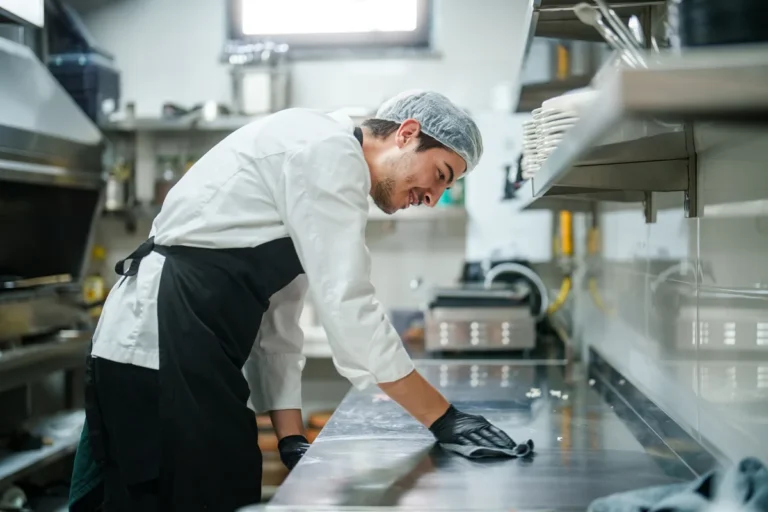
- Wipe down your tables: This might seem like a small detail, but it can have a big impact on your customers’ experience. Make sure you’re wiping down your tables after every use, and don’t forget to check for any signs of damage. If a table is warped or cracked, it’s time to replace it.
- Check your ventilation: This is something a lot of restaurants overlook, but it’s essential for keeping your kitchen safe and comfortable. Make sure you’re checking your ventilation system at the end of every night, and don’t forget to clean your hoods and filters regularly.
Now, let’s talk about weekly maintenance. This is the stuff you should be doing once a week to keep your kitchen in top shape:
- Inspect your burners: This is a good time to check for any signs of wear and tear, like cracks, rust, or loose parts. If you spot any issues, make sure you’re addressing them right away, because let’s be honest, a broken burner is a nightmare during dinner service.
- Clean your drains: This is another essential task that a lot of restaurants neglect. Over time, grease and food debris can build up in your drains, which can cause backups and even health code violations. Make sure you’re cleaning your drains at least once a week, and don’t forget to check for any signs of clogs.
- Check your water filtration system: This is something a lot of restaurants overlook, but it’s essential for keeping your broth tasting great. Make sure you’re checking your water filtration system at least once a week, and don’t forget to replace your filters regularly.
- Inspect your fire suppression system: This is a big one. Make sure you’re checking your fire suppression system at least once a week, and don’t forget to test your alarms and extinguishers. If you spot any issues, make sure you’re addressing them right away, because let’s be honest, a malfunctioning fire suppression system is a disaster waiting to happen.
Finally, let’s talk about monthly and annual maintenance. This is the stuff you should be doing on a regular basis to keep your kitchen running smoothly:
- Deep clean your kitchen: This is something a lot of restaurants overlook, but it’s essential for keeping your kitchen safe and sanitary. Make sure you’re deep cleaning your kitchen at least once a month, and don’t forget to check for any signs of pests or mold.
- Inspect your plumbing and electrical systems: This is a good time to check for any signs of wear and tear, like leaks, corrosion, or loose wires. If you spot any issues, make sure you’re addressing them right away, because let’s be honest, a plumbing or electrical problem is a nightmare during dinner service.
- Service your ventilation system: This is something a lot of restaurants neglect, but it’s essential for keeping your kitchen safe and comfortable. Make sure you’re having your ventilation system serviced at least once a year, and don’t forget to clean your ductwork and replace your filters.
- Test your fire suppression system: This is a big one. Make sure you’re having your fire suppression system tested at least once a year, and don’t forget to check your alarms and extinguishers. If you spot any issues, make sure you’re addressing them right away, because let’s be honest, a malfunctioning fire suppression system is a disaster waiting to happen.
Oh, and one more thing: training. This is something a lot of restaurants overlook, but it’s essential for keeping your kitchen running smoothly. Make sure your staff is trained on how to use and maintain your equipment, and don’t forget to refresh their training regularly. I’ve seen too many restaurants assume that their staff knows how to use the equipment, only to find out the hard way that they don’t. Don’t be that restaurant.
Putting It All Together: Your Hotpot Restaurant Setup Checklist
Alright, let’s recap. Setting up a hotpot restaurant is a big undertaking, but if you break it down into manageable steps, it’s totally doable. Here’s a quick checklist to help you stay on track:
- Choose your burners: Decide whether you’re going with gas, induction, or electric, and make sure you’re choosing models that are durable, energy-efficient, and safe.
- Install your ventilation system: Work with a professional to design and install a system that’s tailored to your kitchen’s needs. Don’t forget about makeup air, grease filters, and fire suppression.
- Outfit your dining room: Choose tables and seating that are functional, durable, and comfortable. Don’t forget about decor and ambiance, these can have a big impact on your customers’ experience.
- Stock up on small equipment: Make sure you’ve got plenty of ladles, strainers, and serving utensils. Don’t forget about dipping sauce stations, these are a big part of the hotpot experience.
- Install your water filtration and heating systems: Choose a filtration system that’s tailored to your water source, and make sure you’ve got a reliable water heater to keep your broth piping hot.
- Handle your plumbing and electrical work: Work with licensed professionals to make sure your system is up to code. Don’t forget about backflow prevention, circuit capacity, and emergency power.
- Install your fire suppression system: Make sure you’ve got a system that’s designed for commercial kitchens, and don’t forget about training your staff on how to use it.
- Add the finishing touches: Think lighting, decor, and ambiance. These might seem like small details, but they can have a big impact on your customers’ experience.
- Budget for everything: Make sure you’re accounting for all the big-ticket items, as well as the smaller expenses. Don’t forget about contingency funds, because let’s be honest, something always goes wrong.
- Stay on top of maintenance: Create a schedule for daily, weekly, and monthly maintenance tasks, and make sure your staff is trained on how to use and maintain your equipment.
And that’s it! If you follow this checklist, you’ll be well on your way to setting up a hotpot restaurant that’s efficient, safe, and, most importantly, delicious. But remember, this is just the beginning. Running a successful restaurant is an ongoing process, and there’s always more to learn. So, stay curious, stay flexible, and don’t be afraid to ask for help when you need it.
Oh, and one last thing: enjoy the process. Opening a restaurant is a lot of work, but it’s also incredibly rewarding. There’s nothing quite like seeing your customers enjoy a meal that you’ve worked so hard to create. So, take a deep breath, trust the process, and get ready to make some magic happen.
FAQ
Q: What’s the most important piece of equipment for a hotpot restaurant?
A: Hands down, it’s your burners. They’re the heart of your hotpot setup, and the type you choose will affect everything from your menu to your energy bills. But don’t overlook ventilation, it’s just as important for safety and comfort. I’ve seen too many restaurants focus on burners and skimp on ventilation, and it always ends in headaches (and sometimes fines).
Q: How much does it cost to set up a commercial hotpot kitchen?
A: It really depends on the size of your restaurant and the quality of the equipment you choose. For a small, 20-table restaurant, you’re looking at anywhere from $50,000 to $150,000 for the basics (burners, ventilation, tables, etc.). For a larger, 50-table restaurant, you could be looking at $200,000 to $500,000 or more. And that’s not including permits, labor, or decor. It’s a big investment, but if you do it right, it’ll pay off in the long run.
Q: Can I use residential-grade equipment for my hotpot restaurant?
A: I wouldn’t recommend it. Residential-grade equipment isn’t built to handle the wear and tear of a busy restaurant, and it’s not designed to meet commercial safety standards. I’ve seen restaurants try to save money by using residential burners or water heaters, and it always ends in disaster. Either the equipment breaks down, or they run into issues with their local health department. It’s just not worth the risk.
Q: How do I choose the right supplier for my hotpot equipment?
A: Look for a supplier that specializes in commercial kitchen equipment and has experience working with hotpot restaurants. They should offer a wide range of products, competitive pricing, and good customer support. And if they offer free kitchen design services, like Chef’s Deal, that’s a huge plus. It can save you a ton of time and money in the long run. Also, don’t be afraid to ask for references, talking to other restaurant owners who’ve worked with the supplier can give you a good sense of what to expect.
@article{the-ultimate-commercial-hotpot-equipment-setup-guide-for-restaurants-from-burners-to-ventilation-what-you-really-need-to-know,
    title   = {The Ultimate Commercial Hotpot Equipment Setup Guide for Restaurants: From Burners to Ventilation, What You Really Need to Know},
    author  = {Chef's icon},
    year    = {2026},
    journal = {Chef's Icon},
    url     = {https://chefsicon.com/commercial-hotpot-equipment-setup-guide-restaurants/}
}