The Best Fluffy Pancakes recipe you will fall in love with. Full of tips and tricks to help you make the best pancakes.
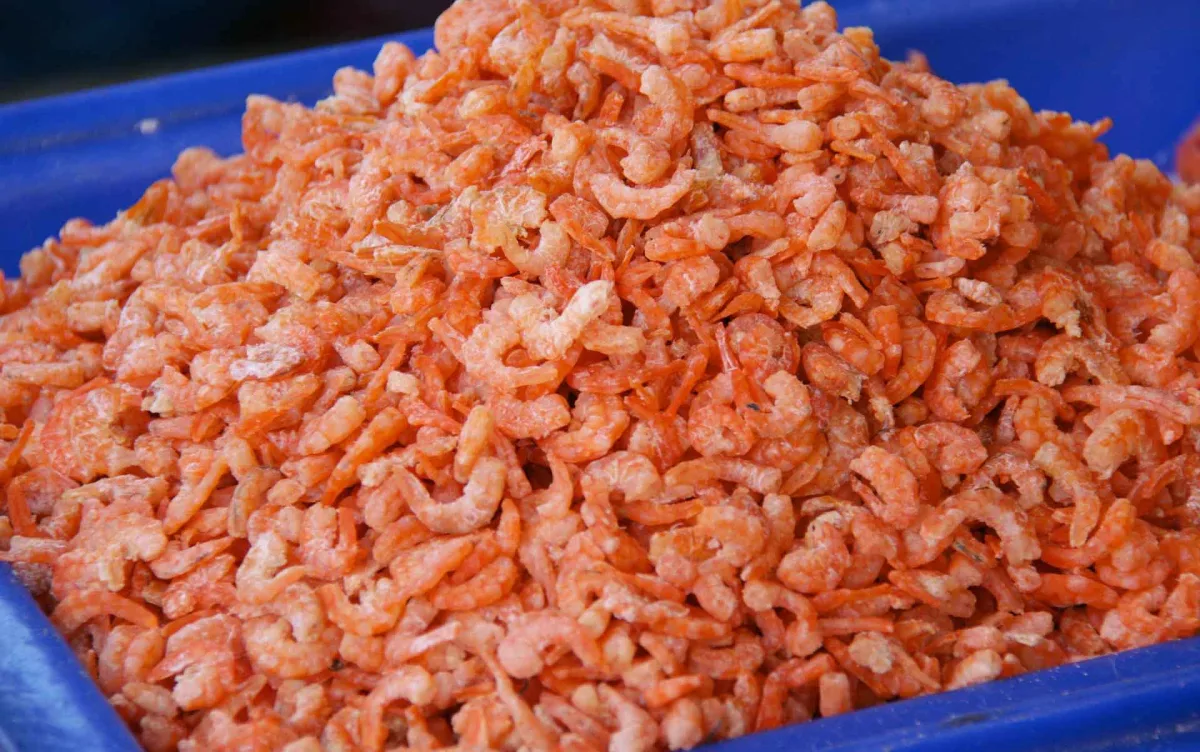
Let me tell you about the first time I messed up storing dried shrimp. It was my second week at this tiny Vietnamese spot in Nashville, you know, the kind where the owner’s grandma still does the books in the back while yelling at the line cooks in rapid-fire Vietnamese. I’d just unloaded a 20-pound sack of dried shrimp, all golden and crisp, smelling like the ocean if the ocean had been left in the sun for a week. “Easy,” I thought. “It’s dried. It’s shelf-stable. What could go wrong?”
Famous last words. Two weeks later, I opened the container to find a sad, clumpy mess that smelled more like a wet gym sock than anything edible. The owner took one look, sighed like I’d just told him his firstborn was moving to Canada, and muttered something that roughly translated to “rookie mistake.” I learned two things that day: 1) Dried shrimp is ot as indestructible as it seems, and 2) Grandmas everywhere have zero patience for wasted ingredients.
If you’re reading this, you’re probably a chef, kitchen manager, or someone who’s just inherited a walk-in full of ingredients you’ve never worked with before. Maybe you’re opening a new Southeast Asian concept, or maybe you’re just trying to keep your pantry from turning into a science experiment. Either way, you’re in the right place. This guide isn’t just about slapping dried shrimp in a container and calling it a day, it’s about understanding why this ingredient behaves the way it does, how to keep it in peak condition, and how to avoid the kind of waste that makes accountants cry. By the end, you’ll know:
- Why dried shrimp is trickier to store than you think (and why it’s worth the effort)
- The exact storage methods that work in commercial kitchens (spoiler: your home pantry tricks won’t cut it)
- How to spot signs of spoilage before it ruins a whole batch
- Creative ways to use up dried shrimp before it goes south
- How to train your staff so they don’t make the same mistakes I did
Let’s get into it.
The Weird, Wonderful World of Dried Shrimp
What Even Is Dried Shrimp, Anyway?
Before we talk storage, let’s talk about what dried shrimp actually is, because if you’re used to working with fresh seafood, this stuff is a whole different beast. Dried shrimp is exactly what it sounds like: shrimp that’s been salted, boiled, and then dried in the sun or a dehydrator until it’s lost most of its moisture. The process concentrates the flavor, turning what was once a delicate, briny morsel into something intensely savory, almost umami-bomb-like. It’s a staple in cuisines from Thailand to Mexico, used to add depth to everything from soups to salsas.
But here’s the thing: dried shrimp isn’t just shrimp. It’s a living, breathing (well, not literally) ecosystem of proteins, fats, and moisture that’s still interacting with its environment. Even though it’s dried, it’s not inert. It can still absorb odors, attract pests, and degrade over time, especially in a commercial kitchen where temperature and humidity are about as stable as a Jenga tower in an earthquake. This is why storage matters. Treat dried shrimp like you would fresh herbs or spices, not like a can of beans, and you’ll be ahead of 90% of the kitchens out there.
Why Commercial Kitchens Struggle with It
Home cooks have it easy. They buy a small bag of dried shrimp, use it within a month, and call it a day. Commercial kitchens? Not so much. We’re dealing with bulk quantities, inconsistent usage rates, and storage conditions that can vary wildly from one walk-in to the next. Here’s why it’s such a pain:
- Bulk quantities mean bulk problems. A 20-pound sack of dried shrimp isn’t just harder to store, it’s harder to inspect, harder to rotate, and harder to keep consistent. One bad batch can ruin the whole lot.
- Humidity is the enemy. Dried shrimp is hygroscopic, which is a fancy way of saying it loves to soak up moisture from the air. In a humid kitchen, that means clumping, mold, and a texture that’s closer to gummy bears than shrimp.
- Odor absorption is real. Ever opened a container of dried shrimp only to find it smells like last night’s garlic-heavy special? That’s because dried shrimp is like a sponge for odors. Store it near onions, fish, or even strong spices, and it’ll take on their flavors like a culinary chameleon.
- Pests love it. Weevils, moths, and other pantry pests see dried shrimp as an all-you-can-eat buffet. And once they’re in, they’re in.
- Staff don’t always know what to look for. Most line cooks can spot bad chicken from a mile away, but dried shrimp? Not so much. It’s not something they’re trained on, so it often gets overlooked until it’s too late.
So, how do you combat these issues? Let’s start with the basics: choosing the right storage containers.
The Container Conundrum: What to Store Dried Shrimp In (And What to Avoid)
Plastic Bins: The Commercial Kitchen Workhorse
If you’re storing dried shrimp in bulk, plastic bins are your best friend. But not just any plastic bins, you need the right kind. Here’s what to look for:
- Food-grade, BPA-free plastic. This isn’t the time to repurpose old chemical drums. You want bins that are specifically designed for food storage. Look for the HDPE (High-Density Polyethylene) or PP (Polypropylene) symbols on the bottom.
- Airtight seals. The lid should snap shut with a satisfying *click* and create a vacuum-like seal. If it doesn’t, it’s not airtight enough. No exceptions.
- Opaque or dark-colored plastic. Light degrades dried shrimp over time, turning it from golden to dull and affecting its flavor. If your bins are clear, store them in a dark place or wrap them in a towel or aluminum foil.
- Sizes that make sense for your usage. Don’t store 20 pounds of dried shrimp in one massive bin if you only use a pound a week. Break it down into smaller, more manageable containers to minimize exposure to air and moisture every time you open it.
I’ve seen kitchens try to cut corners by using old Cambro containers or even repurposed pickle buckets. Don’t. Just don’t. Those containers might be food-safe, but they’re not designed for long-term storage of dry goods, and they’re often not airtight enough to keep out moisture or pests. Invest in the right bins, it’s cheaper than replacing spoiled shrimp.
Mylar Bags: The Secret Weapon for Long-Term Storage
If you’re dealing with really large quantities of dried shrimp, or if you’re prepping for a long-term project like a pop-up or catering gig, Mylar bags are a game-changer. These are the same bags used by survivalists and bulk food suppliers, and for good reason: they’re impermeable to oxygen, moisture, and light, which makes them perfect for preserving dried goods.
Here’s how to use them:
- Portion out your shrimp. Don’t dump the entire sack into one giant Mylar bag. Instead, divide it into smaller portions (e.g., 1-pound or 5-pound bags) so you’re not exposing the whole batch every time you open one.
- Add oxygen absorbers. These little packets suck up any residual oxygen in the bag, which helps prevent spoilage and keeps pests at bay. You can buy them online or at restaurant supply stores. Pro tip: Use 100cc absorbers for 1-pound bags and 300cc for 5-pound bags.
- Seal it up. You’ll need a heat sealer (or a really steady hand with an iron) to close the bag. Press out as much air as possible before sealing, then run the sealer along the top edge. If you don’t have a sealer, you can use a vacuum sealer with a Mylar bag adapter, but it’s not as foolproof.
- Store in a cool, dark place. Mylar bags are great, but they’re not indestructible. Keep them away from heat sources and direct sunlight.
Is this overkill for most kitchens? Maybe. But if you’re dealing with a high-volume operation or a specialty ingredient that’s hard to source, it’s worth the effort. I’ve seen Mylar bags keep dried shrimp fresh for years-not that I’d recommend storing it that long, but it’s nice to know you could.
Glass Jars: The Fancy (But Impractical) Option
Look, I get it. Glass jars look pretty. They’re great for Instagram shots of your pantry, and they’re easy to clean. But in a commercial kitchen? They’re a pain. Here’s why:
- They’re heavy. Try lugging a 5-gallon glass jar full of dried shrimp across a busy kitchen. I’ll wait.
- They’re breakable. One slip, and you’ve got a mess of glass and shrimp to clean up. Not ideal.
- They’re not space-efficient. Glass jars take up more room than plastic bins, and they don’t stack as well.
- They’re expensive. A good set of food-grade plastic bins will cost you a fraction of what glass jars would.
That said, if you’re only storing small quantities of dried shrimp, for example, if you’re a cocktail bar using it as a garnish, glass jars can work. Just make sure they have airtight lids and store them in a dark place. And for the love of all that’s holy, don’t drop them.
What to Avoid: The Storage Sins That Will Ruin Your Shrimp
Not all storage methods are created equal. Here are the ones to avoid like a health inspector on a Friday night:
- Original packaging. That 20-pound sack of dried shrimp it came in? It’s not designed for long-term storage. The plastic is often thin, the seals are weak, and it’s not airtight. Transfer it to a proper container ASAP.
- Cardboard boxes. Cardboard is porous, which means it absorbs moisture and odors. It’s also a magnet for pests. If you’re using cardboard for anything other than short-term transport, you’re asking for trouble.
- Metal containers without liners. Metal can react with the shrimp over time, especially if there’s any residual moisture. If you’re using metal, make sure it’s lined with food-grade plastic or Mylar.
- Open bins or buckets. I’ve seen kitchens store dried shrimp in open 5-gallon buckets because “it’s easier to scoop from.” No. Just no. You’re basically inviting moisture, pests, and odors to a shrimp party.
- Near heat sources. Storing dried shrimp next to the oven, dishwasher, or even a sunny window is a recipe for disaster. Heat speeds up degradation and can turn your shrimp rancid.
Location, Location, Location: Where to Store Dried Shrimp in Your Kitchen
The Walk-In: Your Best Friend (With Caveats)
If you’ve got a walk-in cooler, that’s your best bet for storing dried shrimp. The cool, controlled environment slows down degradation and keeps pests at bay. But, and this is a big but, it’s not as simple as tossing the container in there and forgetting about it. Here’s how to do it right:
- Keep it off the floor. This should go without saying, but I’ve seen kitchens store ingredients on the floor like it’s a college dorm room. Use shelving or pallets to keep your containers at least 6 inches off the ground. This prevents moisture from seeping in and makes it harder for pests to access.
- Avoid the door. The area near the walk-in door is the most temperature-fluctuating part of the cooler. Every time the door opens, warm air rushes in, which can introduce moisture and cause condensation. Store your shrimp in the back or on a middle shelf where the temperature is more stable.
- Don’t overcrowd. Airflow is key in a walk-in. If you cram too many containers together, you’re creating pockets of stagnant air that can trap moisture. Leave a little space between containers so air can circulate.
- Use moisture absorbers. Even in a walk-in, humidity can be an issue. Toss a few silica gel packets or a calcium chloride desiccant into the container to keep the shrimp dry. Just make sure they’re food-safe and labeled for dry food storage.
Now, I know what you’re thinking: “But Sammy, my walk-in is already packed to the gills. Where am I supposed to put this?” Fair point. If space is tight, consider:
- Vertical storage. Use stackable bins or shelving units to maximize vertical space. Just make sure the stacks are stable, no one wants a shrimp avalanche.
- Under-counter storage. If you’ve got under-counter space in your prep area, that can work too, as long as it’s not near a heat source.
- A dedicated dry storage area. More on that next.
Dry Storage: The Goldilocks Zone
If you don’t have a walk-in (or if your walk-in is already bursting at the seams), a dedicated dry storage area is your next best option. The key here is consistency. You want a spot that’s:
- Cool. Ideal temperature is between 50°F and 70°F (10°C to 21°C). Any warmer, and you risk speeding up degradation. Any cooler, and you might introduce condensation when you bring the shrimp out to room temperature.
- Dark. Light degrades dried shrimp over time, so keep it in a closed cabinet or pantry.
- Dry. Humidity should be below 60%. If your kitchen is humid (looking at you, Southern kitchens), consider using a dehumidifier or moisture absorbers.
- Well-ventilated. Stagnant air = moisture buildup. Make sure there’s some airflow, but not so much that it introduces dust or pests.
Where should this magical dry storage area be? Here are a few options:
- A pantry or closet. If you’ve got a spare closet or pantry that’s away from heat sources, that’s ideal. Just make sure it’s not near the dishwasher or oven.
- A dedicated storage room. Some kitchens have a separate room for dry goods. If you’re lucky enough to have one, use it.
- Under-counter cabinets. If you’re tight on space, under-counter cabinets can work, as long as they’re not near a heat source or sink.
One thing to avoid: storing dried shrimp in the same area as strong-smelling ingredients. Remember, dried shrimp is a sponge for odors. Keep it away from onions, garlic, fish, and anything else that might taint its flavor.
The Freezer: A Last Resort (But Sometimes Necessary)
I’ll be honest: I’m torn on this one. Freezing dried shrimp can extend its shelf life, but it’s not without risks. Here’s the deal:
Pros:
- Extends shelf life indefinitely if done correctly.
- Kills any pests or larvae that might be lurking in the shrimp.
- Slows down oxidation and degradation.
Cons:
- Moisture is your enemy. If the shrimp isn’t completely dry when you freeze it, or if the container isn’t airtight, you’ll end up with freezer burn or ice crystals, which can ruin the texture.
- Temperature fluctuations can cause condensation. Every time you open the freezer, warm air rushes in, which can introduce moisture. If you’re freezing dried shrimp, portion it out into small, airtight containers so you’re not exposing the whole batch every time you need some.
- It’s overkill for most kitchens. Unless you’re storing dried shrimp for months on end, freezing is probably unnecessary. It’s more trouble than it’s worth.
If you do decide to freeze dried shrimp, here’s how to do it right:
- Portion it out. Divide the shrimp into small, usable portions (e.g., 1-pound bags) so you’re not exposing the whole batch every time you need some.
- Use airtight containers. Mylar bags or vacuum-sealed bags work best. If you’re using plastic containers, make sure they’re freezer-safe and have airtight lids.
- Add oxygen absorbers. This helps prevent freezer burn and keeps the shrimp fresh.
- Label everything. Include the date and the weight so you know what you’re dealing with later.
- Thaw carefully. When you’re ready to use the shrimp, thaw it in the fridge or at room temperature in a sealed container. Don’t microwave it, you’ll end up with a soggy mess.
Is freezing worth it? Maybe. If you’re dealing with a massive bulk order and you know you won’t use it all within a few months, it’s an option. But for most kitchens, proper dry storage or walk-in storage will do the trick.
Rotation and Organization: The Secret to Avoiding Shrimp Disasters
FIFO: The Golden Rule You’re Probably Ignoring
FIFO, First In, First Out, is one of those kitchen rules that everyone knows but no one actually follows. And when it comes to dried shrimp, ignoring FIFO is a one-way ticket to Spoilageville. Here’s why:
- Dried shrimp degrades over time. Even in ideal conditions, it’s not going to last forever. The longer it sits, the more its flavor and texture deteriorate.
- Old shrimp = wasted money. If you’re not rotating your stock, you’re basically throwing money in the trash. And no one wants that.
- It’s a food safety issue. While dried shrimp is less prone to bacterial growth than fresh seafood, it can still spoil if it’s not stored properly. Using old shrimp in a dish is a great way to ruin your reputation.
So how do you implement FIFO in a busy kitchen? Here are a few tips:
- Label everything. Every container of dried shrimp should have a label with the date it was opened or transferred. Use a label maker or even just a Sharpie, just make sure it’s clear and legible.
- Store new shipments behind old ones. When you get a new delivery, put it at the back of the shelf and move the older containers to the front. This way, the oldest shrimp gets used first.
- Train your staff. FIFO only works if everyone’s on board. Make it part of your kitchen’s culture. Every time someone grabs a container, they should check the date and make sure they’re using the oldest stock first.
- Do regular inventory checks. Once a month (or more often, if you’re using a lot of dried shrimp), go through your stock and pull out anything that’s past its prime. It’s better to toss a little now than to waste a lot later.
I’ll be the first to admit: FIFO is a pain. It’s one more thing to keep track of in an already chaotic kitchen. But trust me, it’s worth it. Nothing’s worse than opening a container of dried shrimp that’s been sitting in the back of the walk-in for six months and realizing it’s turned into a science experiment.
How to Organize Your Dried Shrimp Like a Pro
Organization isn’t just about aesthetics, it’s about efficiency and food safety. Here’s how to set up your dried shrimp storage so it’s easy to access, easy to rotate, and hard to mess up:
- Group by size and type. If you’re using different sizes of dried shrimp (e.g., small, medium, large), store them separately. Same goes for different types (e.g., peeled vs. unpeeled). This makes it easier to grab what you need without digging through a mixed container.
- Use clear containers. Even if the containers are opaque, label them clearly with the size, type, and date. If you’re using clear containers, you can see the shrimp at a glance, which makes inventory checks easier.
- Store in usable portions. Don’t store 20 pounds of dried shrimp in one massive bin if you only use a pound at a time. Break it down into smaller containers (e.g., 1-pound or 5-pound) so you’re not exposing the whole batch every time you need some.
- Keep a usage log. This doesn’t have to be anything fancy, just a notebook or a spreadsheet where you track how much dried shrimp you’re using each week. This helps you predict when you’ll need to reorder and prevents overstocking.
- Designate a “staging area.” When you get a new delivery of dried shrimp, don’t just toss it in the walk-in. Set up a staging area where you can inspect it, portion it out, and label it before it goes into storage. This prevents you from shoving a whole sack into a bin and forgetting about it until it’s too late.
Here’s a pro tip: If you’re really struggling with organization, consider using a color-coded system. For example, green labels for small shrimp, blue for medium, and red for large. It’s a small thing, but it can make a big difference in a busy kitchen.
Signs of Spoilage: How to Tell If Your Dried Shrimp Has Gone Bad
The Nose Knows: Smell Is Your First Clue
Dried shrimp should smell briny, slightly fishy, and a little funky, in a good way. If it smells off, it probably is. Here’s what to look for:
- Ammonia-like odor. This is a sign that the shrimp has started to decompose. If it smells like cleaning products or cat pee, toss it.
- Rancid or sour smell. This usually means the fats in the shrimp have started to oxidize. It’s not necessarily unsafe, but it’s not going to taste good.
- Musty or moldy smell. This is a sign of moisture exposure. If it smells like a damp basement, it’s time to say goodbye.
If you’re not sure, do the sniff test: Take a small handful of shrimp, rub it between your fingers, and take a whiff. If it smells fine, it’s probably okay. If it makes you recoil, it’s time to toss it.
Texture: When Shrimp Turns to Mush
Dried shrimp should be firm and slightly brittle. If it’s soft, sticky, or clumpy, that’s a sign that it’s absorbed moisture. Here’s what to look for:
- Clumping. If the shrimp is stuck together in a solid mass, it’s absorbed too much moisture. You can try breaking it apart and drying it out (more on that later), but if it’s really bad, it’s probably not worth saving.
- Softness. Dried shrimp should snap when you bend it. If it bends like a gummy worm, it’s too moist.
- Stickiness. If the shrimp feels sticky or tacky to the touch, that’s a sign of moisture exposure. It might also be a sign of mold.
If you’re dealing with clumpy or soft shrimp, you can try reviving it by spreading it out on a baking sheet and drying it in a low oven (around 200°F or 95°C) for an hour or so. But if it’s really far gone, it’s better to cut your losses.
Appearance: The Good, the Bad, and the Ugly
Dried shrimp should be golden to reddish-brown in color, depending on the variety. If it’s looking dull, discolored, or downright gross, it’s time to toss it. Here’s what to watch out for:
- White or gray spots. These can be a sign of mold or freezer burn. If you see them, inspect the shrimp closely. If it’s just a few spots, you might be able to pick them out. If it’s widespread, it’s time to toss it.
- Dark or black spots. These can be a sign of oxidation or spoilage. If the shrimp looks like it’s been sitting in a swamp, it’s not safe to eat.
- Insects or larvae. This one’s a no-brainer. If you see bugs or webbing in your dried shrimp, toss the whole batch and inspect your other dry goods for pests.
- Excessive dust or debris. A little dust is normal, but if your shrimp looks like it’s been rolling around in a construction site, it’s probably not safe to eat.
If you’re not sure whether your shrimp is still good, err on the side of caution. It’s not worth risking food poisoning or a bad review just to save a few bucks.
Taste Test: The Final Frontier
If you’ve inspected your dried shrimp and it looks and smells okay, but you’re still not sure, you can do a taste test. Here’s how:
- Take a small piece of shrimp and chew it. It should have a strong, briny, umami flavor. If it tastes bland, sour, or off, it’s probably bad.
- Pay attention to the aftertaste. If it leaves a bitter or chemical-like aftertaste, that’s a sign of spoilage.
- If it tastes fine, it’s probably okay to use. But if you’re still not sure, trust your gut. It’s better to be safe than sorry.
I’ll be honest: I don’t recommend doing taste tests in a commercial kitchen. If you’re not 100% sure the shrimp is safe, it’s better to toss it. But if you’re in a pinch and you’re confident in your judgment, it’s an option.
Reviving and Using Up Dried Shrimp Before It Goes Bad
How to Rescue Clumpy or Moist Shrimp
So, you opened a container of dried shrimp and found it clumpy, soft, or sticky. Don’t panic, it might not be a total loss. Here’s how to revive it:
- Spread it out. Dump the shrimp onto a baking sheet or a clean, dry surface and spread it out in a single layer. This allows moisture to evaporate and prevents further clumping.
- Dry it out. If the shrimp is really moist, you can dry it in a low oven (around 200°F or 95°C) for an hour or so. Keep an eye on it to make sure it doesn’t burn. Alternatively, you can leave it out in the sun for a few hours (if you’ve got a safe, pest-free spot to do so).
- Break up clumps. Once the shrimp is dry, use your hands or a rolling pin to break up any remaining clumps. If it’s still clumpy, you can pulse it in a food processor for a few seconds to break it apart.
- Rehydrate if needed. If the shrimp is too dry or brittle, you can rehydrate it by soaking it in warm water for 10-15 minutes. Drain it well before using.
- Use it up quickly. Once you’ve revived the shrimp, use it up as soon as possible. It’s not going to last as long as properly stored shrimp, so don’t let it sit around.
Is this worth the effort? Maybe. If you’ve got a lot of shrimp to salvage, it’s a good option. But if it’s just a small amount, it might be easier to toss it and start fresh.
Creative Ways to Use Up Dried Shrimp Before It Spoils
If you’ve got a surplus of dried shrimp and you’re worried about it going bad, get creative. Here are a few ways to use it up before it’s too late:
- Make shrimp powder. Pulse dried shrimp in a food processor until it’s a fine powder, then use it as a seasoning for soups, stews, or marinades. It’s a great way to add umami to dishes without overpowering them.
- Infuse oil or butter. Heat dried shrimp in oil or butter over low heat for 10-15 minutes, then strain out the solids. Use the infused oil or butter to add depth to stir-fries, pasta, or seafood dishes.
- Make a shrimp paste. Blend dried shrimp with garlic, chili, and oil to make a quick shrimp paste. Use it as a base for curries, dipping sauces, or marinades.
- Add it to broths and stocks. Dried shrimp is a great way to add depth to broths and stocks. Just toss a handful into the pot and let it simmer for 20-30 minutes.
- Use it in baked goods. Sounds weird, but dried shrimp adds a savory, umami kick to bread, crackers, and even cookies. Try adding it to cornbread, biscuits, or savory scones.
- Make a dry rub. Mix dried shrimp powder with spices like cumin, coriander, and chili powder to make a dry rub for meats or vegetables.
- Add it to fried rice or noodles. Dried shrimp is a classic addition to fried rice, noodles, and stir-fries. Just toss it in with the other ingredients and let it cook.
- Use it as a garnish. Crumble dried shrimp over soups, salads, or tacos for a crunchy, umami-packed topping.
The key here is to think outside the box. Dried shrimp isn’t just for Southeast Asian cuisine, it’s a versatile ingredient that can add depth to all kinds of dishes. If you’re stuck, ask your staff for ideas. You might be surprised by what they come up with.
Donating Excess Dried Shrimp: A Win-Win
If you’ve got more dried shrimp than you can use, consider donating it to a local food bank or shelter. Many organizations accept non-perishable food items, and dried shrimp is a great source of protein and flavor. Just make sure it’s still in good condition, no one wants to donate spoiled food.
Here’s how to do it:
- Check with the organization first. Not all food banks accept dried shrimp, so call ahead to make sure they can take it.
- Package it properly. Transfer the shrimp to airtight containers or Mylar bags to keep it fresh during transport.
- Label it clearly. Include the date, the type of shrimp, and any storage instructions.
- Deliver it promptly. Don’t let it sit around in your kitchen for weeks. The sooner you donate it, the better.
Donating excess ingredients isn’t just good karma, it’s good business. It reduces waste, helps your community, and might even give you a tax write-off. Plus, it’s a great way to build relationships with local organizations.
Training Your Staff: Because You Can’t Do It All Yourself
Why Staff Training Is Non-Negotiable
Let’s be real: You can have the best storage system in the world, but if your staff doesn’t know how to use it, it’s all for nothing. Dried shrimp storage isn’t something you can just explain once and forget about, it’s an ongoing process that requires buy-in from everyone in the kitchen.
Here’s why staff training is so important:
- Consistency. If everyone’s on the same page, you’re less likely to have storage mishaps.
- Accountability. When staff know what to look for, they’re more likely to catch issues before they become problems.
- Efficiency. A well-trained staff can rotate stock, inspect ingredients, and use up surplus shrimp without you having to micromanage every detail.
- Food safety. Spoiled ingredients aren’t just a waste of money, they’re a food safety hazard. Proper training helps prevent foodborne illness and keeps your customers safe.
So how do you train your staff effectively? Let’s break it down.
How to Train Your Staff on Dried Shrimp Storage
Training your staff on dried shrimp storage isn’t rocket science, but it does require a little planning. Here’s how to do it:
- Start with the basics. Explain what dried shrimp is, why it’s used, and why proper storage is important. Don’t assume everyone knows this stuff, some of your staff might be new to the industry or unfamiliar with the ingredient.
- Show, don’t tell. Walk your staff through your storage system step by step. Show them where the shrimp is stored, how to label it, and how to rotate stock. If possible, do a demo where you inspect a container of shrimp together and discuss what to look for.
- Create a cheat sheet. Make a one-page reference guide that staff can keep in the kitchen. Include:
- Where dried shrimp is stored
- How to label containers
- How to rotate stock (FIFO)
- Signs of spoilage
- What to do if they find spoiled shrimp
Here’s a pro tip: Make dried shrimp storage part of your kitchen’s opening and closing checklists. For example, your closing checklist could include:
- Inspect dried shrimp containers for signs of spoilage
- Rotate stock (FIFO)
- Check labels and dates
- Report any issues to the kitchen manager
This ensures that storage is part of the daily routine, not an afterthought.
Common Staff Mistakes (And How to Fix Them)
Even with the best training, staff are going to make mistakes. Here are a few common ones, and how to fix them:
- Mistake: Not labeling containers.
Fix: Make labeling a non-negotiable part of your storage process. If a container isn’t labeled, it doesn’t get stored. Simple as that. - Mistake: Ignoring FIFO.
Fix: Assign someone to be responsible for rotating stock. Make it part of their daily duties. - Mistake: Storing shrimp in the wrong place.
Fix: Clearly mark where dried shrimp should be stored, and make sure staff know why it’s important. If someone stores it in the wrong place, have a conversation about why that’s a problem. - Mistake: Not reporting issues.
Fix: Create a culture where staff feel comfortable reporting problems. If someone finds spoiled shrimp, they should know it’s not a reflection on them, it’s just part of the job. - Mistake: Using the wrong containers.
Fix: Keep a supply of the right containers on hand, and make sure staff know where to find them. If someone uses the wrong container, show them why it’s a problem and how to fix it.
The key here is to address mistakes without blame. If someone messes up, use it as a teaching moment. The goal is to create a culture where everyone is invested in proper storage, not to shame people for making mistakes.
Final Thoughts: Why This All Matters
Look, I get it. Dried shrimp storage isn’t the most glamorous topic in the world. It’s not as exciting as perfecting your signature dish or as creative as designing a new menu. But here’s the thing: proper storage is the foundation of everything else you do in the kitchen. If your ingredients aren’t stored correctly, it doesn’t matter how talented your chefs are or how innovative your menu is, your food is going to suffer.
Dried shrimp might seem like a small thing, but it’s a perfect example of how attention to detail can make or break a kitchen. Store it right, and it’ll add depth and complexity to your dishes. Store it wrong, and it’ll turn into a clumpy, smelly mess that ruins everything it touches. The choice is yours.
So here’s my challenge to you: Take a look at your dried shrimp storage today. Are your containers airtight? Are your labels clear? Is your stock rotated properly? If not, make a plan to fix it. It might seem like a small thing, but it’s the kind of small thing that separates good kitchens from great ones.
And hey, if you mess up? Don’t beat yourself up. I’ve been there. Just learn from it, fix it, and move on. That’s what being a chef is all about.
FAQ: Your Dried Shrimp Storage Questions, Answered
Q: How long does dried shrimp last in a commercial kitchen?
A: Properly stored, dried shrimp can last 6 to 12 months in a commercial kitchen. However, its quality starts to degrade after about 3-6 months, so it’s best to use it up within that timeframe. Factors like humidity, temperature, and exposure to air can all affect its shelf life, so always inspect it before use.
Q: Can I store dried shrimp in the same container as other dried seafood, like dried squid or fish?
A: It’s not ideal. Dried shrimp has a strong odor that can transfer to other dried seafood, and vice versa. If you must store them together, use separate airtight containers within the same storage area. Better yet, store them in completely separate containers to avoid cross-contamination of flavors.
Q: What’s the best way to portion dried shrimp for daily use?
A: The best approach is to portion dried shrimp into small, airtight containers that hold just enough for a day or two of use. For example, if your kitchen uses about 1 pound of dried shrimp per day, portion it into 1-pound containers. This minimizes exposure to air and moisture every time you open the container. You can also use resealable Mylar bags or vacuum-sealed bags for portioning.
Q: How do I know if my dried shrimp has been contaminated by pests?
A: Pests like weevils or moths can be a real problem with dried shrimp. Here’s how to spot contamination:
- Visible insects or larvae: If you see bugs crawling in the shrimp or tiny larvae, it’s contaminated.
- Webbing: Some pests leave behind silky webbing, which is a clear sign of infestation.
- Holes or chew marks: If the packaging or the shrimp itself has holes or chew marks, pests have likely gotten in.
- Unusual smells: While dried shrimp has a strong odor, a musty or unusually foul smell can indicate pest activity.
If you find pests, discard the entire batch and inspect your other dry goods for signs of infestation. Clean your storage area thoroughly with a vinegar solution or food-safe sanitizer to kill any remaining pests or eggs.
Q: Is it safe to use dried shrimp that’s past its expiration date?
A: Expiration dates on dried shrimp are more about quality than safety. If the shrimp has been stored properly and shows no signs of spoilage (off smells, mold, pests, or texture changes), it’s likely still safe to use. However, its flavor and texture may have degraded, so it might not be ideal for dishes where dried shrimp is a star ingredient. When in doubt, do a sniff test and a small taste test before using it in large quantities.
@article{how-to-store-dried-shrimp-in-commercial-kitchens-a-no-nonsense-guide-for-chefs-who-hate-waste,
    title   = {How to Store Dried Shrimp in Commercial Kitchens: A No-Nonsense Guide for Chefs Who Hate Waste},
    author  = {Chef's icon},
    year    = {2026},
    journal = {Chef's Icon},
    url     = {https://chefsicon.com/how-to-store-dried-shrimp-commercial-kitchens-guide/}
}