The Best Fluffy Pancakes recipe you will fall in love with. Full of tips and tricks to help you make the best pancakes.
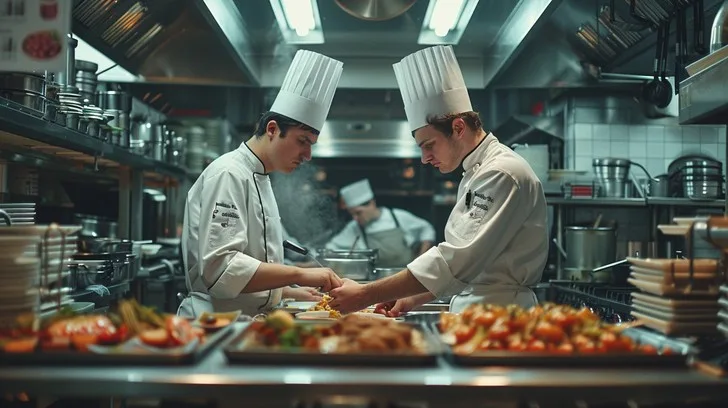
How Restaurant Brands Can Foster Local Chef Collaborations (Without Feeling Like a Corporate Sellout)
Let me be honest, I’ve sat through enough “synergy” meetings to know that the word collaboration gets thrown around like a stale crouton in a salad bar. Everyone wants it, but no one’s quite sure how to make it taste good. And when it comes to local chef collaborations, the stakes feel even higher. Do it wrong, and you’re just another brand slapping a famous name on a limited-time menu for clout. Do it right? Well, that’s where the magic happens, where restaurants become community hubs, chefs get creative freedom, and customers actually give a damn about what’s on their plates.
I remember the first time I saw this done well. It was at a tiny Nashville hot chicken joint (no, not the famous one) that brought in a local pastry chef to reimagine their dessert menu. The chef, a woman who’d spent years at a high-end patisserie before going indie, didn’t just add a fancy churro or something. She dug into the restaurant’s history, turns out the owner’s grandma used to make a mean peach cobbler, and built an entire seasonal dessert program around it. The result? Lines out the door, Instagram stories flooded with #NashvilleEats tags, and a partnership that lasted three years. That’s the kind of chef collaboration that doesn’t just move product; it moves culture.
So how do you, as a restaurant brand, foster these kinds of partnerships without coming off like a soulless corporation trying to co-opt local talent? How do you make sure the collaboration feels authentic, not like a marketing gimmick? And, let’s be real, how do you do it in a way that actually benefits everyone involved, not just your bottom line? That’s what we’re diving into here. By the end of this, you’ll have a roadmap for building chef collaborations that feel organic, exciting, and (dare I say) fun. No corporate jargon, no forced smiles for the camera, just real, actionable strategies for making these partnerships work.
The Big Why: Why Local Chef Collaborations Matter More Than Ever
1. The Cultural Shift: From Transactional to Transformational
Let’s start with the obvious: customers are tired of feeling like walking wallets. They don’t just want to eat; they want to belong. And in an era where every meal can be delivered to your doorstep in 20 minutes, restaurants have to offer something more than convenience. That’s where local chef collaborations come in. They’re not just about selling more food; they’re about selling stories, experiences, and connection.
Think about it. When a customer sees that your restaurant is working with a chef they already know and love from the farmers’ market or that pop-up series, it’s not just a meal, it’s a conversation starter. It’s a reason to choose your spot over the chain down the street. And for the chef? It’s a chance to reach a new audience without the pressure of running their own brick-and-mortar. Win-win, right?
But here’s the catch: this only works if the collaboration feels genuine. If it’s just a logo swap or a one-off event, customers will see right through it. The best partnerships are the ones where both sides bring something to the table, literally. Maybe the restaurant has the space and the customer base, while the chef has the creativity and the cult following. When those things align, you’re not just selling food; you’re selling a moment.
Is this the best approach? Let’s consider the alternative. What if you just… didn’t collaborate? What if you kept doing the same menu, the same promotions, the same everything? You’d save yourself the headache of coordinating with another creative mind, sure. But you’d also miss out on the energy, the buzz, the freshness that comes from bringing in someone new. And in an industry where trends move at the speed of TikTok, that freshness isn’t just nice to have, it’s survival.
2. The Business Case: Numbers Don’t Lie (But They Don’t Tell the Whole Story Either)
Alright, let’s talk dollars and cents for a second. Because as much as I’d love to pretend this is all about art and passion, the reality is that chef collaborationseed to make financial sense. The good news? They usually do. According to a 2025 industry report, restaurants that engaged in regular collaborations with local chefs saw a 15-25% increase in foot traffic during the promotion period. And that’s not just a temporary bump, many saw sustained growth in the months that followed, especially if the collaboration was part of a larger community-building strategy.
But here’s where it gets interesting. The real value isn’t just in the immediate sales spike. It’s in the long-term customer loyalty that comes from being seen as a brand that supports local talent. Customers, especially younger ones, are increasingly making dining decisions based on values. They want to know that their money is going to businesses that care about the same things they do. And when they see your restaurant working with chefs who are part of their community, it sends a message: We’re in this together.
Of course, the numbers only tell part of the story. The other part? The intangibles. The way a collaboration can reinvigorate your staff. The way it can spark new ideas in your kitchen. The way it can turn a slow Tuesday into an event. I’ve seen it happen firsthand, a midweek chef takeover that turned into a standing-room-only affair, with regulars bringing friends and strangers bonding over shared plates. That’s the kind of energy you can’t buy with a Facebook ad.
But, and this is a big but, none of this works if the collaboration feels forced. If the chef is just there to lend their name, if the menu is just a rehash of their greatest hits, if the whole thing feels like a corporate obligation… well, customers will smell it a mile away. So how do you make sure it feels real? That’s what we’re getting into next.
Step 1: Finding the Right Chef (Hint: It’s Not Just About the Name)
3. Look Beyond the Usual Suspects
When most restaurants think about chef collaborations, their minds immediately go to the big names, the James Beard winners, the local TV personalities, the chefs with 100K Instagram followers. And sure, those chefs can bring a ton of attention. But they’re also expensive, in high demand, and, let’s be honest, often more interested in their own brand than yours.
So what’s the alternative? Look for the hidden gems. The chefs who are doing incredible work but haven’t yet broken into the mainstream. The ones who are running pop-ups out of shared kitchens, teaching classes at the community college, or selling out their weekly supper club in hours. These are the chefs who are hungry (pun intended) for opportunities to grow their audience. And because they’re not yet household names, they’re often more willing to take creative risks and really dig into what makes your restaurant unique.
I remember a conversation I had with a chef in Austin who’d spent years working at high-end restaurants before striking out on her own. She told me, “I don’t want to just put my name on something. I want to build something.” That’s the kind of mindset you want in a collaborator. Someone who sees the partnership as a chance to create, not just cash in.
So where do you find these chefs? Start with the places where food people gather. Farmers’ markets. Culinary schools. Shared kitchen spaces. Food festivals. Even Instagram, if you know how to look. Follow hashtags like #YourCityEats or #ChefLife[YourCity] and see who’s popping up. And don’t be afraid to ask your own staff. Chances are, someone in your kitchen knows someone who’s doing cool stuff.
4. The Vetting Process: More Than Just a Resume
Okay, so you’ve found a few chefs who seem like a good fit. Now what? How do you make sure they’re the right partner for your brand? It’s not just about their culinary skills (though obviously, those matter). It’s about alignment-in values, in vision, and in work ethic.
First, ask yourself: What do you want to get out of this collaboration? Are you looking for a one-off event to drive buzz? A seasonal menu to keep things fresh? Or a long-term partnership that could evolve into something bigger? The answer to that question will shape who you choose. A chef who’s great at high-energy pop-ups might not be the best fit for a six-month menu overhaul, and vice versa.
Next, dig into their creative process. How do they approach menu development? Do they like to play it safe, or are they always pushing boundaries? Do they prefer to work alone, or do they collaborate with their team? The best partnerships are the ones where both sides are willing to challenge each other a little. If the chef is too rigid, the menu might feel stale. If they’re too experimental, it might not resonate with your customers. You’re looking for that sweet spot, someone who can balance innovation with accessibility.
And finally, talk to their references. Not just the ones they give you, but the ones they don’t. Reach out to other restaurants they’ve worked with. Ask about their reliability, their professionalism, their ability to handle feedback. Because here’s the thing: a chef collaboration is like any other relationship. It’s not just about the honeymoon phase. It’s about the day-to-day, the problem-solving, the ability to adapt when things don’t go as planned.
I’ll be honest, I’ve seen collaborations fall apart because of ego. Because the chef didn’t show up on time. Because they refused to adjust their vision to fit the restaurant’s brand. Don’t let that be you. Do your homework, and don’t be afraid to walk away if something doesn’t feel right. It’s better to have no collaboration than a bad one.
Step 2: Structuring the Collaboration (So It Doesn’t Feel Like a Hostage Situation)
5. The Three Collaboration Models (And How to Choose the Right One)
Not all chef collaborations are created equal. The structure you choose will depend on your goals, your budget, and the chef’s availability. Here are three models to consider, along with the pros and cons of each:
- Pop-Up Events: These are one-night (or one-weekend) affairs where the chef takes over your kitchen to serve a special menu. They’re great for generating buzz, testing new concepts, and giving your regulars something to get excited about. The downside? They can be logistically challenging, and if the event doesn’t sell out, it can feel like a flop.
- Limited-Time Menus: This is where the chef develops a few dishes that are added to your regular menu for a set period (usually a few weeks to a few months). It’s less risky than a pop-up because you’re not relying on the chef to bring in all the customers, you’re leveraging your existing traffic. The challenge? Making sure the dishes feel special enough to justify the hype.
- Long-Term Partnerships: This is the deep end of the pool. It could mean the chef becomes a regular consultant, develops a rotating menu, or even opens a second concept within your space. It’s a bigger commitment, but it can also lead to bigger rewards, like a signature dish that becomes part of your brand identity. The risk? If the partnership sours, it can be messy to untangle.
So which one should you choose? It depends. If you’re new to collaborations, start with a pop-up or limited-time menu. They’re lower stakes, and they give you a chance to test the waters with the chef. If you’re looking for something more substantial, a long-term partnership might be the way to go, but make sure you’ve got a solid contract in place (more on that later).
I’m torn between recommending a pop-up or a limited-time menu for most restaurants. Pop-ups are sexier, they create a sense of urgency, they’re great for social media, and they can feel like an event. But they’re also more work. You’ve got to promote the hell out of them, manage ticket sales (if you’re doing that), and deal with the logistics of a one-off service. Limited-time menus, on the other hand, are more low-key. They don’t require as much hype, and they can run for weeks or even months. But they also don’t have the same exclusivity factor. Maybe the answer is to start with a limited-time menu and then, if it goes well, do a pop-up to celebrate the launch. Or maybe it’s the other way around. I don’t know, what do you think?
6. The Money Talk: How to Compensate Chefs Without Breaking the Bank
Let’s talk about the elephant in the room: money. How much should you pay a chef for a collaboration? The answer, of course, is: it depends. But here are a few models to consider:
- Flat Fee: The chef gets a set amount for their time, regardless of how well the collaboration performs. This is the simplest option, but it can also be the riskiest, if the event or menu flops, the chef still gets paid, but you might not see a return on your investment.
- Revenue Share: The chef gets a percentage of the sales generated by the collaboration. This aligns their interests with yours, they’re incentivized to promote the event and make sure it’s a success. The downside? It can get complicated, especially if you’re tracking sales across multiple channels (dine-in, takeout, delivery, etc.).
- Hybrid Model: A combination of a flat fee and a revenue share. For example, the chef might get a small guaranteed payment plus a percentage of sales above a certain threshold. This gives them some security while also motivating them to go above and beyond.
So which one should you choose? If you’re doing a pop-up event, a revenue share or hybrid model might make the most sense. The chef is more likely to promote the event to their followers, and you’re both invested in its success. For a limited-time menu, a flat fee might be simpler, especially if the dishes are just a small part of your overall menu.
But here’s the thing: money isn’t the only form of compensation. Chefs might also be interested in exposure, creative freedom, or access to your kitchen and staff. I’ve seen collaborations where the chef got paid in trade, maybe they got to use your space for their own pop-up in exchange for developing a menu for you. Or maybe they got a cut of the profits from a special cocktail pairing. The key is to have an open conversation about what both sides want to get out of the partnership.
And, this is important, don’t lowball the chef. If you’re asking them to put their name on your menu, you’re asking them to vouch for your brand. That’s worth something. Pay them fairly, and they’ll be more likely to go the extra mile for you.
Step 3: Making It Work (Without Losing Your Mind)
7. The Creative Process: How to Develop a Menu That Doesn’t Suck
Alright, you’ve found your chef, you’ve agreed on a structure, and now it’s time to create something. This is where the magic happens, but it’s also where things can go off the rails. How do you develop a menu that feels true to both brands? How do you balance the chef’s vision with your restaurant’s identity? And, most importantly, how do you make sure it’s actually delicious?
First, start with a brainstorming session. This isn’t just a meeting where you throw out ideas and hope something sticks. It’s a structured conversation where you explore the story behind the collaboration. What are you trying to say with this menu? What emotions do you want to evoke? What’s the arrative that ties it all together?
I remember working with a restaurant in Portland that brought in a local chef to develop a farm-to-table menu. Instead of just throwing together a few dishes, they started by visiting the farms that supplied the restaurant. They talked to the farmers, learned about their growing practices, and even helped with the harvest. That experience became the foundation for the menu. Each dish told a story about the farm it came from, and the collaboration felt authentic because it was rooted in real relationships.
Next, think about balance. A good collaboration menu should have a mix of familiar and unexpected elements. You want dishes that feel exciting and new, but you also want something that your regulars will recognize and love. Maybe it’s a twist on a classic dish, or a new take on an ingredient you already use. The key is to surprise without alienating.
And finally, don’t forget about practicality. Can your kitchen actually execute this menu? Do you have the equipment, the staff, the time? I’ve seen collaborations fall apart because the menu was too ambitious, dishes that took 45 minutes to plate, ingredients that were impossible to source, techniques that your line cooks had never tried before. The best menus are the ones that challenge your team without overwhelming them.
Maybe I should clarify: when I say “challenge your team,” I don’t mean make their lives miserable. I mean give them something to aspire to. A menu that pushes them to learn new skills, to work together in new ways, to feel proud of what they’re creating. That’s the kind of collaboration that doesn’t just sell food, it elevates your entire operation.
8. The Logistics: How to Actually Pull This Off Without a Meltdown
Okay, so you’ve got your menu. Now what? How do you make sure the collaboration actually happens without your kitchen descending into chaos? Here’s where the rubber meets the road.
First, plan, plan, plan. And then plan some more. A successful collaboration isn’t just about the menu, it’s about the entire experience. How will you promote it? How will you train your staff? How will you handle the inevitable hiccups (because there will be hiccups)?
Let’s start with promotion. This isn’t just about slapping a poster on the wall and calling it a day. You need a multi-channel strategy that reaches both your existing customers and the chef’s audience. That means:
- Social Media: Teasers, behind-the-scenes content, chef takeovers of your Instagram Stories. Make it feel like an event, not just another menu item.
- Email Marketing: If you have a mailing list, use it. Send out a special announcement with a link to reserve a table (if it’s a pop-up) or a sneak peek at the menu.
- Local Press: Reach out to food bloggers, local newspapers, and podcasts. A well-placed feature can make all the difference.
- In-Restaurant Signage: Don’t underestimate the power of a well-designed table tent or menu insert. Make sure your staff is trained to talk up the collaboration, too.
Next, staff training. Your team needs to know what they’re selling, why it matters, and how to answer customer questions. That means:
- A tasting session where they can try the dishes and understand the story behind them.
- A cheat sheet with key talking points, ingredients, techniques, the chef’s background.
- A Q&A session where they can ask questions and voice concerns.
And finally, contingency planning. What happens if the chef gets sick? What if an ingredient doesn’t show up? What if the event sells out in hours and you have to turn people away? The best collaborations are the ones where you’ve thought through every possible scenario and have a plan B (and C, and D) in place.
I’ll be honest, this part can feel overwhelming. There are so many moving pieces, so many things that could go wrong. But here’s the thing: chaos is part of the process. The best collaborations aren’t the ones that go perfectly smoothly. They’re the ones where you adapt, improvise, and overcome. Where the team comes together to solve problems, where the energy is electric, where everyone, staff, chef, customers, feels like they’re part of something special.
Step 4: Keeping the Momentum Going (Or Knowing When to Walk Away)
9. The Follow-Up: How to Turn a One-Off into a Long-Term Relationship
So the collaboration is over. The dishes have been served, the customers have gone home, and now you’re left with the question: What’s next? Do you walk away and call it a success? Or do you find a way to keep the momentum going?
If the collaboration went well, the answer is obvious: keep going. But how? Here are a few ways to turn a one-off into a long-term relationship:
- Regular Pop-Ups: Instead of a one-time event, make it a monthly (or quarterly) thing. Give your customers something to look forward to.
- Seasonal Menus: Bring the chef back to develop a new menu for each season. This keeps things fresh and gives you a built-in marketing hook.
- Chef-in-Residence Program: This is where the chef becomes a regular fixture in your kitchen, developing new dishes, training your staff, and even hosting special events. It’s a bigger commitment, but it can also be a game-changer for your brand.
- Product Collaborations: Think beyond the menu. Could the chef develop a signature sauce, spice blend, or even a cookbook that you sell in-house?
But here’s the thing: not every collaboration needs to turn into a long-term relationship. Sometimes, the best thing you can do is walk away. Maybe the chef’s vision doesn’t align with yours. Maybe the logistics were too complicated. Maybe it just didn’t resonate with your customers. And that’s okay. The goal isn’t to force a partnership that isn’t working. It’s to create something that feels authentic and exciting for everyone involved.
So how do you know when to keep going and when to call it quits? Ask yourself these questions:
- Did the collaboration meet (or exceed) your goals?
- Did the chef enjoy the experience?
- Did your customers respond positively?
- Did your staff feel energized by the process?
- Is there a natural next step, or are you just trying to force something?
If the answer to most of these is yes, then it’s worth exploring a deeper partnership. If not, it might be time to move on. And that’s okay. The beauty of chef collaborations is that there’s always another chef, another idea, another opportunity to create something amazing.
10. The Post-Mortem: What Worked, What Didn’t, and What You’ll Do Better Next Time
Every collaboration, good or bad, is a learning opportunity. And the best way to learn is to do a post-mortem. This isn’t about pointing fingers or assigning blame. It’s about looking at what worked, what didn’t, and how you can improve next time.
Start by gathering feedback from everyone involved:
- The Chef: What did they enjoy about the process? What was frustrating? Would they do it again?
- Your Staff: How did they feel about the collaboration? Did it disrupt their workflow? Did they learn anything new?
- Your Customers: What did they think of the menu? Did they come back for more? What would they like to see next time?
Next, look at the data. How did sales compare to your projections? Did you see an uptick in foot traffic? Did your social media following grow? Did you get any press coverage?
And finally, ask yourself the big questions:
- Did the collaboration feel authentic, or did it come off as a marketing gimmick?
- Did it align with your brand values?
- Did it create a lasting impact, or was it just a flash in the pan?
- What would you do differently next time?
I’ll be honest, I’ve seen collaborations that looked great on paper but fell flat in execution. And I’ve seen ones that seemed small and low-key but ended up being game-changers for the restaurant. The difference? The ones that worked were the ones where both sides were fully invested. Where the chef wasn’t just there to lend their name, and the restaurant wasn’t just there to make a quick buck. Where there was a shared vision, a willingness to take risks, and a commitment to making it work.
So what’s the takeaway? Chef collaborations aren’t just about selling more food. They’re about building relationships, creating experiences, and telling stories. They’re about pushing your brand forward while also giving back to your community. And when they’re done right, they can be one of the most powerful tools in your marketing arsenal.
But, and this is a big but, they only work if they feel real. If they’re just a corporate ploy, customers will see right through it. So don’t do it for the clout. Do it because you genuinely believe in the power of collaboration. Do it because you want to create something memorable. Do it because you’re excited to see what happens when two creative minds come together.
Because at the end of the day, that’s what this is all about. Not just selling food, but creating moments. Moments that people will remember, moments that will bring them back, moments that will make them feel like they’re part of something bigger than themselves.
And isn’t that what hospitality is all about?
The Final Word: Your Turn to Make Magic Happen
Alright, let’s bring this home. You’ve got the playbook. You know why local chef collaborations matter, how to find the right chef, how to structure the partnership, and how to make it all work without losing your mind. Now it’s your turn to put it into action.
But before you dive in, let me leave you with this: Start small. You don’t need to bring in a celebrity chef or overhaul your entire menu. You just need to find someone who’s excited to work with you, who brings something new to the table, and who’s willing to take a risk. Maybe it’s a pastry chef who wants to experiment with savory dishes. Maybe it’s a street food vendor who’s never worked in a sit-down restaurant before. Maybe it’s a chef who’s just starting out and is hungry for an opportunity.
The point is, you don’t need to swing for the fences on your first try. You just need to start. Because the more you do this, the better you’ll get at it. The more you’ll learn about what works and what doesn’t. The more you’ll build relationships with chefs in your community. And the more your restaurant will become a place where magic happens.
So what’s your first move? Who’s the chef you’ve been dying to work with? What’s the collaboration you’ve been dreaming about? And, most importantly, what’s stopping you from making it happen?
I’ll be honest, I don’t have all the answers. No one does. But I do know this: the best collaborations are the ones that come from a place of curiosity, excitement, and mutual respect. So go out there and find your people. Take a risk. Make something amazing. And then come back and tell me all about it.
Because at the end of the day, that’s what this is all about. Not just selling food, but creating something worth talking about.
FAQ: Your Burning Questions About Chef Collaborations, Answered
Q: How do I approach a chef about a collaboration without coming off as insincere?
A: The key is to lead with genuine interest, not just a business proposition. Start by following their work, visit their pop-ups, try their dishes, engage with their social media. When you reach out, be specific about what you admire in their cooking and why you think a collaboration would be a good fit for both of you. Avoid generic compliments; chefs can spot insincerity a mile away. And be clear about what you’re offering, whether it’s creative freedom, a new audience, or a chance to experiment. The best collaborations are the ones where both sides feel like they’re getting something valuable.
Q: What if the chef’s style doesn’t align with my restaurant’s brand?
A: This is where the vetting process comes in. Before you commit to a collaboration, have an open conversation about expectations. Ask the chef how they see their style fitting into your restaurant. Are they willing to adapt their dishes to your menu? Are they open to feedback? If their vision is too far removed from yours, it might not be the right fit. But don’t dismiss them outright, sometimes, the best collaborations come from unexpected pairings. Maybe their bold flavors could add a new dimension to your classic dishes, or their modern techniques could give your menu a fresh twist. The key is to find a balance that feels exciting for both of you.
Q: How do I measure the success of a chef collaboration?
A: Success isn’t just about sales, though those matter, of course. It’s also about engagement, buzz, and long-term impact. Here are a few metrics to consider:
- Foot Traffic: Did you see an increase in customers during the collaboration?
- Social Media: Did the collaboration generate likes, shares, and comments? Did your following grow?
- Press Coverage: Did local bloggers, newspapers, or influencers cover the event?
- Customer Feedback: What did your regulars think? Did they come back for more?
- Staff Morale: Did your team feel energized by the process? Did they learn anything new?
- Chef Satisfaction: Did the chef enjoy the experience? Would they do it again?
The best collaborations are the ones that leave a lasting impression-on your customers, your staff, and your community. So don’t just look at the numbers. Look at the stories.
Q: What’s the biggest mistake restaurants make when doing chef collaborations?
A: The biggest mistake? Treating it like a transaction instead of a partnership. Too many restaurants see chef collaborations as a way to boost sales or generate buzz, without putting in the work to make it meaningful. They bring in a chef, slap their name on a menu, and call it a day. But the best collaborations are the ones where both sides are fully invested. Where the restaurant gives the chef creative freedom, where the chef brings their A-game, and where both sides work together to create something special. If you treat the collaboration like a chore, your customers will sense it. But if you treat it like an opportunity to create magic, they’ll respond in kind.
@article{how-restaurant-brands-can-foster-local-chef-collaborations-a-playbook-for-authentic-partnerships,
    title   = {How Restaurant Brands Can Foster Local Chef Collaborations: A Playbook for Authentic Partnerships},
    author  = {Chef's icon},
    year    = {2026},
    journal = {Chef's Icon},
    url     = {https://chefsicon.com/how-restaurant-brands-can-foster-local-chef-collaborations/}
}