The Best Fluffy Pancakes recipe you will fall in love with. Full of tips and tricks to help you make the best pancakes.
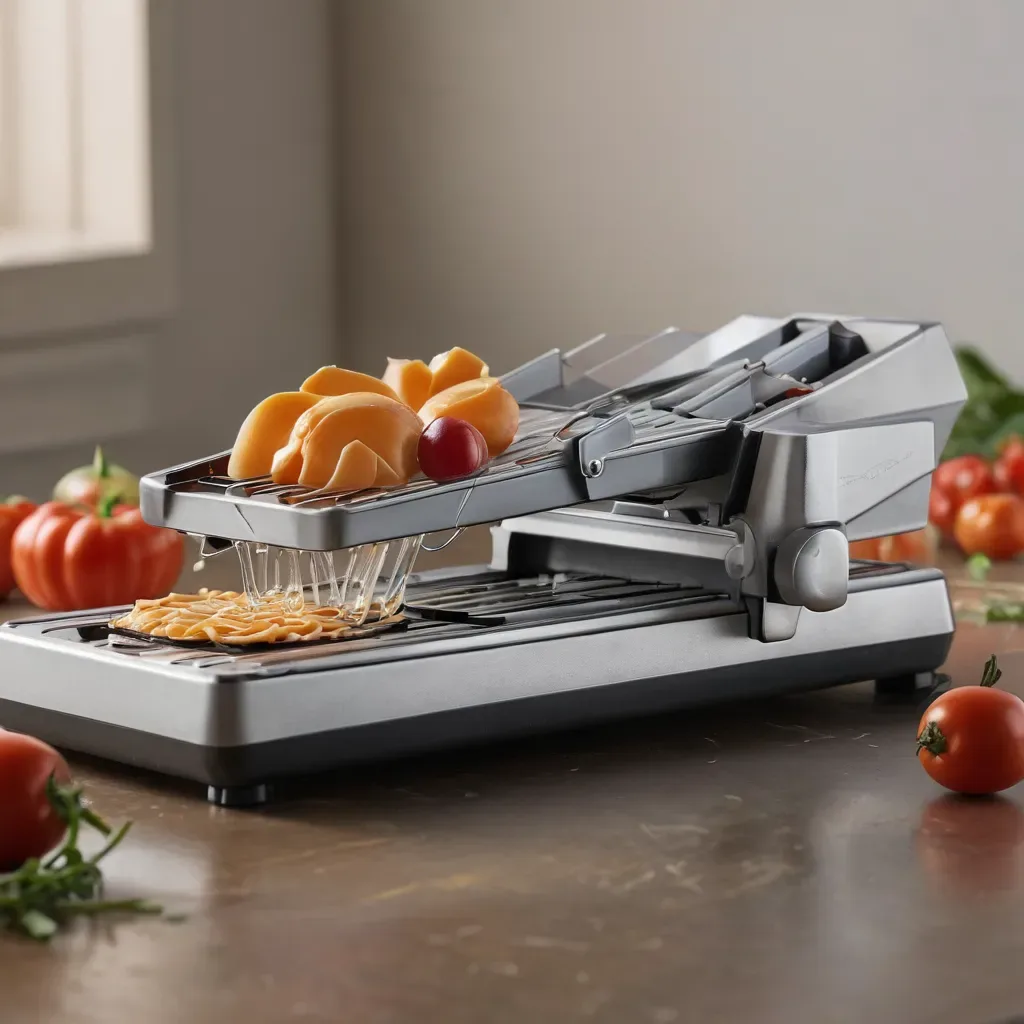
Let me set the scene: It’s a Tuesday night, and I’m standing in my Nashville kitchen, sleeves rolled up, staring at a mountain of russet potatoes. I’ve promised my dinner guests, some fellow food-obsessed friends from the local culinary scene, a potato gratin so perfect it’ll make them forget about the last sad, watery casserole they endured. The problem? My knife skills are, well, let’s just say they’re not chef-level. I’ve tried slicing these spuds thin enough for that coveted, golden, crispy-edged perfection, but my hands are cramping, my slices are uneven, and I’m pretty sure I just wasted half an hour on what should’ve been a 10-minute prep task. That’s when it hits me: I need a commercial-grade mandoline.
Now, I know what you’re thinking. “Sammy, isn’t a mandoline just a fancy way to slice your fingers instead of your food?” And yeah, I get it. The horror stories are real, one wrong move and you’re Googling urgent care locations while clutching a bandaged thumb. But here’s the thing: when you’re cooking for a crowd, or even just trying to elevate your weeknight meals, a high-quality commercial mandoline isn’t just a luxury; it’s a game-changer. It’s the difference between a gratin that’s good and one that’s transcendent. And after testing a handful of the best models on the market, I’m convinced that if you’re serious about your spuds (or really, any vegetable), this is the tool you didn’t know you needed.
In this deep dive, I’m going to walk you through everything you need to know about commercial-grade mandolines-why they’re worth the investment, how to use them safely (yes, really), and which features actually matter when you’re slicing potatoes for that dreamy gratin. We’ll talk about the science behind even slices, the cultural obsession with gratin (spoiler: it’s not just about the cheese), and why this tool might just become your new kitchen MVP. By the end, you’ll either be convinced to add one to your arsenal or at least understand why your favorite restaurant’s gratin always looks better than yours. Let’s get into it.
Why Your Knife Isn’t Cutting It (Literally)
I’ll admit it, I used to be a knife purist. There’s something almost meditative about the rhythmic thunk of a blade against a cutting board, the way a well-honed edge glides through an onion or a carrot. But when it comes to potato slices for gratin, the knife’s limitations become painfully obvious. Here’s the thing: gratin isn’t just about flavor. It’s about texture, and texture is all about consistency. Uneven slices mean uneven cooking. Some pieces turn to mush while others stay stubbornly raw. And let’s be real, no amount of cream or cheese can save a gratin with texture issues.
I learned this the hard way during my first attempt at making Julia Child’s famous gratin dauphinois. I spent what felt like hours meticulously slicing potatoes by hand, only to pull a sad, watery mess out of the oven. The problem? My slices ranged from paper-thin to almost a quarter-inch thick. The thin ones cooked too fast, turning into a starchy paste, while the thicker ones stayed firm and undercooked. It was a disaster, and I was ready to swear off gratins forever. That is, until I borrowed a friend’s commercial mandoline for my next attempt. The difference was night and day. Every slice was identical, thin, uniform, and perfectly cooked. The gratin came out of the oven with a golden, crispy top, creamy layers, and that coveted edge-to-edge perfection. It was, in a word, revelatory.
But why does consistency matter so much? It all comes down to science. When you’re baking a gratin, you’re essentially creating a delicate balance of moisture, starch, and fat. Potatoes release starch as they cook, which thickens the cream and helps bind the layers together. If your slices are uneven, the starch release is uneven too. Thinner slices break down faster, releasing more starch and creating a gluey texture, while thicker slices stay intact, leaving gaps in your gratin. A mandoline’s precision ensures that every slice behaves the same way, giving you that ideal balance of creaminess and structure. It’s not just about aesthetics, it’s about the very soul of the dish.
Now, I’m not saying knives are useless. Far from it. A good chef’s knife is still my go-to for most prep work. But for tasks that require ultra-thin, uniform slices, like gratin potatoes, scalloped potatoes, or even homemade potato chips, a mandoline is simply in a league of its own. It’s faster, more precise, and, once you get the hang of it, safer than you might think. (More on that later.) So, if you’re still on the fence, ask yourself: How much is your time worth? How much is the perfect gratin worth? Because that’s what we’re really talking about here.
The Anatomy of a Commercial-Grade Mandoline: What to Look For
Not all mandolines are created equal. Walk into any kitchen supply store, and you’ll see a wall of options, from flimsy plastic models that look like they’d snap under the weight of a single potato to heavy-duty, stainless steel beasts that could probably slice through a brick. So, how do you choose? After testing a handful of models, some great, some not so much, I’ve narrowed down the features that actually matter when you’re investing in a commercial-grade mandoline for potato slicing.
1. Adjustable Thickness Settings
This is non-negotiable. If you’re serious about gratin, you need a mandoline that lets you dial in the exact thickness of your slices. Why? Because the ideal thickness for gratin potatoes isn’t one-size-fits-all. It depends on the type of potato you’re using, the recipe, and even your personal preference. For example, russet potatoes, which are high in starch and low in moisture, can handle thinner slices (around 1/8-inch) because they’ll soften nicely without turning to mush. Waxy potatoes like Yukon Golds, on the other hand, hold their shape better, so you might opt for slightly thicker slices (around 1/4-inch).
I made the mistake of buying a cheap mandoline with fixed thickness settings early on. It only had two options: “thin” and “thinner.” Needless to say, my gratin experiments were limited. A good commercial mandoline should offer a range of thickness settings, ideally from paper-thin (for chips or garnishes) up to about 1/4-inch (for gratins or scalloped potatoes). Some high-end models even have micro-adjustments, so you can fine-tune the thickness to your exact liking. Trust me, once you experience that level of control, you’ll never go back.
2. Blade Quality and Material
The blade is the heart of the mandoline, and not all blades are created equal. Cheap mandolines often come with blades made from lower-grade stainless steel, which can dull quickly or even chip under heavy use. A high-quality commercial mandoline will have a blade made from Japanese or German stainless steel, known for its durability and sharpness. Some models even feature carbon steel blades, which are incredibly sharp but require more maintenance to prevent rust.
Another thing to consider is whether the blade is fixed or interchangeable. Fixed blades are simpler and often more durable, but they limit you to one type of cut (usually straight slices). Interchangeable blades, on the other hand, give you more versatility. You can switch between straight slices, julienne cuts, waffle cuts, or even crinkle cuts, depending on the model. For gratin, a straight blade is all you really need, but if you’re investing in a mandoline, it’s nice to have options for other dishes.
One feature I didn’t realize I needed until I had it is a ceramic blade. Ceramic blades stay sharper longer than stainless steel and don’t require as much maintenance. They’re also less likely to react with acidic ingredients, which can be a concern if you’re using your mandoline for things like tomatoes or citrus. That said, ceramic blades can be more brittle, so they’re not ideal for heavy-duty slicing. If you’re mostly using your mandoline for potatoes and other sturdy vegetables, a high-quality stainless steel blade is probably your best bet.
3. Stability and Non-Slip Features
This is where a lot of home cooks go wrong. A mandoline is only as good as its stability. If the base wobbles or slides around while you’re slicing, you’re not only sacrificing precision, you’re also increasing your risk of injury. A commercial-grade mandoline should have a sturdy, non-slip base that stays put on your countertop. Some models come with suction cups or rubber feet to keep them in place, while others have a weighted base for added stability.
I learned this lesson the hard way when I tried to use a lightweight mandoline on my granite countertop. The thing kept sliding around, and I ended up with a pile of uneven slices and a near-miss with the blade. Now, I always look for a mandoline with a wide, stable base and some sort of non-slip feature. If your mandoline doesn’t come with one, you can always place a damp towel underneath it to keep it from moving. But honestly, that’s a workaround, not a solution. If you’re investing in a commercial-grade tool, it should be stable enough to use as-is.
4. Safety Features
Let’s address the elephant in the room: mandolines have a reputation for being dangerous. And yeah, they can be. But a lot of that comes down to user error and poor design. A good commercial mandoline will have safety features built in to minimize the risk of injury. Here are a few to look for:
- Handguard or Food Holder: This is the most important safety feature. A handguard is a plastic or metal piece that holds the food in place while you slice, keeping your fingers away from the blade. Some models come with a handguard that doubles as a pusher, while others have a separate food holder that you grip with your hand. Either way, make sure the handguard is comfortable to hold and provides a good grip on the food.
- Blade Guard: Some mandolines come with a blade guard that covers the blade when it’s not in use. This is a nice feature if you’re storing your mandoline in a drawer or sharing a kitchen with kids or clumsy roommates.
- Non-Slip Handles: If your mandoline has a handguard or pusher, make sure it has a non-slip grip. The last thing you want is for your hand to slip while you’re slicing.
- Safety Lock: Some mandolines have a safety lock that keeps the blade covered when the tool is not in use. This is a great feature if you’re storing your mandoline in a shared space.
I’ll be honest: even with all these safety features, using a mandoline still makes me a little nervous. But after a few practice runs, I’ve gotten much more comfortable with it. The key is to go slow, use the handguard religiously, and never, ever try to slice something that’s too small for the handguard to grip. If you’re slicing something tiny, like a garlic clove or a shallot, it’s better to use a knife. Safety first, folks.
5. Ease of Cleaning
This might seem like a minor detail, but trust me, it’s not. If your mandoline is a pain to clean, you’re not going to use it. And a tool that sits in the back of your cabinet isn’t doing you any good. A commercial-grade mandoline should be easy to disassemble and clean, with as few nooks and crannies as possible where food can get stuck.
Look for a model with dishwasher-safe parts. Even if you prefer to hand-wash your kitchen tools (like I do), it’s nice to have the option. Some mandolines have blades that detach completely, making them easier to clean. Others have a fixed blade that you have to clean in place, which can be a pain if you’re dealing with sticky or starchy foods like potatoes.
One feature I love is a blade cover that doubles as a cleaning brush. It’s a small thing, but it makes cleaning the blade so much easier. You just snap the cover onto the blade and run it under water, and the brush gets into all the little crevices. It’s the kind of detail that shows the manufacturer actually thought about the user experience.
6. Durability and Build Quality
A commercial-grade mandoline is an investment, so you want something that’s going to last. Cheap plastic mandolines might be tempting because of their low price point, but they’re not built to withstand heavy use. If you’re slicing potatoes for a gratin once a month, a cheap mandoline might be fine. But if you’re using it regularly, or if you’re cooking for a crowd, you need something sturdier.
Look for a mandoline made from high-quality materials like stainless steel, anodized aluminum, or heavy-duty plastic. The best models have a solid, one-piece construction that won’t warp or crack over time. Some even come with a lifetime warranty, which is a good sign that the manufacturer stands behind their product.
I’ve had my current mandoline for about three years now, and it’s still going strong. I use it at least once a week, and it’s held up beautifully. The blade is still sharp, the base is still stable, and it shows no signs of wear. That’s the kind of durability you want in a commercial-grade tool.
The Science of the Perfect Gratin: Why Even Slices Matter
Let’s take a step back for a second and talk about why we’re even bothering with all this. Why does the thickness of your potato slices matter so much in a gratin? It’s not just about aesthetics, though, let’s be real, a perfectly layered gratin is a thing of beauty. It’s about cooking science. When you’re making a gratin, you’re essentially creating a delicate balance of moisture, starch, and fat, and the thickness of your slices plays a huge role in how that balance plays out.
Here’s the thing: potatoes are mostly water. When you bake them, that water turns to steam, which helps cook the potatoes and creates the creamy texture we all love in a gratin. But if your slices are too thick, the steam can’t escape evenly, and you end up with a gratin that’s undercooked in the middle and overcooked on the outside. On the other hand, if your slices are too thin, they’ll release too much starch too quickly, turning your gratin into a gluey mess.
The ideal thickness for gratin potatoes is usually around 1/8-inch to 1/4-inch, depending on the type of potato you’re using. Russet potatoes, which are high in starch and low in moisture, can handle thinner slices because they’ll soften nicely without turning to mush. Waxy potatoes like Yukon Golds, which are lower in starch and higher in moisture, hold their shape better, so you can go a little thicker. The key is to find that sweet spot where the potatoes cook evenly, release just enough starch to thicken the cream, and create that perfect balance of creamy and crispy.
But it’s not just about the potatoes. The cream (or milk, or broth, or whatever liquid you’re using) plays a huge role too. When you pour the liquid over the potatoes, it seeps into the layers, infusing them with flavor and helping them cook evenly. If your slices are uneven, the liquid won’t distribute evenly, and you’ll end up with some layers that are dry and others that are soggy. A commercial mandoline ensures that every slice is the same thickness, so the liquid can penetrate evenly, and every bite is perfect.
And then there’s the cheese. Oh, the cheese. Whether you’re using Gruyère, cheddar, Parmesan, or a mix of all three, the cheese is what gives a gratin its rich, gooey, irresistible texture. But if your potato slices are uneven, the cheese won’t melt evenly either. Thinner slices will cook faster, causing the cheese on top to brown too quickly, while thicker slices will stay undercooked, leaving the cheese on top raw and unappetizing. With even slices, the cheese melts uniformly, creating that perfect golden crust that makes a gratin so irresistible.
So, is all this fuss over slice thickness really worth it? I’d argue that it is. A gratin is one of those dishes that’s deceptively simple. It’s just potatoes, cream, and cheese, right? But when it’s done well, it’s so much more than the sum of its parts. It’s creamy, crispy, rich, and comforting all at once. And when it’s done poorly, it’s a sad, watery mess. The difference between the two often comes down to the little details, like the thickness of your potato slices. And that’s where a commercial-grade mandoline comes in.
How to Use a Commercial Mandoline Safely (Yes, Really)
Okay, let’s talk about the elephant in the room: mandolines are scary. There’s no way around it. The idea of running your food (or, God forbid, your fingers) across a razor-sharp blade at high speed is enough to make even the most seasoned home cook nervous. And yeah, mandoline accidents are real. I’ve heard the horror stories, fingertips sliced open, trips to the ER, permanent scars. But here’s the thing: most of those accidents happen because people aren’t using their mandolines correctly. With the right technique and a little bit of caution, a commercial mandoline can be just as safe as any other kitchen tool. Maybe even safer, because you’re not wielding a giant knife.
First things first: always use the handguard. I can’t stress this enough. The handguard is there for a reason. It keeps your fingers away from the blade and gives you a secure grip on the food you’re slicing. If your mandoline didn’t come with a handguard, or if the handguard is flimsy and uncomfortable to use, invest in a good one. It’s not worth the risk of slicing your fingers just to save a few bucks.
When you’re using the handguard, make sure you’re holding it correctly. Grip the food firmly with the handguard, using your fingers to apply even pressure. Your other hand should be holding the mandoline steady, either by the base or by a handle if your model has one. Never, ever try to slice something that’s too small for the handguard to grip. If you’re slicing something tiny, like a garlic clove or a shallot, use a knife. It’s not worth the risk.
Next, go slow. I know it’s tempting to try to power through your slicing as quickly as possible, especially if you’re cooking for a crowd. But speed is the enemy when it comes to mandoline safety. The faster you go, the more likely you are to slip or lose control of the food. Take your time, and focus on making smooth, even strokes. It might take a little longer, but it’s worth it to avoid a trip to the ER.
Another tip: cut your food to size before you start slicing. Most mandolines have a maximum width that they can accommodate, so if your potato (or carrot, or zucchini) is too big, you’ll need to cut it down to size first. This isn’t just about fitting the food on the mandoline, it’s also about safety. If you’re trying to slice something that’s too big, you’ll have to hold it at an awkward angle, which increases the risk of slipping. Cut your food into manageable pieces first, and you’ll have a much easier (and safer) time.
And finally, pay attention. This might seem obvious, but it’s easy to get distracted when you’re cooking. Maybe you’re listening to a podcast, or chatting with a friend, or keeping an eye on the stove. But when you’re using a mandoline, you need to be 100% focused on the task at hand. Put your phone away, turn off the TV, and give the mandoline your full attention. It only takes a split second for an accident to happen, so don’t let your mind wander.
I’ll be honest: even with all these precautions, I still get a little nervous every time I use my mandoline. But after a few practice runs, I’ve gotten much more comfortable with it. The key is to start slow, use the handguard religiously, and never rush. And if you’re still feeling nervous, there’s no shame in wearing a cut-resistant glove. Better safe than sorry, right?
Beyond Gratin: Other Dishes That Benefit from a Commercial Mandoline
Okay, so we’ve established that a commercial-grade mandoline is a game-changer for gratin. But if you’re going to invest in one of these tools, you might as well get the most out of it, right? The good news is that a mandoline is incredibly versatile. Once you start using it, you’ll find yourself reaching for it again and again, for everything from appetizers to desserts. Here are a few of my favorite dishes that benefit from the precision of a mandoline.
1. Potato Chips
This one’s a no-brainer. If you’ve ever tried to make homemade potato chips, you know how hard it is to get them thin and even enough to crisp up properly. A mandoline makes it easy. Just slice your potatoes paper-thin, toss them in a little oil and salt, and bake them in the oven until they’re golden and crispy. The result? Potato chips that are a million times better than anything you can buy in a bag. And the best part? You can experiment with different seasonings, smoked paprika, Parmesan, rosemary, you name it.
Pro tip: Soak your potato slices in cold water for about 10 minutes before baking to remove excess starch. This will help them crisp up better. Just make sure to pat them dry thoroughly before tossing them in oil.
2. Scalloped Potatoes
Scalloped potatoes are like gratin’s simpler, creamier cousin. Instead of cheese, they’re made with a rich, creamy sauce that infuses every layer with flavor. And just like with gratin, the key to perfect scalloped potatoes is even slices. A mandoline makes it easy to get those thin, uniform slices that cook evenly and create that perfect, creamy texture. Plus, the precision of a mandoline means you can layer your potatoes neatly, creating a dish that’s as beautiful as it is delicious.
One of my favorite variations is to add a layer of caramelized onions between the potato slices. The sweetness of the onions pairs perfectly with the creaminess of the potatoes, and it’s a great way to add a little extra flavor to the dish.
3. Vegetable Gratins
Who says gratin has to be all about potatoes? A mandoline makes it easy to create beautiful, layered gratins with other vegetables, too. Some of my favorites include:
- Zucchini Gratin: Thinly slice zucchini, layer it with a creamy béchamel sauce, and top it with breadcrumbs and Parmesan. Bake until golden and bubbly. It’s like a lighter, summery version of potato gratin.
- Eggplant Gratin: Thinly slice eggplant, salt it to remove excess moisture, and layer it with tomato sauce, mozzarella, and Parmesan. It’s like a deconstructed eggplant Parmesan, and it’s absolutely delicious.
- Sweet Potato Gratin: Thinly slice sweet potatoes, layer them with a spiced cream sauce, and top with pecans and brown sugar. It’s a sweet and savory twist on the classic gratin, and it’s perfect for holiday meals.
The key to a great vegetable gratin is to slice your vegetables thinly and evenly. A mandoline makes this easy, ensuring that every slice cooks at the same rate and creates that perfect, creamy texture.
4. Coleslaw and Salads
A mandoline isn’t just for cooked dishes, it’s also a great tool for making salads and slaws. Thin, even slices of cabbage, carrots, radishes, or fennel can take your coleslaw or salad from good to great. The precision of a mandoline ensures that every bite is the same size, creating a uniform texture that’s both satisfying and visually appealing.
One of my favorite salads to make with a mandoline is a shaved fennel and apple salad. Thinly slice fennel and apples, toss them with a lemony vinaigrette, and top with shaved Parmesan and toasted walnuts. It’s crisp, refreshing, and perfect for summer. And because the slices are so thin, the flavors meld together beautifully.
5. Homemade Pasta
Okay, this one might be a stretch for some people, but hear me out. If you’re making homemade pasta, a mandoline can be a great tool for slicing your dough into thin, even strips. It’s especially useful for making pappardelle or tagliatelle, where you want wide, flat noodles. Just roll out your pasta dough, let it dry for a few minutes, and then slice it with your mandoline. The result? Perfectly even noodles that cook uniformly and look beautiful on the plate.
Pro tip: If you’re using a mandoline to slice pasta dough, make sure to dust the dough with flour first to prevent it from sticking to the blade. And go slow, pasta dough can be tricky to slice, so take your time and focus on making smooth, even strokes.
6. Desserts
Yes, you read that right. A mandoline can even be useful for desserts. Thin, even slices of fruit can take your pies, tarts, and galettes to the next level. Some of my favorite dessert applications include:
- Apple Pie: Thinly slice apples for a pie that’s tender and evenly cooked. The precision of a mandoline ensures that every slice is the same thickness, so your pie bakes uniformly.
- Pear Tart: Thinly slice pears for a tart that’s both beautiful and delicious. The thin slices cook quickly and create a delicate, melt-in-your-mouth texture.
- Chocolate Bark: Thinly slice strawberries, bananas, or other fruits to top your chocolate bark. The thin slices melt slightly when they hit the warm chocolate, creating a beautiful, glossy finish.
The key to using a mandoline for desserts is to slice your fruit thinly and evenly. This ensures that it cooks uniformly and creates a beautiful, professional-looking finish. And because the slices are so thin, they’ll soften quickly, creating a tender, melt-in-your-mouth texture.
Top Commercial-Grade Mandolines for Perfect Potato Slices
Alright, let’s get down to brass tacks. If you’re convinced that a commercial-grade mandoline is worth the investment, the next question is: which one should you buy? There are a lot of options out there, ranging from budget-friendly models to high-end tools that cost as much as a decent chef’s knife. To help you narrow it down, I’ve tested a handful of the best commercial mandolines on the market and rounded up my top picks. Here’s what I found.
1. The Workhorse: Bron Coucke Stainless Steel Mandoline
If you’re looking for a mandoline that can handle heavy use and last a lifetime, the Bron Coucke Stainless Steel Mandoline is the one to beat. This thing is a beast, solid stainless steel construction, a razor-sharp blade, and a wide, stable base that stays put on your countertop. It’s the kind of tool you’d find in a professional kitchen, and it’s built to withstand daily use.
One of the things I love about the Bron Coucke is its adjustable thickness settings. You can dial in the exact thickness you want, from paper-thin to about 1/4-inch. It also comes with a handguard that doubles as a pusher, which makes it easy to slice even small pieces of food safely. And because the blade is made from high-quality stainless steel, it stays sharp even after heavy use.
The only downside? It’s not cheap. This is a professional-grade tool, and it comes with a professional-grade price tag. But if you’re serious about cooking and you want a mandoline that will last, it’s worth the investment. Plus, Bron Coucke offers a lifetime warranty, so you can buy with confidence.
2. The Versatile Option: Benriner Super Mandoline
If you’re looking for a mandoline that’s versatile, affordable, and easy to use, the Benriner Super Mandoline is a fantastic choice. This Japanese-made mandoline has been a favorite of home cooks and professionals alike for decades, and for good reason. It’s lightweight, easy to clean, and comes with three interchangeable blades (straight, julienne, and fine julienne), so you can use it for everything from potato slices to matchstick carrots.
One of the things I love about the Benriner is its simple, no-frills design. There’s no fancy adjustment dial, just a few preset thickness settings that you can switch between by moving the blade up or down. It’s not as precise as some of the other models on this list, but it’s more than enough for most home cooks. And because it’s so lightweight, it’s easy to store and transport.
The Benriner is also one of the more affordable commercial-grade mandolines on the market. It’s not as durable as the Bron Coucke, but it’s a great option if you’re on a budget or if you’re not sure how often you’ll use a mandoline. And because it’s so popular, you can find replacement blades and parts easily if you need them.
3. The High-End Pick: De Buyer Swing Plus Mandoline
If you’re willing to splurge on a mandoline that’s as beautiful as it is functional, the De Buyer Swing Plus Mandoline is the one for you. This French-made mandoline is a work of art, sleek, stylish, and built to last. It’s made from high-quality stainless steel and features a unique swing-out blade that makes it easy to adjust the thickness of your slices. Just swing the blade out, adjust the thickness setting, and you’re good to go.
One of the things that sets the De Buyer apart is its precision. The swing-out blade allows for micro-adjustments, so you can dial in the exact thickness you want. It also comes with a handguard that’s comfortable to hold and provides a secure grip on the food. And because the blade is made from high-carbon stainless steel, it stays sharp even after heavy use.
The De Buyer is also one of the safest mandolines on the market. The swing-out blade is covered when not in use, and the handguard is designed to keep your fingers away from the blade. It’s not cheap, but if you’re looking for a mandoline that’s as safe as it is precise, it’s worth the investment.
4. The Budget-Friendly Option: OXO Good Grips Adjustable Mandoline
If you’re not ready to invest in a high-end mandoline but still want something that’s sturdy and reliable, the OXO Good Grips Adjustable Mandoline is a great choice. This mandoline is made from durable plastic and features a on-slip base that stays put on your countertop. It also comes with a handguard that’s comfortable to hold and provides a secure grip on the food.
One of the things I love about the OXO mandoline is its adjustable thickness settings. You can dial in the exact thickness you want, from paper-thin to about 1/4-inch. It also comes with a julienne blade, so you can use it for matchstick cuts as well. And because it’s made from plastic, it’s lightweight and easy to store.
The OXO mandoline is also one of the more affordable options on this list. It’s not as durable as the Bron Coucke or the De Buyer, but it’s a great option if you’re on a budget or if you’re not sure how often you’ll use a mandoline. And because it’s from OXO, you know it’s backed by a satisfaction guarantee.
5. The Compact Option: Kyocera Advanced Ceramic Mandoline
If you’re short on storage space or if you’re looking for a mandoline that’s easy to transport, the Kyocera Advanced Ceramic Mandoline is a great choice. This mandoline is made from lightweight plastic and features a ceramic blade that stays sharp even after heavy use. It’s also incredibly compact, so it’s easy to store in a drawer or take with you on the go.
One of the things I love about the Kyocera mandoline is its simplicity. There’s no fancy adjustment dial, just a few preset thickness settings that you can switch between by moving the blade up or down. It’s not as precise as some of the other models on this list, but it’s more than enough for most home cooks. And because the blade is made from ceramic, it’s less likely to react with acidic ingredients, so you can use it for everything from potatoes to tomatoes.
The Kyocera mandoline is also one of the more affordable options on this list. It’s not as durable as the Bron Coucke or the De Buyer, but it’s a great option if you’re on a budget or if you’re not sure how often you’ll use a mandoline. And because it’s so compact, it’s a great choice for small kitchens or for taking with you on picnics or camping trips.
Gratin Recipes to Put Your Mandoline to the Test
Alright, you’ve got your commercial-grade mandoline, you’ve practiced your slicing technique, and you’re ready to put it to the test. But what should you make first? Here are a few of my favorite gratin recipes, ranging from classic to creative. Each one is designed to showcase the precision of your mandoline and take your gratin game to the next level.
1. Classic Potato Gratin (Gratin Dauphinois)
Let’s start with the classic. This Gratin Dauphinois is the recipe that made me fall in love with gratin in the first place. It’s rich, creamy, and comforting, with thin layers of potatoes that cook evenly and create that perfect, golden crust. And because the slices are so thin, the potatoes soften beautifully, releasing just enough starch to thicken the cream and create that coveted, creamy texture.
Here’s what you’ll need:
- 2 lbs (about 4 large) russet potatoes
- 2 cups heavy cream
- 2 cups whole milk
- 2 cloves garlic, minced
- 1 tsp salt
- 1/2 tsp black pepper
- 1/2 tsp nutmeg
- 1 cup grated Gruyère cheese
- 1/2 cup grated Parmesan cheese
Here’s how to make it:
- Preheat your oven to 375°F (190°C). Butter a 9×13-inch baking dish and set it aside.
- Peel your potatoes and slice them thinly (about 1/8-inch) using your mandoline. Place the slices in a large bowl of cold water to prevent them from browning.
- In a medium saucepan, combine the heavy cream, milk, garlic, salt, pepper, and nutmeg. Bring the mixture to a simmer over medium heat, stirring occasionally.
- Drain the potatoes and pat them dry with a clean towel. Arrange a layer of potatoes in the bottom of the baking dish, slightly overlapping the slices. Sprinkle a little of the Gruyère and Parmesan over the potatoes, then pour a little of the cream mixture over the top. Repeat the layers, ending with a layer of potatoes and a final sprinkle of cheese.
- Pour the remaining cream mixture over the top, making sure the potatoes are fully submerged. Press down on the potatoes to help them absorb the cream.
- Cover the baking dish with foil and bake for 45 minutes. Remove the foil and bake for another 30-45 minutes, or until the top is golden and bubbly and the potatoes are tender when pierced with a knife.
- Let the gratin rest for 10 minutes before serving. This gives the cream a chance to thicken and the layers to set.
This gratin is the perfect showcase for your mandoline. The thin, even slices ensure that every bite is tender and creamy, with that perfect golden crust on top. And because the potatoes are sliced so thinly, they cook quickly and evenly, so you don’t have to worry about undercooked or overcooked layers.
2. Sweet Potato and Pecan Gratin
If you’re looking for something a little different, this Sweet Potato and Pecan Gratin is a fantastic choice. It’s sweet, savory, and perfect for holiday meals or special occasions. The thin slices of sweet potato cook evenly and create a beautiful, layered effect, while the pecans add a nice crunch and a touch of sweetness.
Here’s what you’ll need:
- 2 lbs (about 3 large) sweet potatoes
- 2 cups heavy cream
- 1/2 cup maple syrup
- 1 tsp salt
- 1/2 tsp black pepper
- 1/2 tsp cinnamon
- 1/4 tsp nutmeg
- 1 cup grated sharp cheddar cheese
- 1/2 cup chopped pecans
- 1/4 cup brown sugar
Here’s how to make it:
- Preheat your oven to 375°F (190°C). Butter a 9×13-inch baking dish and set it aside.
- Peel your sweet potatoes and slice them thinly (about 1/4-inch) using your mandoline. Place the slices in a large bowl of cold water to prevent them from browning.
- In a medium saucepan, combine the heavy cream, maple syrup, salt, pepper, cinnamon, and nutmeg. Bring the mixture to a simmer over medium heat, stirring occasionally.
- Drain the sweet potatoes and pat them dry with a clean towel. Arrange a layer of sweet potatoes in the bottom of the baking dish, slightly overlapping the slices. Sprinkle a little of the cheddar over the sweet potatoes, then pour a little of the cream mixture over the top. Repeat the layers, ending with a layer of sweet potatoes and a final sprinkle of cheese.
- Pour the remaining cream mixture over the top, making sure the sweet potatoes are fully submerged. Press down on the sweet potatoes to help them absorb the cream.
- In a small bowl, combine the chopped pecans and brown sugar. Sprinkle the mixture evenly over the top of the gratin.
- Cover the baking dish with foil and bake for 45 minutes. Remove the foil and bake for another 30-45 minutes, or until the top is golden and bubbly and the sweet potatoes are tender when pierced with a knife.
- Let the gratin rest for 10 minutes before serving. This gives the cream a chance to thicken and the layers to set.
This gratin is a great way to showcase the versatility of your mandoline. The thin, even slices of sweet potato cook evenly and create a beautiful, layered effect, while the pecan topping adds a nice crunch and a touch of sweetness. It’s the perfect blend of sweet and savory, and it’s sure to impress your dinner guests.
3. Zucchini and Tomato Gratin
If you’re looking for a lighter, summery gratin, this Zucchini and Tomato Gratin is a fantastic choice. It’s packed with fresh vegetables, and the thin slices of zucchini and tomato cook quickly and evenly, creating a dish that’s both beautiful and delicious. Plus, it’s a great way to use up an abundance of summer produce.
Here’s what you’ll need:
- 2 lbs (about 4 medium) zucchini
- 1 lb (about 2 large) tomatoes
- 1 cup heavy cream
- 1/2 cup grated Parmesan cheese
- 1/2 cup grated Gruyère cheese
- 2 cloves garlic, minced
- 1 tsp salt
- 1/2 tsp black pepper
- 1/2 tsp dried thyme
- 1/2 cup breadcrumbs
- 2 tbsp olive oil
Here’s how to make it:
- Preheat your oven to 375°F (190°C). Butter a 9×13-inch baking dish and set it aside.
- Slice the zucchini and tomatoes thinly (about 1/8-inch) using your mandoline. Place the slices in a large bowl and set aside.
- In a medium bowl, combine the heavy cream, Parmesan, Gruyère, garlic, salt, pepper, and thyme. Stir until well combined.
- Arrange a layer of zucchini in the bottom of the baking dish, slightly overlapping the slices. Top with a layer of tomatoes, then pour a little of the cream mixture over the top. Repeat the layers, ending with a layer of zucchini and a final pour of the cream mixture.
- In a small bowl, combine the breadcrumbs and olive oil. Sprinkle the mixture evenly over the top of the gratin.
- Bake for 30-40 minutes, or until the top is golden and bubbly and the vegetables are tender when pierced with a knife.
- Let the gratin rest for 10 minutes before serving. This gives the cream a chance to thicken and the layers to set.
This gratin is a great way to showcase the precision of your mandoline. The thin, even slices of zucchini and tomato cook quickly and evenly, creating a dish that’s both beautiful and delicious. And because the slices are so thin, the flavors meld together beautifully, creating a gratin that’s light, fresh, and perfect for summer.
The Cultural Obsession with Gratin: Why We Can’t Get Enough
Okay, let’s take a step back for a second and talk about why we’re even here. Why is gratin such a beloved dish? Why do we go to such lengths to perfect it? Is it just about the food, or is there something deeper going on? I’ve been thinking about this a lot lately, and I think it comes down to a few things: comfort, nostalgia, and the way food connects us to our past and to each other.
First, there’s the comfort factor. Gratin is the ultimate comfort food. It’s rich, creamy, and indulgent, with that perfect balance of crispy and creamy textures. It’s the kind of dish that warms you from the inside out, making you feel cozy and content. And in a world that’s increasingly fast-paced and stressful, comfort food is more important than ever. It’s a way to slow down, to savor the moment, and to nourish both your body and your soul.
Then there’s the ostalgia factor. For many of us, gratin is a dish that’s tied to memories of childhood, of holidays, of family gatherings. Maybe it’s the dish your grandma made for Sunday dinners, or the one your mom served on special occasions. Whatever the case, gratin has a way of transporting us back to a simpler time, when life was slower and meals were a chance to connect with the people we love.
And finally, there’s the connection factor. Food is one of the most powerful ways we connect with each other. It’s a way to show love, to celebrate, to mourn, to come together. And gratin, with its layers of potatoes, cream, and cheese, is the ultimate communal dish. It’s the kind of thing you make for a crowd, the kind of thing you share with friends and family. It’s a dish that brings people together, both in the making and in the eating.
But here’s the thing: gratin isn’t just a dish. It’s a cultural phenomenon. It’s a dish that’s been embraced by cultures around the world, each putting their own spin on it. In France, it’s Gratin Dauphinois, a simple, elegant dish made with potatoes, cream, and garlic. In Italy, it’s Patate al Forno, a rustic, hearty dish made with potatoes, cheese, and herbs. In the U.S., it’s often made with cheddar cheese and served as a side dish for holiday meals. And in the UK, it’s Potato Dauphinoise, a dish that’s similar to the French version but often includes a layer of onions for extra flavor.
What’s fascinating to me is how a dish that’s so simple, just potatoes, cream, and cheese, can take on so many different forms. It’s a testament to the power of food to adapt, to evolve, to reflect the cultures and traditions of the people who make it. And it’s a reminder that food is never just about the ingredients. It’s about the people, the places, and the memories that surround it.
So, why do we care so much about perfecting gratin? Maybe it’s because it’s a dish that’s tied to so many of our most cherished memories. Maybe it’s because it’s a dish that brings people together. Or maybe it’s just because it’s damn delicious. Whatever the reason, one thing’s for sure: gratin isn’t going anywhere. And with the help of a commercial-grade mandoline, we can all make it a little bit better.
Final Thoughts: Is a Commercial-Grade Mandoline Worth It?
So, here we are. After all this talk about commercial-grade mandolines, gratin, and the cultural significance of comfort food, the big question remains: Is it worth it? Should you invest in a mandoline, or is it just another gadget that’s going to collect dust in your kitchen?
I’ll be honest: I was skeptical at first. I’ve never been one for single-use kitchen tools, and the idea of spending a hundred bucks (or more) on a device that’s essentially a fancy slicer seemed a little ridiculous. But after using a mandoline for the past few years, I’ve come to realize that it’s so much more than that. It’s a tool that saves me time, improves my cooking, and helps me create dishes that I’m proud to serve. And when I think about the amount of time and frustration it’s saved me, the investment feels more than worth it.
But here’s the thing: a mandoline isn’t for everyone. If you’re the kind of cook who prefers to do everything by hand, or if you’re not willing to take the time to learn how to use it safely, then it’s probably not the right tool for you. And that’s okay. There’s no one-size-fits-all approach to cooking, and what works for me might not work for you. The important thing is to find the tools and techniques that make cooking enjoyable and rewarding for you.
That said, if you’re someone who loves to cook, who’s always looking for ways to improve your skills, and who’s willing to invest in tools that make your life easier, then I’d highly recommend giving a commercial-grade mandoline a try. It’s not just about gratin, though, let’s be real, that’s reason enough. It’s about the precision, the efficiency, and the sheer joy of creating something beautiful and delicious with your own two hands.
So, what’s the verdict? Is a commercial-grade mandoline worth it? For me, the answer is a resounding yes. But don’t just take my word for it. Try one out for yourself, and see how it transforms your cooking. You might just find that it’s the tool you didn’t know you needed.
FAQ
Q: Are commercial-grade mandolines really safer than regular mandolines?
A: Yes, but with a caveat. Commercial-grade mandolines are built with safety in mind, they often have sturdier handguards, non-slip bases, and better blade guards than cheaper models. However, safety ultimately depends on how you use the tool. Always use the handguard, go slow, and pay attention. A high-quality mandoline can be safer than a flimsy one, but no mandoline is foolproof.
Q: Can I use a mandoline for other vegetables besides potatoes?
A: Absolutely! A good commercial mandoline is incredibly versatile. You can use it to slice zucchini, eggplant, carrots, cucumbers, and even harder vegetables like butternut squash (though you might want to peel it first). Some models even come with julienne or waffle-cut blades, so you can use them for everything from stir-fry veggies to homemade potato chips. Just make sure to adjust the thickness settings based on the vegetable you’re slicing.
Q: How do I clean a commercial-grade mandoline without cutting myself?
A: Cleaning a mandoline can be tricky, but there are a few tricks to make it safer. First, always unplug or disassemble the mandoline before cleaning (if it’s electric or has removable parts). Use a brush or sponge to clean the blade, never your fingers. Some mandolines come with a blade cover or cleaning brush, which can help. If your mandoline is dishwasher-safe, that’s the easiest option. Otherwise, hand-wash it carefully, keeping your fingers away from the blade. And if you’re really nervous, wear a cut-resistant glove while cleaning.
Q: What’s the best thickness for potato slices in gratin?
A: The ideal thickness for gratin potatoes is usually between 1/8-inch and 1/4-inch, depending on the type of potato and your personal preference. Russet potatoes, which are high in starch, can handle thinner slices (around 1/8-inch) because they soften nicely. Waxy potatoes like Yukon Golds hold their shape better, so you can go slightly thicker (around 1/4-inch). The key is consistency, every slice should be the same thickness to ensure even cooking. A commercial mandoline makes it easy to dial in the exact thickness you want.
@article{the-secret-weapon-for-perfect-potato-slices-why-commercial-grade-mandolines-are-a-gratin-game-changer,
    title   = {The Secret Weapon for Perfect Potato Slices: Why Commercial-Grade Mandolines Are a Gratin Game-Changer},
    author  = {Chef's icon},
    year    = {2026},
    journal = {Chef's Icon},
    url     = {https://chefsicon.com/commercial-grade-mandolines-perfect-potato-slices-gratin/}
}